Cuenca: A City of Houses Above the Abyss (16 photos + 2 videos)
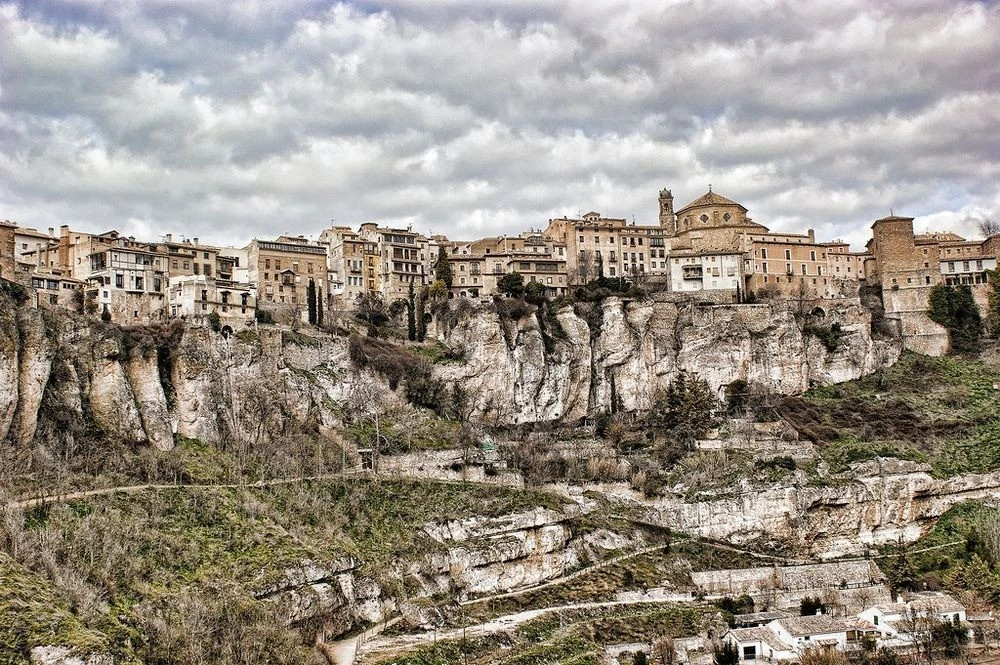
In the heart of Spain, in the region of La Mancha, the Jucar River has carved its way through the centuries, creating one of the peninsula's most impressive canyons. 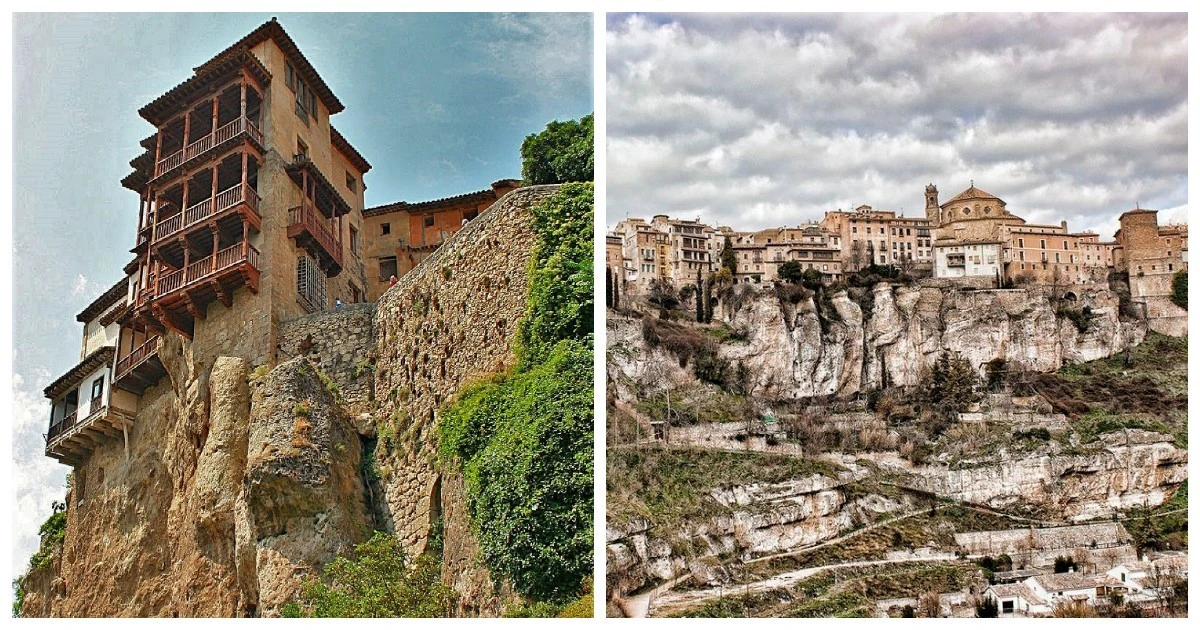
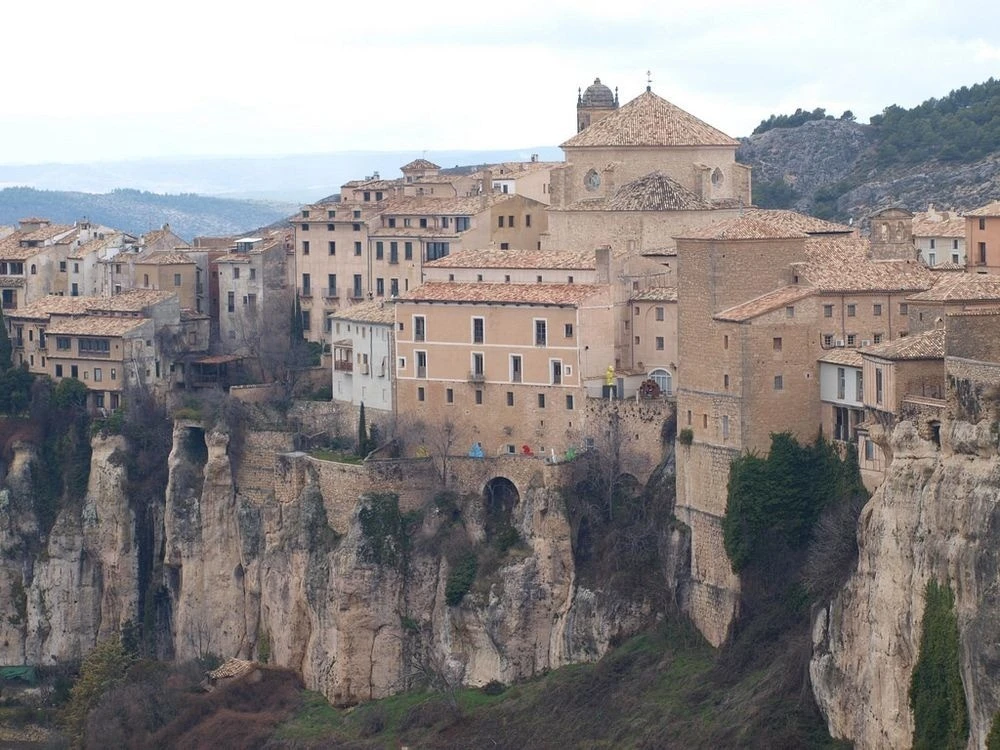
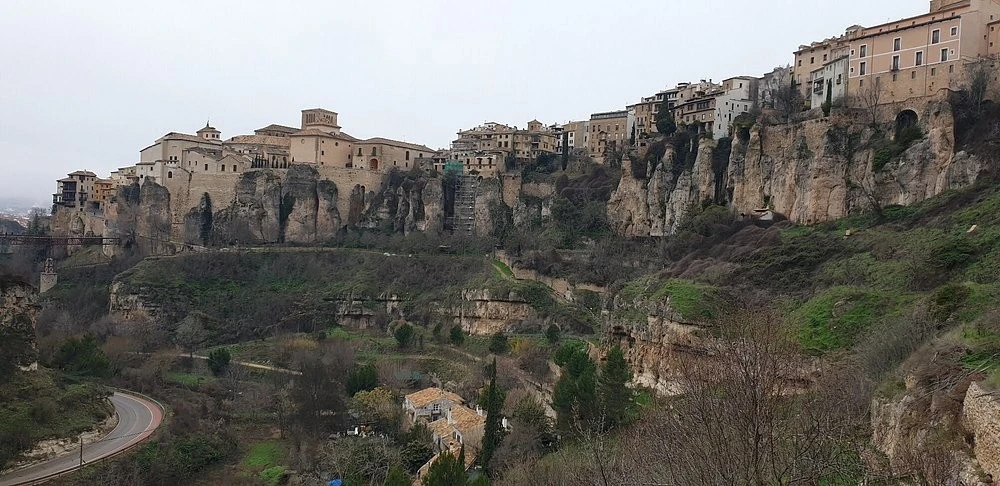
Ancient towns cluster along the banks of this gorge, like swallows' nests. Among them, medieval Cuenca stands out—the place where the roaring Huécar River tumbles into the arms of the Jucar. 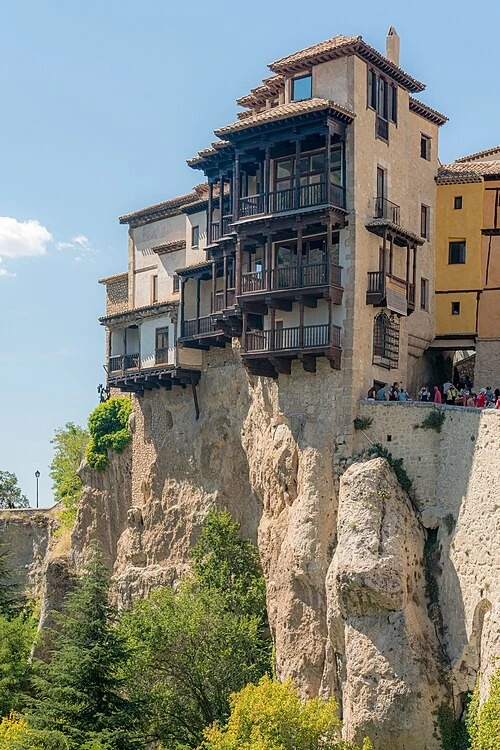
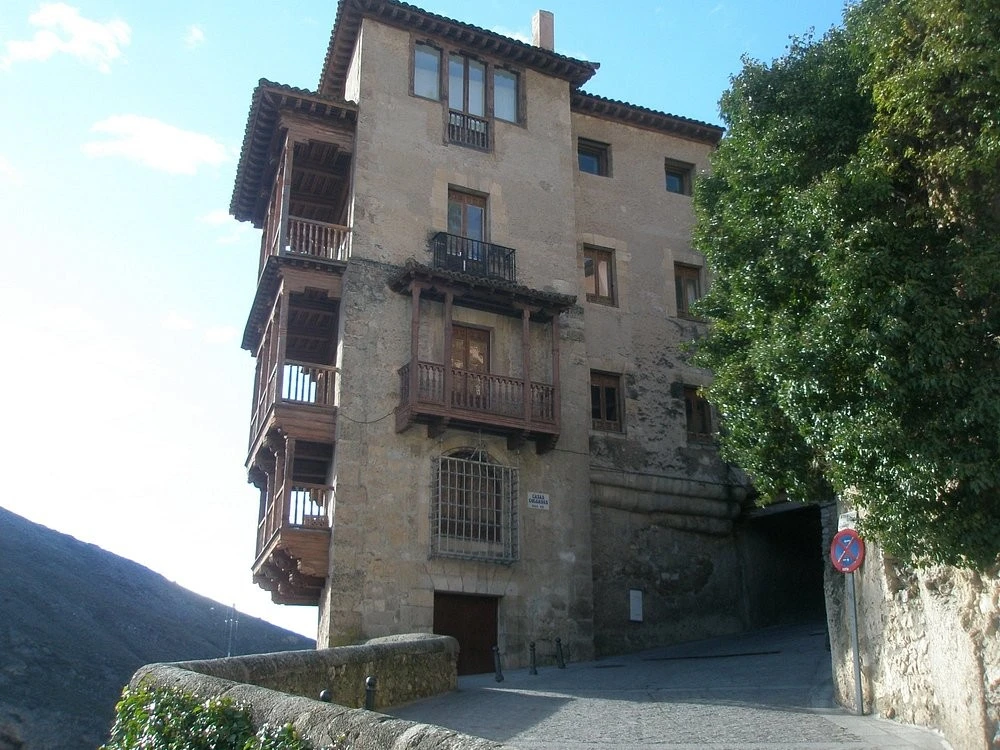
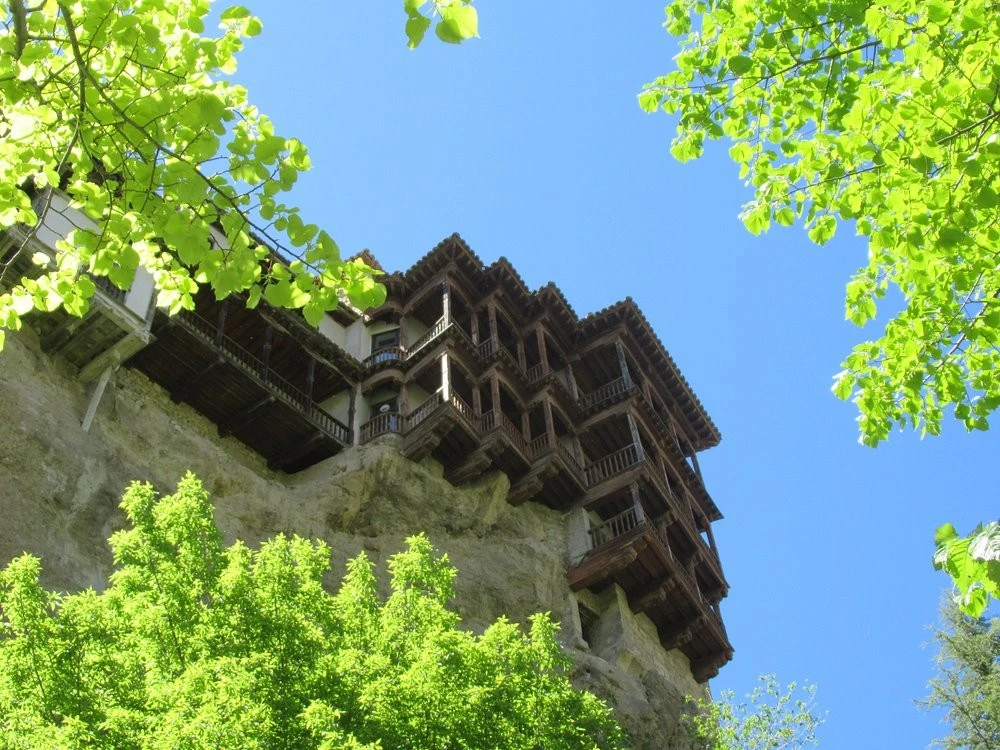
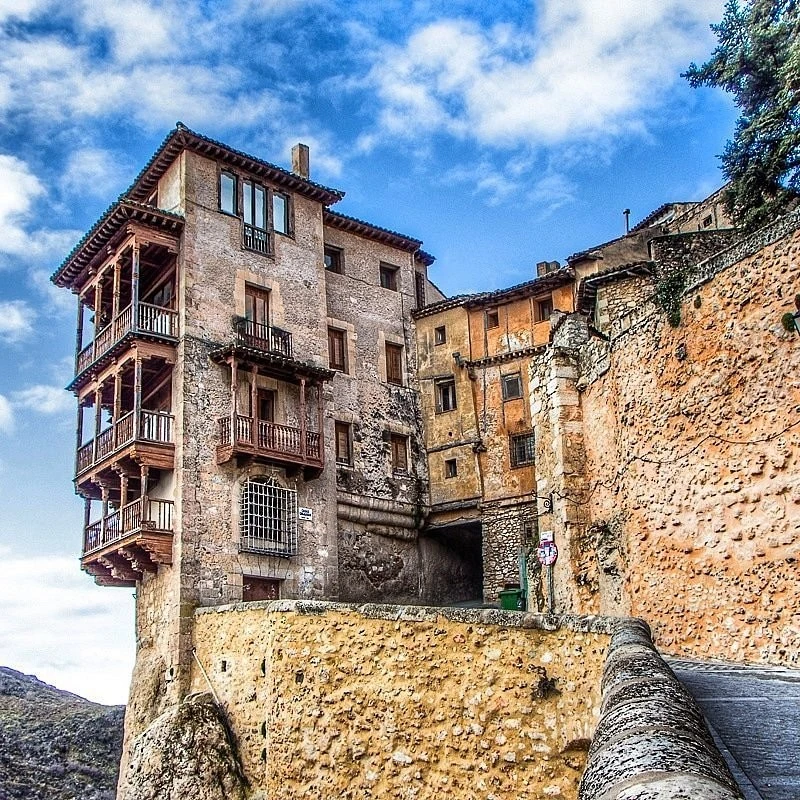
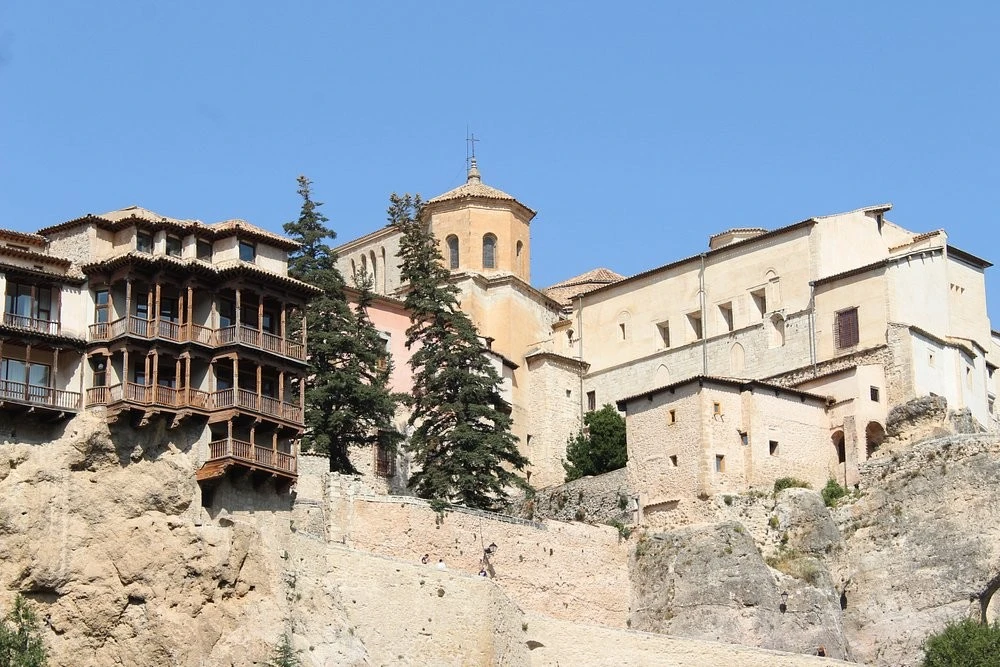
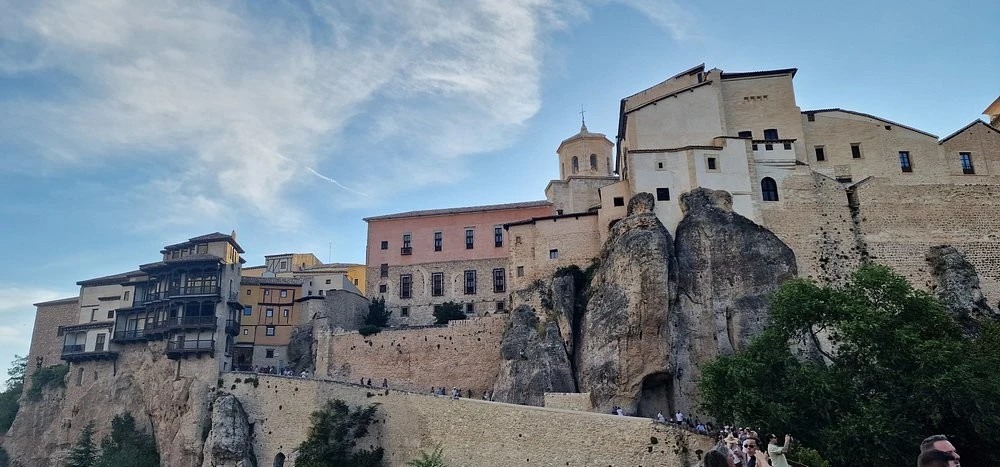
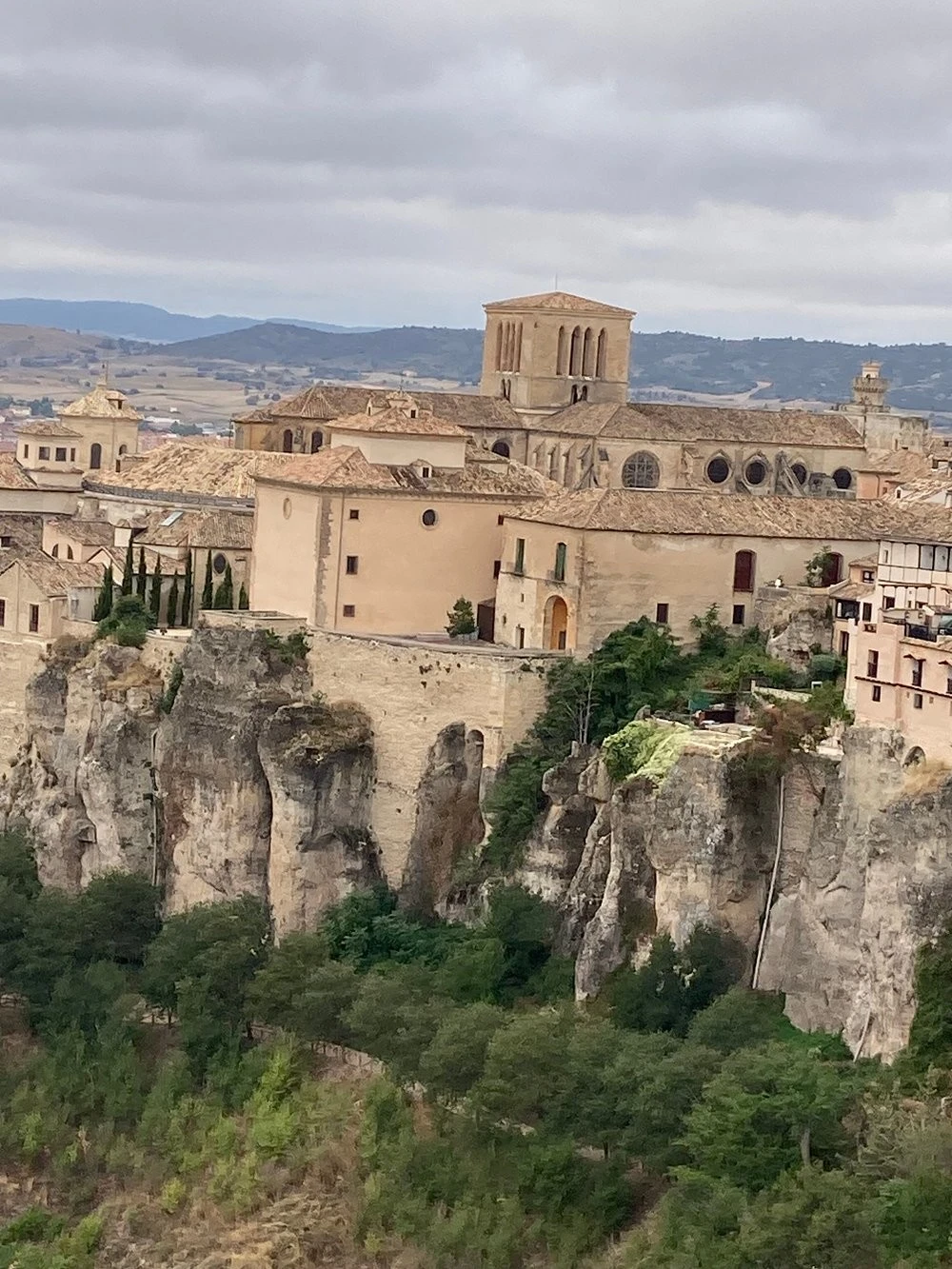
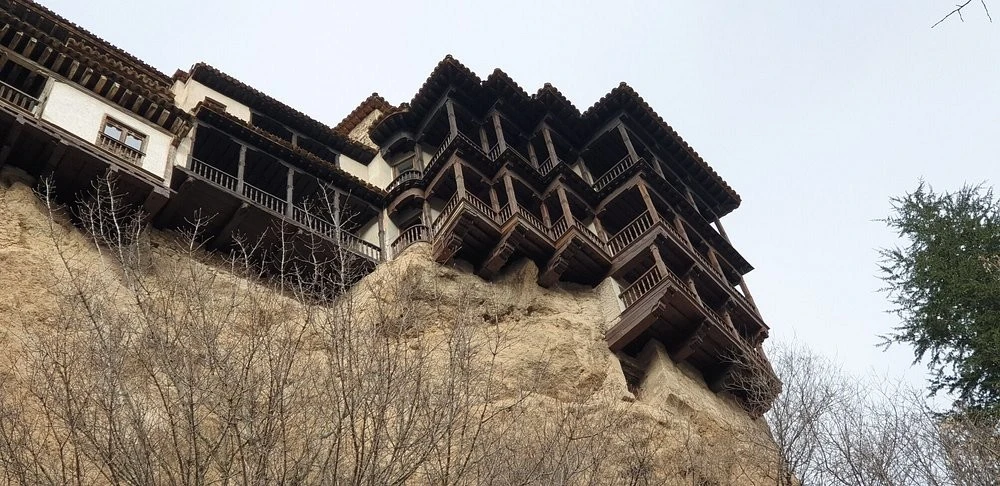
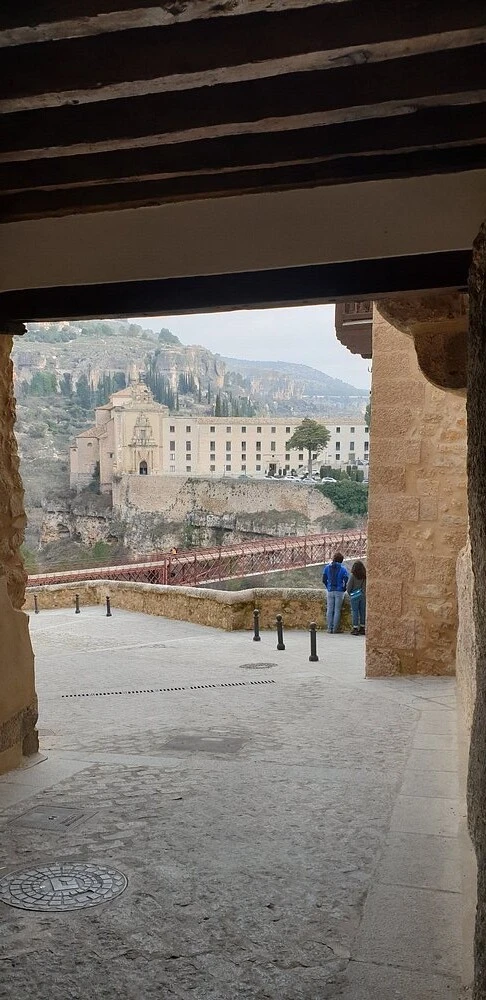
Cuenca, a UNESCO World Heritage Site, is a living example of a cliff city, its steep cliffs falling sheer into the bleak abysses of two rivers. The stars of this stone theater are the "casas colgadas," or hanging houses. They reach right to the edge of the abyss, making Cuenca the most breathtaking city in Spain. 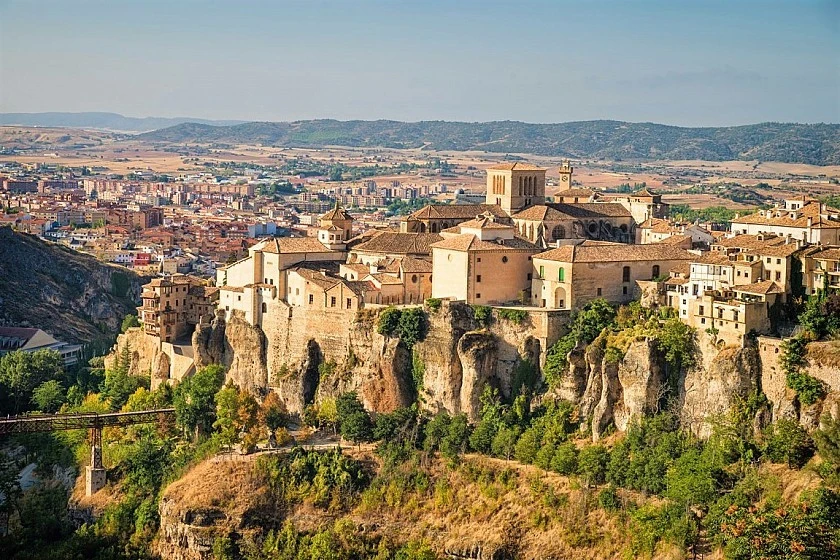
In the past, such structures were common along the eastern border of the ancient city near the Huekara ravine. But time is merciless, and today only a few gems remain. The most recognizable ensemble is three houses with wooden balconies overhanging the void. 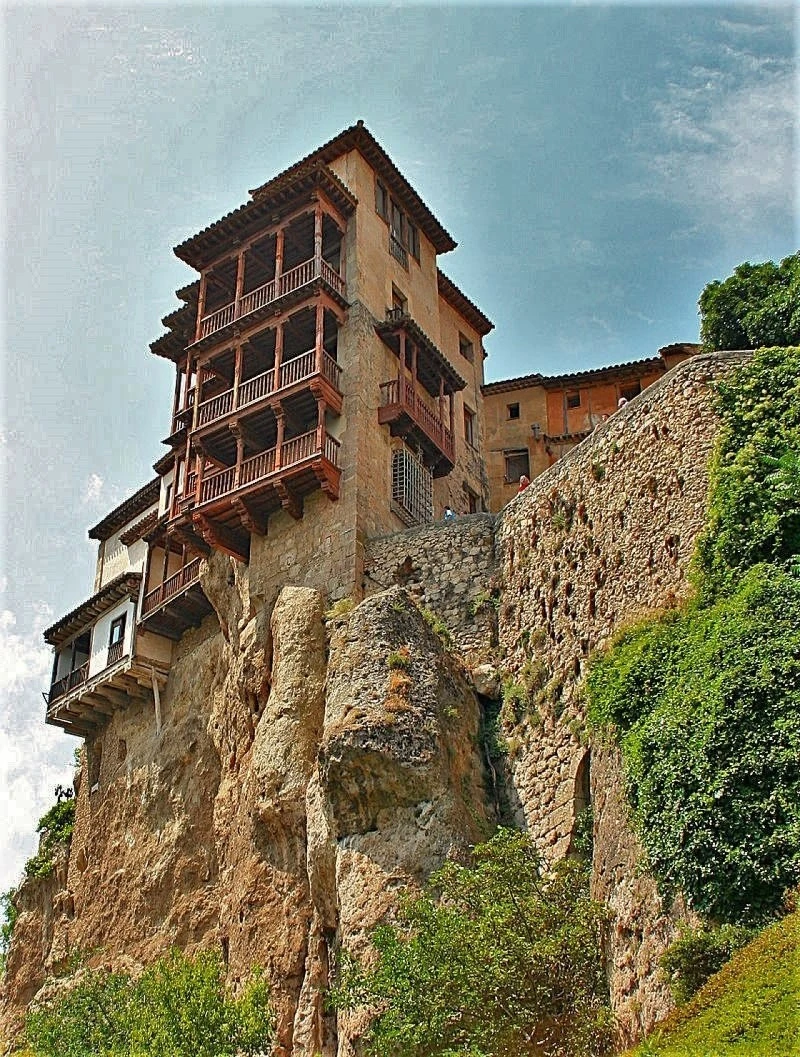
The exact age of these buildings is difficult to determine, as they have been rebuilt many times, but historians are certain that they were already guarding the abyss by the 15th century. 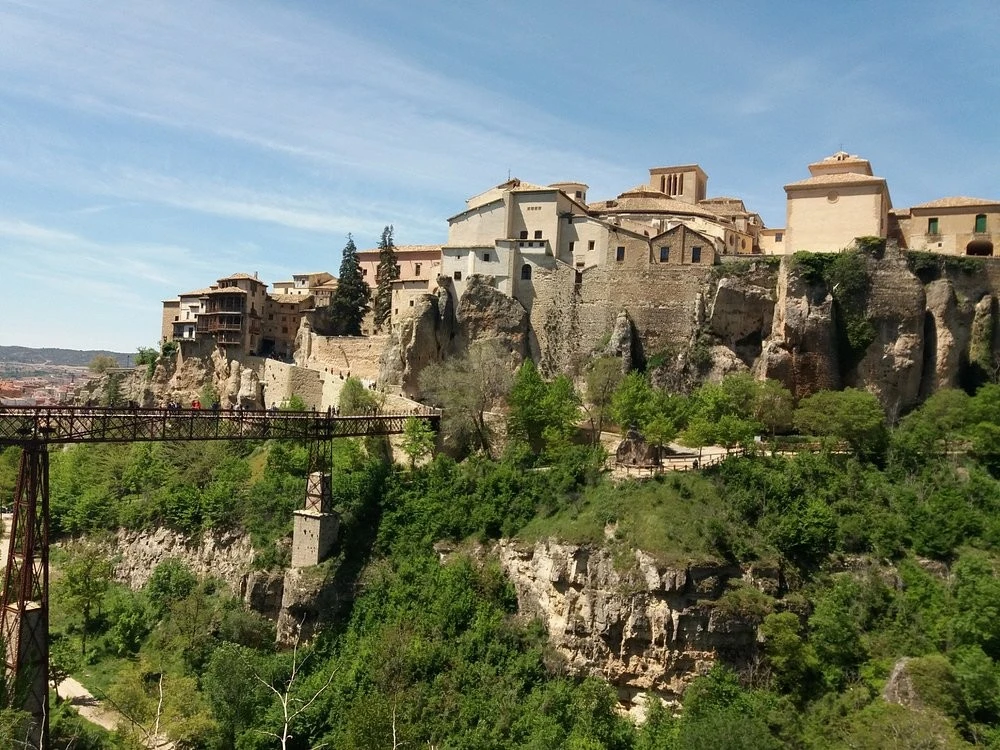
Over their long life, these walls have seen much: townspeople lived here, and the city council met here. Today, one of the buildings is a restaurant overlooking the abyss, while another has become a temple to abstract art, where modern paintings compete with the centuries-old antiquity of the stone.