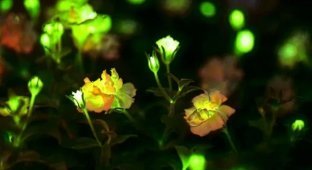
Photosynthesis instead of a light bulb: Chinese scientists decided to illuminate cities with glowing flowers (3 photos + 1 video)
While Western corporations struggle with the energy efficiency of LEDs, Chinese bioengineers have decided that the best light bulb is one that can reproduce and only requires watering. 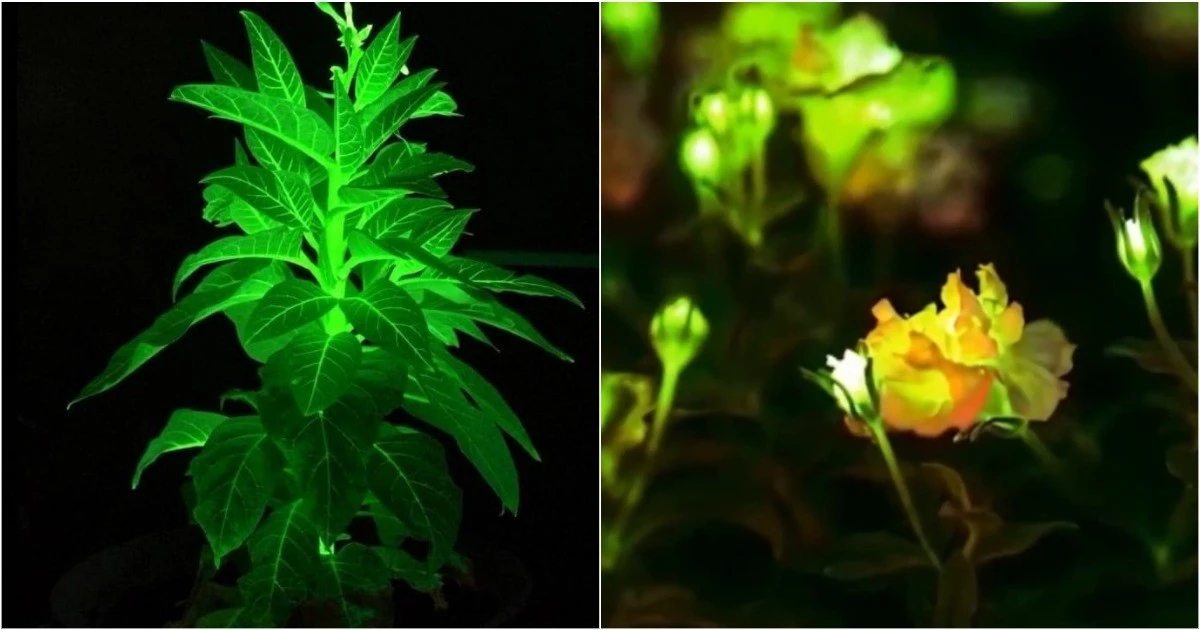
Living "lamps" have been officially unveiled in China: scientists have managed to cross-breed the genes of fireflies, luminescent mushrooms, and common garden flowers. The result would make James Cameron nervously smoke on the sidelines – glowing orchids, sunflowers, and chrysanthemums are no longer just graphics from "Avatar," but rather a very real biodesign. 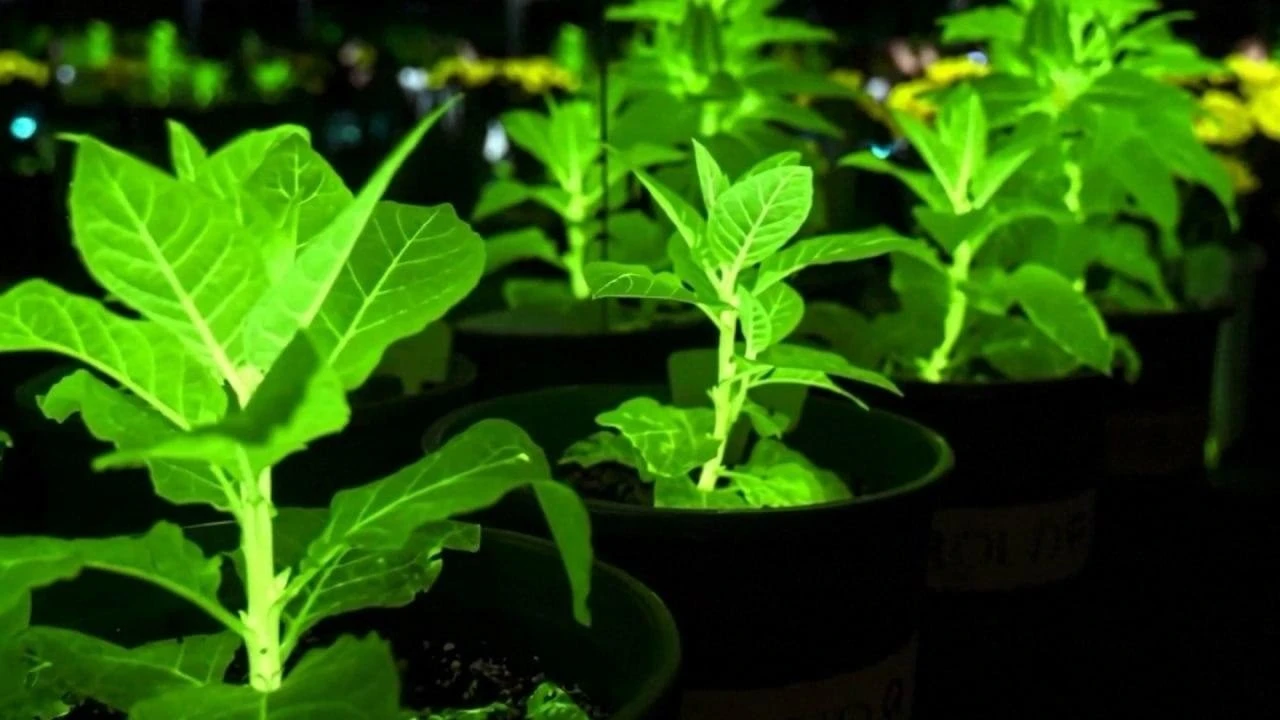
The mechanics of the process are elegant: we take the luciferase gene from fireflies or specific enzymes from neon mushrooms and carefully "glue" them into the plant's DNA. As a result, the flower begins to glow on its own, using its own resources for the chemical reaction. No batteries, wires, or electricity bills—just water, fertilizer, and a little love. The Chinese are already claiming that these "green lanterns" are ideal for illuminating parks, squares, and public spaces. 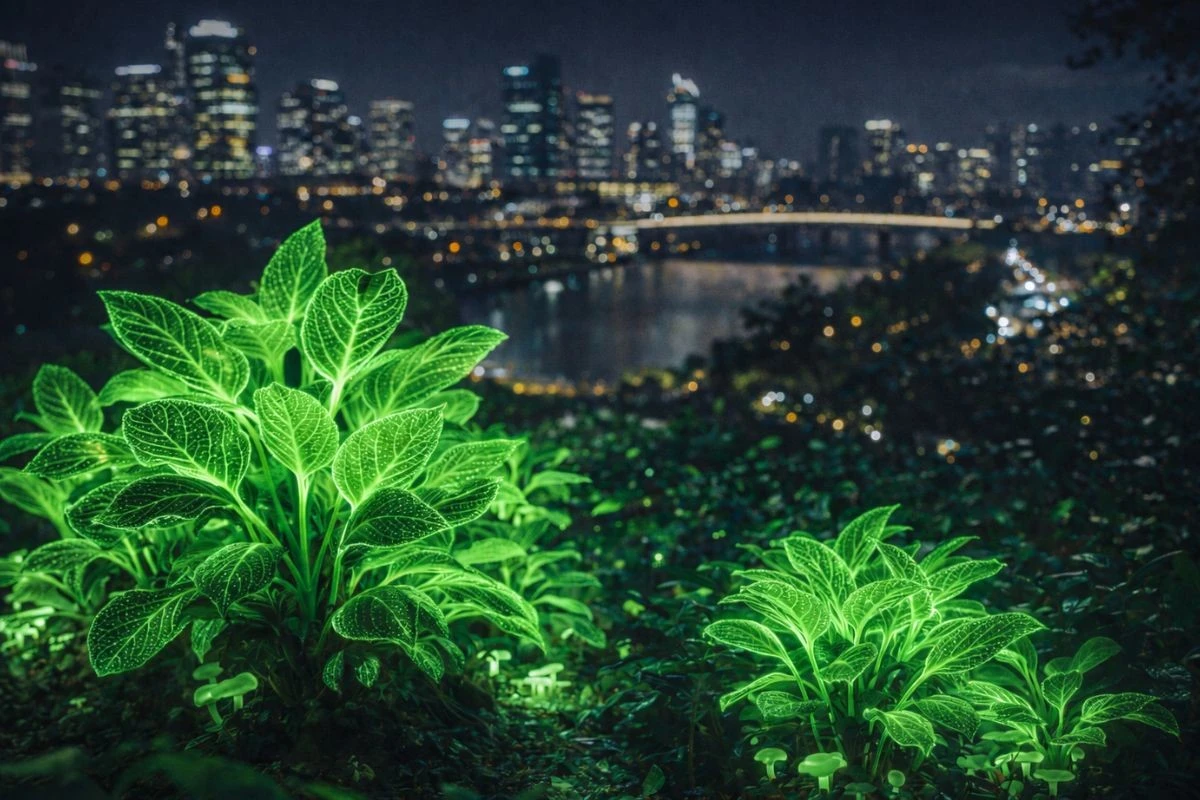
Of course, these orchids still have a long way to go before they become full-fledged spotlights, but the concept looks frighteningly promising. Imagine the urban landscape of the future: instead of lampposts, illuminated alleys. Beautiful, isn't it?