Trout Rebellion: How One Fish Almost Burned Down an Entire City (9 photos)
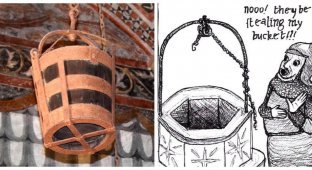
History is replete with rebellions that erupted for reasons that today only evoke a smile. In 1325, two Italian cities, Modena and Bologna, clashed over a simple wooden bucket. This confrontation remained in the chronicles as the War of the Bucket. 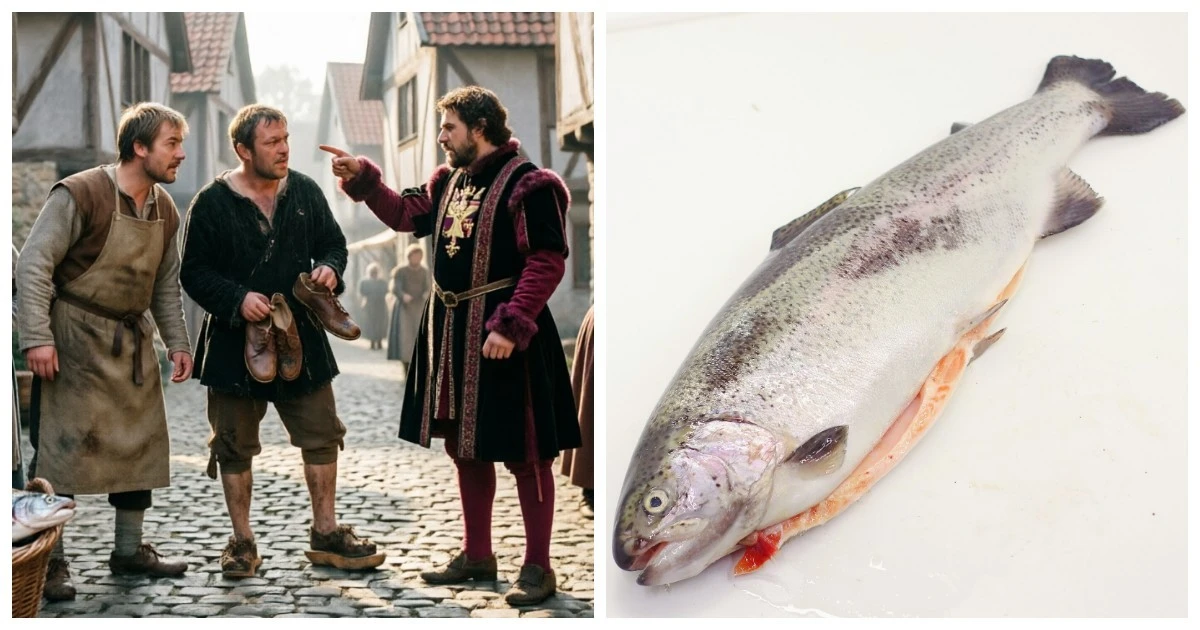
Three decades later, in Oxford, a quarrel over sour wine led to a bloody massacre between townspeople and university scholars, known as the St. Scholastica's Day Pogrom. The Trout Revolt, a rebellion sparked by a simple fish, also belongs to this series of absurd pretexts. 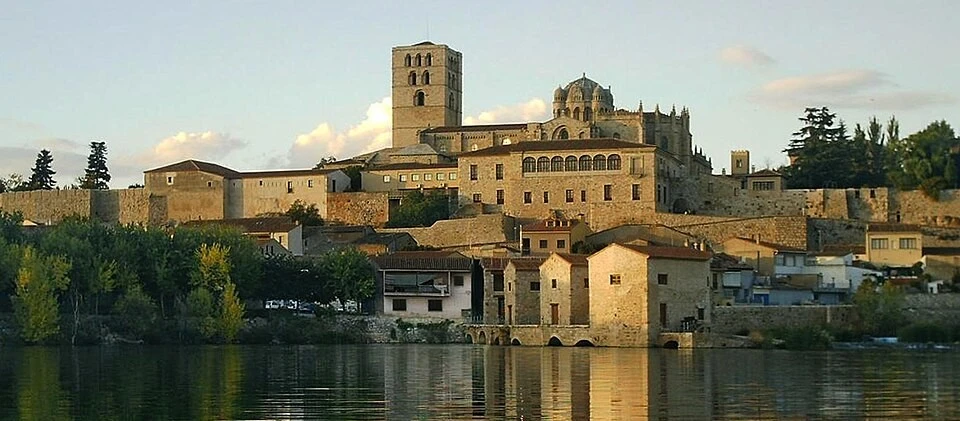
Zamora
In 1158, Zamora, Spain, was considered a strategic city. It stood on the precarious border between the Christian Kingdom of León and the Muslim domains of Al-Andalus, where power was then shifting from the Almoravid dynasty to the Almohad Caliphate. The city also lay at the crossroads of important trade routes. The road leading to the southern branches of the Camino de Santiago passed through here, and silver caravans made it a major trading hub. The strategic location and profitable trade boosted the local economy, strengthened the urban bourgeoisie, and the bustling market became the heart of Zamora. 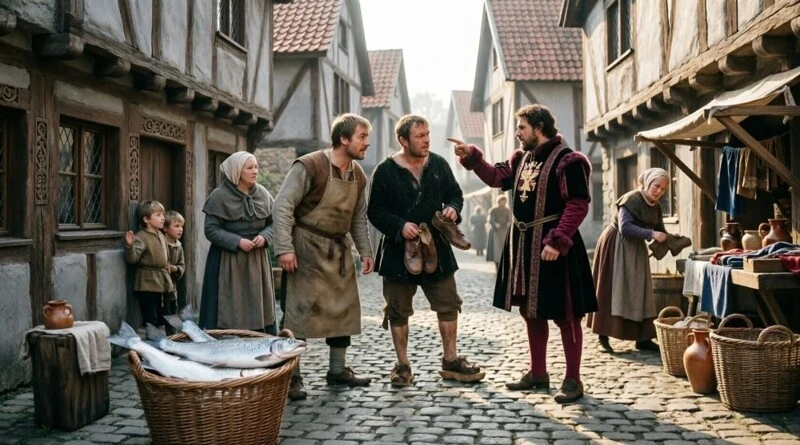
The incident happened right there. The shoemaker got there first. He bought the merchant's last trout. But then the servant of the noble knight Gómez Álvarez intervened, demanding the fish for his master, claiming his status obliged him. The fishmonger and the shoemaker refused, as the deal had already been made. Words led to words, and a crowd gathered around, divided into two camps. The servant left empty-handed. 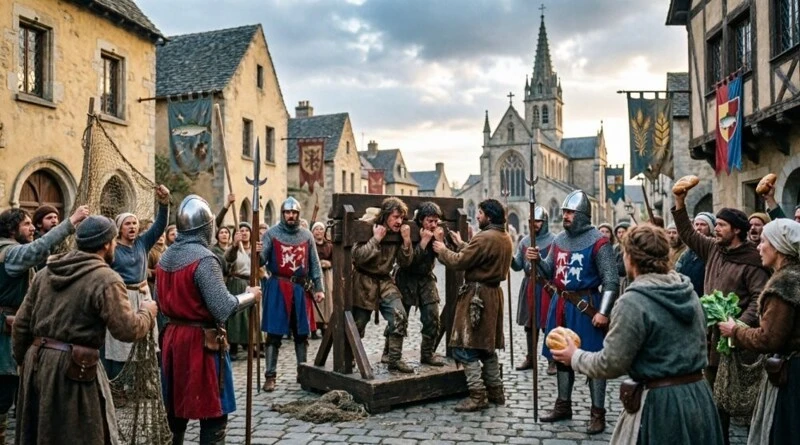
Upon learning of what had happened, the knight could not bear the humiliation. With a detachment of armed men and several nobles, he returned to the market, where he ordered the seizure of the shoemaker, the merchant, and their most ardent supporters. The townspeople, seeing the arrests, became enraged. A dispute over fish escalated into open unrest. 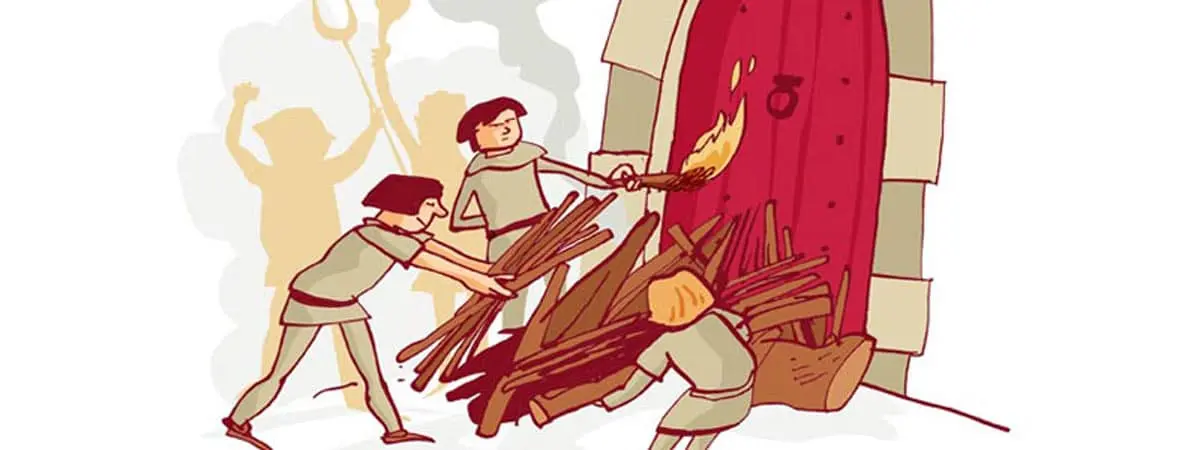
The nobles gathered for a council in the Church of Santa Maria. Gomez Alvarez insisted on a harsh measure: hang the ringleaders to deter future disobedience. But while the knights were arguing inside, townspeople, mostly members of the younger bourgeoisie, had already gathered outside. They barricaded the church doors with wood and set them on fire. The church went up in flames, and none of those trapped inside escaped... 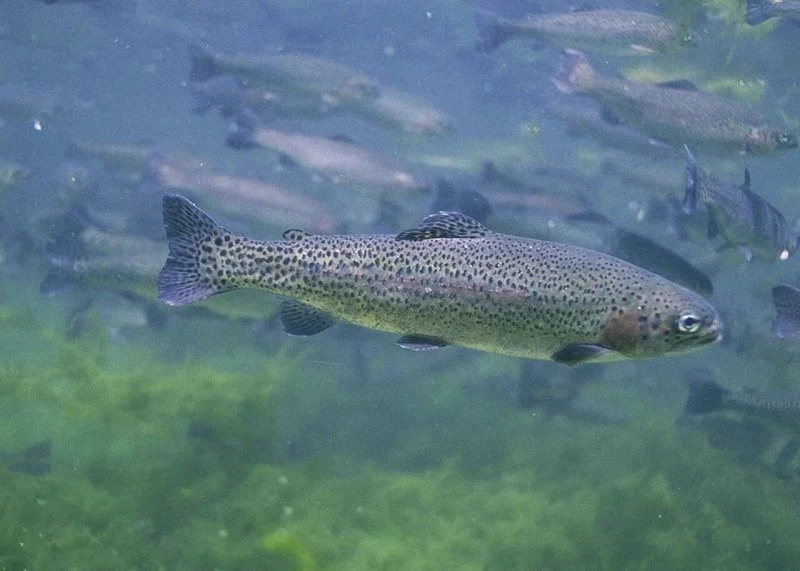
Those involved in the massacre understood that King Ferdinand II of León and the relatives of the dead aristocrats would not let it go unpunished. Many fled to neighboring Portugal. From there, they sent letters to the king and the Pope, detailing their version of events, listing the grievances they had suffered for years at the hands of the nobility, and asking for forgiveness for the burning of the church and the loss of life. If they refused, they threatened to accept the allegiance of the Portuguese King Afonso I. 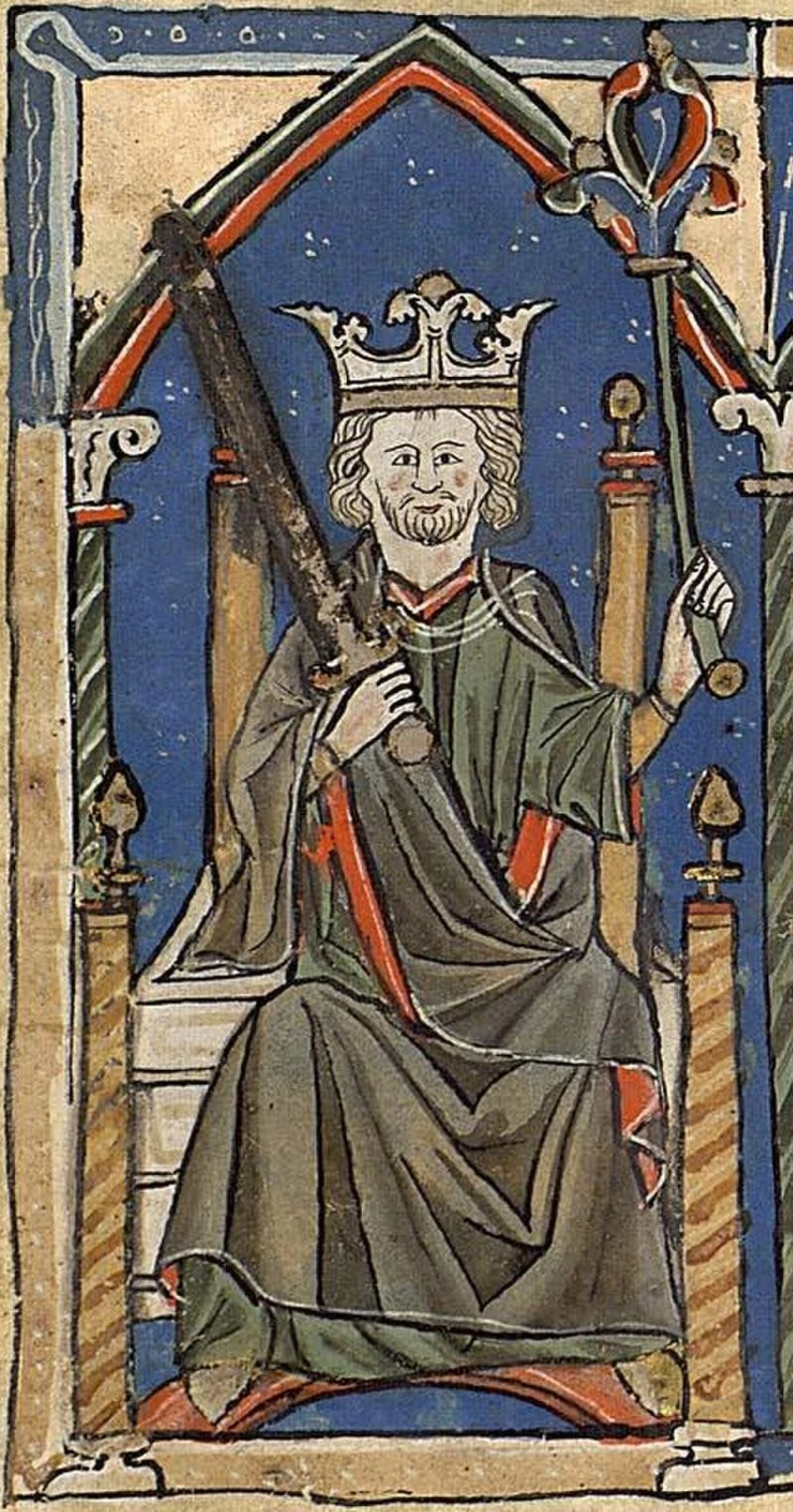
Ferdinand II of León – King of León and Galicia since 1157
Twenty-one-year-old Ferdinand, who had reigned for only a year, faced a difficult choice. Pardon the fugitives and risk losing the support of powerful lords who might defect to his rivals. Leaving them in Portugal would have strengthened a neighboring power whose interests did not always align with those of Leon. Ultimately, the king decided that popular discontent was deeply rooted, and the presence of rebels on foreign soil was more dangerous than showing them mercy. 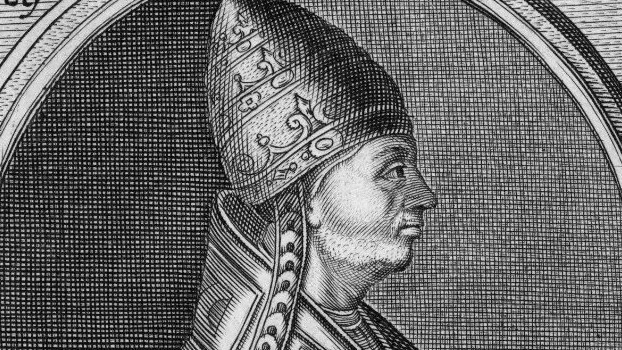
Pope Alexander III
According to legend, Pope Alexander III assumed the role of peacemaker and dictated the terms of absolution. The exiles pledged to rebuild the burned-down church of Santa Maria. After its restoration, it was named Santa Maria la Nueva, meaning the New Church. They were also required to decorate the church with a rich altarpiece featuring silver panels and precious stones. 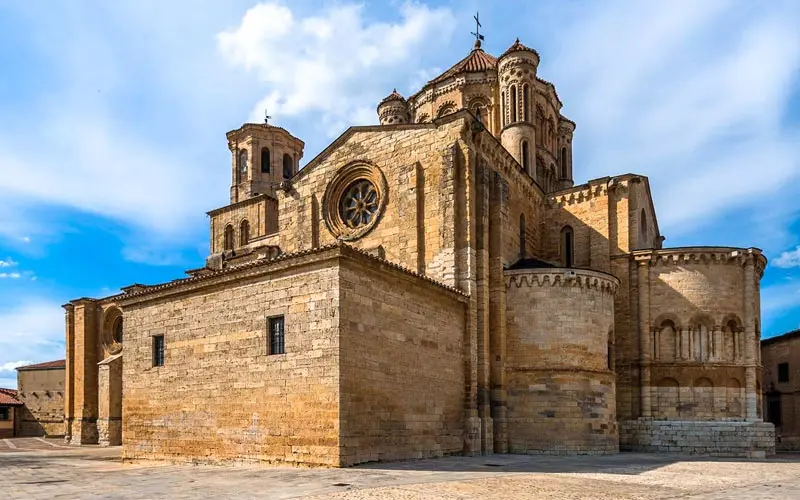
Santa Maria la Nueva
The conditions were met. The church was built in the 12th century and expanded in the following century. A street named after the Trout Rebellion can still be found nearby.