Living Stones of Portugal: Mysterious Granite That "Gives Birth" to Babies (12 photos + 1 video)
In the Freita Mountains in northern Portugal, near the village of Castanheira, lies a huge granite boulder. Its main secret is that from time to time... it gives birth to stones. 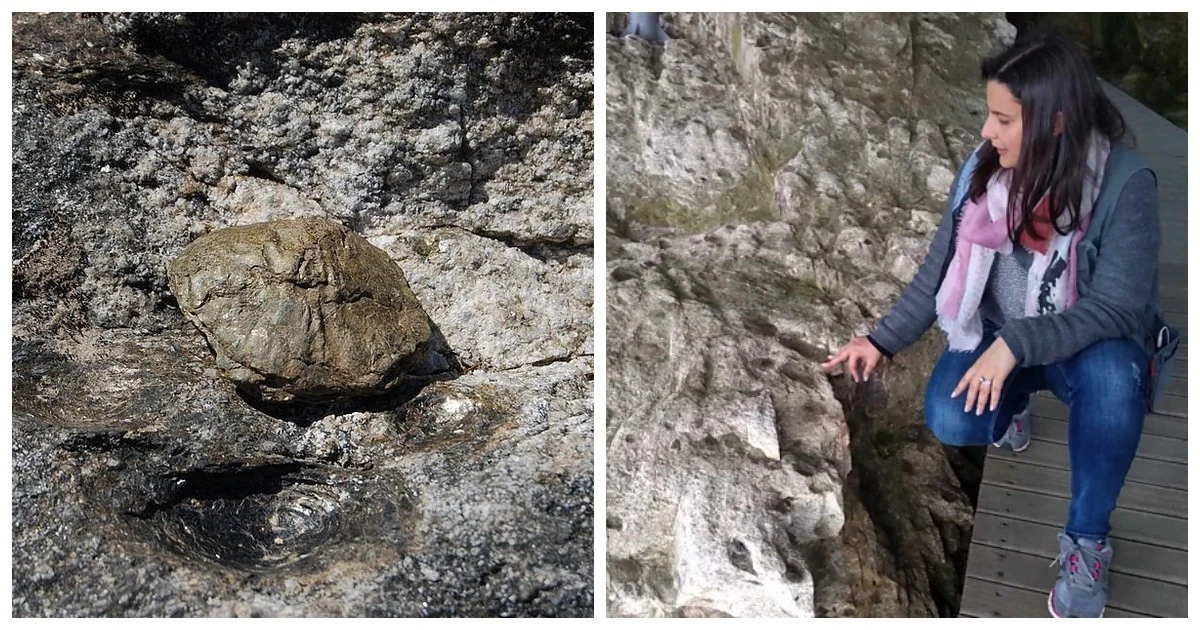
Locals call this place Pedras Parideiras, which translates as "birthing rocks." 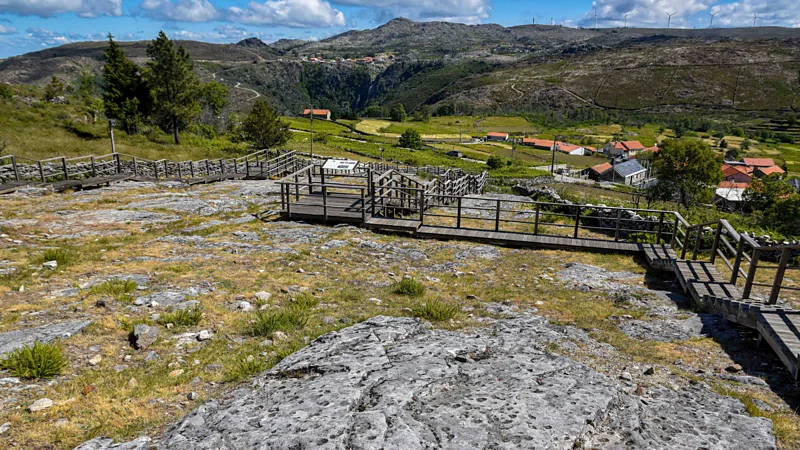
The source rock is a granite outcrop approximately one kilometer by six hundred meters in size. Its surface is strewn with small disks ranging from 2 to 12 centimeters in diameter. 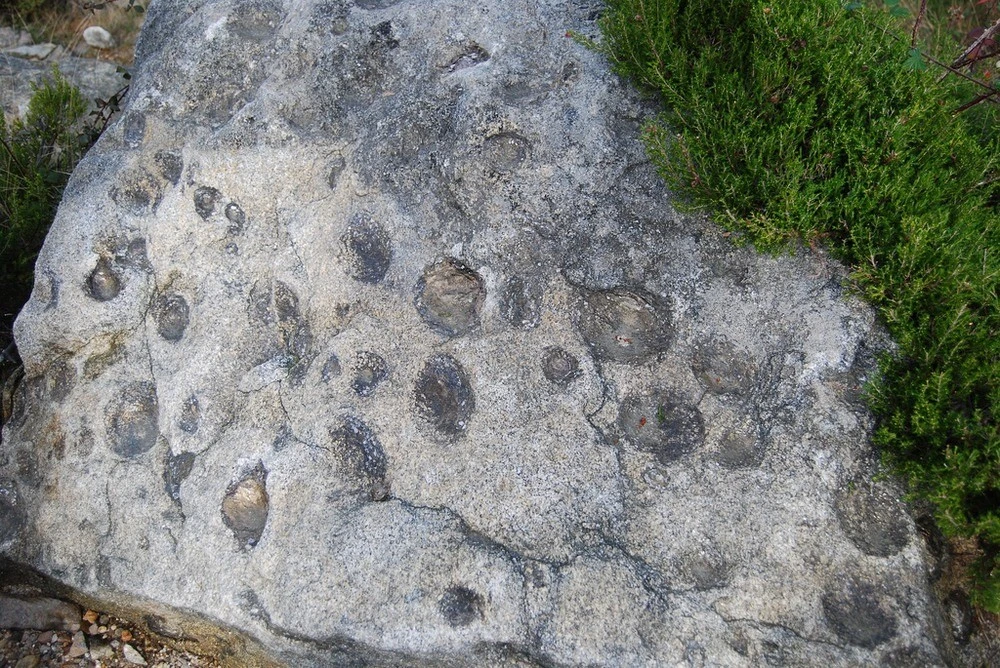
Under the influence of temperature fluctuations and erosion, these disks, or "baby stones," gradually separate from the main rock, leaving dark depressions on its surface that resemble empty nests. 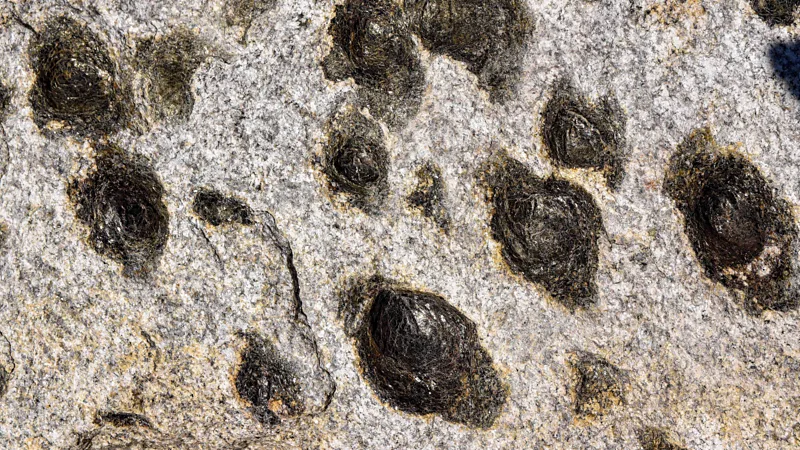
These "newborn" boulders are composed of the same minerals as the parent rock, but their outer layer is formed by biotite, a very brittle mica. 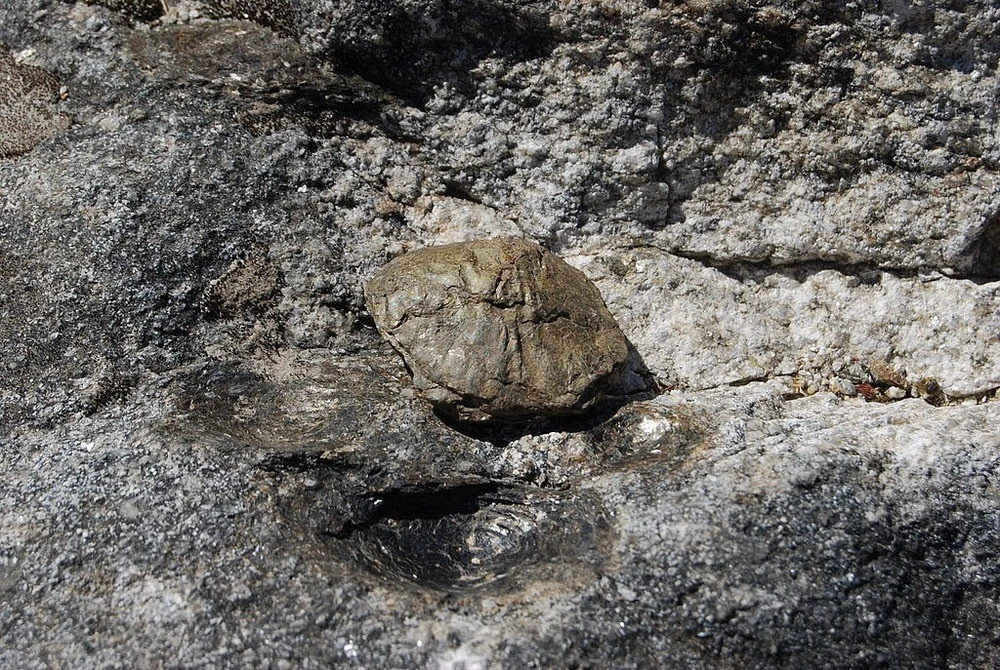
Water plays a key role in this centuries-old process. Raindrops and dew seep into the tiny cracks of the biotite. With the onset of winter, the moisture freezes. 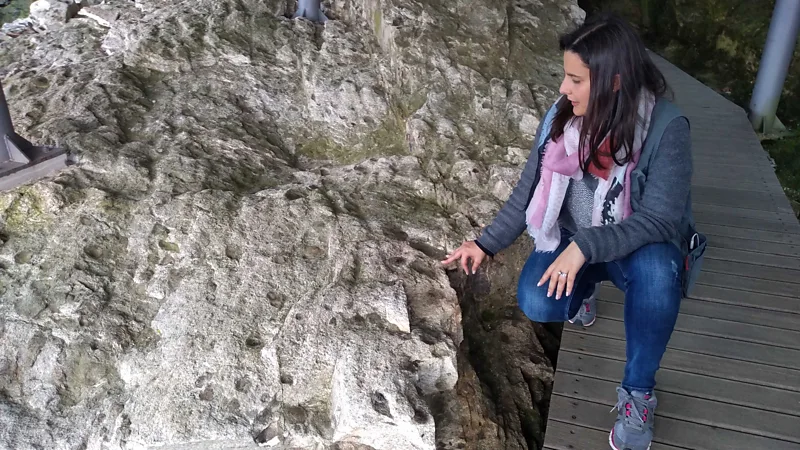
Because ice occupies a larger volume than water, it acts like an ice wedge, further splitting the rock with each cold season. It takes hundreds of winters for nature to tear away a single such stone. 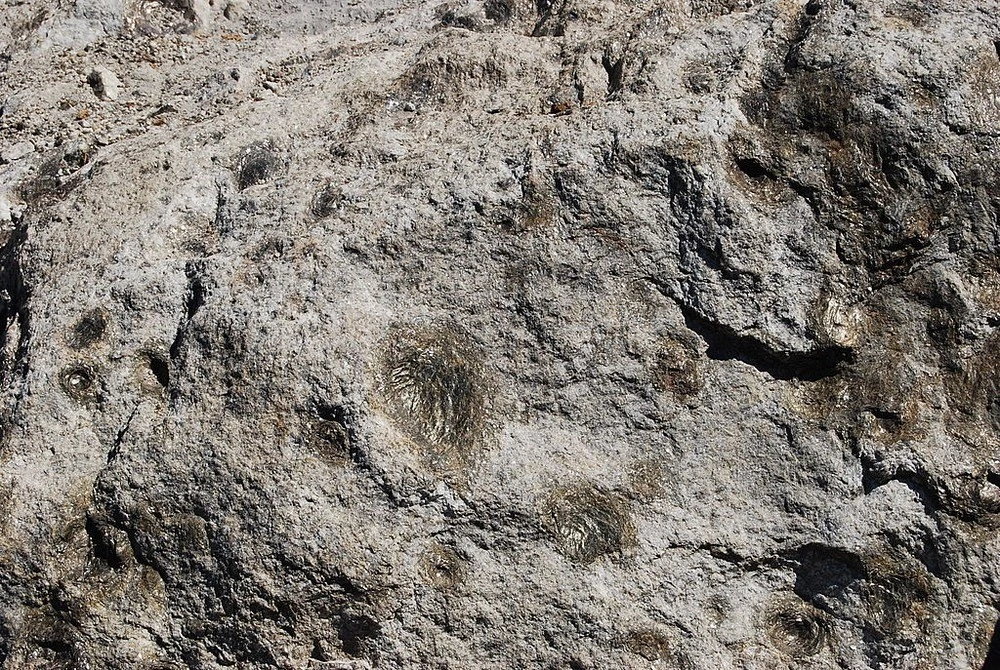
For the local population, Pedras Parideiras are a symbol of fertility. It is believed that a woman wishing to conceive can increase her chances by placing one of these small stones under her pillow. 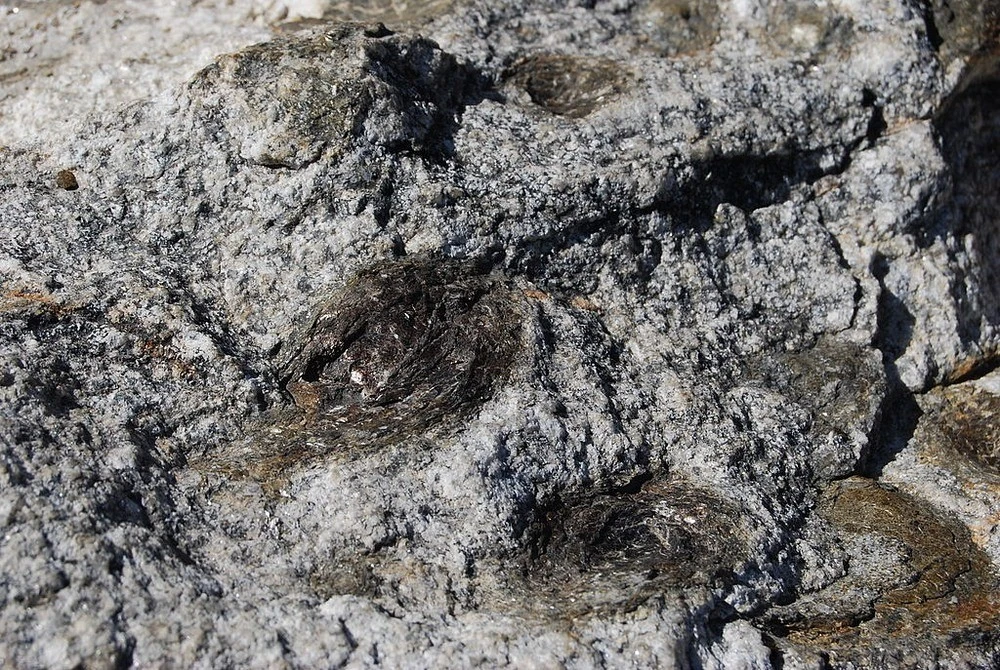
Removing these stones from the area, which is now part of the Arouca Geopark and is recognized by UNESCO as a geological heritage site, is strictly prohibited. However, despite the warnings, some visitors still take souvenirs. 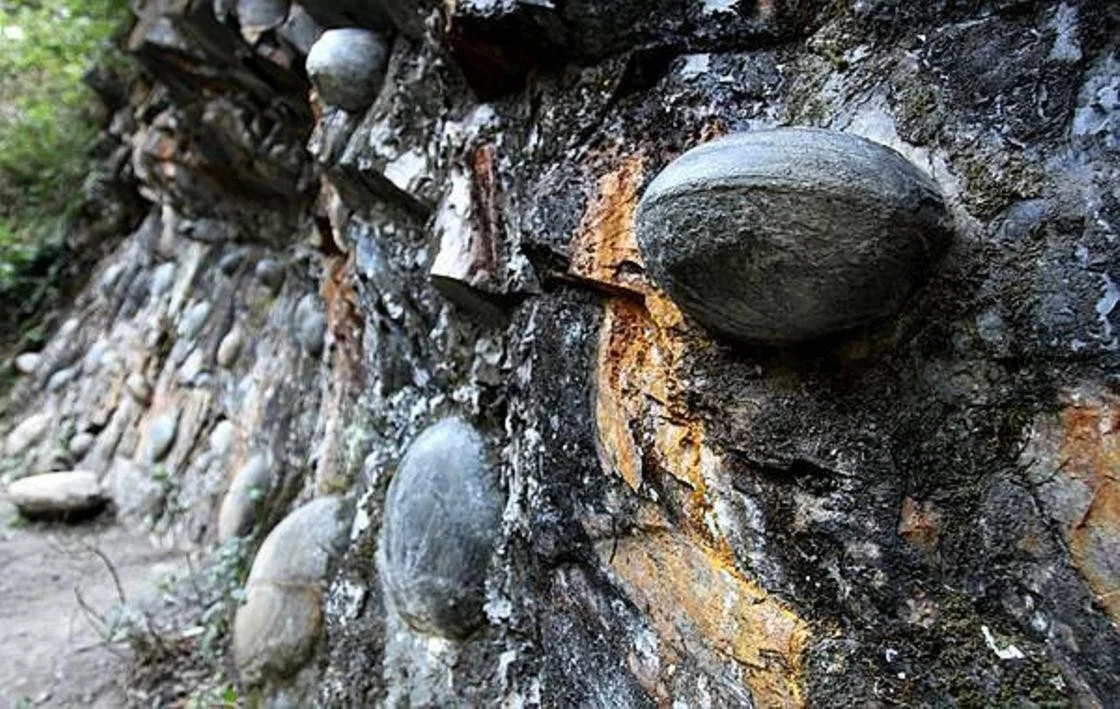
Chinese Cliff Chang Dan Ya
A story about an egg-laying cliff in China, Chang Dan Ya, has also appeared in the press. According to locals, this rock "lays" large egg-shaped stones once every 30 years. 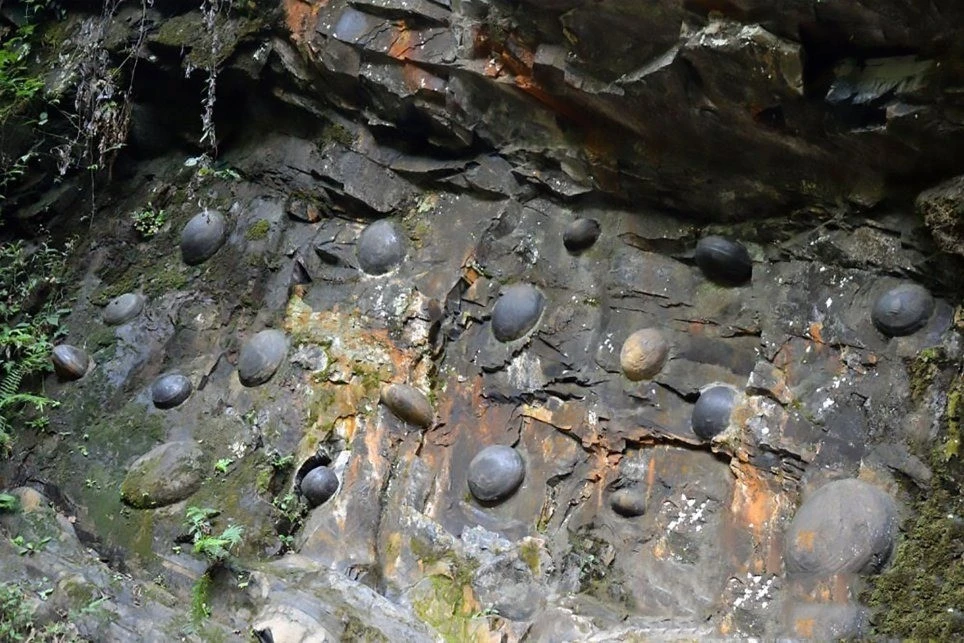
These "eggs," which are believed to be concretions, are much larger and heavier than the Portuguese "eggs." They reach 60 centimeters in diameter and weigh 300 kilograms. Scientists have put forward several theories, but the exact origin of these stone eggs remains a mystery. 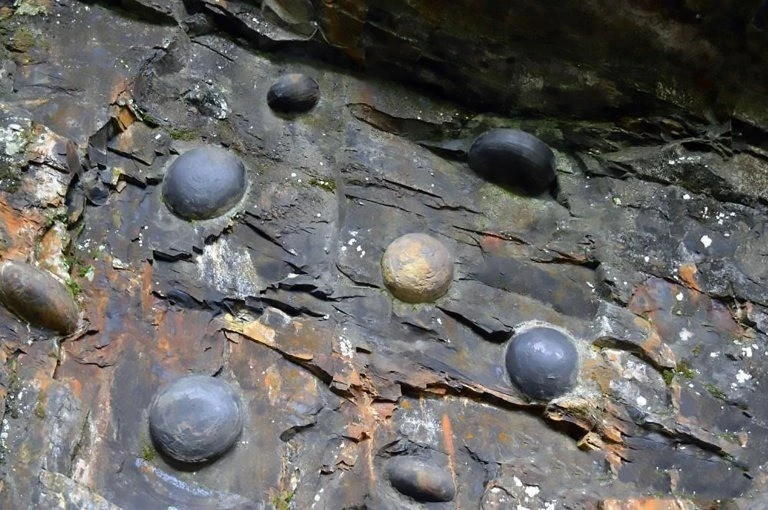
As in Portugal, locals believe these stones bring good luck and help women give birth to boys, so families take them home as soon as new "eggs" are found. 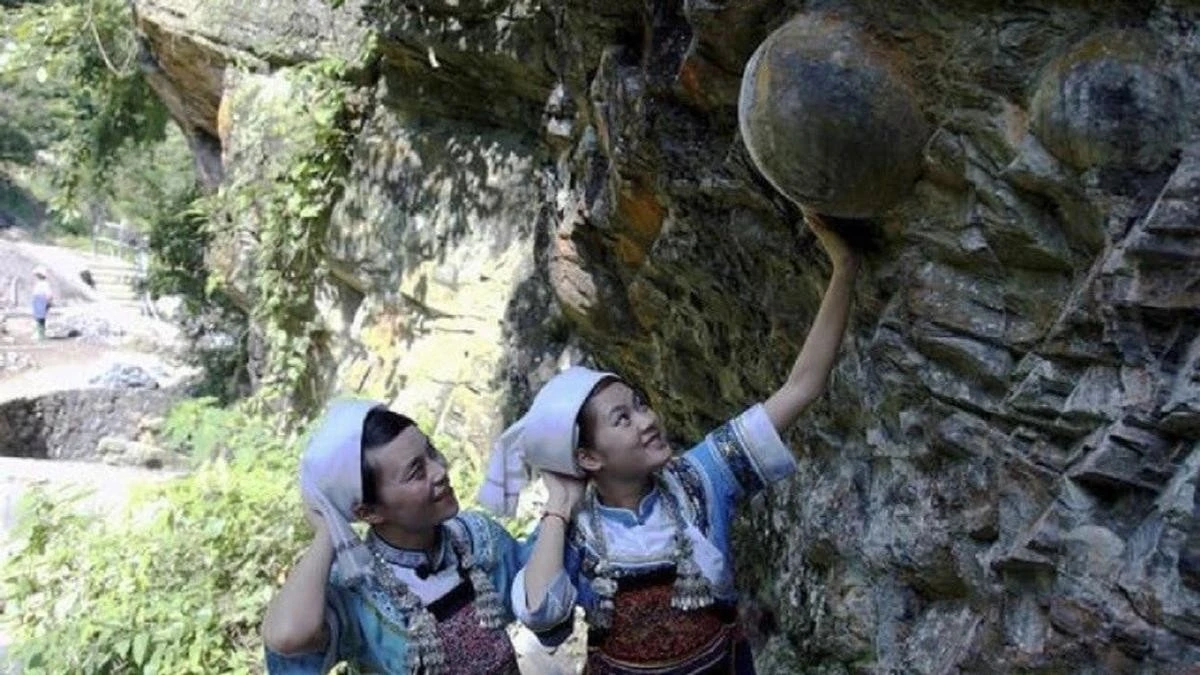
Several dozen of these stone formations still hang on the cliff, ready to "hatch" in a few decades.