Proboscis blenny: how did elephant genes change the life of a tiny animal? (9 photos)
What do a proboscis blenny and an elephant have in common? As is typical in articles like these, the most obvious answer is also the most incorrect. The trunks of elephants and blennys evolved in completely different ways and have nothing in common. These animals share something more important and profound. Something that saves their lives. 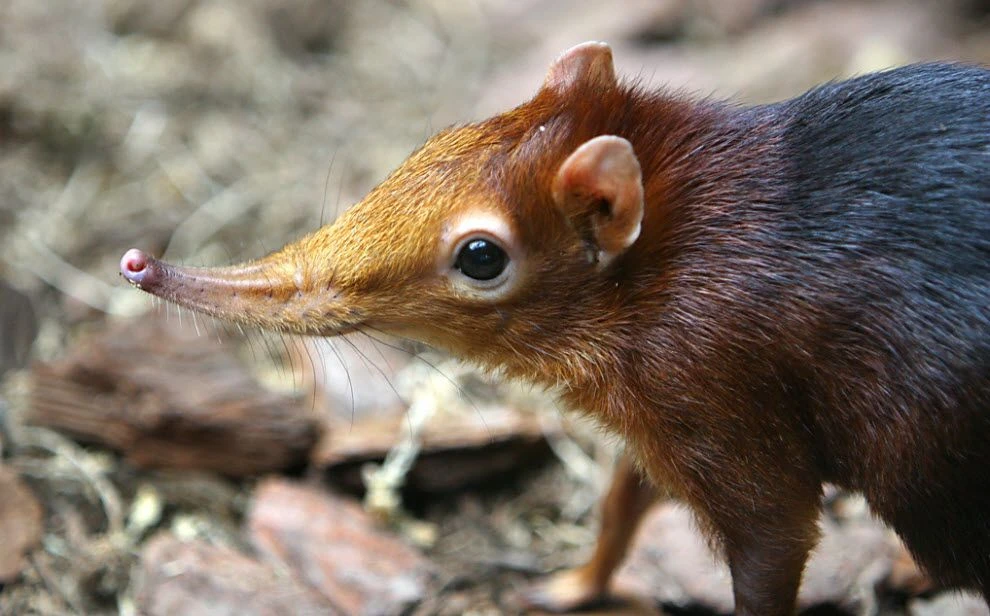
Okay, I see the trunk. Peters is the zoologist who discovered the species... But where's the blenny?
Long ago, back in the Cretaceous Period, Africa separated from the other continents and became a completely autonomous giant island for several tens of millions of years. A handful of primitive mammals found themselves stranded on this island, forced to somehow adapt to a variety of niches. This is how the Afrotheria emerged. 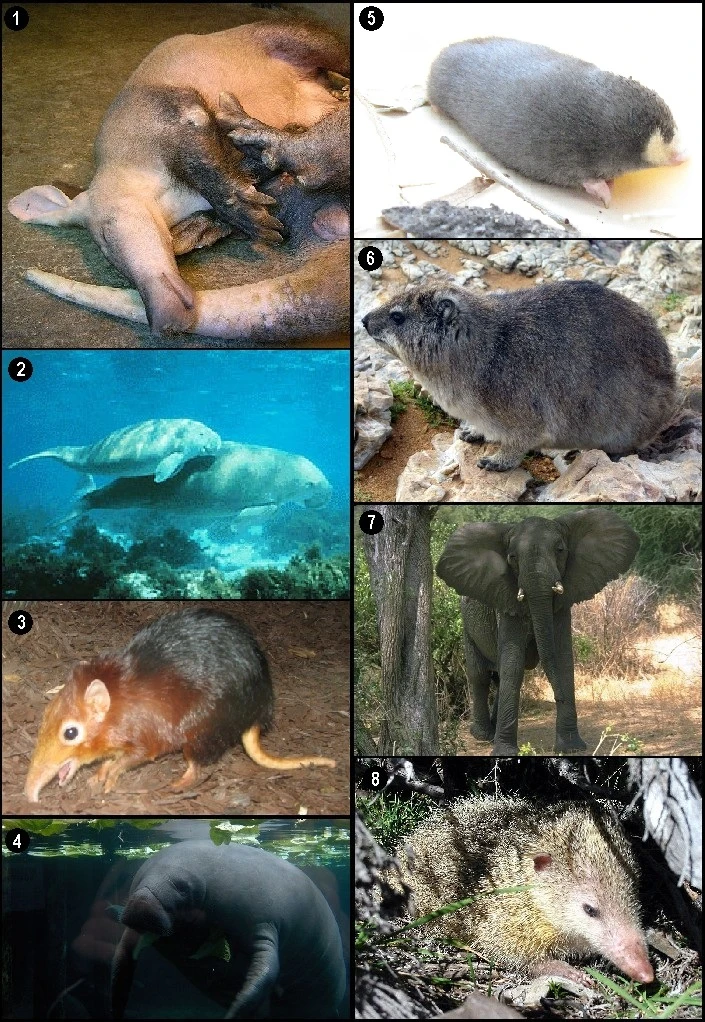
This is what happens to mammals when they're confined to one continent... They're all relatively closely related.
Afrotheria are perhaps the most diverse group of mammals on the planet. Besides the giant elephants, it includes, for example, algae-eating sea cows, rodent-like hyraxes, and even golden moles – a cuter version of moles. And, of course, our heroes – Peters's lemurs. 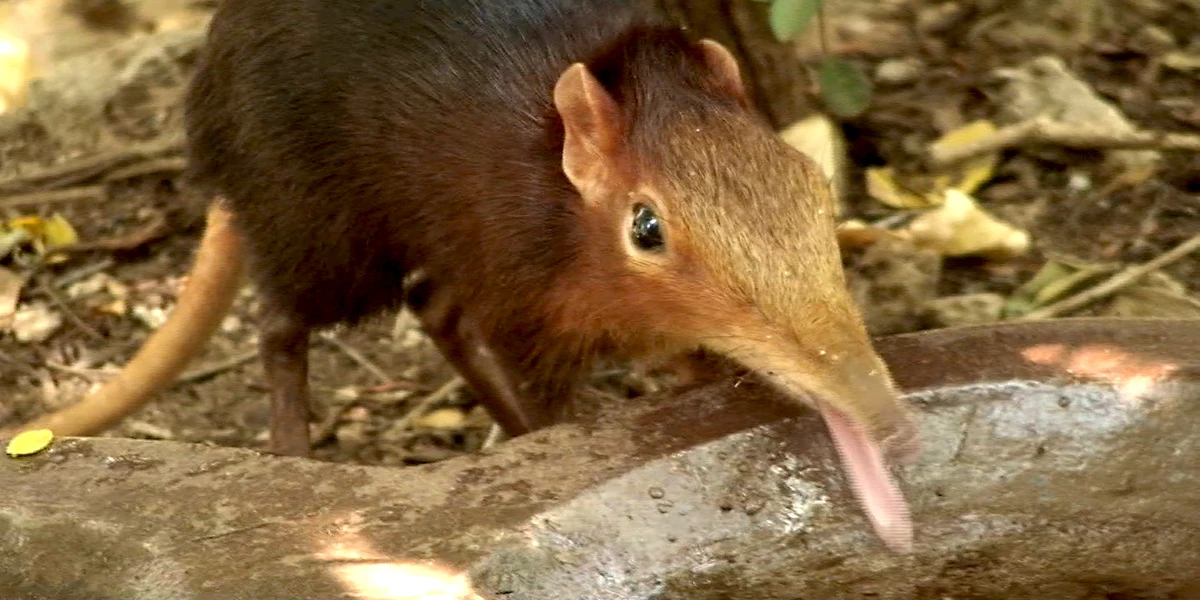
Look at my tongue! Did you catch it? Tell me you caught it!
Peters's lemurs are cute, half-kilogram insectivorous creatures that are famous for their strange sexual relationships. Dogs are serially monogamous animals, capable of being faithful to one partner for life. But they are also extremely introverted, avoiding contact even with their favorites and preferring to keep their distance from each other. They don't even allow other proboscis dogs into their territory. And this is so unlike elephants, with their herds, strong family bonds, and matriarch at the helm! 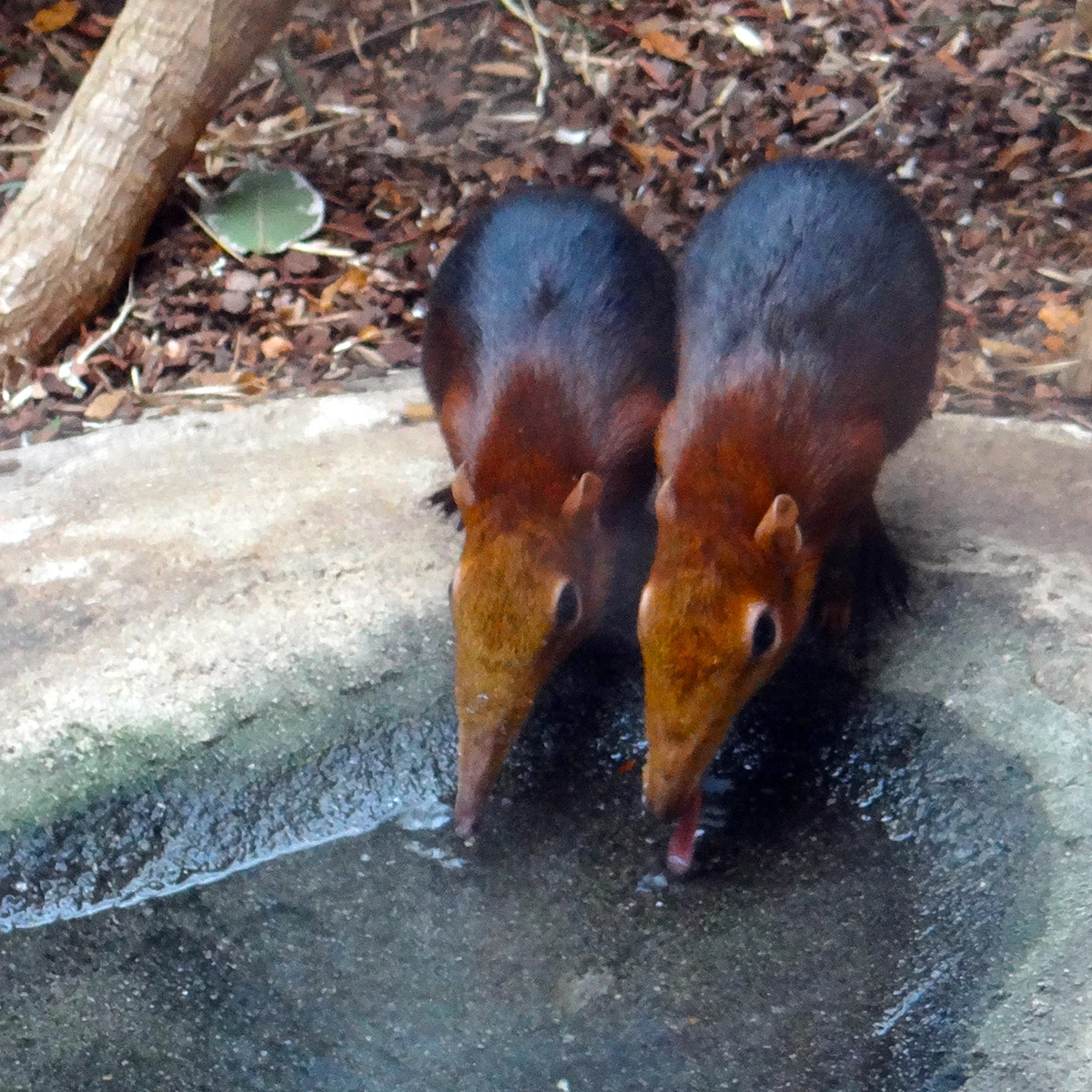
A family of Zoomers meeting at the dinner table. Now they'll have some tea and then go off to their corners to have a good time!
But at a cellular level, they're much more similar. For example, almost all Afrotheria species have the same anti-tumor defense mechanism, and this mechanism does its job extremely well. It's so effective that it breaks the established rules of biology! 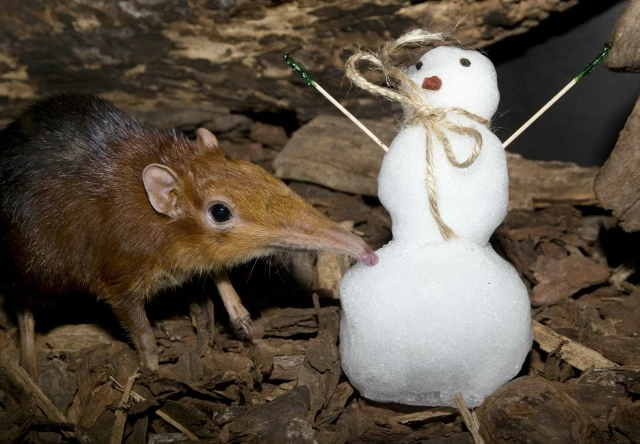
Peters' New Year's Dog wishes you a slightly belated Happy New Year! 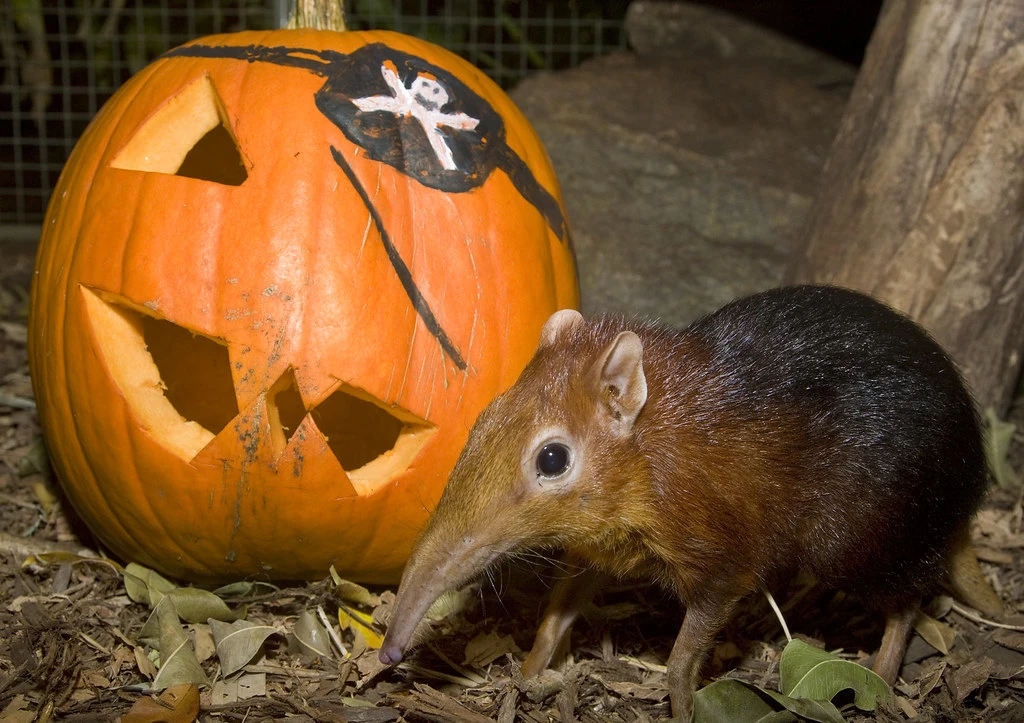
Following her, Peters' Autumn Dog wishes you a Happy Halloween. After all, better late than never!
Watch your hands, this isn't going to be easy. One general trend in biology is that the larger the animal, the more effective its internal defense against tumors. That's why tumors account for 30% of non-violent deaths in rats, while cancer is even rarer in humans, and sick elephants are extremely rare. Cancer in whales is only theoretically possible; in all of human observation, humans have never found a sick whale. 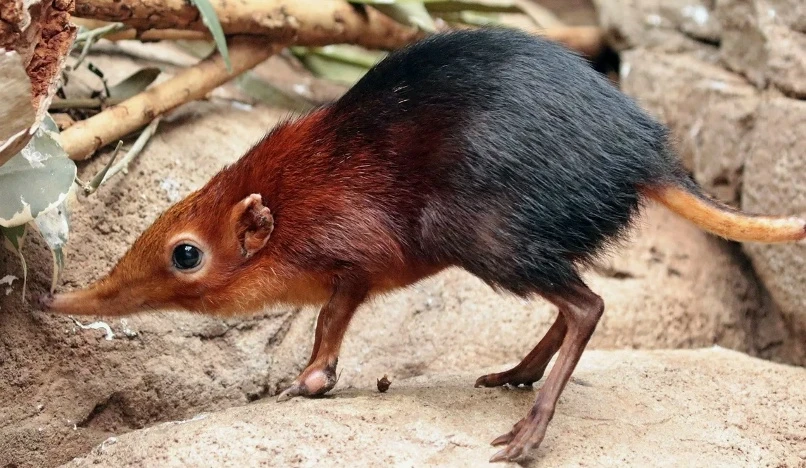
Dogs have one trait in which they clearly surpass elephants: their graceful legs!
The reason for this paradox is rigorous evolutionary selection. The larger an animal, the more cells it contains, and, consequently, the higher the chance that one of them will mutate and become cancerous. Therefore, the ability to fight tumors becomes critically important for natural selection. Furthermore, if a female rat dies of cancer, only 5-10 siblings from that litter will survive, whereas a female whale might not even give birth to 10 children in her entire life, which lasts almost a century. So, it turns out that large and less fertile animals benefit greatly from investing in protection and longevity. 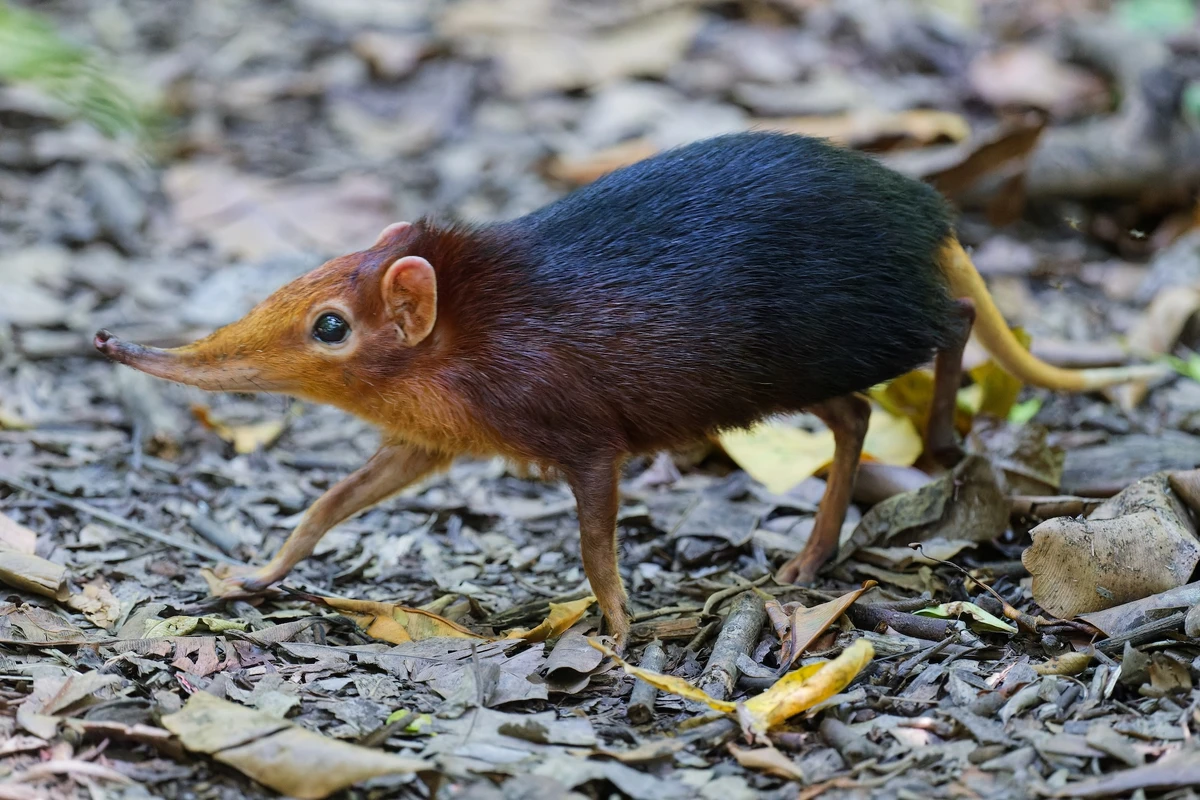
Keep your chin up, walk confidently, and everything in life will be fine!
But, as we mentioned above, both proboscis blennies and elephants use the same version of cancer protection, and therefore there is virtually no difference in cancer incidence between them. However, the size difference is enormous: a large African elephant is 12,000 times larger than a proboscis blennies! 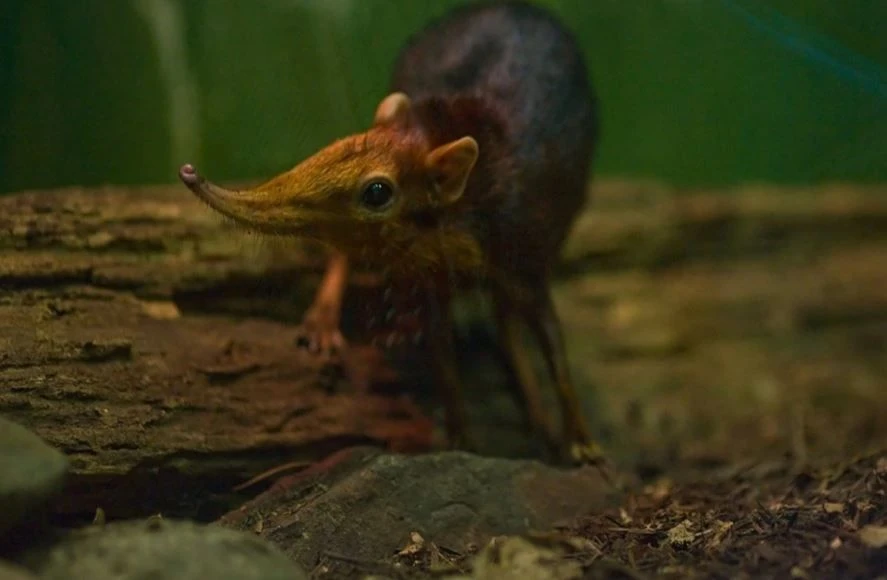
It's a shame there isn't a single photo of a proboscis blennies with an elephant in the world, and it can't be inserted into the article...
It's a shame that tumor resistance alone can't conquer the world. While elephants and mammoths recently ruled half the world and created entire biomes, proboscis dogs have been confined to the forests of West Africa throughout their history. Today, they live in a few isolated forest areas in Kenya and Tanzania. Their numbers continue to decline along with these forests—such is the fate of all small species dependent on their habitat.