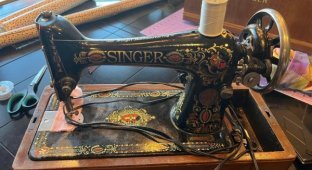
18 artifacts from Art Nouveau to the Neolithic and their familiar and unknown meanings (19 photos)
What could a Japanese tea bowl, an ancient Egyptian ring, and a miniature Western Jin Dynasty pigsty have in common? 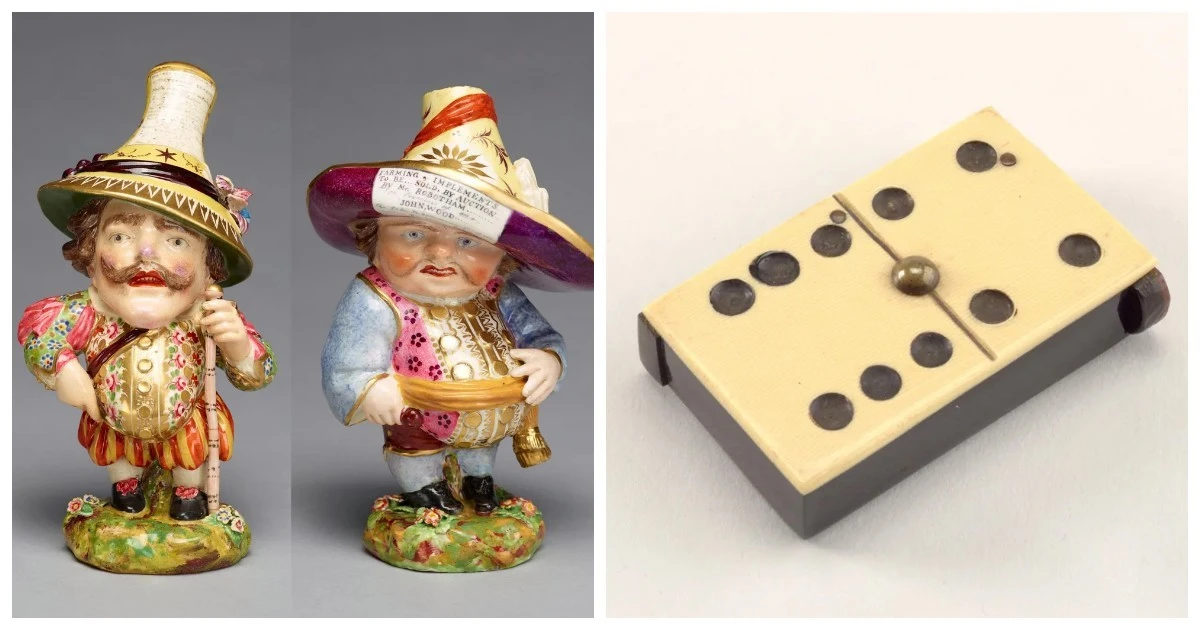
Each of these objects is not just a museum exhibit, but an encrypted message from the past. It reflects the hopes, religious beliefs, and everyday life of people separated from us by centuries and millennia. Let's decipher these messages from bygone eras.
1. Bronze bat-shaped chandelier from 1910 by the Swedish lighting company Böllmark 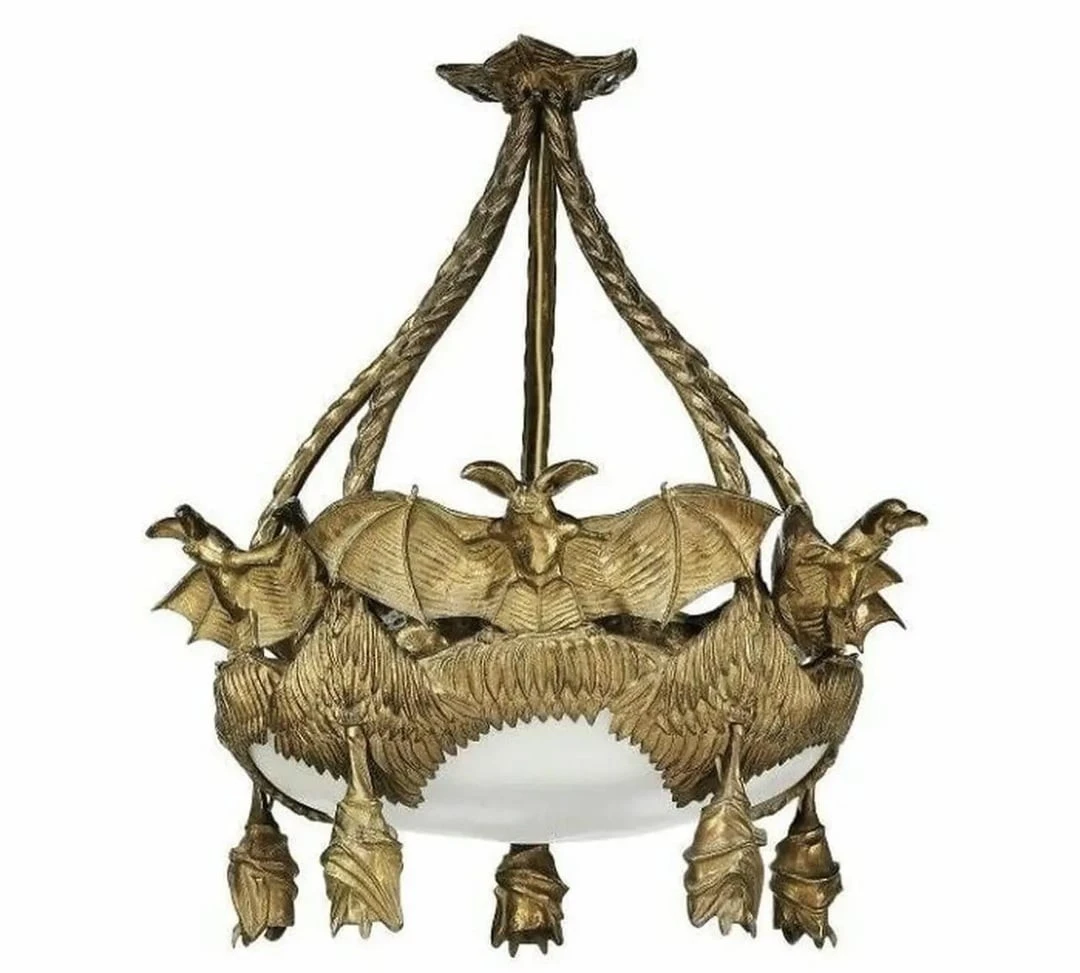
2. Pine-patterned tea bowl by Raku Keinyu XI, Kyoto, Japan, circa 1830–1850 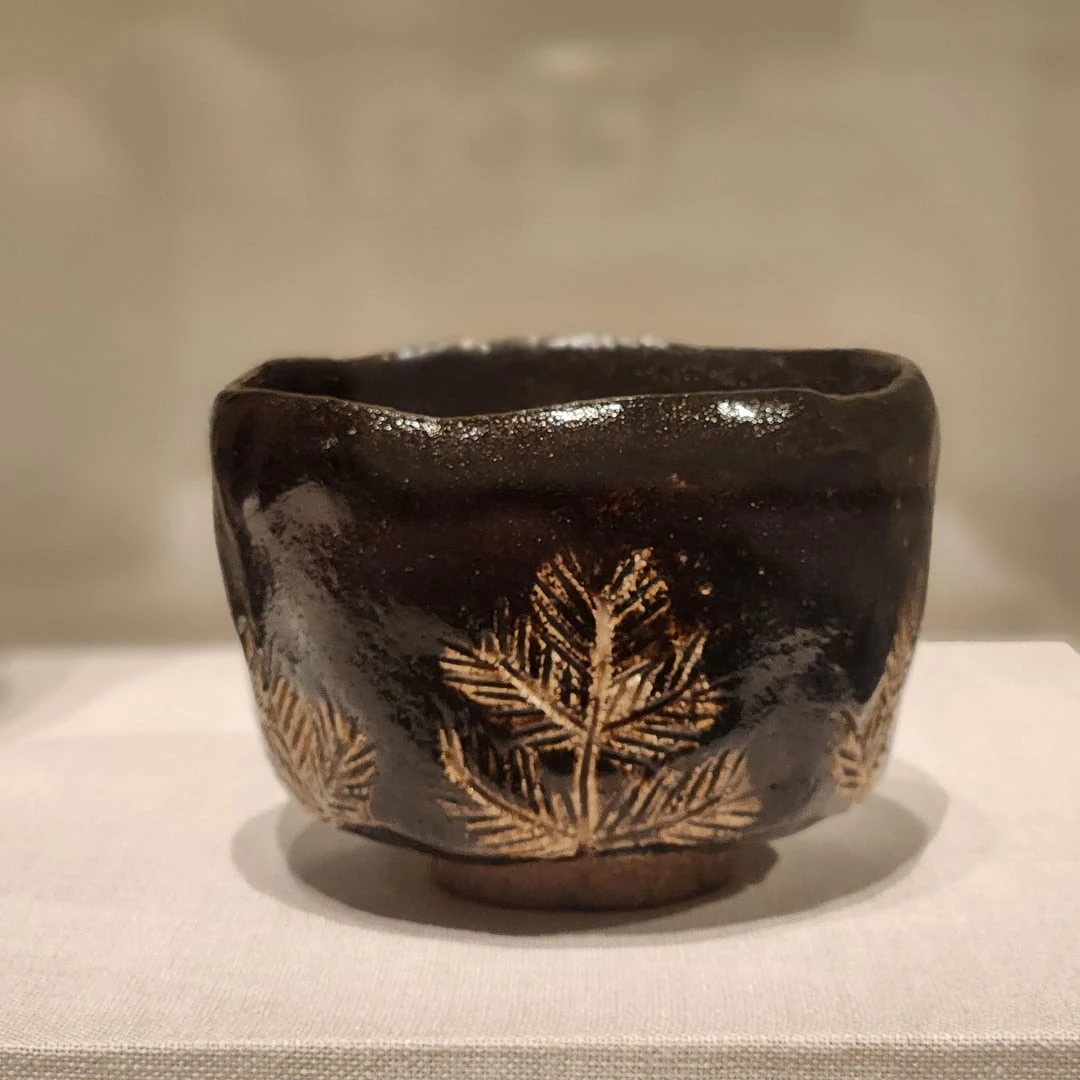
3. Brick spiral staircase inside the Aldeburgh Courthouse tower in Suffolk, UK, built circa 1520. 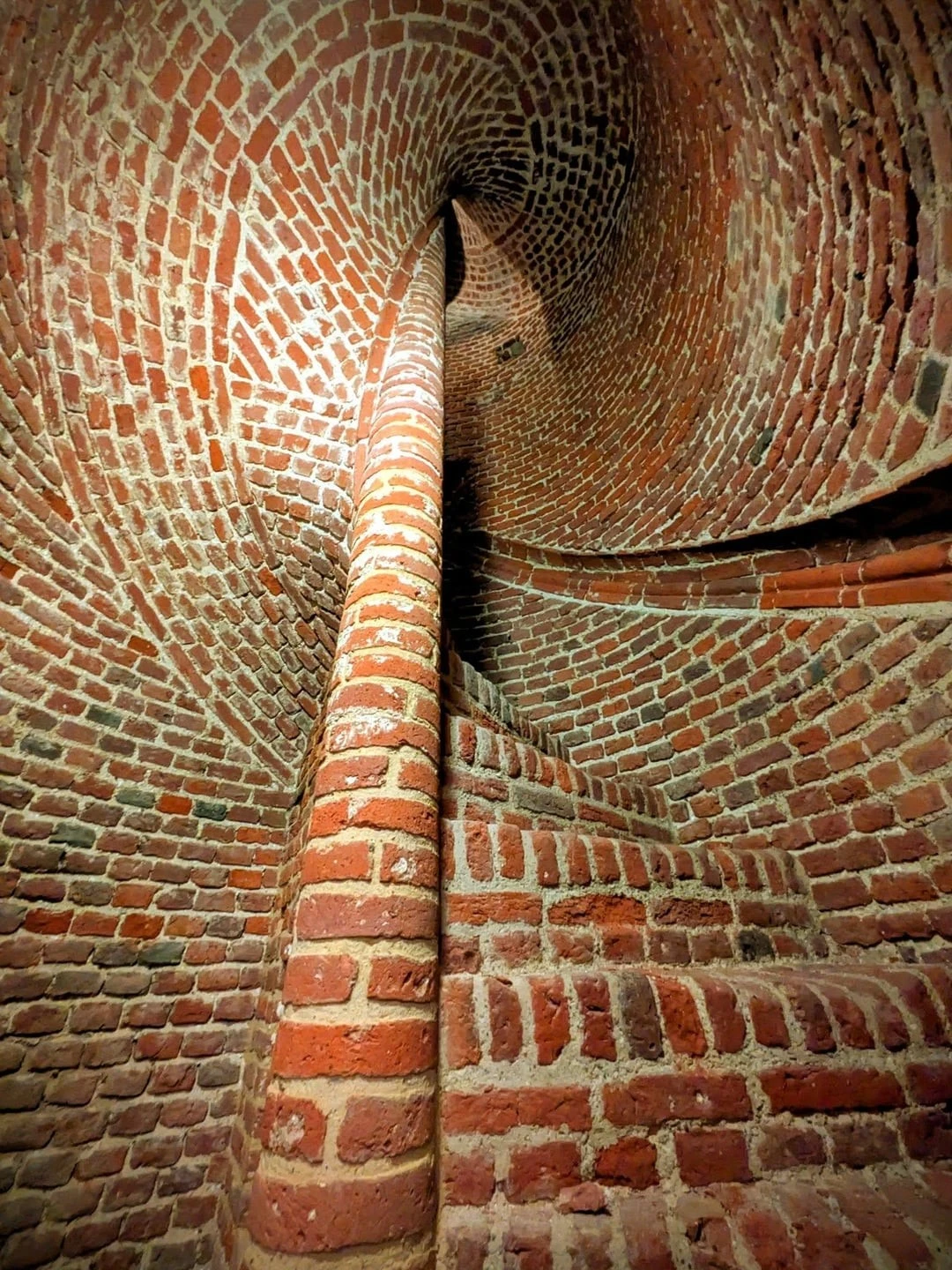
4. Model of a pigsty, Jiangxi, China, Western Jin Dynasty, 265–316 CE. 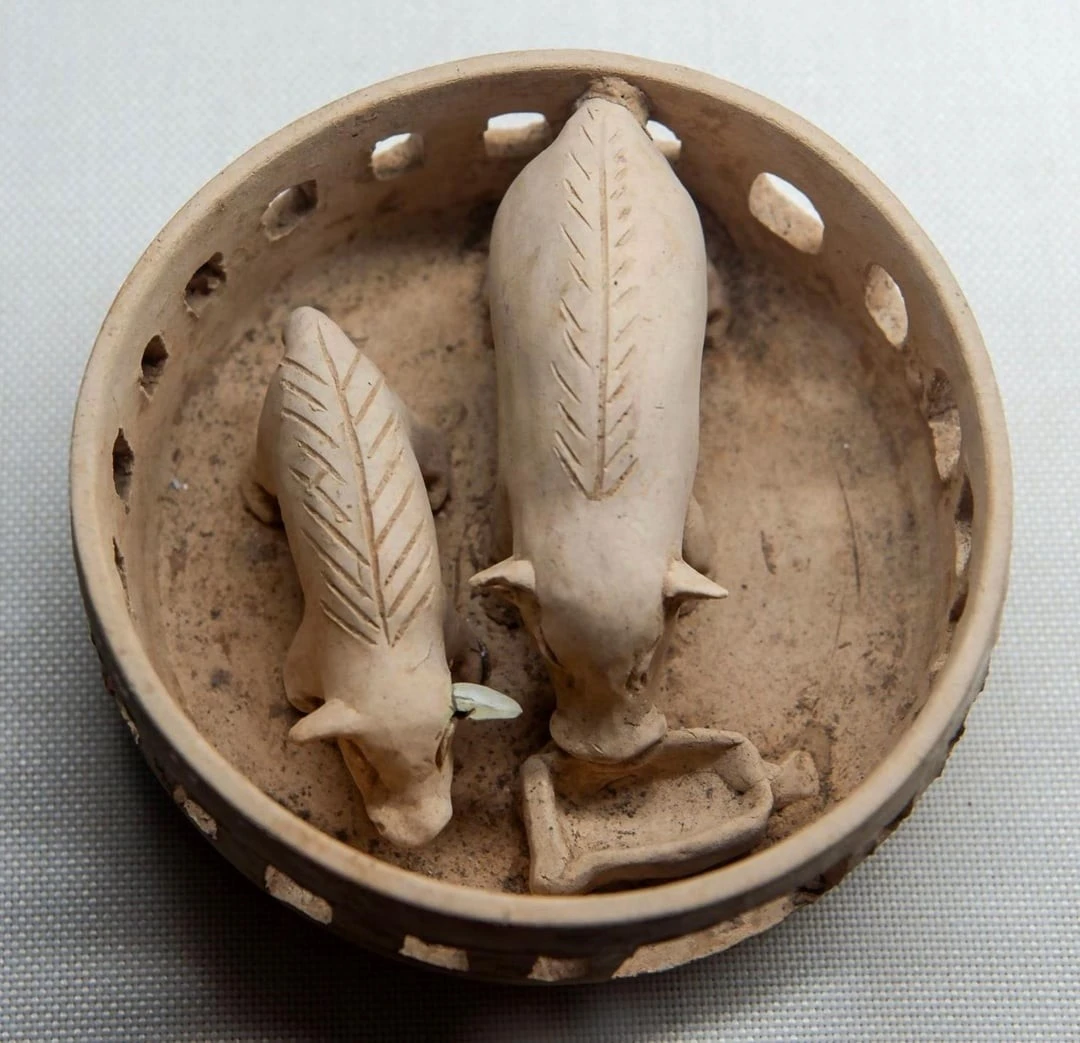
This is a ceramic funerary model (mingqi) that was placed in a burial to provide the deceased with everything they needed in the afterlife, including livestock and food.
5. Statue of Kisshōten (Lakshmi) on a lotus pedestal from Jōruri-ji Monastery, Kyoto, Japan, Heian period, 12th century 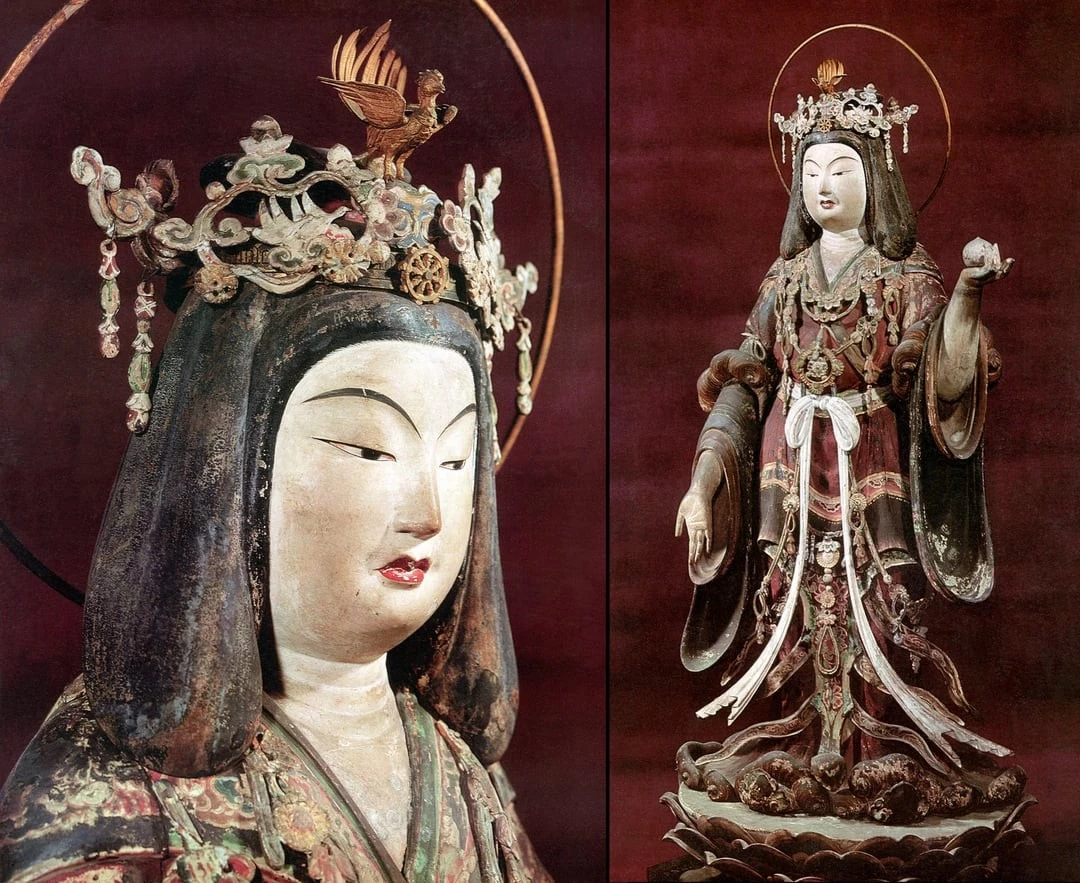
Kishōten is the Japanese form of the Indian goddess Lakshmi, revered as the goddess of happiness, beauty, and prosperity.
6. Domino-shaped matchbox made of vulcanite, France, late 19th century 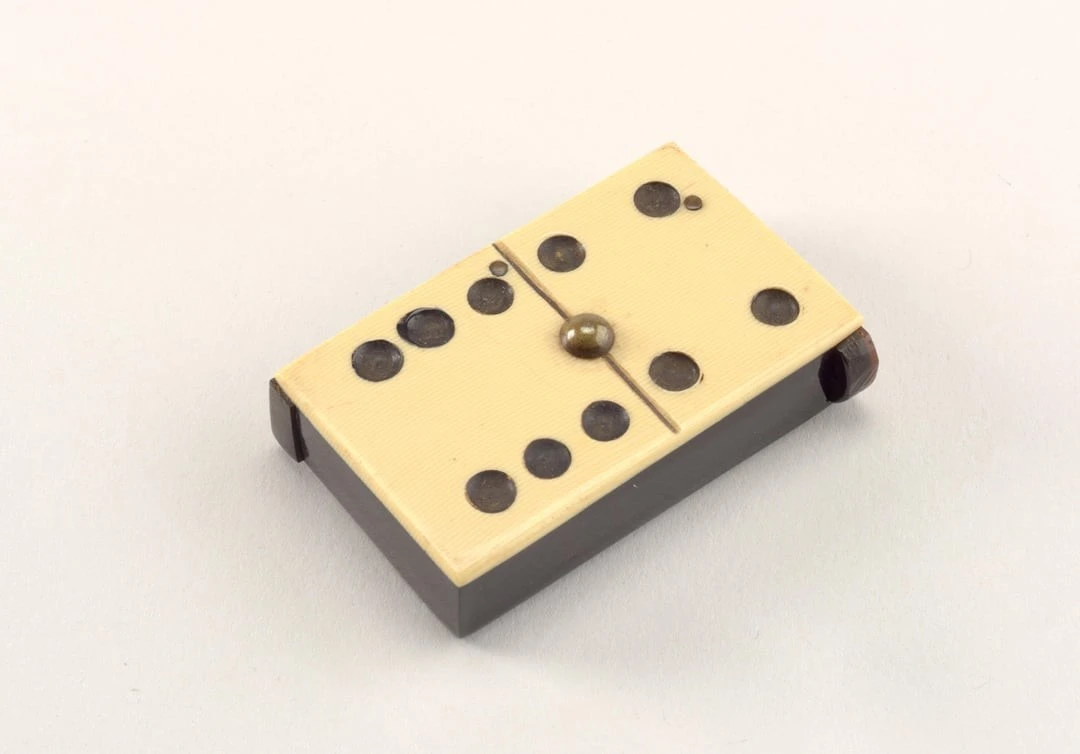
7. Walnut stash found in a storehouse at the Kushi-ishi settlement, Akita Prefecture, Japan, Early Neolithic period, Jomon culture, circa 5500–4500 BCE. 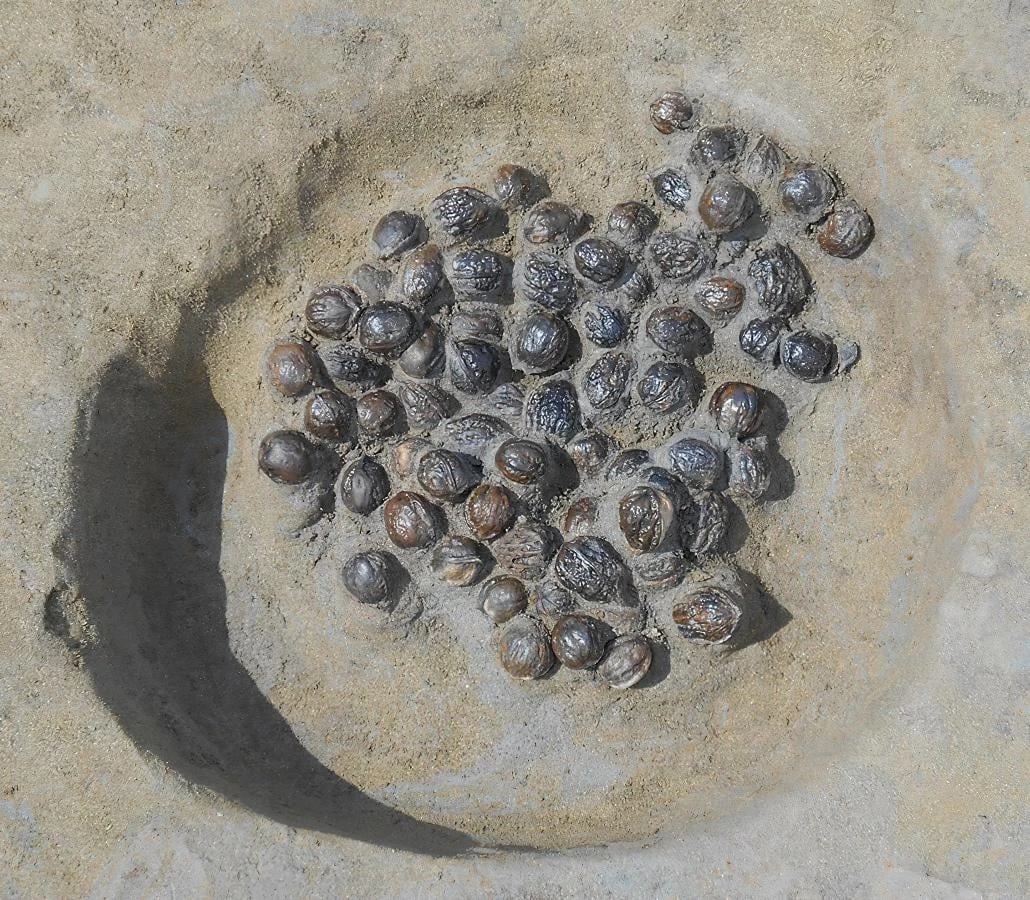
This image is a beautiful illustration of everyday life during the Jomon period. A supply of nuts, intentionally left in the ground for long-term storage, proves that people even then possessed advanced agricultural skills, or at least food gathering and storage skills.
8. Mirror stand with a bird-and-flower motif, China, Qing Dynasty, 17th century 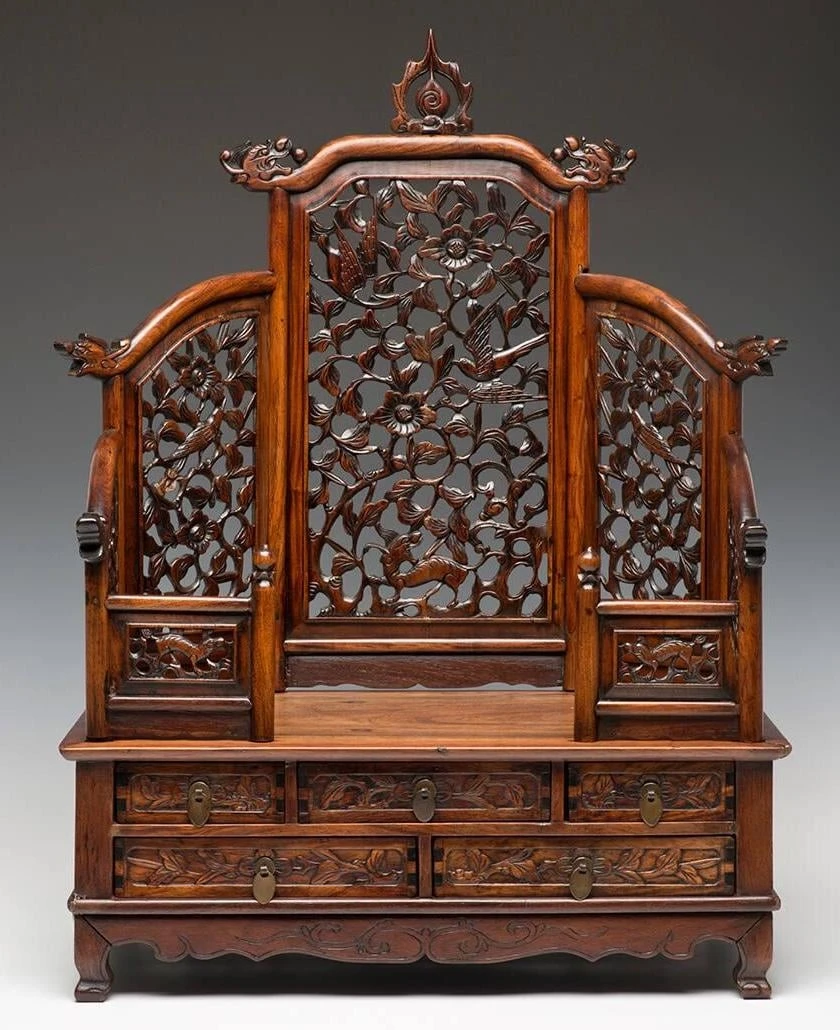
9. Archaeologists claim that an ochre stencil painting in a limestone cave on Muna Island, Indonesia, was created at least 67,800 years ago. 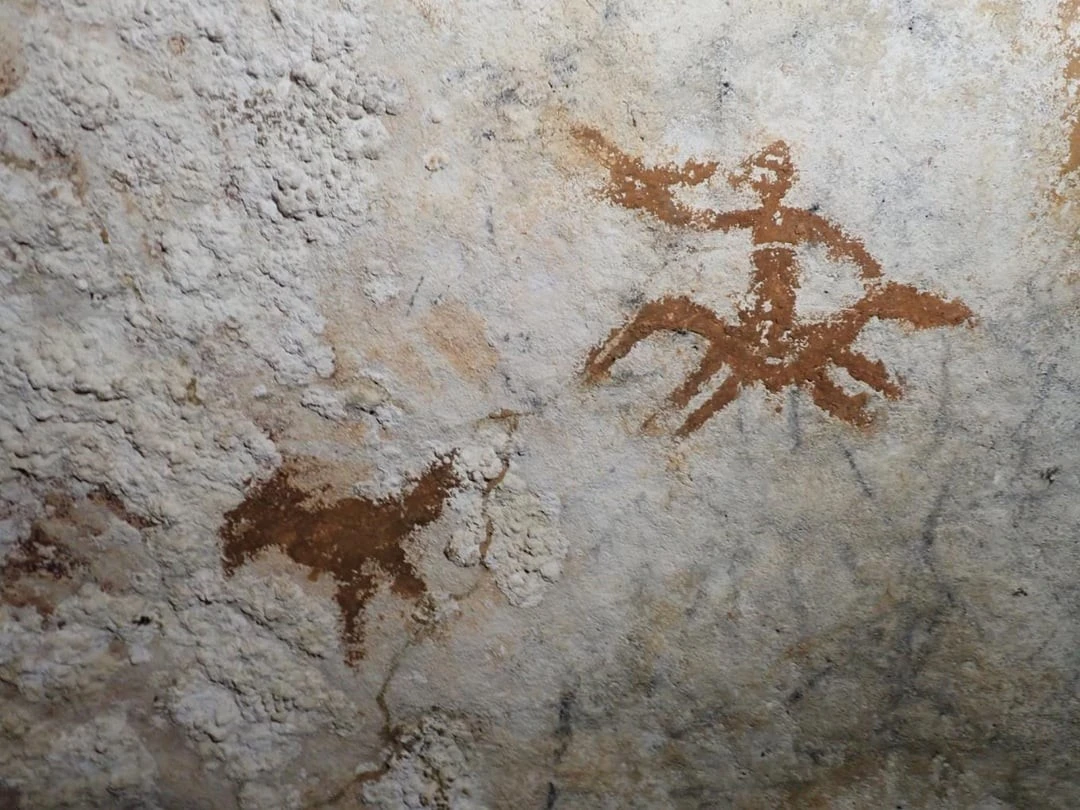
10. Black cat. Hishida Shunsō, Japan, 1910 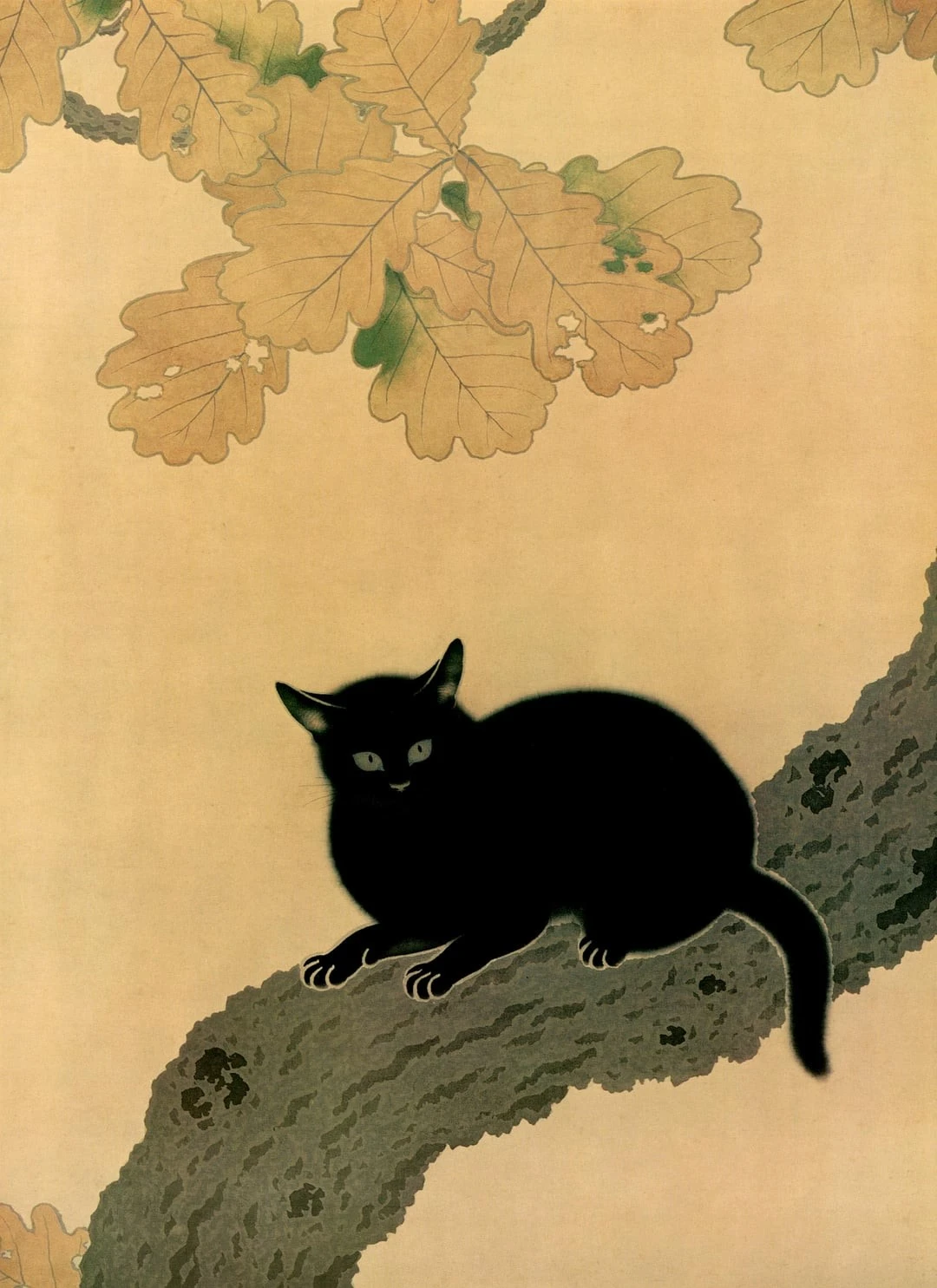
11. Seahorse brooch made of gold, enamel, and gemstones, circa 1900, France, Art Nouveau style 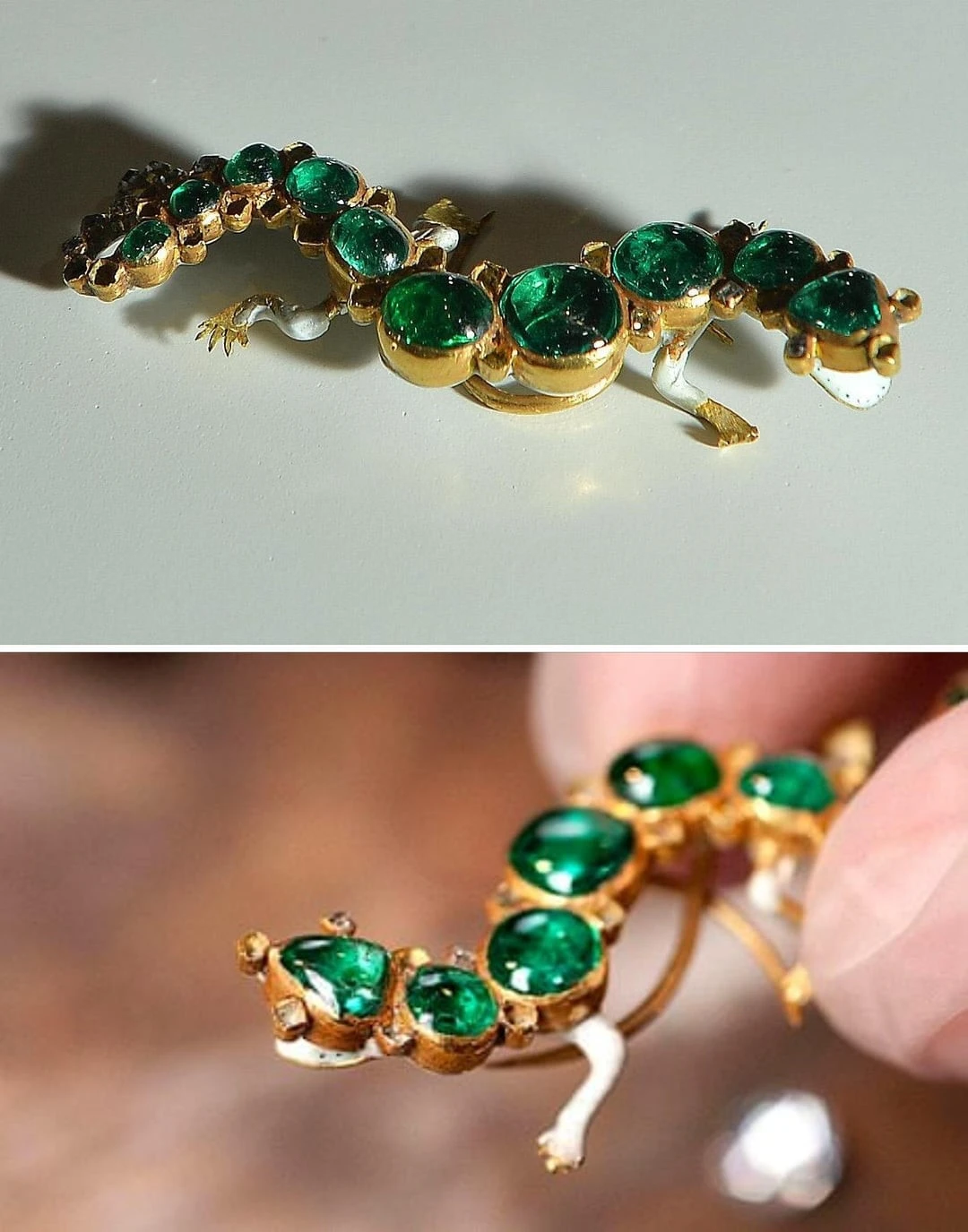
12. Two porcelain figurines of dwarf heralds, Derby, England, circa 1780 years 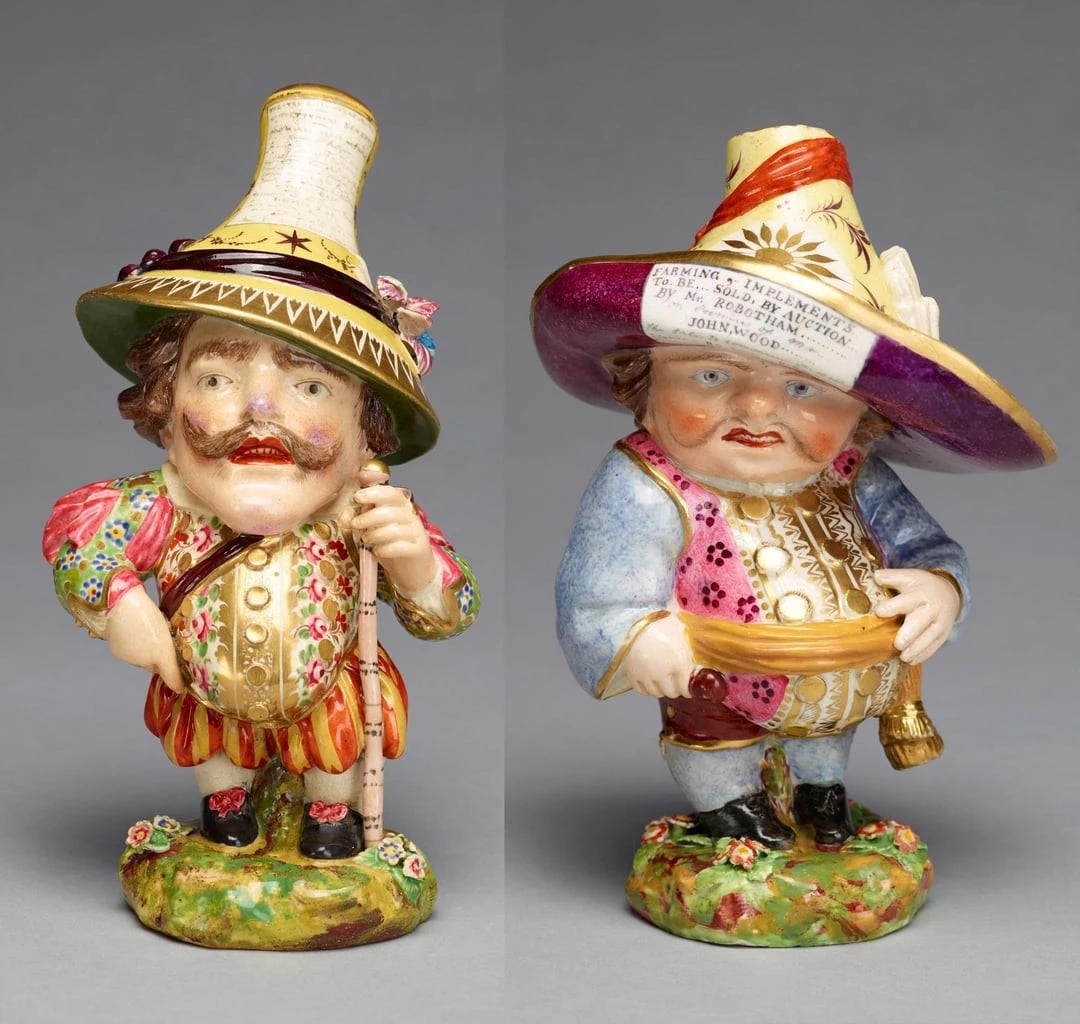
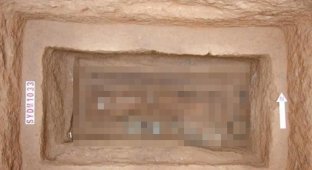
13. A Zapotec tomb found in the southern Mexican state of Oaxaca 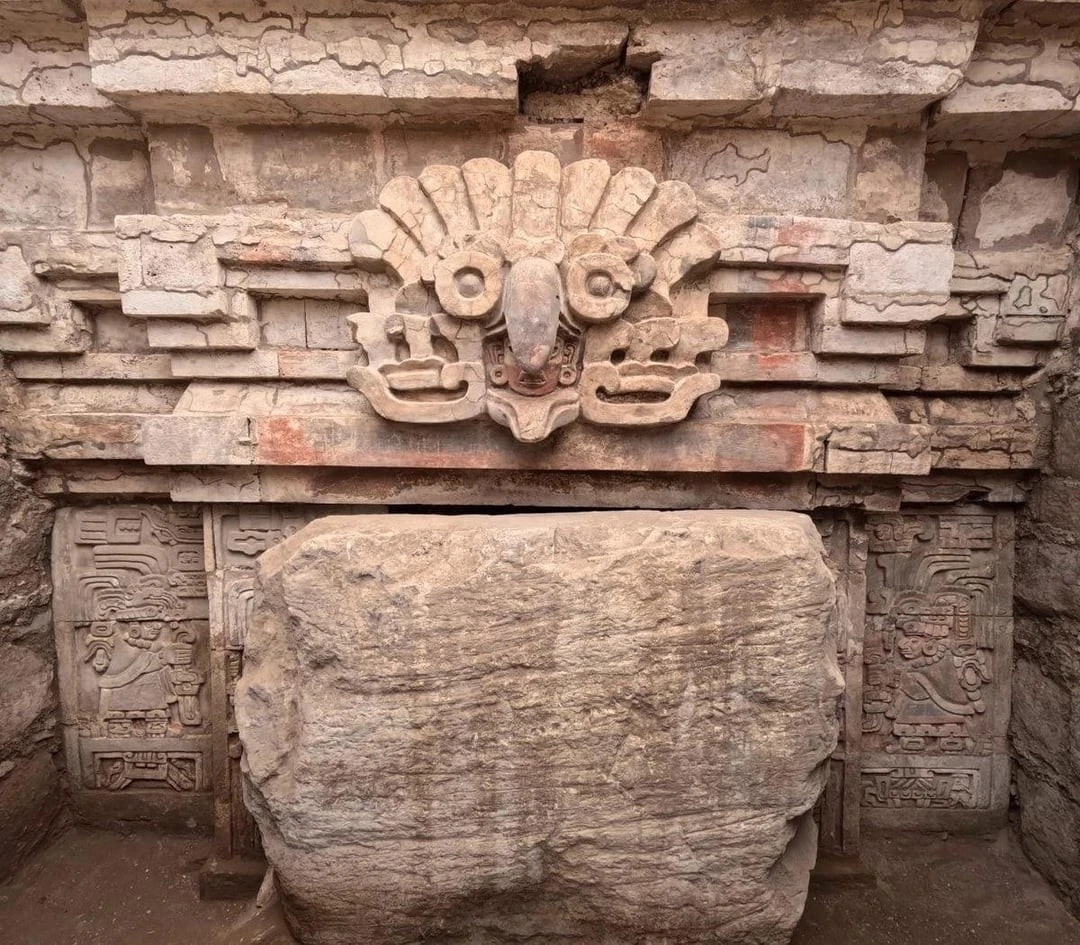
14. Nesting tables (matryoshka tables). Emile Gallé, France, circa 1900, cherry wood, marquetry technique, Art Nouveau style 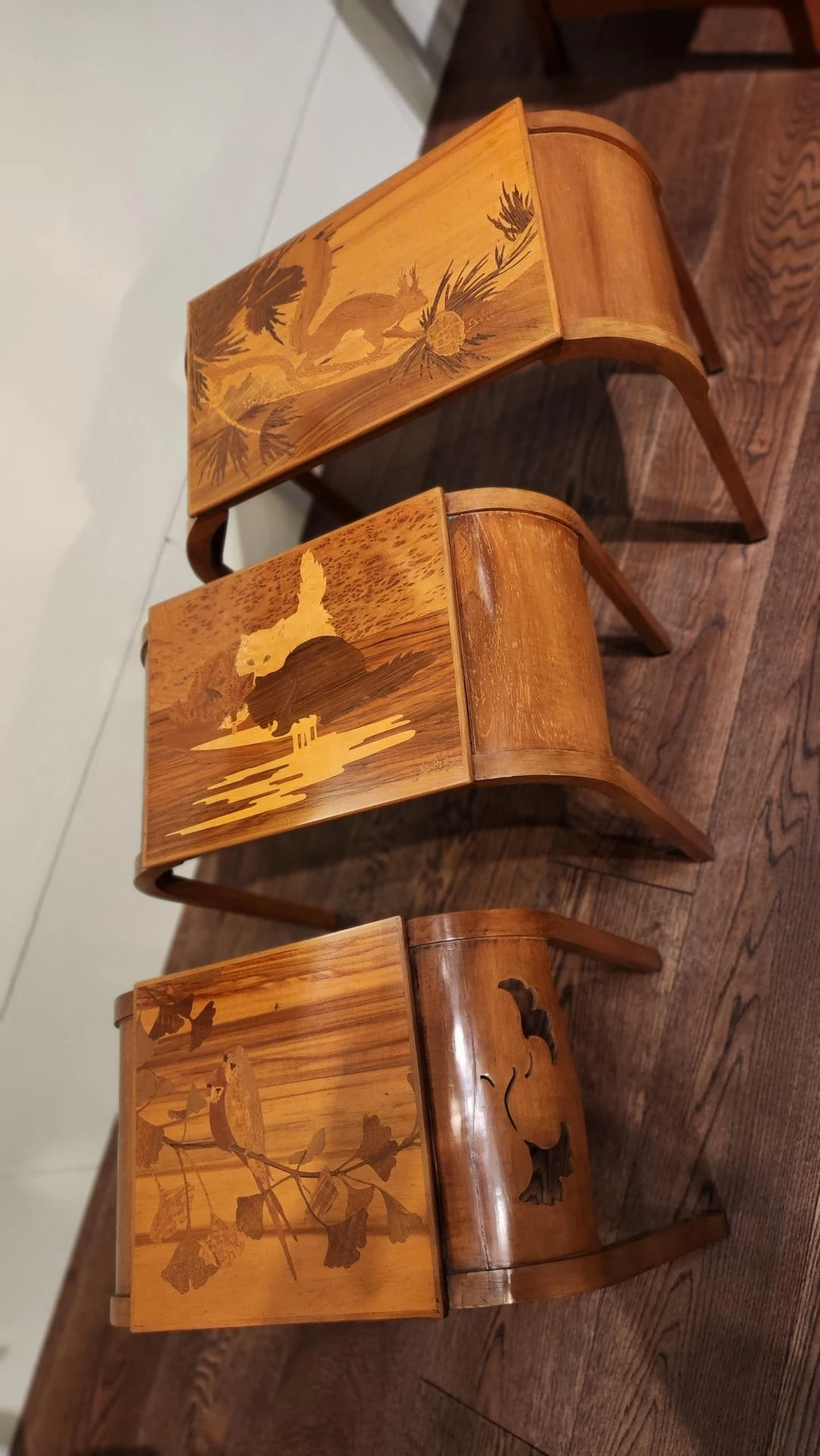
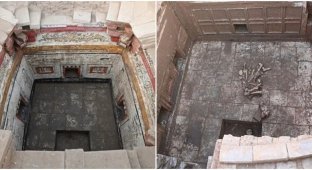
15. Aslantaş - a monumental rock-cut tomb, carved during the Phrygian period 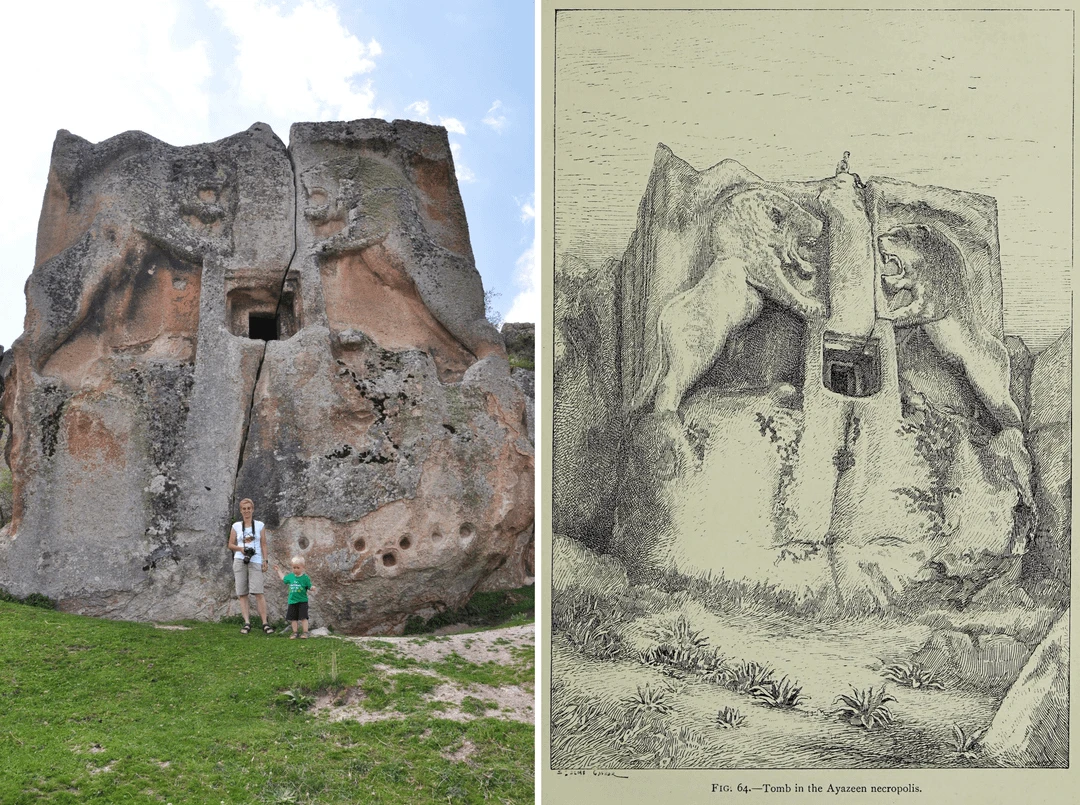
Located near the village of Aslantaş, İhsaniye district, Afyonkarahisar province, Turkey. Dated to approximately the 8th–7th centuries BC.
16. Woven cap from Chile, 500 BCE – 500 CE. Currently housed in the Museum of World Cultures, Frankfurt am Main, Germany. 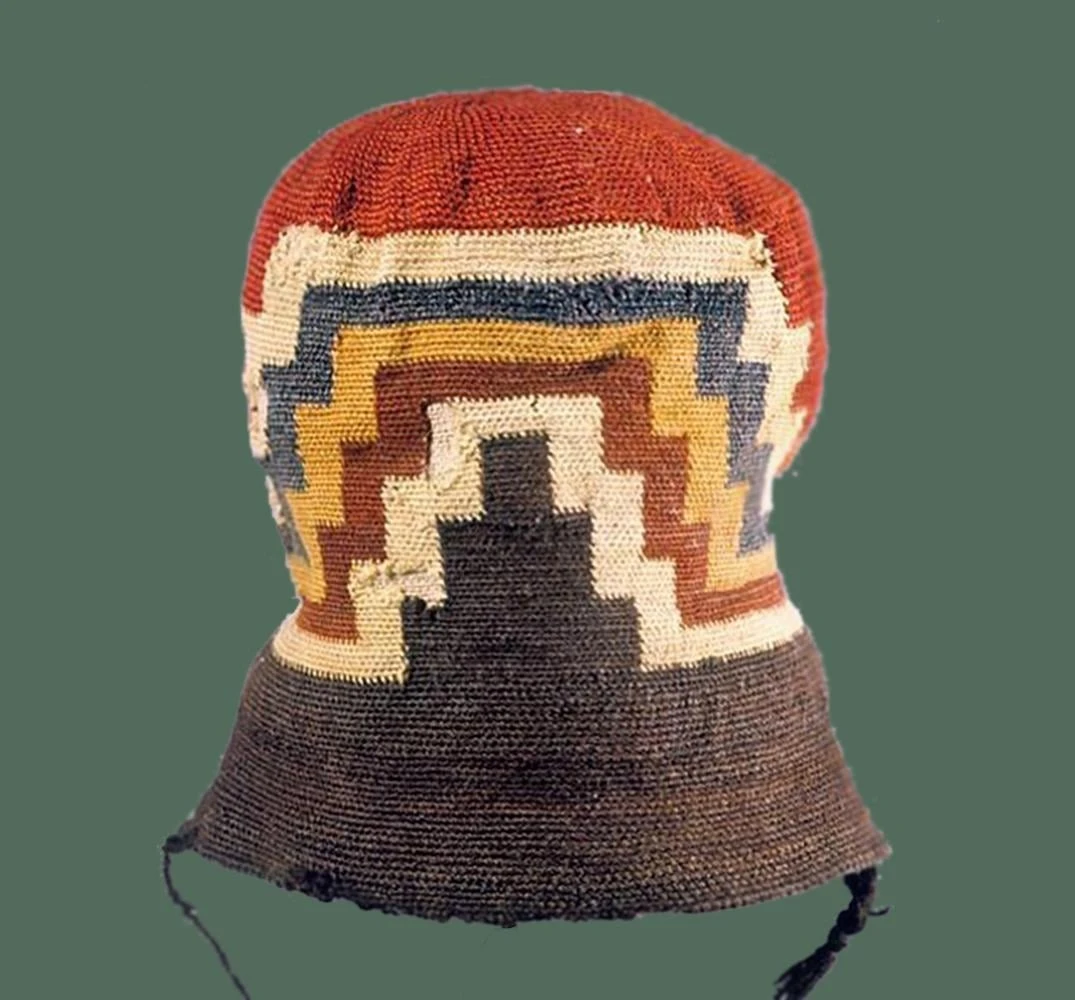
17. Ancient Egyptian ring decorated with nefer signs and rosettes, New Kingdom period, 18th Dynasty, circa 1550–1292 BCE. 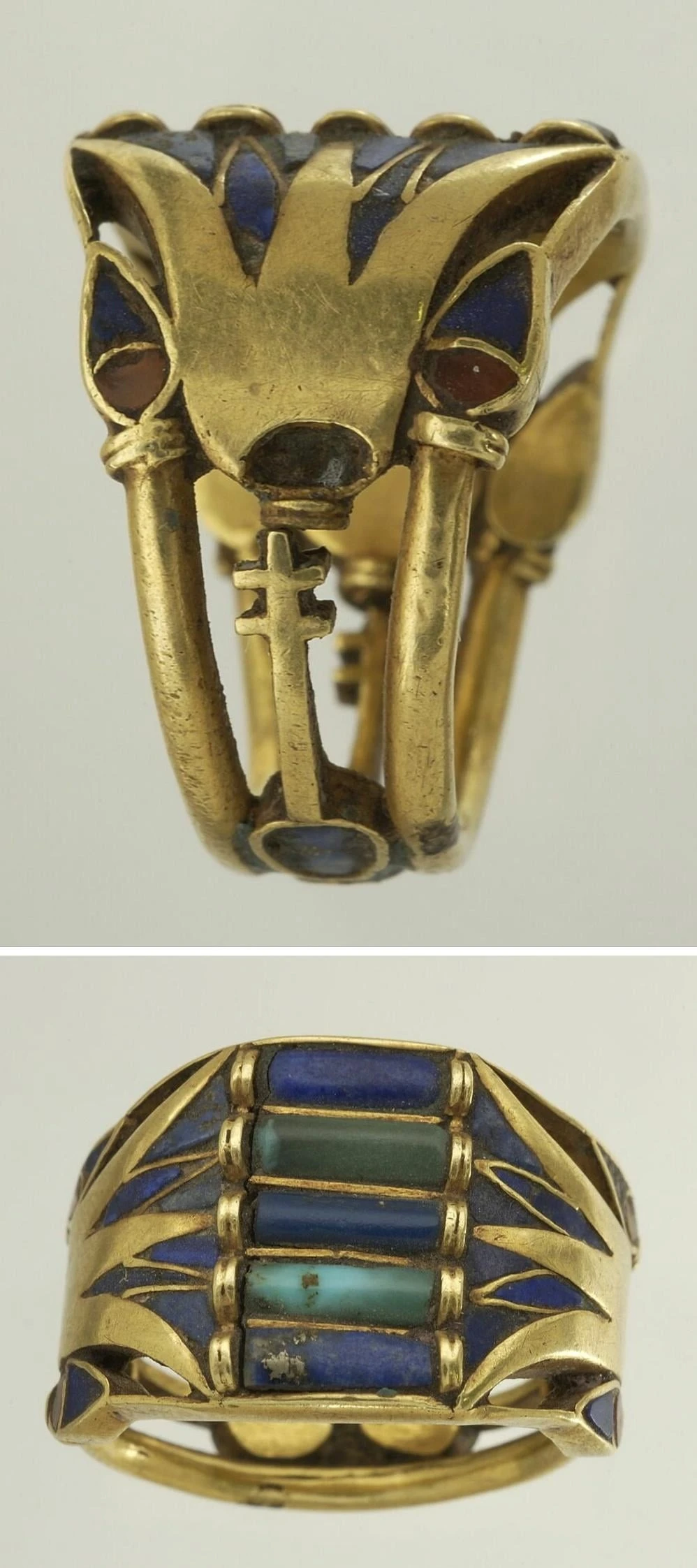
18. The so-called "Mask of Tlaloc" - an Olmec-style stone carving, likely used as a chest ornament. 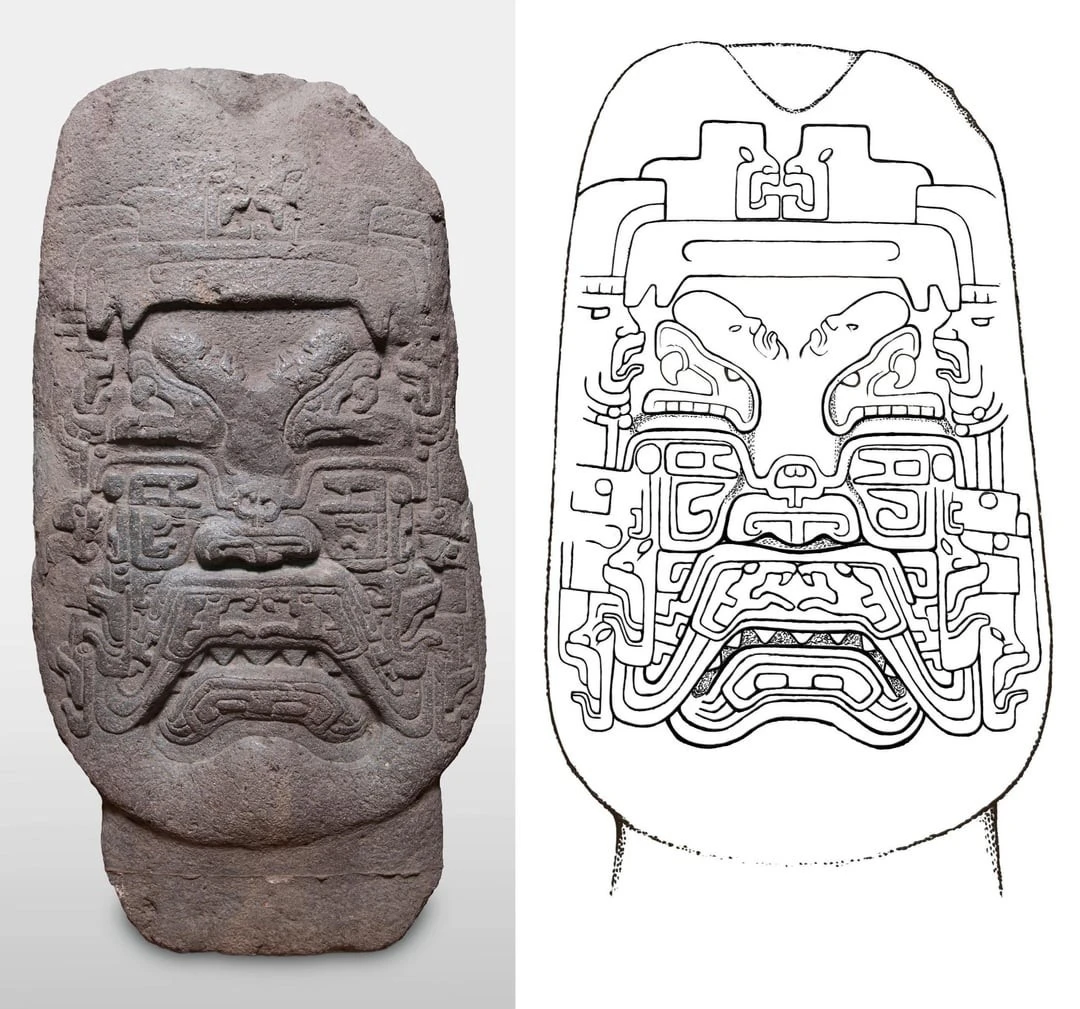
From the Valley of Mexico, Postclassic period, 900–1250 CE.