If you were on early Earth right now, your first breath could be your last—you'd lose consciousness faster than you could even figure out what was wrong. 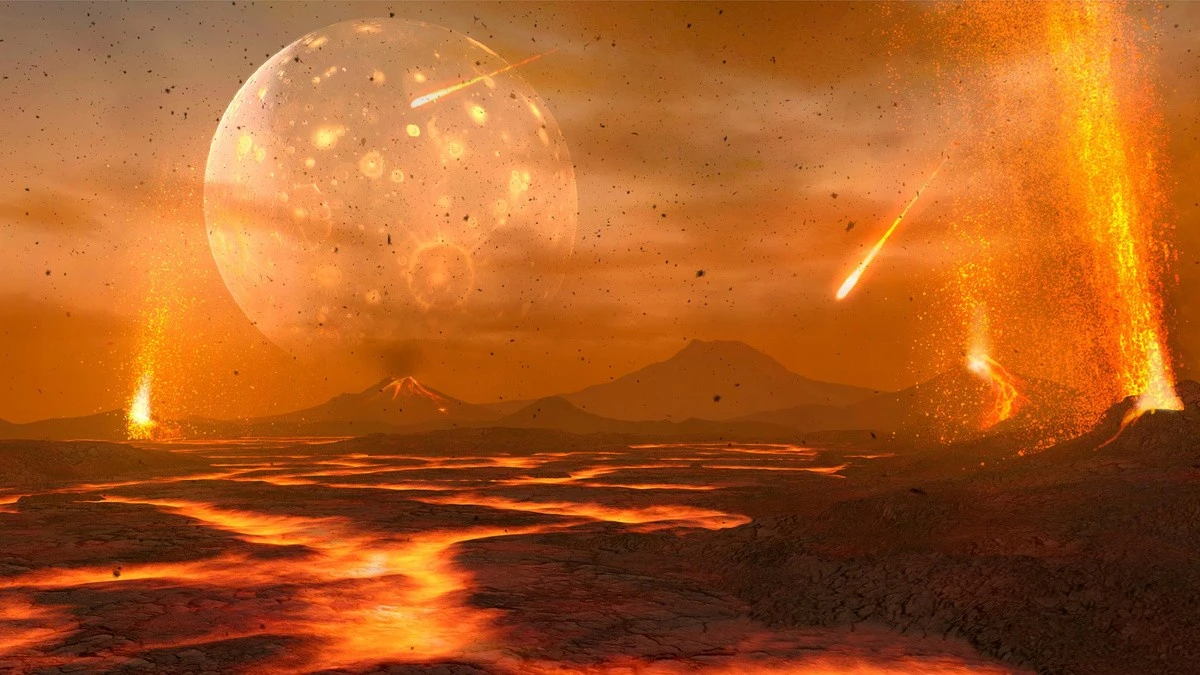
It's not that the air was some kind of super-hazardous mixture. It's just that there was almost no oxygen in it. Earth's atmosphere back then consisted primarily of carbon dioxide, water vapor, and nitrogen, along with traces of methane, ammonia, and other volcanic gases. The planet we proudly and lovingly call home was, for most of its history, alien to complex life—life like us.
Life on Earth, which is approximately 4.6 billion years old, emerged quite quickly—3.5–3.8 billion years ago. But these were representatives of the kingdom of anaerobes—organisms that not only didn't need molecular oxygen (O2), but considered it poisonous. And so it went on for billions of years.
And then they appeared—cyanobacteria.
Why them? Evolution. These microscopic organisms learned to use sunlight to split water and generate energy. An endless source of fuel right overhead—those who mastered this trick survived more often and left more offspring. A byproduct of this process—photosynthesis—was oxygen. Simply a waste product. Garbage. The exhaust of an ancient biological machine.
Cyanobacteria lived in the oceans, forming a green film on their surfaces. For millions of years, they released oxygen into the water and atmosphere. Initially, this gas did not accumulate—it immediately reacted primarily with iron dissolved in the water, settling on the seafloor as rusty deposits. The red banded iron ores (primarily hematite) we mine today are ancient oxygen bound to iron billions of years ago.
But about 2.4 billion years ago, the reduced iron and everything else that could "eat" oxygen—from dissolved compounds in the ocean to volcanic gases—gradually oxidized. The oxygen had nowhere to go, and it began to accumulate in the atmosphere. For most of Earth's inhabitants at that time, this was catastrophic. 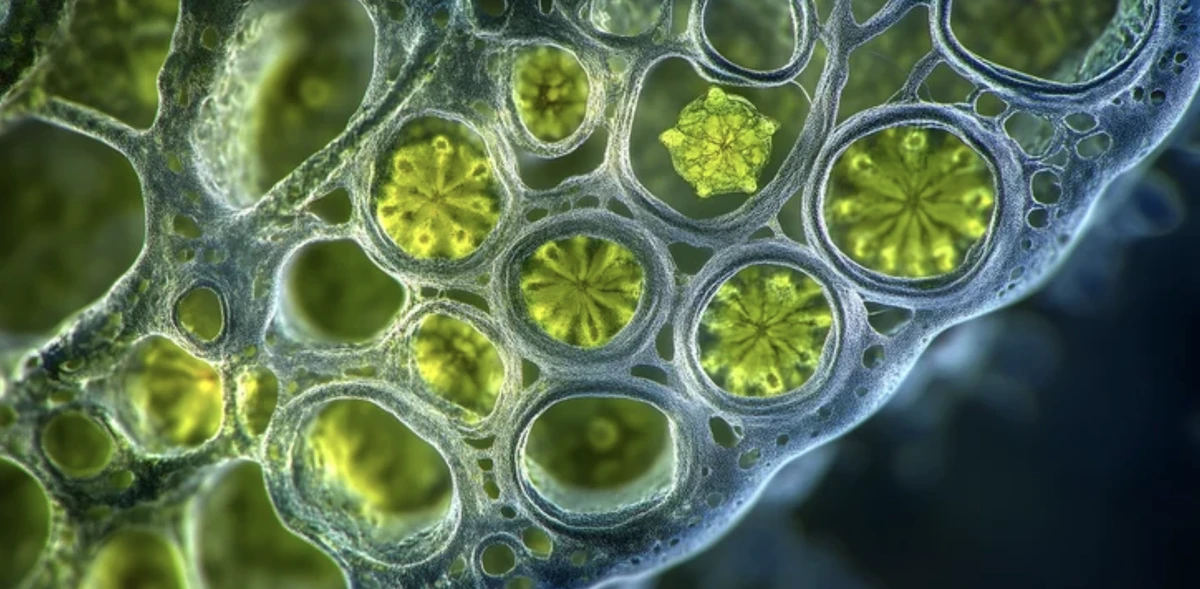
Cyanobacteria. Tiny creatures that triggered the "Oxygen Catastrophe." Our appearance on this planet is largely due to them.
Oxygen is a corrosive gas. It destroys organic molecules and oxidizes everything it comes into contact with. For the anaerobic organisms that reigned over the planet for billions of years, it proved a deadly poison.
Scientists call it the "Great Oxygen Event," but in reality, it was the first mass extinction in Earth's history—long before the dinosaurs. That's why this event has another, more honest name: the "Oxygen Catastrophe."
Only those who hid in oxygen-free niches—deep in the soil, on the ocean floor, inside other organisms—survived. The descendants of the creatures that survived the "Oxygen Catastrophe" still live there.
And those who learned not just to tolerate oxygen but to utilize it gained an incredible advantage. Oxygen respiration produces 18 times more energy than anaerobic metabolism. Energy is an invaluable fuel for complex organisms, including us, with our "voracious" brain, which accounts for about 20% of the body's total energy expenditure at rest.
Thus, the waste products of ancient bacteria became the basis of all complex life on the planet.
Every breath you take is a legacy of cyanobacteria.
Add your comment
You might be interested in:















How to start a 102-liter engine

Protective film Removing it with a power screwdriver

When a child plays hide-and-seek at a professional level

Man sets up bedroom camera and discovers the reason for his

Super dads who swoop in to save the day

Precision carpentry

Looks like it's time to buy WinRAR

How to hang wallpaper neatly

How metal buckets are made in Pakistan
