Interesting and rare retro photographs of Europe (21 photos)
I present to you a new part of a collection of colorized photographs that bring to life the pages of 20th-century European history—from everyday life and holidays to streets, interiors, and faces forever imprinted in an era that no longer exists, but which continues to breathe through every frame. 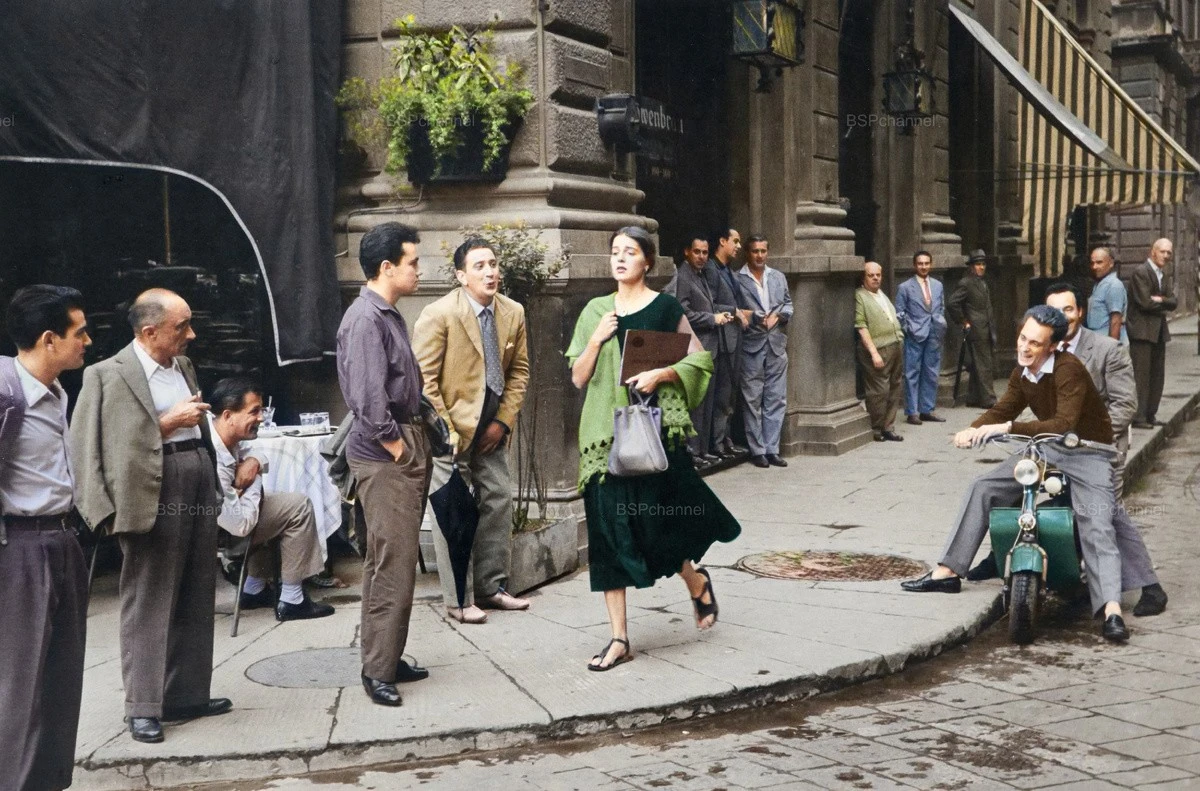
A folding bridge for emergencies, invented by L. Deth. Netherlands, 1926. 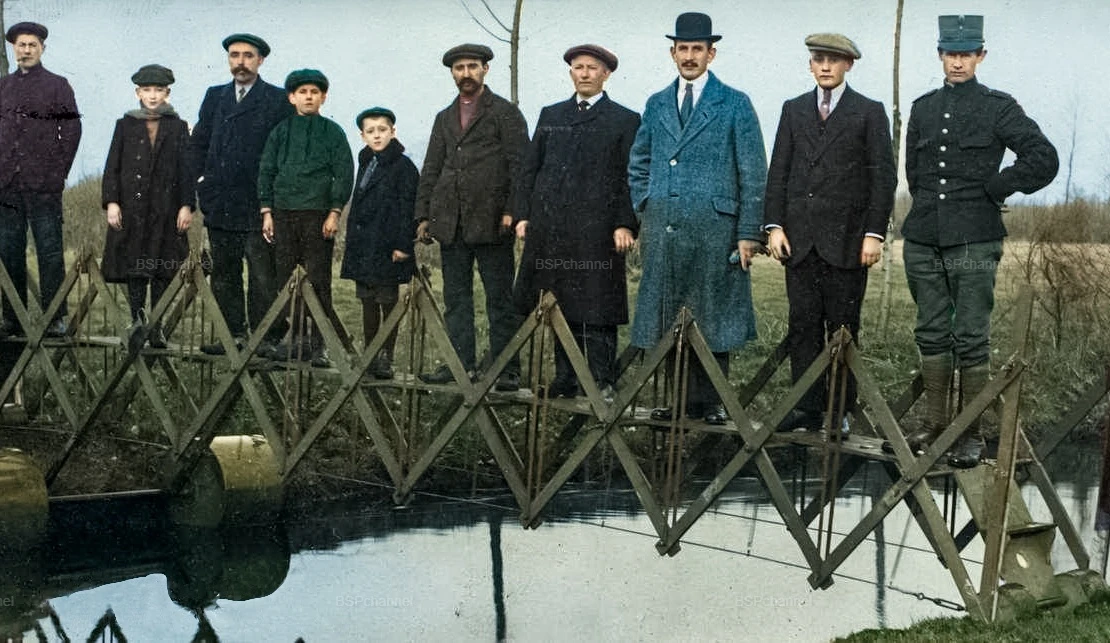
The emergency bridge was easy to transport; a simple hand truck was sufficient.
A father and son on a deserted highway during the "Car-Free Sunday" campaign, Netherlands, 1973. 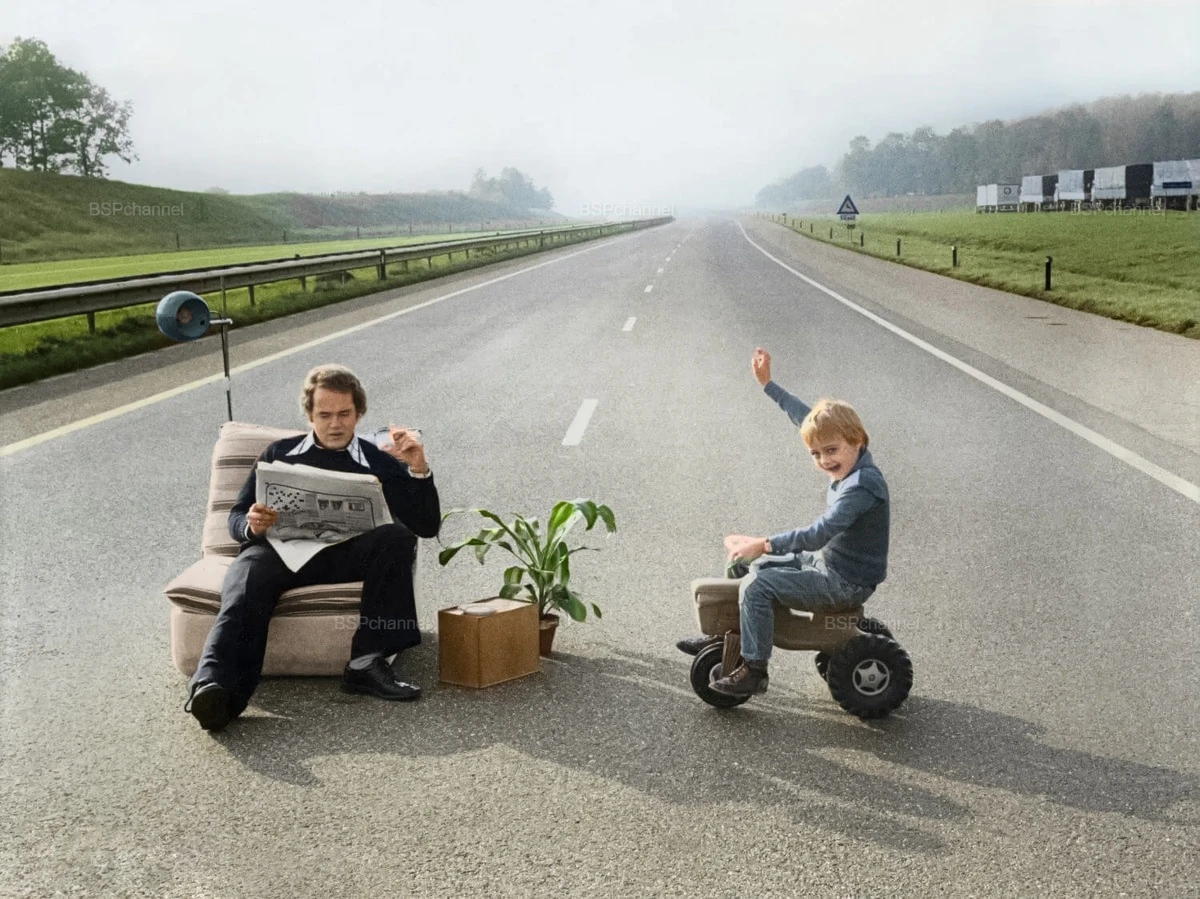
"Car-Free Sunday" was the name given in the Netherlands to the special days in 1973 when private vehicles were banned nationwide. This measure was not introduced for environmental reasons—although the effect was impressive—but in response to the oil crisis that erupted after the OPEC embargo. In October 1973, Arab oil-exporting countries banned oil supplies to countries that supported Israel in the Yom Kippur War. This caused a severe fuel shortage in Western Europe, including the Netherlands. To save gasoline and diesel, the government made an unprecedented decision: banning private car use on Sundays.
The Atomium, the central avenue of the World's Fair. Brussels, Belgium, 1958. 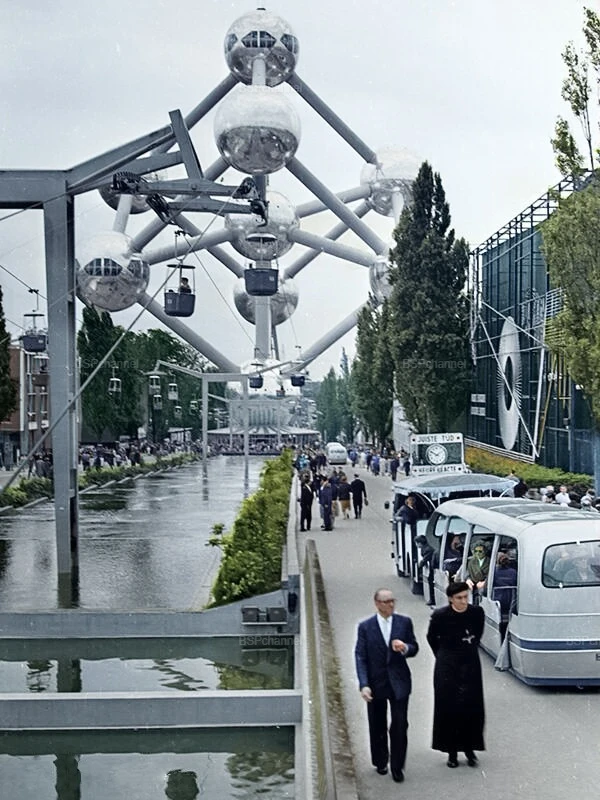
Photographer: Valentin Khukhlaev
The Atomium is one of Brussels' most recognizable architectural symbols, erected for the Expo '58 World's Fair. It is a gigantic sculpture of an iron atom, magnified 165 billion times. It consists of nine spheres arranged according to the metal's crystal lattice: eight at the corners of a cube, and a ninth at the center. The spheres are connected by escalator tubes and elevators, some of which are open to visitors. The structure is 102 meters tall.
Germany, 1950s-1960s. 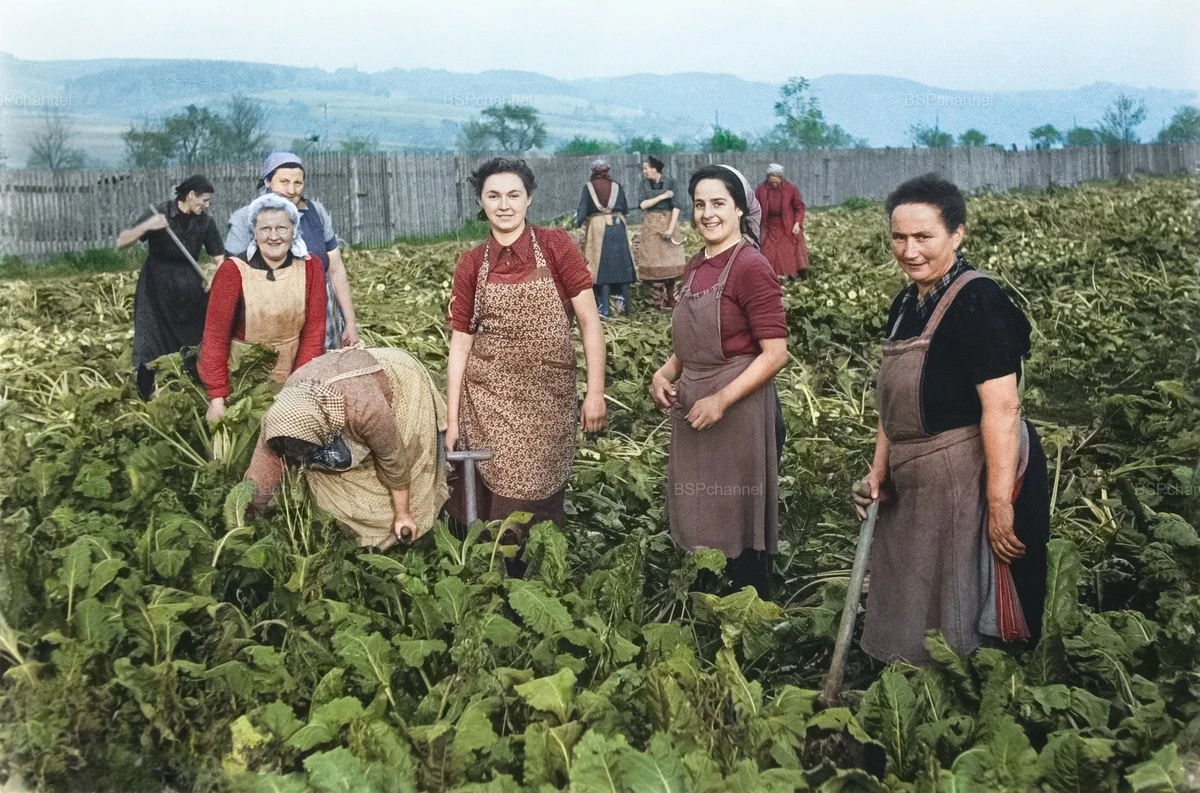
Photographer: Ludwig Schirmer
Photographer Ludwig Schirmer was living in East Germany at the time, specifically in the village of Berka in Thuringia, where he worked as a miller and simultaneously pursued amateur photography. Over several decades, he captured many interesting photographs of rural life.
Waterskiing in Venice, 1950s. 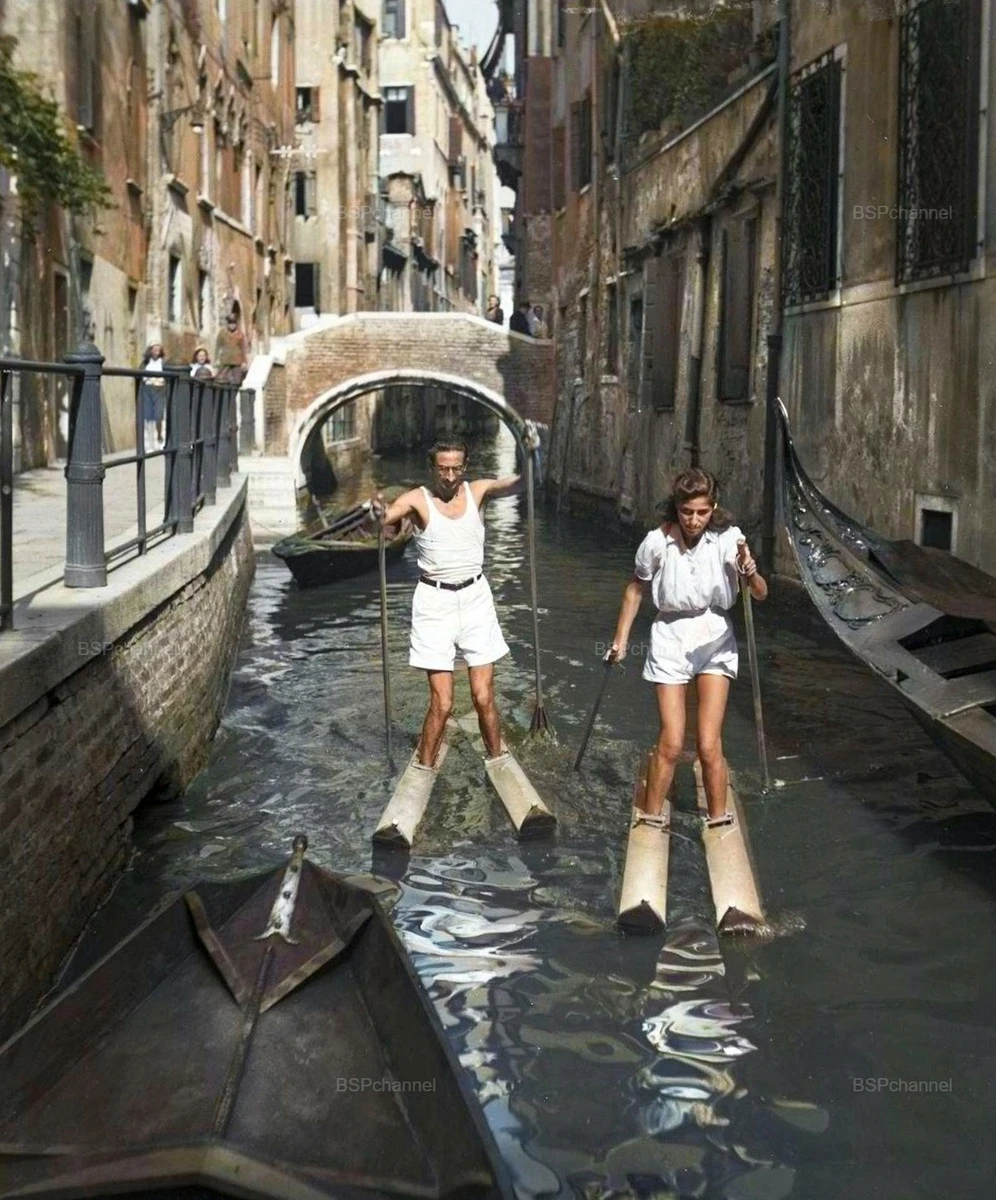
Group portrait. Sogn og Fjordane, Norway, early 20th century. 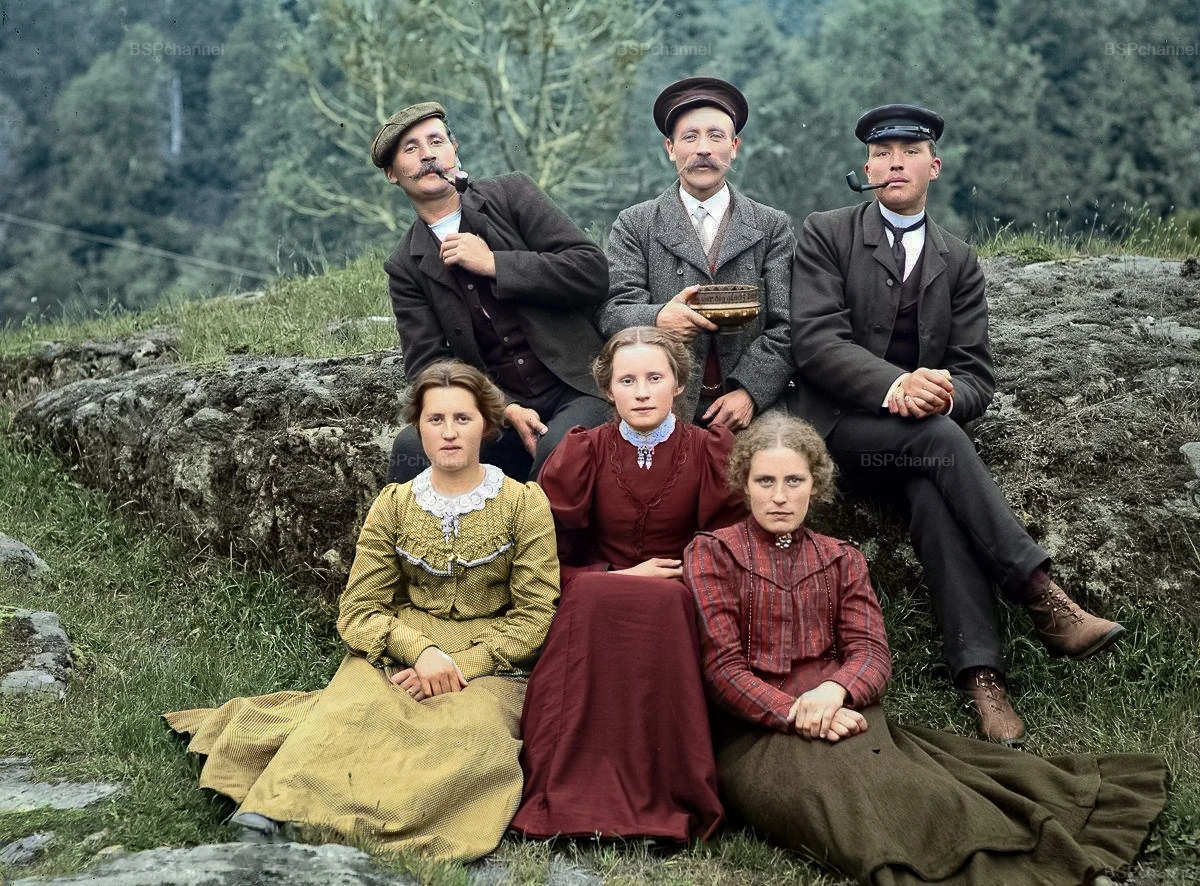
The man in the center holds a wooden bowl called an ølbolle. Such bowls were traditionally used in Scandinavia for drinking ale and other beverages. Their surfaces were often decorated with toasts, good wishes, poems, or folk sayings, transforming a simple vessel into a vehicle for friendly greetings or wise advice.
Worker at a steel mill in Winterthur. Switzerland, 1943. 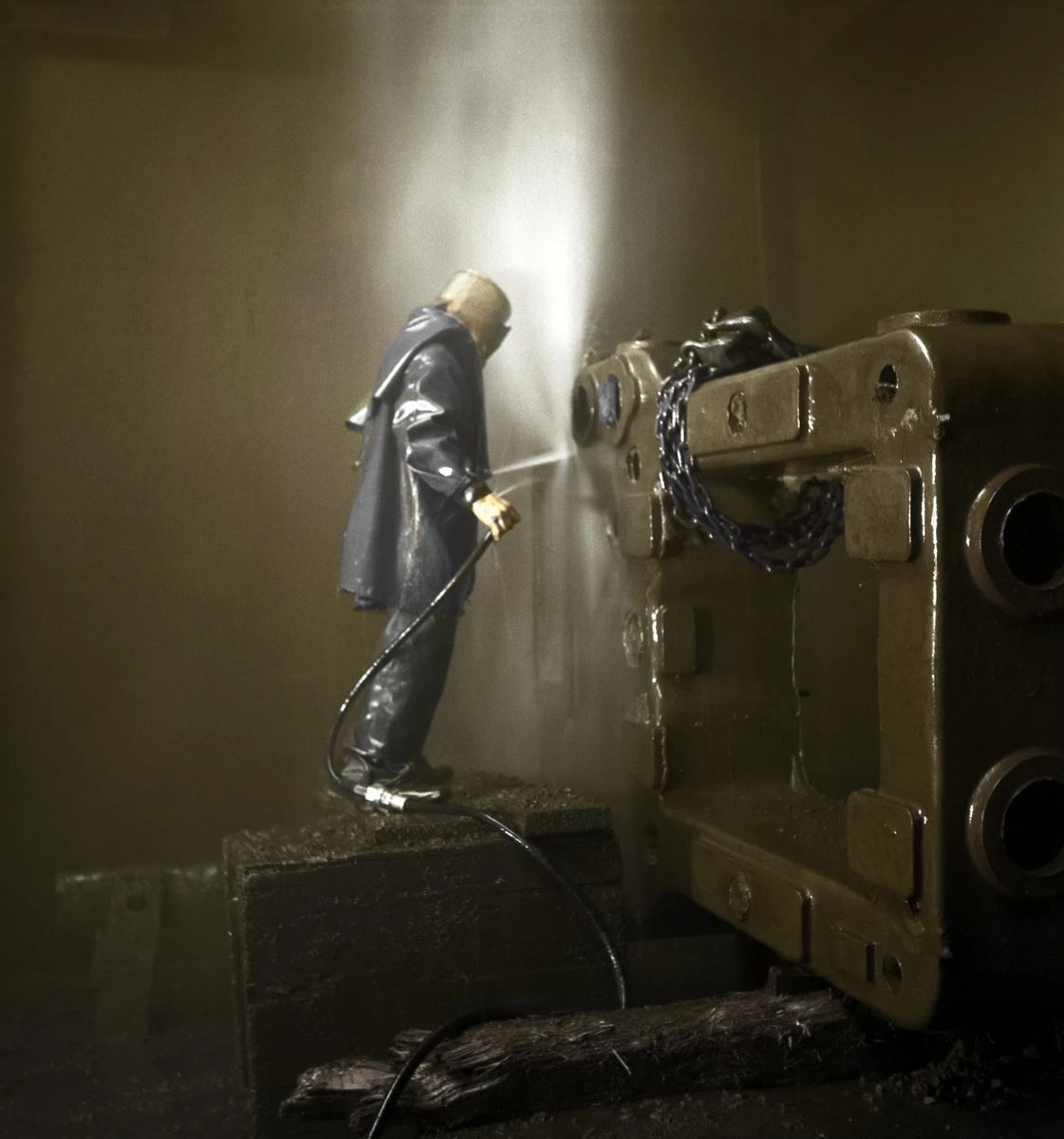
Photographer: Werner Bischof
64th Marché-Concours equestrian festival. Sainélier, Switzerland, 1967. 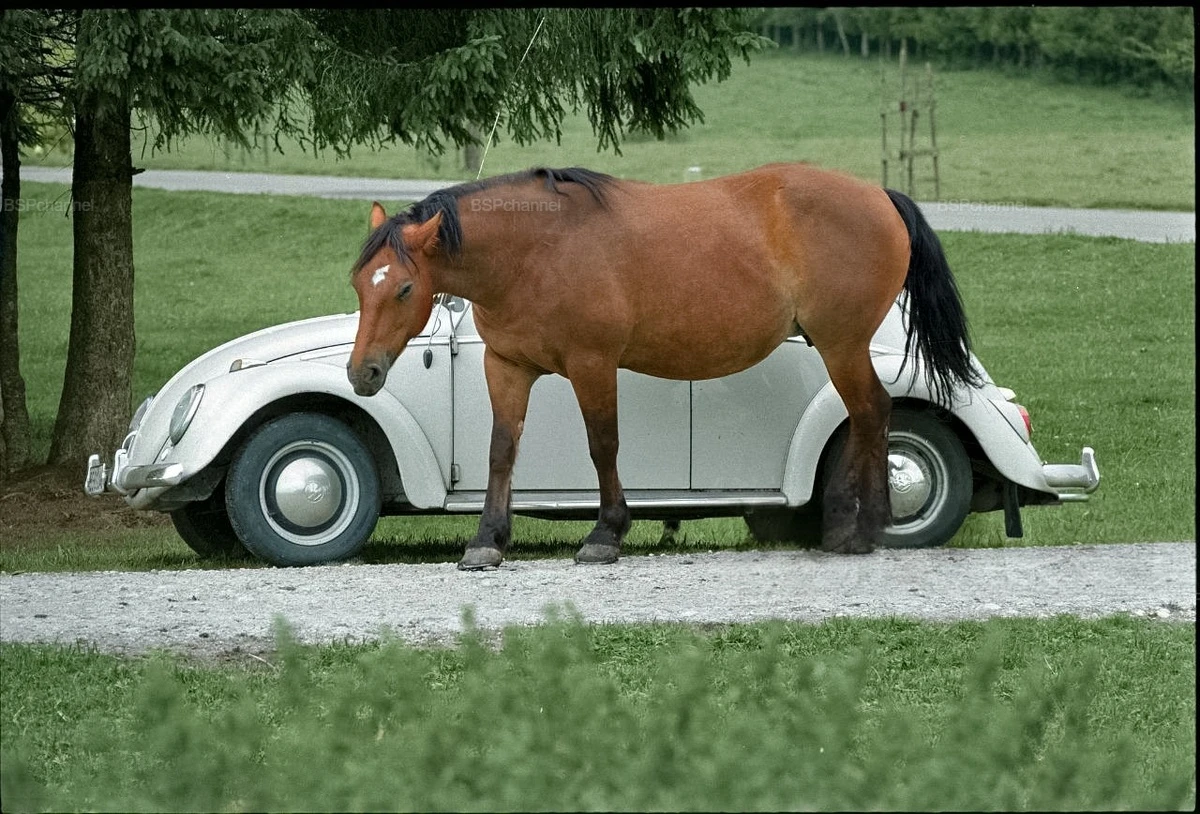
The Concours National de Chevaux is an annual Freiberger horse show, including races and a horse market, held in Sainélégier, Canton Jura, Switzerland. This event is the central venue for breeding Freiberger horses, one of Switzerland's living traditions. The show was first held in 1897.
Pontiac truck owned by J. Blooms and P. Liepins. Limbaži, Latvia, 1920s. 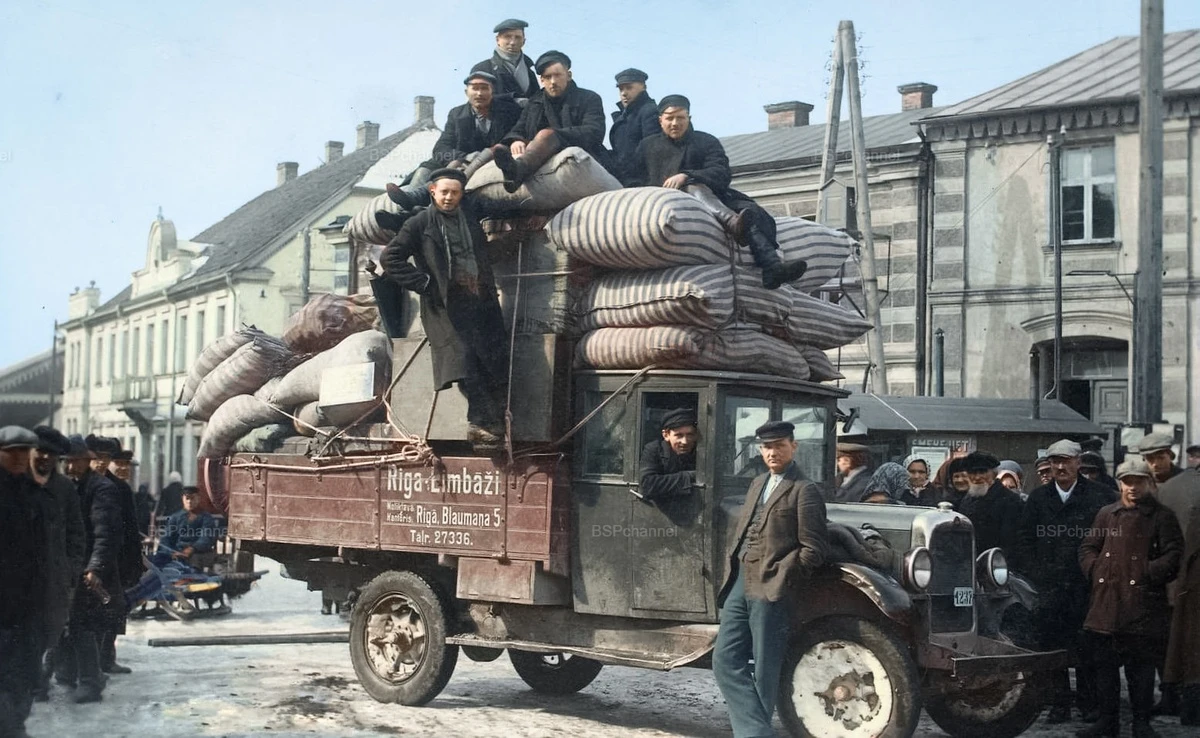
Anton Prinner and his sculpture, 1946. 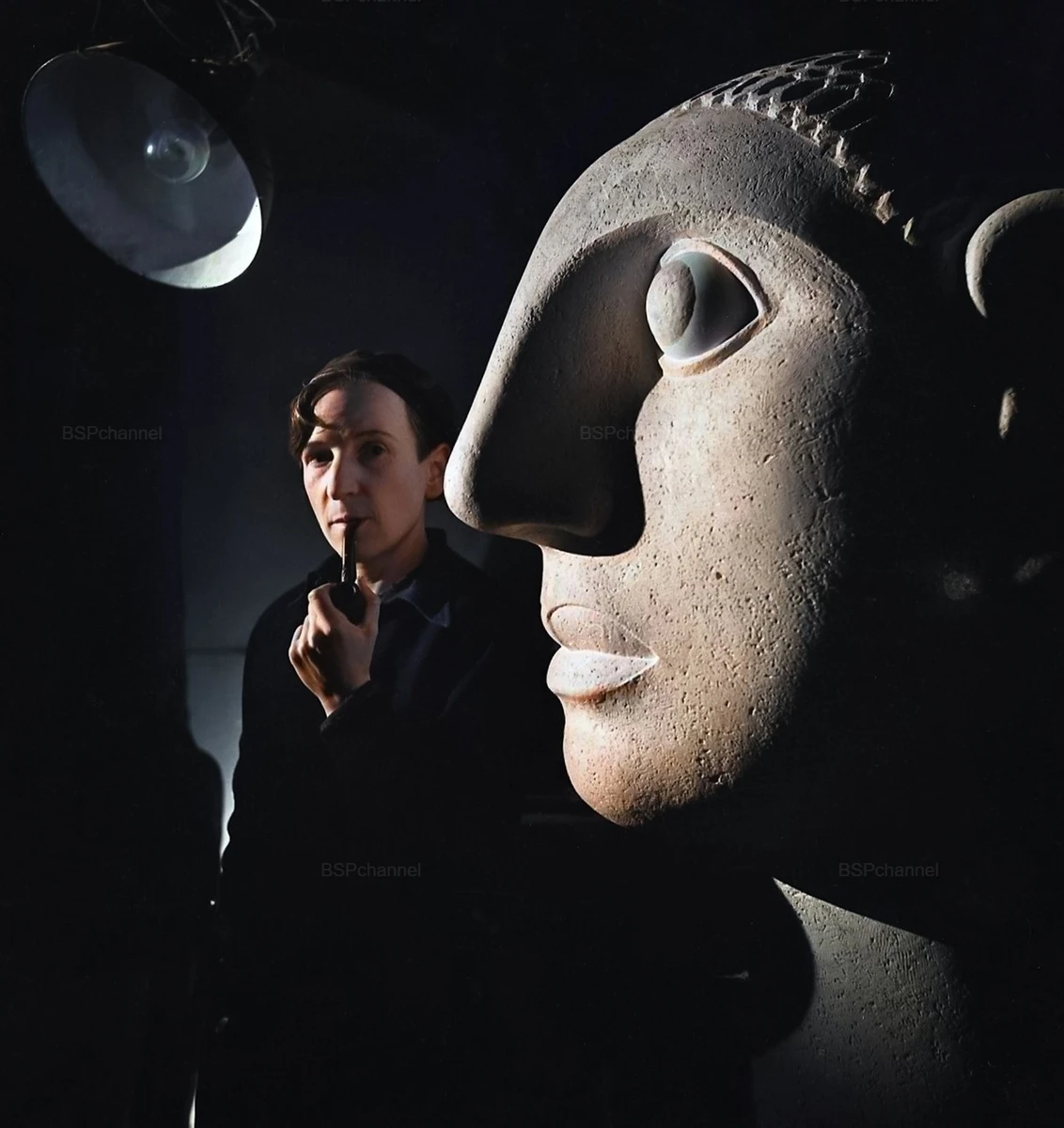
Photographer: Emil Savitri
Germany, 1904. 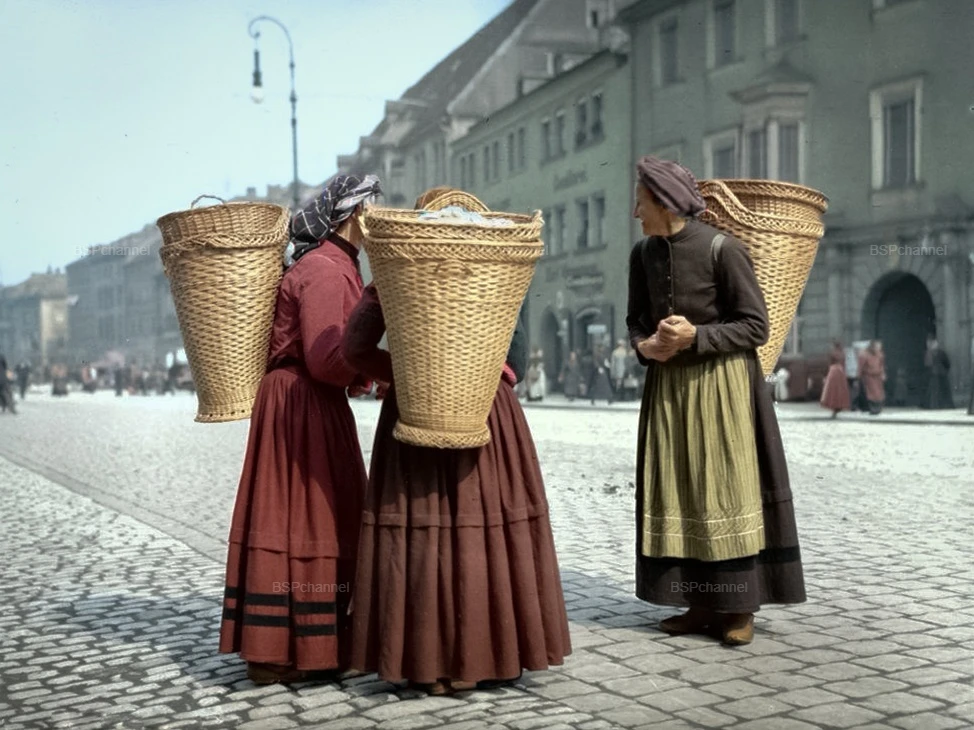
Laundresses stand with laundry baskets. They were made of wicker, willow, rattan, or birch bark. The craftsmen prized natural materials for their lightness, durability, and ventilation—especially important when carrying wet laundry.
Fishermen. Nazaré, Portugal, 1950s. 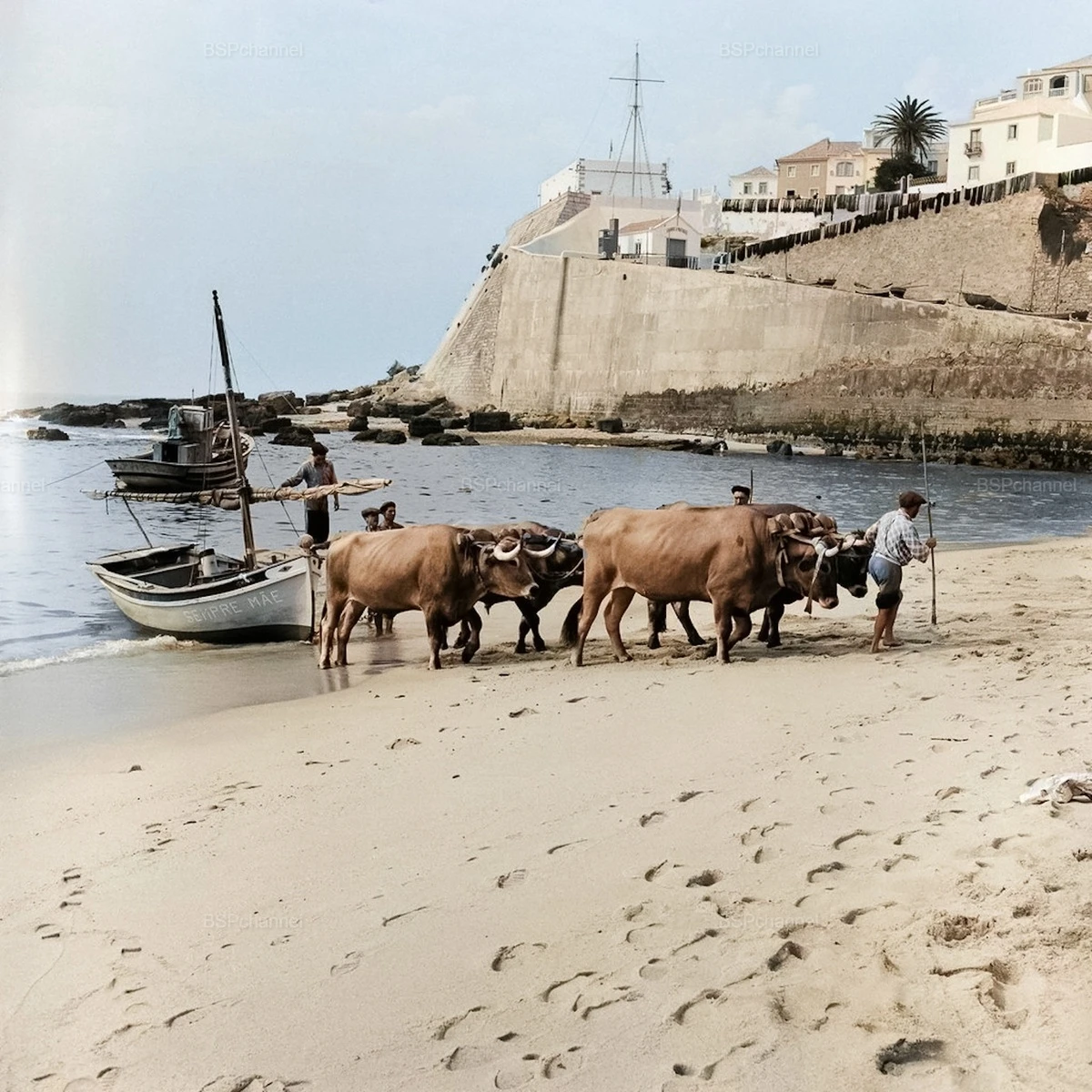
A girl at a hot dog vending machine. Germany, 1931. 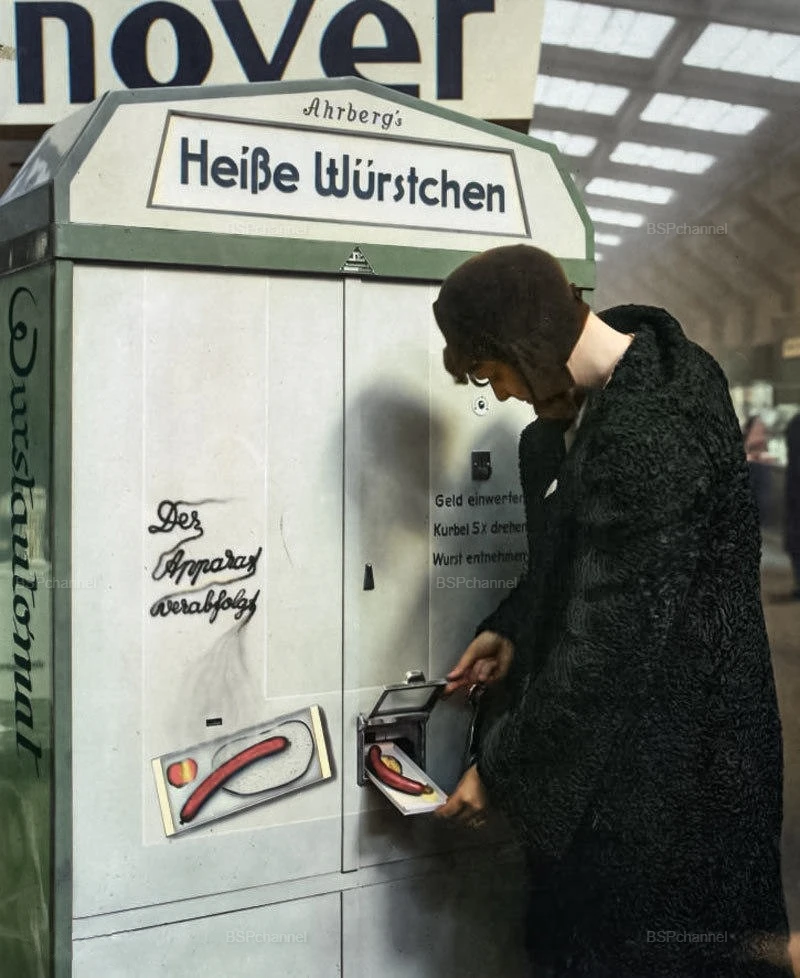
These vending machines first appeared in the late 1920s and early 1930s as an innovative solution for 24-hour quick snack sales, especially at night or when traditional stores were closed. The vending machine offered a hot sausage in a bun (or without) with a dollop of mustard—a simple, yet revolutionary service at the time. It was one of the first hot food vending machines in Germany, laying the foundation for the future culture of food and beverage sales.
Gypsies from the village of Yagoda with dancing bears. Bulgaria, 1993. 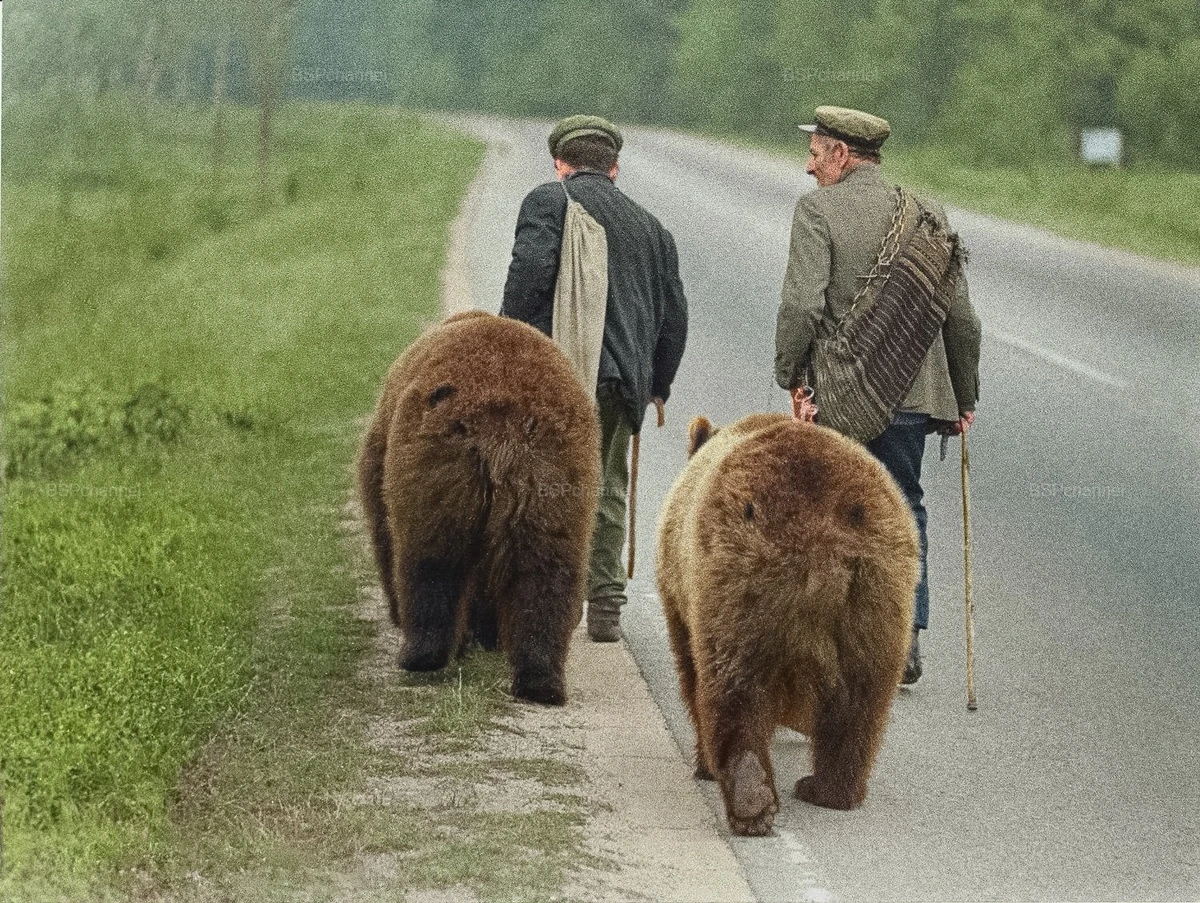
Photographer: Jekko Vasilev
Farmers Fritz and Vera Eriksson, Lycksele, Sweden, 1966. 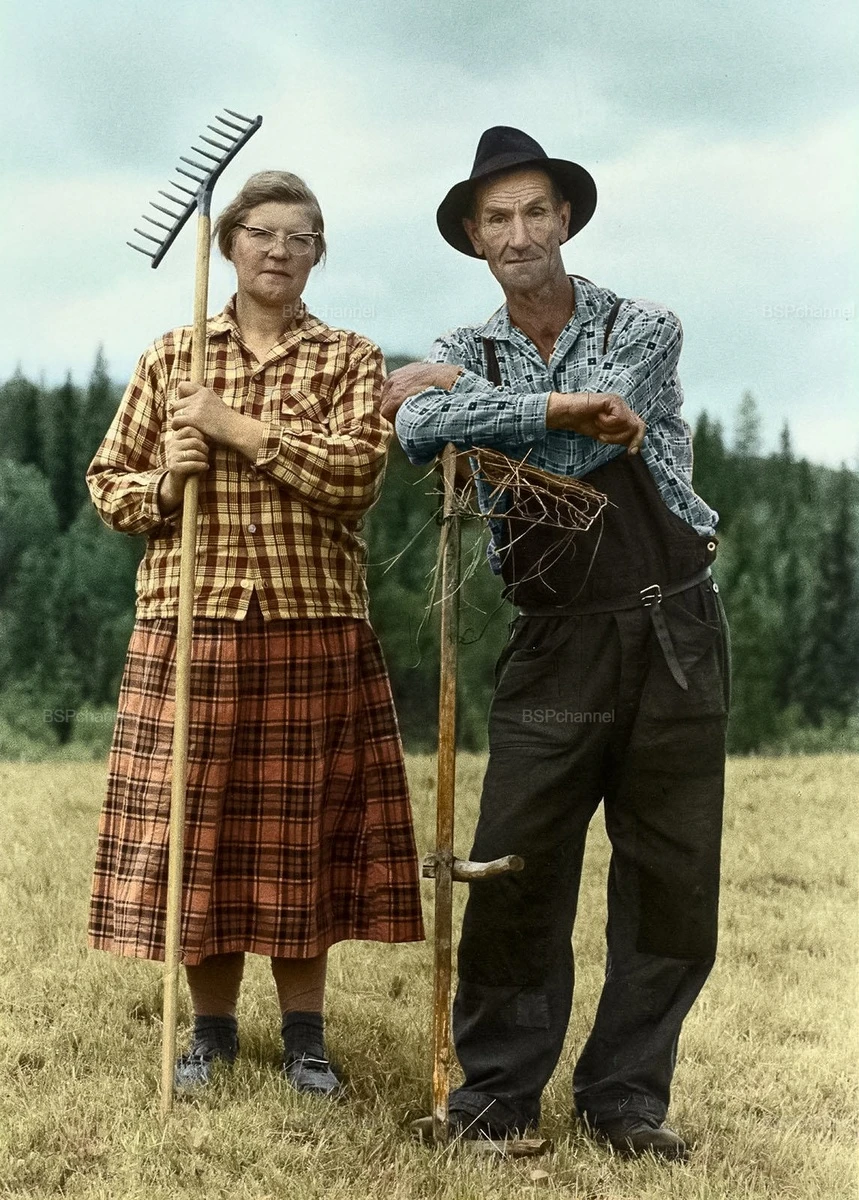
Photographer: Sune Jonsson
NMBS/SNCB Type 12 steam locomotive. Belgium, 1950s. 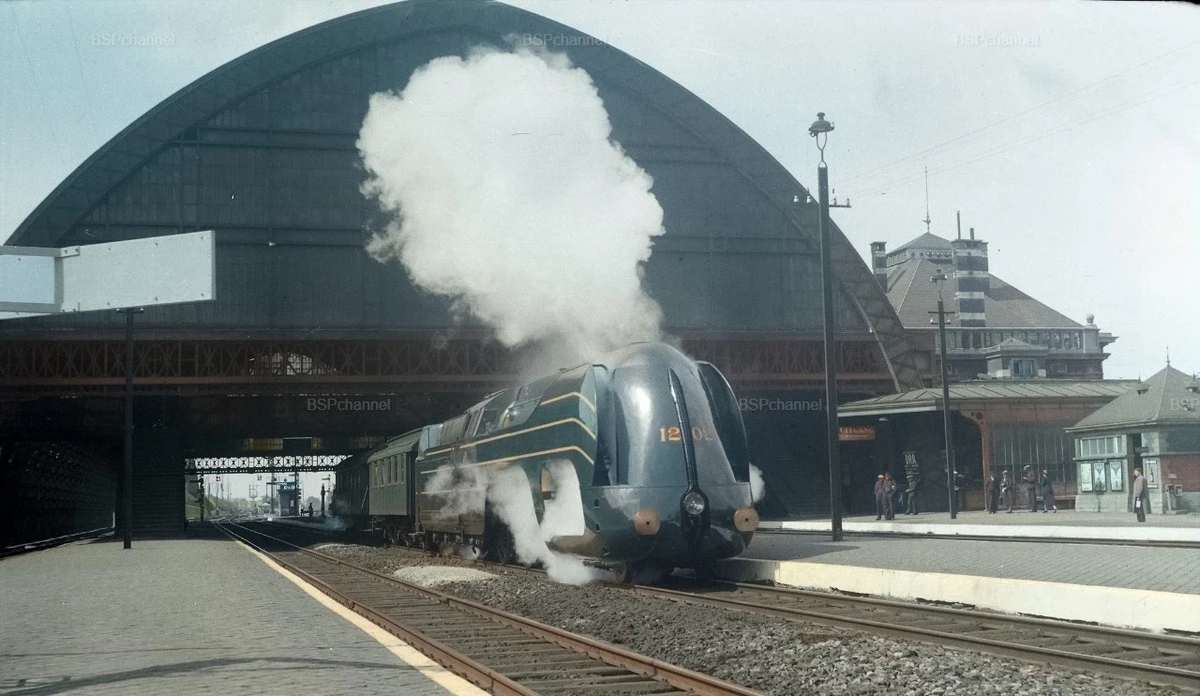
The NMBS/SNCB Type 12 steam locomotive is one of the most remarkable and elegant passenger locomotives in the history of Belgian railways. Built in 1938–1939, it was considered the apotheosis of Belgian steam locomotive building and a symbol of the pursuit of speed, comfort, and technological progress on the eve of World War II.
Rue Rambuteau, Paris, 1946. 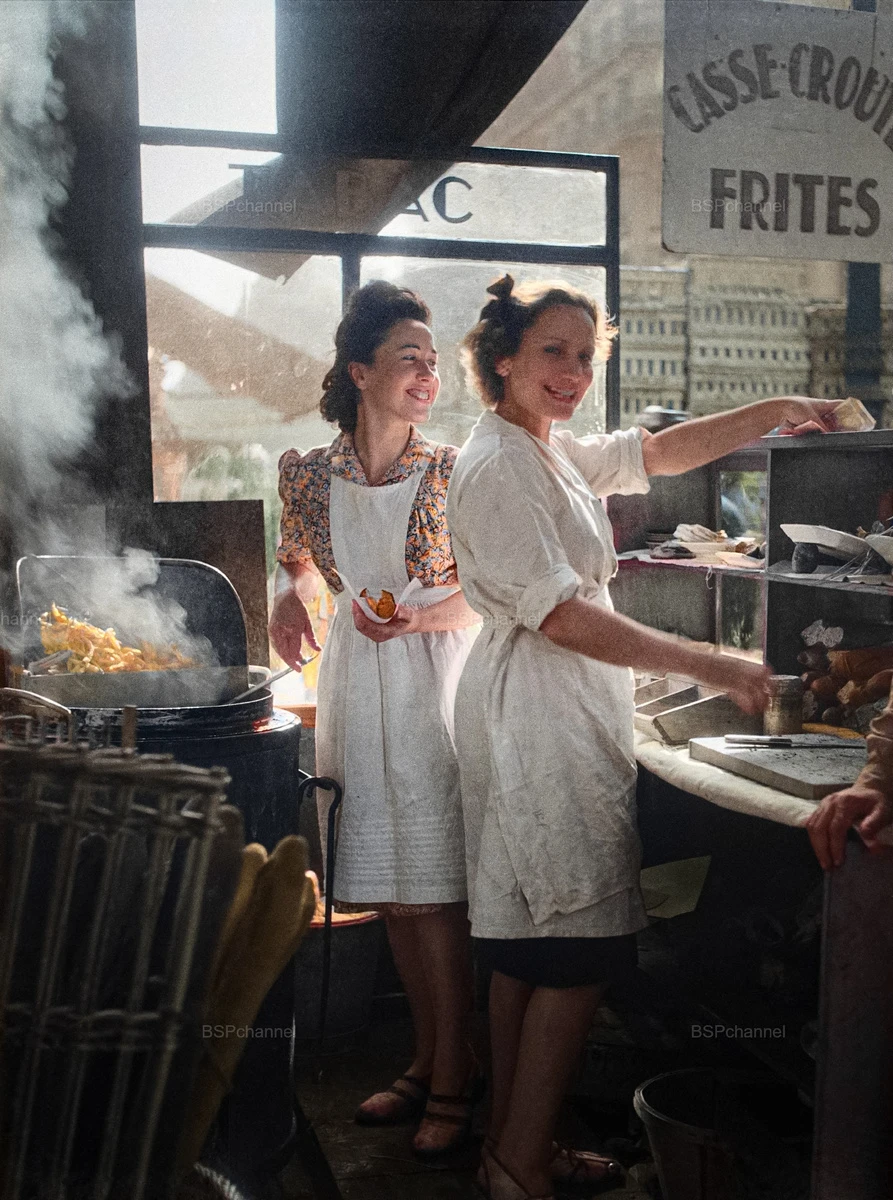
Photographer: Willy Ronis
Ragnvald Halbrand and Herman Grimeland skiing. Norway, 1915. 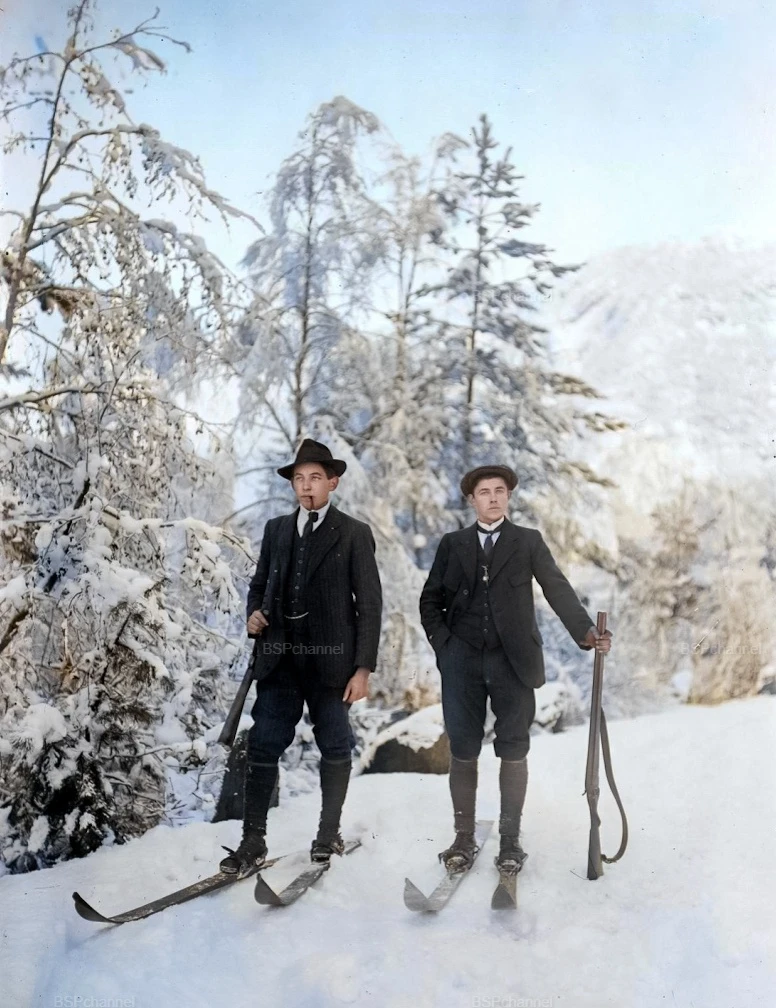
American girl in Italy, 1951. 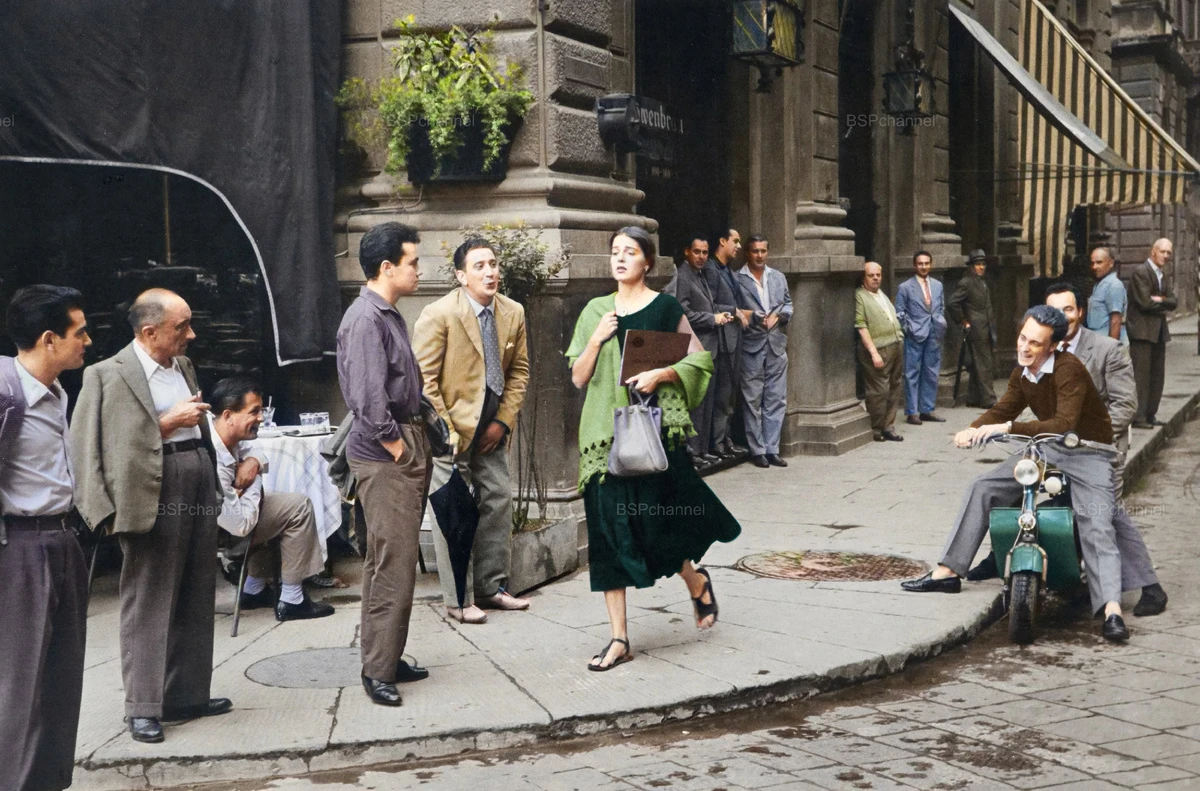
Photographer: Ruth Orkin
In 1951, while traveling in Europe, American photographer Ruth Orkin took her most famous photograph, "An American Woman in Italy." The image depicts a young American tourist lost in the maze of narrow Roman streets. Trying to find her way, she turned to locals relaxing in the shade during siesta for help. But none of them spoke English—except, perhaps, the scooter driver, who at least pretended to understand. At that very moment, one of the men loudly made a lewd joke in Italian. Laughter erupted in the street, and it was this moment, full of awkwardness, irony, and tense loneliness in the crowd, that Orkin captured.
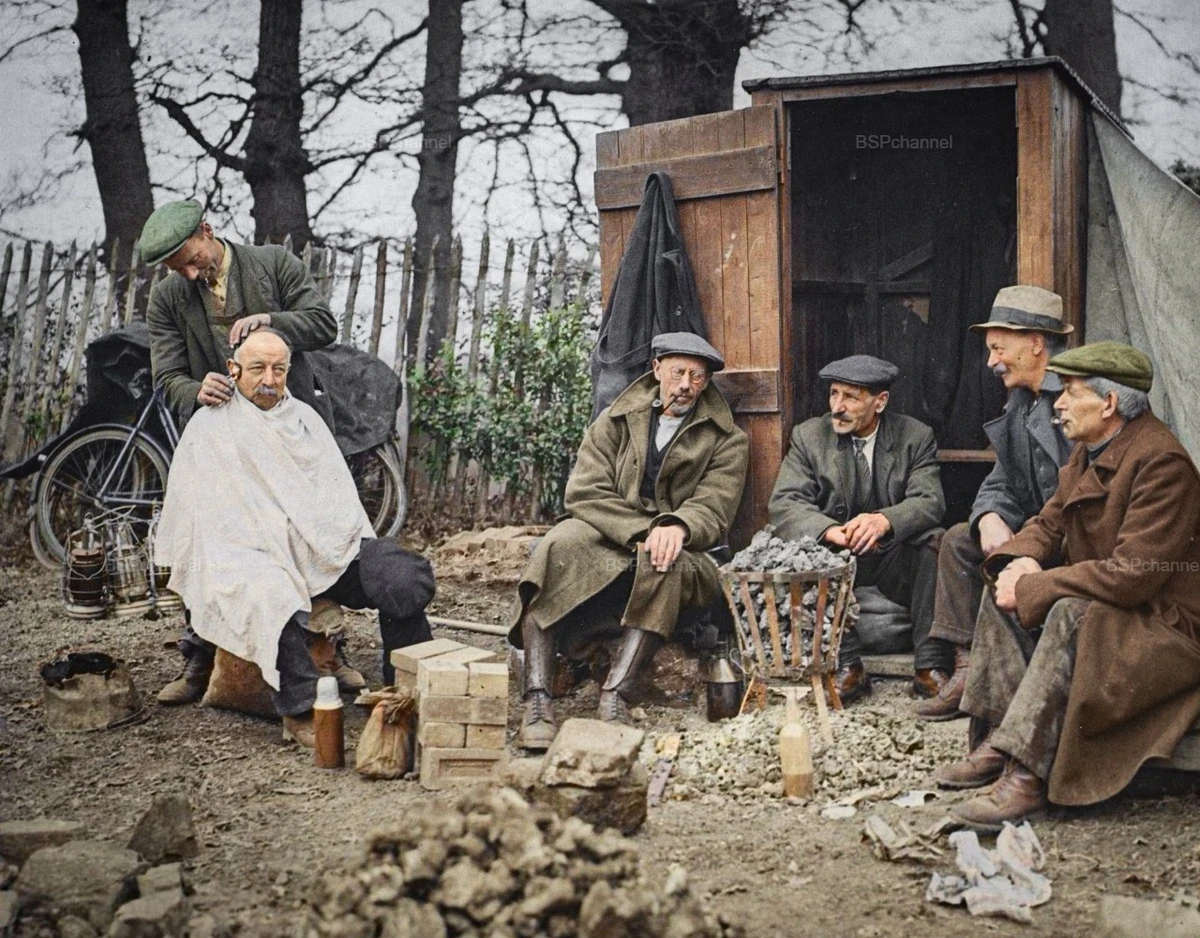
Men resting while watching a barber at work, 1934.