How the Cast of "Scary Movie 2" Has Changed 24 Years Later (15 photos)
Does everyone remember this utterly terrifying movie? 
Anna Faris – Cindy Campbell 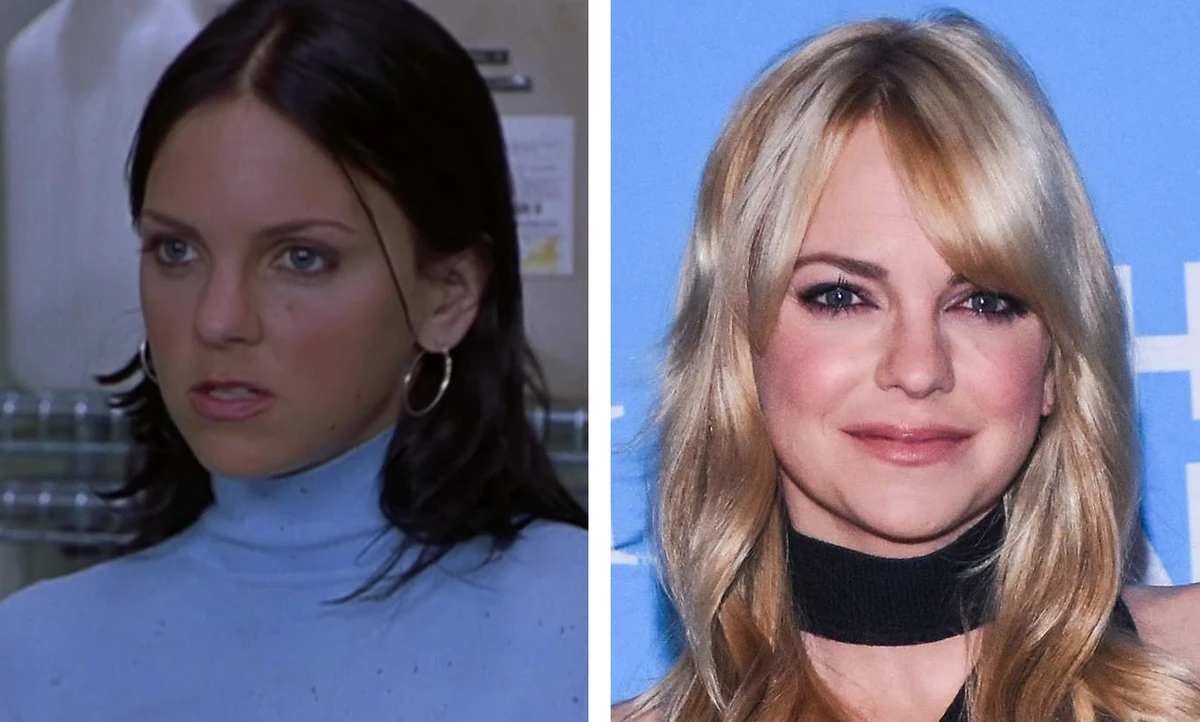
Anna Faris first found herself in the spotlight not because of a franchise, but because of the film "The Boys Are Doing It." During the pre-production stage, the script was rewritten several times to suit Faris's specific style. At the same time, Faris often appeared in unexpected formats and roles: for example, her moment in Sofia Coppola's "Lost in Translation"—deliberately edgy and jarring—was conceived as a contrast to the film's subdued tone and was memorable for its distinctly foreign nature. A little later, she moved into a radically different comedy with "Giggle Boy," where almost the entire runtime hinges on a single character and her misguided decisions. Faris also worked extensively in voice acting, playing Janet in the "Alvin and the Chipmunks" series, which provided her with stable work outside of film and allowed her to alternate between large-scale projects and smaller ones, without being tied to a single format.
Regina Hall – Brenda Meeks 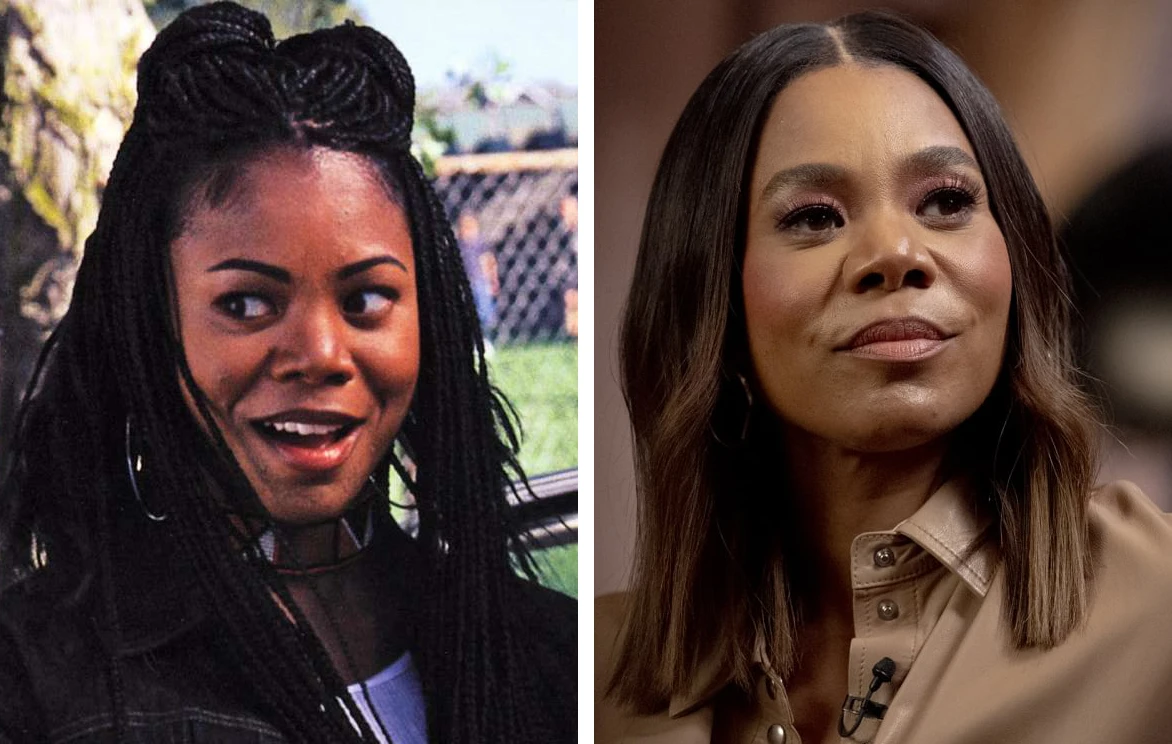
Regina Hall's path changed dramatically on the set of Scary Movie, where she didn't expect a long-term franchise. The role of Brenda Meeks was originally written as a supporting role, but Hall began improvising lines and reactions on set, leading to the character being actively expanded as filming progressed. Her screen time increased significantly in the second and third installments, and Brenda herself became one of the most quotable characters in the series. Years later, Hall consciously moved away from pure parody and changed her role: in Girls Trip, she played a successful writer, a role that became her highest-grossing film outside of horror comedies. The contrast between her comedic background and her more down-to-earth character proved so compelling that dramatic offers followed, including Support the Girls.
Shawn Wayans – Ray Wilkins 
Early in his career, Shawn Wayans didn't choose between acting and writing—he did both simultaneously. His first stable position in the industry was the show "In Living Color," which he got involved with thanks to his family. He stayed on the show not because of his family name, but because of his regular work: he wrote scripts, appeared in sketches, and gradually began to take on more screen time. This experience proved decisive, as it was there that Shawn learned to quickly shift formats—from short skits to fully-fledged characters. Cinema came through parodies, and here Wayans found himself in a position most comfortable for himself. In "Don't Be a Menace to South Central While Drinking Your Juice in the Hood," he wasn't just acting; he was involved in the film's very structure. His real breakthrough came with "Scary Movie," where Shawn both acted and co-wrote the screenplay. His character, Ray, appeared as a simple supporting character, but it was through him that the film wove together its absurd scenes into a cohesive narrative. This approach was taken even further in White Chicks, in which Shawn, along with his brother Marlon, not only starred but also oversaw the story's development from concept to final editing. The film received mixed reviews, but became a cult classic and is still regularly rewatched.
Marlon Wayans – Small 
At first, Marlon Wayans was perceived as the younger brother in the comedy family, and for a long time, he was relegated to roles that simply served to keep the pace up. In "Don't Be a Menace to South Central While Drinking Your Juice in the Hood," he teamed with Shawn and had the precise task of enhancing the jokes with reactions and sharp turns. Marlon's real popularity came with "Scary Movie," in which he played one of the central characters and simultaneously contributed to the plot development, giving him an understanding of how a film is constructed as a whole, not just a single role. A dramatic turnaround in his career occurred in 2000, when Darren Aronofsky cast Wayans in "Requiem for a Dream." This decision surprised even those who knew the actor personally: Marlon abandoned his usual comedies and completely changed his approach, playing a dramatic role. The film wasn't a massive hit, but it demonstrated Wayans's ability to handle serious stories, and he has since periodically returned to such roles, for example, in "Air," where he appeared in a more restrained role. However, he didn't leave comedy completely and continued to develop his own projects, alternating between stand-up, film, and behind-the-scenes work.
Christopher Masterson – Buddy 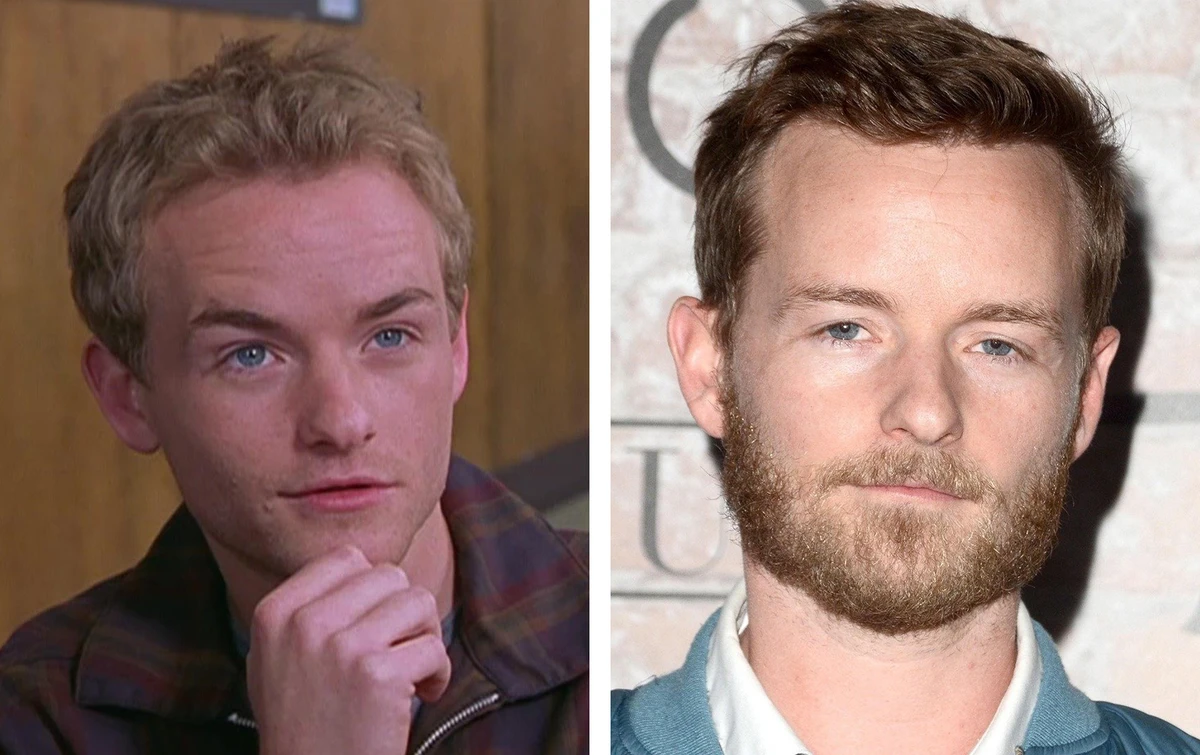
Christopher Masterson is most often remembered for specific episodes of "Malcolm in the Middle," but his position on the show was unconventional. Francis was initially conceived as a temporary foil—an older brother removed from the main family home. When the plot took him to military school and then Alaska, Masterson filmed separately from the main cast, often in other states and with a different crew. This break in format allowed the writers to freely experiment with Francis's character arc, and the actor himself found himself in a situation where his role lived by its own rules and wasn't dependent on the rhythm of family scenes. Outside of the series, Masterson didn't establish himself in film and gradually retired from acting. He appeared in small roles and cameos, particularly on "That '70s Show," but simultaneously shifted his interests toward music and gastronomy, working as a DJ and participating in culinary projects.
David Cross – Dwight Hartman 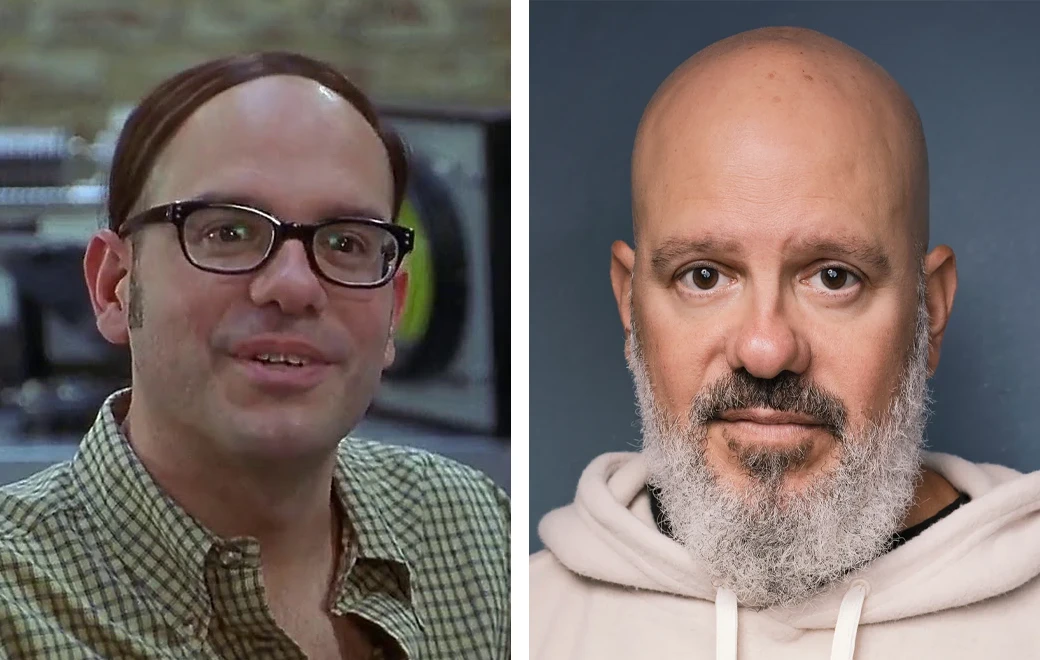
Arrested Development struggled to find an audience for a long time, but it was there that David Cross landed the role that would later become his signature role. Tobias Fünke was originally conceived as a supporting character – an awkward husband appearing in isolated scenes. However, his odd pauses, direct lines, and missteps provoked such a reaction from the crew that the writers began deliberately expanding his arc. Many jokes revolved not around the plot but around Tobias's misunderstandings of what was happening, and Cross quickly became one of the most memorable members of the ensemble, despite his limited screen time. Cross, however, never limited himself to television. Even before Arrested Development, he collaborated with Bob Odenkirk on Mr. Show with Bob and David, where he wrote scripts and acted as a full-fledged collaborator, not just an actor. In film, he often chose roles that clashed with his television persona, such as the eccentric scientist in Alvin and the Chipmunks, which was aimed at family audiences.
James Woods – McFeely's father 
The script for Salvador came to James Woods at a time when he was already considered a strong character actor, but not a major star. The story of a journalist called for a man who constantly makes questionable choices, not a heroic one. Woods accepted the role without regard for commercial success, spent much time with the character's prototype, and insisted that the character be unlikable and uncomfortable. The film wasn't a box office hit, but it was this performance that earned the actor an Oscar nomination and cemented his reputation for playing complex, conflicted roles. Woods then began consciously choosing films where characters are on the edge. In David Cronenberg's Videodrome, he played a TV presenter gradually losing touch with reality, and filming was subject to constant script revisions—the actor often had to perform scenes without knowing where they would lead. A little later, he appeared in Sergio Leone's Once Upon a Time in America, where his character Max was built on tough decisions and betrayals rather than on audience sympathy. In the 1990s, Woods added a role on Nixon, and at the end of the decade, he unexpectedly transitioned into voice acting, lending his voice to Hades in the animated film Hercules, which became one of his most recognizable roles—this time without appearing on camera.
Andy Richter – Father Harris 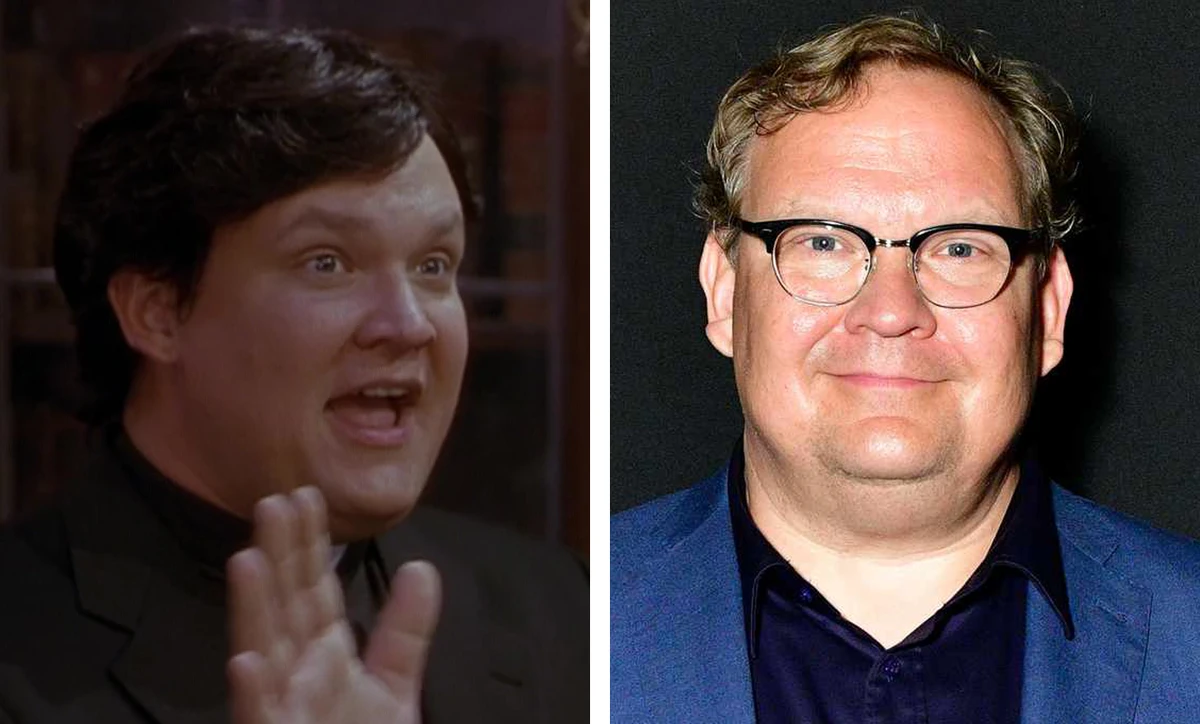
In the early 1990s, Andy Richter found himself on Conan O'Brien's staff at Late Night, where he initially worked as a writer. In one of the first episodes, Richter appeared on camera for a short line, and this casual cameo quickly evolved into a permanent role—the host's silent, slightly confused sidekick. The format caught on, and Andy became a fixture on the show for many years, although he wasn't formally the show's main attraction. An attempt to expand beyond the evening show came in the mid-2000s, when Richter landed the lead role in the series "Andy Barker, Private Detective." The series, built around his character and conceived as a full-fledged sitcom, quickly ended due to low ratings. Afterward, Richter gave up on his leading man status and shifted to other work: voicing cartoons, playing cameo roles, and returning to collaborate with O'Brien in a new format.
Chris Elliott – Henson 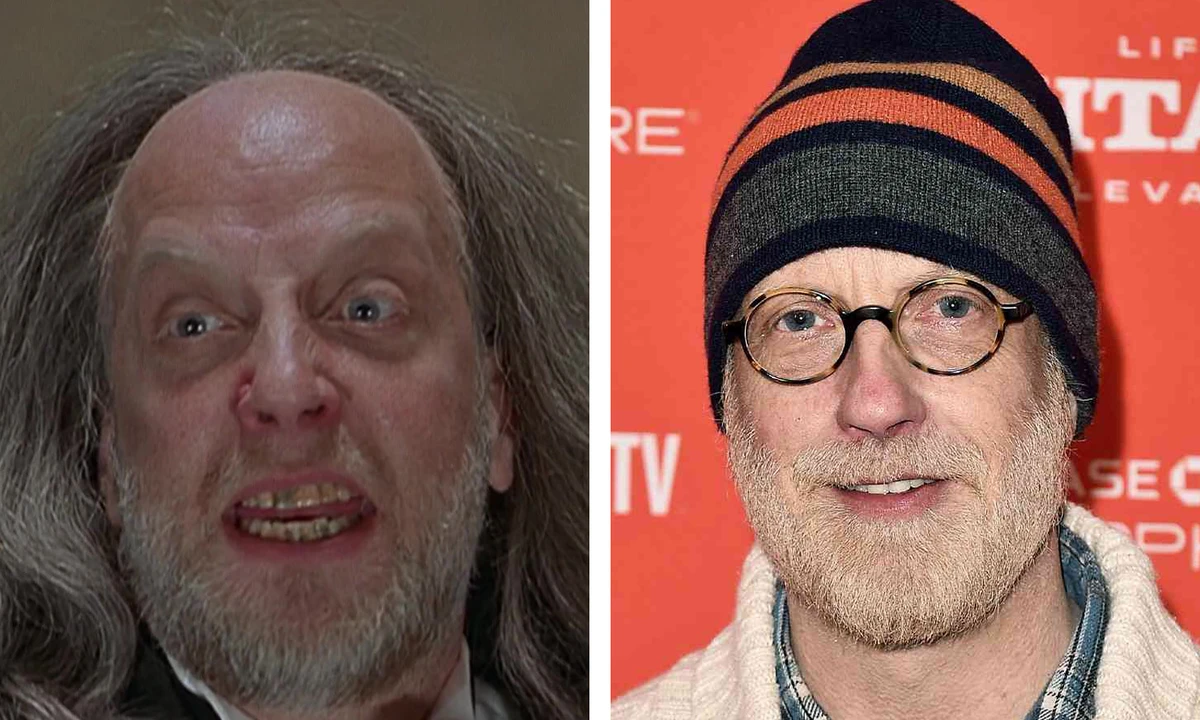
Many people's first encounter with Chris Elliott was in Groundhog Day, where he played the obsessive cameraman Larry. The role was small, but it relied on a specific trope: the character constantly appeared alongside Bill Murray's character, interfering with him precisely when he was trying to control everything. Elliott didn't expand on the character or make him "likable"—in fact, he played him as awkward as possible, and that's what made the character memorable. This same approach later led him to even more radical roles. In the Farrelly brothers' There's Something About Mary, Elliott played an eccentric neighbor whose behavior was deliberately unsettling, and the filmmakers were counting on his willingness to appear strange and unappealing. Years later, he returned to the spotlight in a different format—in the series Schitt's Creek, where he played Roland Schitt alongside Catherine O'Hara.
Kathleen Robertson – Theo 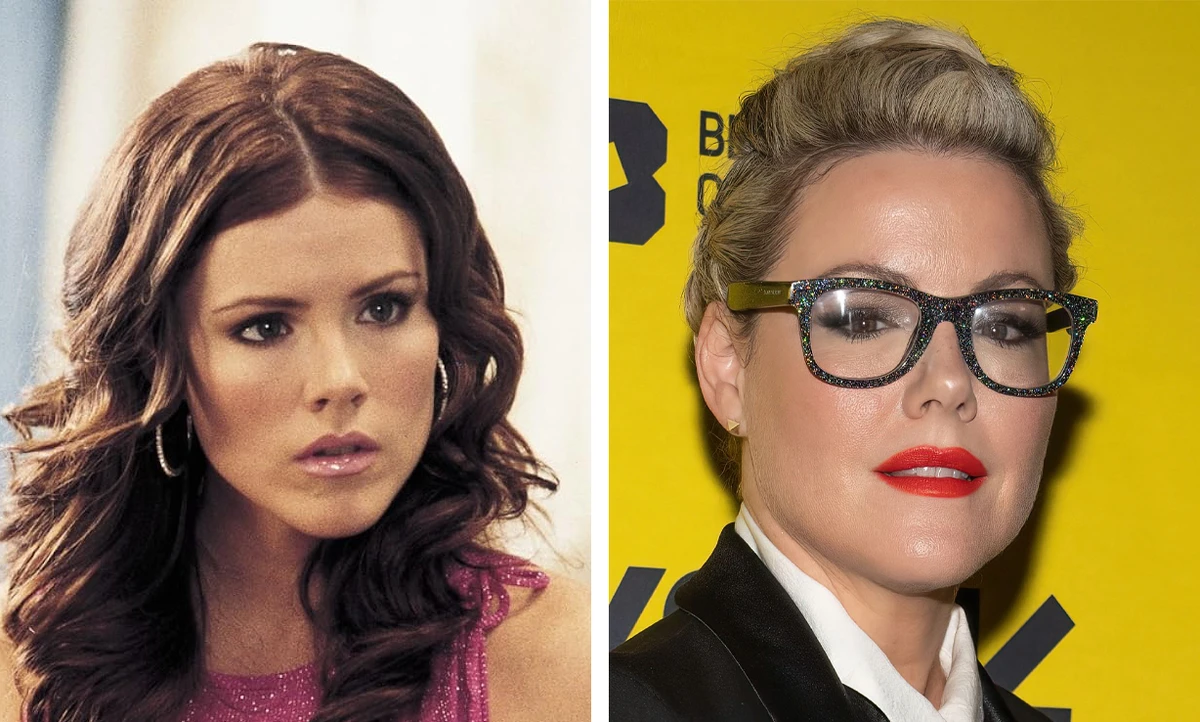
Kathleen Robertson didn't appear on "Beverly Hills, 90210" until the first season and wasn't initially considered a regular. Her character, Claire Arnold, was introduced as a recurring character, but the audience reaction was so noticeable that her contract was renewed year after year. Meanwhile, Robertson continued to act in films and was often absent from the show's main shoot, which meant Claire's lines were regularly rewritten to fit her schedule, and some scenes were filmed separately from the main cast. After leaving "90210," the actress abruptly changed direction and began appearing in completely different types of projects. In Scary Movie 2, Robertson found herself on set with an already established comedy team and recalled that many scenes were reshot because the actors' laughter interfered with the takes. Later, she increasingly chose television: on the series Boss with Kelsey Grammer, Robertson worked around a busy cable network schedule, and then moved on to directing, directing several episodes of Bates Motel and The Good Doctor.
Tori Spelling – Alex Monday 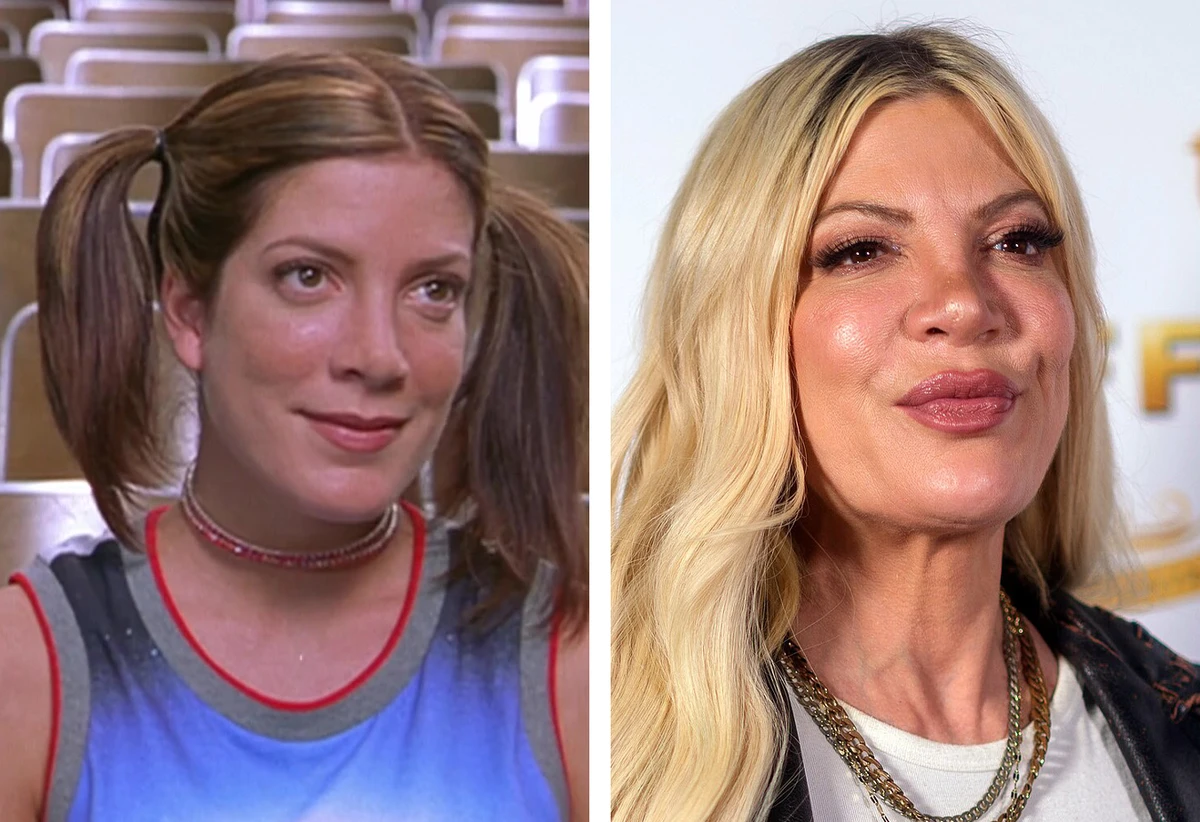
Tori Spelling auditioned for Beverly Hills 90210 under a different name for a very specific reason. She auditioned under the pseudonym Tori Mitchell because she knew the Spelling name would automatically raise questions about why producer Aaron Spelling's daughter was even in the casting room. At the time, the show was just getting ready to launch, and any decision involving the producer's family could spark uncomfortable conversations even before the first episode aired. Hiding her name was a direct attempt to audition as a regular actress, without prior connections or preconceived notions. However, even this move didn't save her from controversy. When it became known that Donna Martin would be playing the daughter of the show's executive producer, the topic of nepotism immediately arose and never went away. The situation was exacerbated by the fact that Donna wasn't a central character in the early seasons, yet she remained a regular cast member and regularly received new storylines. Therefore, for a long time, Donna was deliberately kept out of more mature or risqué plots to avoid further criticism. After the end of "90210," Spelling began consciously playing with her image. In Scream 2, she made a brief cameo discussing the film within the film, a scene that directly mocked her television reputation. This trope was later taken to its extreme in the series So Famous, where Tori essentially played a version of herself. The series was short-lived, but it clearly marked her future direction. In the 2000s, Spelling appeared less and less in classic series and films, increasingly choosing formats that didn't require years of proving her worth: television movies, reality shows, original shows, and screenwriting.
Tim Curry – Professor Oldman 
In the early 1970s, Tim Curry played Frank-n-Furter in the London production of The Rocky Horror Picture Show, and it was this performance that became his signature role. When the project was decided to be adapted for film, the producers debated for a long time whether to retain the original cast, but Curry was ultimately cast. Filming took place on cold sound stages, the costumes were uncomfortable, the schedule was choppy, and the film initially flopped at the box office. Everything changed after its release: late-night screenings, reruns, and audience reaction made the film a cult classic, and Curry became an actor remembered specifically for this role. He then began juggling projects that seemed risky on paper. In 1985's Clue, Curry found himself in an ensemble cast whose ending varied from take to take: multiple endings were filmed for theaters, and the actors weren't always sure which one audiences would see. Almost simultaneously, he accepted roles that didn't promise status—for example, on television, where he played Pennywise in the 1990 miniseries "It." Filming took place on ordinary sound stages and on the streets, without extensive special effects, and makeup was applied for many hours every day. The project was conceived as a television series, but it was this very same one that made the clown's image widely recognizable for decades to come. In 2012, his career took a sharp turn for reasons beyond his control—due to failing health. He retired from acting in live-action films, but he didn't retire completely—he continued to voice characters and appear at events related to his early work.
Natasha Lyonne – Megan Voorhies 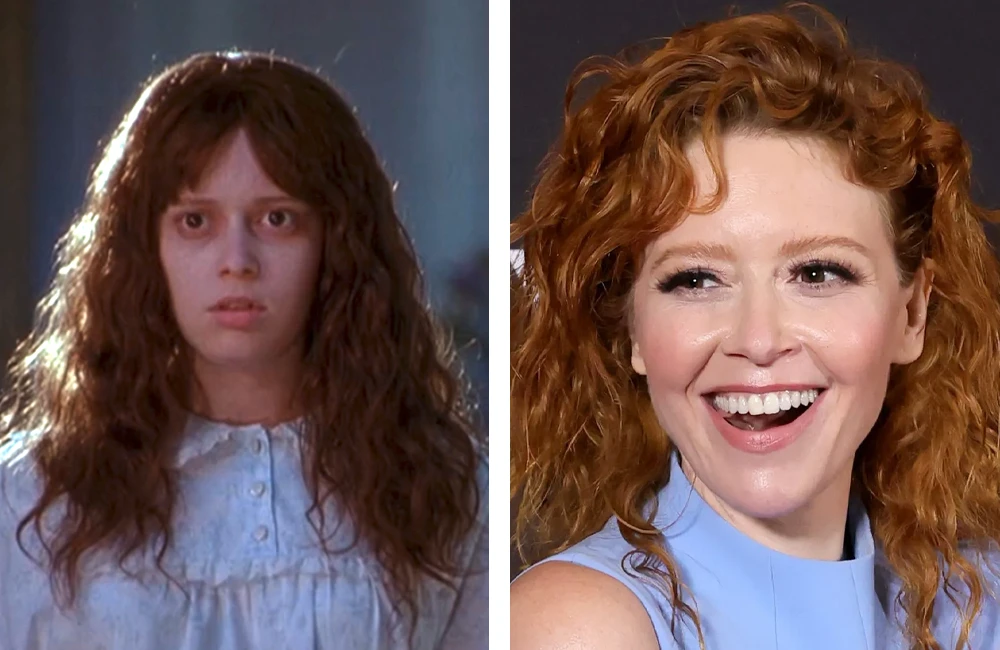
Natasha Lyonne first appeared in films as a child, but truly gained recognition in the late 1990s when she landed a role in "Slums of Beverly Hills." The project was low-budget, filmed quickly, and Lyonne worked on set virtually nonstop while simultaneously preparing for other auditions. It was this film that cemented her image as a sharp, talkative woman without a glossy sheen. Almost immediately after, she landed a role in "American Pie," where her character, Jessica, was originally intended to be a cameo, but her successful scenes led to her being brought back for the sequels. The early 2000s proved unstable for her. Despite regular roles in comedies and independent films, the actress's personal life gradually spiraled out of control. During this period, she virtually disappeared from major projects, and her name increasingly appeared in the news for non-film-related reasons. For several years, Lyonne barely acted, losing contracts and offers, and this career hiatus proved protracted. A comeback began with small theater roles and episodes, where she had to constantly remind producers and casting directors of her worth. A full-fledged comeback occurred with the series Orange Is the New Black. Lyonne auditioned without star status, and her character, Nikki Nichols, was initially not considered a significant part of the story. However, as filming progressed, the writers began to expand her character's arc, and the actress became a regular cast member. Her work on the series lasted several years and provided Lyonne not only with stable employment but also the opportunity to return to the industry without the shadow of her past failures.
Veronica Cartwright – Mrs. Voorhees 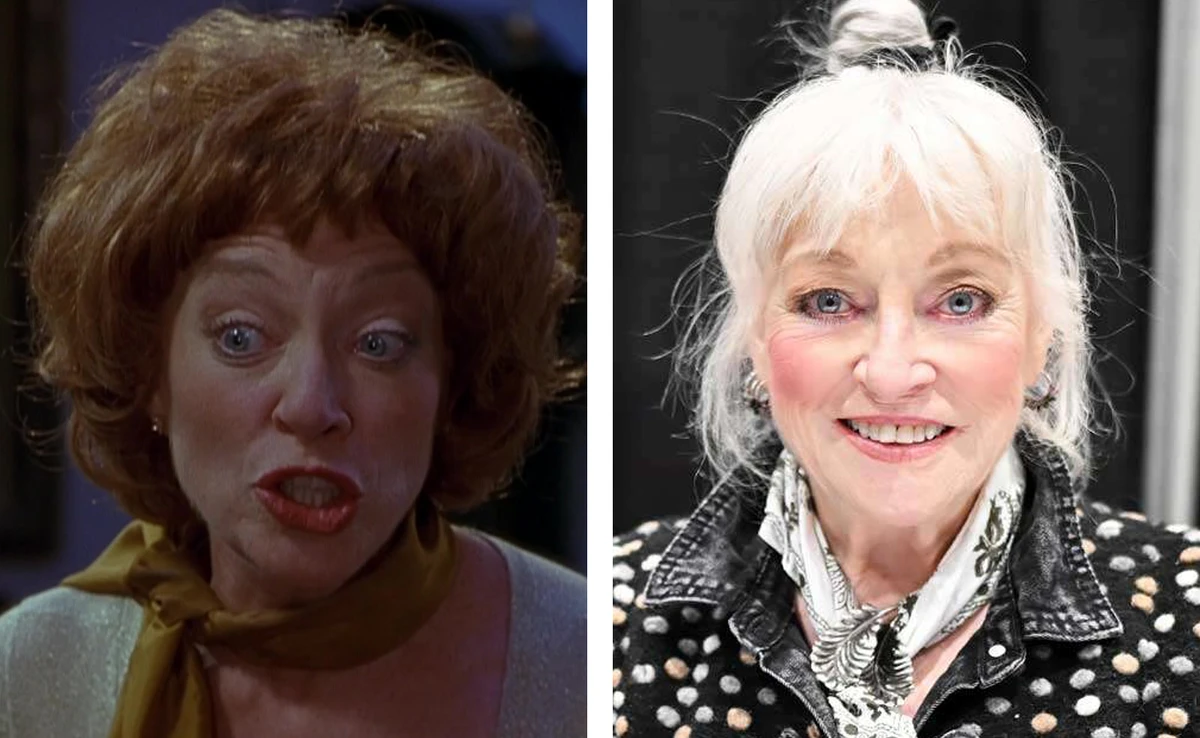
Veronica Cartwright appeared in Alfred Hitchcock's "The Birds" – filming was rigorous, with numerous takes and strict discipline, which became a true training ground for the young actress. This experience didn't lead to instant fame, but it did give her experience working in big studio films, after which Cartwright remained a reliable choice for character supporting roles for a long time. The most famous story of her career is associated with the filming of Ridley Scott's "Alien." In the xenomorph scene, Cartwright, who played Lambert, didn't know the exact details of what would happen on camera: the actors were told about the liquid ejection, but not its volume or direction. When the contents unexpectedly hit her directly in the face, her scream and shock were genuine—the scene was left in the final cut without reshoots. A year earlier, Cartwright starred in 1978's Invasion of the Body Snatchers, where the crew deliberately kept the actors in the dark about certain plot twists. The film's final scenes, including a key moment with Donald Sutherland's character, were shot in an atmosphere of secrecy, with the actors learning the details literally before the take. Cartwright subsequently avoided competing for A-list status. She regularly appeared in major films—from The Witches of Eastwick to independent projects—and worked extensively in television, accepting roles that didn't require long-term contracts.