On June 22, 1978, astronomers James Christy and Robert Harrington, working at the U.S. Naval Observatory (NOFS) in Flagstaff, Arizona, discovered Charon, Pluto's largest moon. 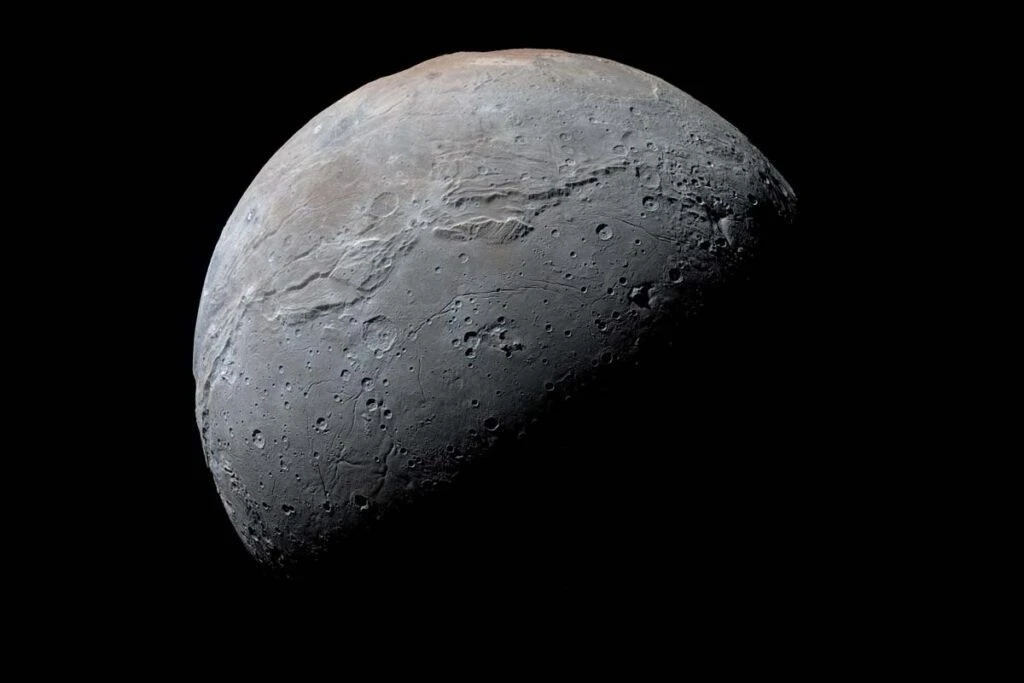
Charon, imaged by NASA's New Horizons spacecraft, July 14, 2015
Christy and Harrington weren't hunting for moons. They set out to refine Pluto's orbital parameters. But Christy, studying the images, noticed something strange: in some of the photographs, the dwarf planet (then still the full ninth planet of the Solar System) appeared slightly elongated, as if smeared. Even more intriguing was the fact that this "blur" changed position with a clear periodicity—every 6.39 days. 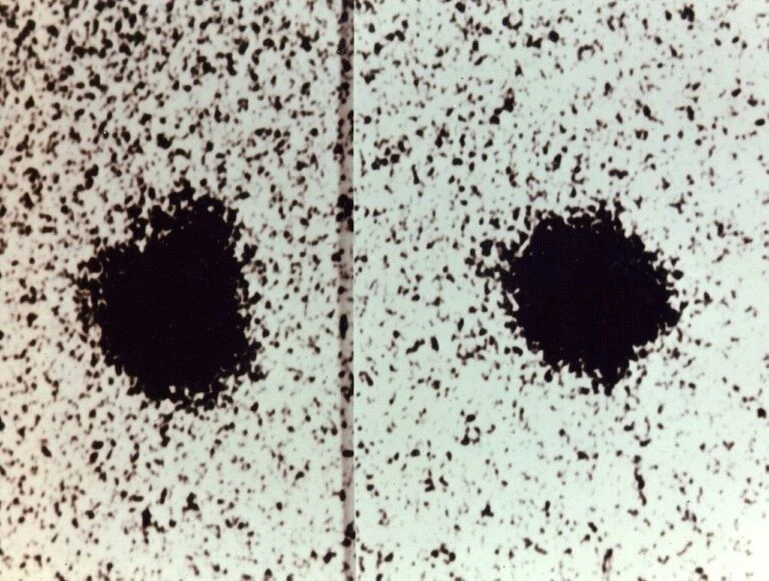
Photographic plates that proved Pluto has a massive satellite
The intrigued astronomer told a colleague about the oddity. They looked at archival images of Pluto and discovered that the anomaly was repeating systematically. This could only have one explanation: there was a massive body near Pluto that was its satellite.
Thus, humanity learned that distant Pluto isn't alone—it has its own moon. Today, we know of four more moons besides Charon: Hydra and Nix (discovered in 2005), Kerberos (discovered in 2011), and Styx (discovered in 2012). 
Styx 
Cerberus 
Hydra 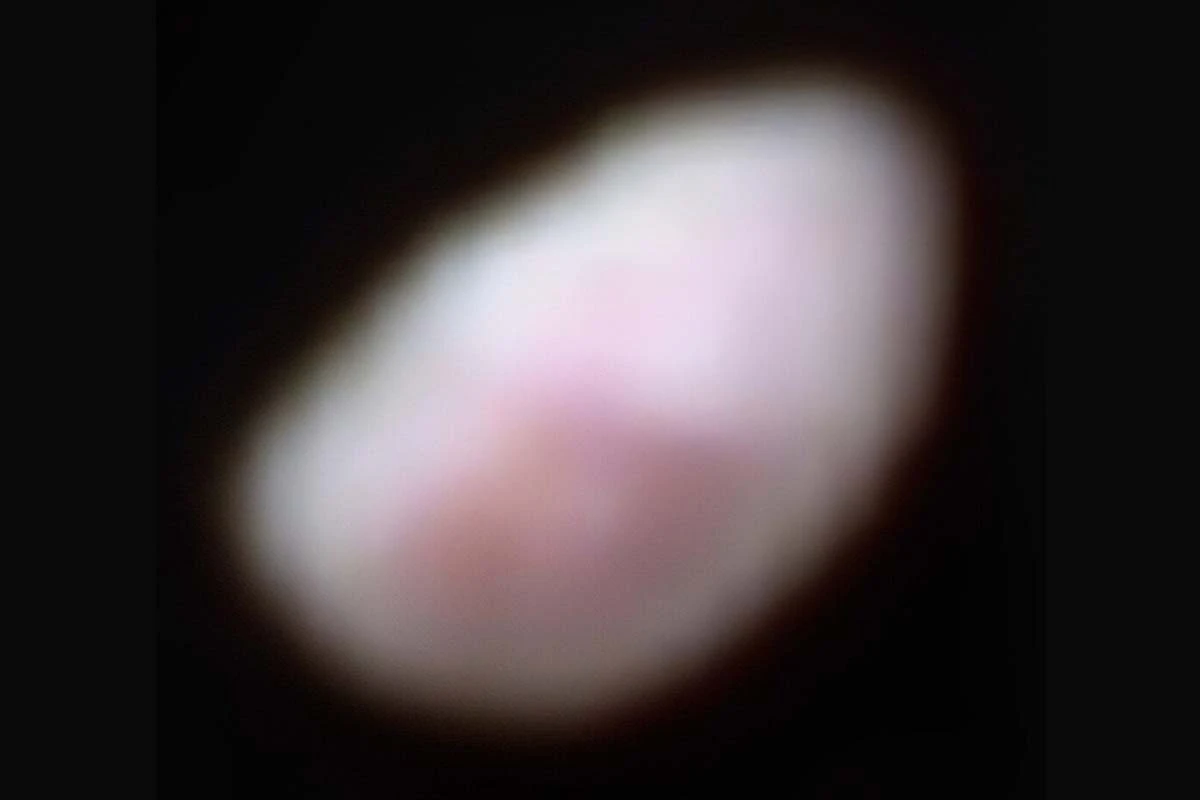
Nyx
All names are related to Greek myths about the underworld:
Pluto - god of the underworld;
Charon - ferryman of souls;
Nyx - goddess of the night;
Hydra - a nine-headed snake-like monster;
Cerberus - a three-headed dog guarding the exit from the underworld;
Styx - a river in the underworld, separating the world of the living from the world of the dead.
Add your comment
You might be interested in:












Oplutonize: How Pluto gave the world a new word (3 photos)
How an 11-year-old girl came up with a name for the planet

DZIDZIO - Angels wonder

20 Amazing Maps That Show Us Things We Never Thought About

A car transporter with very rare Mercedes was spotted in
14 things that are much more than they seem (15 photos)

A young Ukrainian itishnik became the owner of the McLaren
10 little-known facts about the planets of the solar system
NASA discovered the “homeland of aliens” (4 photos)

Persistence in achieving a goal

A biker prevented a hit-and-run driver from escaping

Not everyone is having fun on the amusement ride

The cutest lunch delivery ever

A book titled "A Guide to Rebuilding

Young women, Dancing and George Michael: nothing superfluous

An apology delivered with a running start

A steam locomotive for "big boys"

Bollywood never ceases to amaze
