A bridge made of hands and bricks: how three engineers in bowler hats clearly explained the principle of a console (9 photos + 1 video)
A cantilever bridge is a bridge whose main elements are cantilevers. A cantilever is a structure rigidly fixed at one end, while the other end floats freely in space, without any support underneath. 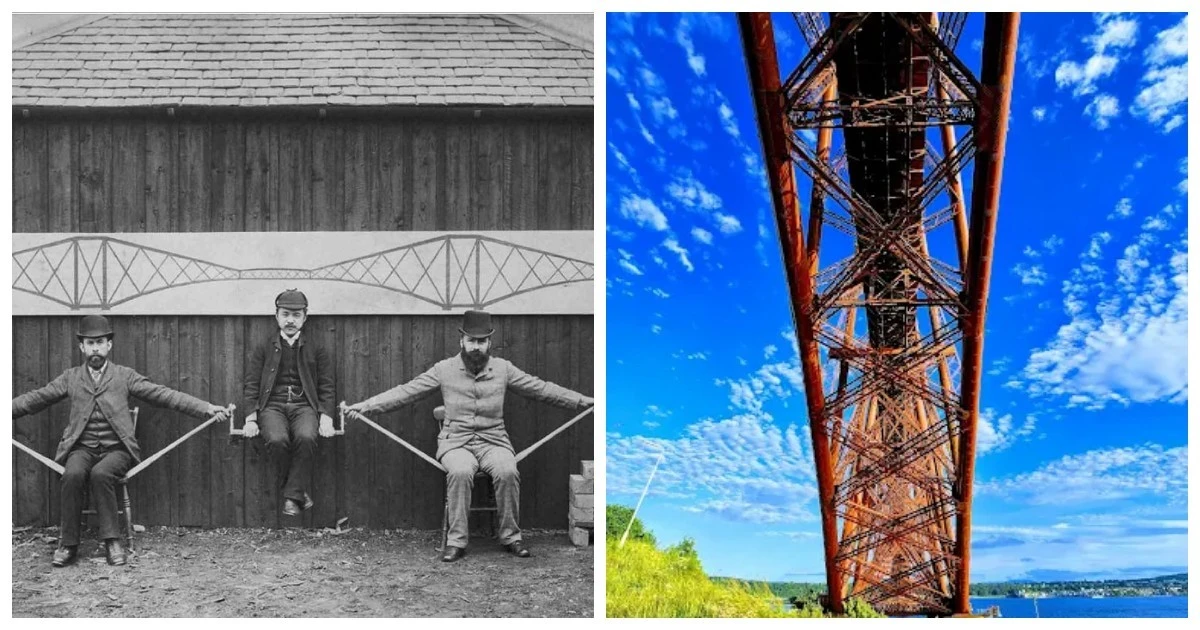
The simplest cantilever bridge consists of two cantilevered "arms" protruding from opposite sides of an obstacle, such as a river. However, these "arms" do not converge at the center. Instead, they support a separate, independent span at their ends—a central section, which completes the bridge. 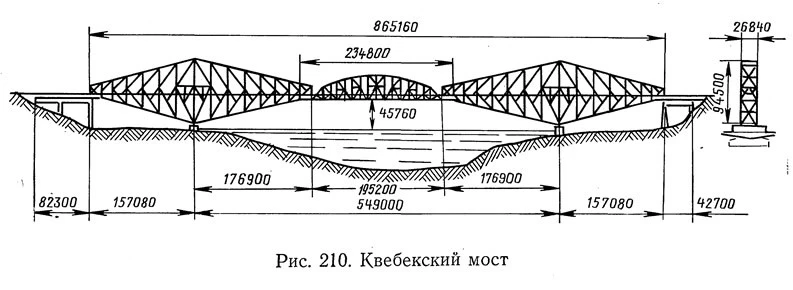
Cantilever Bridge Diagram
In the 19th century, when engineers first unveiled this daring design to the public, they had to go to great lengths to protect it. After all, how can you trust a bridge that has a void beneath it in its most crucial location? 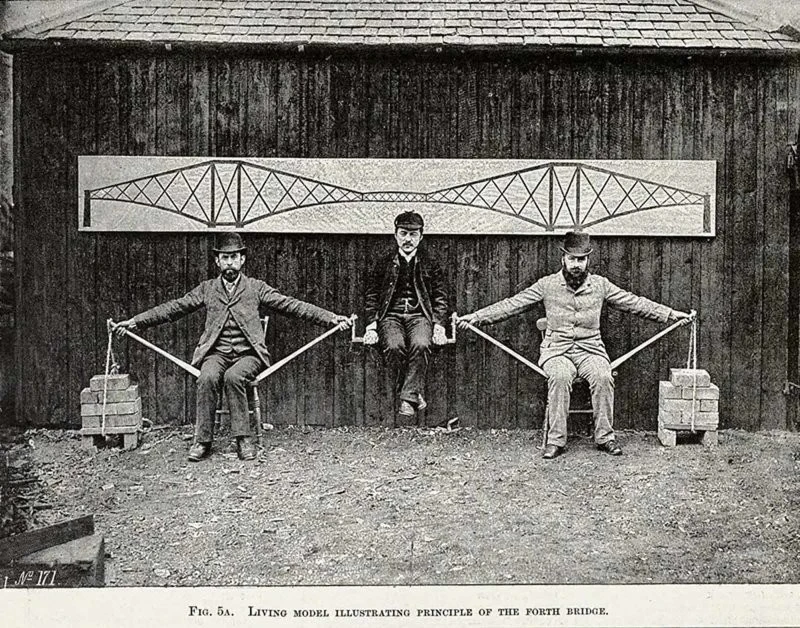
Depiction of the cantilever bridge construction demonstration for the Forth Bridge, circa 1887
This famous photograph depicts three engineers: Sir John Fowler, Kaiichi Watanabe, and Sir Benjamin Baker. They are literally demonstrating the cantilever bridge principle with their bodies. Fowler and Baker are sitting on chairs, holding wooden poles, which they rest against bricks. 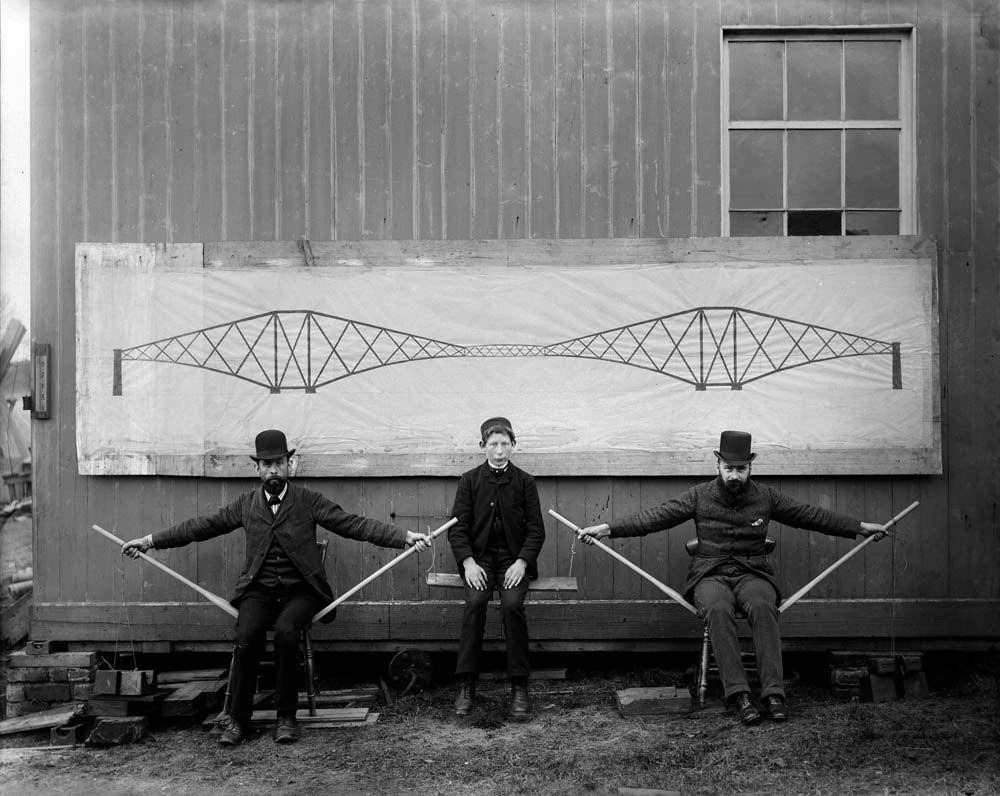
A lesser-known, but possibly earlier, version of this famous photograph depicts a boy instead of Kaiichi Watanabe. Circa 1885
Between them, suspended in mid-air, sits Japanese engineer Kaiichi Watanabe. His weight rests entirely on the very poles the engineers hold in their tense arms. Fowler and Baker represent the cantilevers, Watanabe the load on the central suspended span, and the bricks at the edges represent the massive shore supports without which this entire aerial structure would collapse. 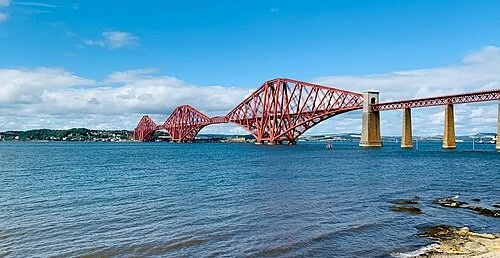
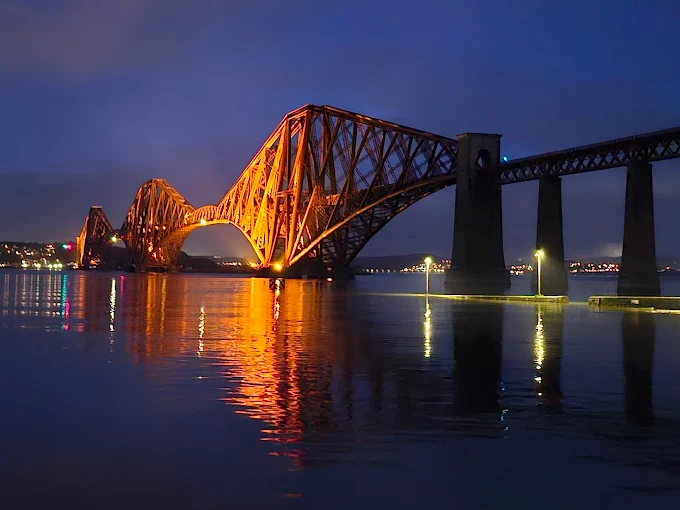
Forth Bridge in July 2022
The bridge whose principle they so vividly demonstrated was the magnificent Forth Bridge in Scotland, built from 1882 to 1890. It became one of the most famous early cantilever bridges in the world. For seventeen years, until the Quebec Bridge was built, it held the world record for the longest span—over half a kilometer. 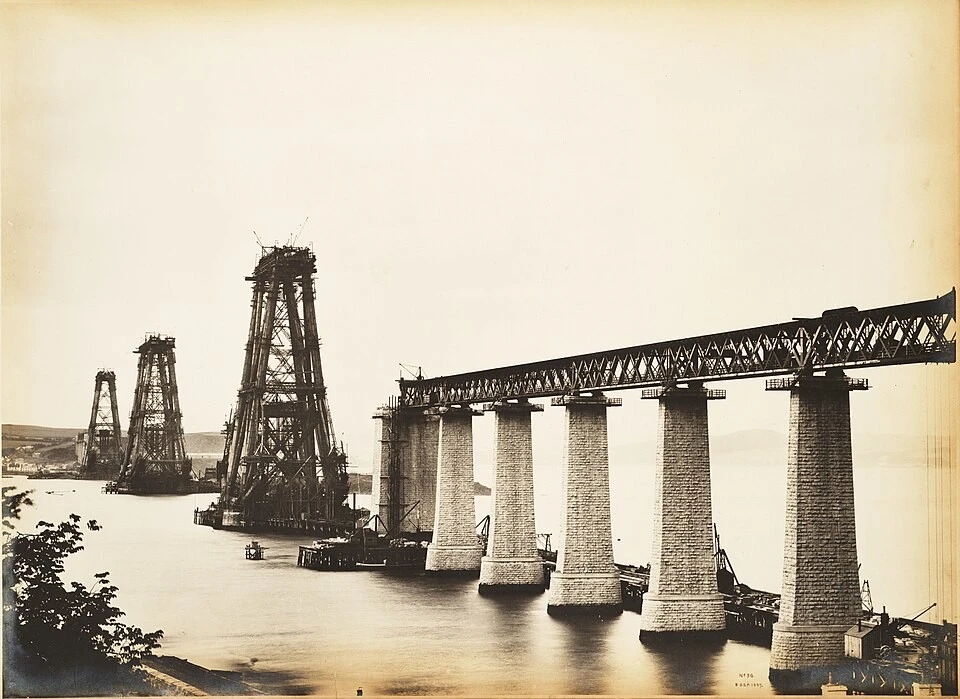
Construction of the bridge's cantilever towers in 1887.
It was also the first major British structure made entirely of steel, while its contemporary, the Eiffel Tower, was constructed of wrought iron. 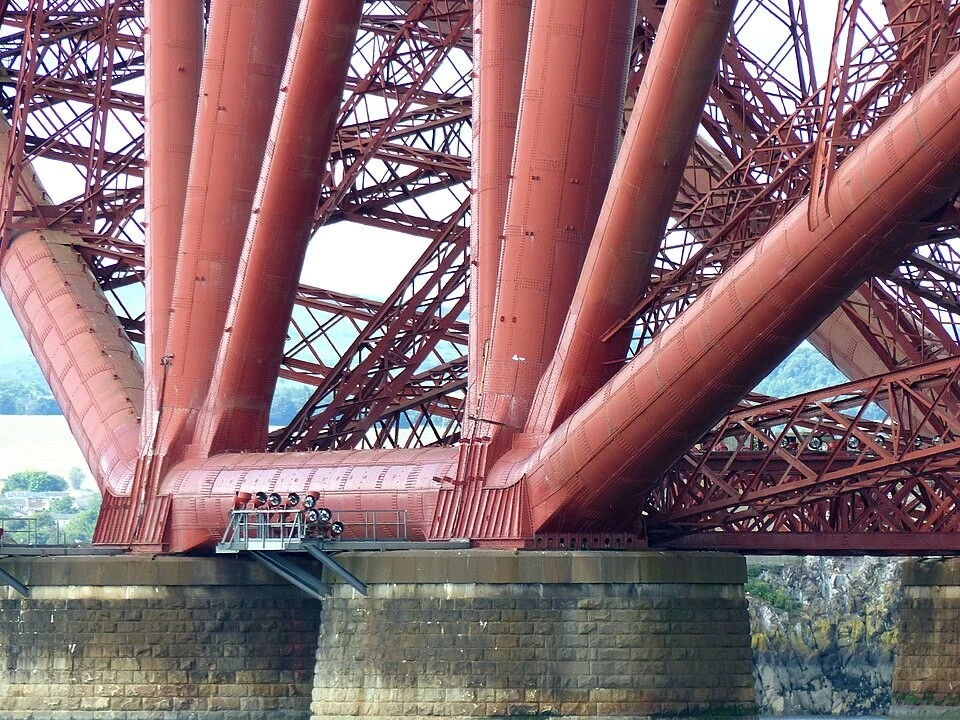
Close-up of the base of one of the bridge's three double cantilever girders
However, the Forth Bridge was not the first cantilever bridge, although it was the most famous. The bridge in Hassfurt, Germany, over the Main River, with a central span of 38 meters, completed in 1867, is considered the first. 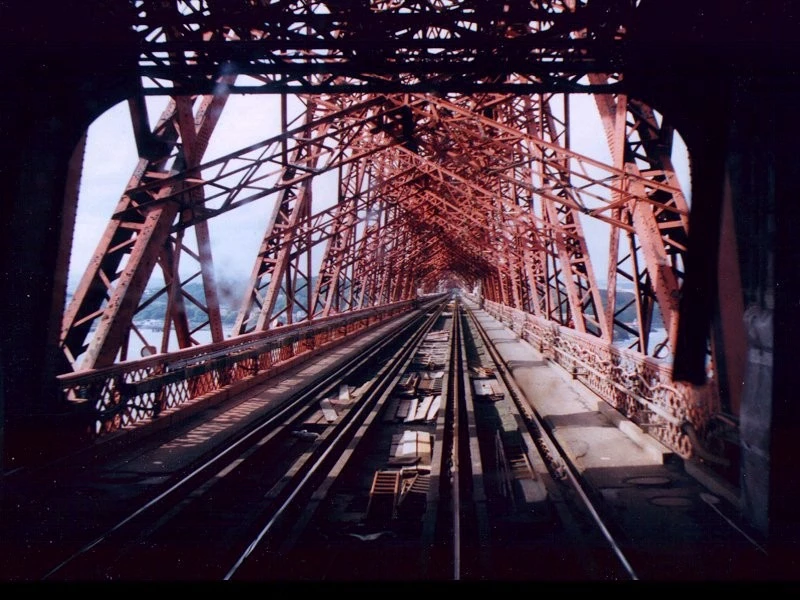
View from inside the Forth Bridge from a train car
Other bridges—the High Bridge in Kentucky (1877), the Niagara Cantilever Bridge (1883), and the Poughkeepsie Cantilever Bridge (1889)—were important milestones in the bold history of cantilever construction.