Polish Cinderella Basia, who spotted a high-quality fake and won the hand of a billionaire (9 photos)
This story is reminiscent of the fairy tale of Cinderella becoming a princess, but the only difference is that the prince was neither young nor handsome, but fabulously rich. 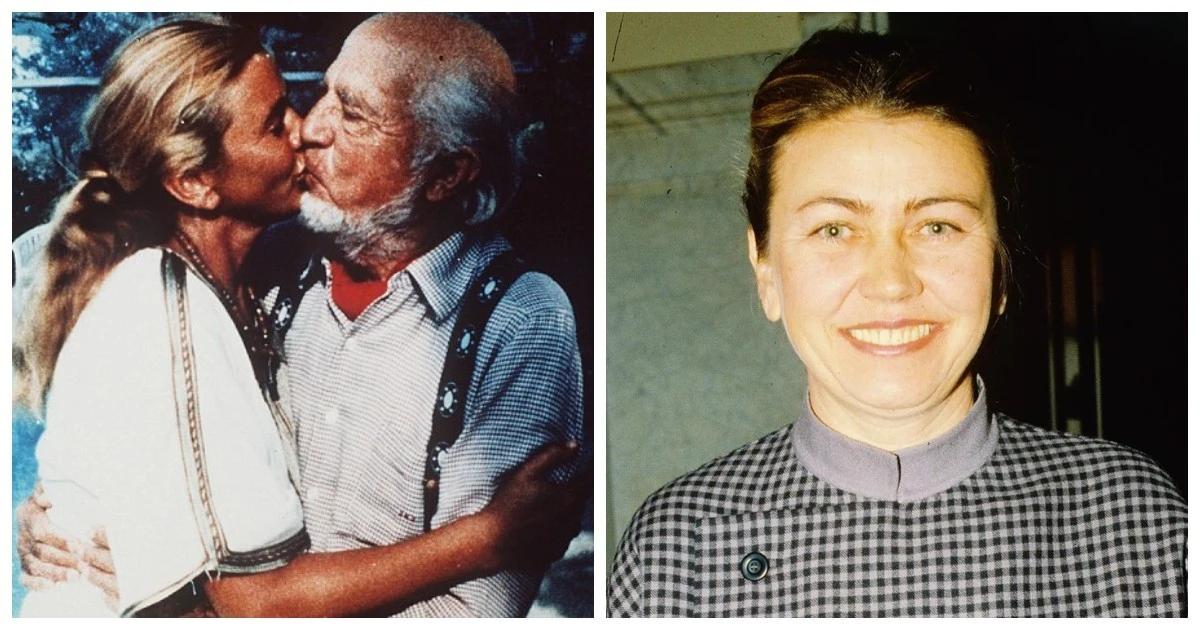
Barbara Piasecka-Johnson's life is reminiscent of a captivating novel, where the heroine's fate takes a dizzying turn thanks to one precise observation. "This painting is a fake," confidently declared a maid, who was doing her usual chores in the mansion and glanced at the painting being examined by her master. 
The painting's owner, the elderly billionaire John Seward Johnson Sr., heir to a pharmaceutical empire, looked at the maid in surprise. Their conversation about art lasted over an hour, and the next day, Johnson returned the painting to the gallery, demanding an expert analysis. Thus began the journey from a humble emigrant to one of the richest women in the world. 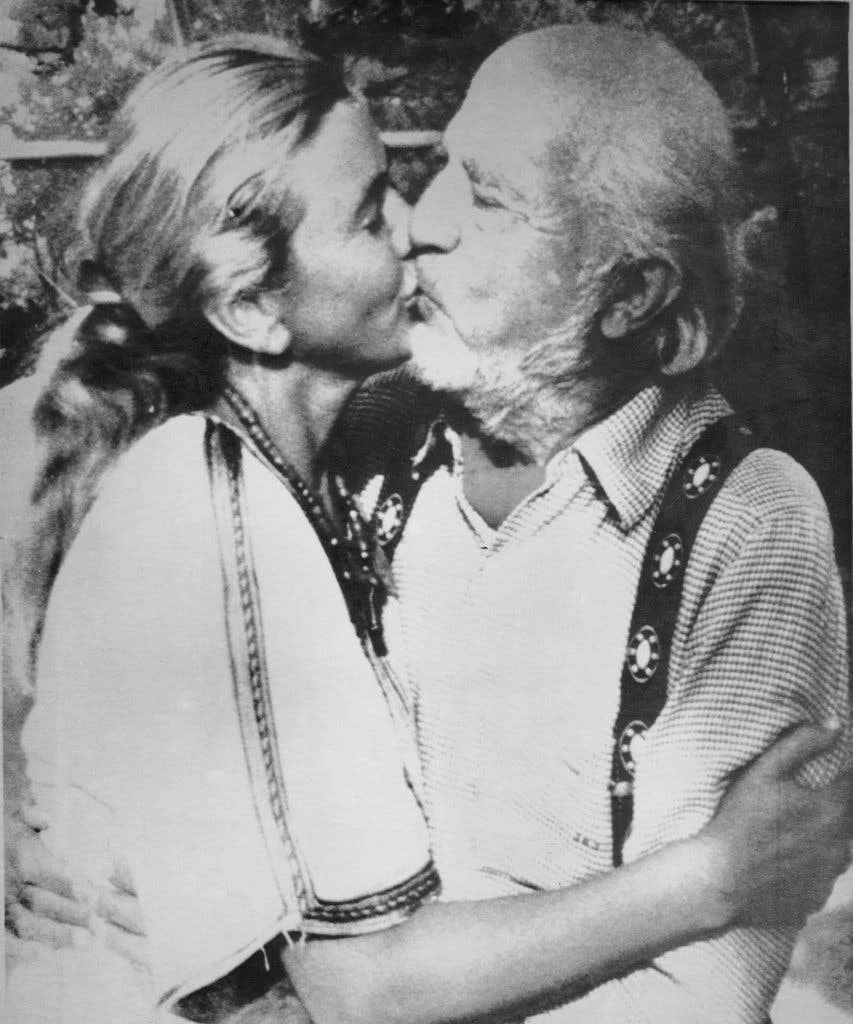
Barbara was often called a Cinderella, or a calculating fortune hunter. However, her biography is, first and foremost, a story of determination and the ability to seize opportunities. She was born on February 25, 1937, to a poor Polish family in the village of Stanievichi in what is now Belarus. A childhood marred by war and a difficult relationship with her mother did not break her spirit. Barbara firmly believed that her life would be different. 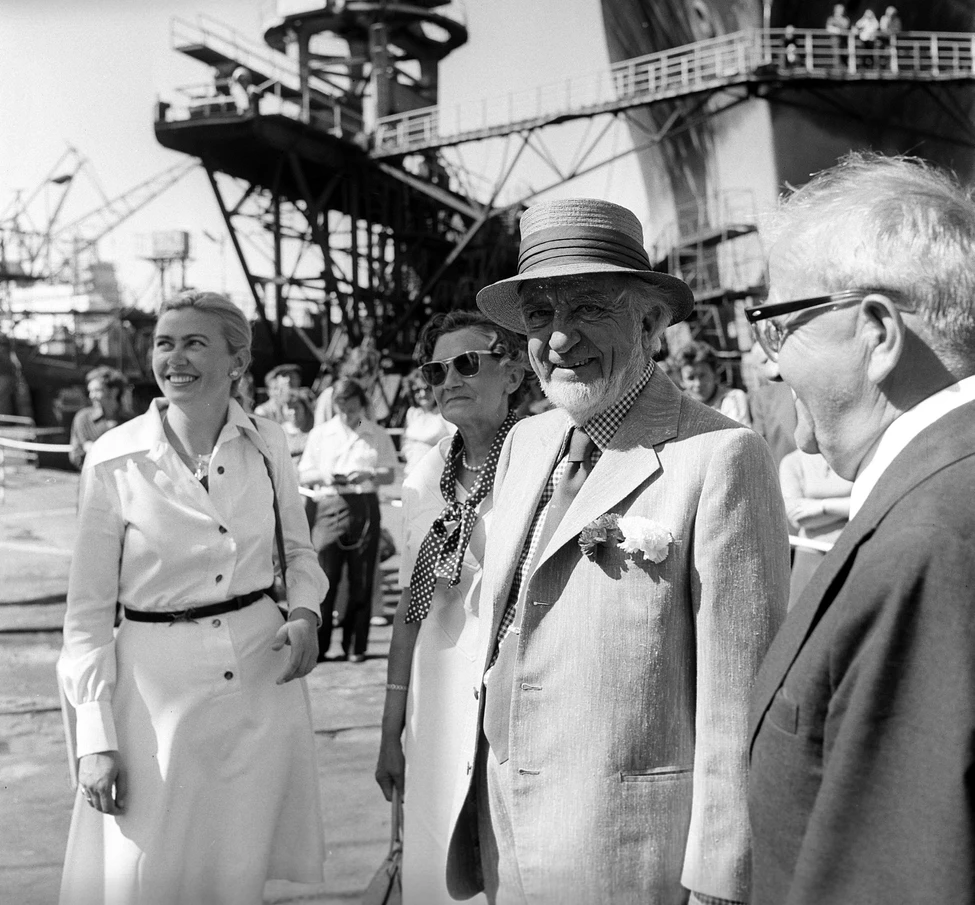
After graduating from high school in Wroclaw, she earned a degree in art history and philosophy, then a master's degree while working at the National Museum. Her ambitions found little fulfillment in post-war Poland. In 1968, according to legend, with only a hundred dollars in her pocket, Basia emigrated to the United States via Italy. New York greeted her harshly, forcing her to abandon her career as an art historian and take a job as a housekeeper. A friend's recommendation proved crucial, helping her secure a position as a cook at the Johnson mansion. 
Despite her failure as a cook, she was retained as a maid. A turning point came when her professional eye appraised a painting from the master's collection. Discovering that the silent maid had a master's degree in art history, Johnson, an avid collector, appointed her as his art consultant. 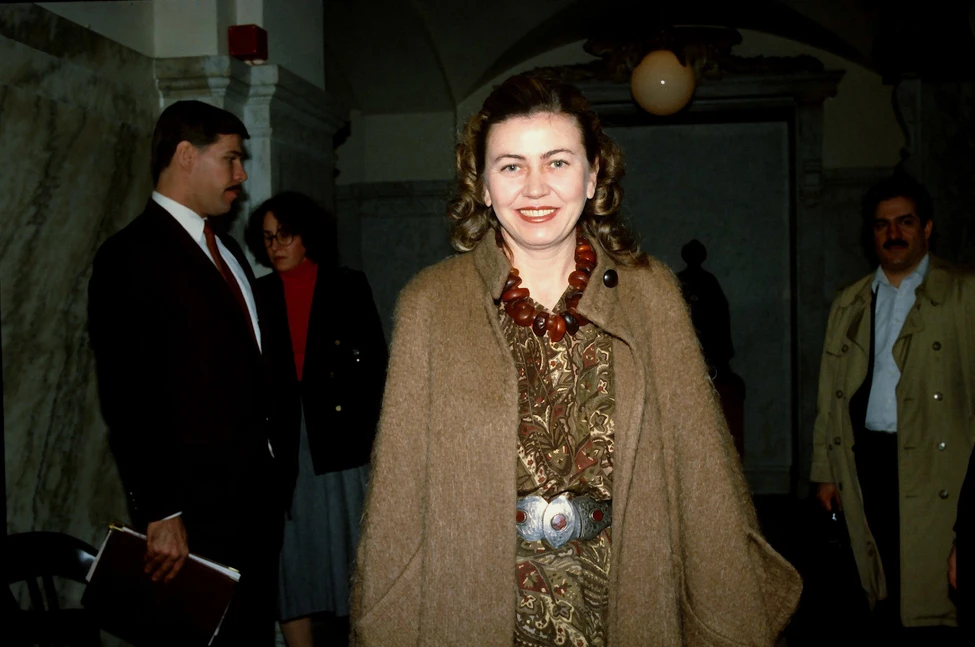
Their business relationship quickly blossomed into romance. Despite the age difference, he was captivated by her intelligence and determination. Johnson divorced his second wife and married Barbara in November 1971. 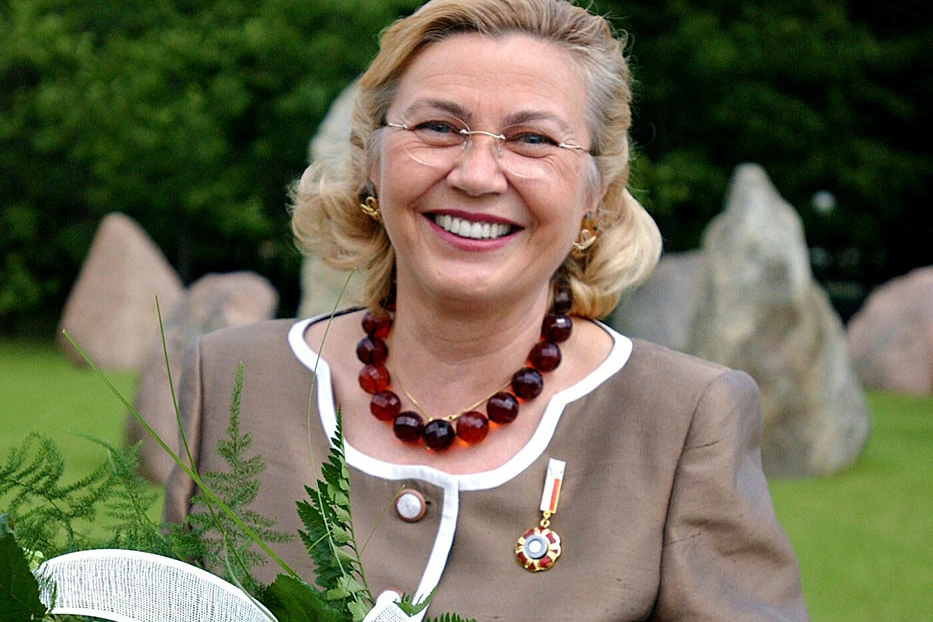
Their twelve-year marriage was filled with emotion. They traveled, searched for masterpieces, and engaged in philanthropy. Before Johnson's death in 1983, he changed his will in favor of Barbara, triggering a massive lawsuit involving his six children.
The anger of Johnson's heirs was indescribable. The billionaire's six children, deprived of the bulk of their inheritance, unleashed a veritable legal battle. They hired an army of more than two hundred lawyers, whose fees reached an astronomical twenty-four million dollars. The meticulous and unprecedented preparations for the trial took three years, and the trial itself lasted seventeen weeks, becoming one of the most high-profile media cases of its time. Details of Barbara and John Seward Johnson's personal lives dominated the front pages of the world's leading publications. 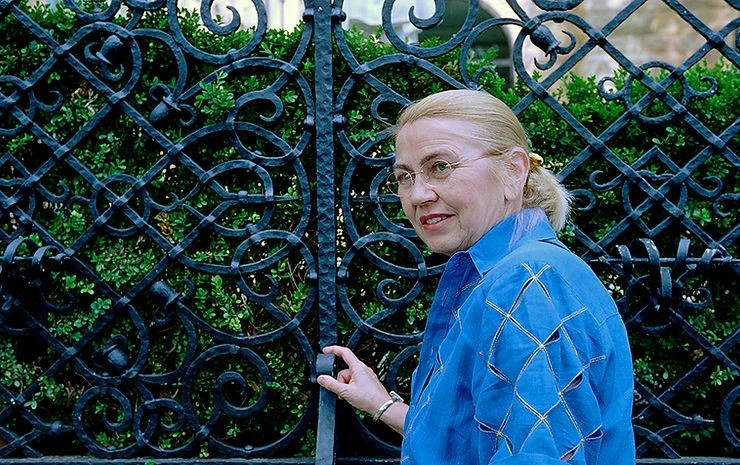
After a long struggle, she received a fortune of approximately $350 million. Barbara not only preserved her fortune but also increased it, becoming a successful art dealer and philanthropist, and Forbes estimated her net worth in the billions. 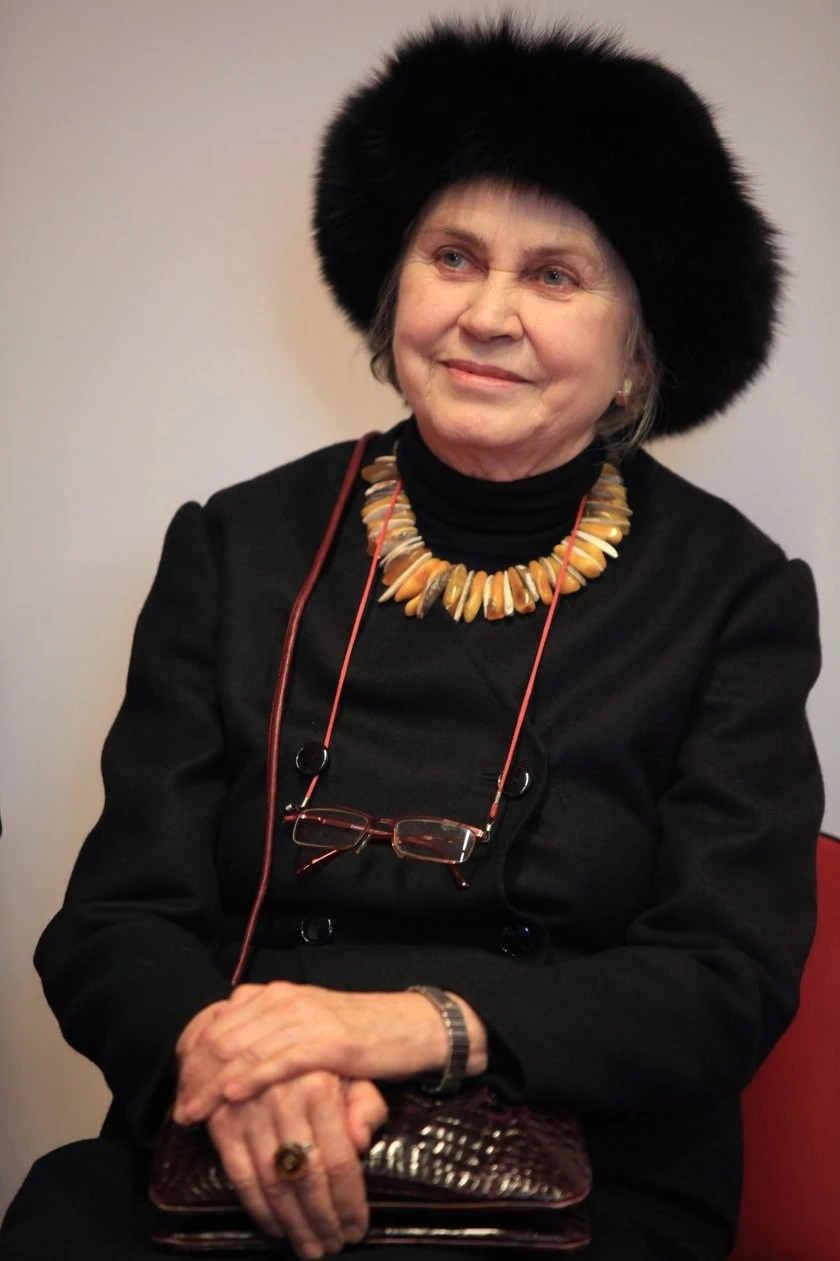
She died in 2013 in Poland, where she frequently returned. Due to the lack of children or direct heirs, she donated part of her fortune to her foundation during her lifetime. The fate of the rest of her inheritance, left unclaimed after the death of the Polish Cinderella, remains a mystery. Like Barbara's own life, which became a mystery at the intersection of calculation and passion, modesty and immeasurable wealth.