A cult action hero from the 80s and 90s: what happened to Michael Dudikoff and why did he disappear from the screen? (10 photos)
There are actors in the history of cinema whose popularity is measured not by awards or box office records, but by audience memory. Their faces are instantly recognizable, their names are remembered with a pause, but the mere mention of the title of a cult film makes everything fall into place. Michael Dudikoff is one such figure. 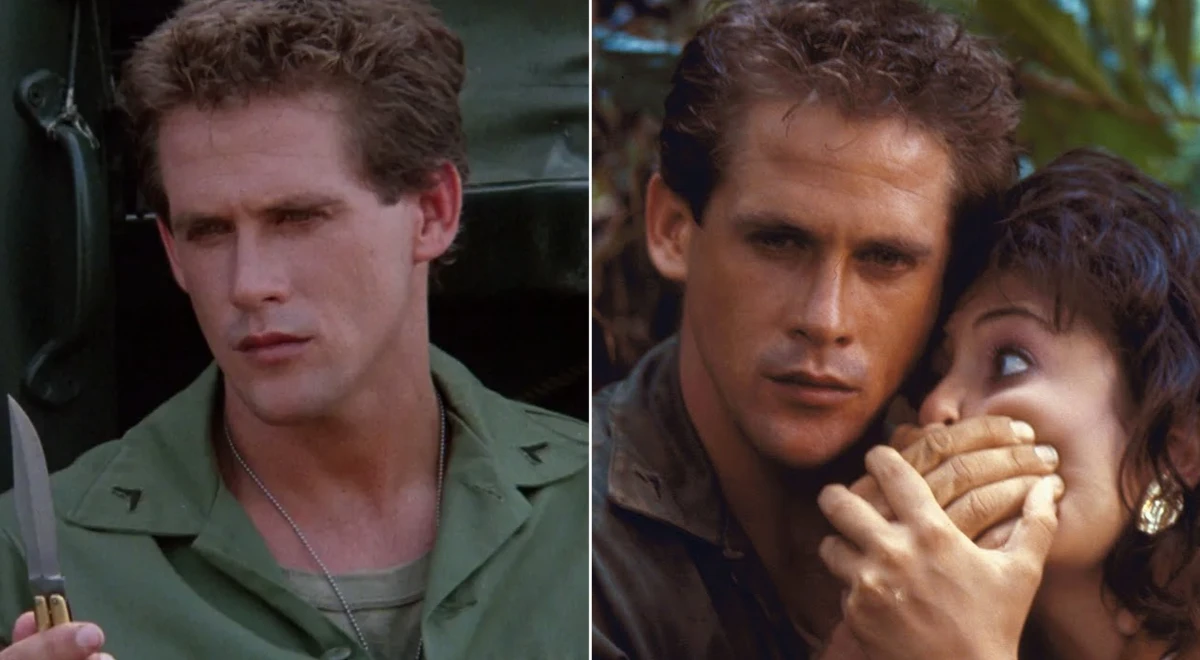
His career developed rapidly, films were released regularly, and his portrayal of Joe Armstrong in American Ninja cemented his status as an iconic actor of his time. Yet, despite his recognition and consistent success, Dudikoff never became a Hollywood superstar—and years later, he virtually disappeared from the screen. Why did this happen, and what became of the actor once known to every action movie fan?
From modeling to leading roles in action films 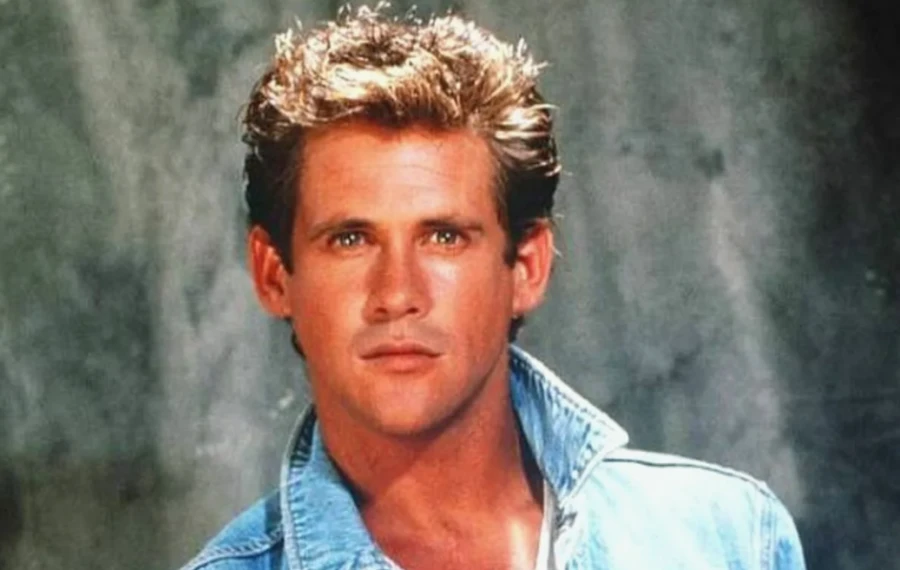
Michael Dudikoff was born on October 8, 1954, in California.
His path to film was rather atypical for a future action hero. He didn't start out in the theater; in his youth, Dudikoff worked as a model, and it was his looks that became his ticket to Hollywood. His tall stature, perfect features, and athletic build quickly caught the attention of producers.
His father, Michael Joseph Stephen Dudikoff Sr., was an Orthodox Christian and came from a family of immigrants. His father's ancestors immigrated to the United States, and it was from them that the actor inherited his surname and part of his cultural heritage.
This fact is rarely mentioned, but it adds a curious touch to the image of a man who was portrayed on screen as the quintessential American hero of his time.
The film "American Ninja" and the surge in popularity 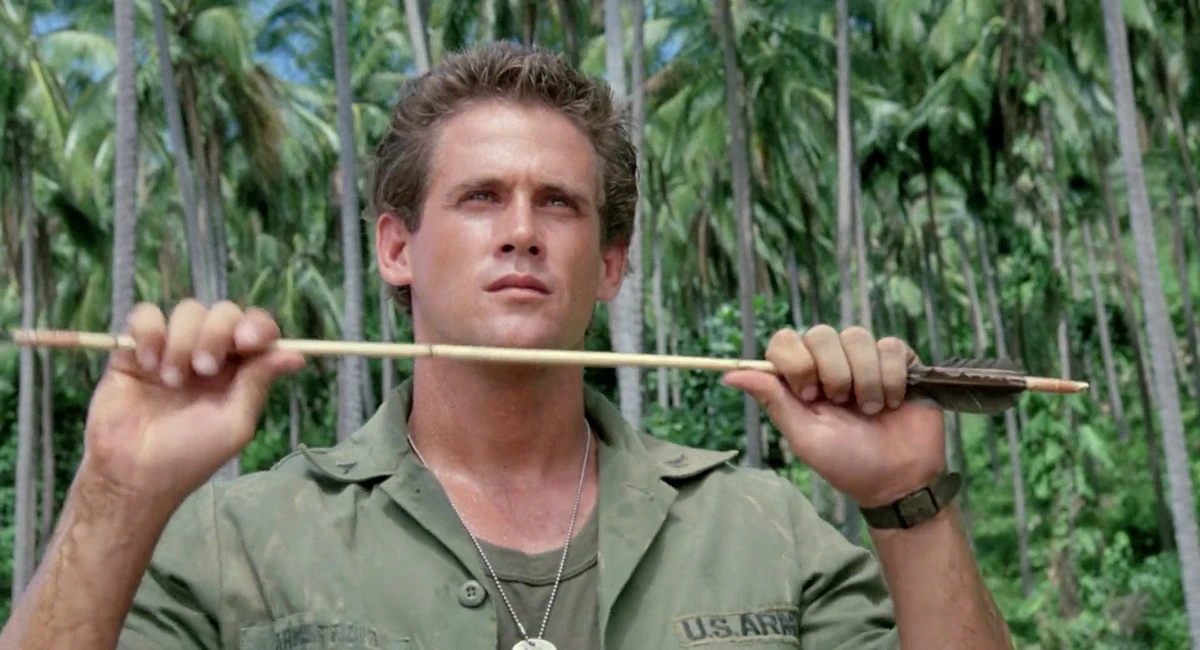
The turning point in Dudikoff's career came in 1985, with the release of "American Ninja." The film wasn't intended to be a major blockbuster and didn't have a major advertising campaign, but it unexpectedly hit exactly what audiences expected. 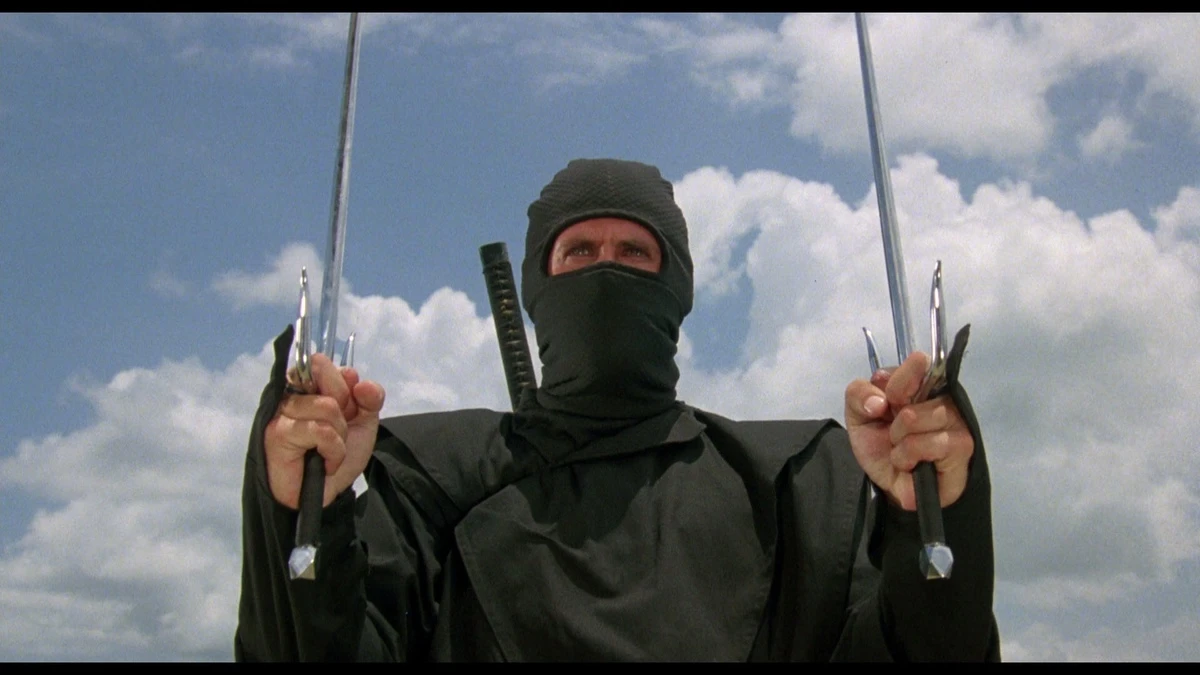
The portrayal of Joe Armstrong—a taciturn American soldier with a hazy past who unexpectedly finds himself embroiled in a war with a real ninja clan and gradually discovers his own connection to that world—was so successful that it instantly made the actor recognizable among young martial arts fans. 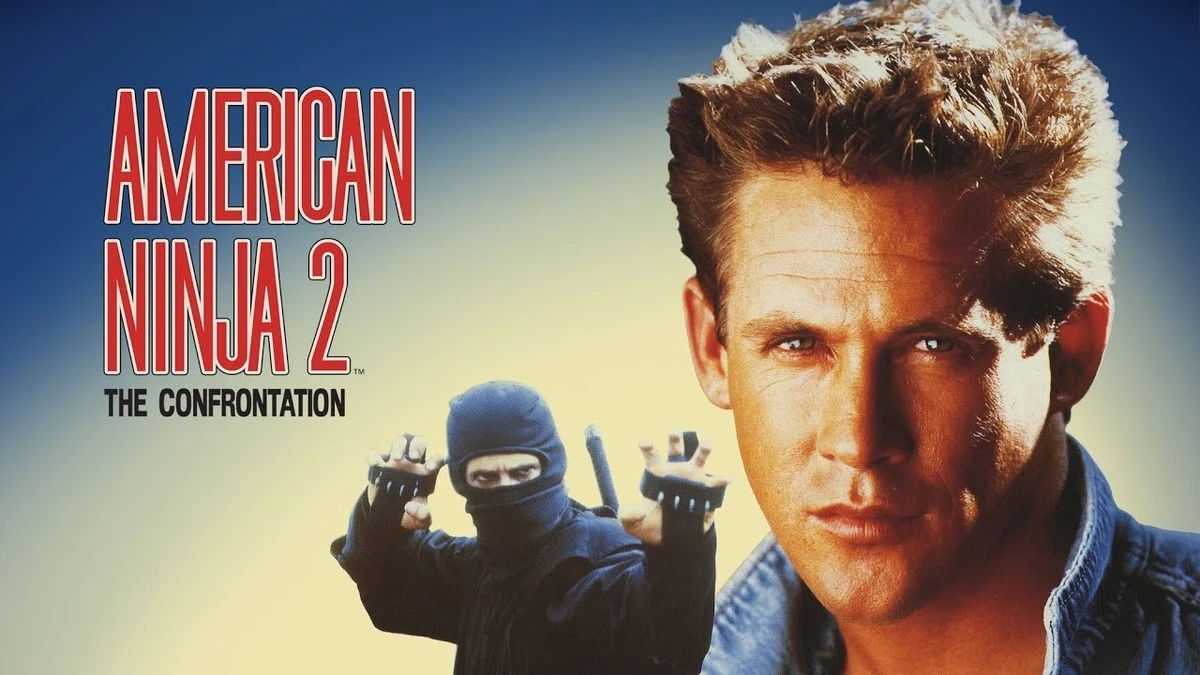
Interestingly, Dudikoff was not a professional martial artist at the time of filming. However, his on-screen confidence, physical fitness, and well-crafted persona paid off. The film proved a commercial success and spawned sequels, and Michael Dudikoff became a true icon of the VHS-era action films—those films where the real box office revenue came not from theater tickets but from cassettes and video rentals.
A Niche and an Audience 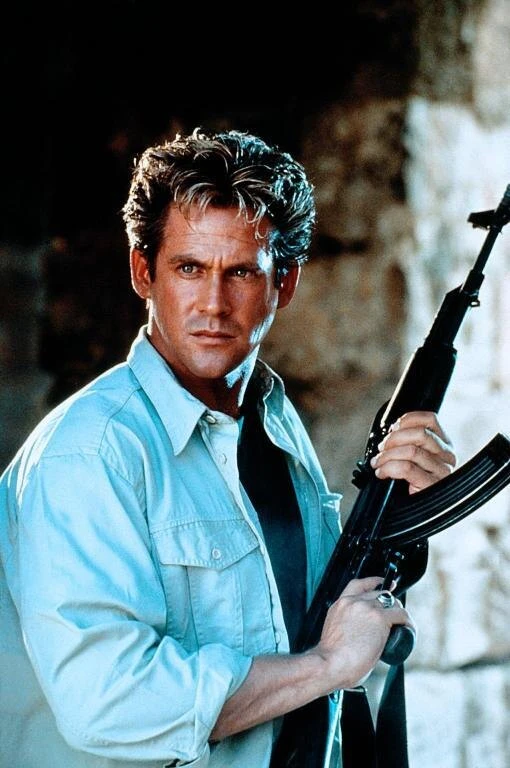
After the success of American Ninja, Dudikoff began acting actively. His career developed steadily: one action film followed another, the roles were similar, but that's exactly what audiences expected. He played soldiers, police officers, special forces soldiers—action heroes who didn't waste time on unnecessary words. These films rarely became the biggest events of the year, but they confidently lived their own lives and found audiences around the world. 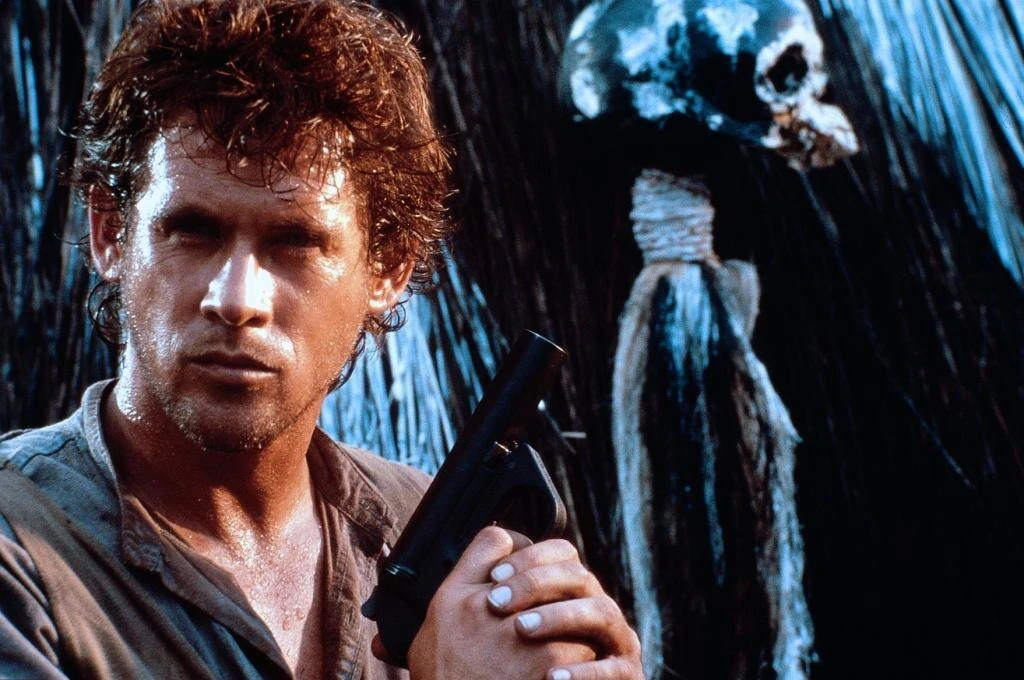
It's important to understand that Dudikoff never tried to compete with the genre's biggest stars. He didn't aspire to be the next Schwarzenegger or Stallone. His image was different, calmer, less pretentious, closer to the "ordinary" hero simply doing his job. It was precisely his cool gaze and calm demeanor that made him beloved.
Why did he suddenly disappear from the film industry? 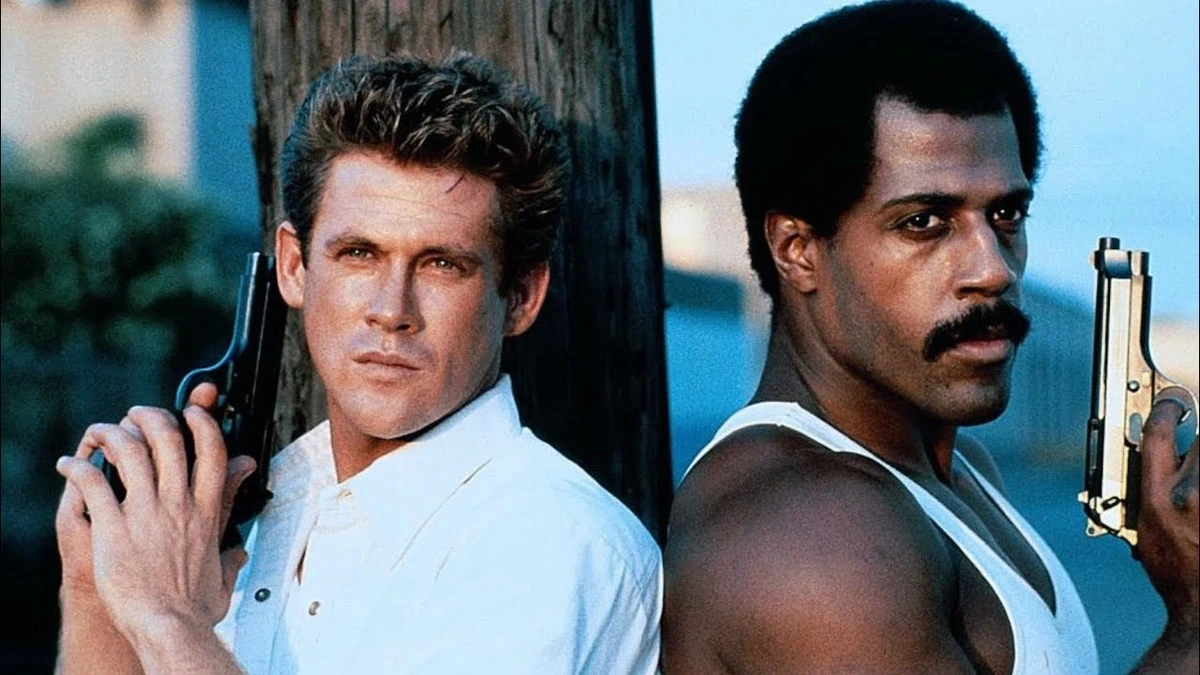
The fact is that in the early 2000s, the video rental industry began to rapidly lose its former popularity. Previously, this industry was vital for B-movie action films—small, budget-conscious action films that couldn't compete with big-screen blockbusters but consistently generated revenue through VHS and DVD rentals. For many actors, including Michael Dudikoff, video rentals were their primary platform for work and exposure: it was here that they found their audience and built their careers. 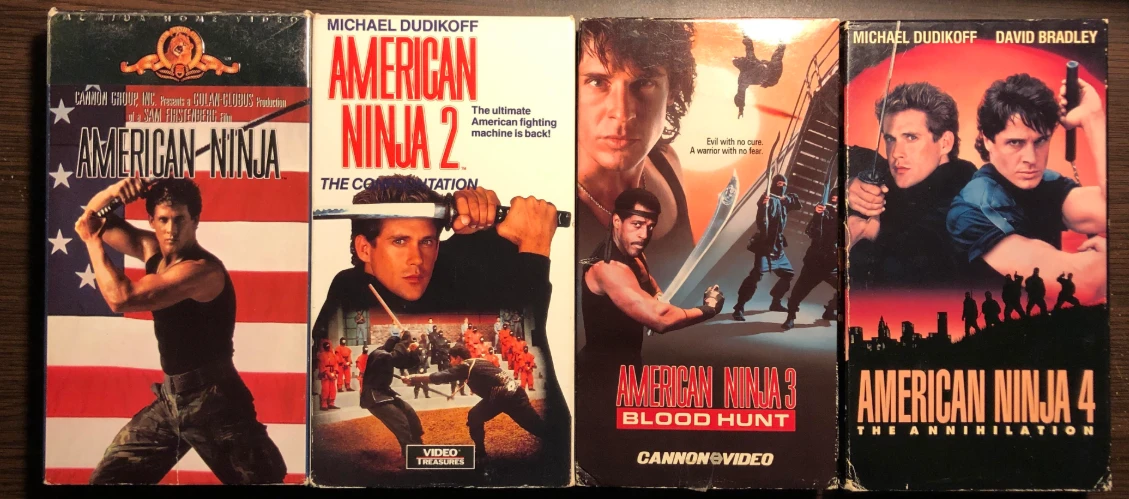
Moreover, despite his popularity, Michael Dudikoff never made it into Hollywood's major leagues. For major studios, he remained an action star of a certain type—more specifically, B-movie action films, cheap and often with average performances.
When the video rental market began to shrink, major studios and companies that produced budget action films began to scale back their production or shut down entirely. The opportunity to earn money from roles that had previously provided a steady stream of work plummeted.
In 1994, The Cannon Group, a studio that had been producing well-known low-budget action films since 1967, also closed. It also produced a slew of cult films (for those unfamiliar): "Cobra" with Stallone in 1986, "American Ninja" and "Cyborg" in 1989 with Van Damme, as well as "Bloodsport" (1988) and "Kickboxer" (1989).
For many actors, this meant not just a loss of income but also a gradual disappearance from the screen, as their image and experience were too specialized for the new formats of film and television. Those who had previously been recognizable in their niche suddenly found themselves out of work, and returning to a mass audience became almost impossible.
From then on, Dudikoff's screen appearances became increasingly rare, and his offers became less significant. Hollywood studios categorically refused him roles in major films. For a new generation of viewers, he was already an actor from the past, associated with a bygone era.
What happened to his life after leaving film? 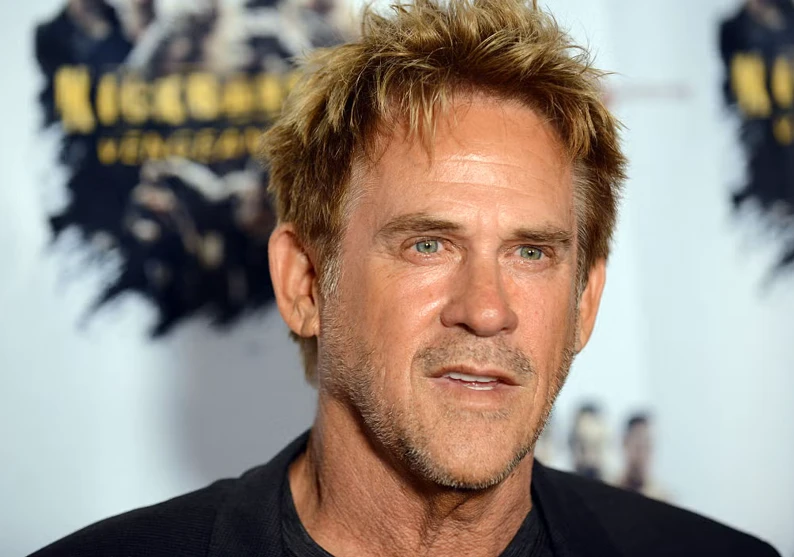
Unlike many of his fellow actors, Michael Dudikoff did not desperately cling to his fading career. According to several sources, during his short film career, Michael Dudikoff earned approximately $1.5 million. This estimate is based on his total career earnings, not just film salaries.
After retiring from acting, he decided to focus on his personal life and business. He invested most of his earnings in commercial real estate (for rental purposes) and entrepreneurial ventures. Keep in mind that in the '90s, adjusted for inflation, $1.5 million wasn't such a small amount of money (equivalent to about $3 million today).
This savvy approach to financial planning allowed him to maintain economic stability and peace of mind, without turning his life into an attempt to recapture his former glory.
Today, Michael Dudikoff is a symbol of a time when action films were simpler, more straightforward, and more honest with audiences. His films continue to be rewatched, and the image of Joe Armstrong remains iconic for those who grew up on the cinema of the '80s and '90s. He didn't disappear without a trace—he simply remained in his era, becoming an integral part of it.