10 incredible facts about words, things, and events (11 photos)
The facts in this collection prove that geography lessons, often mocked, can save hundreds of lives, and that words, over the course of their existence, can undergo a transformation that completely alters their original meaning. 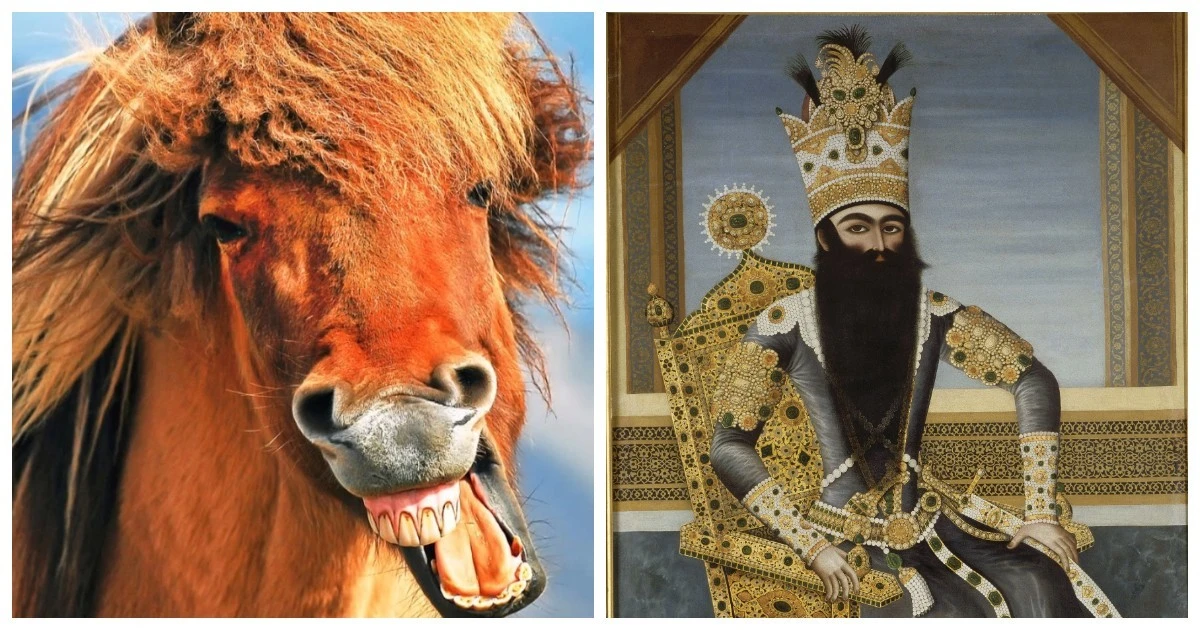
Get ready for an amazing journey through the labyrinths of language and history, where nothing is as it seems at first glance.
1. The goddess who gave the world money and the ability to make decisions 
The connection between money and advice is inherent in their very name. In ancient Rome, the goddess Juno was revered under the title Moneta, meaning "Adviser." This epithet arose from a legend according to which it was her voice of warning that once saved Rome.
Whether it was an irony of fate or the goddess's will, it was at her temple that the first state workshops for minting metal coins began operating. Since they were located under Juno Moneta, the new money came to be commonly called by her name—coins. Thus, the goddess's advice materialized into a universal trading tool, and her title, passed down through the centuries, gave the English word "money" its name.
Thus, the original meaning of the word "coin" as "adviser" has not been forgotten. It unexpectedly comes to life in a seemingly superstitious gesture—the moment when we stand at a crossroads and toss a coin.
2. The Emotional Horse 
Humans have such highly developed facial muscles that they are capable of silently conveying the subtlest nuances of emotion using 27 different expressions. But scientists from the University of Sussex have discovered that horses' repertoire of facial expressions is not far behind ours.
Using a system they developed for coding equine facial movements, called EquiFACS, the researchers identified 17 different facial expressions. Many of them—especially lip and eye movements—were remarkably similar to those of humans. This is at least three more expressions than are recognized in chimpanzees, and one more than in dogs.
It turns out that both horses and humans are capable of lifting the skin above their eyes. This typically occurs during moments of negative emotional experiences. Another similarity is the pulling back of the corners of the lips, which in horses appears to be part of a submissive gesture.
3. The Young Wave Whisperer 
During the Christmas holidays of 2004, 10-year-old English girl Tilly Smith was vacationing with her family in Thailand. A few weeks before the trip, she had been studying tsunami formation in her geography class. When a strange, "breathing" foam appeared on the horizon, and the water near the shore began to rapidly and unnaturally recede, exposing the seabed, the girl didn't lose her composure.
Unlike the other tourists, mesmerized by the unusual sight, Tilly realized that this wasn't a curiosity, but a mortal threat. She persistently, almost hysterically, begged her parents and those around her to flee the beach immediately. Her panic, reinforced by clear explanations from her school curriculum, proved more persuasive than any calm arguments from the adults.
Thanks to her determination, Mai Khao Beach was completely evacuated before the first giant wave arrived. Tilly was subsequently named the beach's guardian angel, invited to speak at the UN, and a minor planet in space was named after her—a symbol of how even a child's knowledge can overcome the elements and save the world from disaster.
4. The Journey from Photo Album to Record Collection 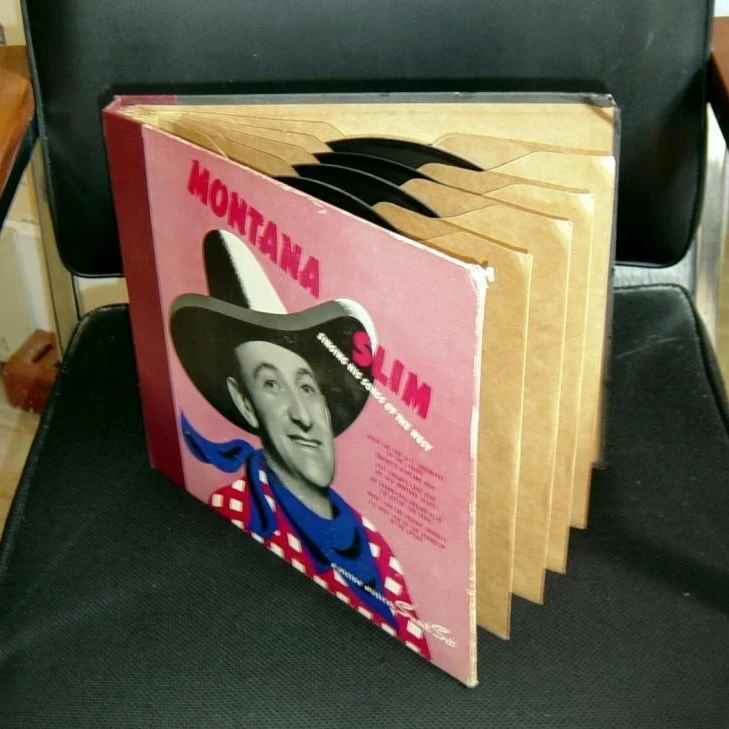
The modern concept of a "music album" is born from technological imperfections and a visual analogy. In the era of the first gramophones, fragile records held only a few minutes of sound. To sell a recording of an entire opera or concert, manufacturers packaged a set of several discs in a special case—a hard cardboard or leather box with separate "pockets" for each record.
This gift packaging was strikingly reminiscent in appearance and design of photo albums, where family photos were carefully placed. By analogy, collections of music records also began to be called albums.
The irony is that the technological leap—the invention of the long-playing vinyl record—made it possible to fit an entire collection onto a single disc, but it didn't eliminate the ingrained term. The word "album" evolved from describing a physical case to denoting an artist's key creative statement.
5. False Meaning 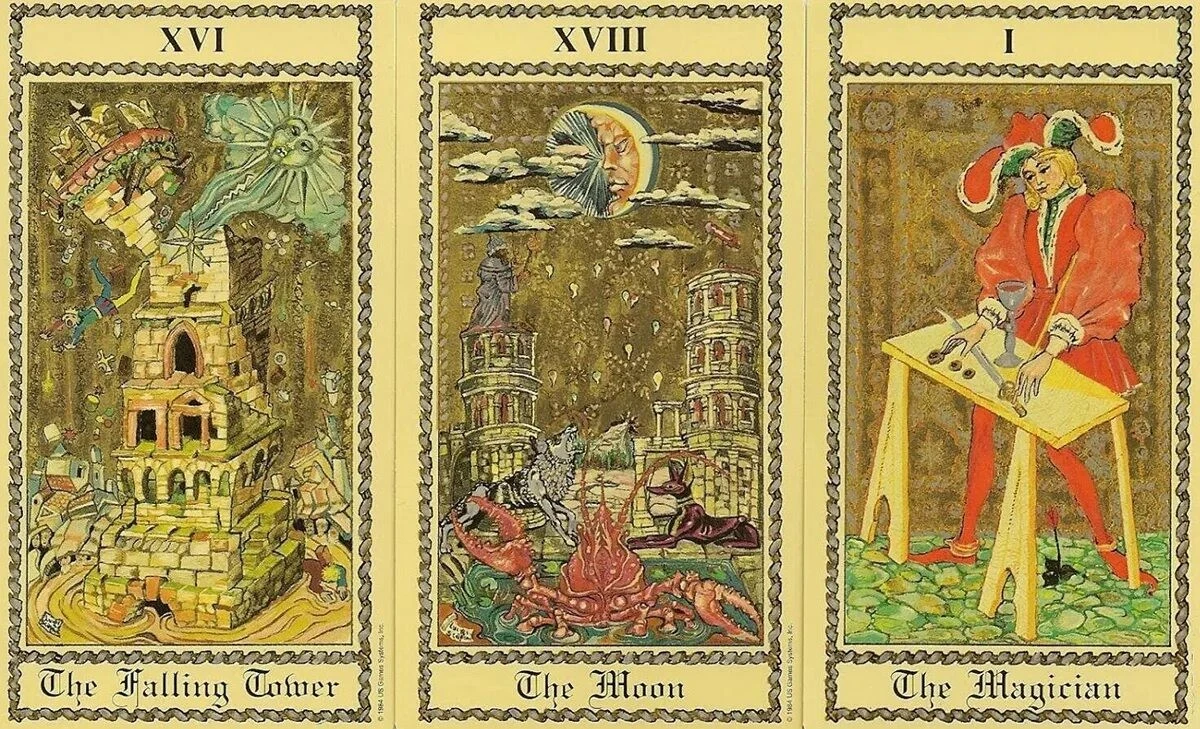
Since their appearance in Italy in the mid-15th century, Tarot cards have been used exclusively for gambling. And this continued for over three hundred years. Only later did French occultists ascribe a false origin to them, claiming mysterious ties to Ancient Egypt, Kabbalah, Tantra, or the Chinese Book of Changes.
6. The First Map 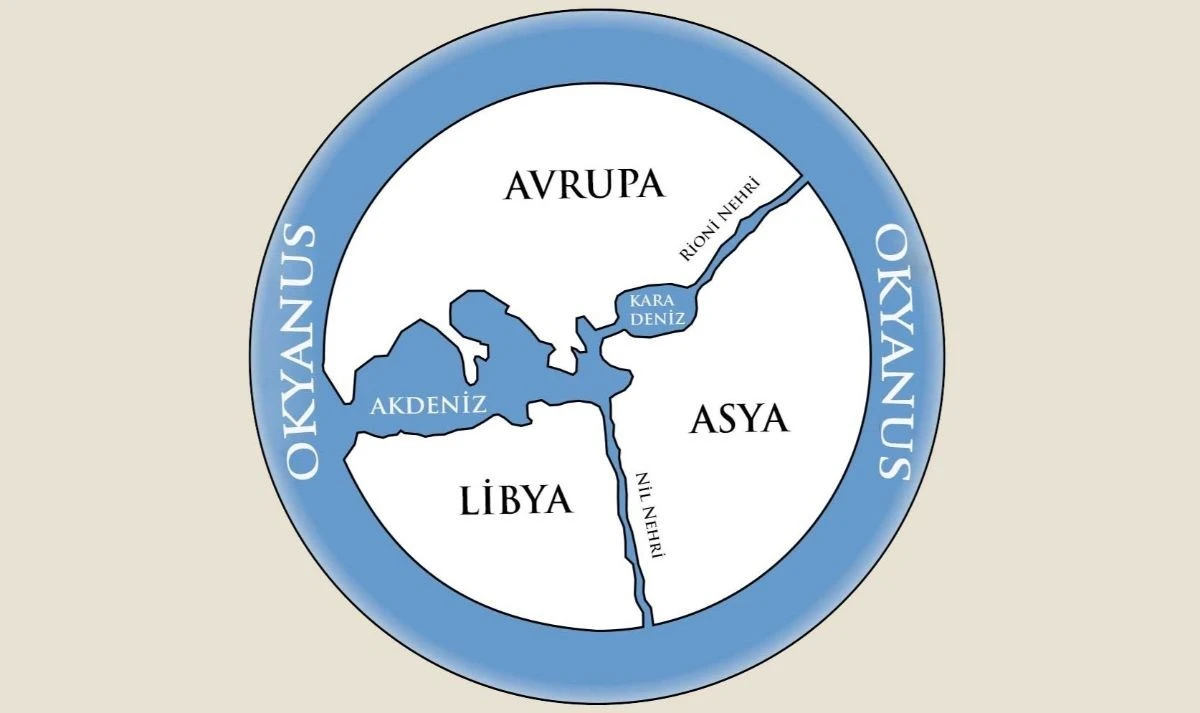
The first known map of the world was created by the ancient Greek thinker Anaximander. It depicted the Aegean Sea as an island at the center of the universe, and divided the known world into three imaginary continents—Europe, Asia, and Libya (Africa).
7. Fatal Mistake 
During the Battle of Verdun, a monstrous explosion occurred at Fort Douaumont. It was caused by a fatal oversight: German soldiers occupying the fortification attempted to warm coffee using flamethrower fuel. The subsequent detonation of the ammunition killed over 600 people, and the survivors, covered in soot as they ran from the fire, were mistaken by their comrades for French colonial soldiers and shot.
8. The Duel That Decided the Outcome of War 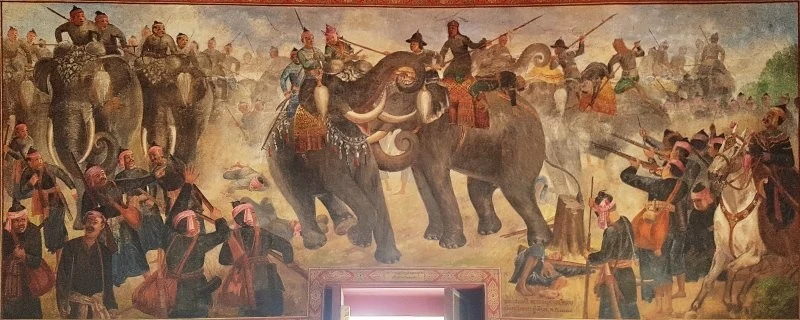
In the jungles of medieval Southeast Asia, the outcome of entire wars was sometimes decided not by a pitched battle between armies of thousands, but by a duel between two men. Not on horseback, but on giant war elephants.
When the forces of the kingdoms of Siam, Burma, or Cambodia were roughly equal, their rulers or leading commanders could enter into a chivalrous agreement. Instead of condemning their warriors to mass destruction, they would take to the field of honor themselves. The outcome of the entire campaign—the right to the throne, disputed lands, political dominance—was at stake in this single elephant duel.
9. Linguistic Trick 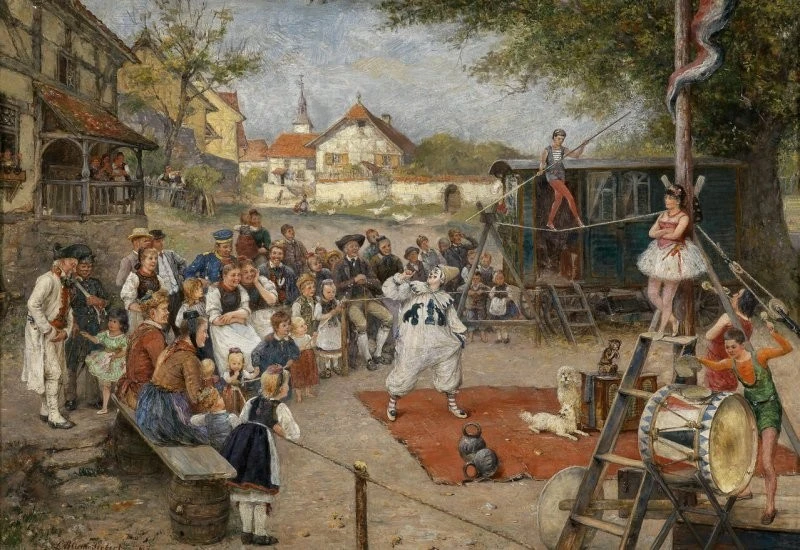
The word "trick," meaning a clever trick, originated from a Christian shrine. Its history traces its path from the altar to the stage.
It is based on the key moment of the Catholic Mass, when the priest, addressing the bread, pronounces in Latin: "Hoc est corpus meum" ("This is my body"). For the medieval believer, these were words of genuine transformation—the transubstantiation of wine and bread into the Body and Blood of Christ.
However, during the turbulent times of religious wars and skepticism in the 16th and 17th centuries, this sacred formula found its way into the common people. Street magicians, alchemists, and fairground barkers, in order to add mystery to their manipulations, deliberately distorted it into a meaningless but resonant pseudo-incantation: "Hocus Pocus."
Thus, the time-honored liturgical phrase was transformed into a comical incantation for sleight of hand. Through German, in the form "hocus-pocus," this expression came to us and, over time, having lost the second part, became the short and energetic word "hokus."
10. The Shah's Whim 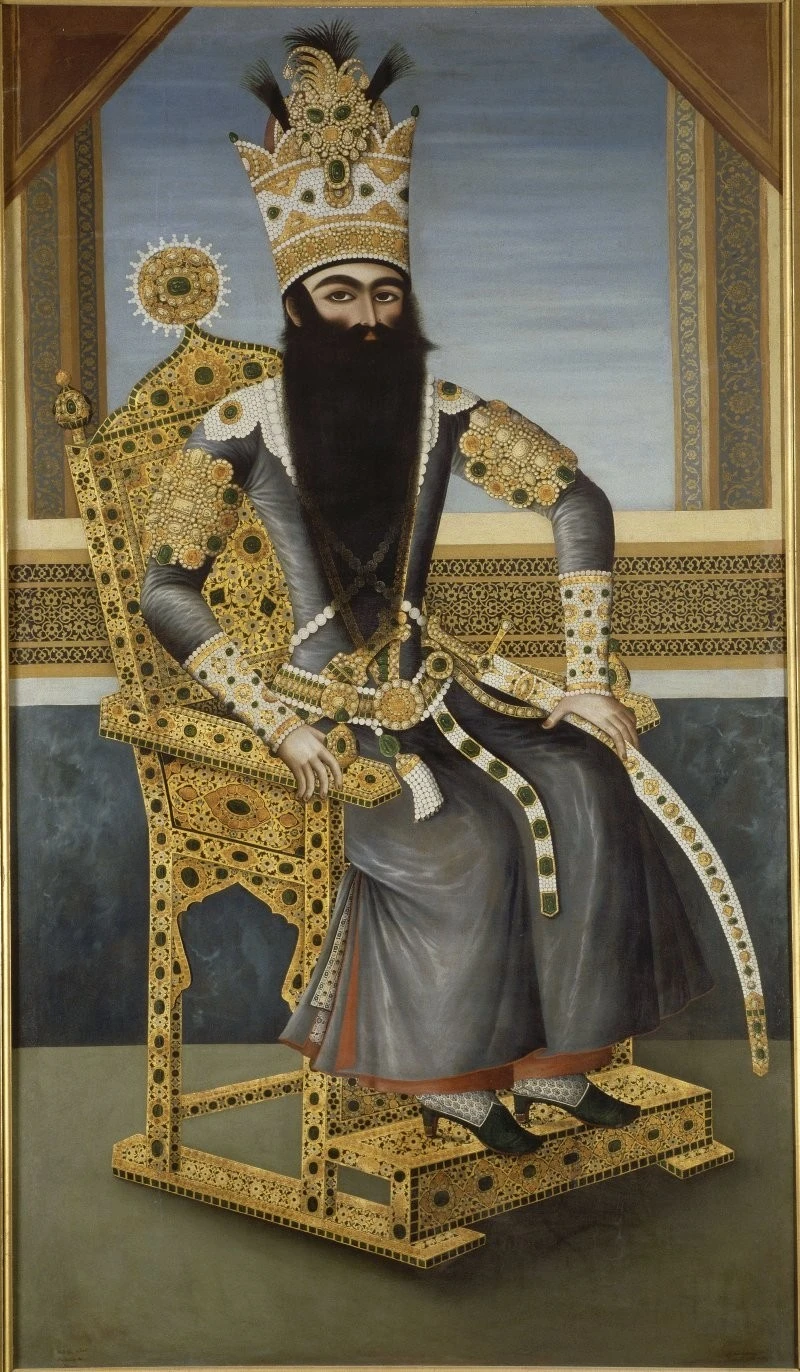
In the history of monarchical pretensions, it's hard to find a title more eccentric than that assumed by the Shah of Persia. Fath Ali Shah, who ruled Iran at the turn of the 18th and 19th centuries, was renowned not only for his long beard and love of luxury, but also for his pursuit of knowledge.
He once ordered from Britain a complete set of the latest, third edition of the Encyclopedia Britannica—a monumental compendium of Enlightenment knowledge in two dozen volumes. The royal reader immersed himself in the sciences, arts, and crafts of the West. Amazed by the scale of this work and likely wishing to symbolically subjugate all the wisdom contained within, the Shah issued a decree.
From that moment on, his official, now verbose, titles included a truly unique formulation: "The Most Formidable Lord and Master of the Encyclopedia Britannica." Thus, the monarch inscribed himself in history not only as a statesman, but also as perhaps the only ruler in the world to formally declare an entire encyclopedic collection part of his domain.