5 Ridiculous Endings of Great Empires and Civilizations (17 photos)
Everything has a beginning and an end. Even great civilizations that seemed indestructible to their contemporaries. 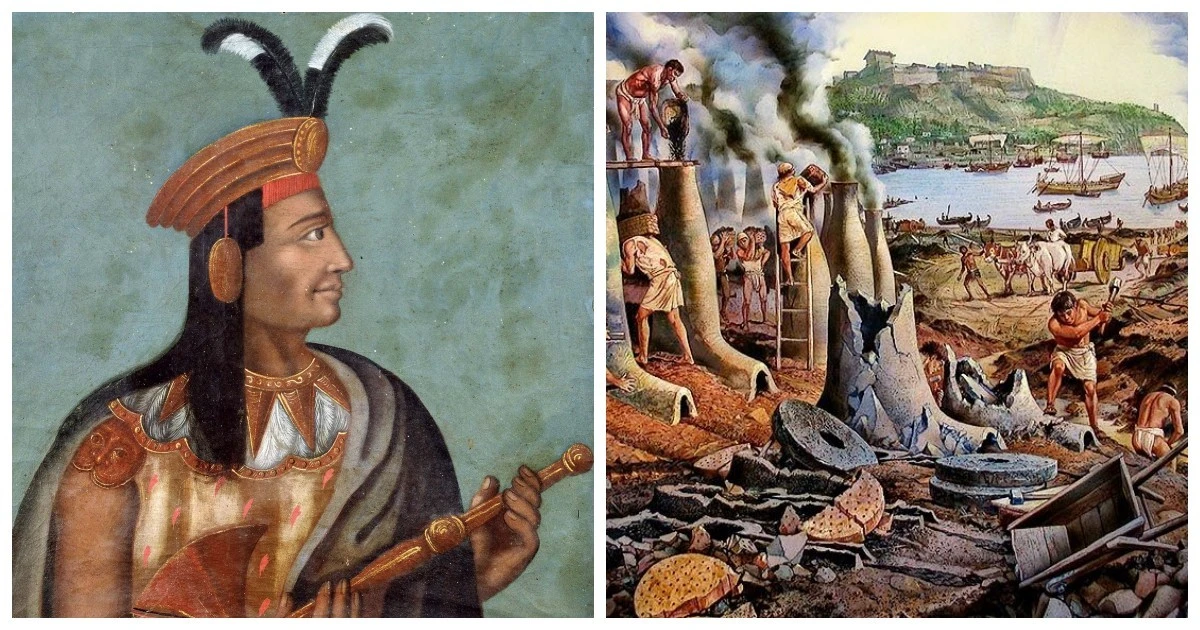
But the empires and kingdoms that ruled the world centuries ago have sunk into oblivion. What brought about their end? An empire can collapse in an instant due to human stupidity, arrogance, eccentricity, and blind faith in its own impunity.
1. The Khorezm Diplomatic Scandal That Turned into an Apocalypse 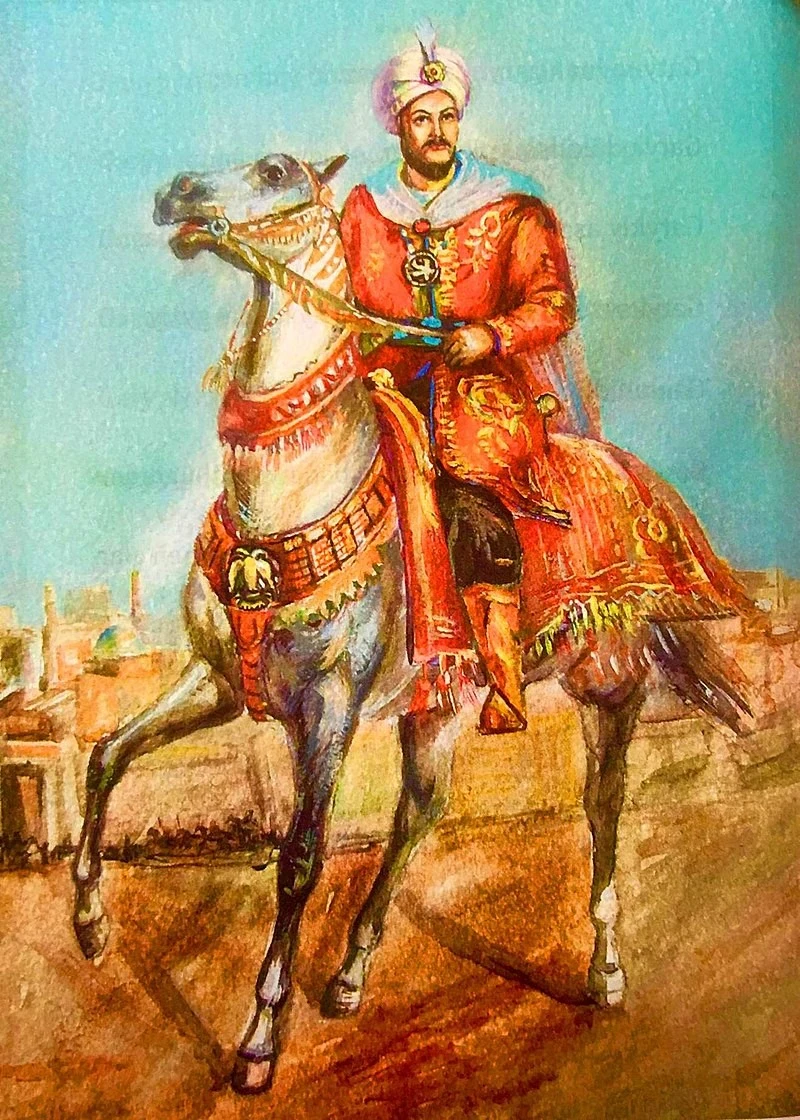
Ala ad-Din Muhammad II – Khwarazmshah, ruler of Khwarazm from 1200–1220
The Great Khorezm Empire should occupy a special place on this list. It was an Islamic superpower whose dominions stretched across the lands of modern-day Iran, Uzbekistan, Turkmenistan, and part of Afghanistan.
It fell not due to economic decay, civil war, or a slow decline. Its demise was the result of a single, blindingly brazen act of diplomatic rudeness and greed. 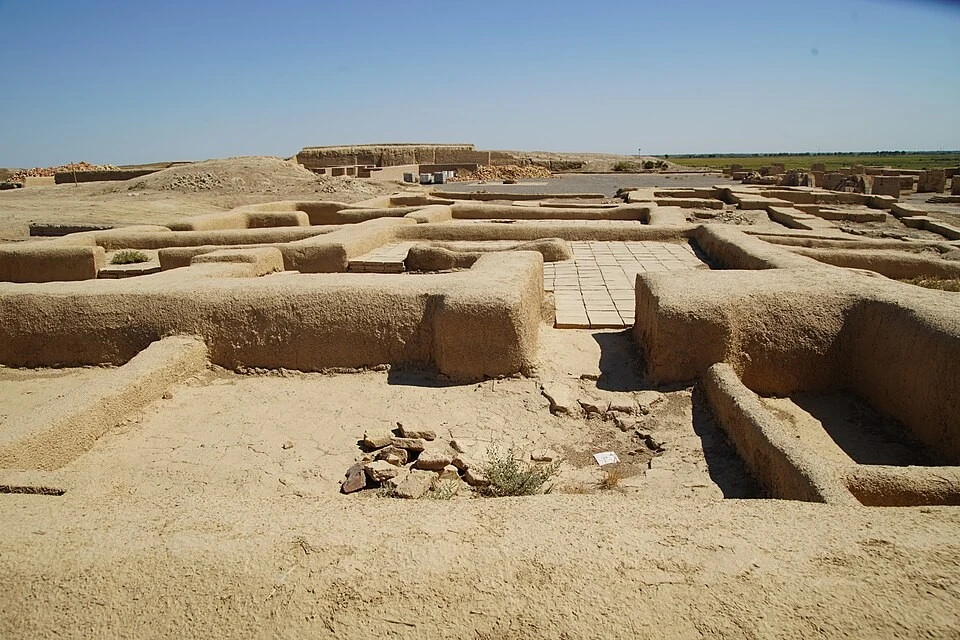
Otrar
At the beginning of the 13th century, the Khorezm Empire was at the height of its power. Vast, wealthy, and possessing a powerful army. Meanwhile, in the east, a leader named Genghis Khan had just united the Mongol tribes. Surprisingly, he himself saw Khorezm as a potential trading partner. He sent the Shah a message: "I am the ruler of the lands of the rising sun, and you rule the lands of the setting sun. Let us conclude a firm treaty of friendship and peace." He then sent a huge trade caravan of 500 camels carrying merchants to the Khorezm city of Otrar to open official trade routes.
The governor of Otrar believed them to be spies. He arrested them and confiscated all their goods. 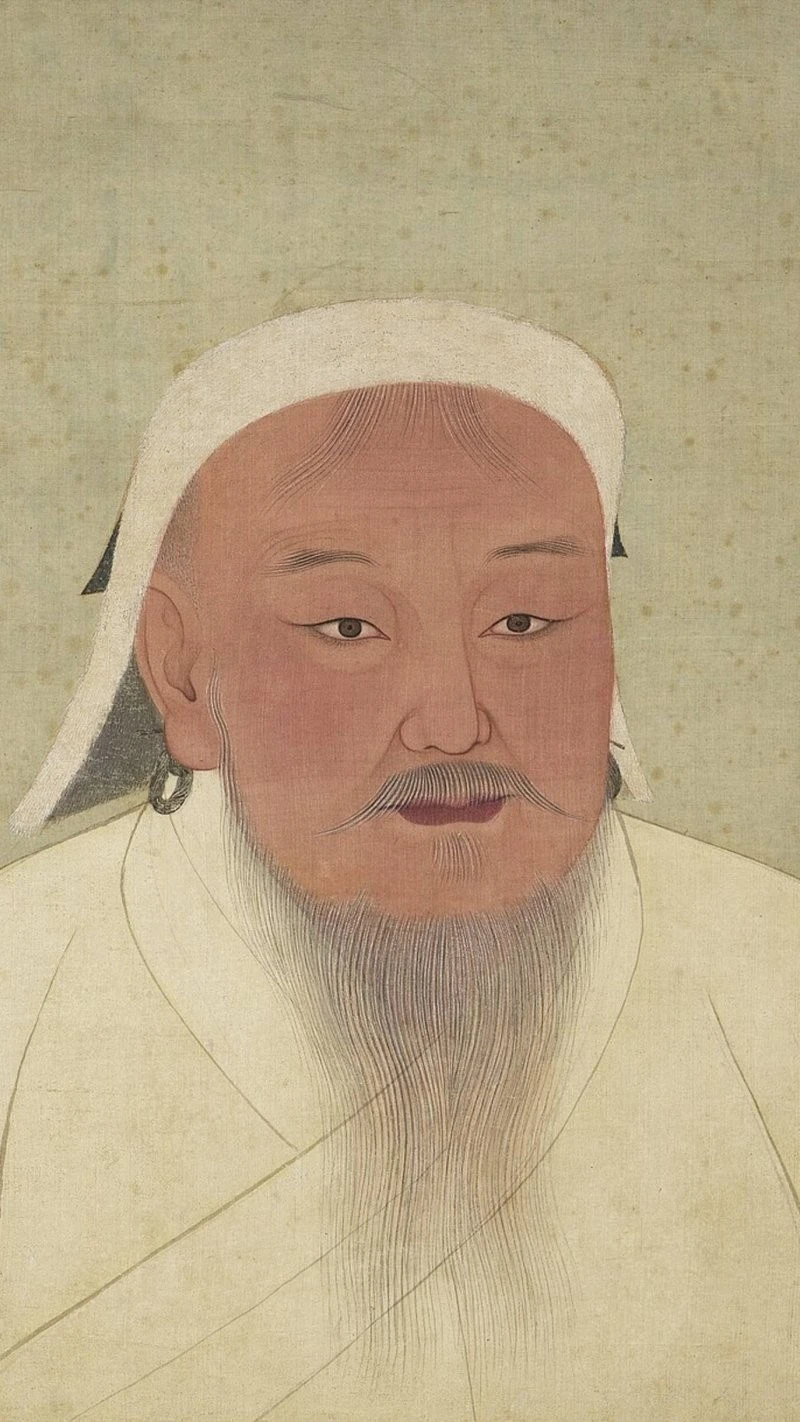
Genghis Khan - the founder and first Great Khan of the Mongol Empire
Genghis Khan, showing remarkable patience, gave the Shah a chance to correct his mistake. He sent a second embassy, demanding the release of the caravan and the punishment of the wayward governor.
Instead of apologizing, Shah Mohammed II committed one of the greatest mistakes in history. He ordered one of the ambassadors beheaded and the other two to have their beards shaved before being sent back. In Mongol culture, lopping off a man's beard is a fate worse than death, an insult tantamount to a death sentence. 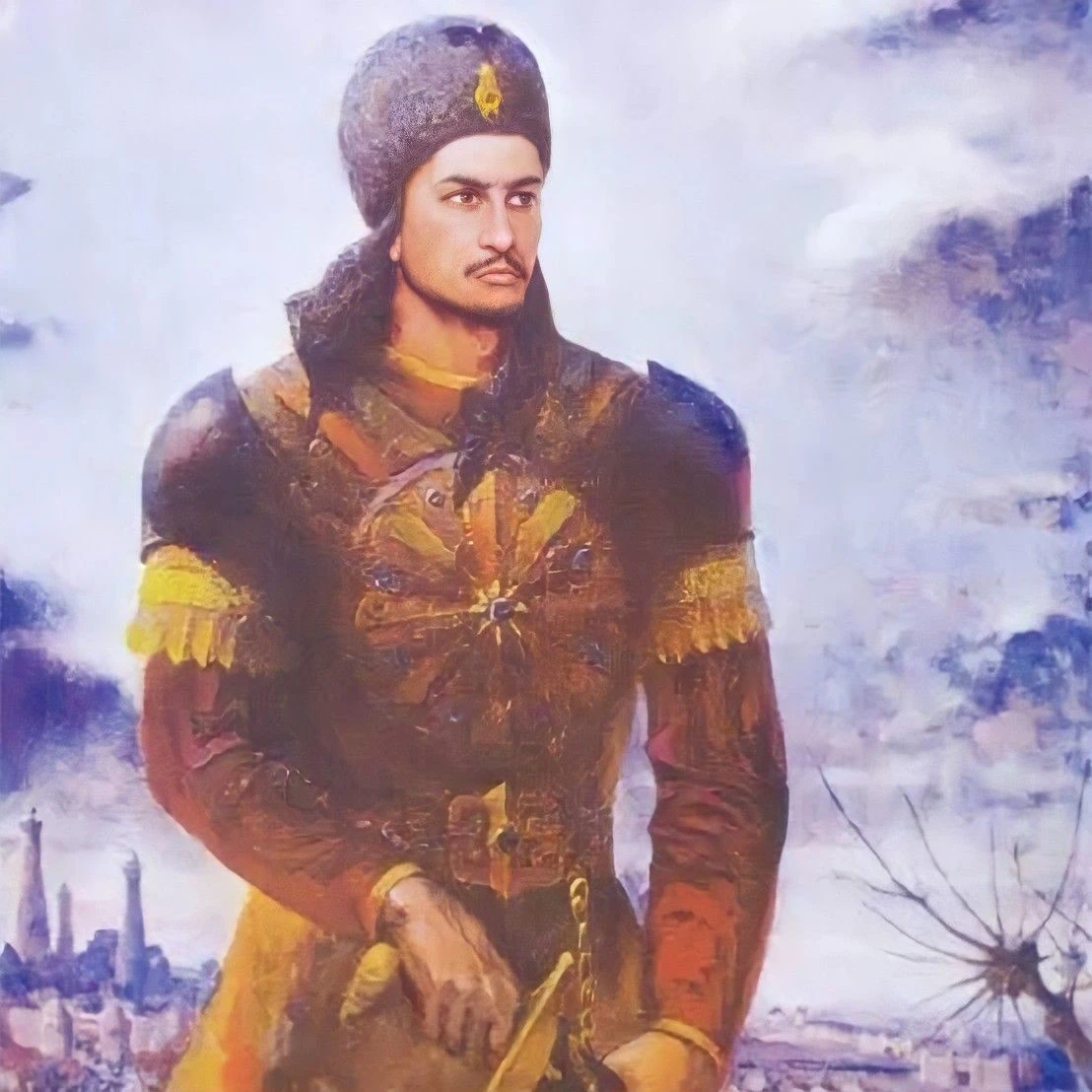
Jalal ad-Din Manguberdi – the last Khorezmshah (from 1220) of the Anushtegenid dynasty, the eldest son of the Khorezmshah Ala ad-Din Muhammad II
The subsequent invasion could not be called a simple war… It was total extermination. The Mongols marched across the lands of the Khorezm Empire with orders to leave no one alive. The Khan wanted to make an example of them. They approached the matter of destruction with such thoroughness that they diverted an entire river to forever wipe out the Shah's hometown, making it uninhabitable. The Shah's mother was captured, taken away, and forced to serve as a concubine for the rest of her life. His wives and daughters were distributed among Genghis Khan's commanders as spoils of war, and they suffered the same fate. The Shah himself managed to escape, but died in poverty and utter oblivion, hiding from his pursuers. 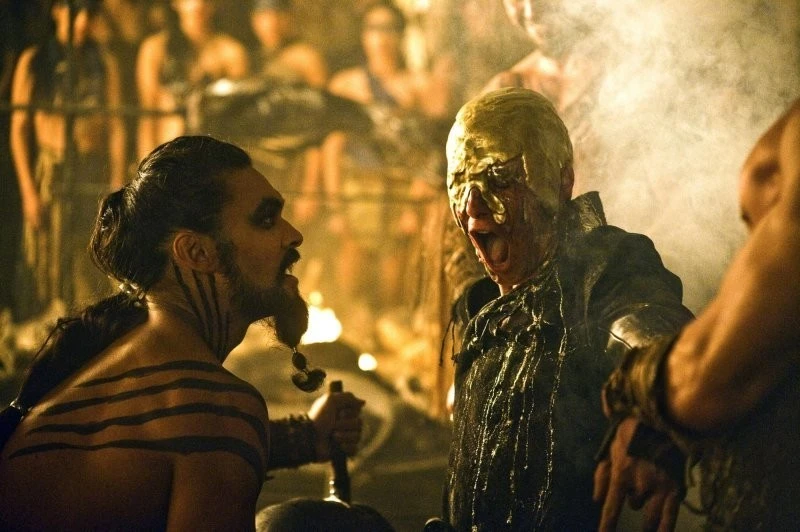
George R.R. Martin's "The Golden Crown" may be based on the execution of Ghayir Khan Inalchuk (Inaljik in some translations) – the very same governor who was Muhammad's maternal uncle.
And what about the governor? He was captured. And the Mongols, in ironic retribution for his greed, gave him what he deserved. According to legend, molten silver was poured into his eyes (historians believe this episode inspired George R.R. Martin's famous execution in his books). One of the cities was razed to the ground. The Khan even ordered the death of all cats and dogs, so that no living thing would survive.
2. The Fall of the Western Kshatrapas at a Wedding Feast 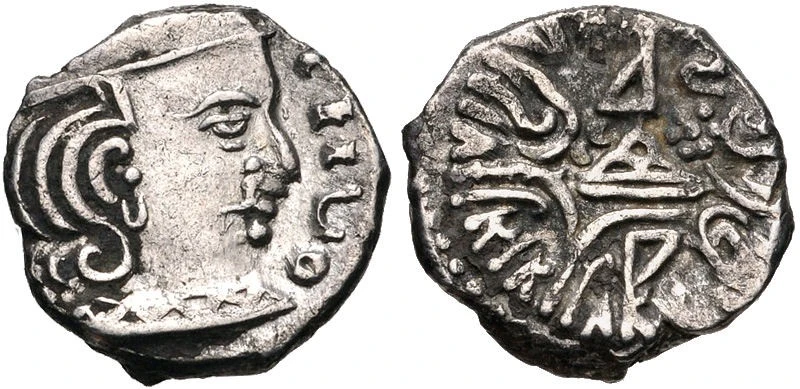
Rudrasimha III — the last ruler of the ancient Indian kingdom of the Western Kshatrapas in the 4th century CE
They broke away from the Indo-Scythian Kingdom and submitted to the powerful Kushan Empire, but when it collapsed, the Kshatrapas filled the void and, in effect, regained their imperial status.
Their ruler, King Rudrasimha III, after the military defeat of the neighboring Gupta Kingdom, demanded a girl as tribute for his harem. The Gupta king ordered his own brother's lover sent to him. Neither the Gupta ruler nor the Kshatrapa king knew one thing: the Gupta prince Chandragupta had disguised himself as his beloved, and his most elite warriors as her retinue and maids.
They were received at the Kshatrapa imperial court. And there, in the midst of the ceremonies, the "bride" and her retinue ambushed them, snatched their hidden weapons, and slaughtered the entire assembled nobles. The empire collapsed instantly. A handful of men in women's clothing overthrew the empire.
3. The Last Reclusive King, Nabonidus, Who Traded the Throne for an Oasis 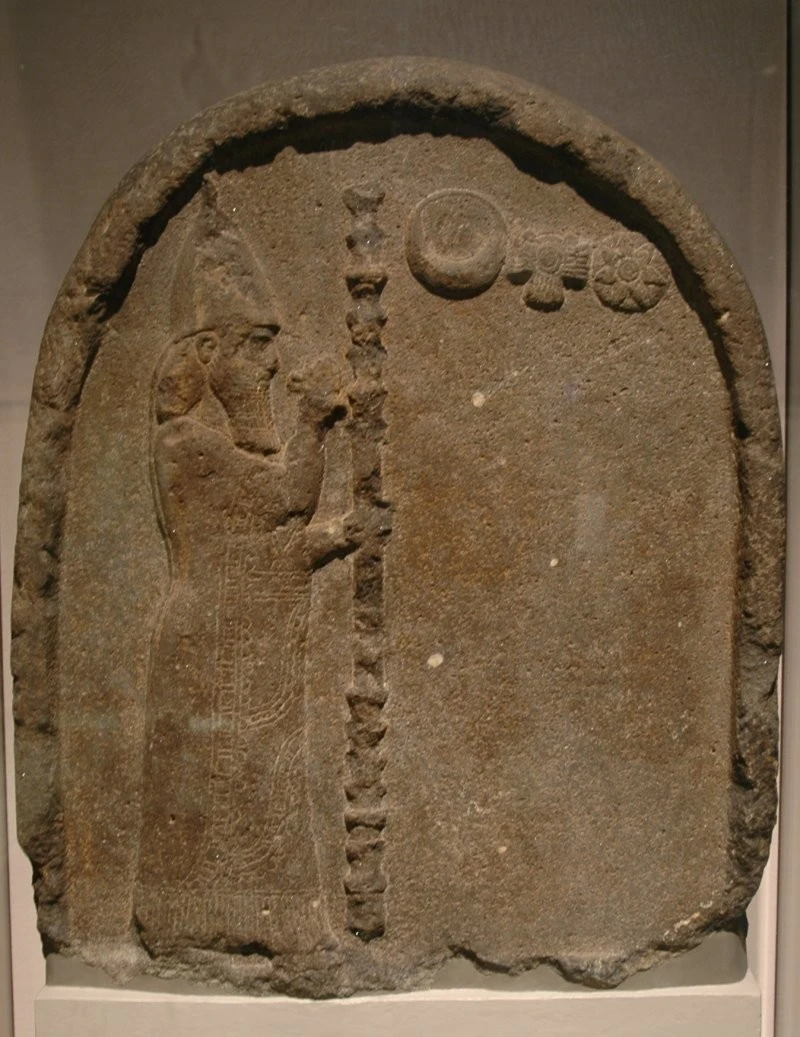
Nabonidus (c. 610 BC - ?) — Last King of Babylonia (556–539 BC)
The decline of the Neo-Babylonian Empire wasn't all that strange—it was conquered by Cyrus the Great. But its last king, Nabonidus, turned out to be a rather bizarre figure. 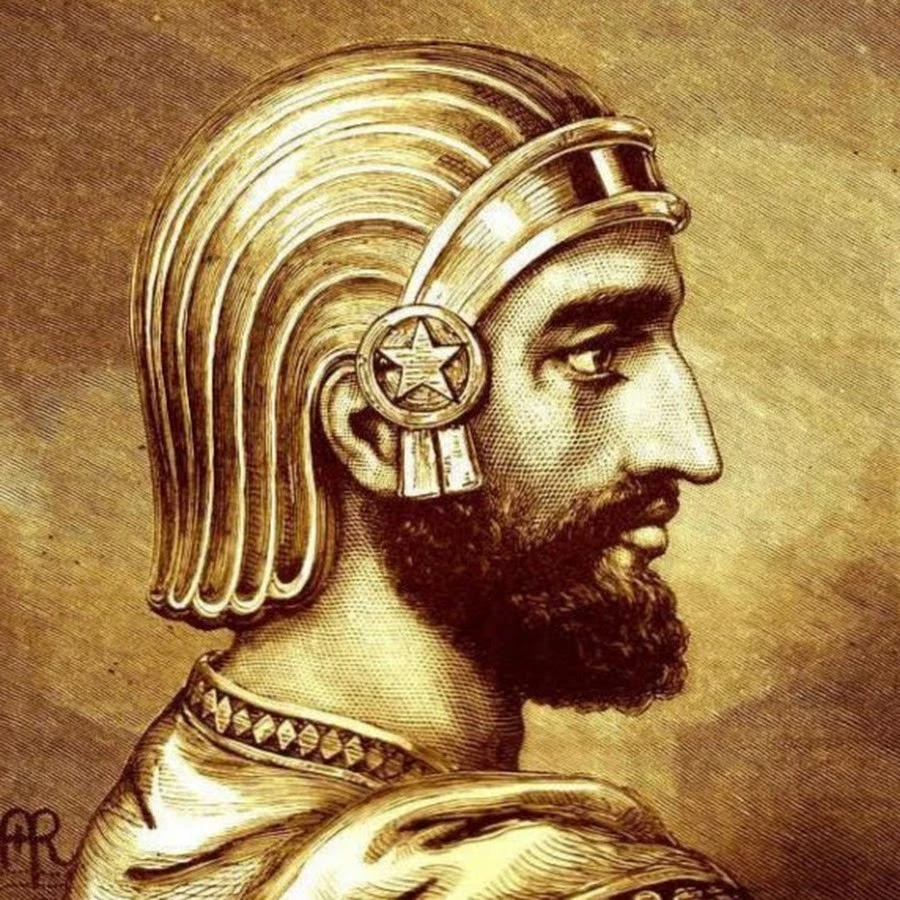
Cyrus II the Great was the founder of the Achaemenid Empire (Persian Empire), the fifth Persian king of the Achaemenid dynasty, who reigned from 559 to 530 BC.
It all began with his mother. According to legend, she had a prophetic dream that the moon god Sin would make her son king in order to restore the sanctuaries of the gods in the city of Harran. (Perhaps she herself was a descendant of the royal line of the fallen Assyrian Empire.) In any case, if the records are accurate, Nabonidus ascended the throne as an old man of about seventy, as a result of a coup, possibly led by his own son. His mother, it is said, lived to see this moment—she was over ninety. And he fulfilled the prophecy, devoting himself to the restoration of the temple and the cult of Sin. 
Teyma is an ancient oasis settlement in the northwest Arabian Peninsula of Saudi Arabia. Located in the Tabuk Province, in the western part of the Nafud Desert.
But the most unusual thing was yet to come. For unknown reasons, Nabonidus spent a good ten years of his seventeen-year reign living in Teyma—a remote oasis in the southern Arabian Desert. Why? No one knows. One of his inscriptions there was discovered only in 2021—it's unclear whether it has been deciphered or whether it sheds light on this voluntary exile. Meanwhile, his son and possibly his century-old mother likely ruled the empire in his name. 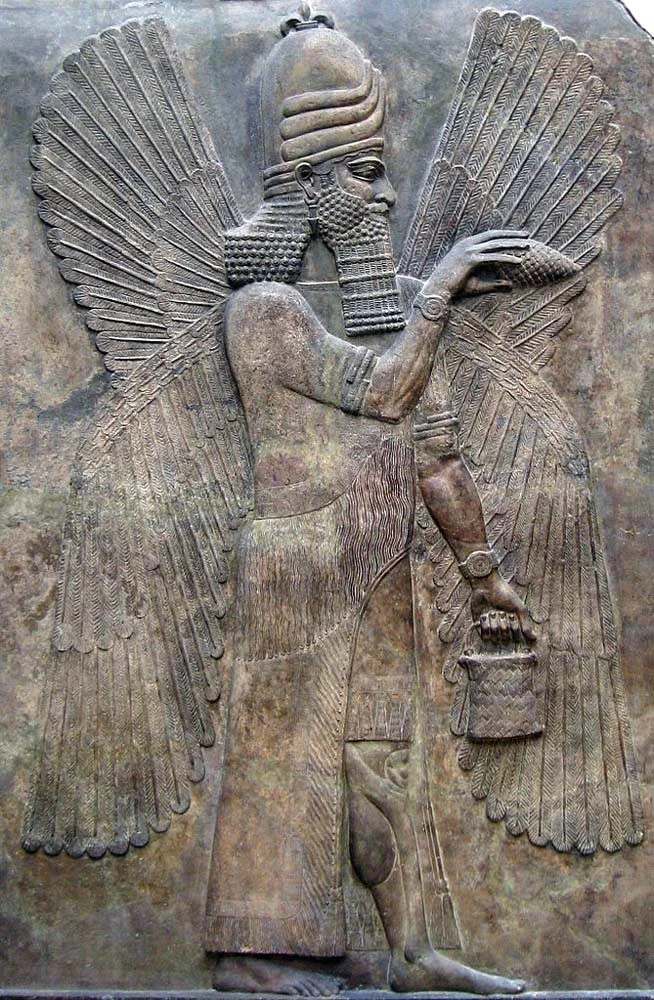
Marduk—in Sumero-Akkadian mythology, the supreme deity of the Babylonian pantheon, the supreme god in Ancient Mesopotamia, and the patron god of the city of Babylon.
And yet, it seems, there was a connection between his eccentricities and the fall of the empire. His abstinence from affairs and radical religious reforms earned him many enemies among the priesthood and nobility. These malcontents could well have seen in Cyrus the longed-for liberator and true restorer of the cult of their chief god, Marduk. So, when the Persian troops approached the walls of Babylon, there were few defenders left at the throne of the eccentric reclusive king.
4. The Battle of Cajamarca – the most unequal battle in history 
Atahuallpa (1497–1533) – the last emperor of the Inca Empire, reigned from 1532 to 1533, on the eve of the Spanish conquest.
The fall of the Inca Empire is a story both tragic and fascinating. 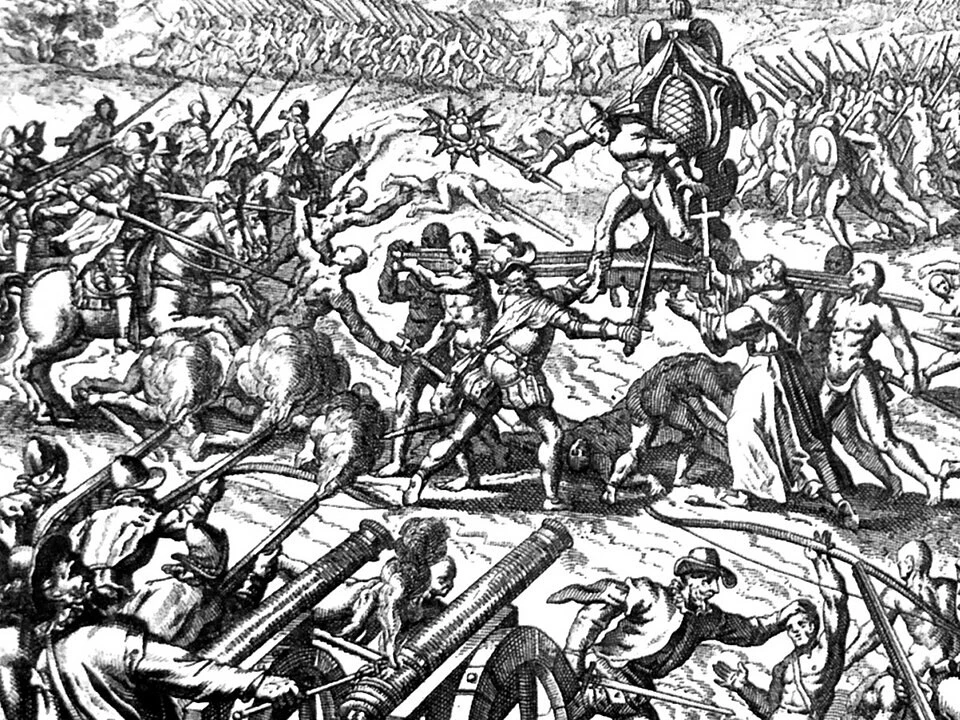
The Battle of Cajamarca (also known as the Cajamarca Massacre) was an attack by a small force of Spanish conquistadors led by Francisco Pizarro on the Inca ruler Atahualpa, who had arrived with his retinue at the invitation of the Spaniards themselves in Cajamarca.
At the Battle of Cajamarca, 168 Spanish conquistadors routed an approximately 8,000-strong Inca army and captured their supreme ruler, Atahualpa. This was possible for several reasons. The Incas had never encountered horses, firearms, or steel armor before, and the surprise attack threw them into confusion. Moreover, in Inca tactics, the military leader traditionally stood at the forefront, inspiring his warriors by personal example, while European commanders directed the battle from the rear. 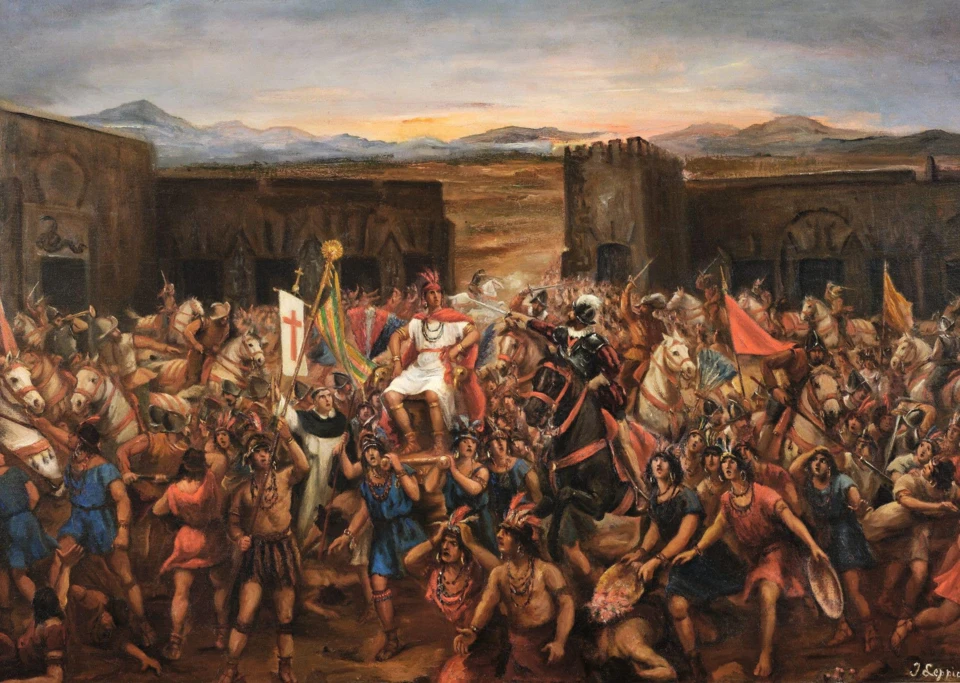
"The Capture of Atahualpa" (La captura de Atahualpa) is a painting by Juan Lepiani, painted in the 1920s
This handful of foreigners, using the shock of new weapons, foreign diseases, and cunning, were able to quickly defeat and overthrow one of the largest, most advanced, and most complex empires in the New World.
5. The End of the Bronze Age – The Greatest Mystery of Antiquity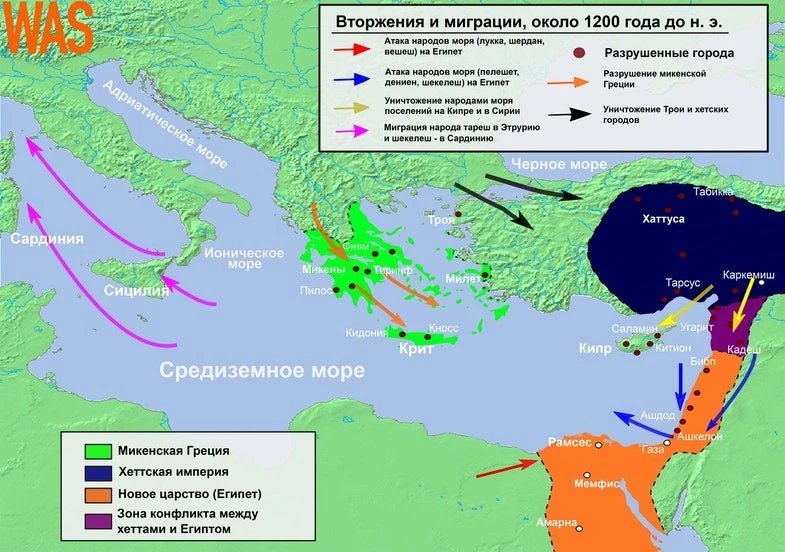
The end of the Bronze Age is simply mind-boggling. Try to imagine: several advanced civilizations—the Hittite Empire, Mycenaean Greece, the Middle Eastern powers—simply vanished. And all this happened in about a single generation, about fifty years. And we still don't know exactly why. 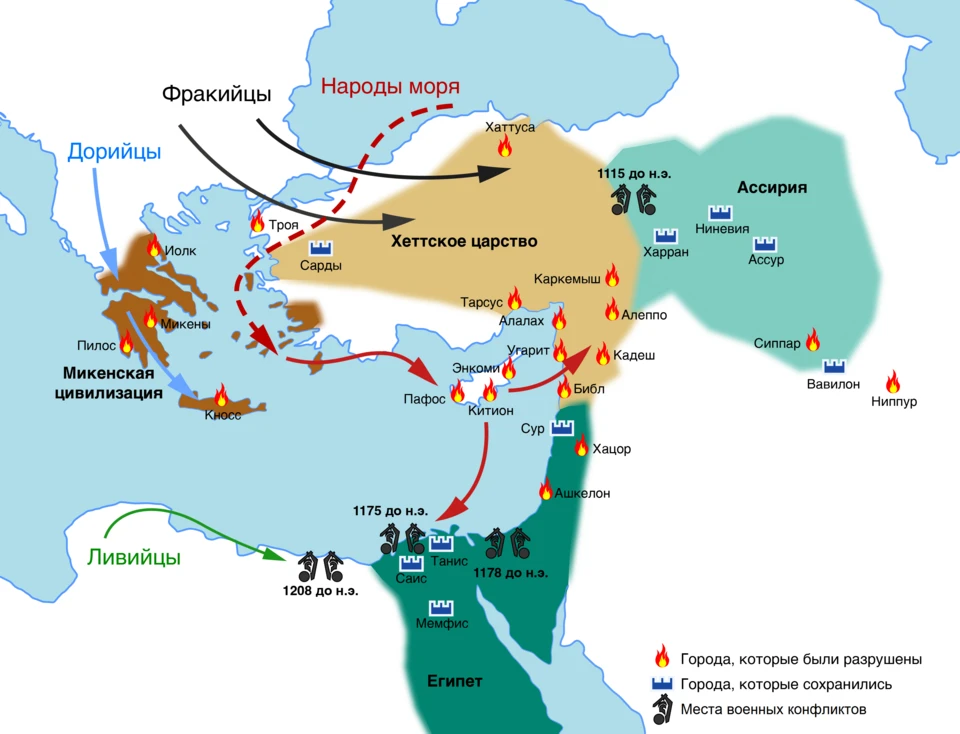
Bronze Age Catastrophe: Movements and Conflicts
It was likely a perfect storm of disasters: earthquakes, Sea People invasions, the collapse of international trade routes, and a terrible drought, all simultaneously hitting the civilized world. 
The Egyptians' repulse of the Sea Peoples' invasion. Drawing of a bas-relief from the Temple of Ramses III in Medinet Habu
It was a true apocalypse of antiquity, the end of an era, which for some reason is rarely discussed. Entire peoples, cities, and technologies vanished into darkness, leaving behind only ruins and questions.