A black fungus that feeds on radiation was found in Chernobyl (4 photos)
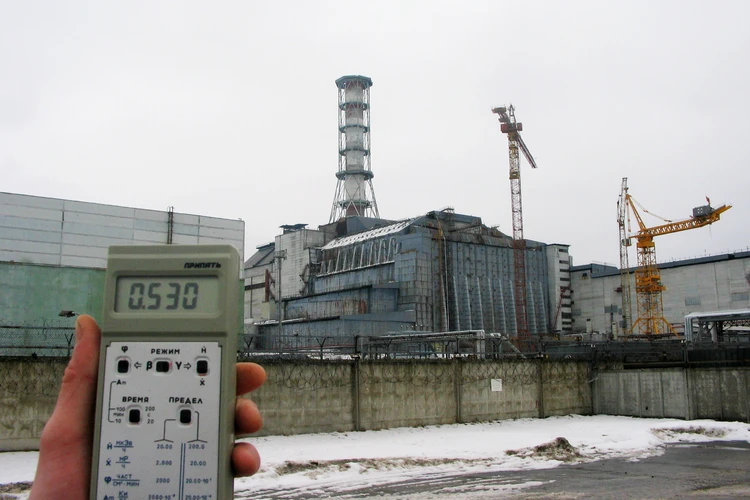
At the Chernobyl Nuclear Power Plant, fungi have proliferated on the walls of the destroyed power unit, an area contaminated with radiation beyond all reason. Scientists have been monitoring them for about 20 years. Radiation does not harm the fungi at all. 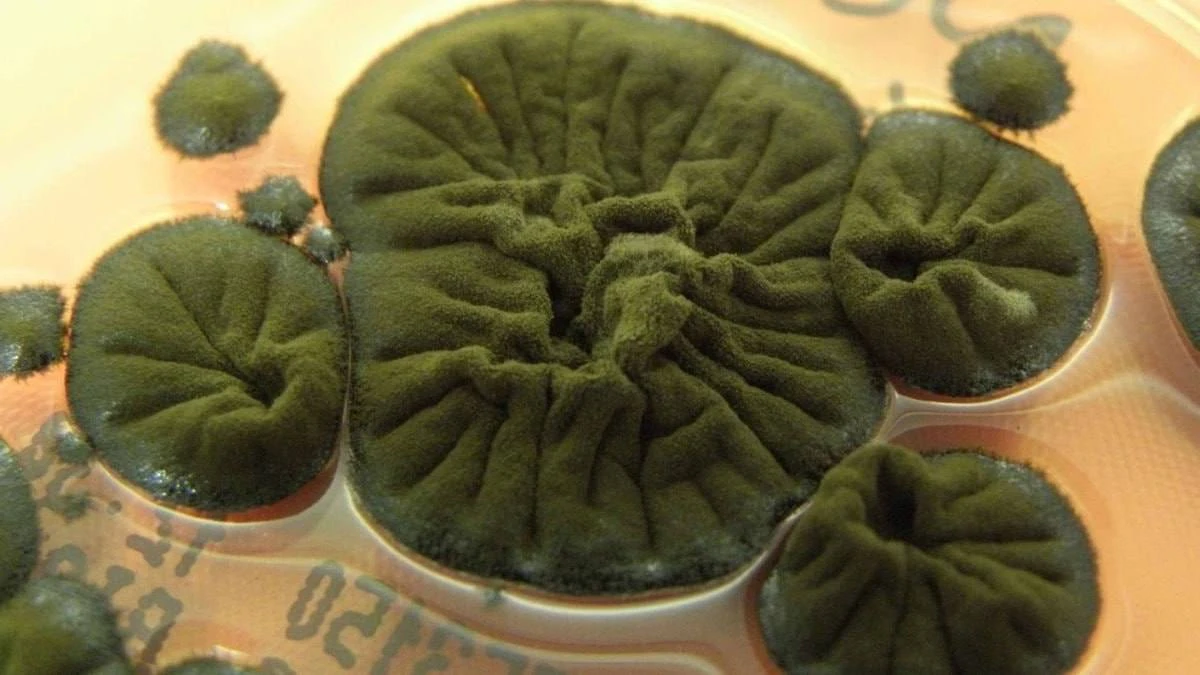
On the contrary, it seems that Cladosporium sphaerospermum—the fungi's name—feeds on radiation and grows from it. In other words, they don't use photosynthesis, as other terrestrial organisms do, but rather something called radiosynthesis, according to ScienceAlert.
Under the influence of ionizing radiation, Cladosporium sphaerospermum thrive and turn black, producing melanin, a pigment that either protects them or facilitates radiosynthesis. 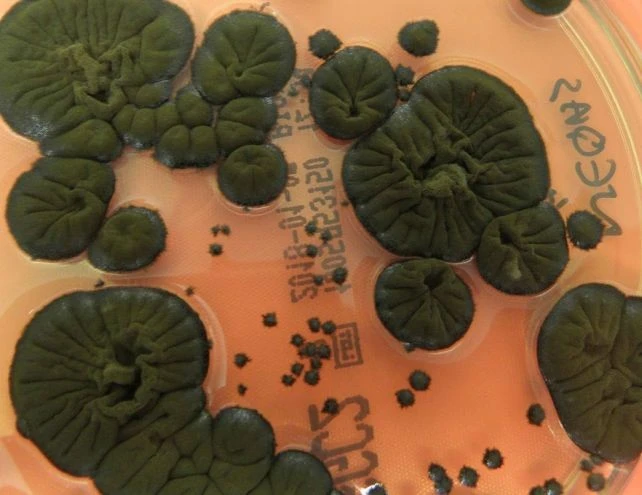
What exactly is happening in the Chernobyl mushrooms is still unclear. But evidence has been obtained that these amazing creatures have amazingly adapted and developed a mechanism for protecting themselves from radiation.
Mushrooms collected by American and German scientists were delivered to the International Space Station (ISS). They were placed in special laboratory setups: one was exposed to harsh ionizing radiation in space, while the other was left inside, protected by the station's hull. The mushrooms outside grew faster and outperformed their counterparts in more comfortable conditions, growing almost 50% faster. Furthermore, even a thin layer (1.7 mm) attenuated incoming radiation. The fungal colony seemed to absorb it, essentially creating a biological shield. 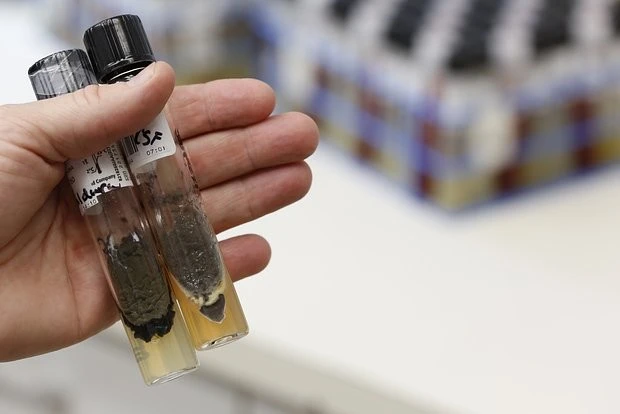
Chernobyl mushrooms are inspiring projects to literally grow protective shells from them – both for manned spacecraft and for homes for future colonists on the Moon and Mars. The homes are expected to grow naturally from imported mycelium. One such project, "Mycotecture Off Planet," is already receiving funding from the US space agency as part of NASA's Innovative Advanced Concepts (NIAC) program.
"We support progressive ideas, no matter how outlandish they may seem," said John Nelson, NIAC program manager, about "Mycotecture Off Planet." He explained that thick protective fungal layers will be grown on the frames of structures designed for use in space and on other planets. Calculations suggest that Mars will require a fungal "insulation" of approximately 20 cm.
For now, the next experiments are planned for the ISS. Scientists will grow fungal structures and study whether they are truly as effective and durable in space as currently believed.