Trump's childhood home is up for sale (7 photos)
The home where Donald Trump spent his early childhood is on the market in the exclusive Jamaica Estates neighborhood of Queens, New York. 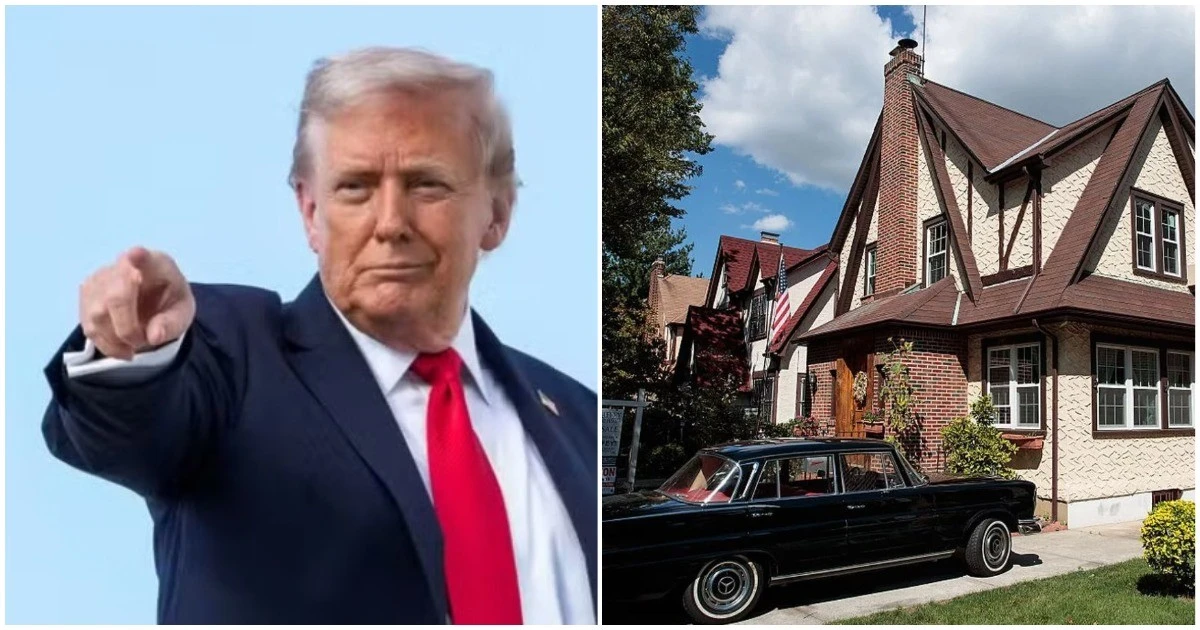
This mansion at 85-15 Wareham Place was built in 1940 by Trump's father, Fred Trump, a successful real estate developer. Little Donald lived here from his birth in 1946 until he was four years old, when the family moved to the house next door. 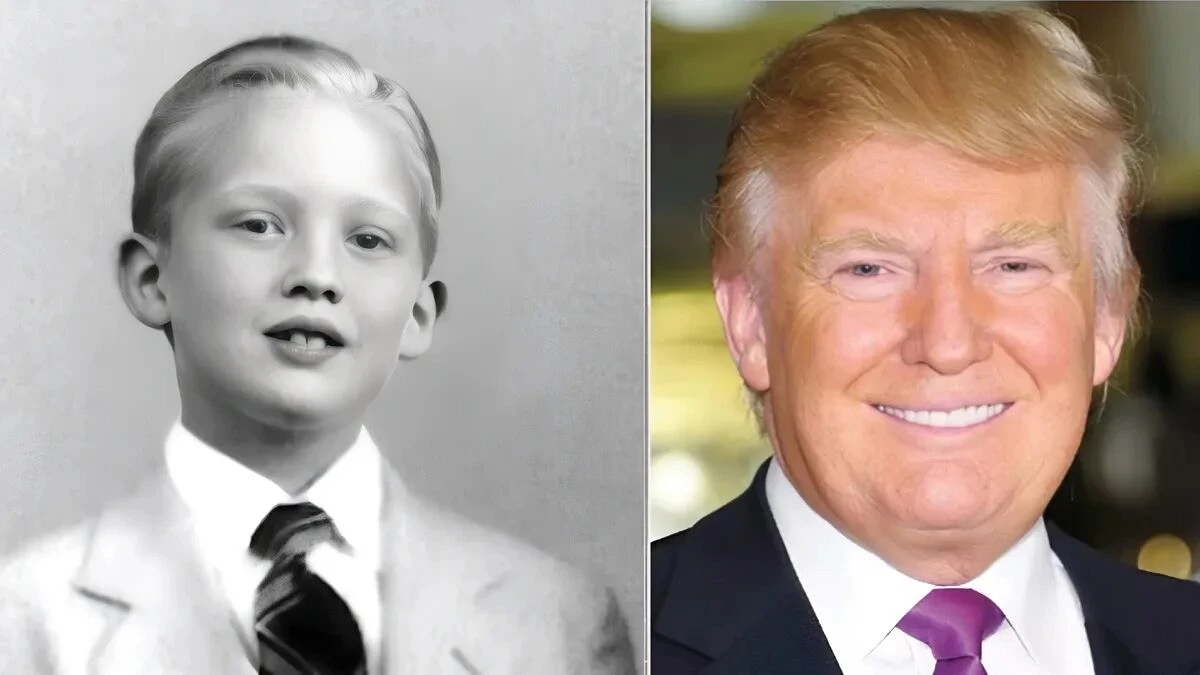
The neighborhood was then a green oasis for the middle class: private streets, spacious lots, neighbors from the business and medical industries. Fred Trump developed Jamaica Estates, and this house was one of his first projects.
The mansion occupies 3,400 square feet: five bedrooms, five bathrooms, a library, a finished basement, a covered terrace, and a two-car garage. The facade retains its 1940s charm: brick, stucco, and arched entryways. However, the original interior has disappeared. 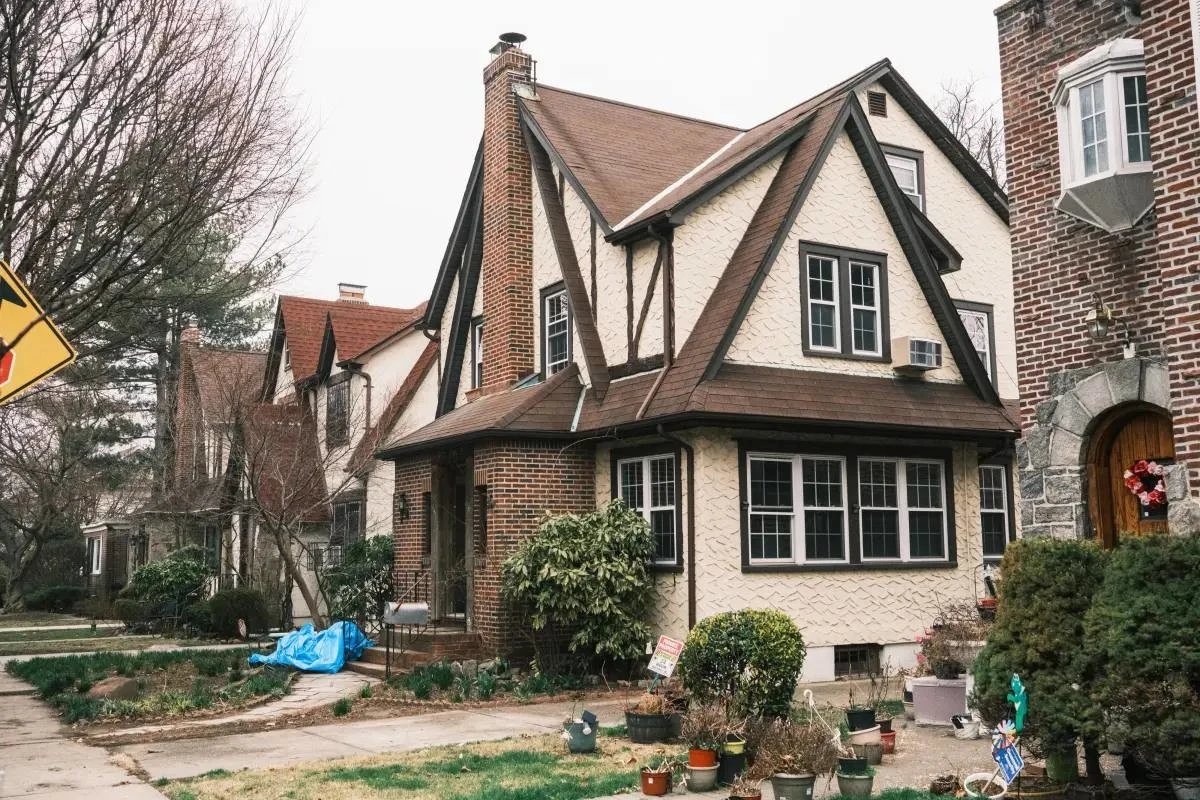
Spencer Gale, who lived in the neighborhood for the past 25 years, called the president's former home "an eyesore" before its renovation. "It drove down the value of all the houses in the neighborhood," he told reporters.
The house's history is rife with speculation. In 2016, investor Michael Davis bought it for $1.39 million before the election, expecting the price to rise after Trump's victory. He sold it a month later for $2.14 million to an anonymous Chinese buyer (through Trump Birth House LLC). In 2019, the price soared to $2.9 million, but the house failed to sell. 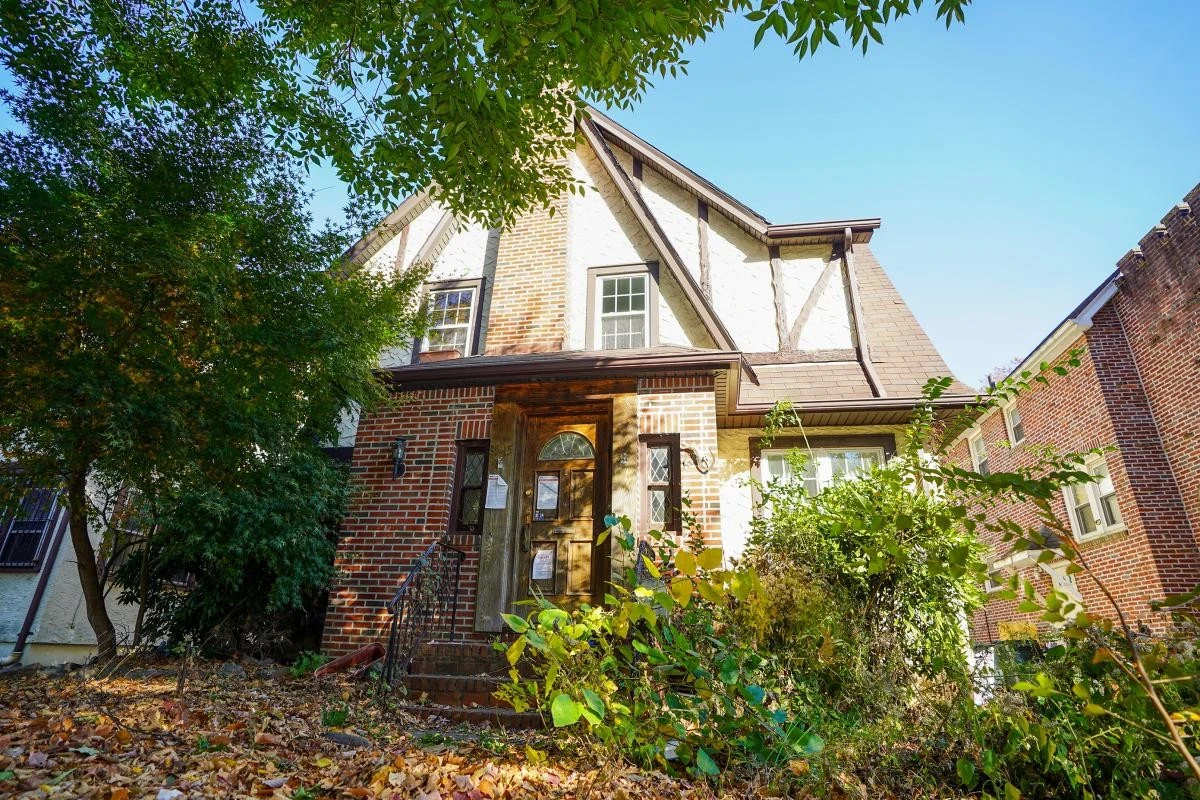
The house was in disrepair, with notices on the doors warning of the need to get rid of stray cats.
They had to turn it into a sort of house museum, available for rent by the night, complete with a Trump statue and copies of "The Art of the Deal" (rentals up to $725 per night). But business didn't seem to be taking off. In recent years, the house had fallen into disrepair: a burst pipe caused mold in the basement and roof, and 20-30 stray cats had taken up residence inside. It became uninhabitable. 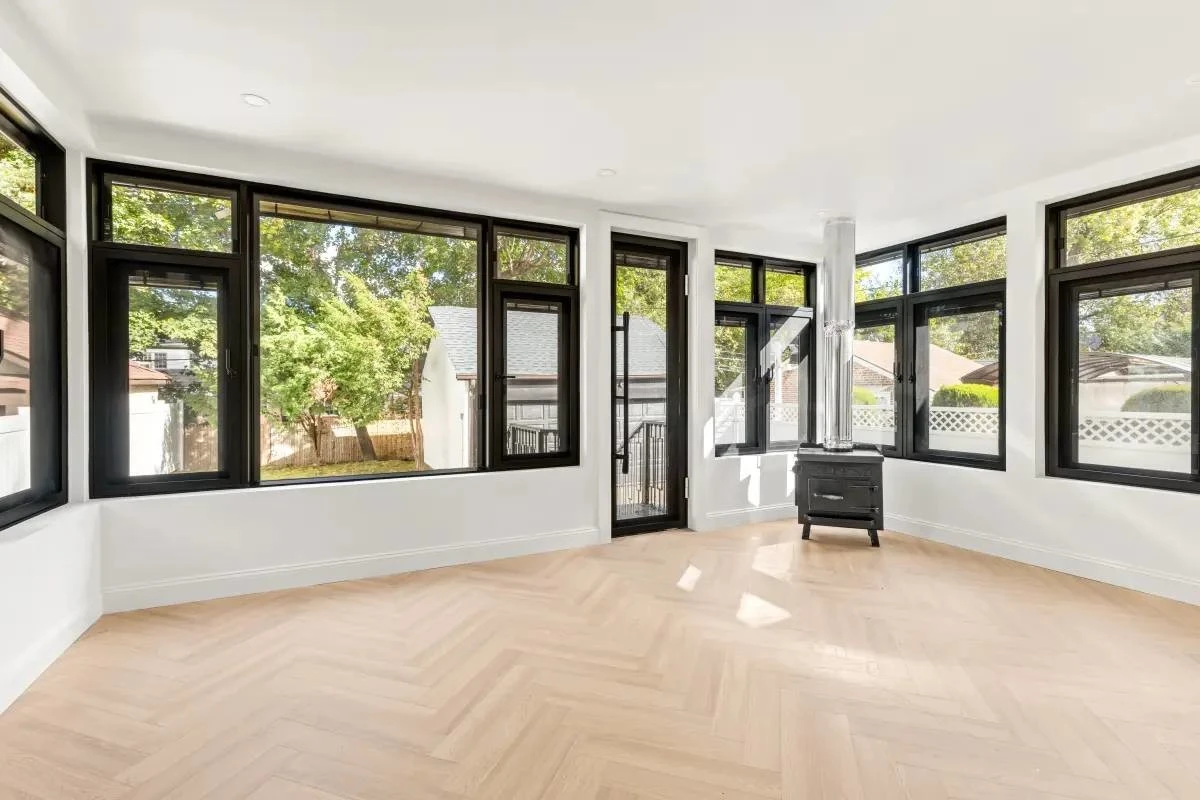
With great difficulty, the troubled building was purchased in February 2025 by another Chinese developer, Tommy Lin, for $835,000—half the price in 2017. Lin, an immigrant from China, specializes in real estate investments. 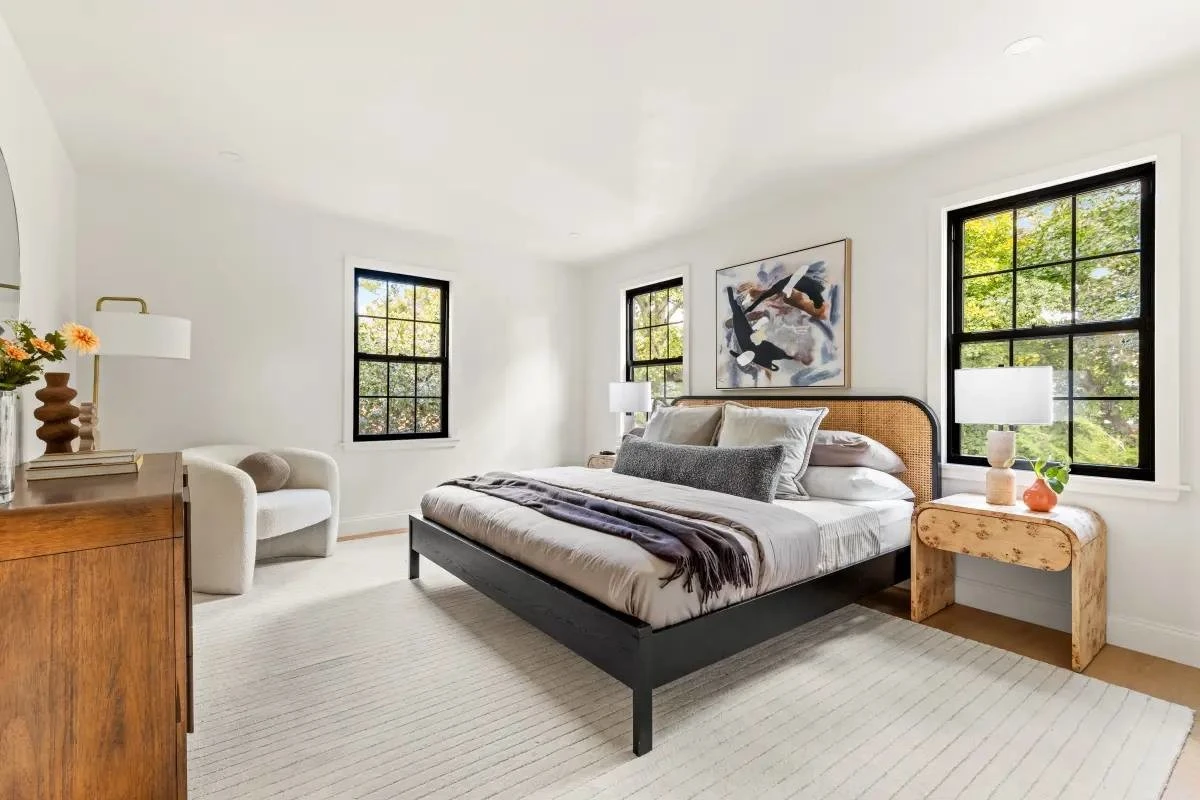
He invested about $500,000 in an eight-month renovation: he got rid of the cats, removed the mold, updated the kitchen (white cabinets, modern tile), updated the floors (light wood), and added smart systems. The facade was left intact to preserve the historic look. 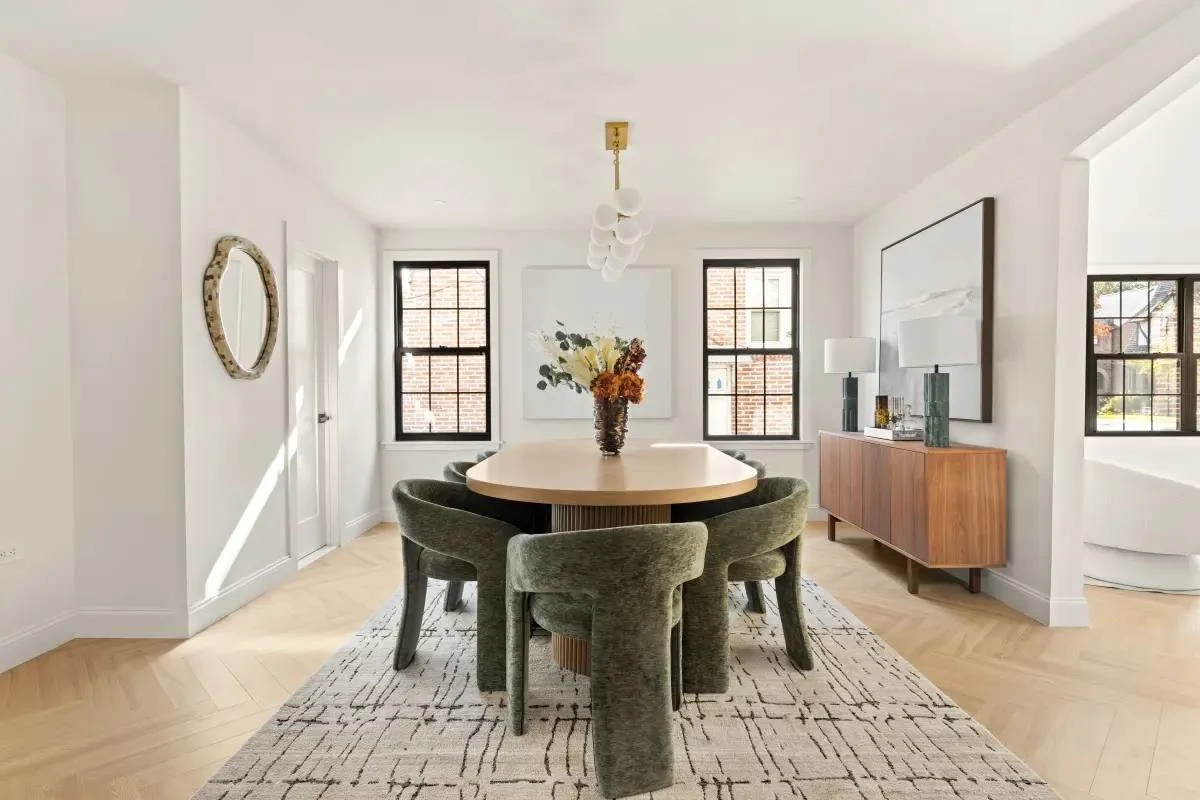
Now the price is $2.3 million, below the area median of $3 million, but attractive to investors. Lin emphasizes that the purchase isn't about politics, but about location and history. And she sincerely hopes to sell Trump's house to some patriotic investor.