Nissan claims that its ProPilot system with artificial intelligence may be "slightly smarter" than Tesla's autopilot (2 photos)
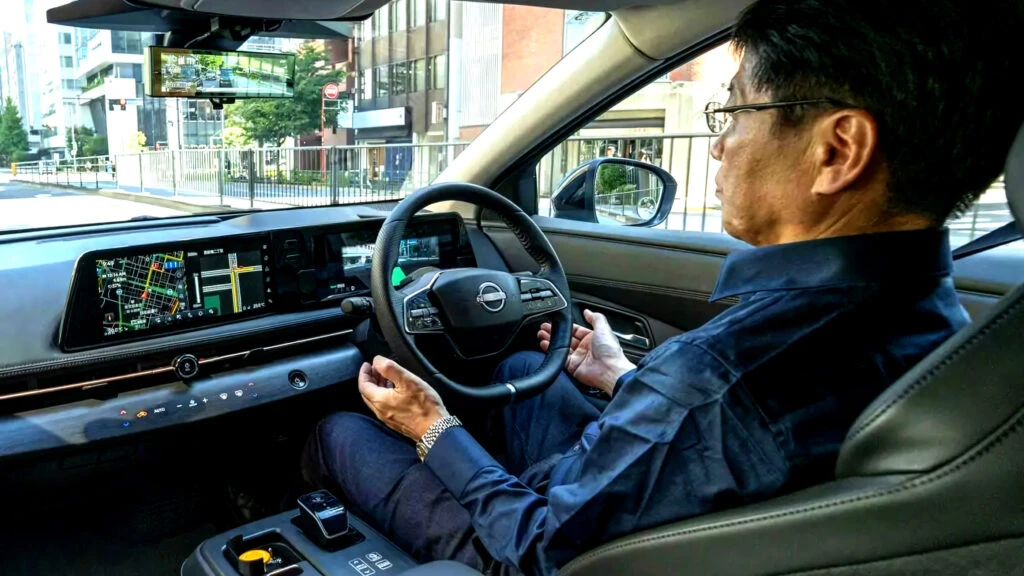
Nissan's new autonomous driving system
Nissan has unveiled the next generation of its ProPILOT semi-autonomous driving system, scheduled to launch in Japan in fiscal year 2027, which ends March 31, 2028. The system is significantly more advanced than previous versions and uses next-generation lidar and Wayve AI Driver software.
Demonstration in Tokyo
The system was recently demonstrated in Tokyo on a fleet of Ariya prototypes equipped with 11 cameras, five radars and one lidar sensor. The latter is mounted on the roof and can detect objects at a greater distance than cameras. Nissan says this improves safety during high-speed and night driving.
Tetsuya Iijima, Nissan’s general manager of driver support technologies, said: “It’s like Tesla’s fully autonomous driving, but our system is perhaps a little smarter.” He added that the system is designed to work better on the narrow, pedestrian-filled streets of the Japanese capital.
The role of artificial intelligence
In addition to using lidar, the new ProPILOT system uses artificial intelligence to process data from sensors. The manufacturer claims that the system is able to “assess the environment and predict future events, as well as the impact of its own actions on the environment, which allows it to drive safely, like an experienced driver.”
High-speed processing capabilities allow the AI to instantly react to sudden changes and understand how “entire road scenes are developing, rather than simply reacting to individual objects.”
Extending functionality beyond highways
This system significantly expands its capabilities compared to previous versions of ProPILOT, which were focused mainly on highways. The new development is adapted to complex urban conditions with dense traffic and numerous pedestrians.
Eiichi Akashi, Nissan’s chief technology officer, said: “The new ProPILOT technology will provide the feeling of an experienced driver behind the wheel. It will adapt to complex road conditions and provide greater confidence and safety for all road users.” 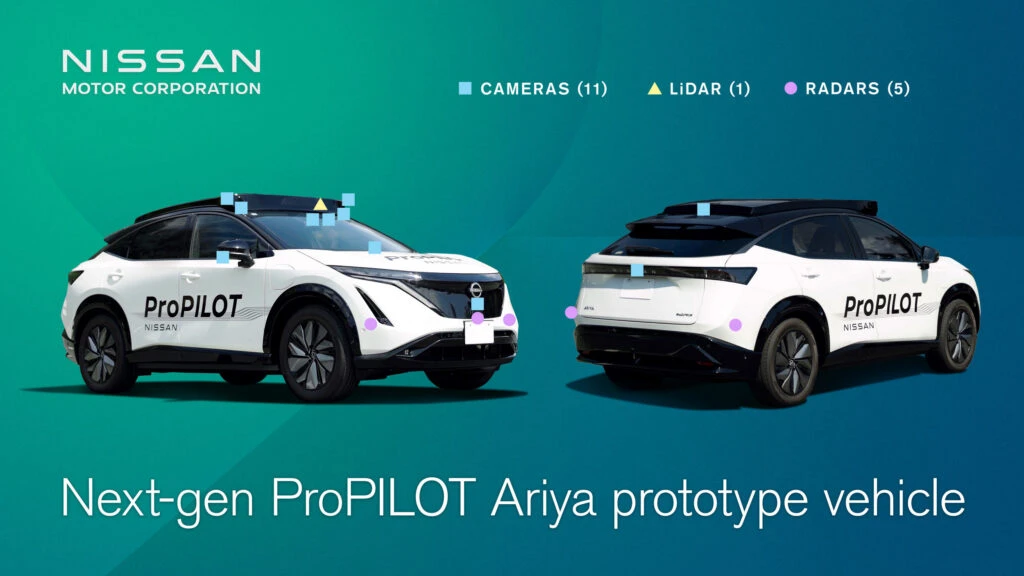
Technical features and demonstration
The company emphasized that the new system will belong to the second level of autonomy, requiring the driver to monitor its operation and be ready to intervene if necessary. During the demonstration, prototypes made turns without driver participation, made automatic lane changes and stopped for pedestrians.
As autonomous driving continues to gain momentum, Nissan's approach, which combines lidar and artificial intelligence, could be key to safely operating in dense urban traffic. Although the system is only available in Japan, its successful implementation could impact global automotive safety standards and be a major step toward fully autonomous transportation.