10 Shocking Facts About Deadly Poisons (11 photos)
We tend to think of poison as a device straight out of Shakespearean tragedy or an Agatha Christie whodunit. But the reality is that lethal substances are all around us—tucked away in neat bottles under the kitchen sink, present in our drinking water, and even coursing through our veins. Here are ten of the most insidious poisons in the world, ranging from the exotic to the shockingly common. 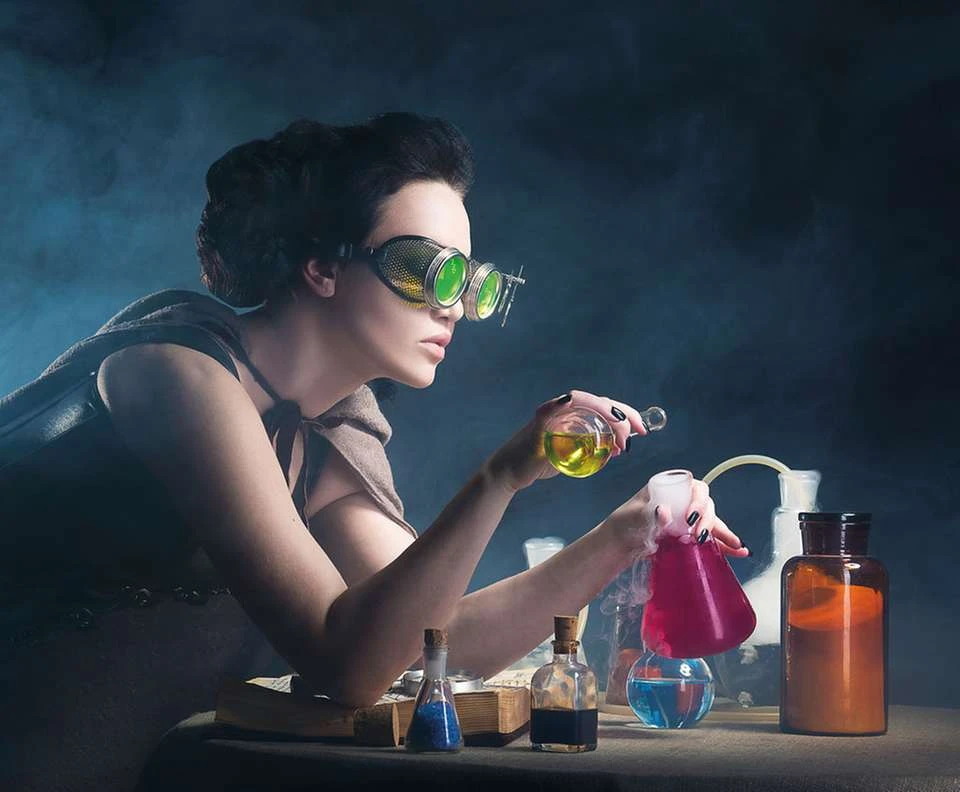
1. Hydrogen Cyanide
Despite its terrifying reputation, cyanide boasts a rich and remarkably prolific history. Some scientists even speculate it may have been one of the key chemical building blocks responsible for sparking life on Earth. Today, however, it is far better known as an agent of death—the active ingredient in Zyklon B, which the Nazis used to murder millions in concentration camp gas chambers. 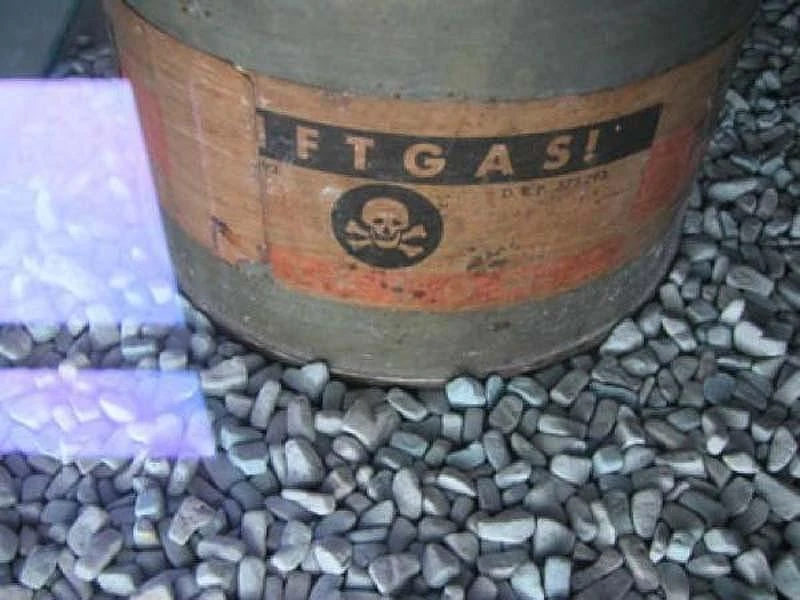
Cyanide has also been used for capital punishment in American gas chambers. Those who have encountered it report that it smells distinctly of bitter almonds. The chemical kills by binding to the iron in our red blood cells, starving them of the ability to carry oxygen throughout the body. Most US states have abandoned the gas chamber, deeming it needlessly cruel; death can take minutes and is agonizing to witness, marked by violent convulsions as the condemned gasps for air.
2. Hydrofluoric Acid
A solution of hydrogen fluoride in water, hydrofluoric acid plays a vital role across multiple industries, including metal processing and the manufacturing of Teflon. While other acids may be far more potent, few are quite as uniquely hazardous to the human body. 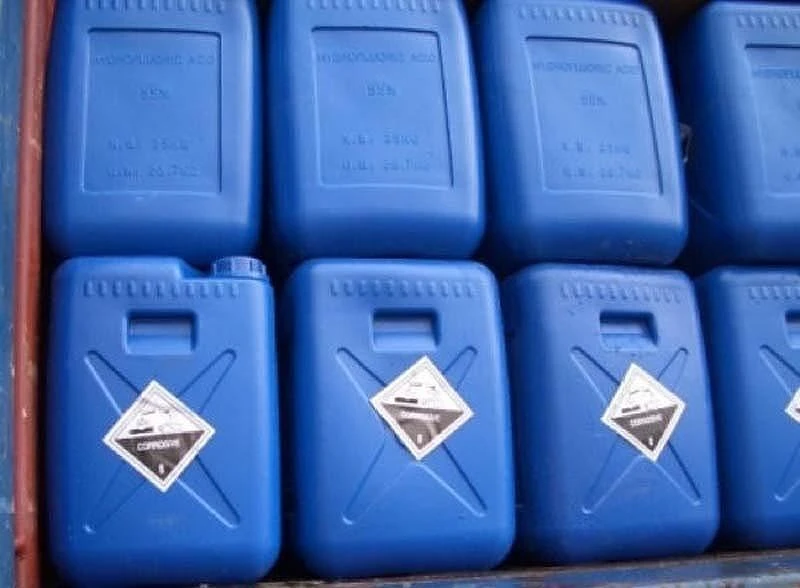
In gaseous form, this acid can readily sear the eyes and lungs, but its liquid state is especially treacherous. When it makes contact with human flesh, it initially causes no pain at all. Because it doesn't burn right away, victims can suffer severe exposure without even realizing it. The acid seeps through the skin into the bloodstream, reacting aggressively with systemic calcium. In the worst cases, it eats right through soft tissue to destroy the underlying bone.
3. Batrachotoxin
Fortunately for most of us, the odds of crossing paths with batrachotoxin are practically zero. Ranked among the most potent neurotoxins on the planet, it coats the skin of tiny poison dart frogs. Interestingly, the frogs don't synthesize the poison themselves; they absorb it from their diet, most likely by consuming a specific species of tiny beetle. 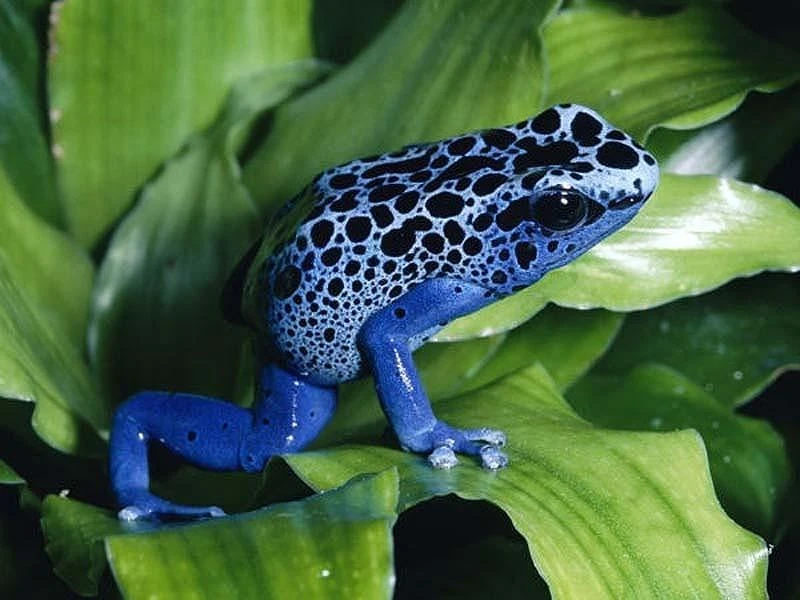
Toxicity varies by species, but the golden poison frog of Colombia is by far the most dangerous. Barely large enough to perch on the tip of your finger, a single frog carries enough batrachotoxin to kill roughly two dozen adult humans or a pair of elephants. The toxin attacks the nervous system by permanently jamming open sodium channels, causing total paralysis and severing the brain's ability to communicate with the body. There is no known antidote, and death follows swiftly.
4. VX Nerve Agent
Outlawed by the 1993 Chemical Weapons Convention—with global stockpiles gradually being destroyed—VX is widely considered the deadliest nerve agent ever synthesized. Discovered entirely by accident in 1952 during research into organophosphates, its catastrophic lethality quickly became evident. It was initially marketed as a commercial pesticide called Amiton, but was pulled almost immediately once its hazards became clear. It soon drew the attention of world governments and was aggressively stockpiled during the Cold War. Fortunately, cooler heads prevailed, and VX was never deployed on the battlefield. 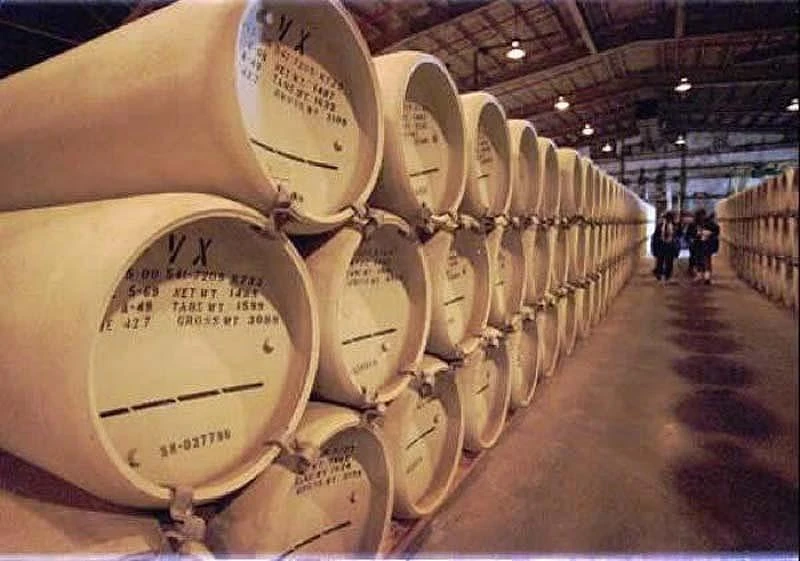
Members of the Japanese doomsday cult Aum Shinrikyo managed to synthesize a small batch and used it to assassinate a member, which remains the only confirmed human fatality attributed to VX. The agent works by sabotaging the enzyme that turns off muscle and nerve signals, unleashing an uninterrupted electrical storm in the nervous system that rapidly overwhelms the body.
5. Agent Orange
Manufactured by Dow Chemical and Monsanto—a pairing that tops many corporate villain lists—Agent Orange is a defoliant almost everyone has heard of. It was used extensively during the Vietnam War to strip away dense jungle canopy shielding enemy troops and to wipe out rural food crops. 
Beyond killing off vegetation, the herbicide was tainted with a dioxin compound known as TCDD—a potent carcinogen linked to dramatic spikes in cancer rates, particularly lymphomas. Decades later, tens of thousands of Vietnamese children have been stillborn or born with severe birth defects, including cleft palates, extra digits, and cognitive impairments. Large swathes of the Vietnamese countryside remain heavily contaminated to this day.
6. Ricin
Extracted from the seeds of the castor oil plant, ricin is among the most lethal natural poisons known. A dose no larger than a few grains of table salt is enough to kill a grown adult. It attacks the body by shutting down protein synthesis at the cellular level, depriving vital organs of life-sustaining proteins and sending the victim into shock and multi-organ failure. 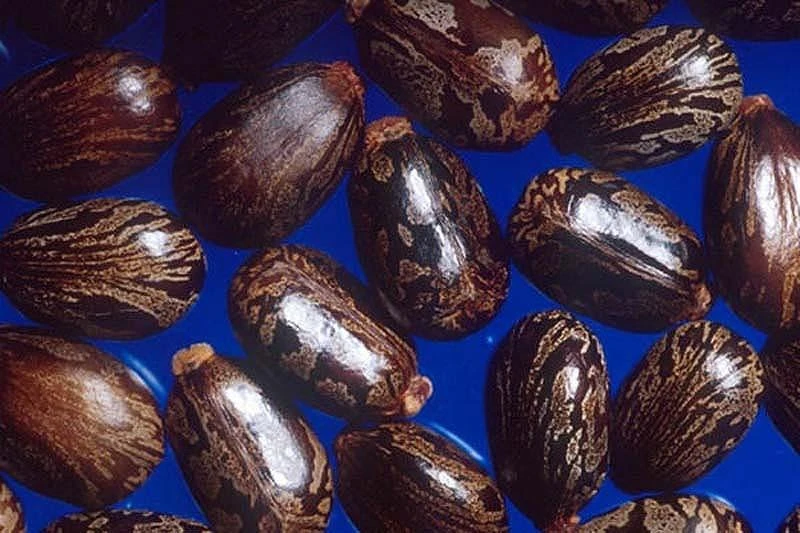
Because castor beans are so widely cultivated, several nations have explored weaponizing ricin. It was famously used in the 1978 assassination of Bulgarian dissident writer Georgi Markov, who was struck by a ricin-laced pellet fired from an umbrella on the streets of London—a hit widely attributed to the Bulgarian secret service with KGB backing.
7. Arsenic
The metalloid arsenic has been exploited for centuries in everything from metallurgy and weapon-making to Victorian cosmetics, when society ladies prized an unnaturally pale complexion. In earlier eras, it earned the moniker "the king of poisons" among assassins because the symptoms of poisoning closely mirrored cholera, a common illness at the time. It works by disrupting ATP production in cells, effectively choking off energy transfer. 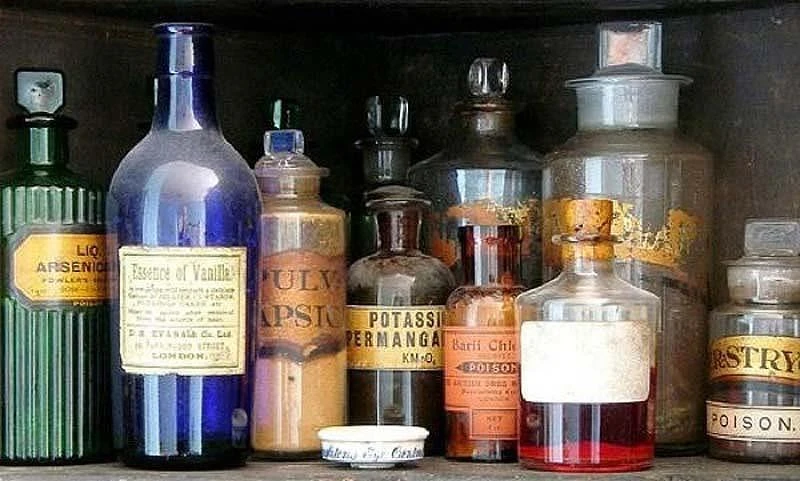
Arsenic is a brutal substance; acute exposure triggers violent gastrointestinal distress, convulsions, coma, and death. Chronic exposure to lower amounts—often through contaminated groundwater—fuels an array of long-term health crises, including cancer, cardiovascular disease, and diabetes.
8. Lead
Lead was among the earliest metals mastered by civilization, first smelted more than 8,000 years ago. Yet it wasn't until recent decades that we fully grasped just how dangerous it really is. Lead targets virtually every organ system in the body, which means poisoning can manifest in countless ways, from chronic digestive issues to severe cognitive decline. 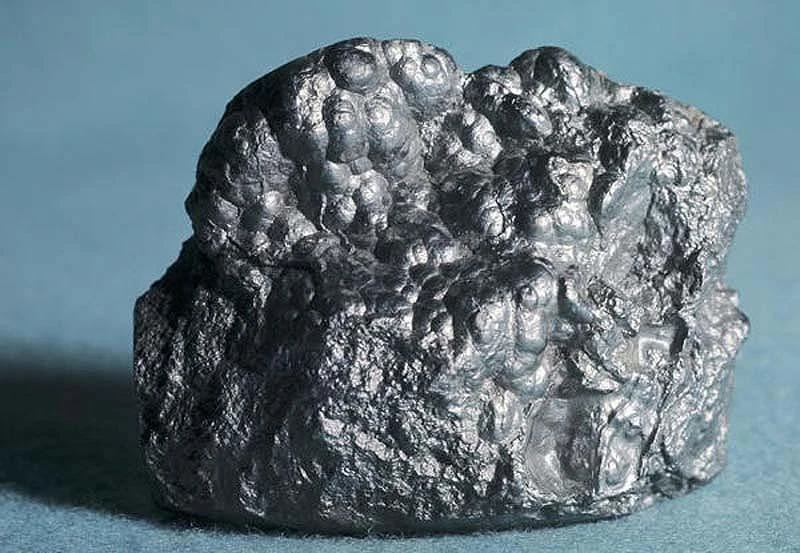
Children are especially vulnerable, as lead exposure during fetal development and early childhood inflicts permanent neurological harm. Interestingly, many criminologists argue that the dramatic drop in violent crime since the late 20th century was driven, at least in part, by stricter environmental lead controls. Kids born from the 1980s onward experienced vastly less lead toxicity, which may have reduced impulsive, violent behavior as they matured.
9. Brodifacoum
In the years following World War II, anticoagulant compounds revolutionized rodent control (while also finding medical use as blood thinners for patients prone to dangerous clots). But rats are master survivors, and over time, populations began developing resistance to standard poisons like warfarin. Enter brodifacoum. 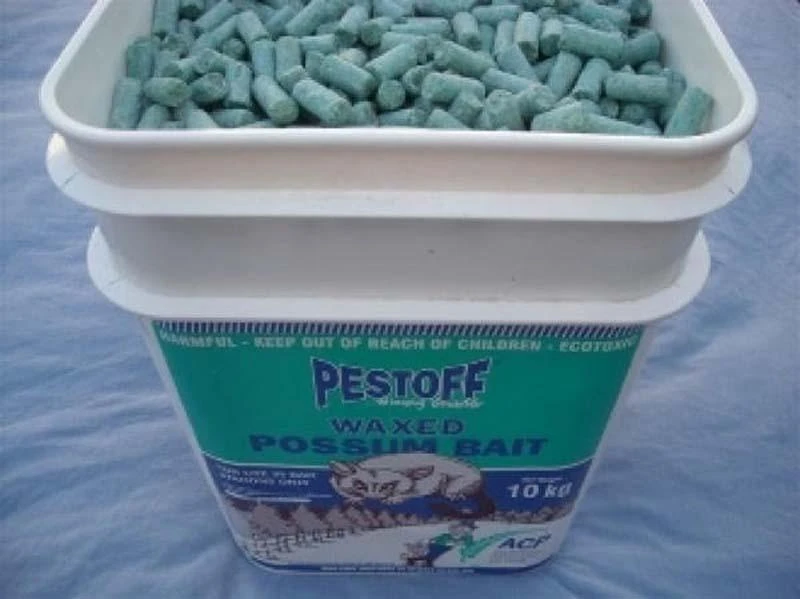
Brodifacoum is an exceptionally lethal "second-generation" anticoagulant that depletes the body’s vitamin K reserves. Because vitamin K is essential for blood clotting, victims eventually suffer massive internal hemorrhaging as capillaries break down. Marketed under brand names like Havoc, Talon, and Jaguar, it demands extreme caution: it absorbs readily through the skin and can linger in animal tissue for months.
10. Strychnine
Derived primarily from the seeds of the
Strychnos nux-vomica
tree native to India and Southeast Asia, strychnine is a bitter alkaloid long employed as a commercial rodenticide. Death from strychnine is agonizing: the neurotoxin targets inhibitory neurotransmitters in the spinal cord, triggering violent, involuntary muscular contractions that contort the entire body in excruciating spasms until the victim asphyxiates. 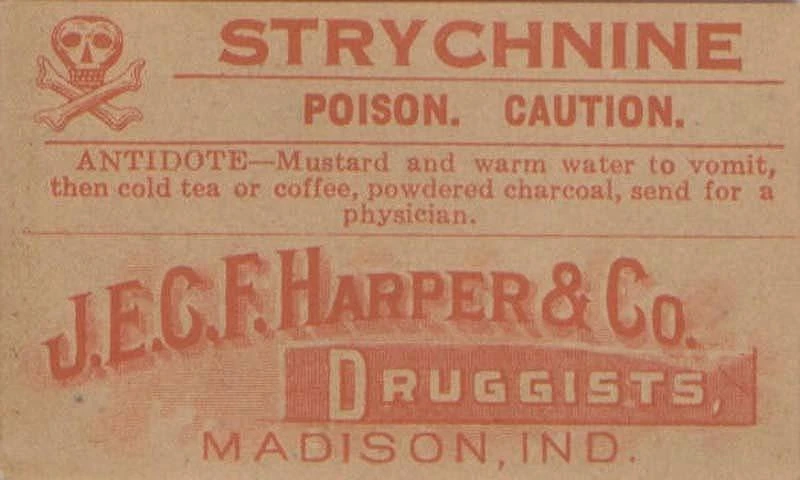
During World War II, notorious Nazi SS commander Oskar Dirlewanger injected prisoners with the compound purely to watch their death throes for sadistic amusement. Strychnine is one of the few poisons on this list that remains cheap and widely accessible—often sitting right on the shelves of your local hardware store.