Outmaneuvering Terrorists: How Pilot Uri Bar-Lev Saved a Boeing and Outsmarted the British (14 photos)
Uri Bar-Lev was the pilot who thwarted a hijacking mid-air, an incident widely recognized as the first successful resistance to hijackers aboard a commercial flight following dozens of seizures worldwide. On September 6, 1970, he was piloting El Al Flight 219, a Boeing 707 operated by Israel’s national airline, from Amsterdam to New York. On board were 138 passengers and 10 crew members—including two militants armed with a pistol and hand grenades. Standard operating procedures dictated giving in to hijackers' demands. But Bar-Lev broke protocol at every turn: he placed a sky marshal inside the cockpit, threw the jet into a steep dive, and made an unauthorized landing in London. His actions nearly cost him his career. Here is the full story—from suspicious passports in Amsterdam to a direct call to the Prime Minister and a controversy surrounding Leila Khaled 50 years later. 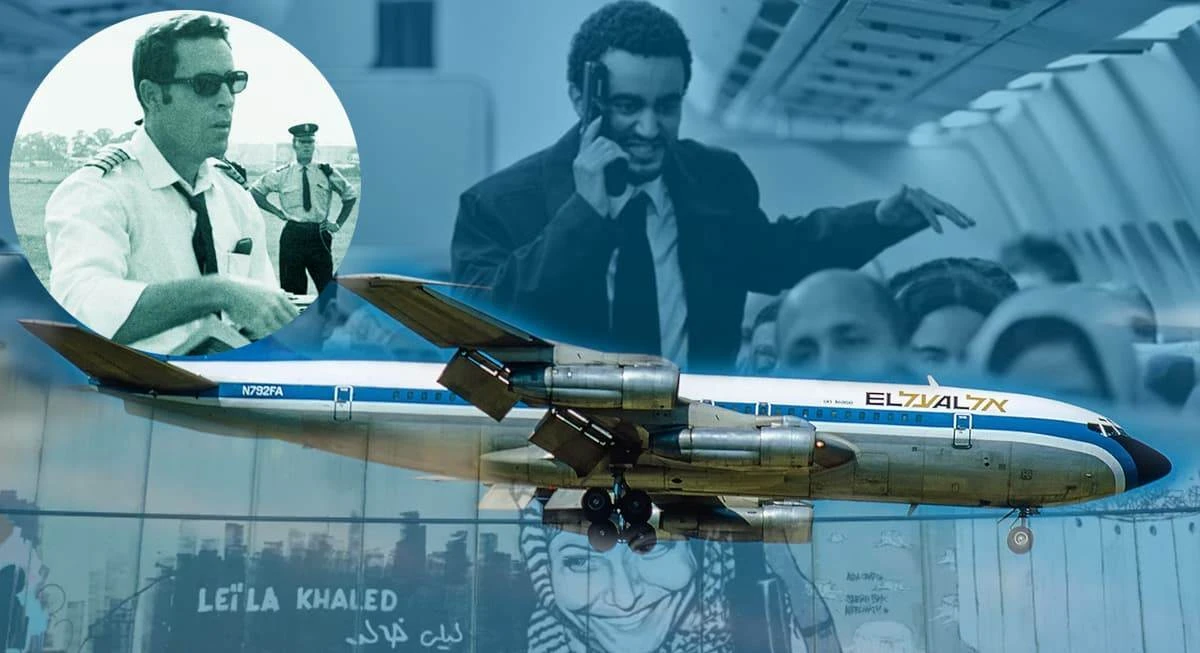
Four Passports That Raised Alarm
Flight 219 originated in Tel Aviv and was bound for New York with a stopover in Amsterdam. At Schiphol Airport in the Netherlands, Captain Uri Bar-Lev took the controls. Before takeoff, a security officer alerted him to four suspicious passengers who had purchased tickets at the last minute. Two held Senegalese passports with consecutive serial numbers, while the other two carried Honduran passports. 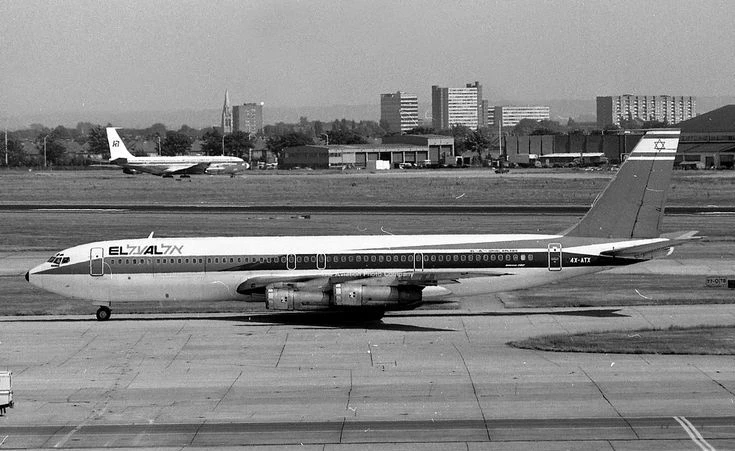
An El Al Boeing 707. Following a 1968 hijacking, armed sky marshals were deployed on all company flights.
Bar-Lev ordered the two "Senegalese" travelers barred from the flight and instructed security to re-examine the others. The security officer balked, pointing out that the men held first-class tickets and that denying them boarding would cost the airline money. The captain promptly reminded him who was in command. Half an hour later, security reported no issues with the two "Hondurans," and they were allowed aboard. Meanwhile, the rejected duo transferred to Pan Am Flight 93 and subsequently hijacked that Boeing 747 instead.
By 1970, airline hijackings had reached epidemic proportions. In 1968, militants hijacked an El Al flight from Rome and forced it down in Algiers. The hostages were held for nearly a month before Israel agreed to release 24 prisoners. In response, El Al introduced armed sky marshals and reinforced cockpit doors. International aviation regulations at the time, however, still instructed pilots to comply with hijackers.
A Sky Marshal in the Cockpit
Bar-Lev was still not at ease. He decided to bring one of the flight's two armed Shin Bet sky marshals, Avihu Kol, inside the cockpit. Standard protocol mandated that marshals sit in the main cabin disguised as ordinary passengers. Kol initially refused, but the captain promised to settle the breach of protocol with security superiors himself. His reasoning was simple: in a sparsely populated first-class cabin, an armed marshal sitting alone was a sitting duck. 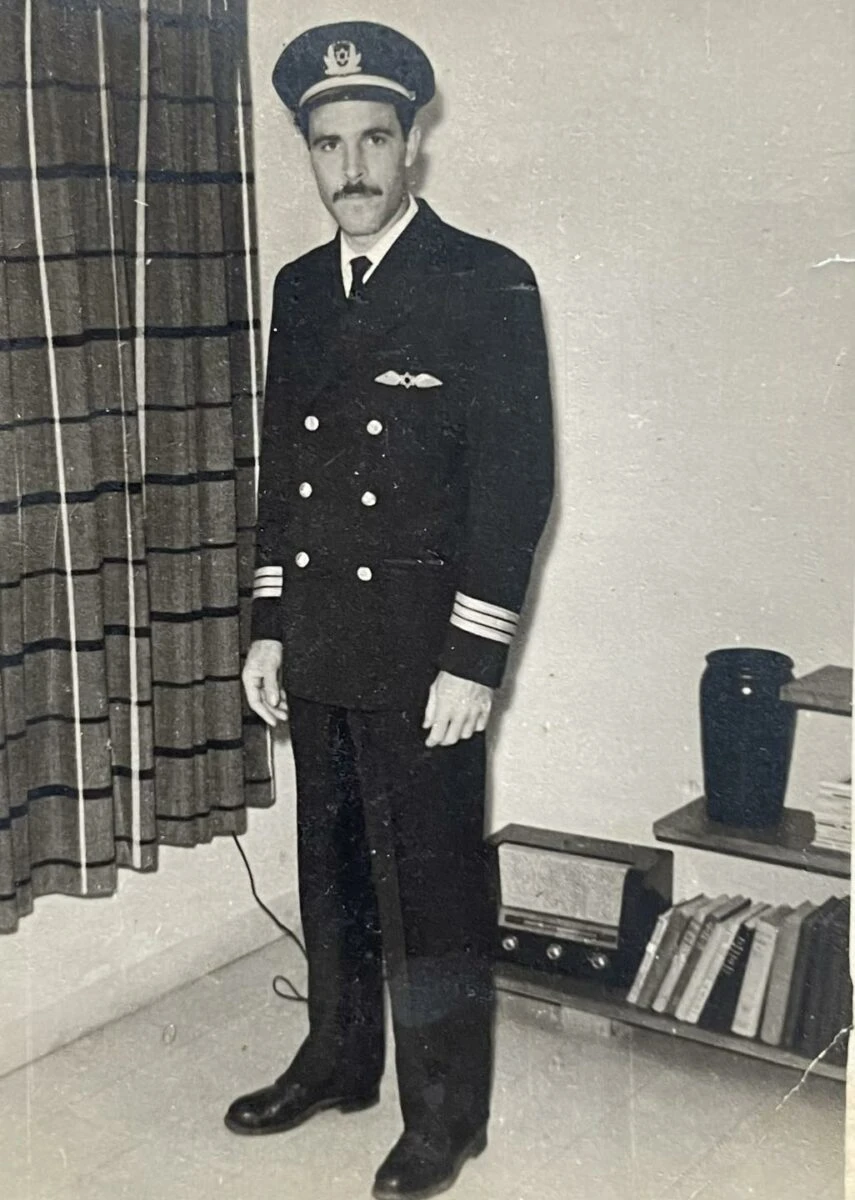
Captain Uri Bar-Lev. A former military pilot, he joined El Al following the 1956 Sinai Campaign.
At an altitude of roughly 29,000 feet (8,800 meters), an alarm light flashed in the cockpit. The co-pilot dismissed it as a false alarm, but Bar-Lev immediately countered: it was a hijacking. Seconds later, someone began pounding frantically on the cockpit door. A panicked flight attendant yelled that a man with a gun and a woman carrying two hand grenades were outside, demanding entry. The flight engineer peered through the peephole and saw the gunman holding a pistol to the flight attendant's head.
The gunman was Patrick Argüello, a Nicaraguan-American Sandinista sympathizer. The woman was Leila Khaled, a Palestinian born in Haifa. Both were members of the Popular Front for the Liberation of Palestine (PFLP) traveling disguised as a married couple. For Khaled, this was her second hijacking: on August 29, 1969, she had participated in the hijacking of a TWA flight from Rome to Tel Aviv. 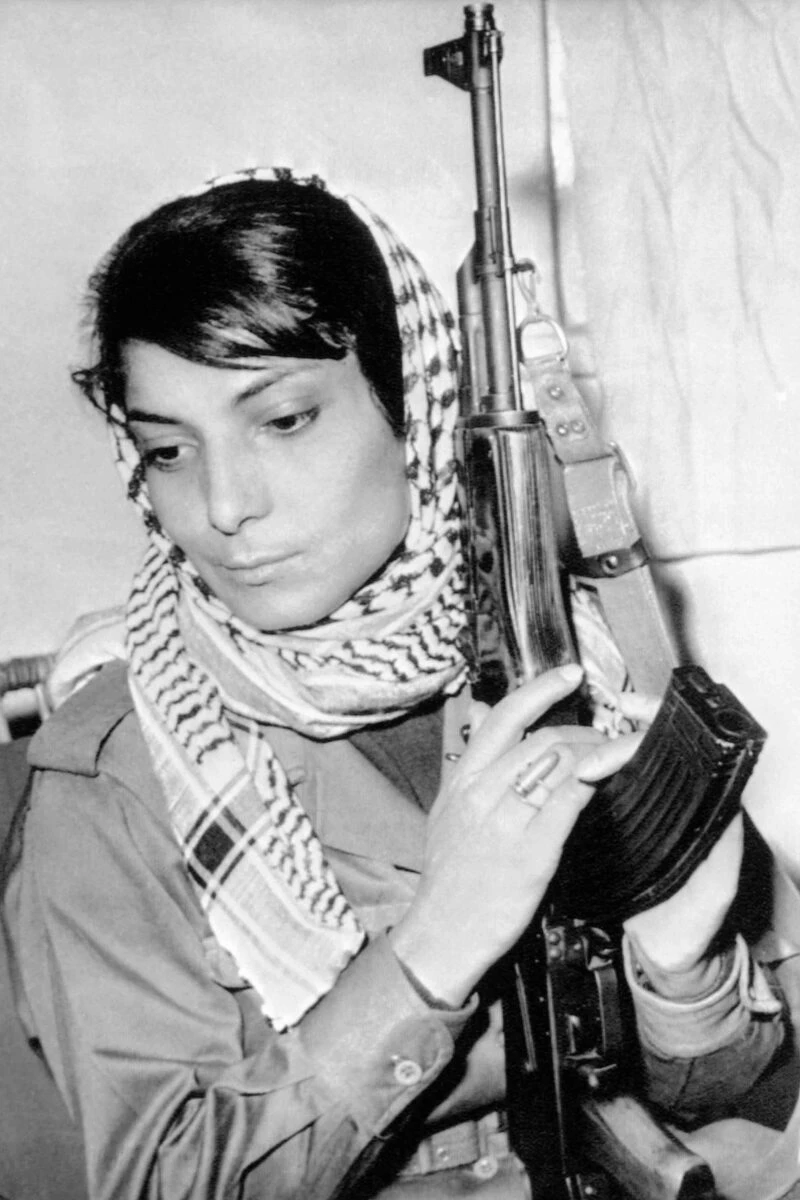
Leila Khaled. By September 1970, the 26-year-old Palestinian was embarking on her second hijacking attempt aboard Flight 219.
The threat was terrifyingly real: Khaled pulled the pins on both grenades. A single misstep could turn the airliner into a fireball over the British coast. Opening the door meant surrendering the plane to terrorists who, according to Bar-Lev, intended to force a landing in Syria. Keeping the door locked meant gambling with the flight attendant's life.
Courage Under Fire
Shlomo Vider, the unarmed lead flight attendant, was the first to charge the hijackers. Argüello shot him twice, leaving Vider critically wounded on the floor.
The co-pilot reminded Bar-Lev of International Air Transport Association (IATA) guidelines, which held that the captain was responsible for passenger safety and should not take unnecessary risks—essentially advising him to open the door. Bar-Lev flatly refused. As he later recalled, his reply was resolute:
"We will not be hijacked! We will not be taken to Syria!" 
Lead flight attendant Shlomo Vider. He survived despite suffering severe gunshot wounds.
Bar-Lev instantly devised a plan, relying on a maneuver he had learned years earlier during training in Seattle. When El Al took delivery of its first Boeing 707s, pilots were sent to Boeing headquarters for instruction. Having completed the coursework early, Bar-Lev had asked his instructor—a Korean War veteran—what the aircraft was truly capable of. The instructor demonstrated several advanced maneuvers but issued one key warning: never exceed minus 2 Gs, the negative G-force threshold where bodies are violently thrown upward.
Nosedive Over Negotiations
Bar-Lev told Kol to brace himself, instructing him to burst out of the cockpit the moment the plane pitched down. He then radioed London air traffic control, declared a "Mayday" emergency, and requested clear airspace. As he initiated the violent maneuver, pilots on neighboring flights thought the Israeli captain had lost his mind.
The captain plunged the airliner into a steep nosedive. In the first minute alone, the jet plummeted nearly 10,000 feet (3,000 meters). The entire maneuver lasted two and a half minutes. Bar-Lev, who had studied physics, compared the negative G-force to a rapidly dropping elevator: the floor falls away, and unanchored objects float into midair. The passengers were buckled into their seats and remained safe, but the hijackers were standing upright in the aisle. 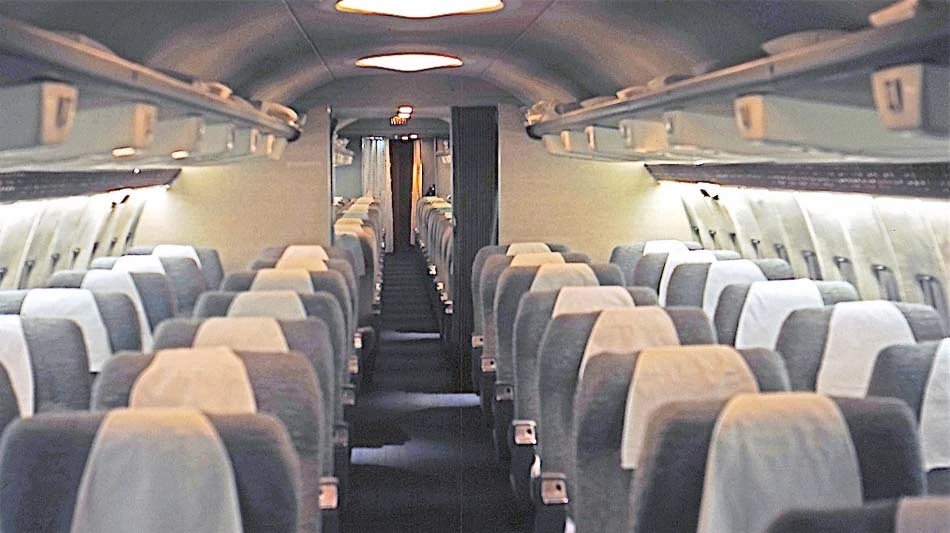
Inside the Boeing 707 cabin. Seatbelts kept passengers secured during the dive, while the hijackers were thrown off balance.
The violent pitch sent Argüello and Khaled tumbling to the floor. Khaled was knocked unconscious, and her grenades failed to detonate. The instant the aircraft leveled out, Kol charged out of the cockpit and shot Argüello. According to some accounts, a passenger had already stunned the gunman by striking him over the head with a bottle. Passengers then restrained Khaled using their neckties. While details regarding the exact sequence of events vary across accounts, the outcome was undeniable: the hijacking had failed. 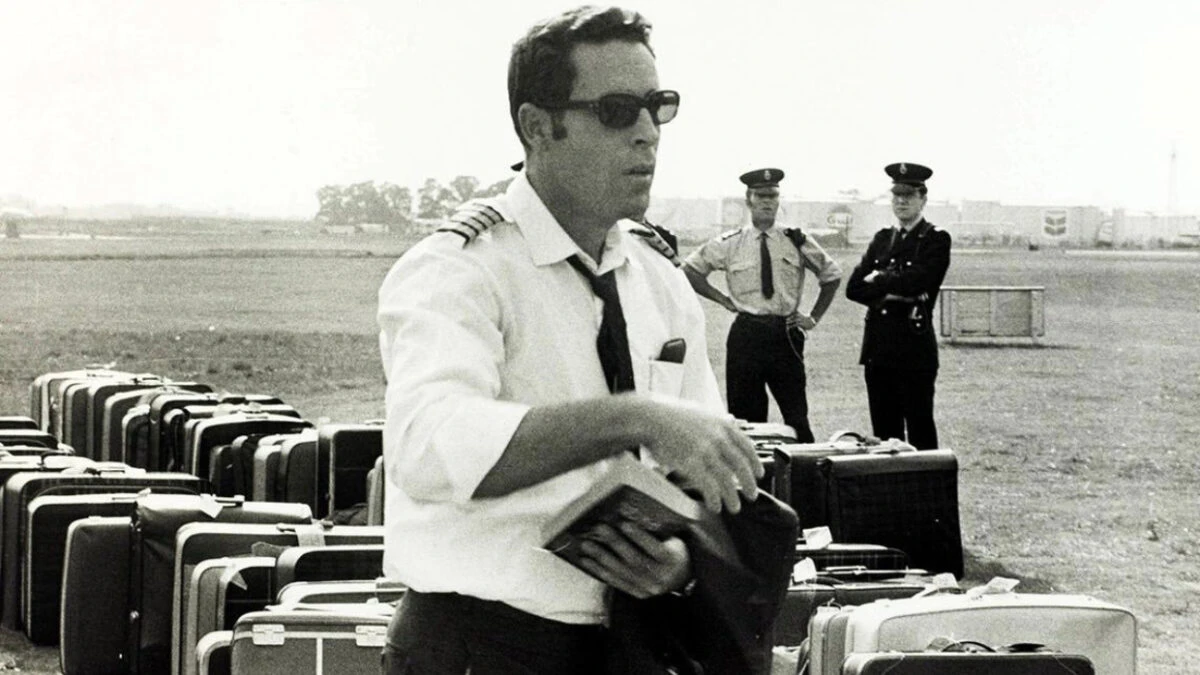
Uri Bar-Lev in 1970. The captain was 39 years old at the time.
Bar-Lev felt no fear in the heat of the moment, later remarking that the human brain cannot register fear and focus on critical tasks simultaneously. Meanwhile, Vider was bleeding heavily, and every passing minute put his life in greater jeopardy.
The Vanishing Sky Marshals
Headquarters in Tel Aviv ordered the flight to return to Israel, but Bar-Lev disregarded the directive. Vider lay deathly pale, despite showing little external bleeding. The captain realized immediately that the flight attendant was suffering from severe internal hemorrhaging. The only medical professional on board was a dentist, who insisted the injured man could survive the flight back to Israel. Bar-Lev refused to risk it: Tel Aviv was over four hours away, while London was a mere 20-minute flight. Vider whispered, "Uri, what's going to happen to me?" The captain calmly replied, "Relax. I'm taking you to a hospital in London." 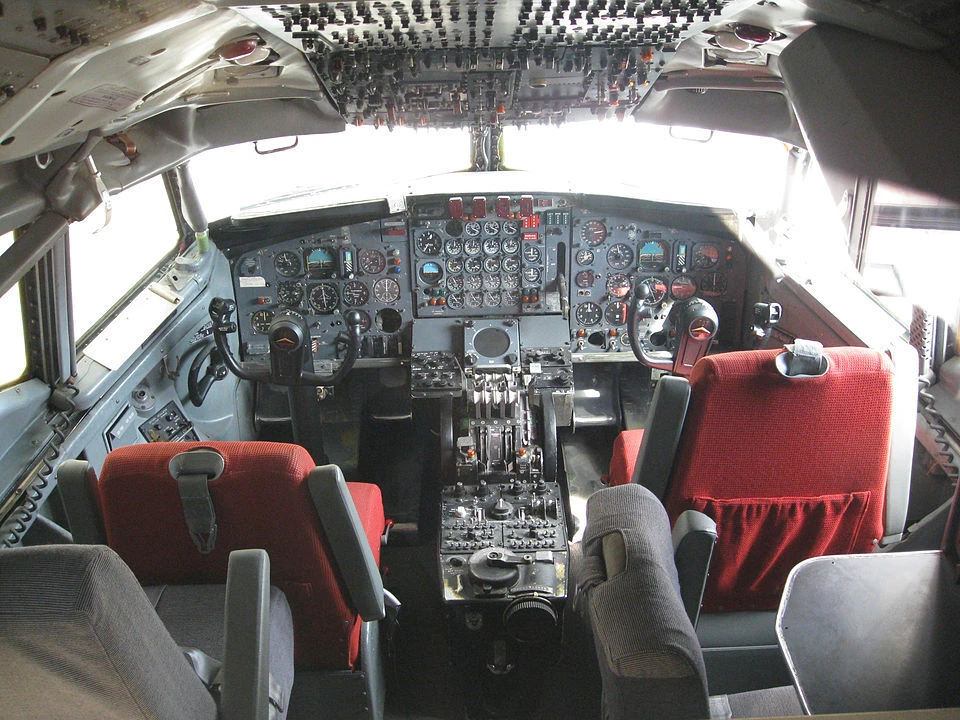
A Boeing 707 cockpit. It was from a flight deck like this that the captain chose to land in London, defying orders from Israel.
Landing in London posed severe legal risks for the sky marshals. They had opened fire aboard an aircraft in foreign jurisdiction, and British authorities could easily charge them with murder. A concerning precedent already existed: in February 1969, Swiss authorities in Zurich had arrested and prosecuted Israeli agent Mordechai Rahamim for shooting a terrorist, though he was ultimately acquitted.
On approach to Heathrow, Bar-Lev overheard radio communications from another El Al airliner preparing for departure to Tel Aviv. Switching to a secure frequency, he hurriedly explained the situation in Hebrew to the other pilot and asked him to delay takeoff. Bar-Lev outlined a bold plan: he would taxi right up to the other plane, open the belly hatch between the landing gear, and have his colleague do the same. As emergency vehicles and police rushed toward the newly landed Boeing, nobody noticed the sky marshals slipping out of one aircraft and into the lower hatch of the other. Minutes later, the second airliner took off for Israel. 
Bar-Lev's airliner at Heathrow. Amid the chaos surrounding the aircraft, the sky marshals had already slipped onto another outgoing flight.
British security officers and emergency responders boarded the plane, and Vider was rushed to the hospital. Doctors later admitted that had he arrived just five minutes later, he would not have survived. Argüello died en route to the medical facility. Police formally arrested Khaled, while Bar-Lev and his crew were taken in for questioning. All the while, British authorities searched frantically for the armed sky marshals, utterly baffled as to how they had vanished.
A Hero Facing Termination
In Israel, Bar-Lev was greeted as a national hero, receiving a congratulatory telegram from Prime Minister Golda Meir on behalf of the government. However, the very next morning, El Al CEO Mordechai Ben-Ari called him with shocking news: Shin Bet was demanding the pilot's termination for breaching protocol. 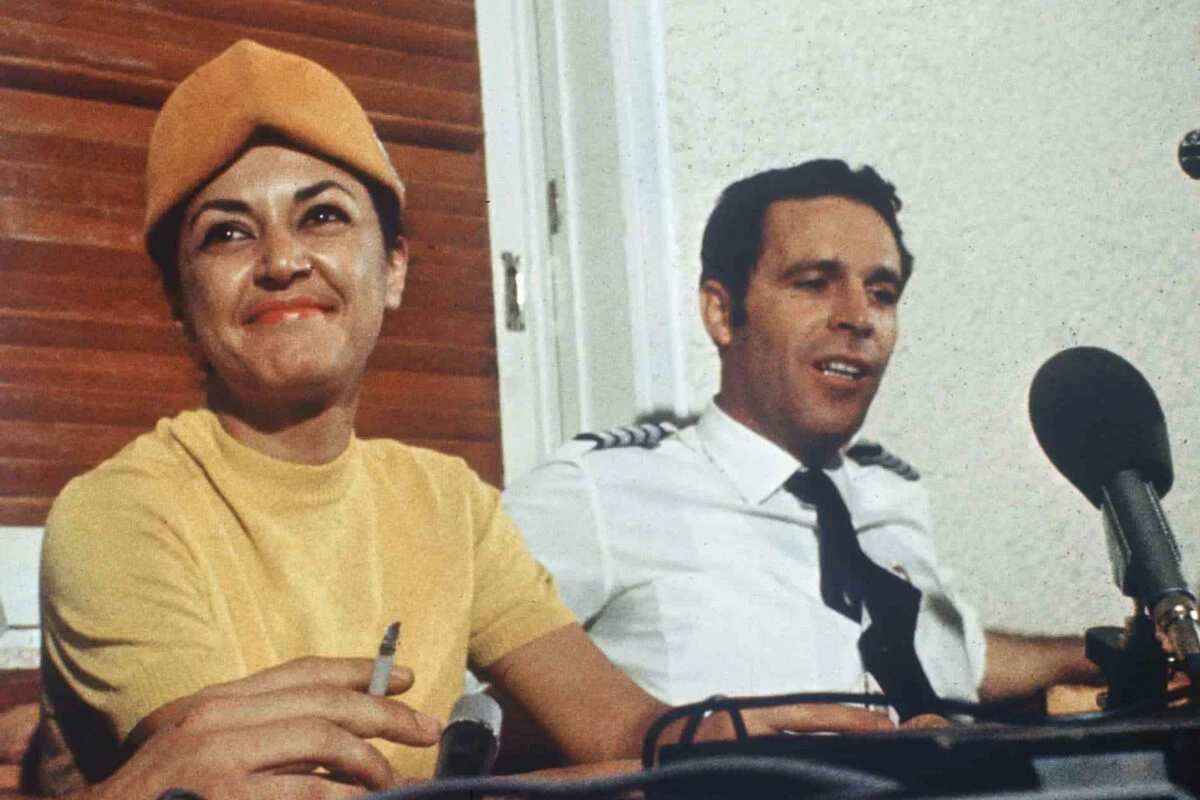
Uri Bar-Lev and flight attendant Janet Darmidjan at a press conference following their return to Israel.
Bar-Lev was asked to resign, with a promise that he could reapply and retake his exams after two years. The captain adamantly refused. Some accounts suggest that roughly 40% of the airline's pilots were also calling for his resignation. In response, Bar-Lev placed a direct call to Golda Meir—at a time when reaching the prime minister by phone was still possible. His message was clear: if an official hearing was not held within a week to hear his side of the story, he would go public to the press.
Within two days, the government convened a special commission comprising cabinet ministers Moshe Dayan, Yigal Allon, and Yosef Burg, along with Shin Bet director Yosef Harmelin. The commission fully exonerated the pilot. Advised to take a two-week vacation, Bar-Lev flew to Las Vegas. Upon checking out of his hotel, he discovered that his entire bill had been settled by Meyer Lansky and his associates. Lansky, born in Grodno, was widely known as one of the chief financiers of the American Mob. 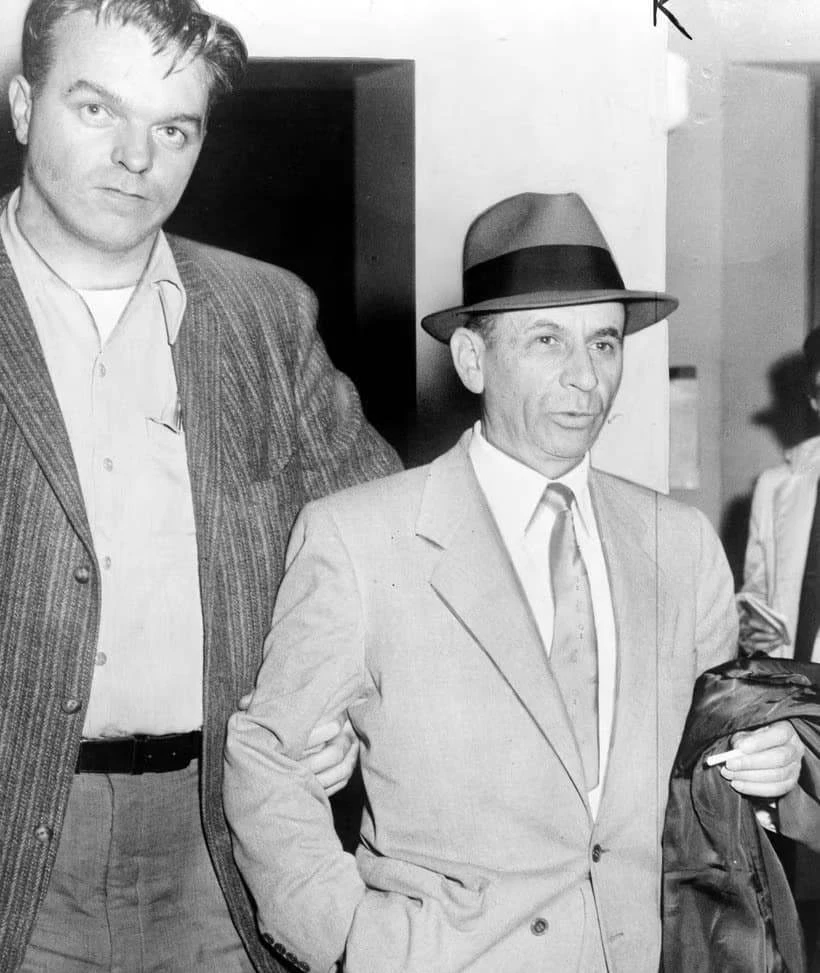
Meyer Lansky. In 1970, he fled to Israel to escape federal tax evasion charges in the United States.
Two years later, it was Bar-Lev who piloted the flight taking Lansky back to the United States. After Israel denied the mobster citizenship, authorities deported him in November 1972. Federal agents arrested Lansky immediately upon his arrival in Miami.
Nevertheless, the controversy took a toll on the pilot's career. According to Bar-Lev, his corporate advancement within the airline ground to a halt following the incident.
Leila Khaled: From Heathrow to San Francisco
Khaled was handed over to British authorities, but less than a month later she was released in exchange for roughly 310 hostages held by PFLP militants in Jordan. To compel London to release Khaled, militants had hijacked a British BOAC airliner on September 9. On September 12, the hijacked planes were blown up on the tarmac at Dawson's Field, a remote airfield in the Jordanian desert. 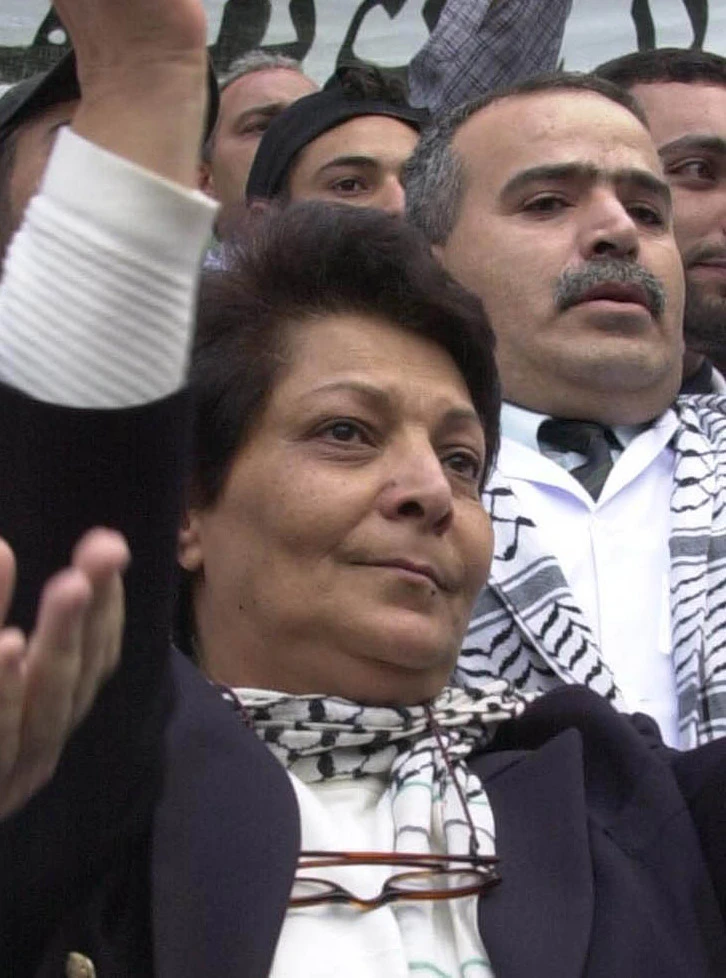
Leila Khaled in her later years. By 2020, she was serving on the Palestinian National Council.
Bar-Lev crossed paths with Khaled again only indirectly. In September 2020, San Francisco State University invited Khaled to participate in a virtual panel scheduled for September 23. The 89-year-old Bar-Lev campaigned forcefully against the event. Zoom canceled the webinar, Facebook removed event pages, and YouTube terminated the live stream roughly 22 minutes into the broadcast. That evening, Bar-Lev addressed a memorial vigil for victims of terrorism organized by Hillel, a Jewish student organization, via a pre-recorded message.
Bar-Lev revealed that in 2014, he and his former crew members were quietly flown to Washington, D.C., to testify before the U.S. Department of Justice. He argued that Khaled should be barred from entering the United States, pointing out that an American citizen—Argüello—had died as a result of her hijacking operation. The Department of Justice did not respond to inquiries from *The Forward* newspaper regarding the matter.
The Legacy
Bar-Lev was born in 1931. Raised in Avihayil, a moshav near Netanya, he and his wife Yona raised five children. He authored a memoir titled *We Will Not Be Hijacked*, published in English by Braughler Books with translation by Anastasia Torres-Gil. 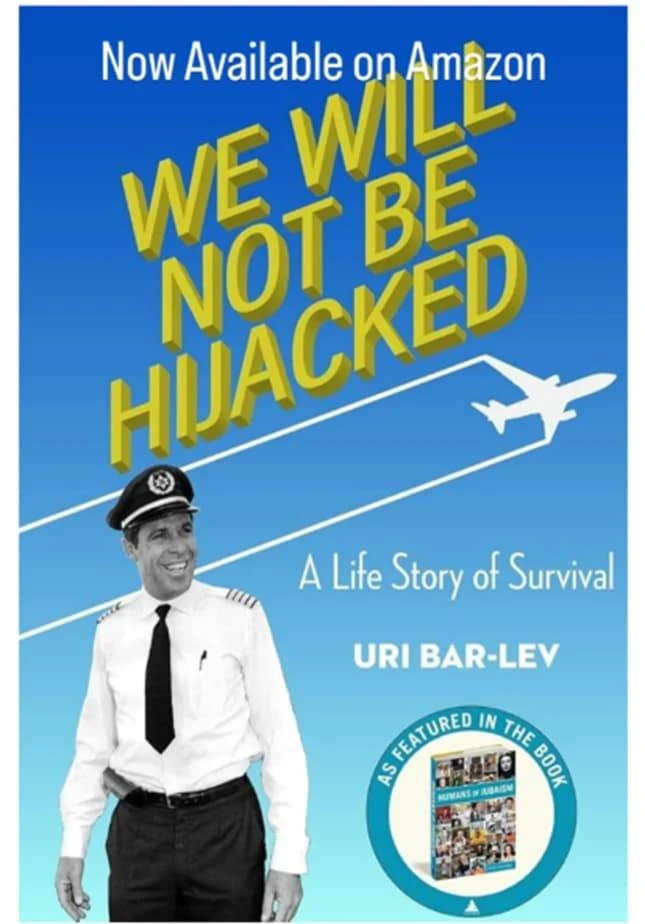
Uri Bar-Lev's book *We Will Not Be Hijacked*: the memoir of the pilot who foiled the hijackers.
According to Bar-Lev, three months after the incident, Minister of Transportation Shimon Peres pushed through changes to Israeli aviation law. Aircraft captains were granted full authority to make split-second operational decisions during a hijacking, along with a guarantee of government legal protection for crew members resisting terror attacks. Following the September 11 attacks in 2001, 42 international airline security experts traveled to Israel specifically to hear Bar-Lev recount his experience. 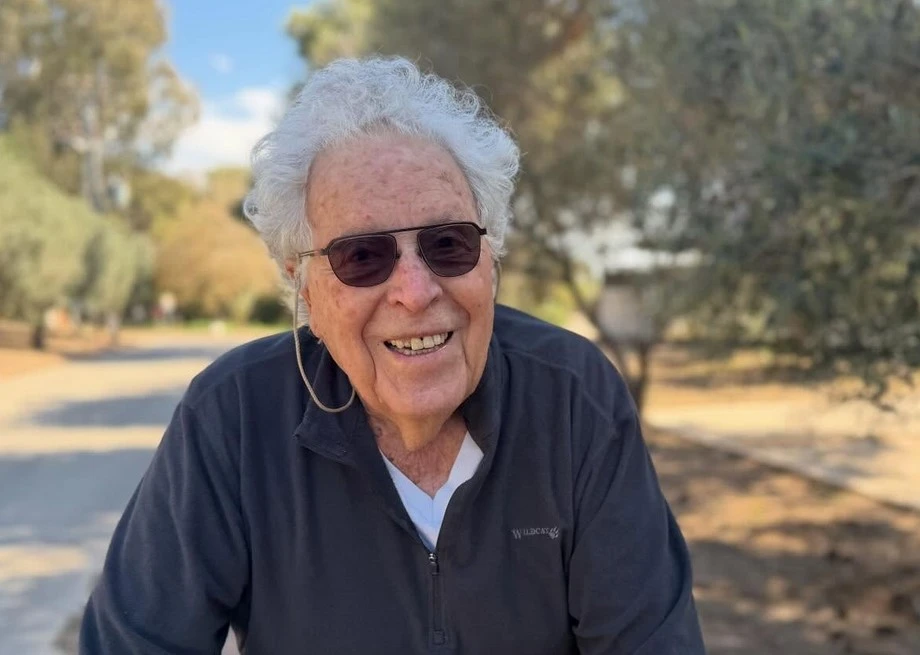
Uri Bar-Lev. He grew up in Moshav Avihayil near Netanya, where his family settled in the 1930s.
A few minutes of steep dive reshaped the destiny of everyone aboard Flight 219. Uri Bar-Lev broke protocol, and years later, official rules were rewritten to affirm a pilot's right to resist hijackers.
Do you believe breaking the rules is justified when saving human lives? Let us know your thoughts in the comments!