26 Clever Food Storage Hacks to Keep Produce Fresh (27 photos)
Love to cook and buy groceries in bulk, but tired of seeing your fresh fruits and vegetables spoil before you can use them? There is a solution! Check out these simple food storage hacks that will make your groceries last much longer. It really is as easy as pie. 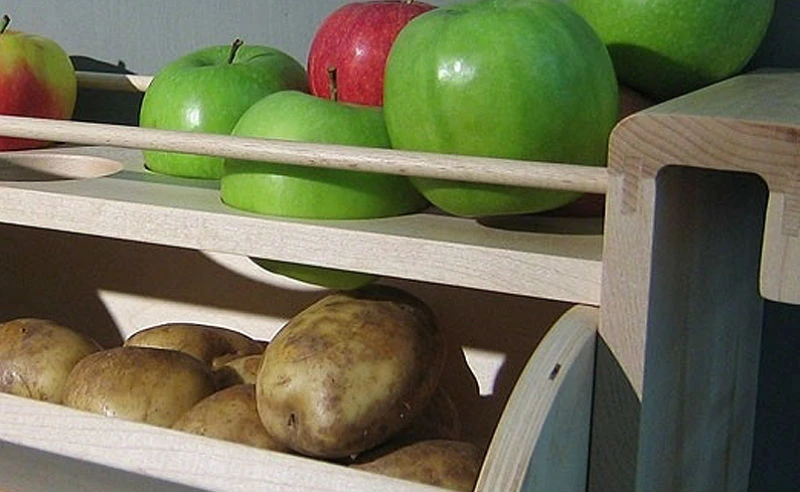
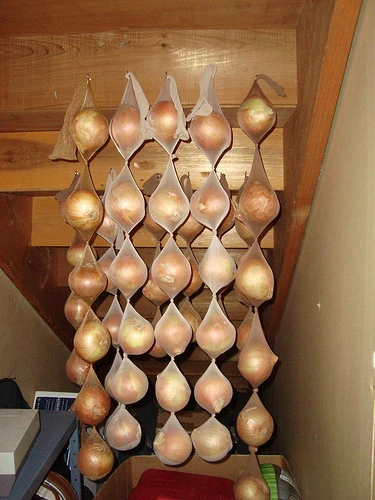
Storing onions in pantyhose can keep them fresh and spoil-free for up to 8 months. 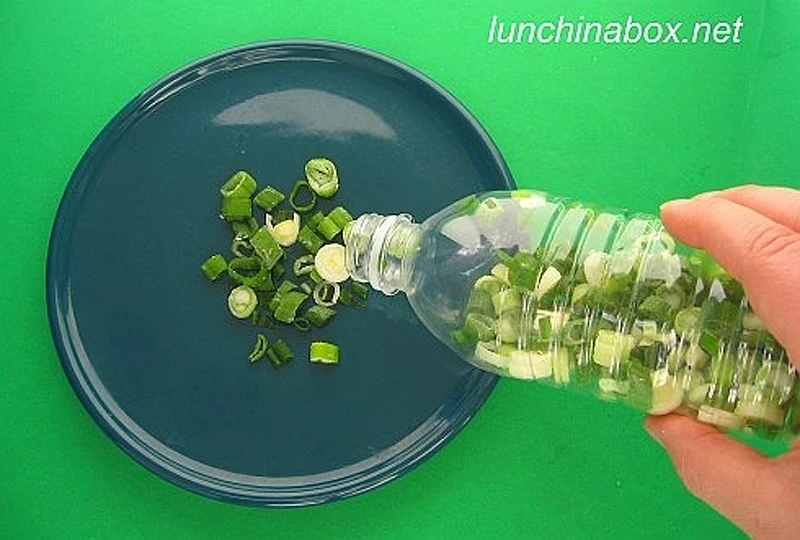
Store chopped green onions in plastic bottles in the freezer. Just make sure the onions are completely dry before pouring them into the bottle. 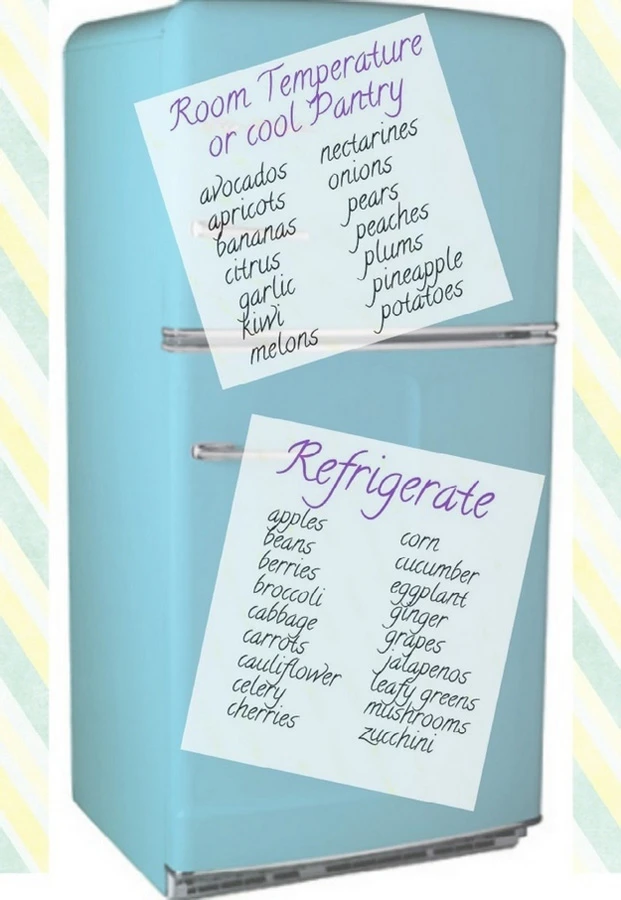
Keep this simple guide in mind for what to store at room temperature versus in the fridge. At room temperature: avocados, apricots, bananas, citrus fruits, garlic, kiwi, melons, nectarines, onions, pears, peaches, plums, pineapples, and potatoes. In the refrigerator: apples, beans, berries, broccoli, cabbage, carrots, cauliflower, celery, cherries, corn, cucumbers, zucchini, ginger, grapes, jalapeños, leafy greens, mushrooms, and squash. 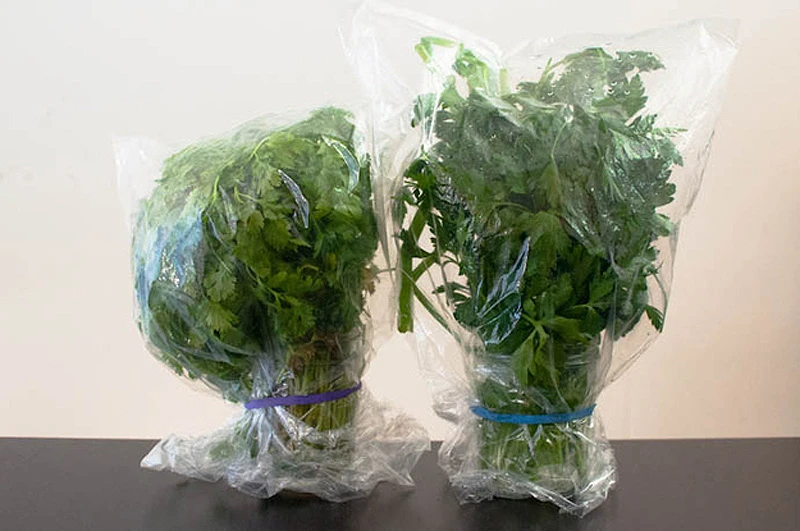
Store fresh herbs like a bouquet of flowers: place the stems in water, cover with a plastic bag, secure with a rubber band, and put them in the fridge. This keeps herbs like parsley, basil, cilantro, and green onions fresh for much longer. 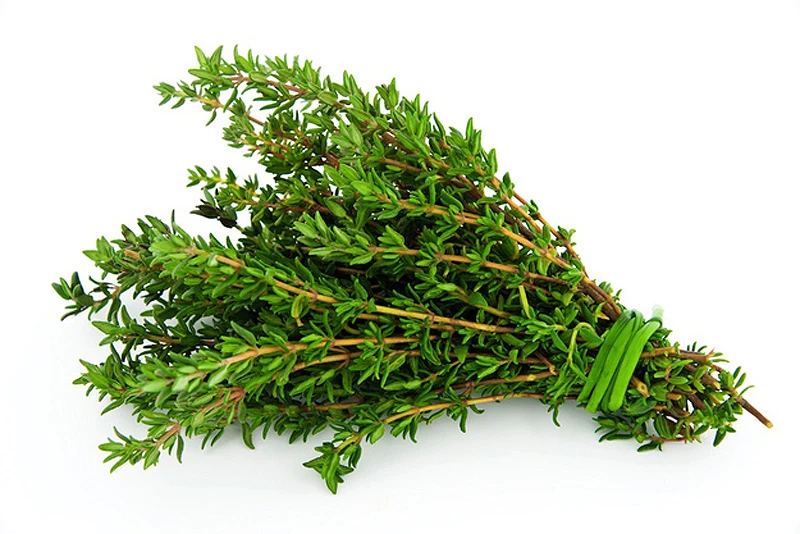
Keep oily, woody herbs separate from tender greens. Herbs like thyme should be tied tightly in a bundle and hung up to air-dry. 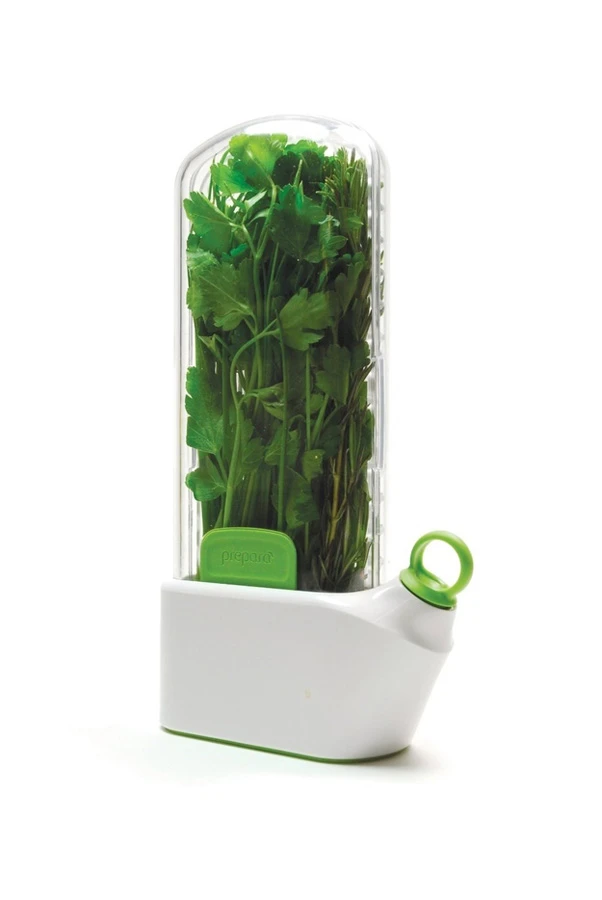
If you use fresh herbs frequently, consider investing in an Herb Savor pod—it can extend the freshness of certain herbs for up to three weeks. 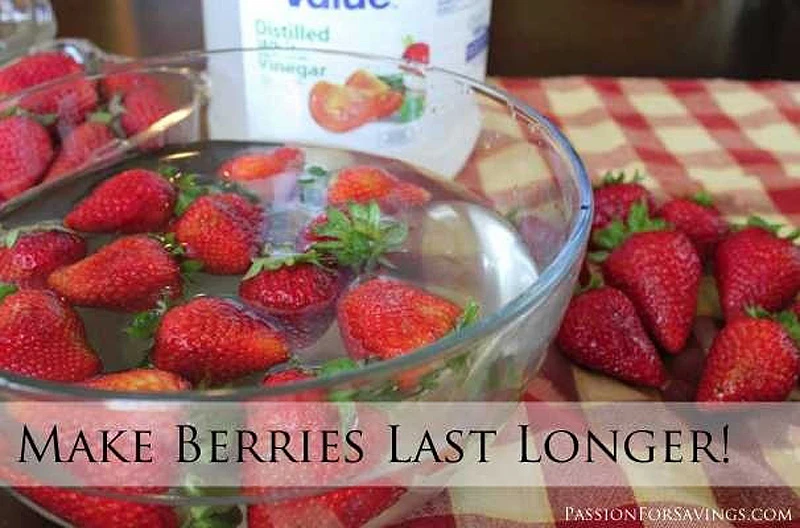
Mix a solution of 1 part vinegar to 10 parts water. Soak your berries in it, then rinse, dry thoroughly, and put them in the fridge. The mixture is diluted enough that you won't taste any vinegar. Raspberries will last a week or more, while strawberries can stay fresh for up to two full weeks. 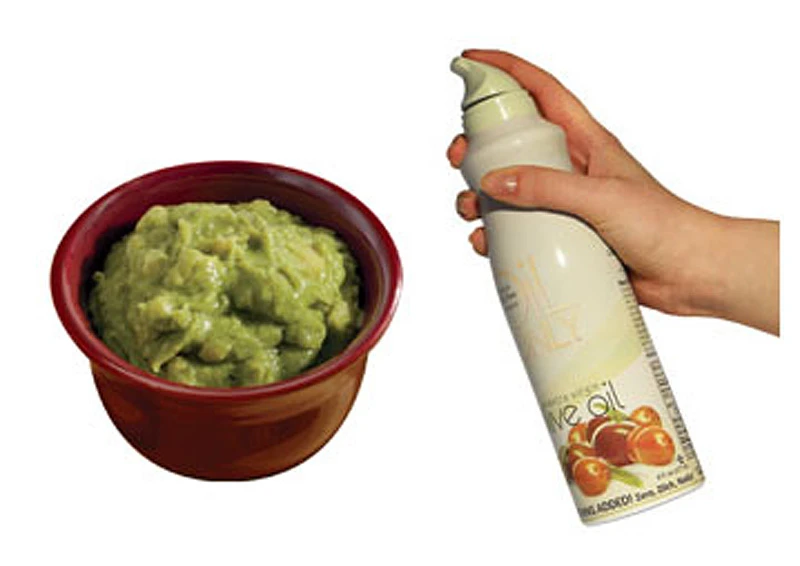
Lightly spray leftover guacamole with cooking spray (or cover with a thin layer of oil) before putting it in the fridge. The same trick works great for tomato paste. 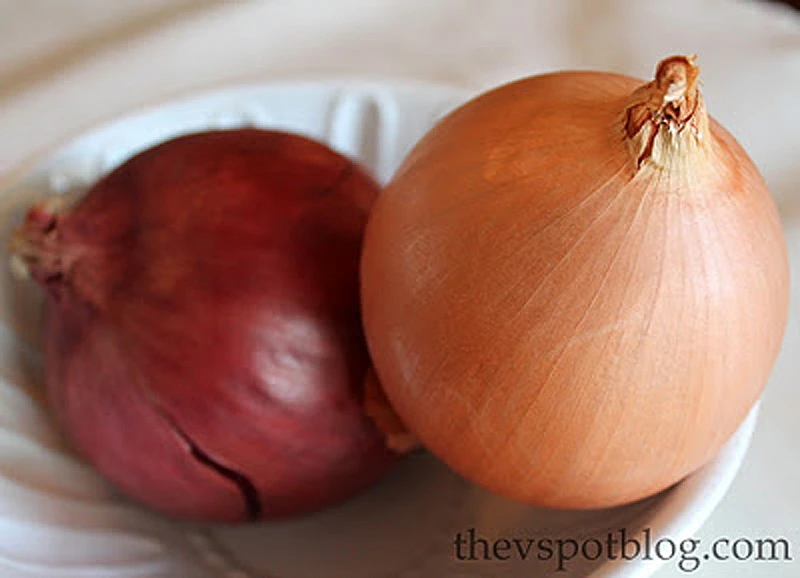
Never store onions with potatoes—it makes the onions spoil much faster. Kept separately in a cool, dry spot with good airflow, onions will last 2 to 3 months. 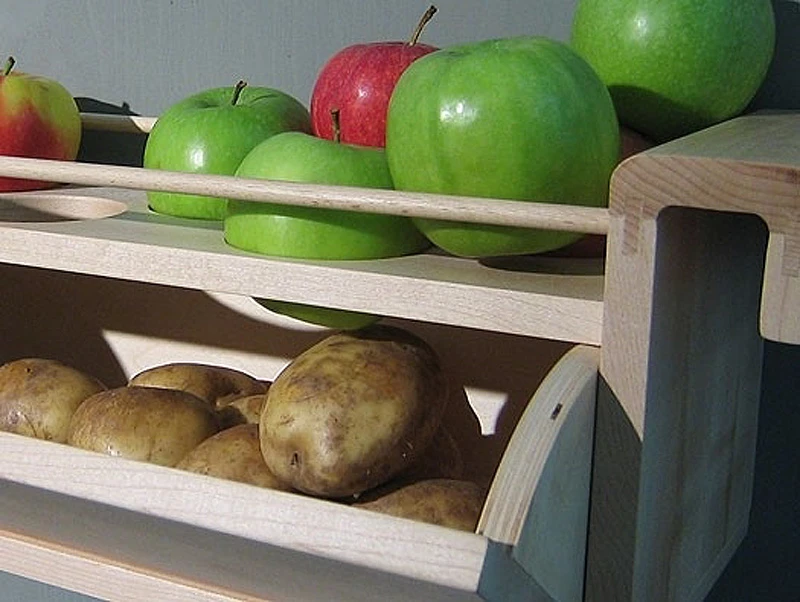
To keep potatoes from sprouting, store them alongside apples. 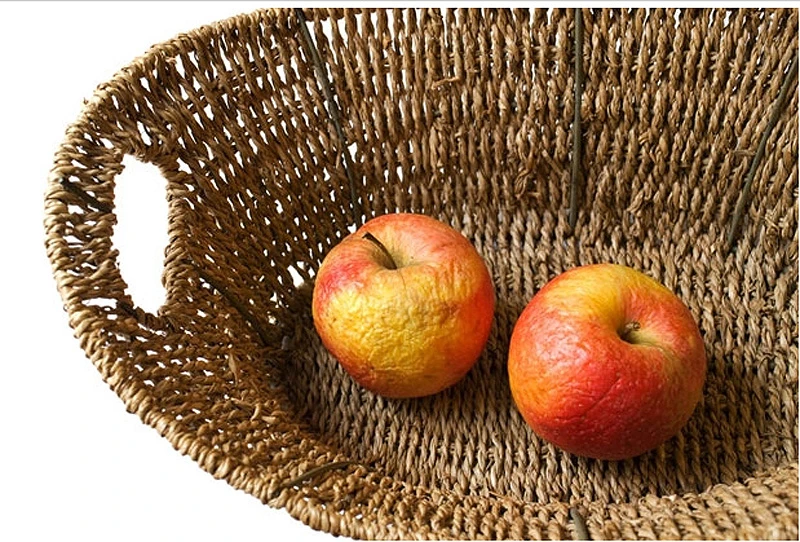
One bad apple really can spoil the bunch. 
To prevent cut cheese from drying out, spread a thin layer of butter over the exposed edge. 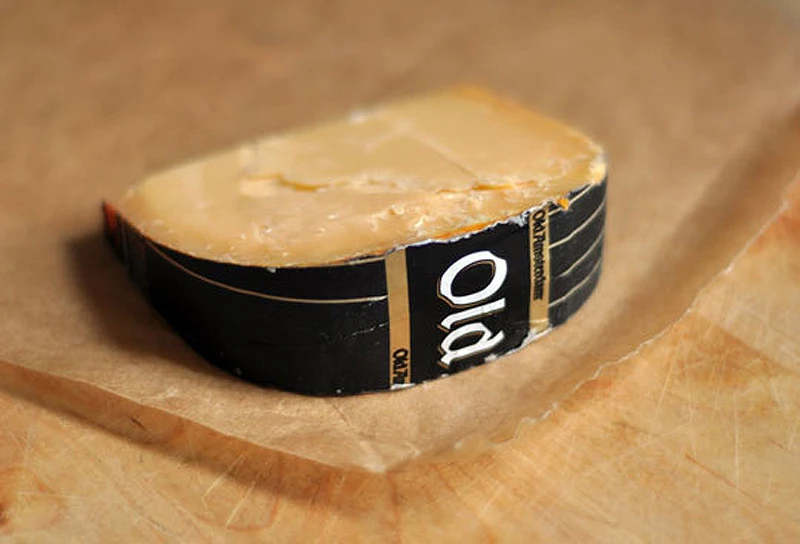
Another tip for cheese: wrap it in specialty cheese paper or wax paper (rather than plastic wrap), then place it inside a plastic bag. Store cheese in the warmest parts of your fridge, such as the cheese or crisper drawer. 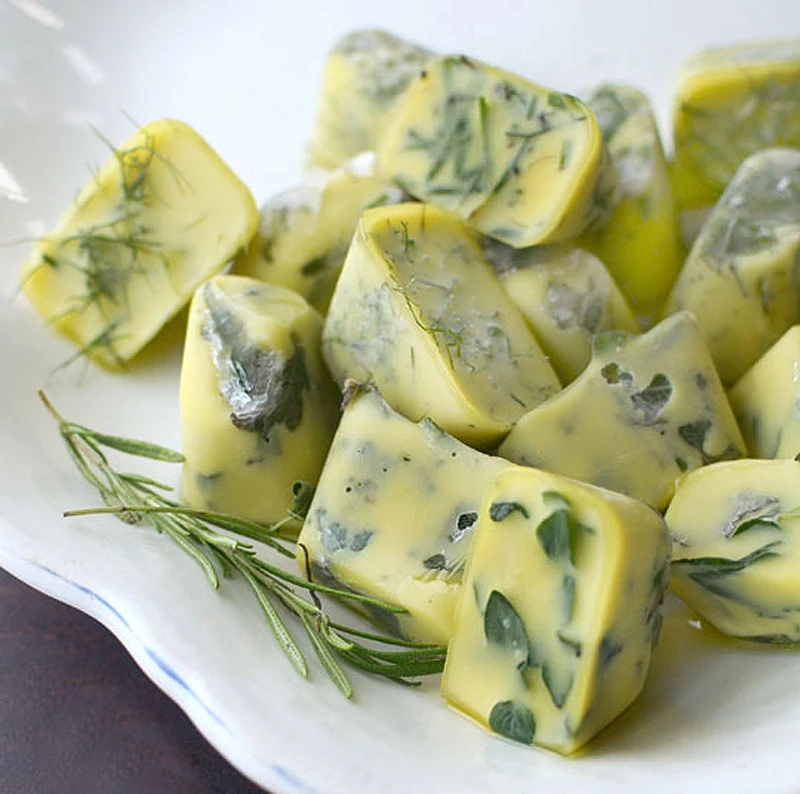
Freeze fresh herbs in olive oil using ice cube trays. The oil absorbs their fragrant flavor, leaving you with savory flavor blocks ready for cooking—just toss a cube into your pan as a starter. This technique works wonders with rosemary, thyme, and oregano. Tender herbs like dill, basil, and mint, however, should always be used fresh. 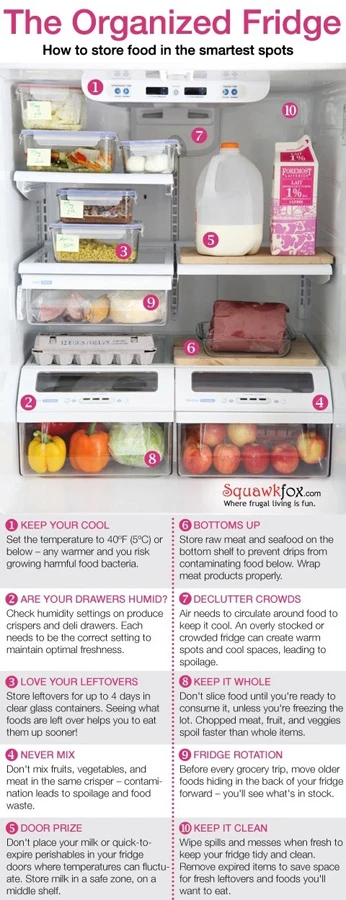
Follow these smart fridge storage rules:
Keep your fridge temperature at 40°F (5°C) or lower. Anything higher allows harmful bacteria to thrive.
Check and adjust humidity settings on your crisper drawers.
Store all leftovers in glass containers and eat within 4 days.
Never mix fruits, vegetables, and meat in the same drawer.
Avoid storing milk and highly perishable items in the fridge door!
Keep meat and seafood on the bottom shelf, properly wrapped to prevent juices from dripping onto other food.
Ensure air can circulate freely throughout the fridge—don't overpack it.
Don't chop fruits, vegetables, or meat until you're ready to cook. Whole items last much longer.
Rotate older groceries to the front so you remember to use them first.
Clean your fridge regularly and throw away spoiled food right away. 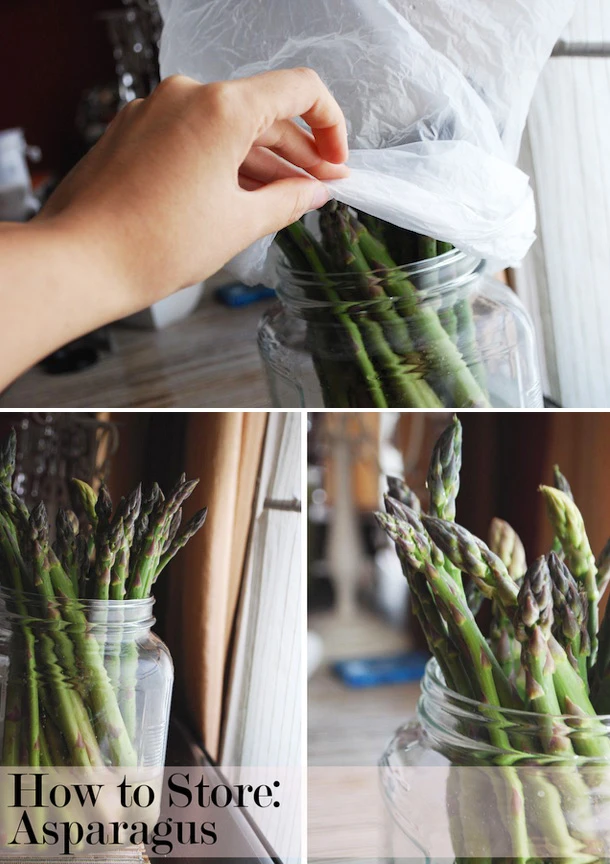
Treat asparagus like fresh flowers—well, almost. Trim the stems, stand them in water, wrap loosely with a plastic bag, and pop them in the fridge. This same trick works for cilantro and parsley. 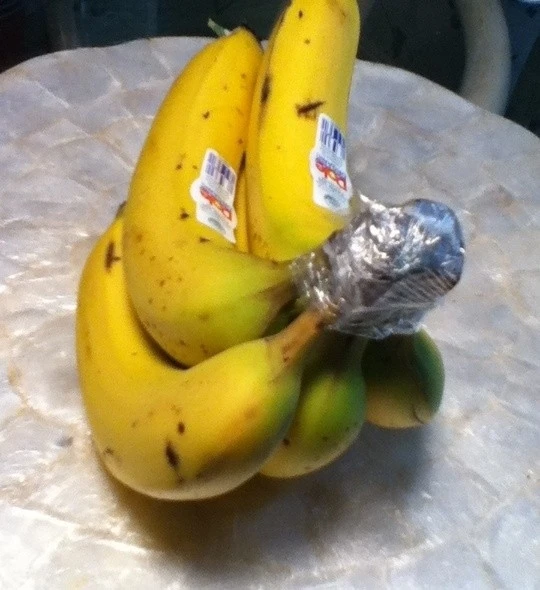
Wrap the crown of a banana bunch in plastic wrap to keep them fresh 3 to 5 days longer. Bananas also emit high levels of ethylene gas, so keep them away from other produce. 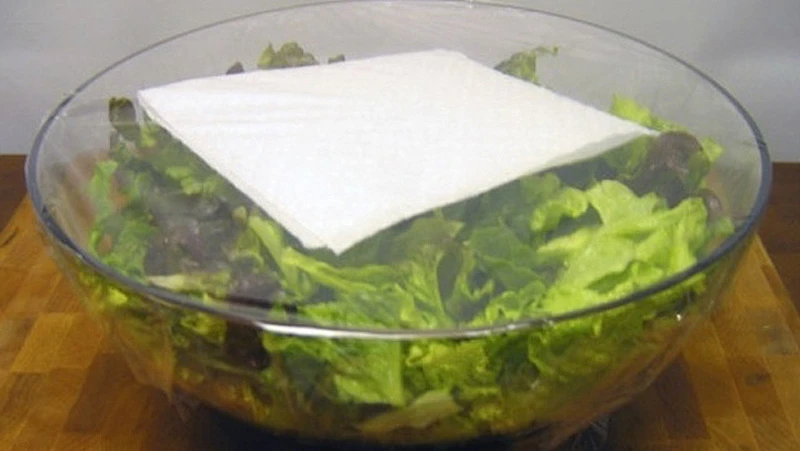
This paper towel hack keeps lettuce crisp and fresh all week long by absorbing excess moisture. 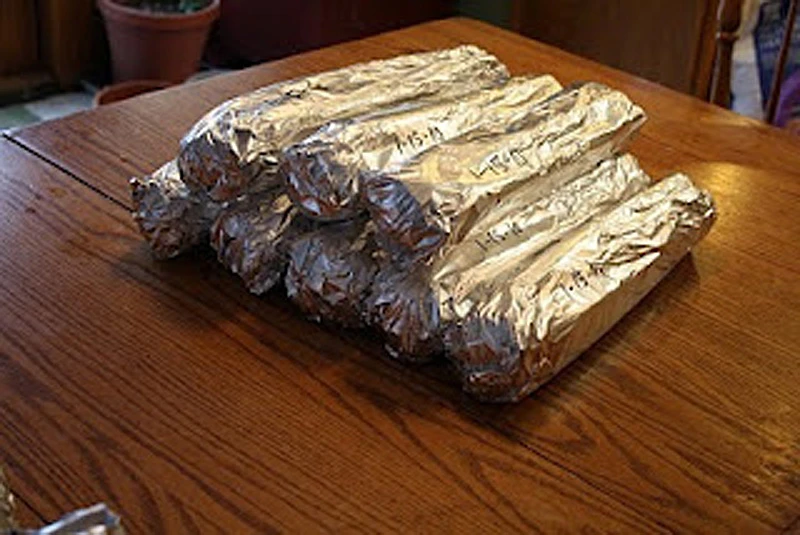
Wrap celery, broccoli, and lettuce tightly in aluminum foil before storing them in the fridge. 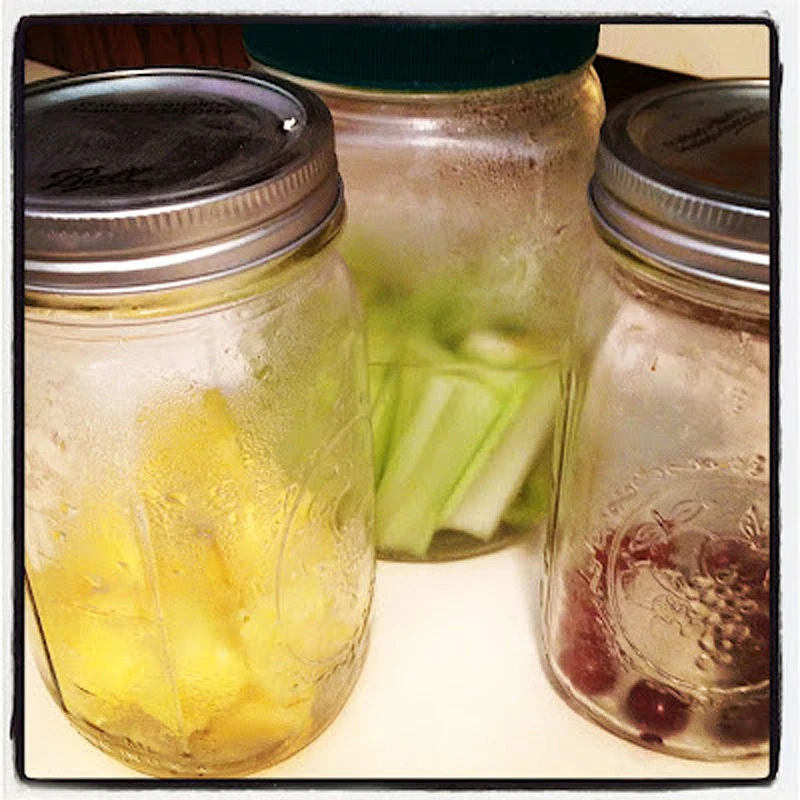
Glass jars are indispensable for food storage. They are far better and safer than plastic containers. 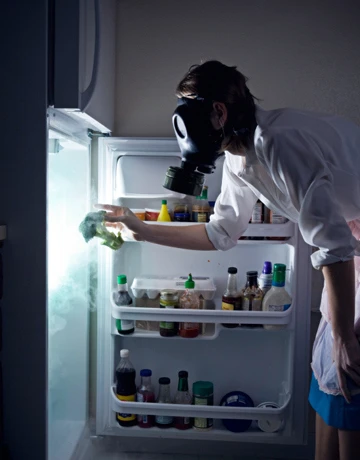
Once something goes bad in the fridge, lingering odors and mold spores can stick around for a long time. Inspect your fridge regularly and wipe it down whenever needed. 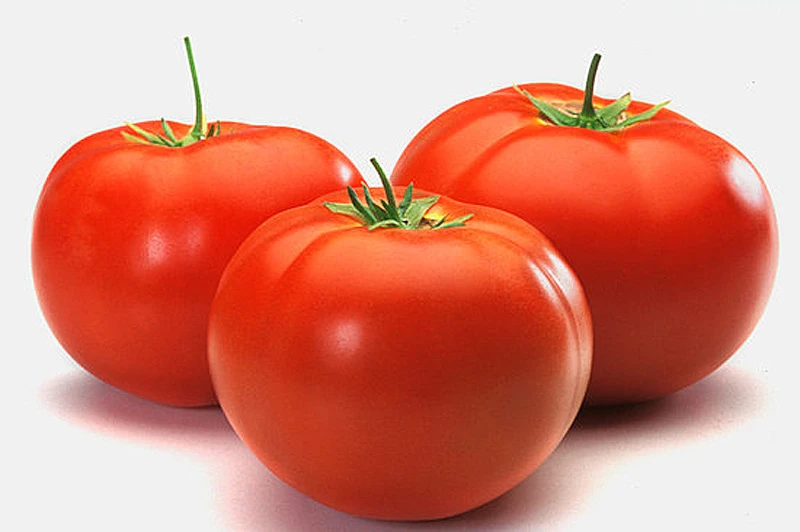
Tomatoes: Never store them in plastic bags—trapped ethylene gas speeds up rotting. Store unripe tomatoes stem-side down in a paper bag or spaced out on a shelf until ripe. Keep ripe tomatoes at room temperature away from direct sunlight, stem-side up. Overripe tomatoes should go in the fridge, but let them return to room temperature before eating. 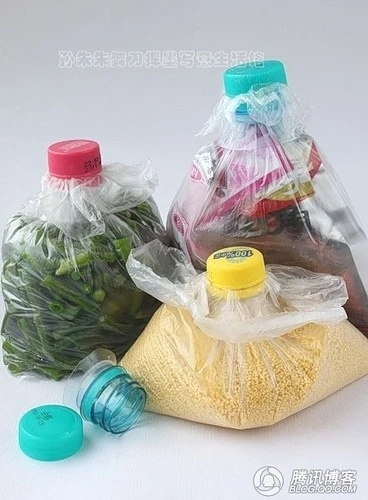
Reuse plastic bottle caps to seal plastic food bags. Just make sure the food inside the bag is dry before capping it off. 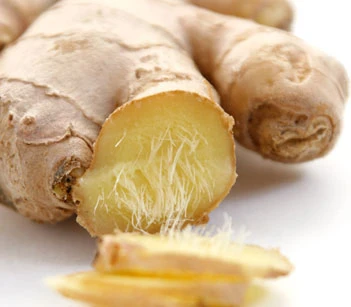
Ginger stays fresh much longer when kept in the freezer. 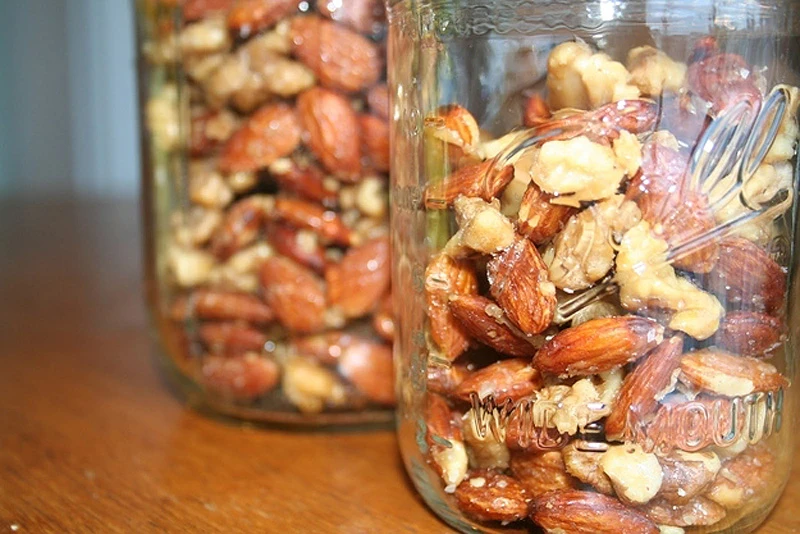
Toast nuts soon after buying them. Roasted nuts retain their flavor and aroma much longer. Store them in the freezer. 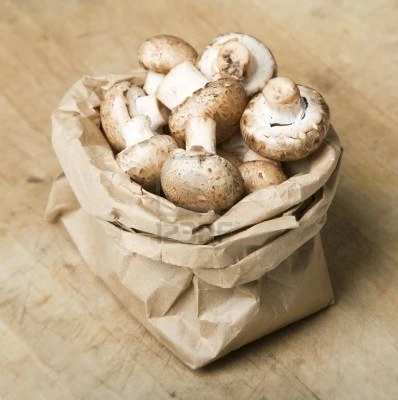
Store mushrooms in a paper bag rather than a plastic one.