10 facts that will make you reconsider your ideas about the world (11 photos)
Have you ever wondered what a tiny silkworm, one of the richest people in history, and an eleven-year-old girl who named a planet have in common? 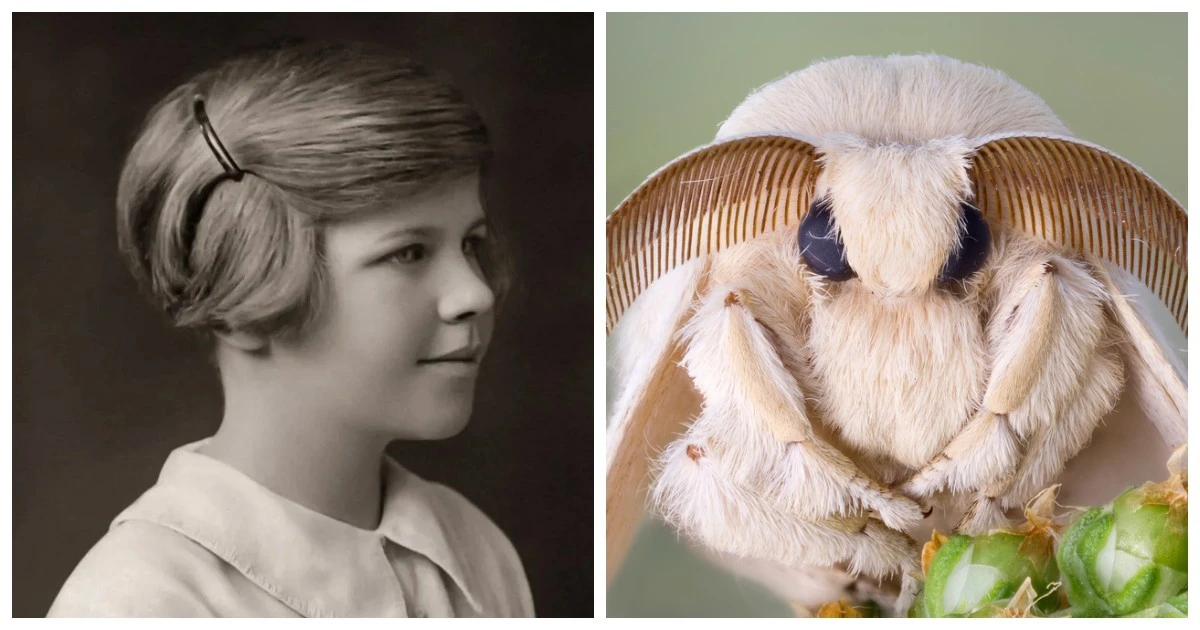
They are all characters in stories that seem like fiction, but are actually the pure truth. Today, we've prepared ten amazing facts for you that will make you look at seemingly familiar things in a new way. From biological anomalies to demographic paradoxes, prepare to be amazed!
1. The Super Effect of Evolution 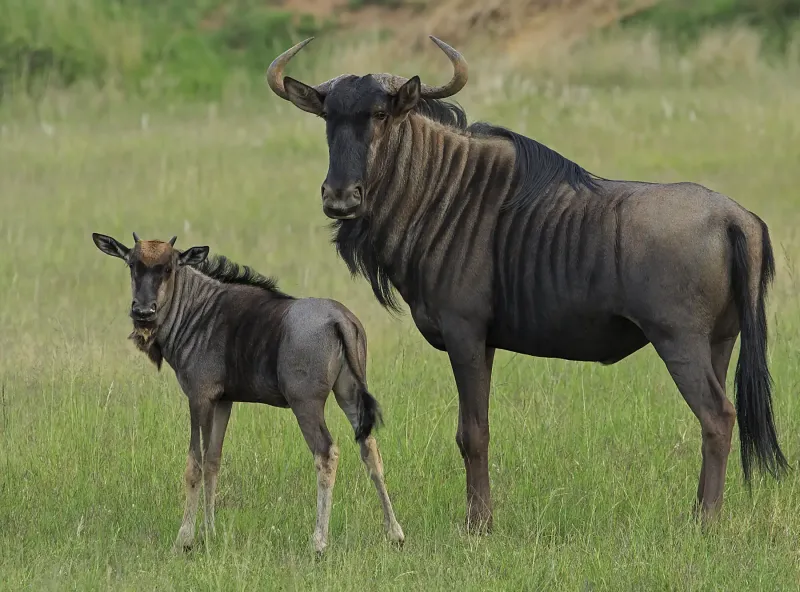
Newborn blue wildebeest calves can stand on average six minutes after birth, walk within thirty minutes, and are already capable of outrunning a hyena by the age of one day.
2. Demographic Imbalance 
In China, there are 20 million more men than women in the 20-40 age group.
3. The Story of a Book That Changed Cinema 
Near the end of filming Tenet, Robert Pattinson gave Christopher Nolan a book of Oppenheimer's speeches. According to Nolan, the speeches showed Oppenheimer "struggling with the consequences of what happened and what he did." This led to Nolan's decision to make Oppenheimer (2023).
4. The Secret of an Ancient Amulet 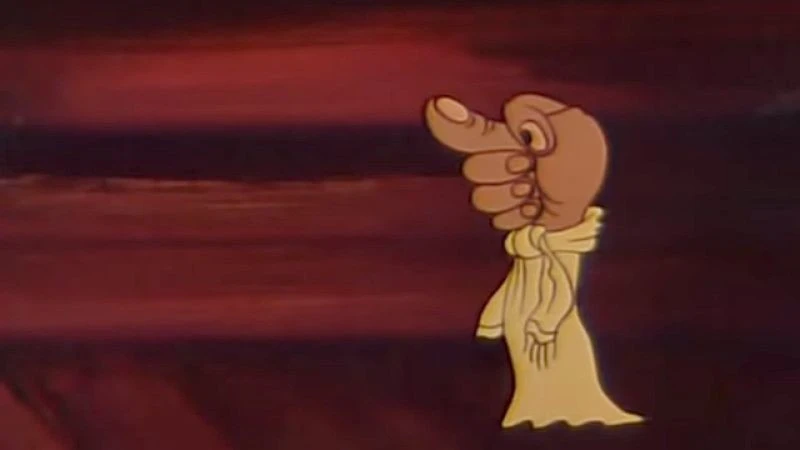
According to popular belief, evil spirits fear gestures symbolizing life and fertility. The fig (fig sign) is one such gesture. It depicts coitus and serves as a powerful amulet, as devils, being incorporeal and asexual, cannot tolerate life-giving sexual energy. By making the fig sign, a person asserted their belonging to the world of the living and warded off the emptiness of the other world.
5. The Myth of the Camel's Hump 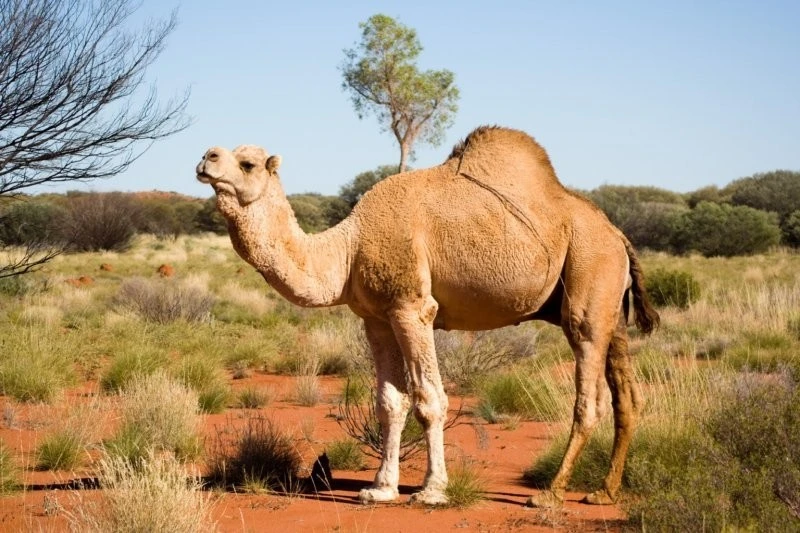
Camel humps don't store water, they store fat. The real water storage is their circulatory system, made possible by oval red blood cells that can expand rather than burst when a camel drinks up to 180 liters at a time.
6. The Sangria Paradox 
In Spain, sangria is considered a drink primarily for foreign tourists, despite its Spanish origins and EU laws stating that only Spain and Portugal can label the drink with this name.
7. Pluto's Namer Survived Its Demotion After 76 Years 
Venice Burney was the girl who, in 1930, at the age of 11, first proposed the name Pluto for the newly discovered planet. She chose the name after the Roman god of the underworld, who could make himself invisible.
Venice's grandfather, Falconer Madan, passed the proposal on to Herbert Hall Turner, who telegraphed it to the Lowell Observatory in the United States. The name was officially approved on May 1, 1930. Venetia Burney lived to see its downgrading to a dwarf planet in 2006.
Venetia Burney died on April 30, 2009, at the age of 90. The International Astronomical Union adopted a new planetary designation and officially stripped Pluto of its status on August 24, 2006. Thus, she survived the event by nearly three years. In an interview a few months before the reclassification, she said, "At my age, I'm largely indifferent [to this debate]; although I suppose I would prefer it to remain a planet."
8. Crassus's Fortune 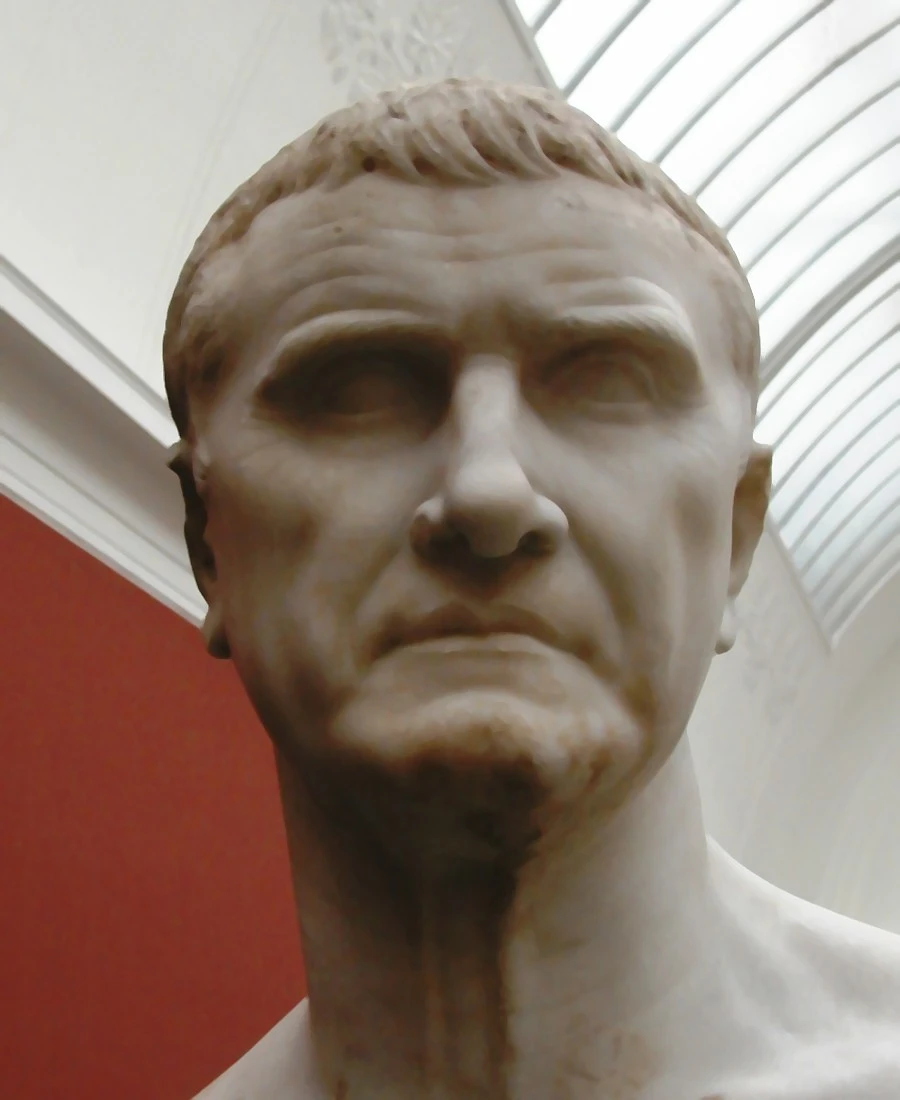
Marcus Licinius Crassus, the richest man in Roman history, possessed a fortune equal to the entire annual budget of the Roman Empire.
9. A Safe, Yet Difficult Position 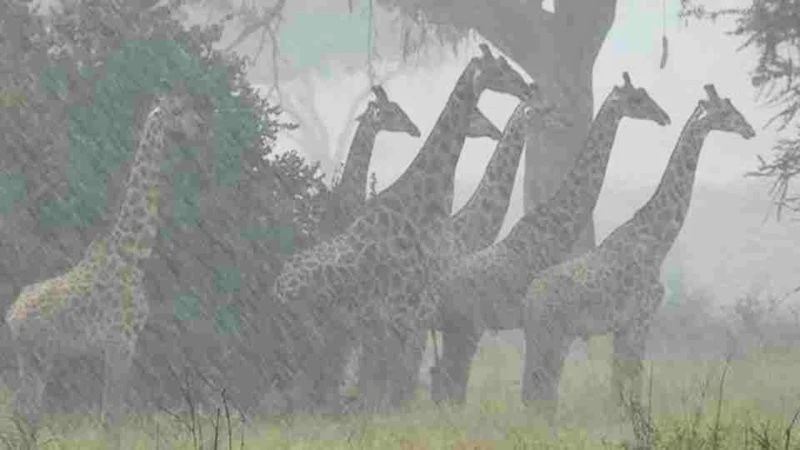
During heavy rains and thunderstorms, giraffes often stand in the open. Their height, taller than most trees, leaves them with nowhere to hide. However, standing in the rain is a conscious survival strategy, as it takes a giraffe several seconds to rise from the wet ground, and the sound of the rain can drown out an approaching predator.
The main danger for them during a thunderstorm is not rain, but lightning. Due to their height, giraffes become natural lightning rods. Furthermore, their widely spaced legs make them vulnerable to step voltage—current passing through the ground between their limbs. However, in zoos, giraffes typically hide in shelters during inclement weather.
10. A Silkworm Losing Its Autonomy 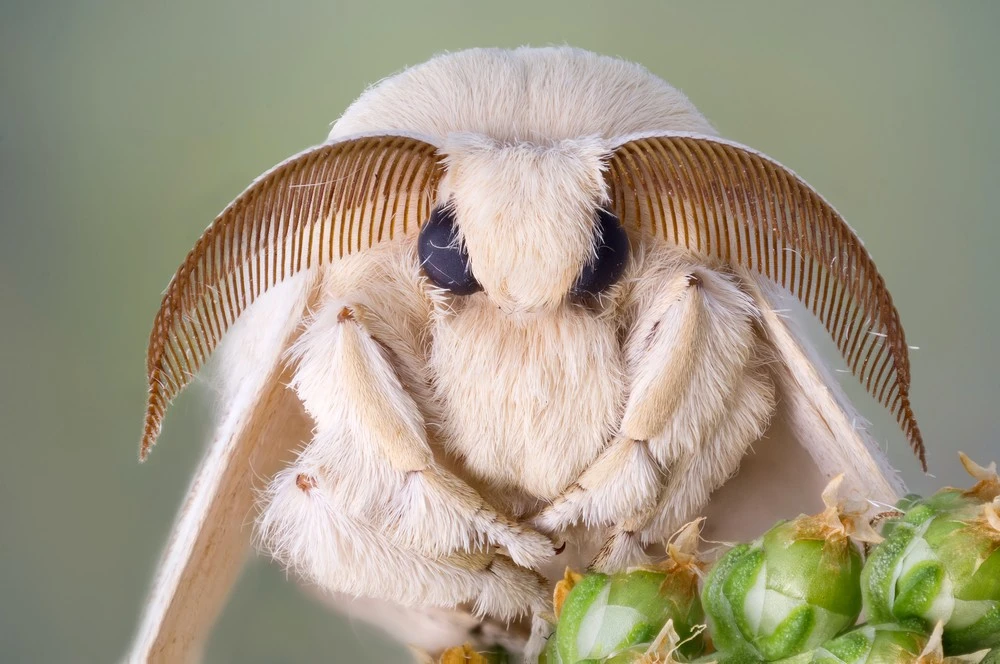
The domestic silkworm (Bombyx mori) is not found in the wild. After 5,000 years of selective breeding, it has lost its ability to fly, its camouflage coloration, and males require human assistance to find a mate. The insect's survival depends entirely on humans.