At 17, a Vogue cover, at 26, an unmarked grave: the tragedy of Gia Carangi (18 photos)
Gia Marie Carangi was born on January 29, 1960, and died on November 18, 1986, just shy of 27. During this time, she became history's first supermodel, changed the beauty standards of an entire era, and burned to ashes. The daughter of a Philadelphia diner owner became the face of Vogue, Armani, and Versace—and a person whose name her family kept hidden even after her death. This is a story of two Gias: the one who stared from the covers of magazines, and the one who stood behind the scenes. We tell everything—from her childhood in Philadelphia to her closed casket. 
Childhood in Philadelphia: Family and Early Pain
Gia Carangi grew up in Northeast Philadelphia, a working-class neighborhood far from glamorous. Her father, Joseph Carangi, was an Italian-American who ran a diner called Hoagie City. Her mother, Kathleen Carangi, was a housewife. Gia is the youngest of three children.
The family lived under constant tension. Her parents fought, and home had long ceased to be a safe place. Gia grew up a rebel, adoring David Bowie for his androgyny, daring, and ability to be himself against all odds. At school, she associated with those who shared her tastes: young fans of Bowie's aesthetic. 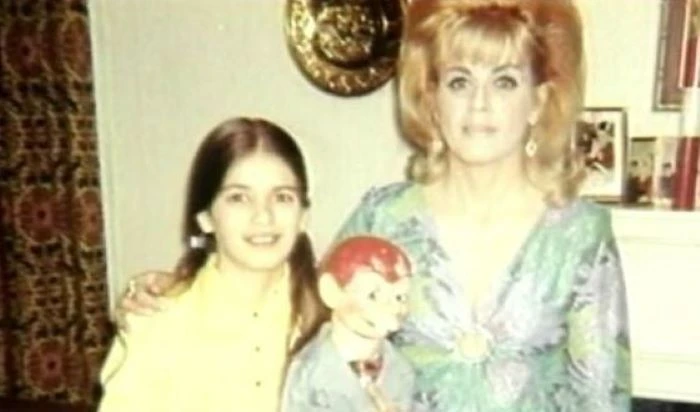
Gia with her mother, Kathleen. From the family archive
In 1971, when Gia was 11, Kathleen left the family. She simply packed her things and left, leaving the children with their father. For Gia, this wasn't her parents' divorce, but an act of betrayal. She never truly got over this trauma. Biographer Stephen Fried, in his book "Thing of Beauty: The Tragedy of Supermodel Gia" (1993), described how this childhood wound defined Gia's entire life: an endless search for love and, at the same time, a fear of intimacy. 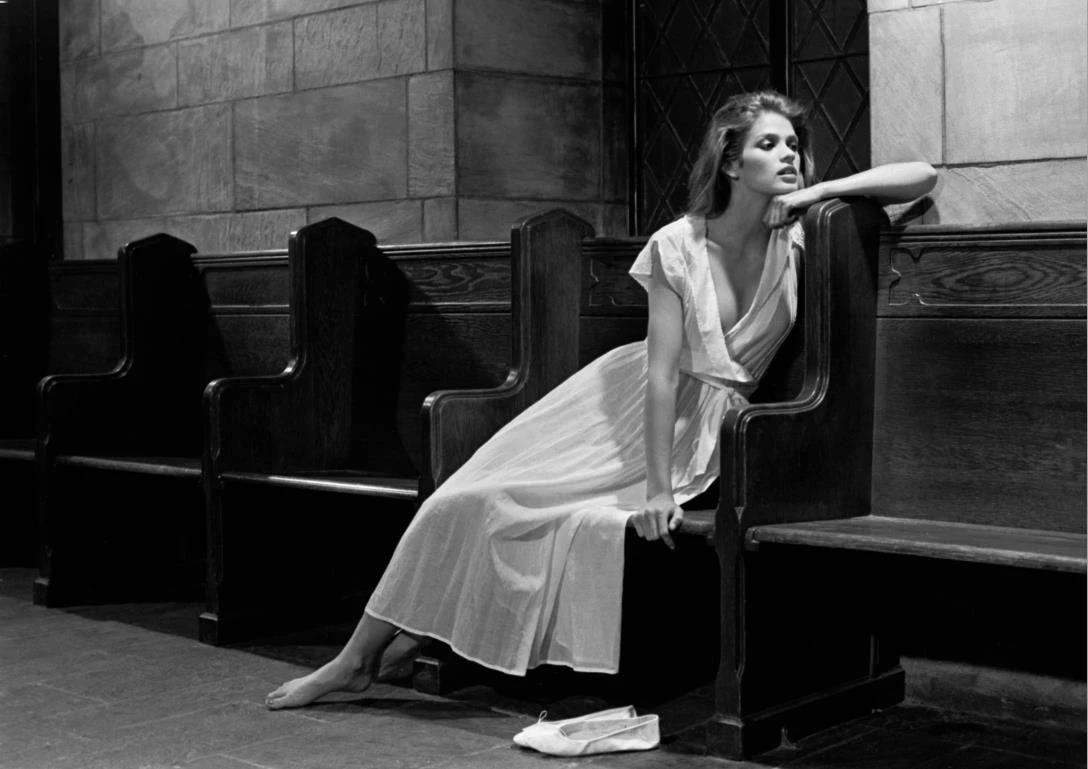
Gia Carangi. Late 1970s
Paradoxically, it was her mother—the one who would soon pass away—who first recognized her daughter as a model and encouraged her to consider modeling. Gia's beauty was unconventional: dark hair, distinctive features, and an almost androgynous figure. In a world where blue-eyed blondes dominated fashion covers, she looked out of place—and that's precisely what would make her revolutionary a few years later.
New York at 17: A Takeoff No One Expected
In 1977, Maurice Tannenbaum, a local stylist and aspiring photographer, spotted Gia on the dance floor of the DCA club in Philadelphia. He photographed her and showed the images to his friend, agent Sondra Scerca. She arranged a meeting with Wilhelmina Cooper, the founder of one of New York's largest modeling agencies. Cooper saw Gia and immediately signed her. 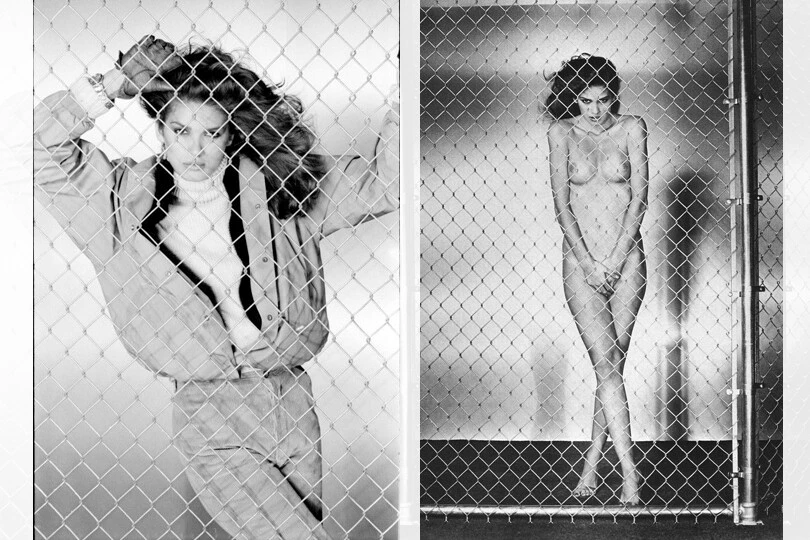
17-year-old Gia Carangi. First major shoot in New York, photographer Chris von Wangenheim, October 1978
At 17, Carangi moved to New York. By the end of 1978, she was one of the city's most sought-after models. Her first major published shoot came out in October 1978, shot by photographer Chris von Wangenheim: Gia naked behind a chain-link fence, next to makeup artist Sandy Linter. The photo was a bombshell. 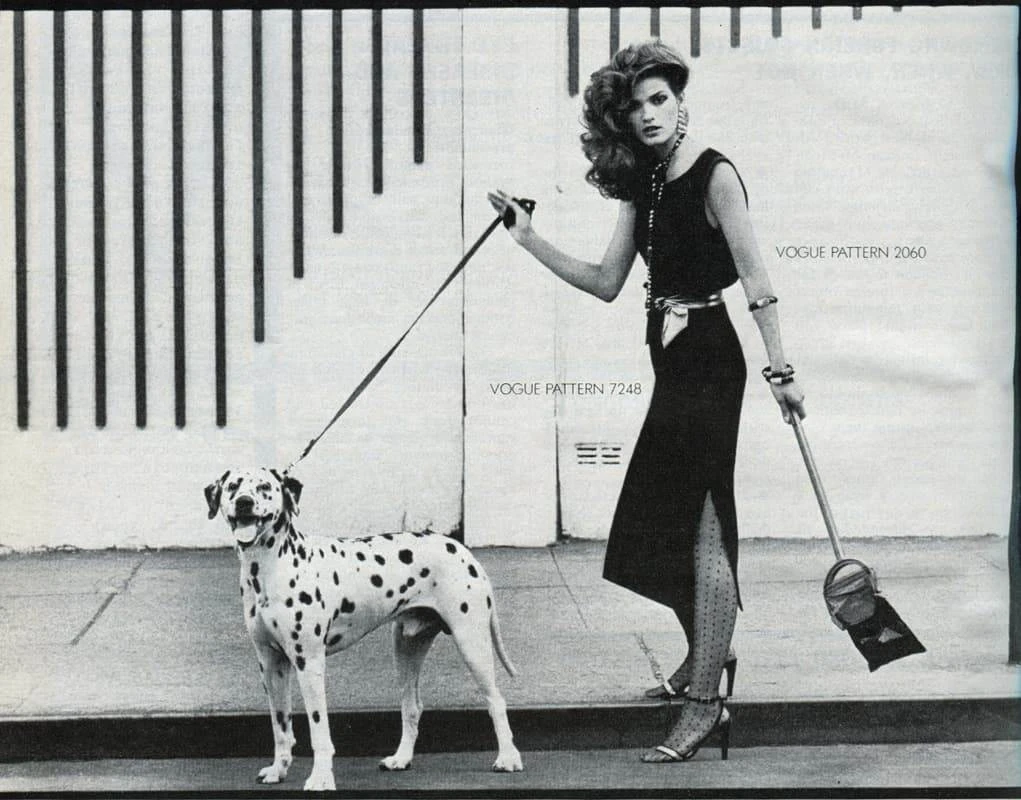
For Vogue. 1978
In the space of five months in 1979, Gia appeared on the covers of British, American, and Parisian Vogue. Richard Avedon and Francesco Scavullo competed for the right to photograph her. Contracts with Armani, Versace, Christian Dior, Yves Saint Laurent, Bloomingdale's, Maybelline, and Levi's followed one after another. 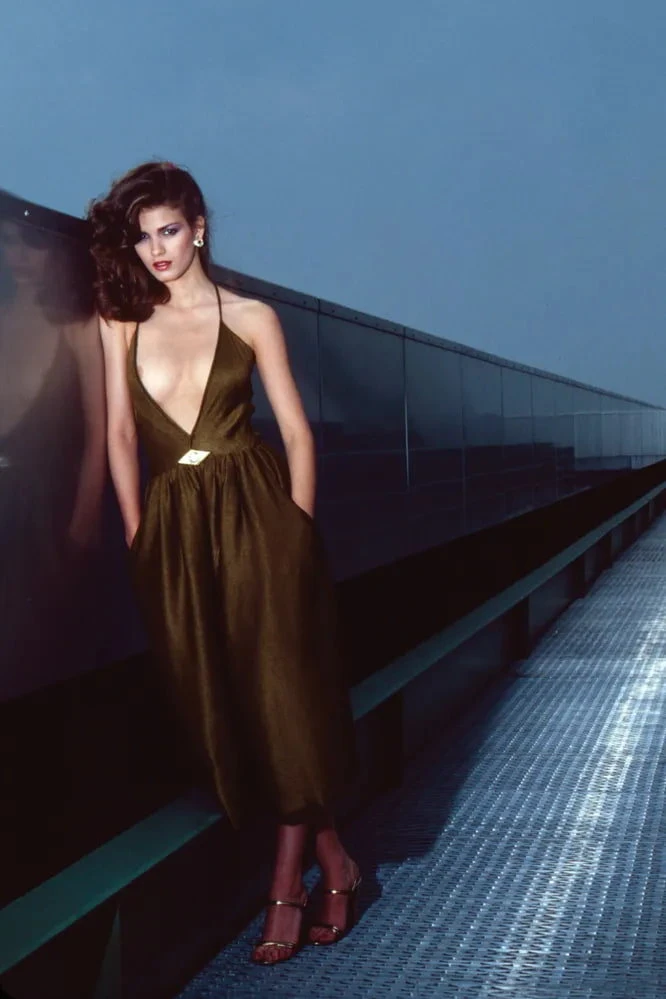
For Harper's Bazaar Italia. 1978
The fashion industry was steeped in the cult of the cold, sterile blonde. Gia shattered this canon. She brought movement, rock-n-roll intensity, and unpredictability to the frame. She could pose in a men's suit or naked—and in both cases, the photo had a lively quality that was missing from the fashion covers of the time. Biographer Fried called Gia's appearance the "boy-girl look"—a boyish grace in a woman's body.
Beauty Revolution and Life Behind the Scenes
Gia lived openly by her own rules—both professionally and personally. She was one of the few public figures in the industry who was open about her sexual orientation: her relationships with women were known to colleagues and photographers. Her main love was Sandy Linter, the same makeup artist from her first shoot. Their relationship was turbulent and volatile, but lasted for years. Jolie would later say of her character: "When she was free and just herself, it was incredible." 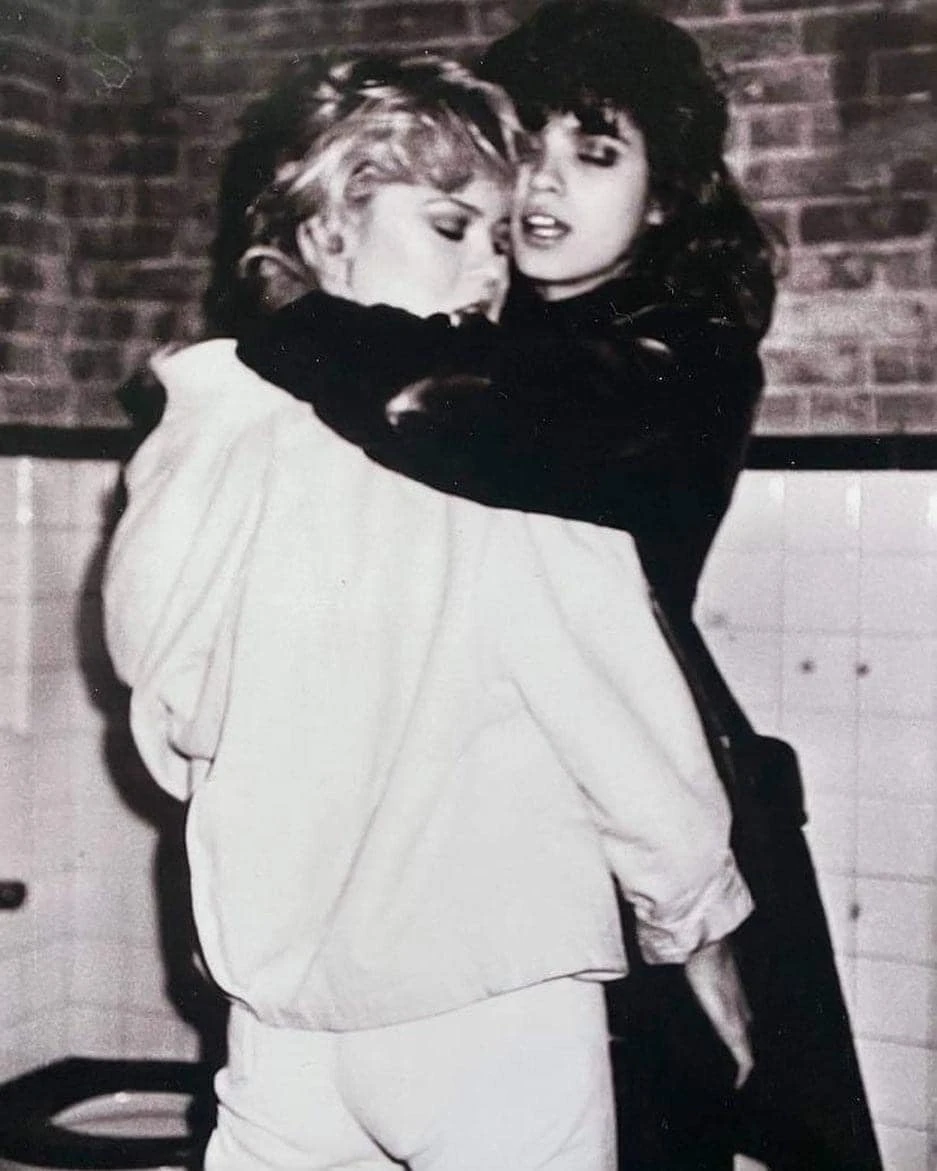
Gia and Sandy Linter. They met on their very first shoot—and they stayed together for years. Sandy was Gia's makeup artist, lover, and sole anchor in her life.
Outside of work, she was a completely different person. She'd walk home alone after shoots, seek company in nightclubs, eat fried chicken in dresses costing thousands of dollars, and strike up conversations with strangers. Inside her, lived the same 11-year-old girl abandoned by her mother.
"I'm finally beginning to understand what it means to be different. Maybe I'm discovering myself. Or maybe I'm just high again," she said in a 1983 interview. 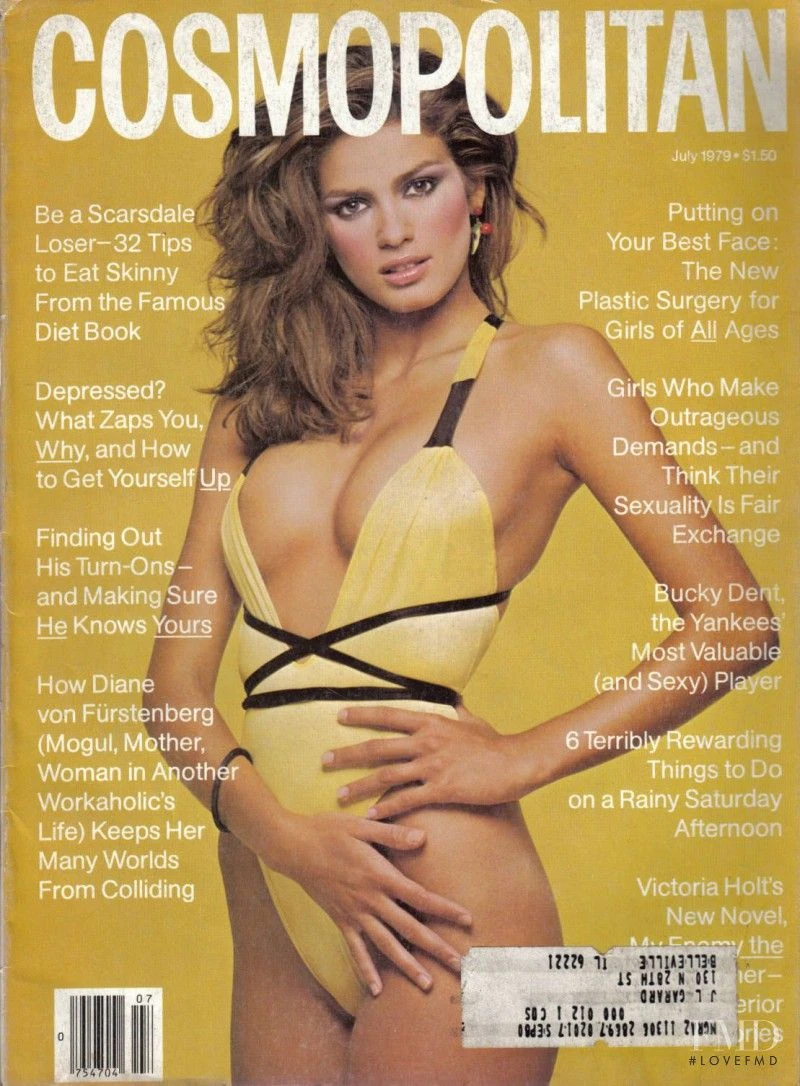
Cosmopolitan cover. 1979
Cocaine entered Gia's life early—she snorted it in the bathrooms of Studio 54 and CBGB, as many in that scene did at the time. But as long as Wilhelmina Cooper was around, the situation remained under control.
The Death of a Mentor and the Beginning of a Dip
Wilhelmina Cooper was more than just an agent for Gia. She became a second mother to Gia—the one she'd been missing since she was 11. Cooper tempered her impulses, protected her from the worst consequences, and simply was there.
In March 1980, Wilhelmina Cooper died of lung cancer. She was 40 years old. At the funeral, agents immediately approached Gia with new contracts—the industry wouldn't even let her grieve. For Carangi, it was a repeat of her childhood nightmare: more loss, more betrayal, more loneliness. 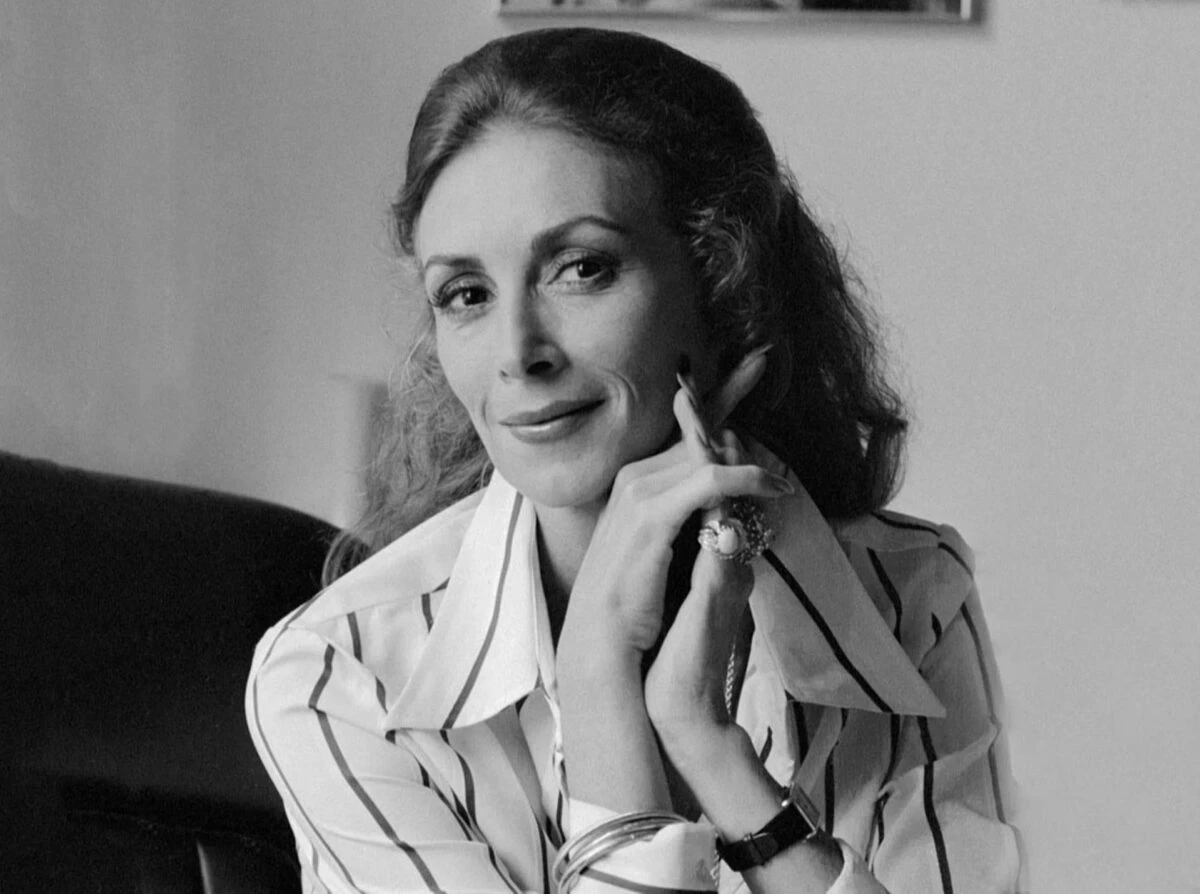
Wilhelmina Cooper – Gia's agent and mentor
According to Gia herself, it was then that she first picked up a syringe. Before that, she'd snorted heroin – in Europe, it was more readily available than cocaine and considered a "gentler" way to recover from filming. A common misconception of the era was that the only way to get addicted was through a needle. This wasn't true. An entire generation of casual drug addicts emerged in just that way – and Gia was one of them. 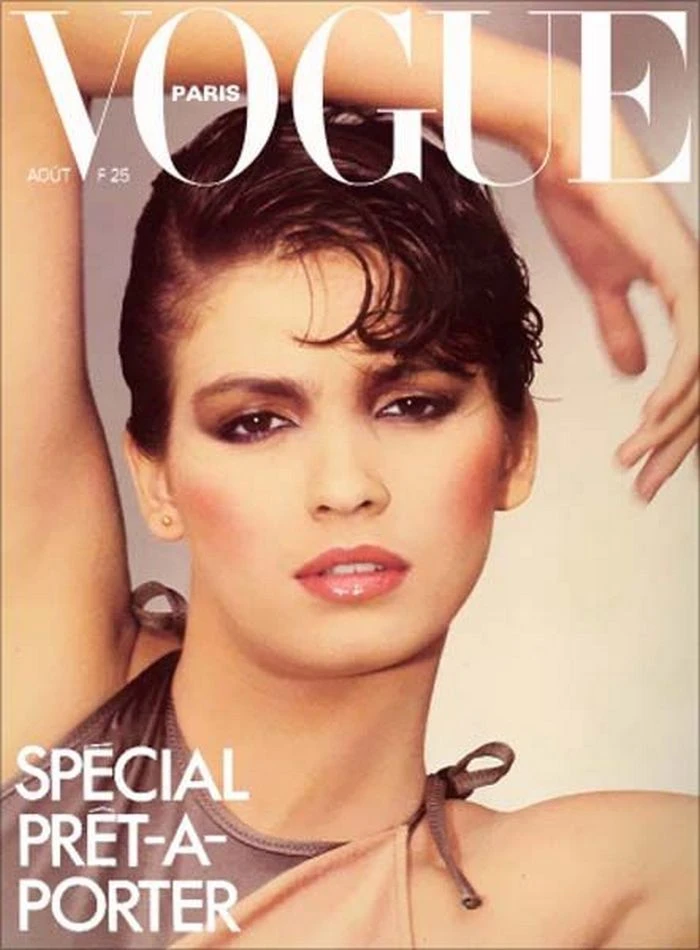
Vogue Cover. August 1980
The addiction progressed rapidly. Gia was late for shoots, fell asleep in front of the camera, went out for cigarettes, and never returned. On a Versace shoot with Avedon, she disappeared in the middle of the workday. In November 1980, she was fired from Wilhelmina Models. She transferred to Ford Models, but was fired a few weeks later.
Final shoots: injection marks and retouching
Scavullo tried to save his muse until the very end, and in early 1982, he shot her final cover for Cosmopolitan. In the photo, Gia holds her hands behind her back: the injection marks had become so obvious that there was no other way. On the famous Vogue cover of November 1980, retouchers spent hours painting over the marks. 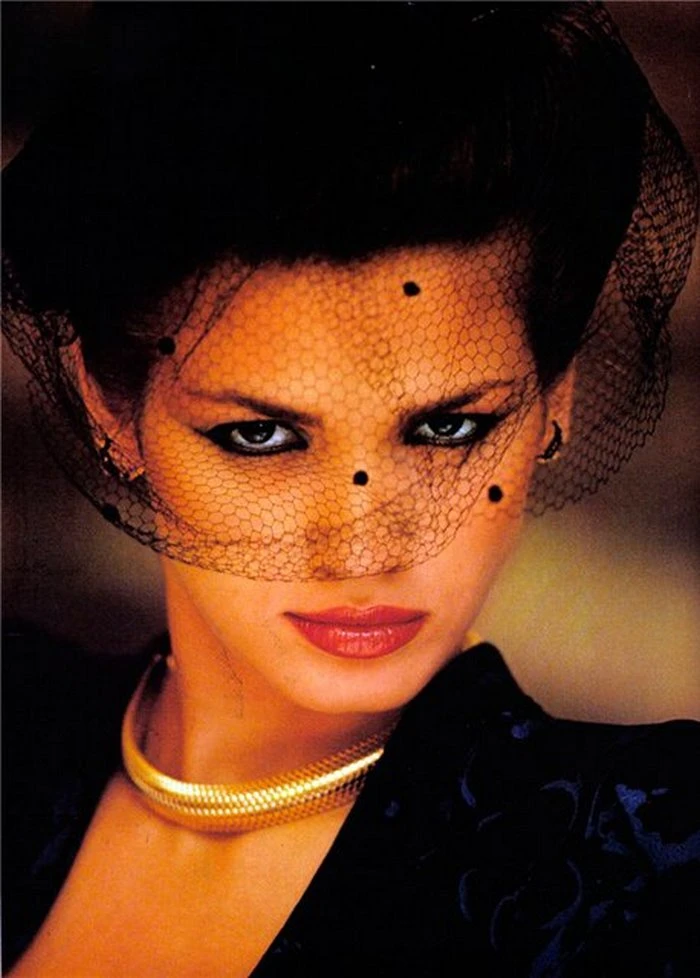
Gia Carangi 1982
In May of that year, surgeons operated on her arm: she had injected herself so many times in one place that an open, infected channel formed in the vein, as Stephen Fried described it. By 1983, the work was over for good. The fashion industry turned its back on her. Colleagues stopped answering their phones, afraid that contact with her would ruin their reputation. Even her longtime girlfriend, Sandy Linter, stopped communicating. 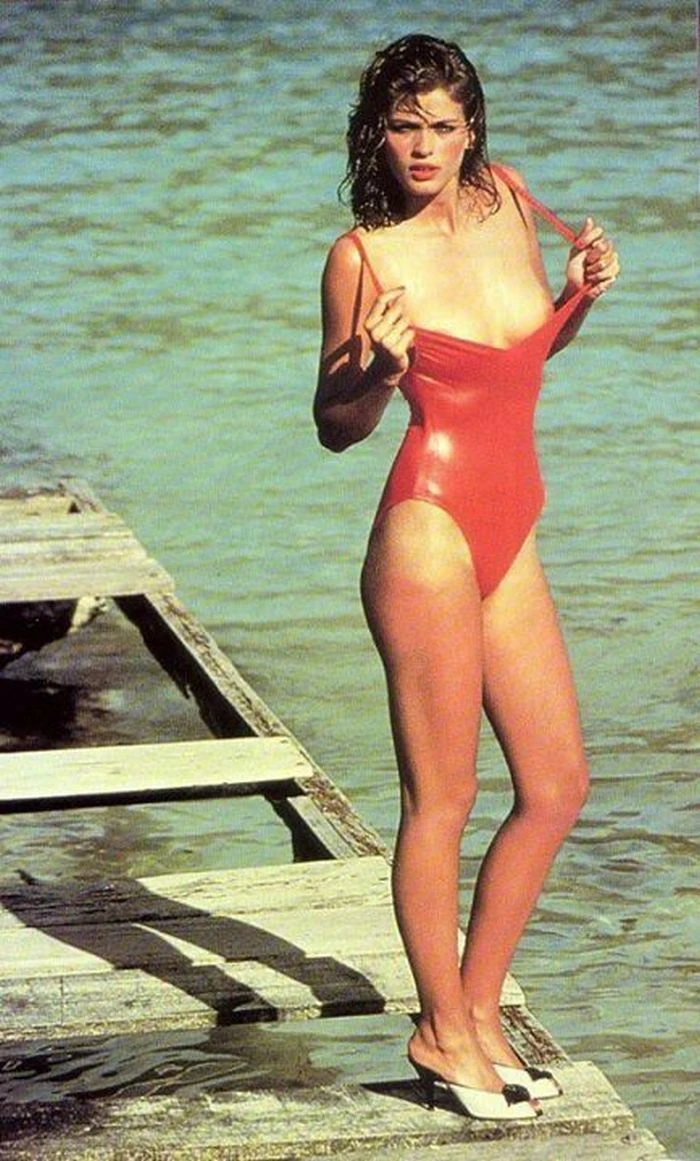
For Vogue. 1980
Gia once earned $10,000 for a single shoot. Now the money was gone. To buy her fix, she resorted to prostitution. During periods of relative sobriety, she sold jeans at a Pennsylvania mall and worked as a cashier in a nursing home cafeteria. It was then that a coworker pointed her to a young brunette nicknamed "Baby Gia"—Cindy Crawford. Crawford later recalled that she was deliberately taken to photographers working with Carangi—as a stand-in.
From the Catwalk to the Street
In the fall of 1986, Gia was found on the street in the rain—beaten, barely alive. She was hospitalized at Hahnemann University Hospital in Philadelphia. Blood tests revealed she had AIDS. She had already been diagnosed with the disease in December 1985—most likely, the virus had entered her bloodstream through a contaminated needle. 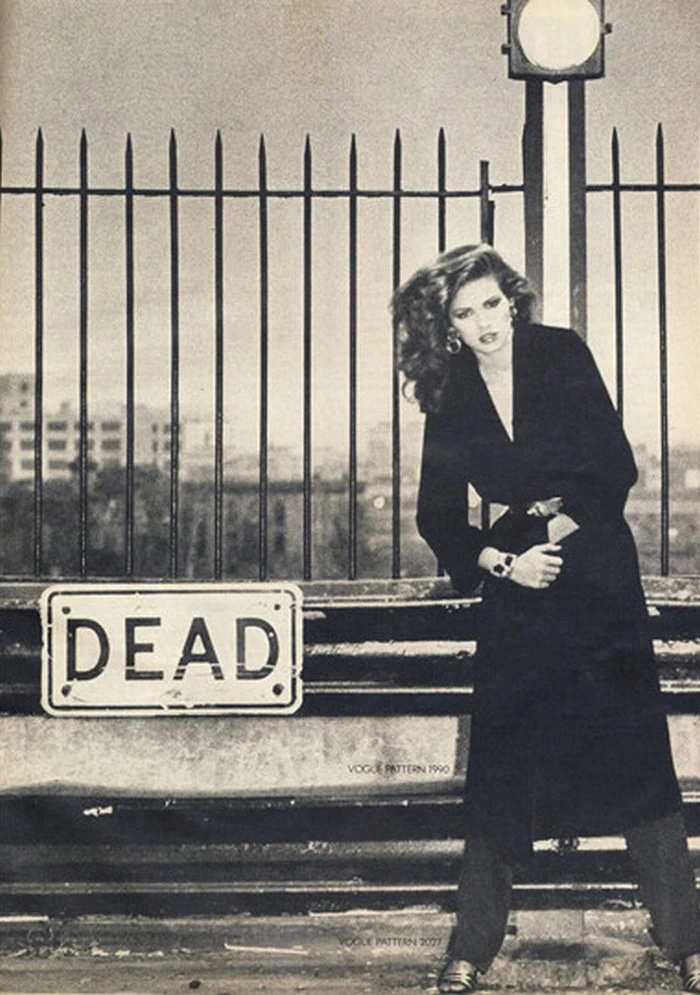
For Vogue. 1978
In 1986, the word "AIDS" sounded like a death sentence and a stigma all at once. The epidemic was in full swing, and society reacted with fear and condemnation. The family hid the diagnosis—partly out of shame, partly to protect their daughter's memory. 
Gia Carangi. Early 1980s
In the hospital room, something Gia had been waiting for her entire life happened. Kathleen—the same mother who had passed away when Gia was 11—was constantly at her bedside. The disease had already changed Gia's body beyond recognition. But her mother was there. For the first time in many years.
A quiet funeral for the first supermodel
Gia Carangi died on November 18, 1986, at 10 a.m. at Hahnemann University Hospital in Philadelphia. She was 26 years old. Her mother stayed by her side until the very end—she allowed almost no strangers to see her daughter. 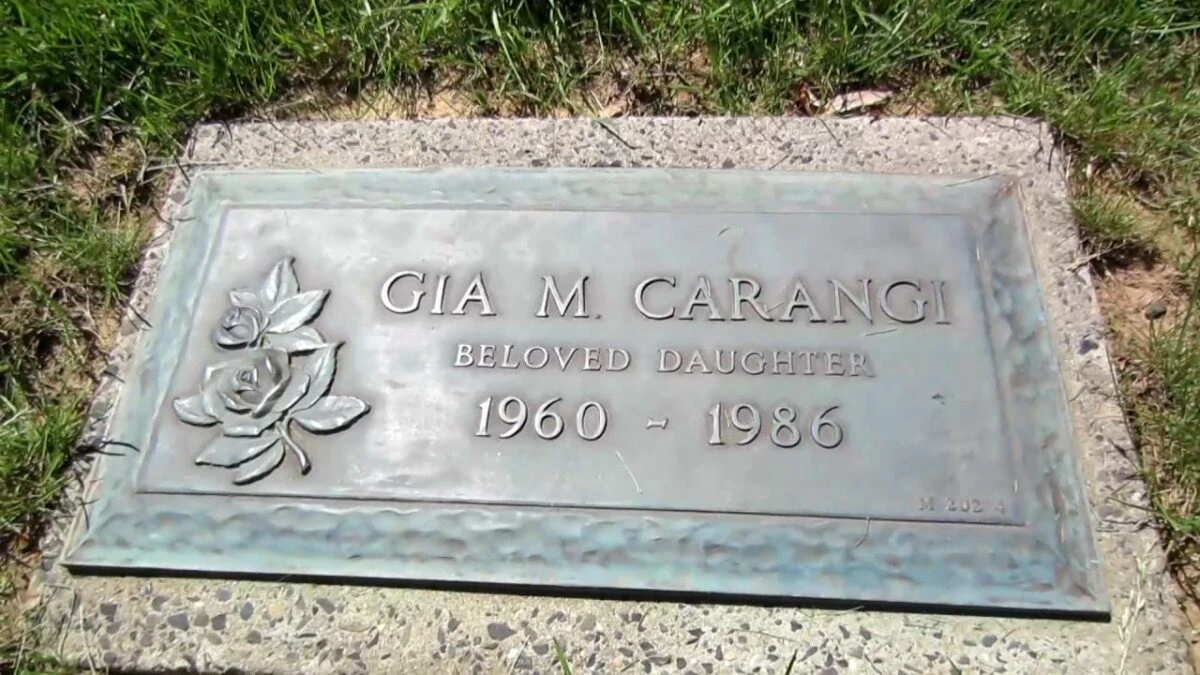
Gia Carangi's grave at Sunset Memorial Park Cemetery in Feasterville, Pennsylvania
The illness had so disfigured her body that the funeral director recommended a closed casket. On November 23rd, the funeral took place – quiet, almost deserted, in a small chapel in Philadelphia. Gia was buried at Sunset Memorial Park Cemetery in Feasterville, Pennsylvania. Her tombstone reads: "Beloved daughter. 1960–1986." 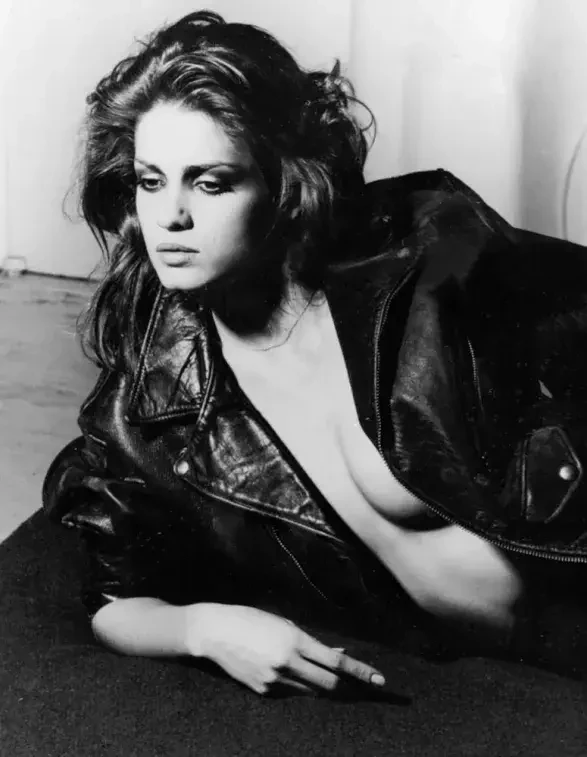
For Harper's Bazaar. 1978
No one from the fashion world attended the funeral – simply because no one knew about the death. The family concealed the diagnosis, citing pneumonia as the cause of death. Colleagues, photographers, and designers all learned the truth months later, through rumors and leaks. A few weeks later, Scavullo, upon learning the news, sent the family a card of condolences. It was the only sign of attention from the industry to which she had dedicated the best years of her life.
Gia Carangi became one of the first prominent women in the United States to officially die from complications related to HIV. In 1993, biographer Stephen Fried published A Thing of Beauty, and Gia's name returned to the public eye. Before then, she had been largely forgotten.
"Gia" - the film that restored her name
In 1998, the biopic "Gia" was released on HBO. Director Michael Cristofer directed it from a screenplay he co-wrote with Jay McInerney. Angelina Jolie, then a little-known actress, played the lead role. Faye Dunaway played Wilhelmina Cooper, and Mercedes Ruehl played Kathleen's mother. Young Gia was played by 14-year-old Mila Kunis. 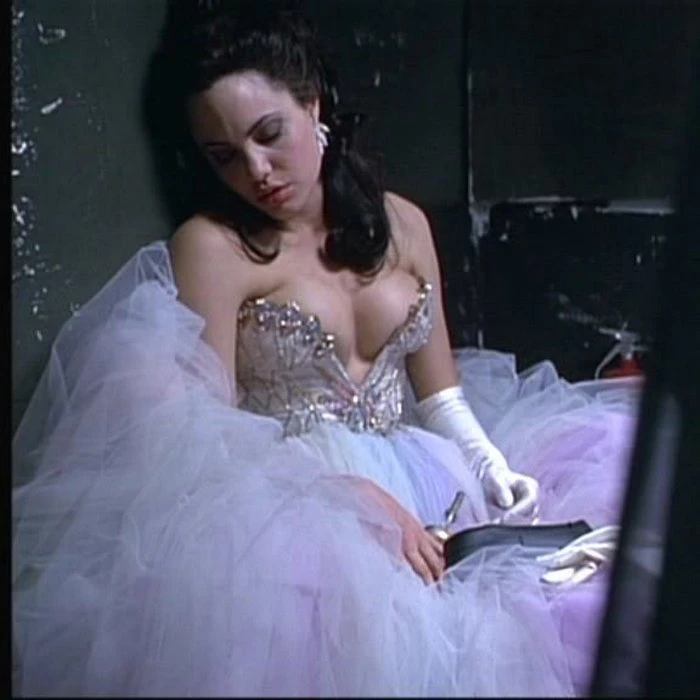
Angelina Jolie in "Gia." 1998
Jolie won a Golden Globe and a Screen Actors Guild Award. Dunaway won a Golden Globe. The film premiered on January 31, 1998. The film brought Gia back to prominence and, for the first time, brought the story of a woman whose death went largely unnoticed to a wider audience.
In 2003, the documentary "The Self-Destruction of Gia" was released, featuring archival footage of Carangi herself, her family, photographers, and Sandy Linter. 
Poster for the film "Gia's Self-Destruction," 2003
Today, Gia is called the forerunner of all the supermodels of the 1990s. Cindy Crawford said it bluntly: her career was built on the love photographers retained for Carangi. In 2023, Harper's Bazaar included Gia in its list of the 15 greatest supermodels of the decade. She was first—in everything.
Do you think the fashion industry is to blame for Gia's death, or was her fate sealed in childhood, when her mother locked the door behind her?