10 Puzzles That Have Puzzled Entire Cities — and How They're Solved (14 photos)
Every year on July 13, the entire world celebrates International Puzzle Day. The date was chosen for a reason. It was on this day in 1944 that Ernő Rubik was born. The Hungarian architect gave the planet the most recognizable puzzle in history. But the Rubik's Cube is just one chapter in the long history of puzzles. Geniuses from different eras have grappled with them. Some puzzles have spawned entire branches of mathematics. Others have driven entire countries crazy. We've compiled ten of the most famous puzzles in history—from the Archimedes square to Sudoku. We'll tell you how to solve them. 
1. Archimedes' Stomachion – a puzzle over two thousand years old
This is the oldest known mechanical puzzle. A square is cut into 14 flat, irregularly shaped pieces. The task seems simple at first glance: assemble them into a single large square. Archimedes is believed to have written a treatise on this game. He lived in Syracuse in the 3rd century BC. 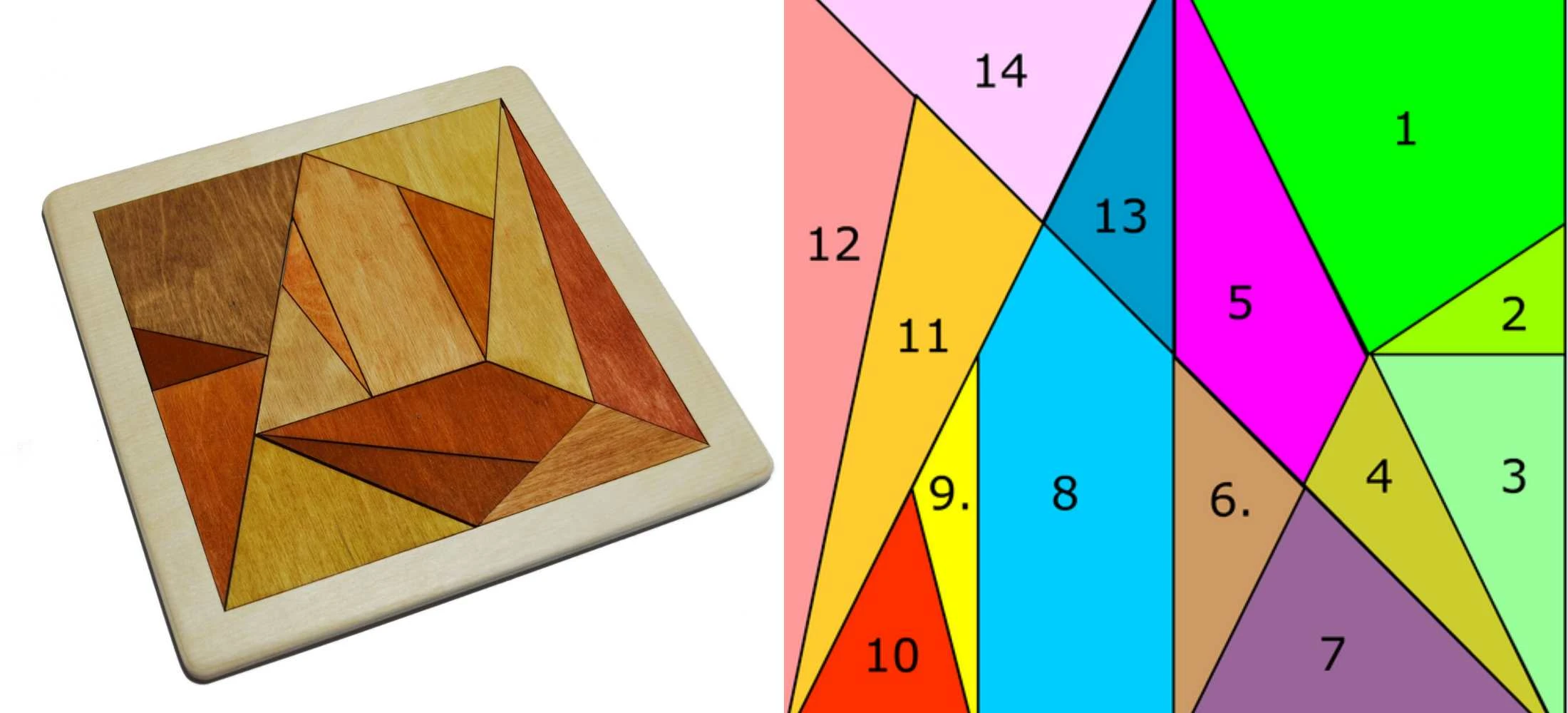
Until the 21st century, scientists didn't know the exact number of solutions to this ancient puzzle.
What exactly Archimedes was investigating in his treatise remained a mystery for a long time. The answer was only found in December 2003. American mathematician Bill Cutler used a computer program. It calculated that the Stomachion square can be solved in 536 ways. Rotations and mirror images of the figure are not taken into account.
2. Chinese Rings – 341 Moves to Solve
This puzzle originates from China. Nine rings are strung on a common rod in a complex pattern, and each one must be removed one by one. Legend attributes the invention to the general Zhuge Liang. He lived in the 3rd century AD. According to legend, he invented the game to alleviate his wife's loneliness during campaigns. 
In Europe, this puzzle was studied by the mathematician Girolamo Cardano as early as the 16th century.
The rings became known in Europe thanks to Luca Pacioli. The Italian mathematician described them in a manuscript around 1500. The solution follows a strict algorithm. You must remove and replace the rings in a specific order, working with the two outermost ones. Nine rings require exactly 341 moves. With each new ring, the minimum number doubles.
3. Tangram – Napoleon's Puzzle
Seven flat pieces are arranged to form the silhouette of a person, animal, or object. All seven pieces must be used without overlapping. The first printed mention of the game appears in a Chinese book from 1813. The idea of cutting a square into pieces for folding existed even earlier. 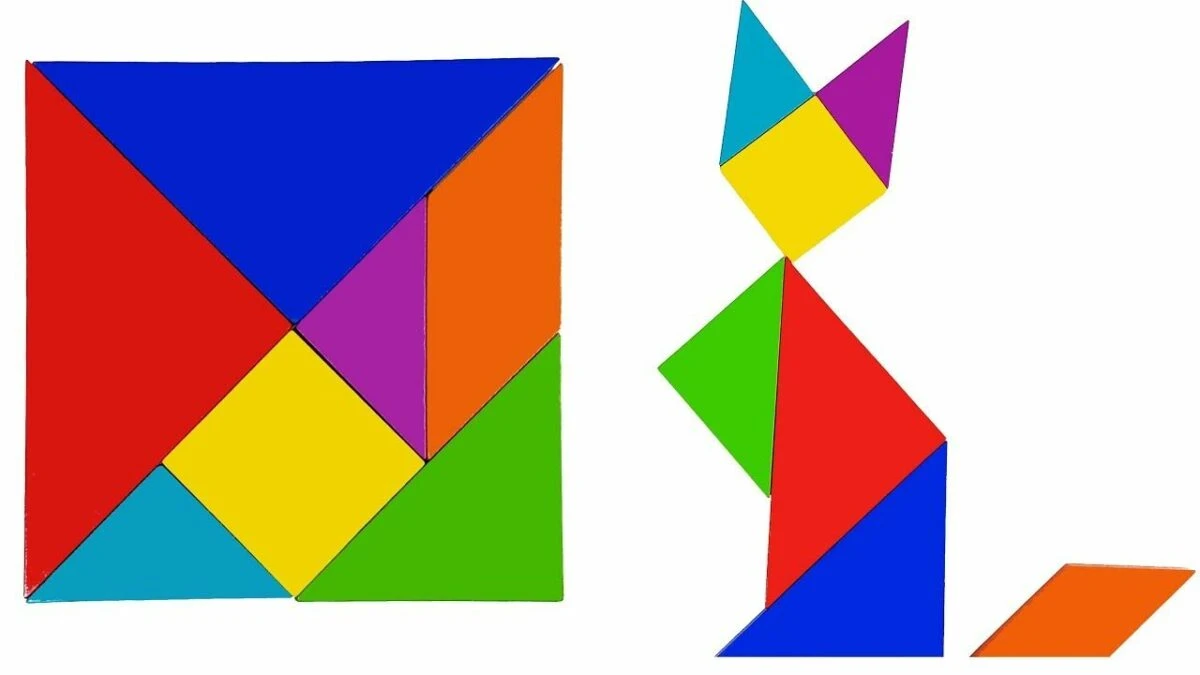
The writer Lewis Carroll kept a rare Chinese book with 323 tangram problems.
According to legend, Napoleon had a tangram set on the island of Saint Helena. Lewis Carroll recounted this story in his book, although there is no evidence to support this. However, it is known for certain that Carroll himself was an avid fan of the game. He kept a Chinese book with 323 problems. 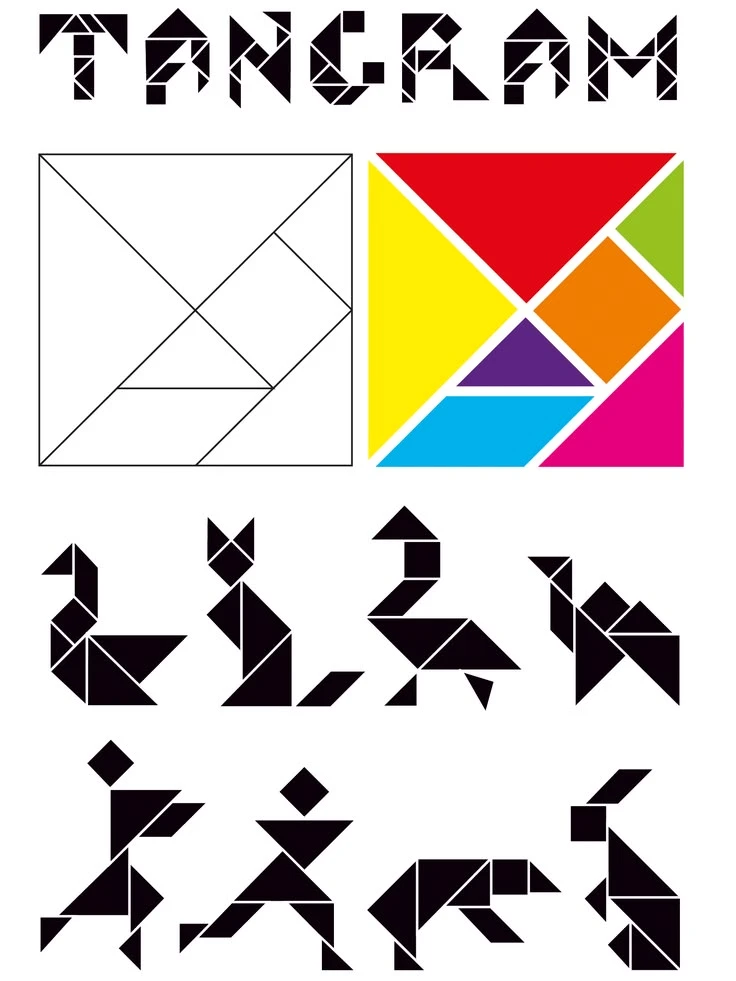
From seven tangram pieces, thousands of recognizable silhouettes can be formed.
From a single set of pieces, experienced players can create thousands of figures—from a fox to a walking man. It is this simplicity, despite its apparent complexity, that has made tangram one of the most enduring puzzles in history.
4. The Seven Bridges of Königsberg – the Problem That Gave Birth to Graph Theory
For centuries, residents of Königsberg have been entertained by one question. Is it possible to walk around all seven of the city's bridges without crossing any of them twice? Leonhard Euler found the answer to this problem in 1736. The mathematician was a full member of the St. Petersburg Academy of Sciences. 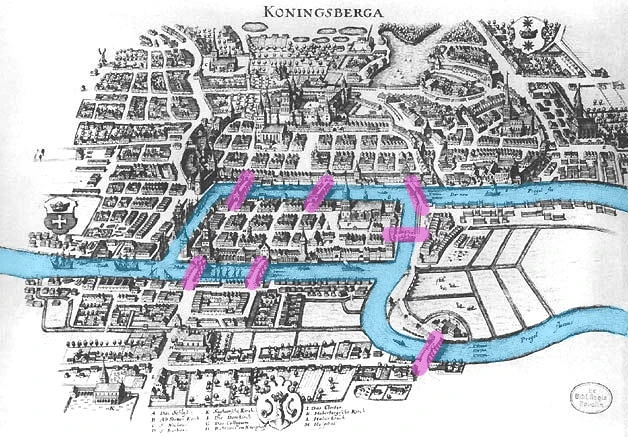
Euler's 1736 solution is considered the starting point for an entire branch of mathematics.
Euler proved that such a route is impossible in principle. An odd number of bridges meet at each of the four land masses. Therefore, a single continuous path is mathematically unattainable. At the same time, the scientist invented the concept of a graph—points and lines to describe any network. This was the beginning of graph theory. Without it, neither internet routing nor logistics are possible today.
5. Fifteen Puzzles—The Puzzle That Was Banned in the Workplace
Fifteen numbered tiles are placed in a 4x4 square box. One space is left blank, and the task is to arrange the numbers in order. Postmaster Noah Chapman first showed the puzzle to his friends in 1874. He lived in the American town of Canastota. 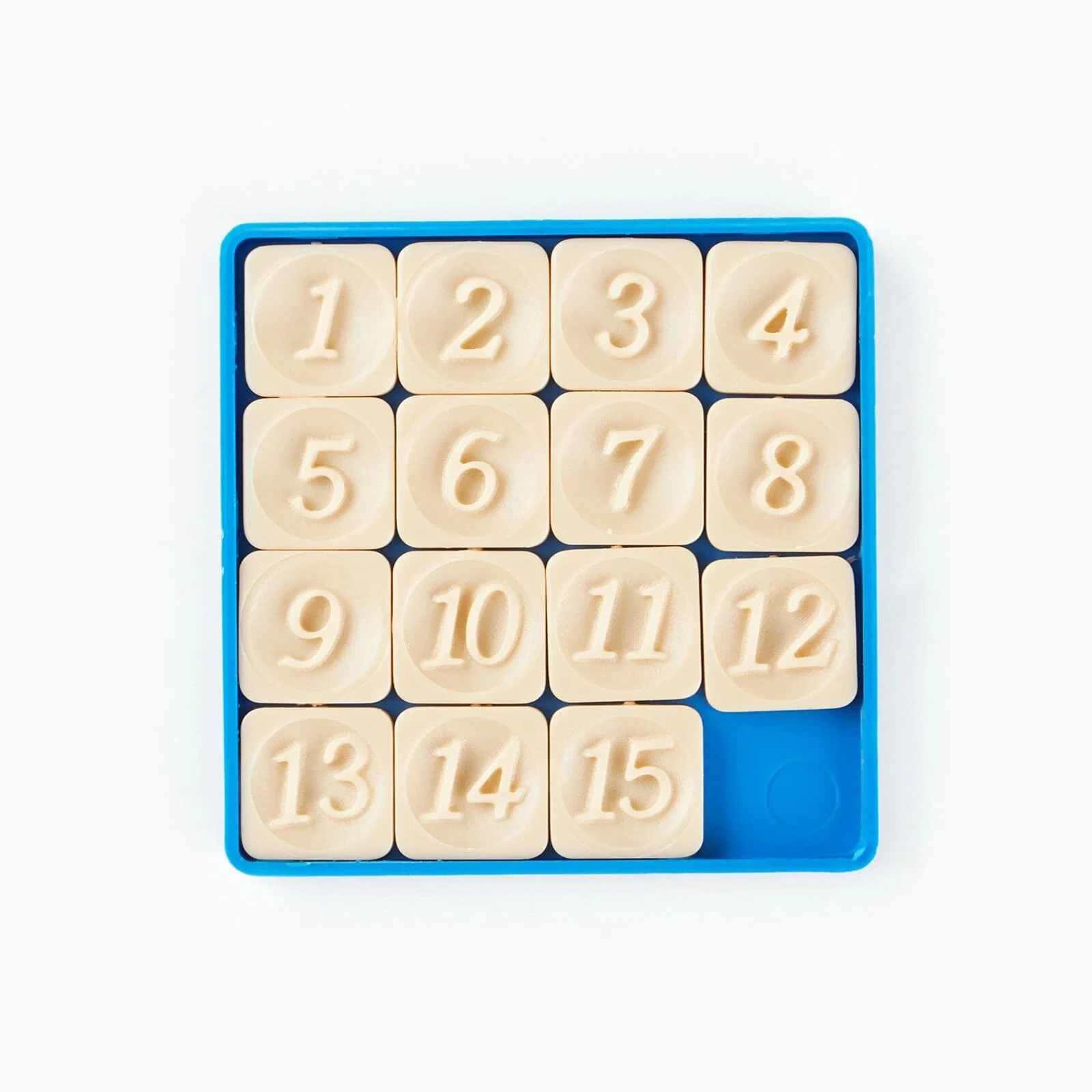
The real inventor of fifteen puzzles lived his life in the shadow of someone else's fame.
By 1880, the game had taken over the United States, and then Europe. Some employers even banned employees from bringing the puzzle to work. Chess player Sam Loyd claimed credit for the invention, although Chapman was the real author. It has been mathematically proven that exactly half of the starting setups are fundamentally unsolvable. The rest can be solved by successive shifts according to a strict algorithm.
6. Tower of Hanoi – A Puzzle for the End of the World
3 rods, 8 rings of varying diameters. The goal is to transfer the entire pyramid to another rod. You cannot place a larger ring on a smaller one. The puzzle was invented in 1883 by the French mathematician Édouard Lucas. 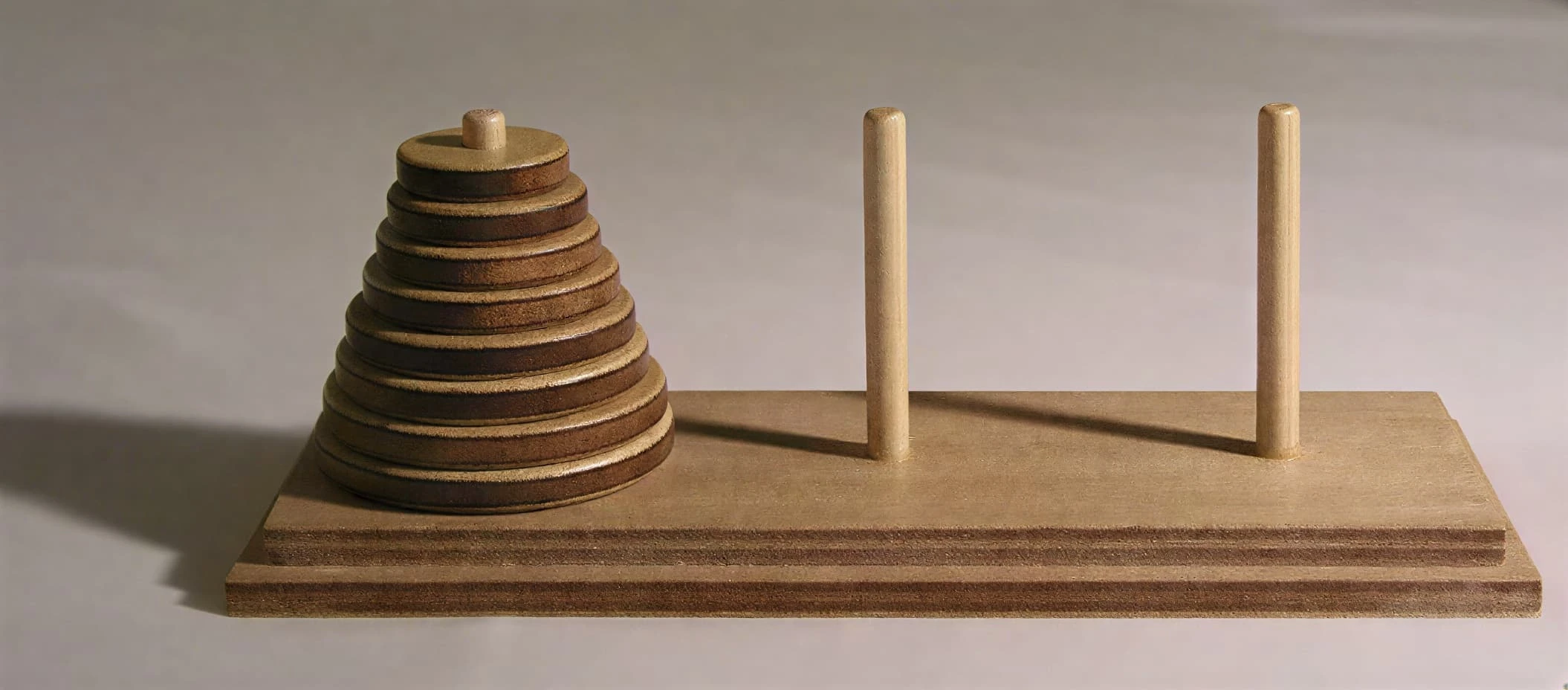
According to legend, when the monks finish moving the 64 golden disks, the end of the world will come.
To advertise his toy, Luka concocted a beautiful legend. In an Indian temple, monks of the god Brahma move 64 golden disks day and night. Once they finish their work, the temple will crumble to dust. The minimum number of moves is calculated by the formula: two to the power n minus one, where n is the number of rings. Eight rings require 255 moves. And to move the 64 disks in the legend, the monks would need about 585 billion years.
7. Einstein's Riddle: Who Does the Zebra Represent?
5 houses of different colors, 5 nationalities of residents, 5 drinks, and 5 animals. Plus 15 logical conditions. One question: who owns the zebra? The problem first appeared in print in December 1962, in the American magazine Life International. 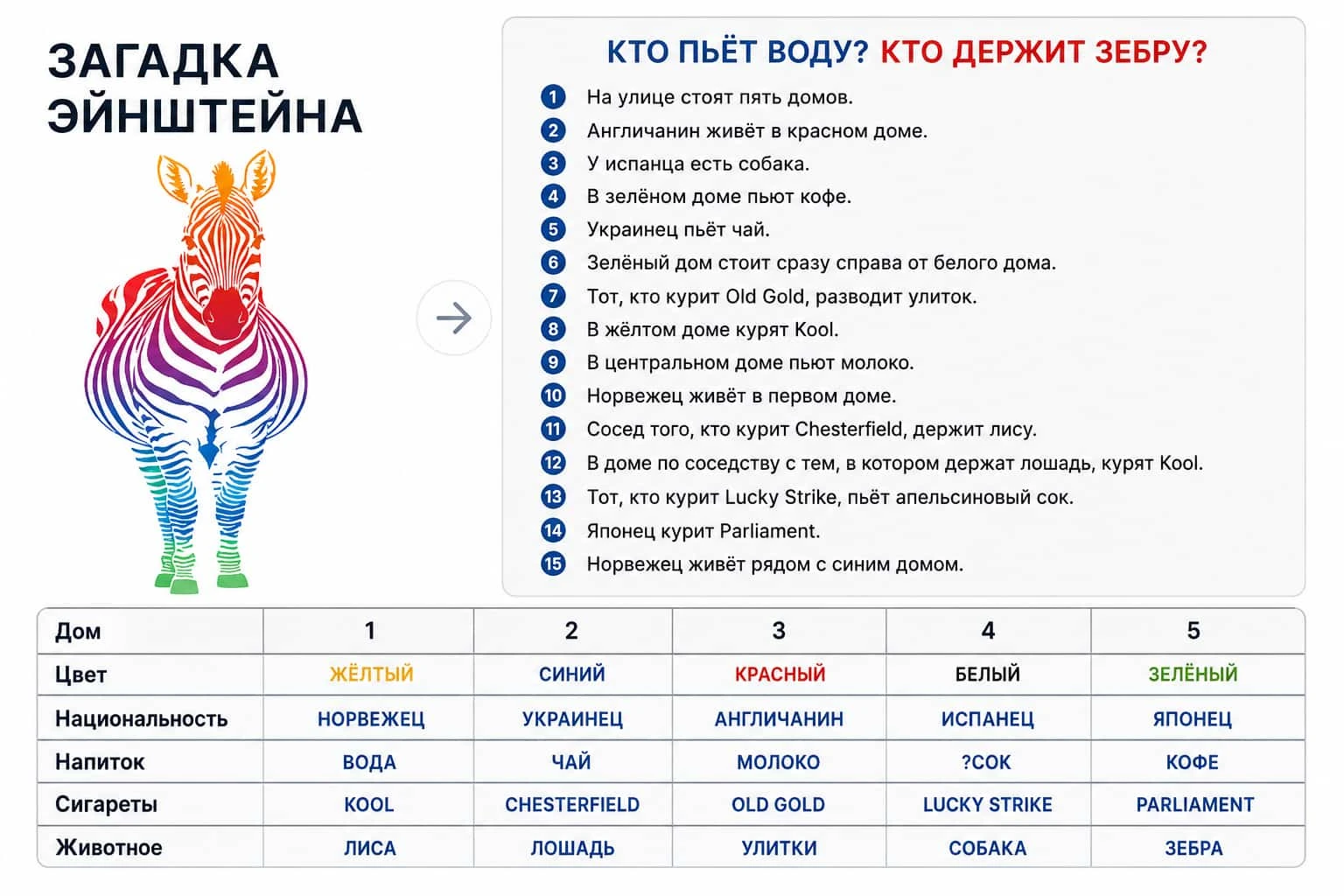
Neither Einstein nor Carroll have been proven to be involved in this famous riddle.
The problem is attributed to Albert Einstein and Lewis Carroll. Historians have found no evidence of this. The conditions mention brands of cigarettes that did not exist during the lifetimes of neither. The riddle is solved by the method of elimination through a table. The Norwegian lives in the first house, and the zebra's owner turns out to be Japanese.
8. Rubik's Cube – the symbol of July 13th
It was this puzzle that gave the world today's holiday. Ernő Rubik invented the cube in 1974 as a teaching aid. He taught at the Budapest Academy of Applied Arts and attempted to visually explain group theory. 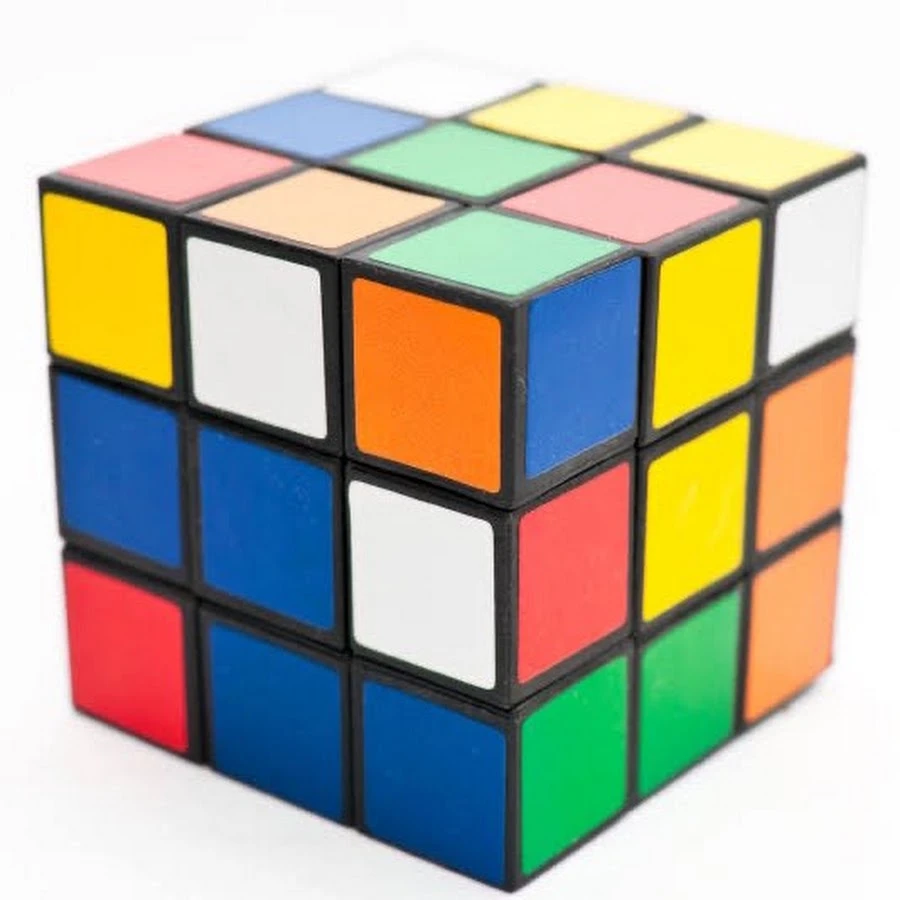
The 3x3x3 cube has over 43 quintillion possible combinations – all of which can be solved in 20 moves.
The classic 3x3x3 cube has 43 quintillion possible states. Any one of them can be solved in no more than 20 moves. This was proven in 2010 by mathematicians using Google's computing power. This minimum number of moves is called "God's number." 
Speedcubers compete in dozens of disciplines: one-handed, blindfolded, and foot-based.
World speed-solving records are now set in a matter of seconds. The cube, invented as a teaching aid, has spawned an entire sport. It has world championships and dozens of individual disciplines.
9. Three Gods – the World's Hardest Logic Puzzle
Three gods named A, B, and C – Truth, Falsehood, and Chance. But it's unknown which is which. The God of Truth is always honest, the God of Falsehood always deceives, and the God of Chance answers at random. Philosopher George Boolos's puzzle first appeared in the Italian newspaper La Repubblica in 1992. 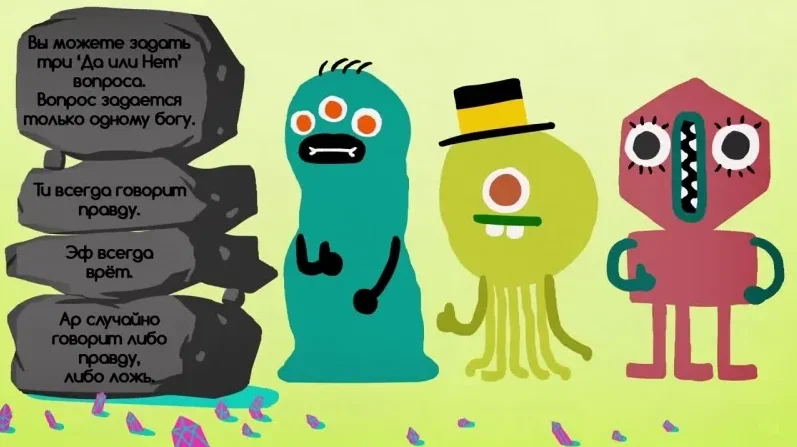
The author himself called it the hardest logic puzzle ever invented.
You need to determine who is who by asking just three yes-or-no questions. The gods, however, respond in an unknown language. The words "da" and "ja" signify agreement or refusal in an unknown order. Boulos himself proposed a solution. The first question is to identify the god, who definitely won't answer at random.
The MIT philosopher and logician published the solution in the same article. Few can solve the riddle without making a single mistake. Most get confused on the first question.
10. Sudoku – A Puzzle with No Margins
A number puzzle with rows, columns, and 3x3 blocks. The numbers 1 through 9 must not be repeated. Sudoku's roots lie in the "Latin squares" studied by Leonhard Euler in the 18th century. Euler himself considered them pure mathematics, not a game. 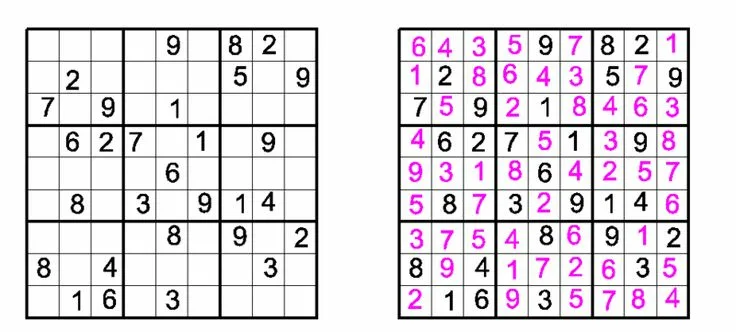
Sudoku gained worldwide popularity a quarter of a century after its first publication.
The puzzle appeared in its modern form in 1979. The American magazine Dell Pencil Puzzles published it under the name "Number Place." It only experienced a real wave of popularity in 2004. The British newspaper The Times began publishing Sudoku daily. The puzzle is solved without any enumeration, only by logical elimination. A row, column, and small square must contain each digit from 1 to 9 exactly once. The number of possible valid Sudoku grids is approximately 6.67×10²¹. 
Each of these puzzles looks like a game. But behind it lies a discovery. The bridges of Königsberg gave the world graph theory. Rings gave the world combinatorics. The Rubik's Cube is an entire sport. The best problems aren't just solved: they change the very way those who tackle them think.
Which of these ten puzzles do you find the most beautiful—and is there one you've already solved yourself?