Elixir of the gods: 36 fascinating facts about wine (37 photos)
Wine is considered one of the noblest drinks in the world. Winemaking dates back to time immemorial. Wine is mentioned in the Bible and the Quran, as well as in Greek and Roman mythology, which had their own wine gods (for example, Dionysus). It's worth noting that almost every culture has its own legend about the origin of the divine elixir—wine. There's an entire science devoted to the study of this grape-based alcoholic beverage—oenology.
In this issue, you'll find 36 more interesting facts about wine. 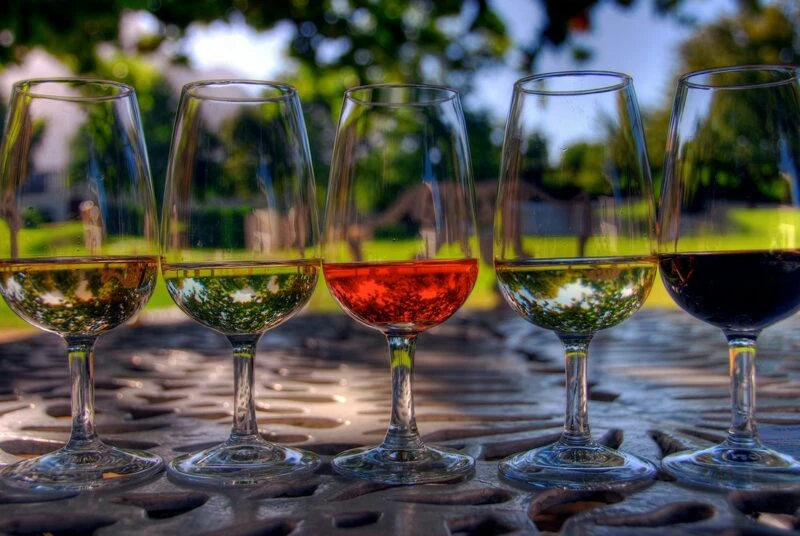
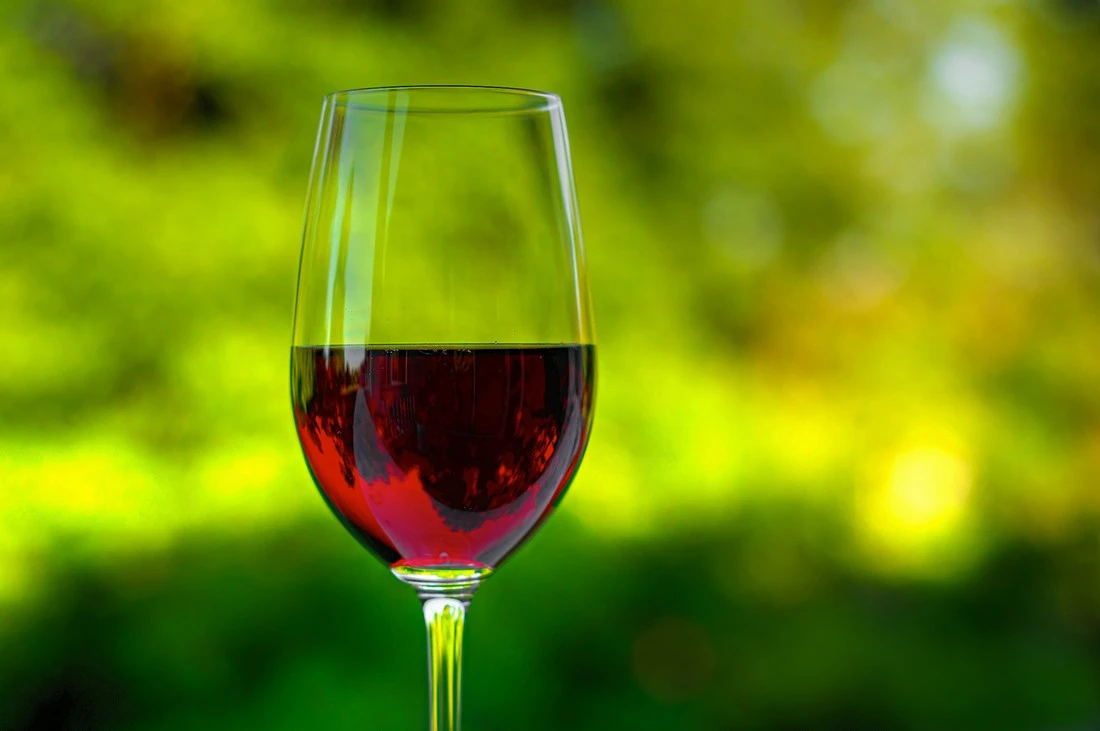
1. "Aroma" refers to the smell of a young wine, while a more aged drink has a more subtle scent, called a "bouquet." (Matthew Rogers) 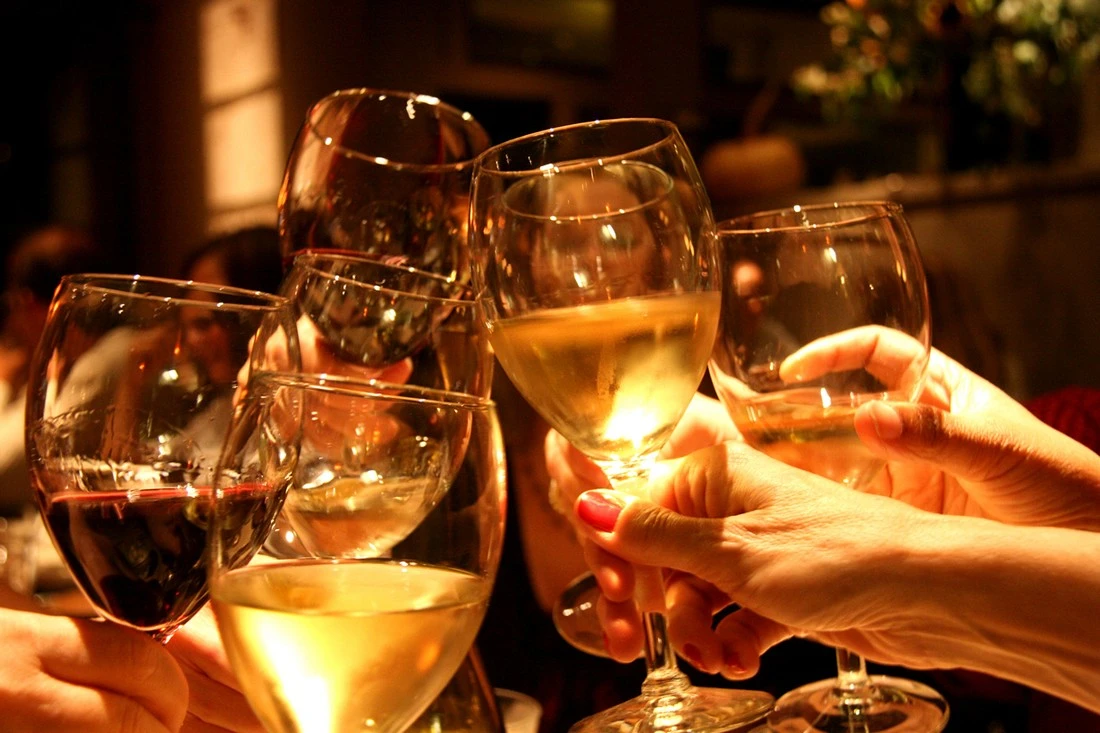
2. In ancient Greece, the host of the house would take the first sip of wine during a feast to ensure the guests were not poisoned. This is where the expression "to drink to one's health" originated. (dutchbaby) 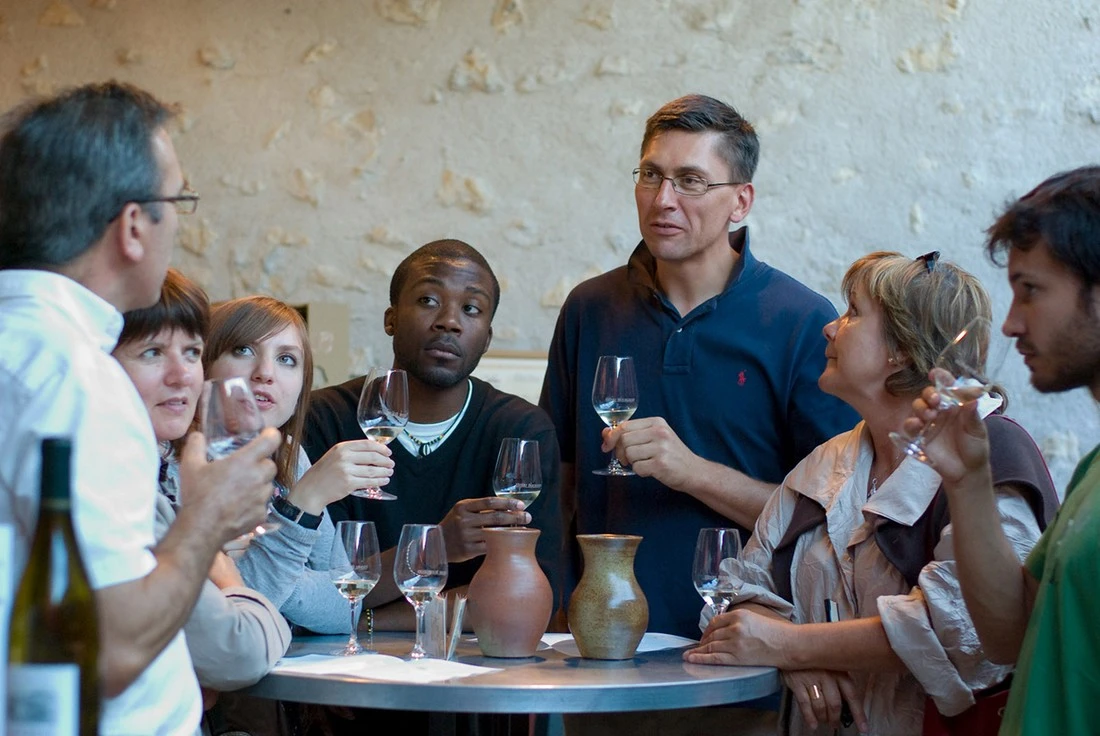
3. Wine tasting is essentially an evaluation of smell. Therefore, women are better suited to taste wine than men, as they have a more sensitive sense of smell, especially during their reproductive years. (Céline Aussourd) 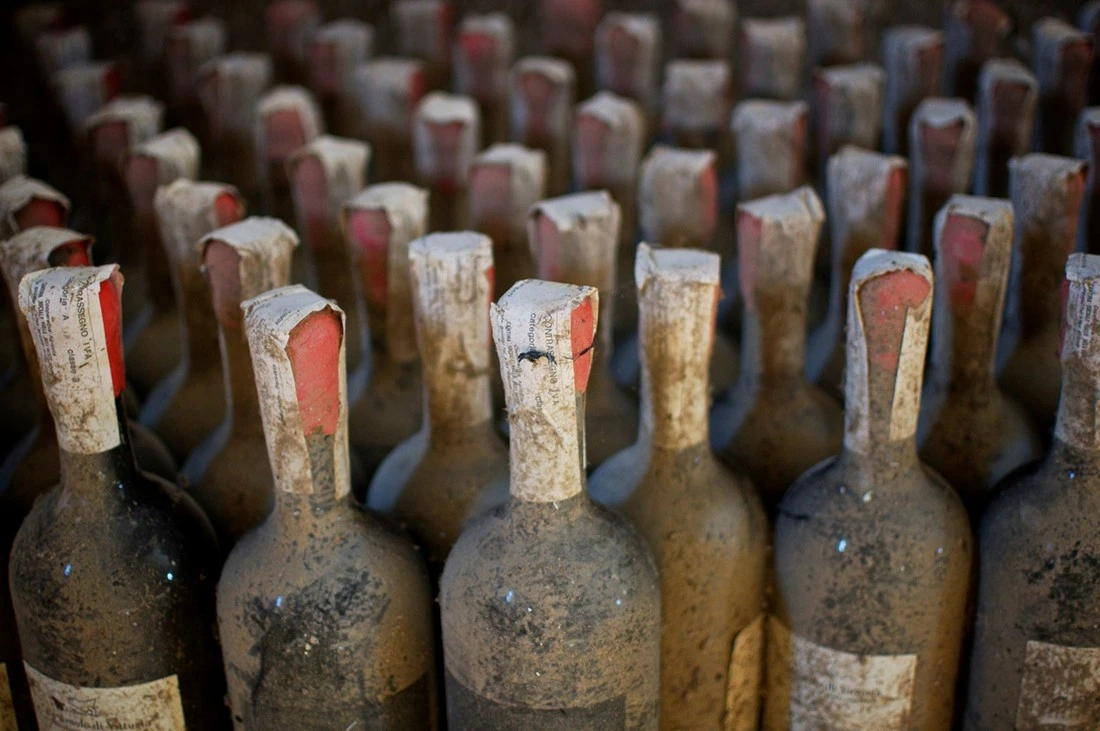
4. Not all wines improve with age. The vast majority of wines are ready to drink immediately and have no potential, and only a few will improve with decades of storage. (The Hamster Factor) 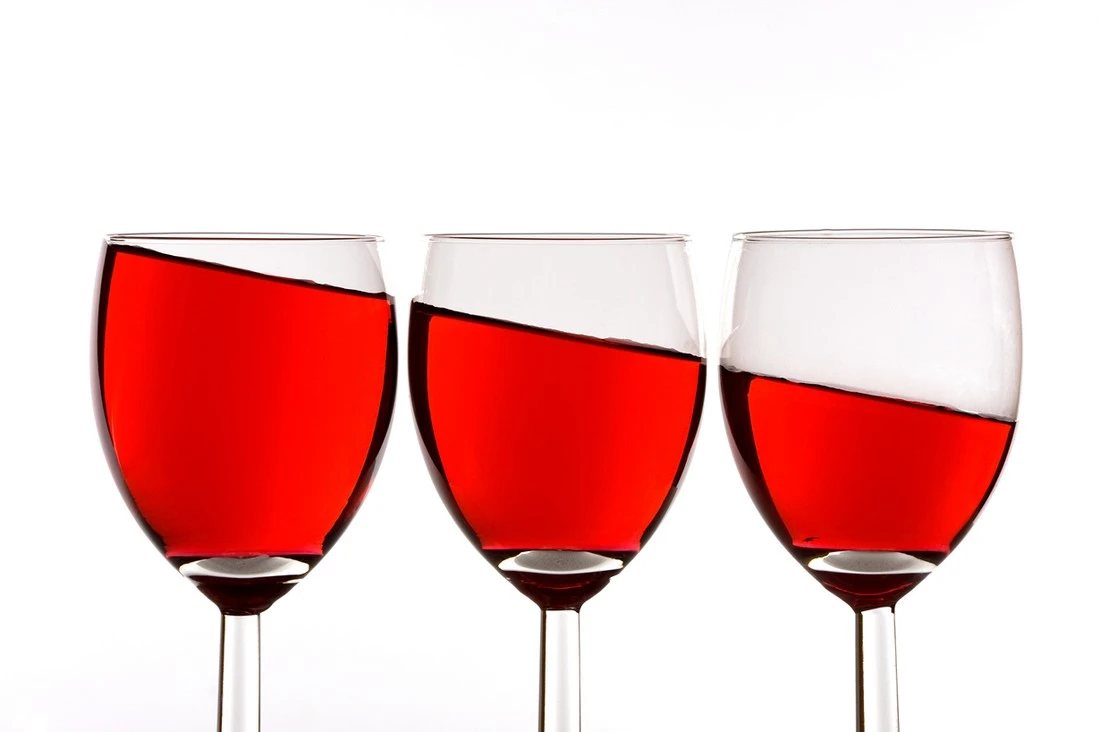
5. Red wine is red because it absorbs the color from the grape skins during fermentation. White wine does not undergo fermentation. (Philippe Put) 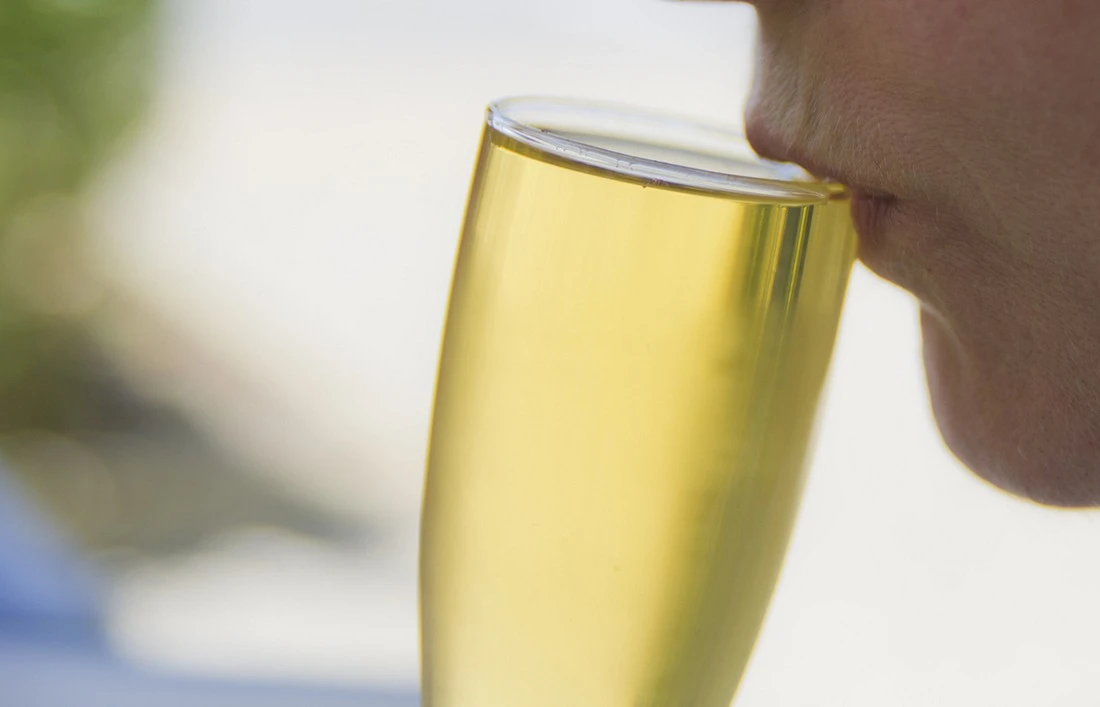
6. In ancient Rome, women were forbidden from drinking wine. A husband had the right to kill his wife if this law was violated. In 194 BC, divorce was replaced by the death penalty. (FredArt) 
7. The oldest bottle of wine in the world was found near the German town of Speyer and dates back to 325 AD. The exhibit is housed in the Palatinate Historical Museum. (Dontworry) 
8. Regular but moderate wine consumption may reduce the risk of cardiovascular disease, Alzheimer's disease, and stroke. (Matt) 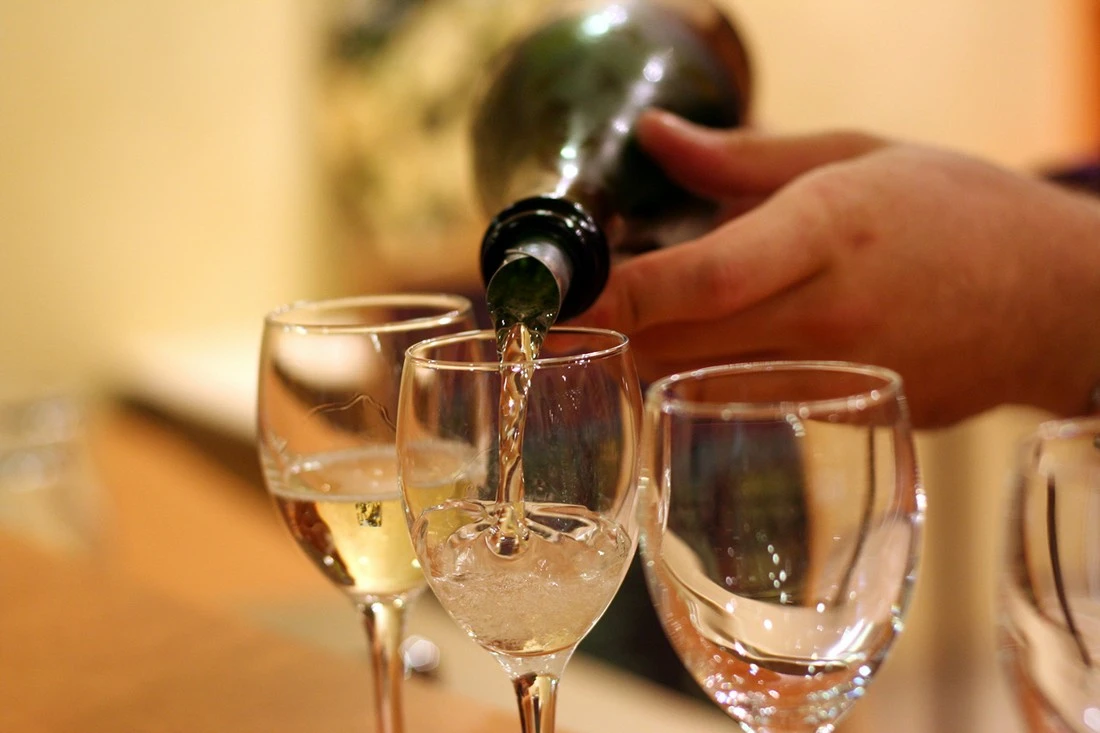
9. While wine has beneficial effects on the body, it can also cause gastrointestinal cancer, particularly esophageal cancer. There is also a risk of breast cancer. (Matthieu Aubry) 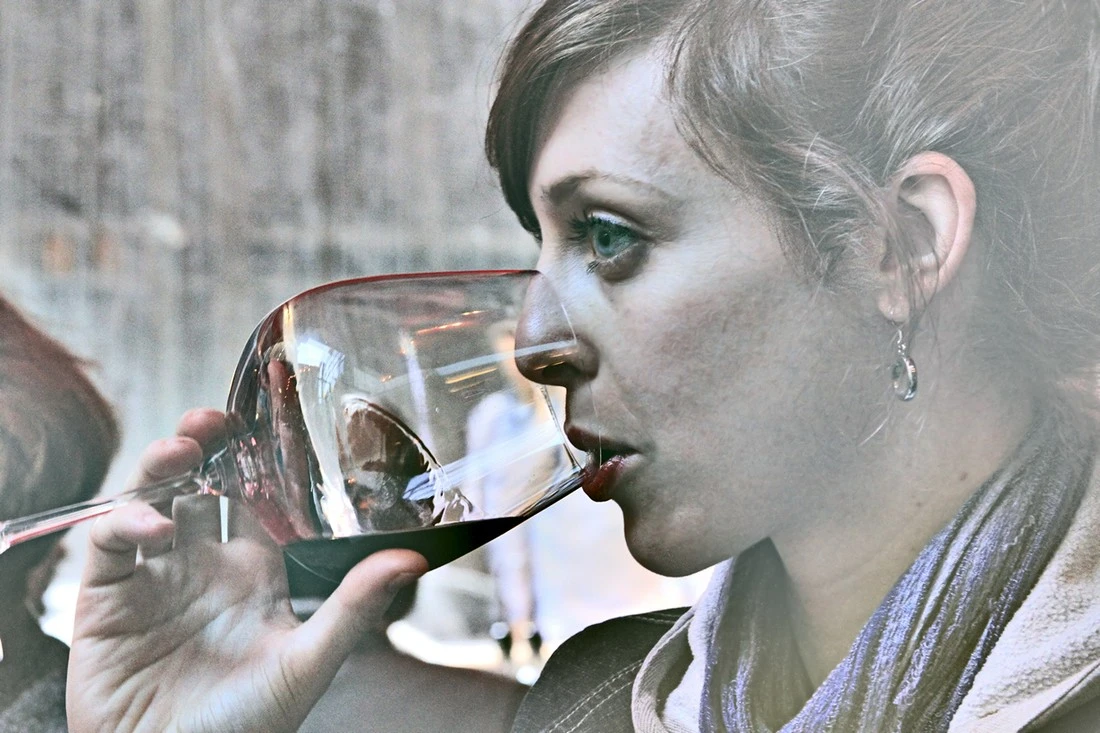
10. When tasting wine, you should linger the liquid in your mouth for a moment before swallowing (or spitting it into a bowl). A good wine will have a long aftertaste, while a low-quality wine will not. (Jean-Philippe Rebuffet) 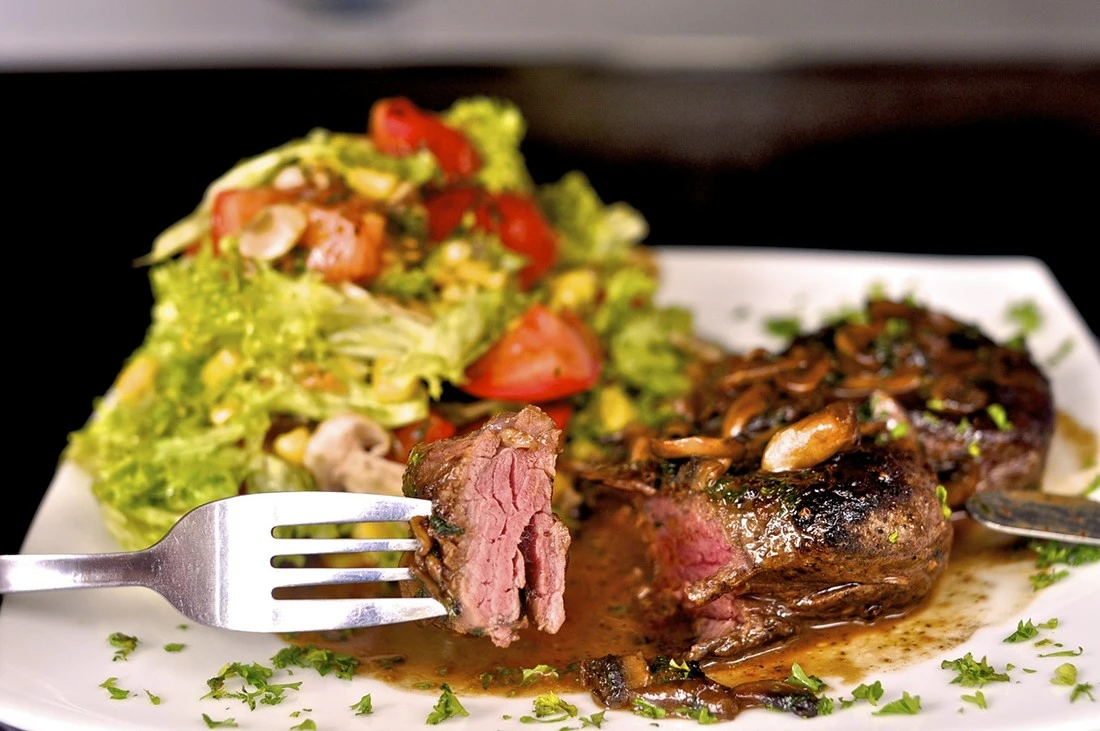
11. Expensive, heavier foods pair with heavy wine; light foods call for light wine. Also, red wine is generally served with red meat, white wine with white meat or fish, and sweet wine with dessert. (James) 
12. Many people mistakenly believe that the monk Dom Pérignon invented champagne. Although he does not deserve credit for the discovery, he made a significant contribution to the improvement of sparkling wines. (Dan Dickinson) 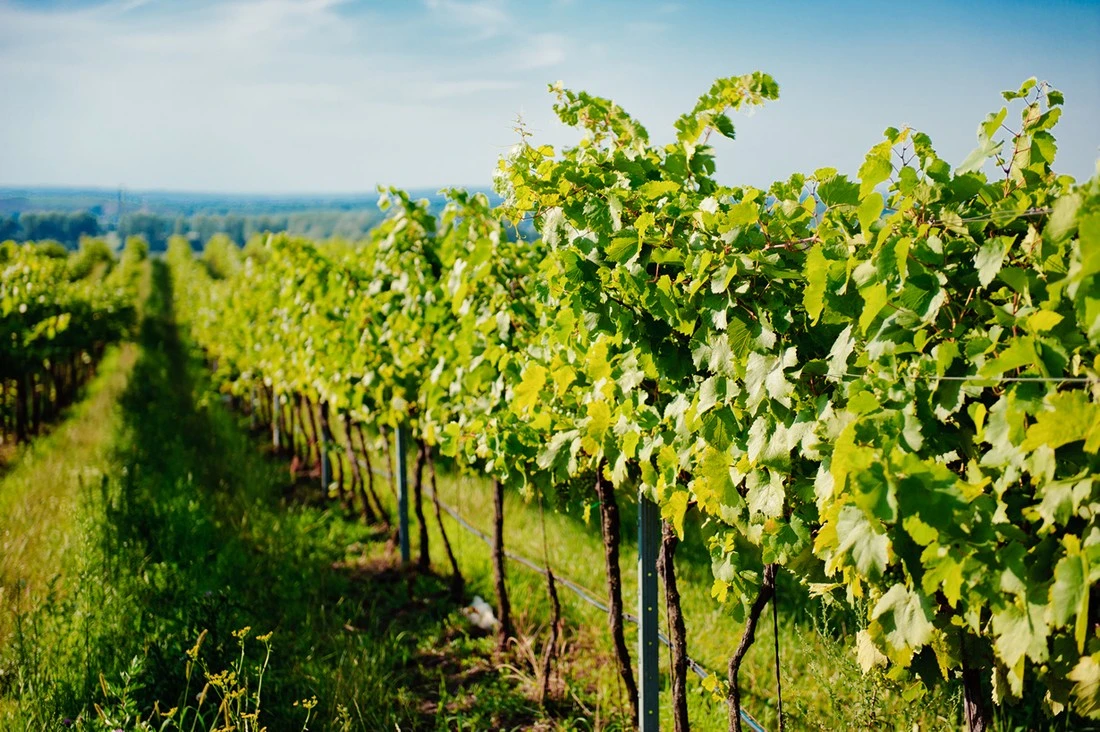
13. According to European Union law, sparkling wine produced outside the Champagne region of France cannot be called "champagne." (PortoBay Events) 
14. Traditionally, lighter wines are served first, followed by heavier ones. Furthermore, white wine should be served before red, young wine before old, and dry wine before sweet. (Mark Hintsa) 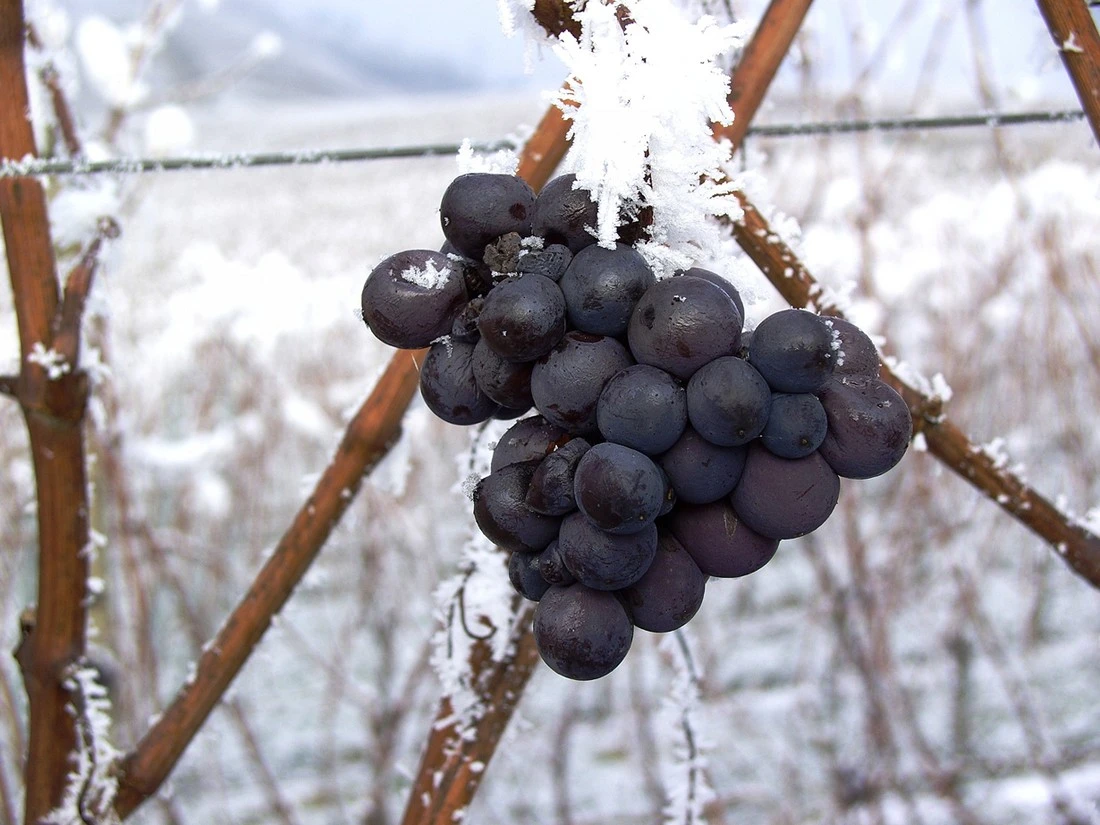
15. Ice wine is a German invention that is a dessert wine made from grapes frozen on the vine. (maifel2001) 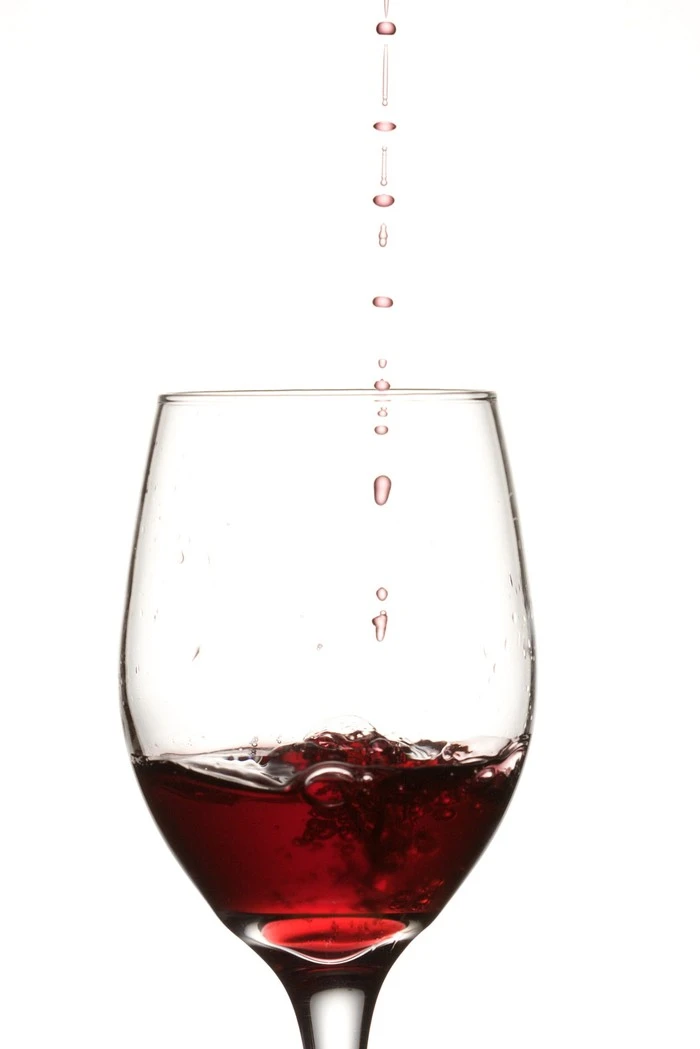
16. A standard glass of dry white or red wine contains about 110 calories. The sweeter the wine, the more calories. (Josh Kenzer) 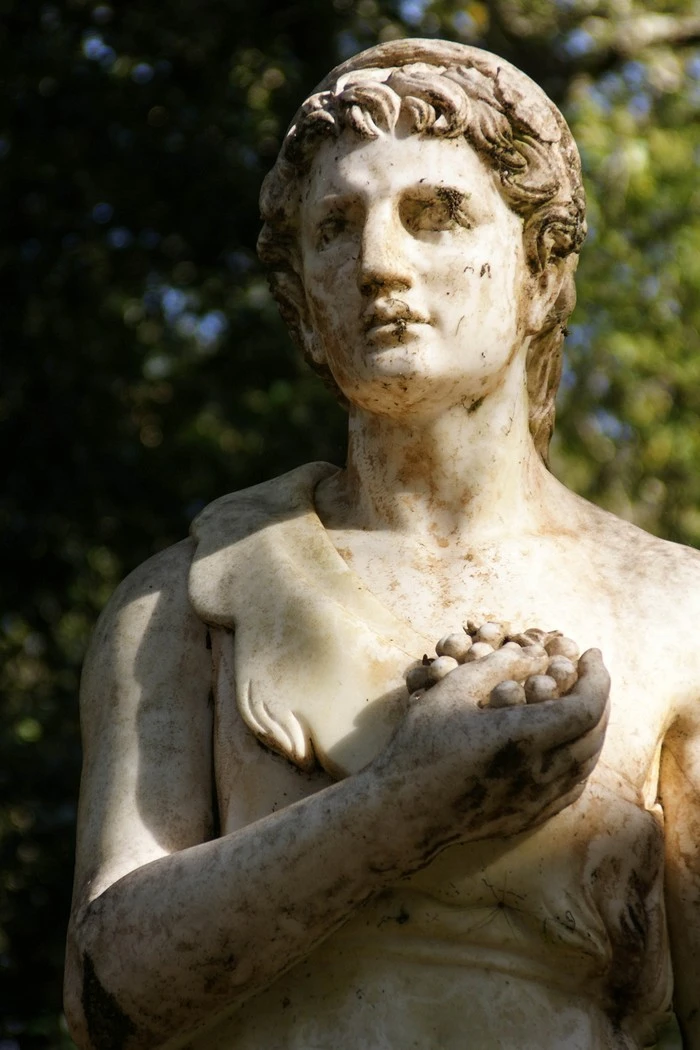
17. In the ancient world, wine facilitated contacts between peoples and was a means of trade. For example, the Greeks exchanged the drink for precious metals, and the Romans for slaves. (Valerie Everett) 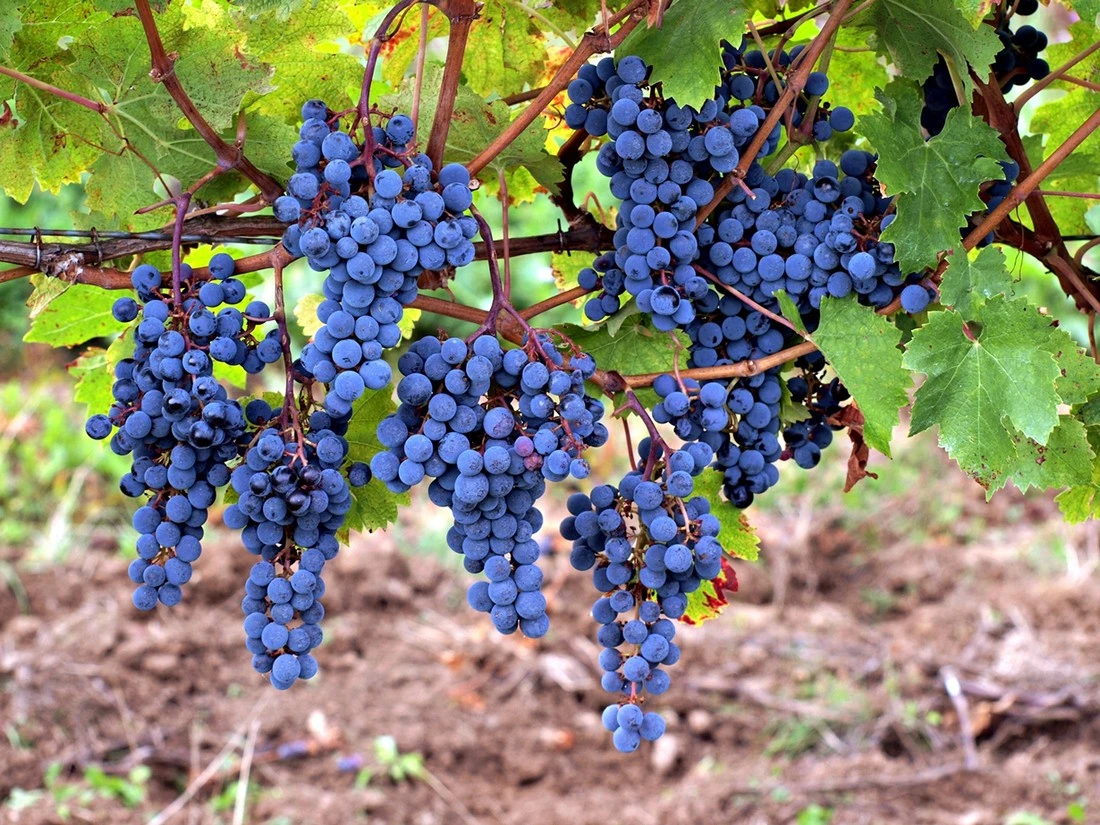
18. The Code of Hammurabi includes a law punishing wine sellers for fraud. According to this law, they were to be drowned in the river. (Roberto Verzo) 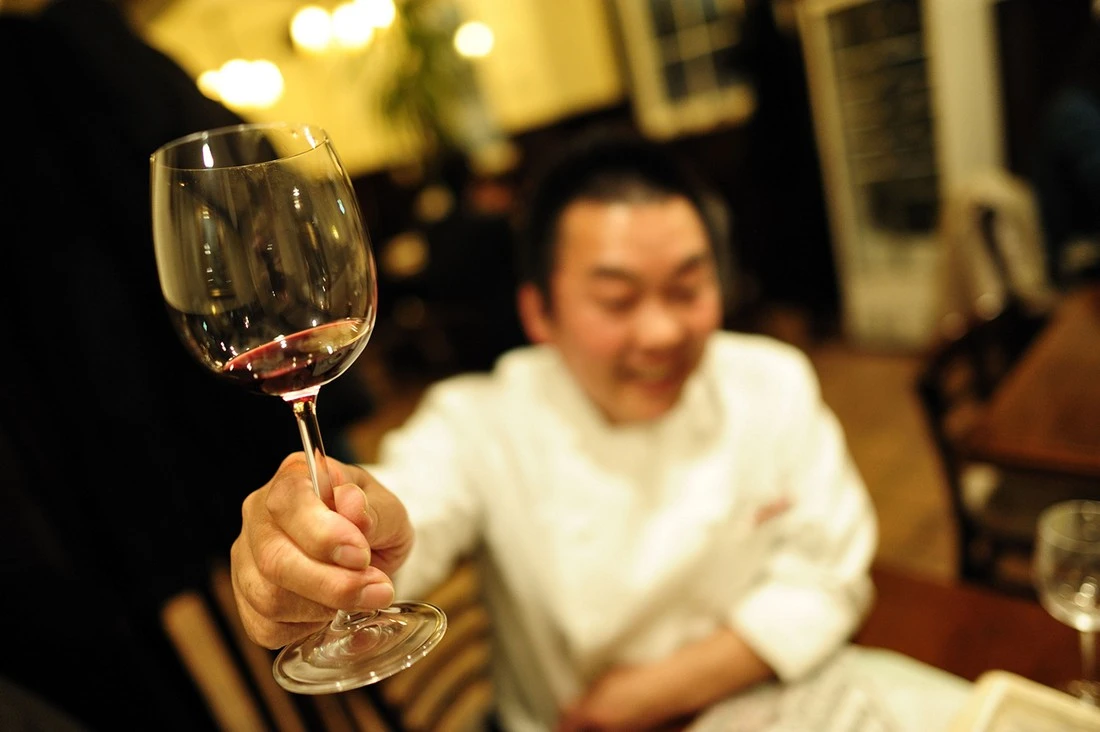
19. There is a right and wrong way to hold a glass of wine. You should hold the glass by the stem, not the bowl itself, as the warmth of your hand will warm the drink. (Fried Toast) 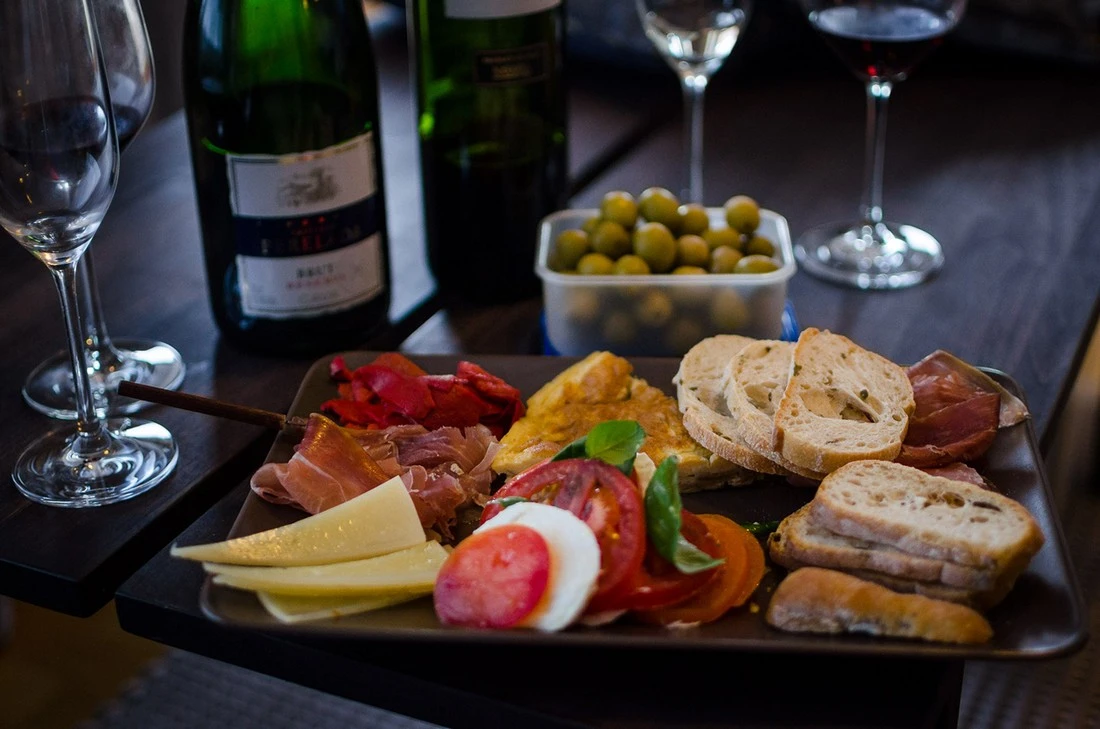
20. The correct pairing of wine and food creates a "synergy" of flavor that cannot be achieved by drinking wine or food separately. (Mikko Kuhna) 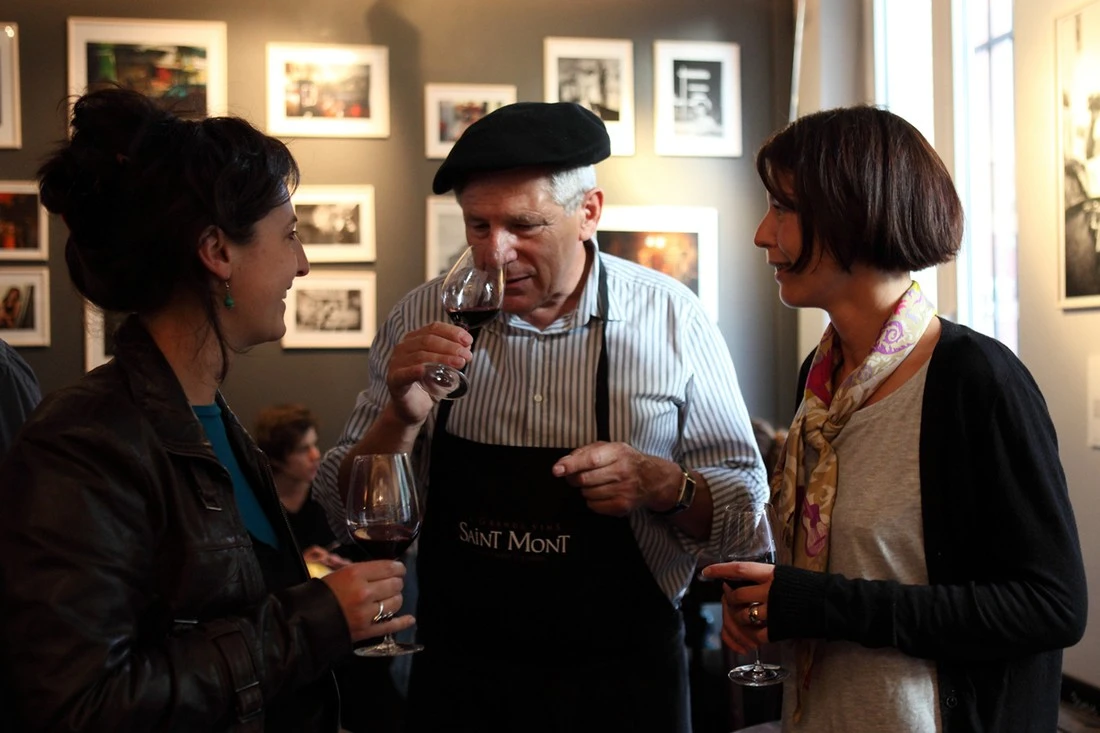
21. An oenologist is a specialist in winemaking, evaluating the soil, water, and the drink itself. (jalb) 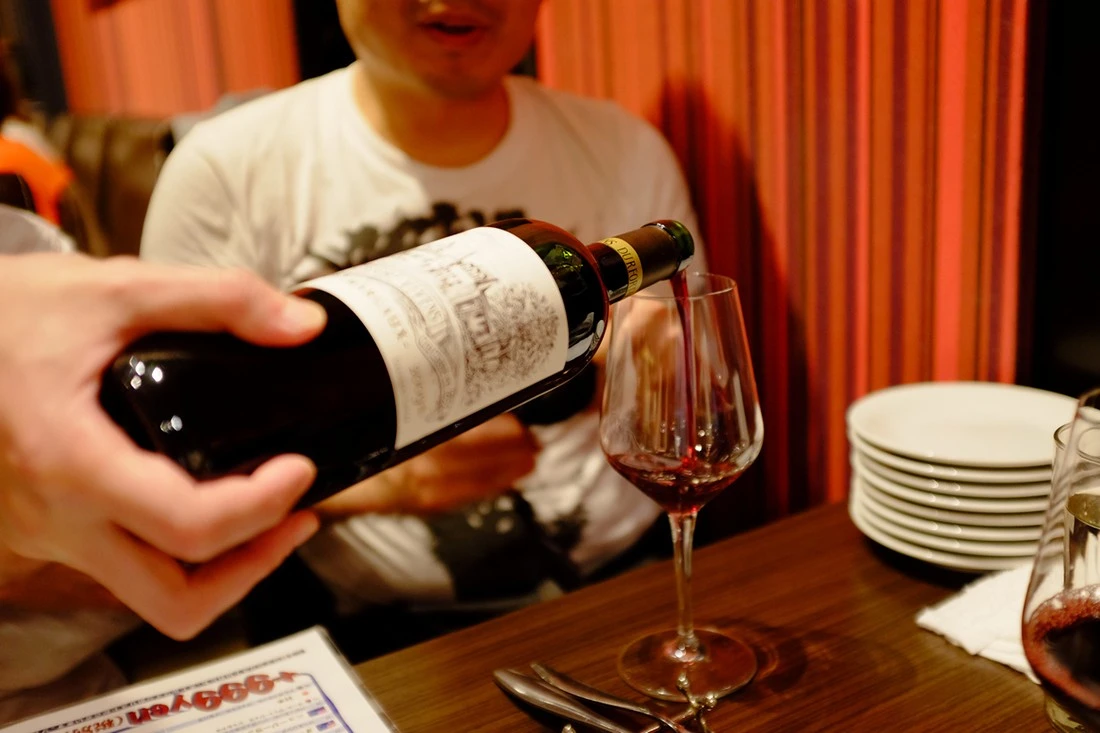
22. Red wine accounts for 55% of restaurant wine sales. (Hideya HAMANO) 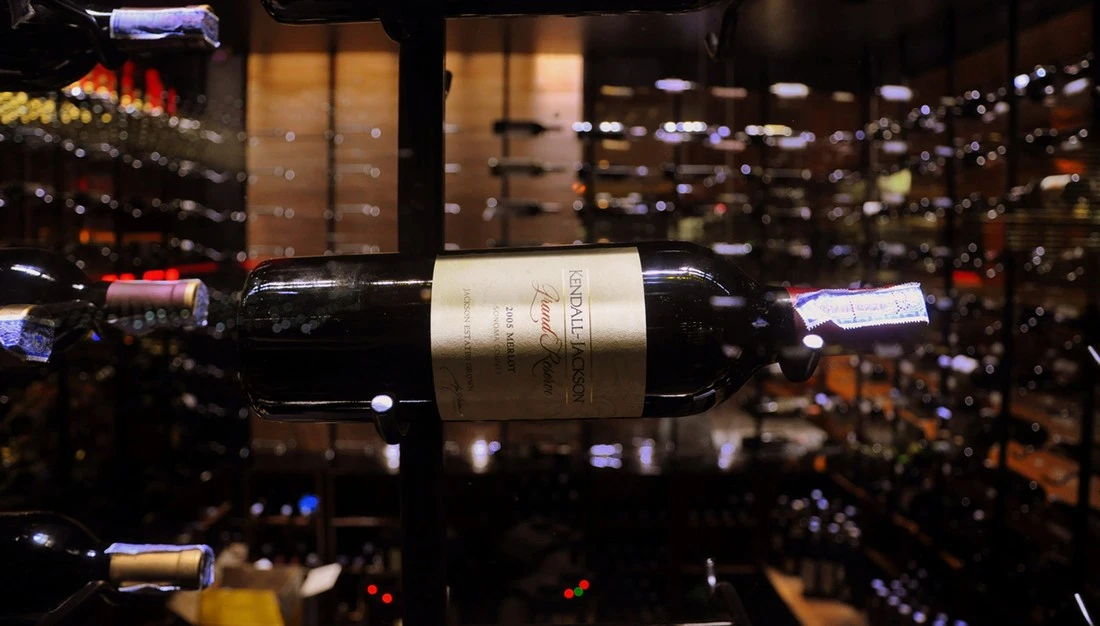
23. European wines are typically named after their geographical location (e.g., Chassagne-Montrachet or Bordeaux), while non-European wines (e.g., Pinot Noir, Merlot) are named after the grape variety. (Eustaquio Santimano) 
24. Women are more susceptible to the effects of wine than men. Women have less of the enzyme in their stomach lining needed to effectively metabolize alcohol. (Kat N.L.M.) 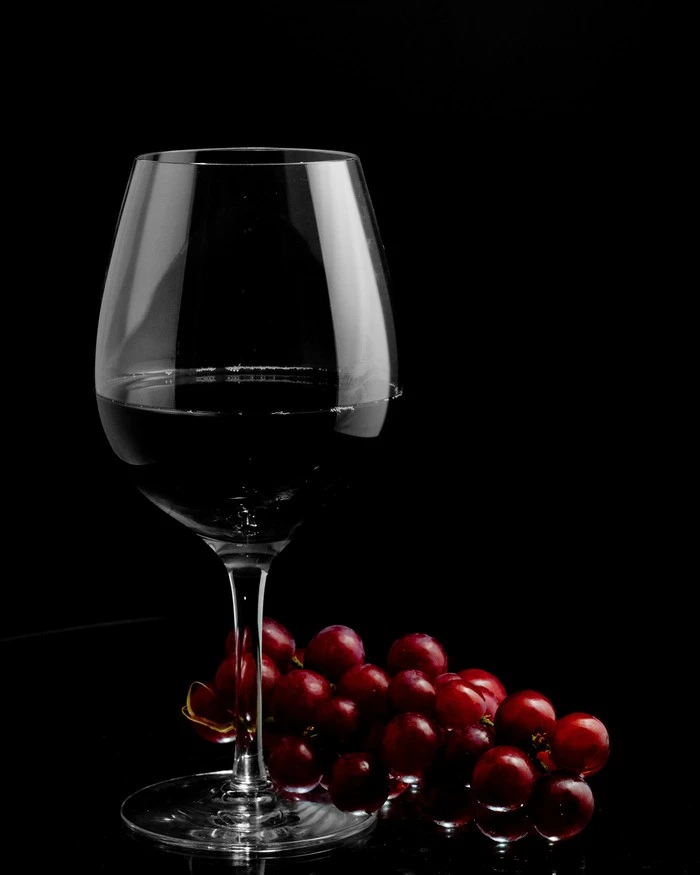
25. Red wine generally has stronger antioxidant properties than white wine and contains resveratrol, which reduces the risk of cardiovascular disease. (Jon) 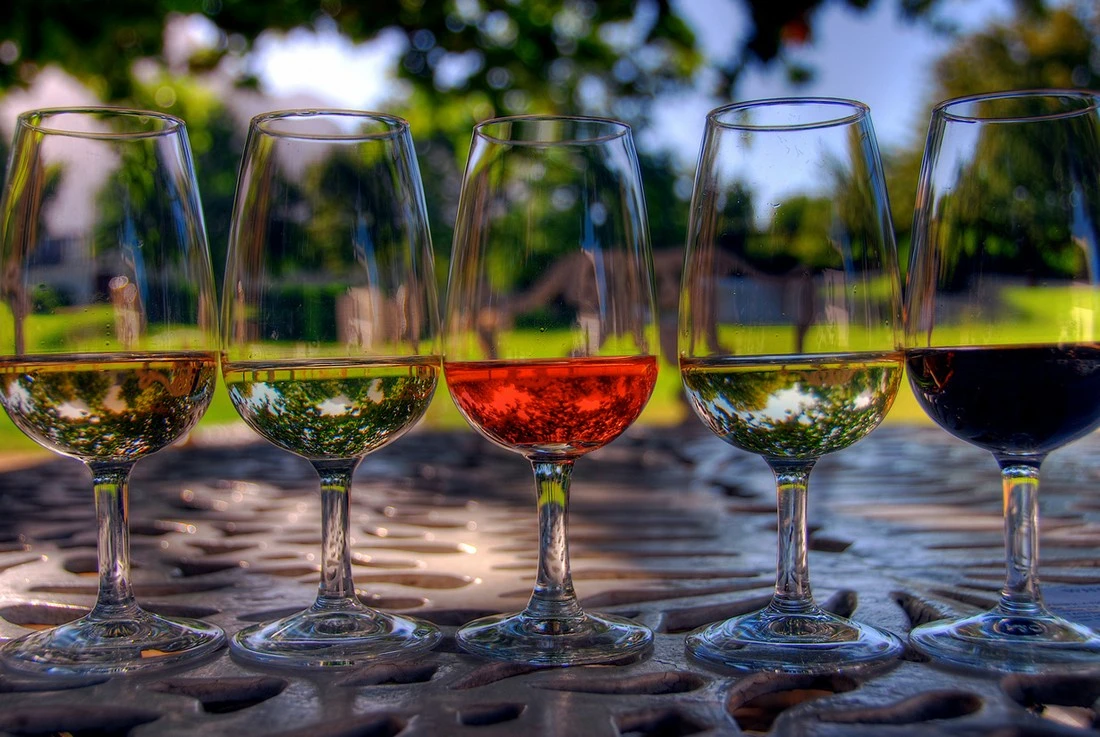
26. In most cases, wine is served in a glass with a curved rim, which helps retain the aromas. The thinner the glass and rim, the better. (slack12) 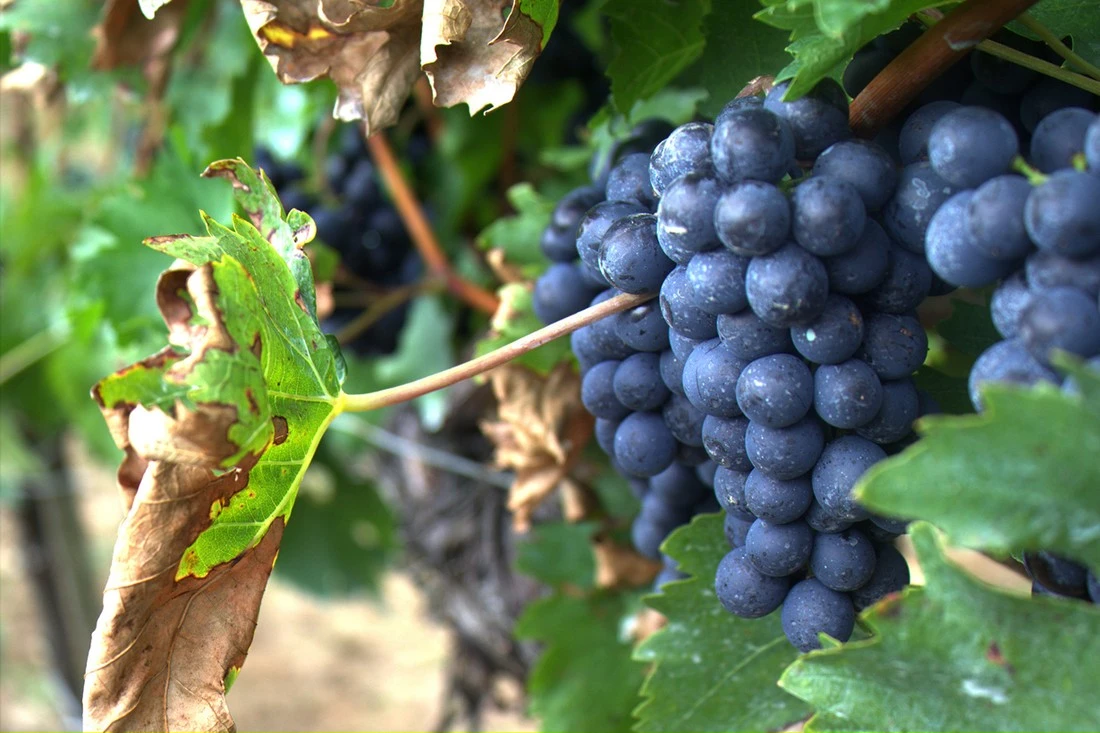
27. Wine grape varieties occupy the first place among the world's fruit crops in terms of acreage. (tribp) 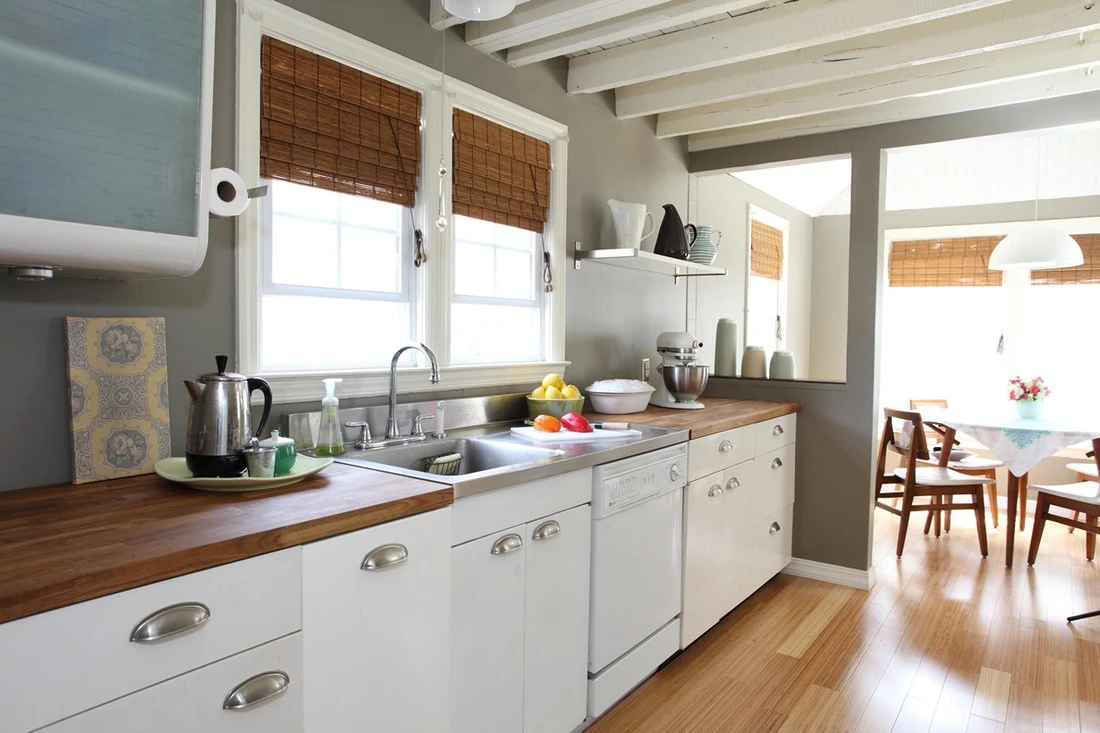
28. The kitchen is the worst place to store wine. It's usually quite hot. The refrigerator is also unsuitable for storing wine due to its excessive cold. (designbuildinhabit) 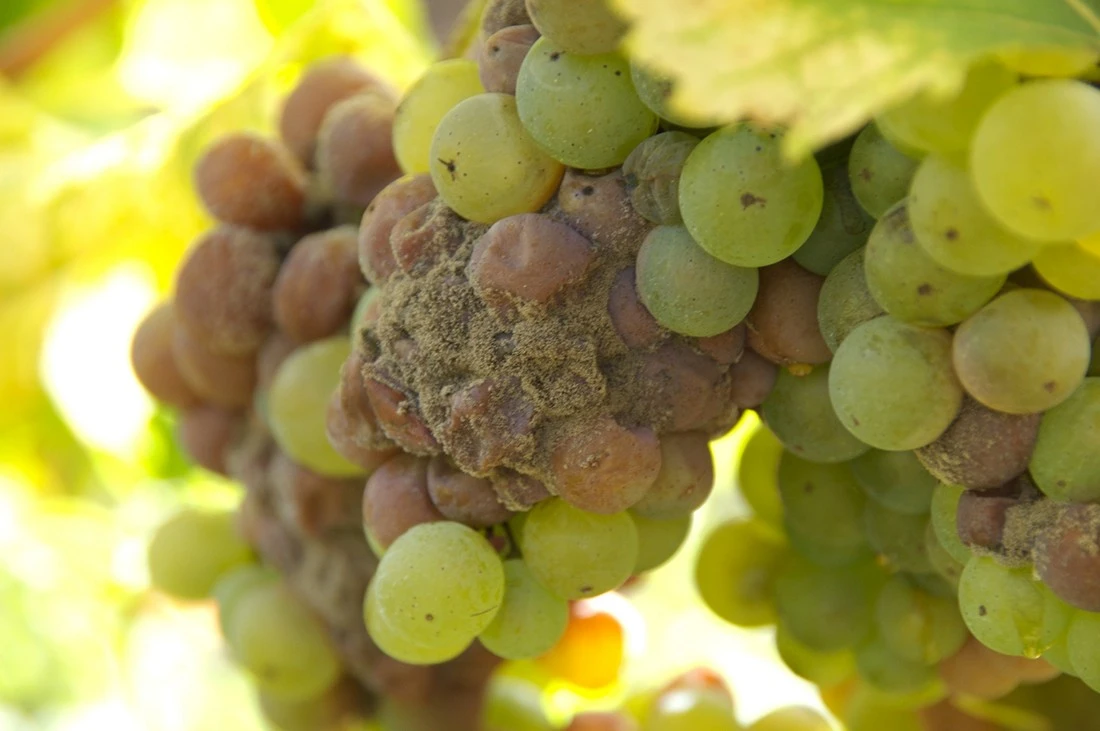
29. Gray mold, in certain cases, is a benign fungus used to produce elite sweet dessert wines. (Edwin) 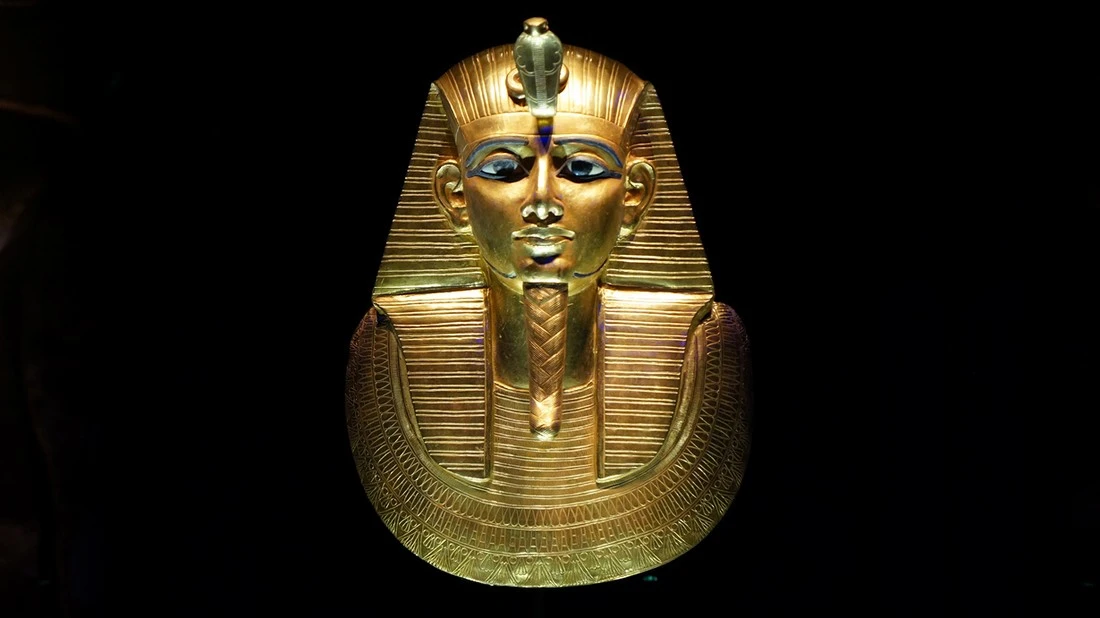
30. When archaeologists opened Tutankhamun's tomb in 1922, they found wine jars inside, labeled with the date of production, the name of the winemaker, and the words "very good wine." (Marina) 
31. "The Standard of War and Peace" (2600-2400 BCE) is the first known illustration of wine drinking. (Scott Sherrill-Mix) 
32. Oenophobia - Fear of wine. (JustCallMe_♥Bethy♥_) 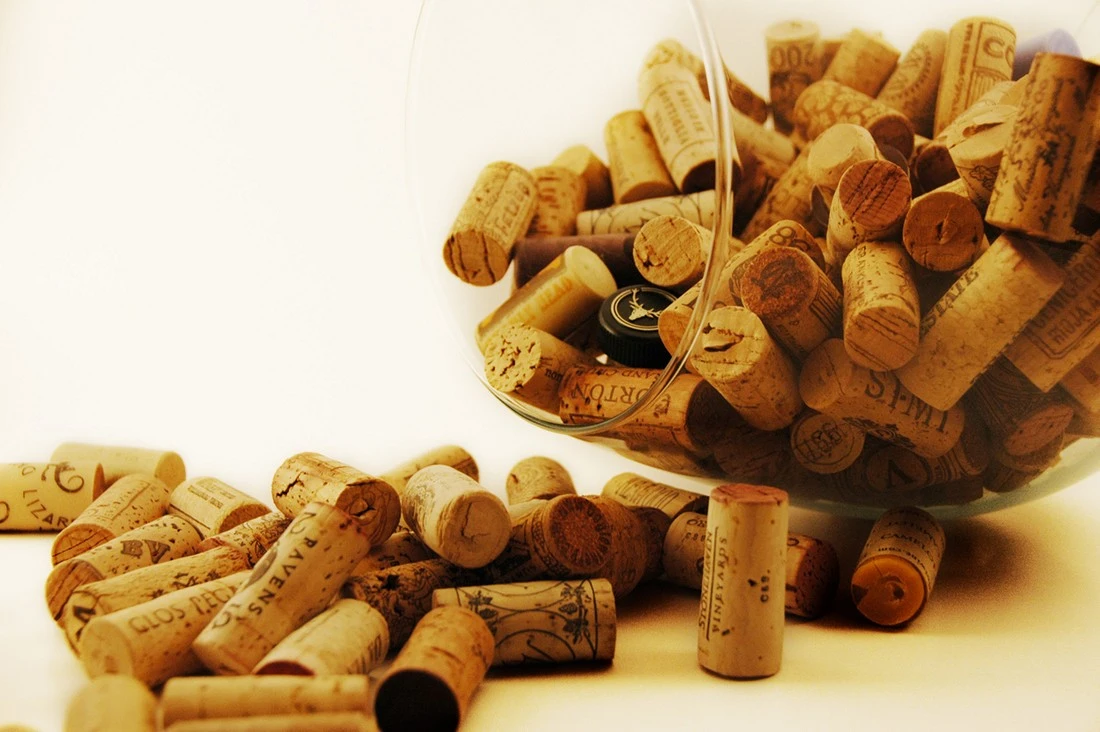
33. A cork teaser is a person who constantly talks about opening a bottle of wine, but never does. (Matt) 
34. A wine that tastes watery is considered "watered down." It could have been made from grapes picked during heavy rain. (iesse) 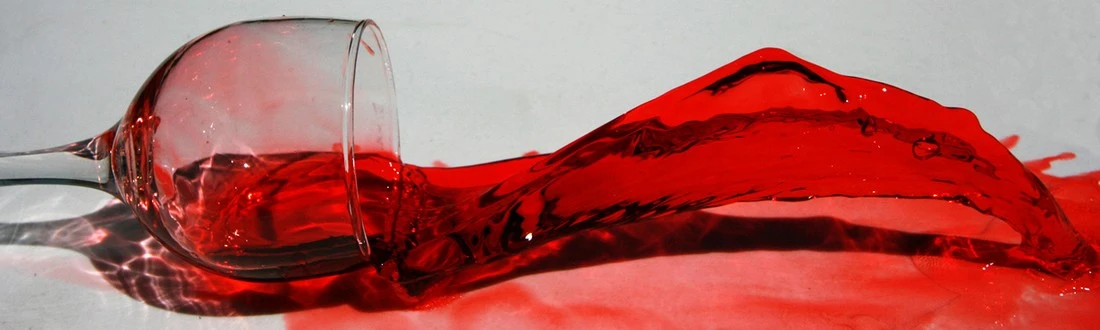
35. Red wines tend to lose color with age, acquiring a brick-red hue. White wines develop golden-brown hues. (Robert Allen) 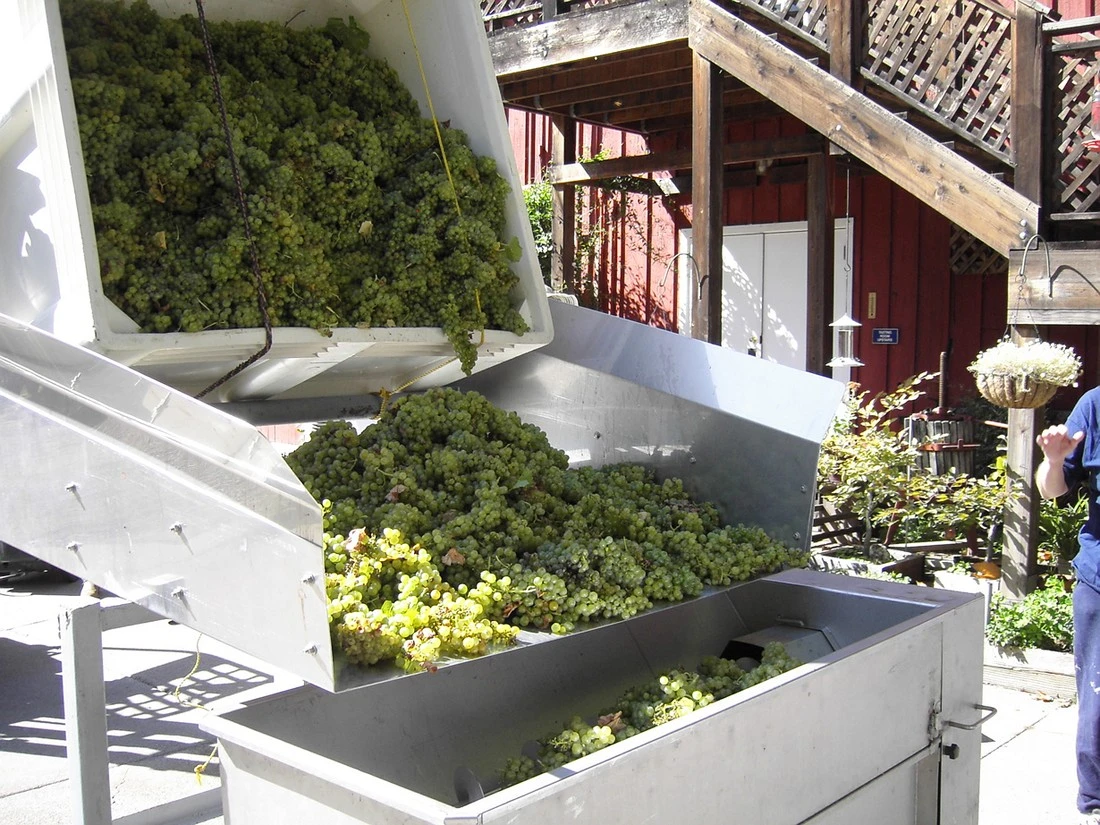
36. One ton of grapes equals 60 cases of wine or 720 bottles, meaning one bottle of wine contains approximately 1270 grams of grapes. (James)