Dogs have long lived alongside humans. From a wild animal, they have evolved into an irreplaceable companion, capable of bringing not only material benefits but also simple joy. Animals have naturally developed a specific language through which they attempt to communicate with their owners. Every dog owner who wants their pet to be happy should understand this. Unfortunately, not everyone realizes this. This leads to many difficulties in relationships and determining the dog's place in the "pack"—that is, in your family. 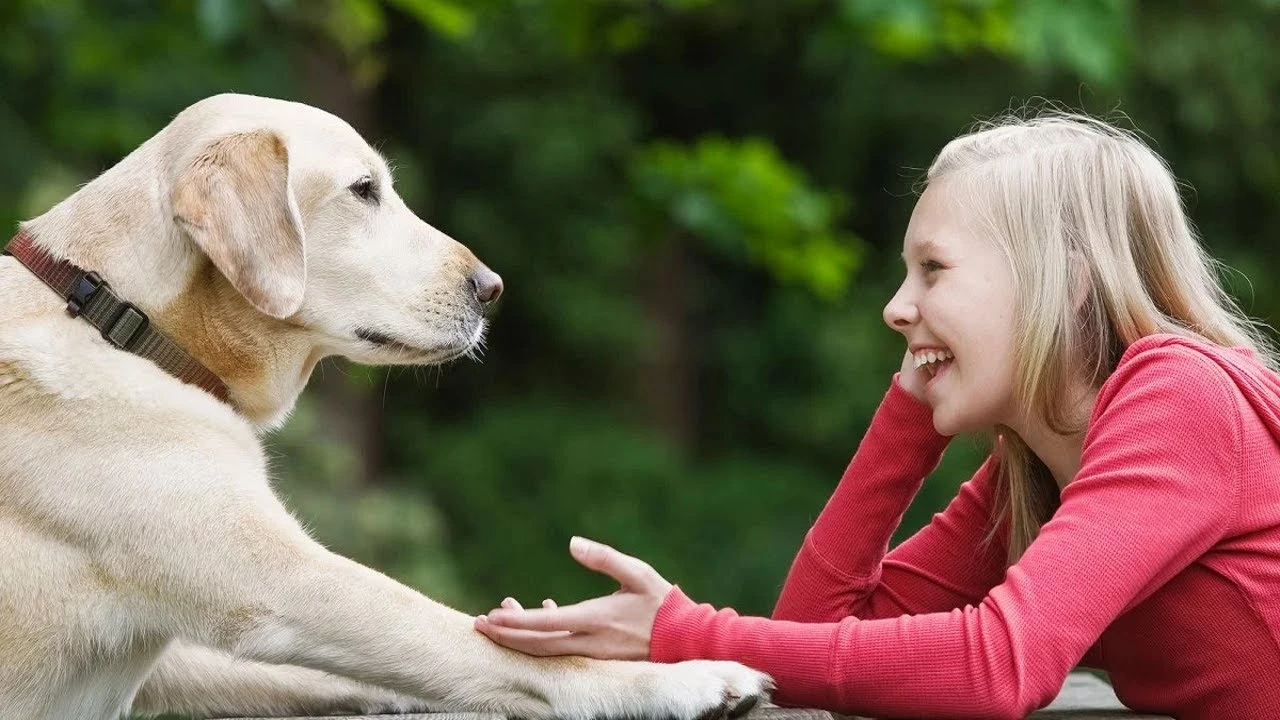
A struggle for dominance, initiated by a person who mistakenly believes that dominant and cruel behavior are the same, leads to nothing good. However, simply observing a dog's behavior closely is enough to understand its motives. Dogs are most often not trying to compete with us. They want to be a useful and loved member of society and express a variety of emotions through signs that must be understood. Here's what some of the most common ones mean. 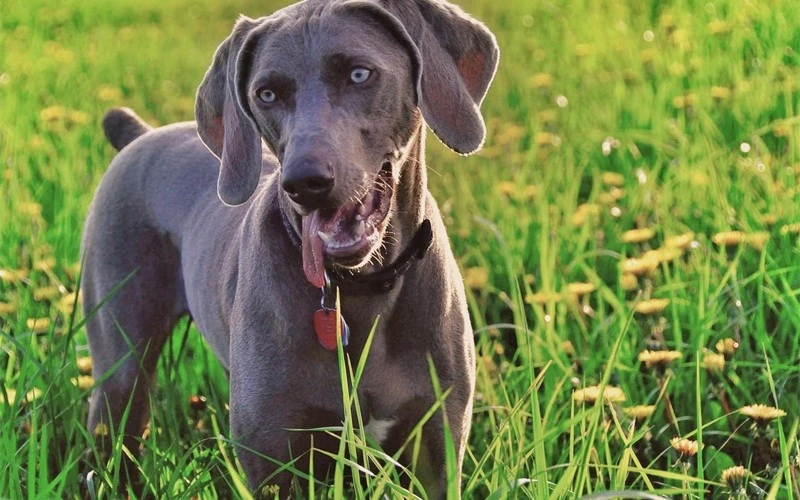
1. Gaze
By carefully observing your dog's gaze, you can easily understand its mood and even predict its next actions. A dog may avoid eye contact; this is normal, as direct gaze in the animal kingdom signifies a threat. A dog will glance sideways when it is embarrassed by something or in pain. A calm dog will not immediately avert its gaze when you look at it—it trusts you and feels confident. A "following" gaze, where the dog follows you without making eye contact, can indicate a threat. 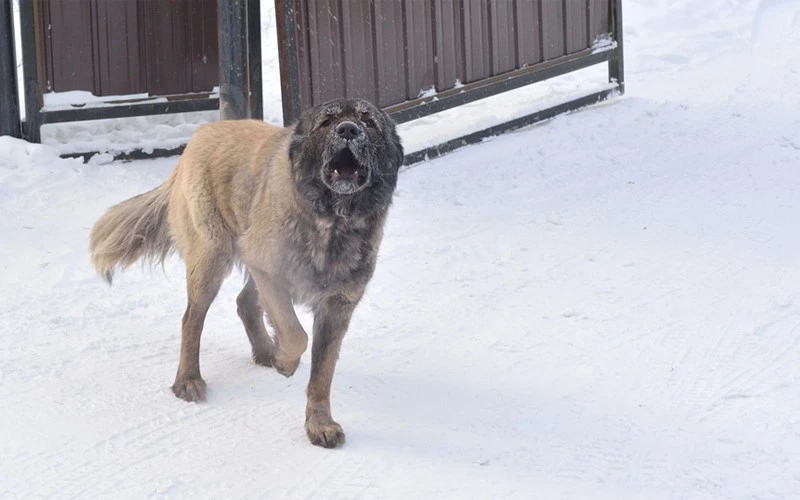
2. Sounds
Every sound your dog makes means something. An adult dog can "communicate" in four ways. Growling is a threat, yelping is a strong emotional response, ranging from pain to delight, barking is for attention, and whining is a way for a dog to express its subordinate role in the pack. 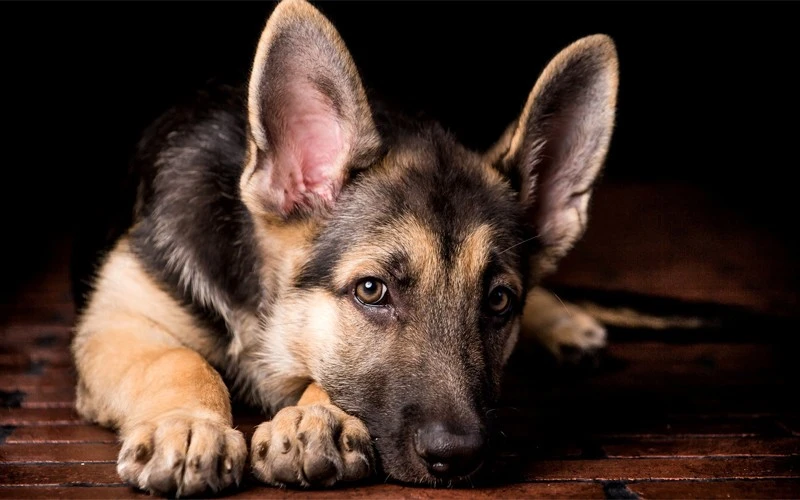
3. Ears
A dog can use its ears to express almost the entire range of its available emotions. When calm, they barely move. When threatened, they stand erect and lean forward slightly. Backward movement is a sign of friendliness. 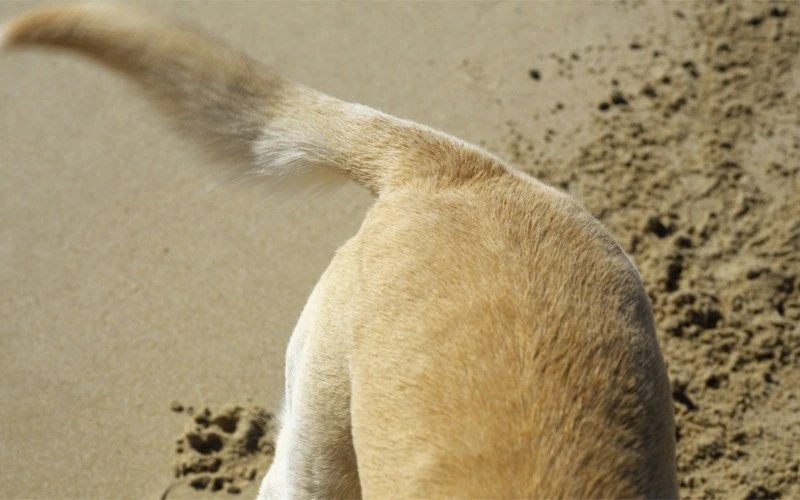
4. Tail
Consider that almost all nonverbal communication is carried out by a dog's tail. Of course, the ears and muzzle also play a role, but they don't convey the most information. Many believe that tail wagging signifies approval or joy. This isn't entirely true. It's comparable to the meaning of a human smile—not every smile signifies the owner's pleasure; there are also wry smirks and others. 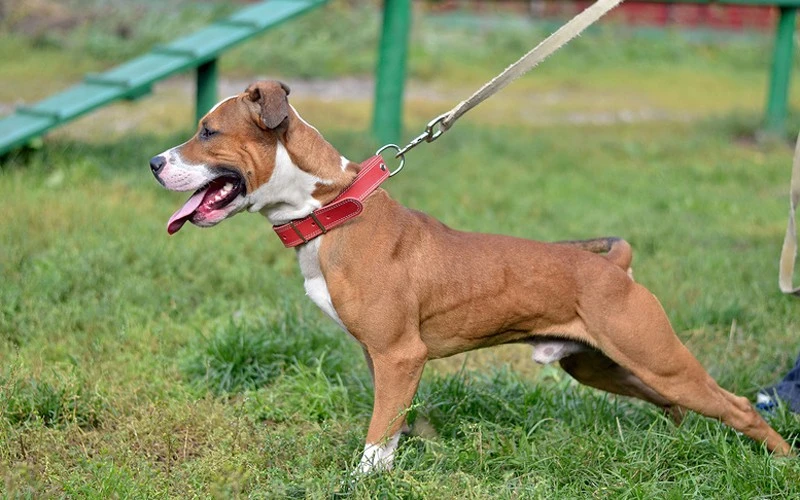
5. Pulling on the leash
Dogs, especially young ones, often behave in a certain way on walks. For the first few minutes, the dog rushes forward, pulling hard on the leash. Don't scold it for this. It doesn't try to break free and run away, and it doesn't try to show its dominance. By trying to stay ahead, the dog demonstrates its usefulness to the pack: it plays the role of a scout, always ready to warn the pack of danger. 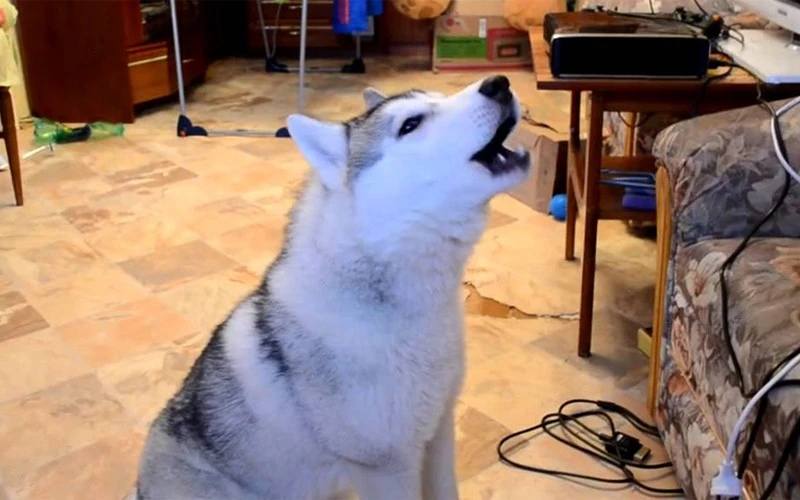
6. Howling
Don't be afraid of your dog's howling. This doesn't mean she's transformed into a werewolf and is planning a good time. By howling, the dog is trying to find nearby packmates to participate in the social life of this virtual pack. 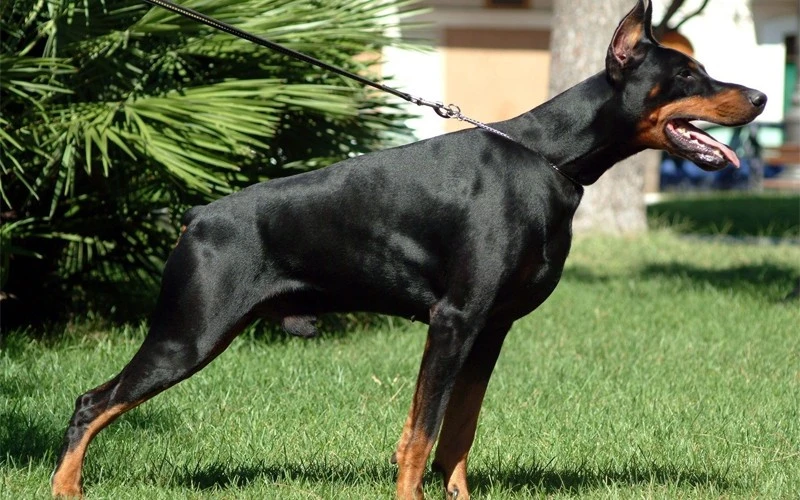
7. Determination
Dogs can appear extremely determined. You won't mistake this state: the dog is focused and hardly distracted by outside stimuli. This posture indicates that something unusual is lurking nearby, and the dog isn't yet sure whether it should expect danger. By following the direction of the dog's gaze, you yourself can easily understand what has your pet so agitated. 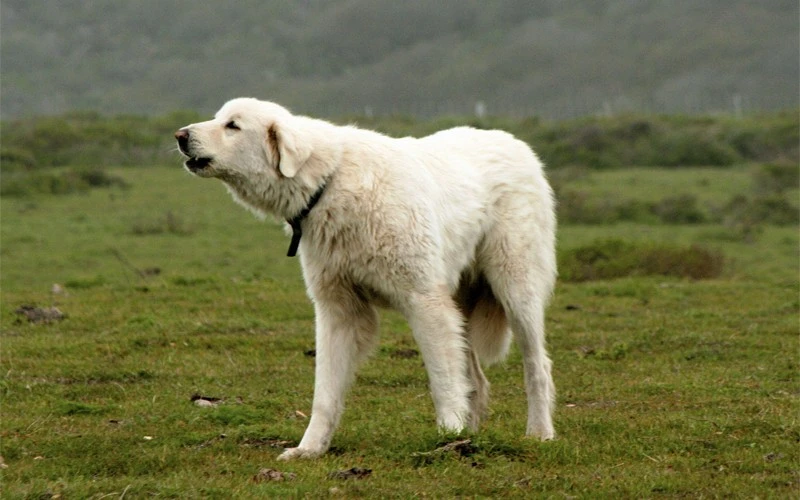
8. Size
Even with its body, a dog can reveal its true state. When frightened, it will try to make itself as small as possible. A hunched back, tail tucked between its paws, and small steps indicate that the dog is on the verge of escape. A confident stance on all fours, a puffed-out chest, and a raised head visually enlarge the dog's body and indicate its dominance and readiness to defend itself.
Add your comment
You might be interested in:















Persistence in achieving a goal

A biker prevented a hit-and-run driver from escaping

17 Photos That Will Stop You in Your Tracks (18 Photos)

Not everyone is having fun on the amusement ride

The cutest lunch delivery ever

Stunning Views of the Martian Horizon from 400 Kilometers

A book titled "A Guide to Rebuilding

Young women, Dancing and George Michael: nothing superfluous

An apology delivered with a running start
