15 mysterious ghost towns scattered around the world (16 photos)
Abandoned settlements exist all over the world—mysterious, eerie, and always intriguing. There are many reasons why a city might become a ghost town: economic downturn, war, natural disaster, environmental catastrophe… Here's a list of what we consider to be the most interesting ghost towns on Earth. 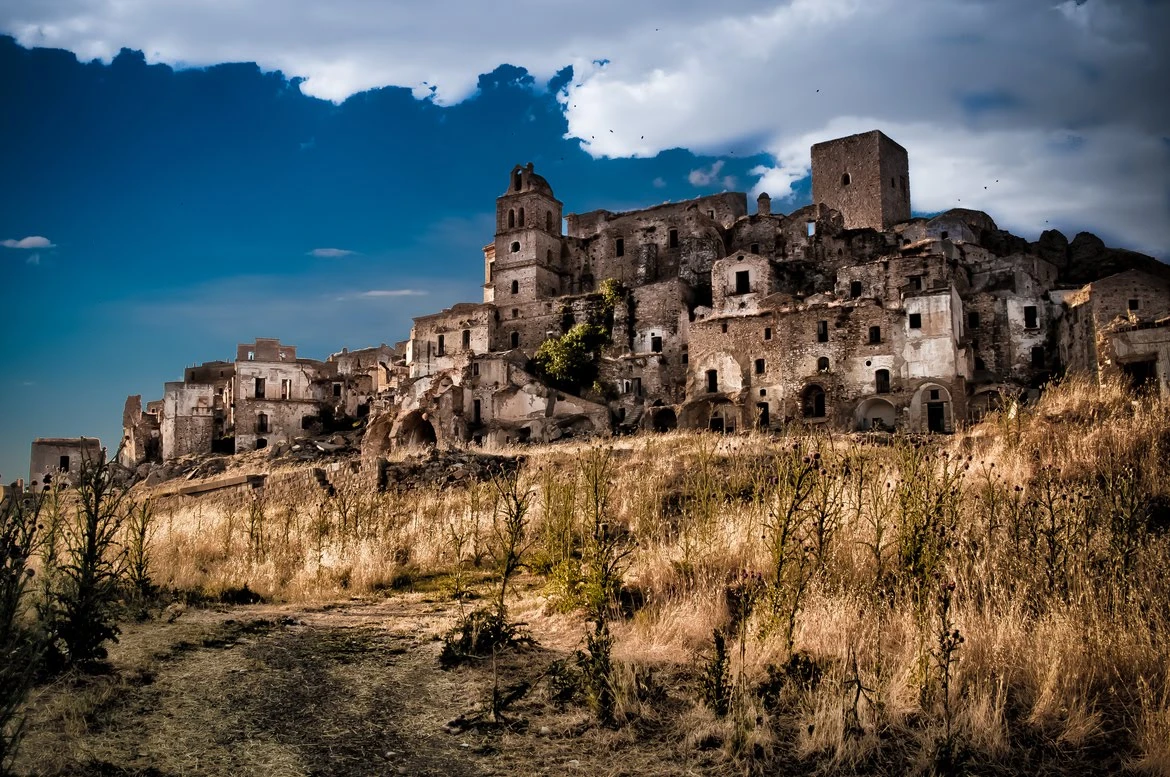
Typically, such places are completely uninhabited, although there are also ghost towns with very small populations. Some are off-limits, while others have been converted into parks or tourist attractions. 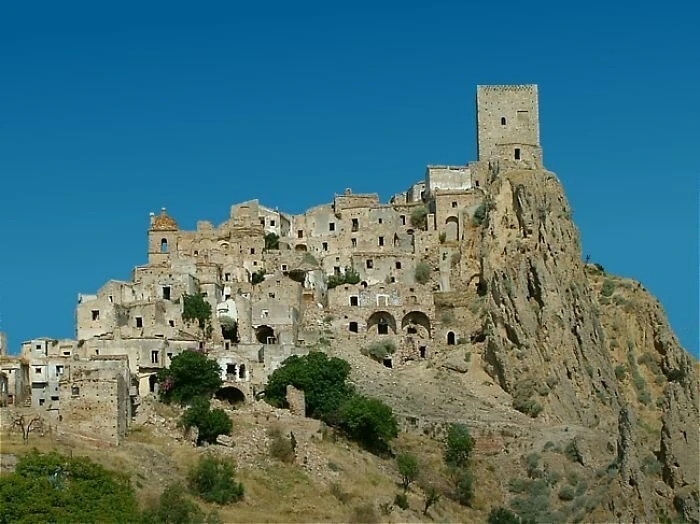
Craco, Italy
This area was settled by Greeks around 540 BC, when they migrated inland from the coastal city of Metaponto and named the area Montedoro. For centuries, it was a thriving settlement, boasting a university, four large palazzi, and a growing population. In 1656, the plague reduced the population by a hundredfold. Craco subsequently declined gradually, primarily due to poor agricultural conditions. Between 1892 and 1922, most of the residents left for North America. Then, in 1963, a massive landslide forced the evacuation. After an earthquake in 1980, the area was completely abandoned. Today, it is a popular tourist attraction. Several films have also been filmed here, including "Quantum of Solace" and "The Passion of the Christ." 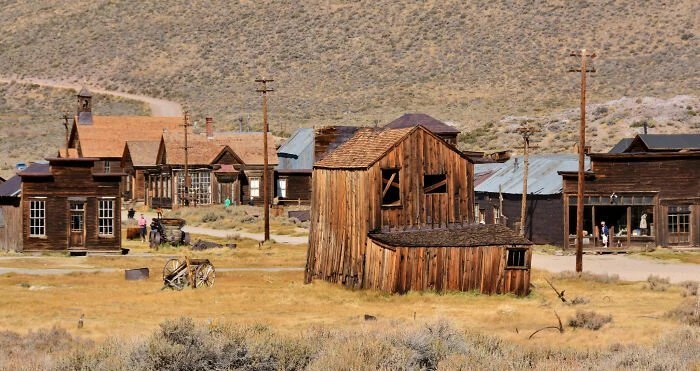
Bodie, California, USA
In the 19th century, a rich gold vein was discovered in this gold prospecting town, and Bodie grew and became a thriving city. At its peak, it housed between five and seven thousand residents and boasted 2,000 buildings. In the early 20th century, the town began to decline. Today, Bodie is a veritable Wild West ghost town, with only 110 buildings remaining. It is open to the public, and tourists are free to wander the deserted city streets and examine the remaining treasures on store shelves and the interiors. 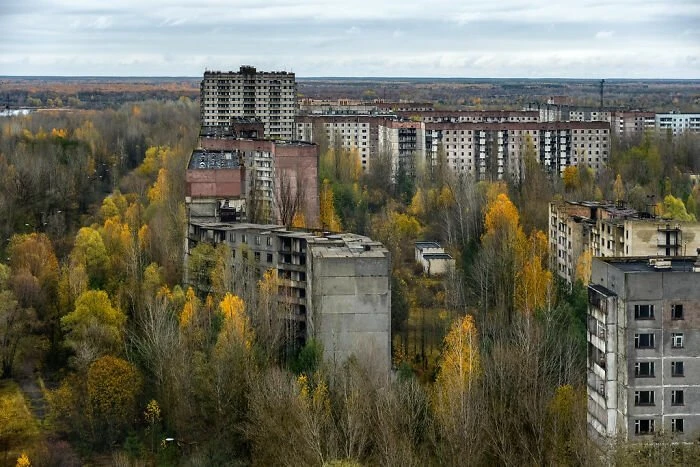
Pripyat, Ukraine
Perhaps one of the most famous ghost towns in the world, Pripyat was founded in 1970 as the Soviet Union's ninth nuclear city to support the nearby Chernobyl Nuclear Power Plant. By the time of its evacuation (the day after the Chernobyl disaster) on the afternoon of April 27, 1986, the city's population was 49,360. Naturally, after the disaster, the city was abandoned and soon became a ghost town. Nowadays, with radiation levels decreasing, more and more tourists are visiting the site, and various Ukrainian companies offer tours of the surrounding area. 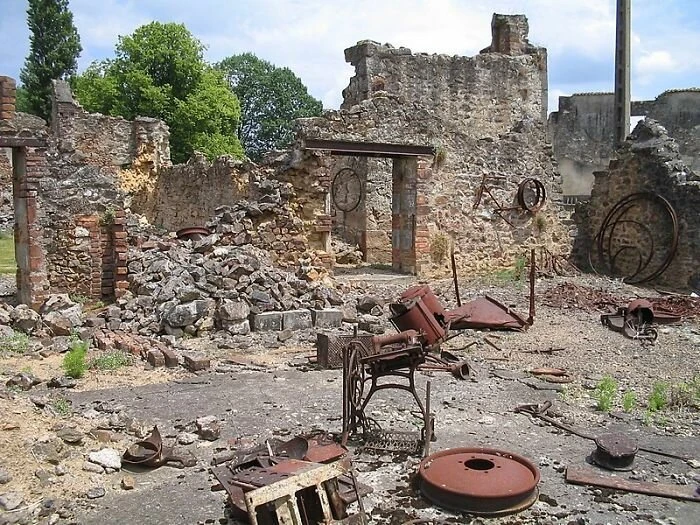
Oradour-sur-Glane, France
Oradour-sur-Glane is an abandoned village in the Nouvelle-Aquitaine region of west-central France. It was destroyed on June 10, 1944, when the Nazis murdered almost all of the village's inhabitants: 642 people, including women and children, perished. Of the village's entire population, only about 30 miraculously survived that day. A unit led by Adolf Dieckmann forced all the inhabitants to leave their homes. The men were gathered in barns, where they were shot and then set on fire. The women and children were locked in the church, which was also set on fire. Those attempting to escape the burning building were shot. After the war, then-French President Charles de Gaulle decided that the village should be turned into a memorial. A new village with the same name was built nearby. 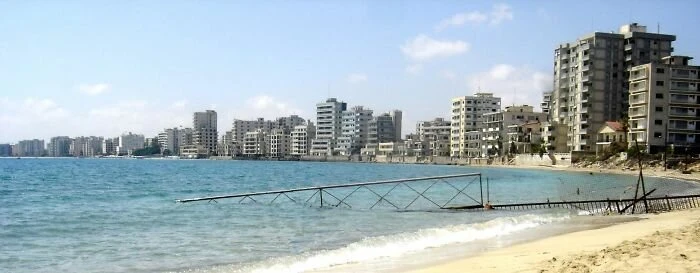
Varosha Quarter, Famagusta, Cyprus
Today, Varosha is an abandoned neighborhood in the south of the Cypriot city of Famagusta. But once—by the early 1970s—it was the number one tourist destination in all of Cyprus. This led to the construction of new buildings, mainly hotels and various tourist attractions. At its peak, Varosha was the number one tourist destination in the world and welcomed such guests as Elizabeth Taylor, Richard Burton, and Brigitte Bardot. Everything changed with the Turkish invasion of Cyprus in 1974, when the territory came under Turkish control. The residents of Varosha fled, and the area remained abandoned and occupied by Turkish forces. To this day, the Varosha quarter remains uninhabited and entry is prohibited. 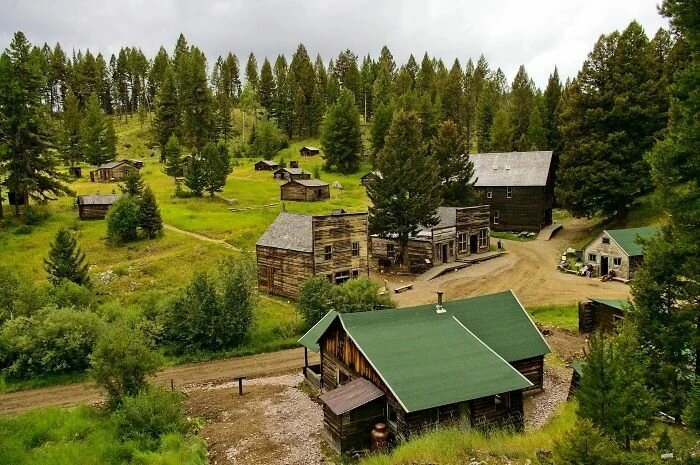
Garnet, Montana, USA
Garnet is another abandoned US mining town, built in the 1860s. In 1898, the town had a population of about 1,000. Unsurprisingly, Garnet was abandoned two decades later when the gold mines ran out. Despite being severely damaged by a fire in 1912 that destroyed half the town, Garnet is now one of the best-preserved ghost towns in Montana. It is visited by 16,000 people annually. 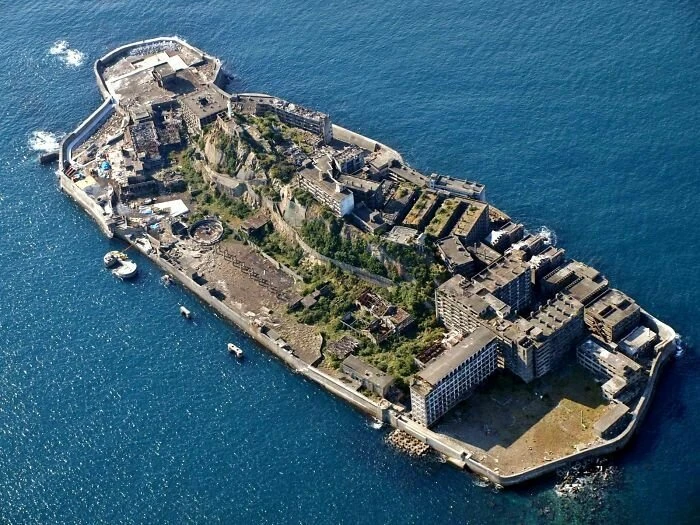
Hashima Island, Japan
Hashima, also known as Gunkanjima, is an island located approximately 15 kilometers from the city of Nagasaki in southern Japan. Coal was discovered on the island in the early 19th century, and 80 years later, in 1887, coal mines were built there. The population peaked on Hashima in 1959, when 5,259 people lived on the island. In 1974, when the coal reserves ran out, the mines closed and the people left. The island remained abandoned until the early 2000s, when interest in its historical ruins revived. Some buildings were restored, and tourists began visiting in 2009. In 2015, the island was designated a UNESCO World Heritage Site. 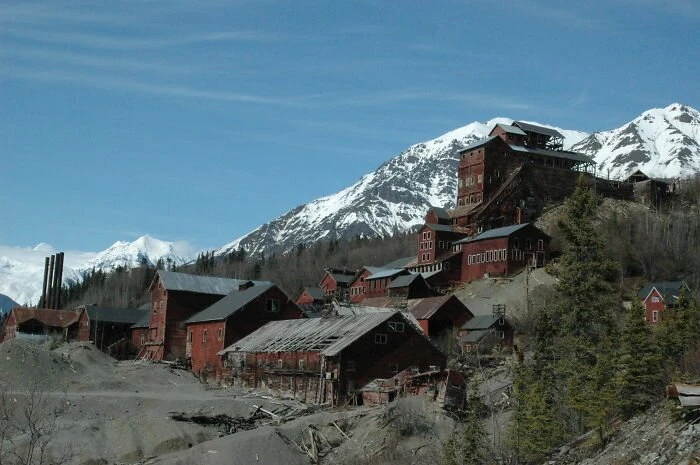
Kennicott, Alaska, USA
Kennicott was once a central mining camp connecting several copper mines. It all began back in 1900, when rich deposits of copper ore with a high concentration (up to 70%) of pure chalcocite were discovered here. At that time, copper had just become extremely valuable, thanks to the invention of electricity, automobiles, and telephones. Hundreds of people flocked here to work in the copper mines seven days a week. From 1909 to 1938, the Kennicott mines produced more than 4.6 million tons of ore, generating revenues exceeding $100 million. By the early 1930s, the high-quality ore deposits were depleted, and five mines closed one after another. The last train left Kennicott on November 10, 1938, marking the end of an era and leaving behind a ghost town. 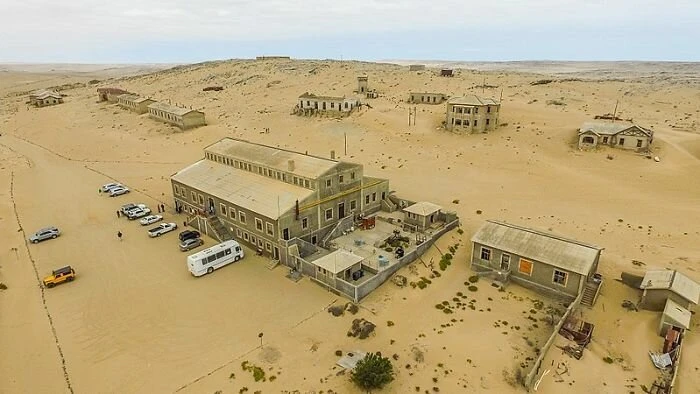
Kolmanskop, Namibia
In 1908, in southern Namibia, 10 kilometers from the port town of Lüderitz, a worker found a diamond and showed it to his boss, German railway inspector August Stauch. This led to the emergence of a town that attracted large numbers of German miners to mine diamonds. They built a hospital, a ballroom, a power plant, a school, a bowling alley, a theater, a gymnasium, a casino, an ice factory, and the first X-ray station in the Southern Hemisphere. Soon after World War II, the diamond deposits began to deplete, and people began to leave. The town was finally abandoned in 1956. Now the desert is gradually taking over, and tourists who come here wade knee-deep in sand. A special permit is required to enter the town. 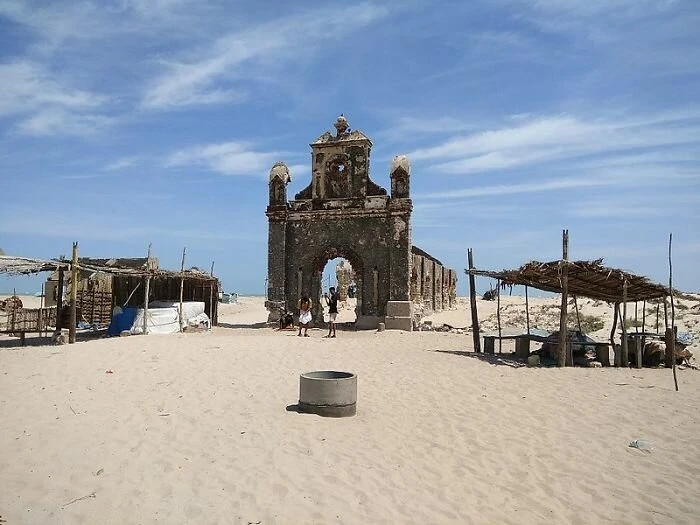
Dhanushkodi, India
Dhanushkodi was once a simple Indian town, full of life and laughter. People could come and go on passenger trains, enjoying the views of the Laccadive Sea on one side and the Palk Strait on the other. However, everything changed when Cyclone Rameswaram struck the town on the night of December 22-23, 1964. Winds reached 280 km/h (175 mph) and tidal waves reached 7 meters (23 ft). The disaster killed approximately 1,800 people. The town was abandoned by its residents and declared uninhabitable. Today, it is a popular tourist destination. 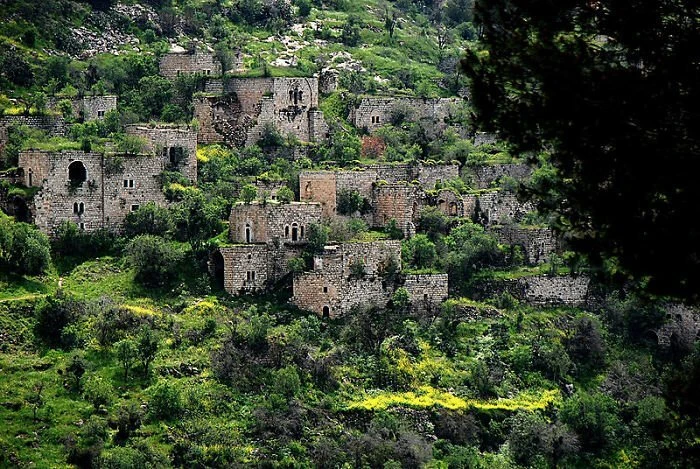
Lifta, Israel
The settlement's origins date back to ancient times: archaeological remains dating back to the Iron Age have been discovered at the site. In 1945, Lifta had a population of 2,250, 2,230 of whom were Muslim and the remaining 20 Christian. During the 1947-48 civil war, After the Palestinian exodus of 1948, Lifta was abandoned by its Arab residents. The remaining Jewish community left in 1971. The last residents left in 2017, and since then, the village of Lifta has been considered a nature reserve in Israel. 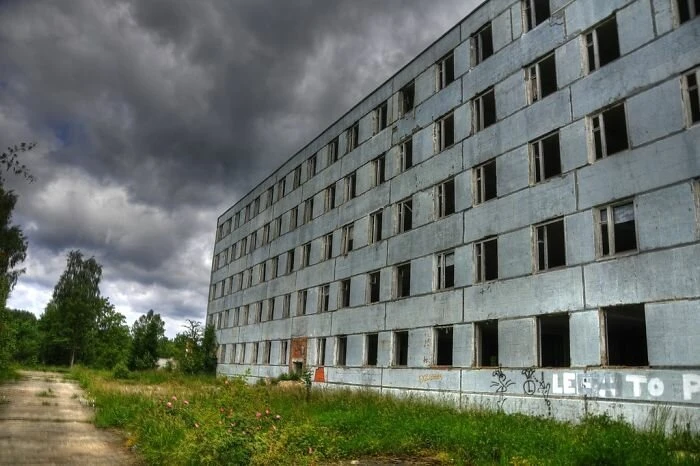
Klomino, Poland
Klomino was a small village known in the early 20th century as Westfalenhof (in the former German province of Pomerania). During World War II, the Germans opened a prisoner-of-war camp in the area, holding Polish soldiers, civilians, and French army officers. In January 1945, Westfalenhof was captured by the advancing Red Army and converted back into a military base—this time Soviet—under the name Grodek. Around 6,000 Soviet soldiers lived there. After the collapse of the Soviet Union, Grodek was renamed Klomino, and the government put it up for sale. However, no one was interested, and very few decided to move there. Currently, only five residents remain in Klomino. Almost all the buildings have been destroyed and looted. 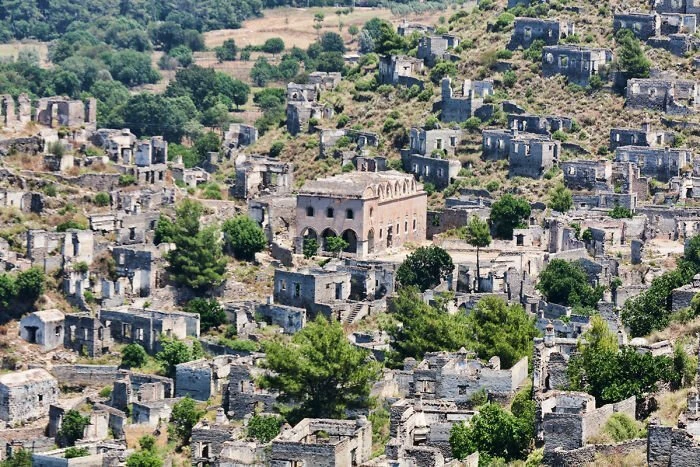
Kayaköy, Turkey
Located 8 km south of Fethiye in southwestern Turkey in the old province of Lycia, Kayakoy is a town full of ruined 18th-century buildings (though the area has been inhabited since ancient times). Before World War I, Kayakoy was home to approximately 6,500 Greeks. Almost none remained as a result of the massacres of Greeks and other Christian minorities by the Ottoman Empire during the war. After the signing of the Treaty of Lausanne in 1923 (after Greece lost the Greco-Turkish War of 1919-1922), the Greek Orthodox population was forced to leave the territory, which is now Turkish. The Turkish government attempted to resettle the area with Muslim Greeks, but they refused, fearing the ghosts of the Greeks killed there. Today, Kayakoy is uninhabited and serves as an open-air museum. 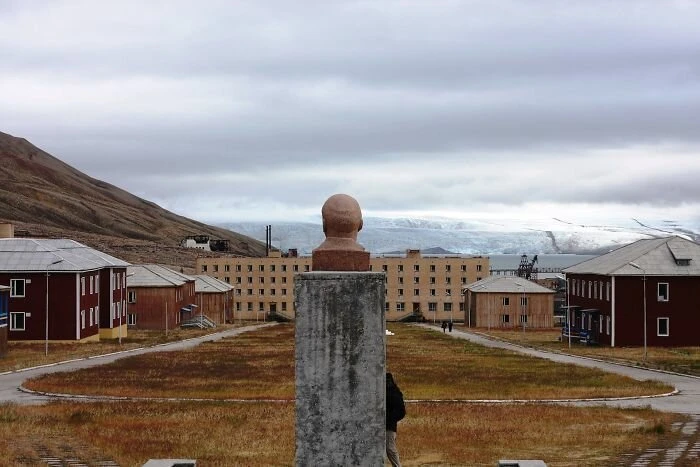
Pyramiden, Spitsbergen, Norway
A Swedish settlement was founded here in 1910, and in 1927, Sweden sold it to the Soviet Union. This gave rise to the Soviet mining town of Pyramiden on Spitsbergen Island, where coal was mined for many years. At its peak, Pyramiden had over 1,000 residents, a community center with its own theater, library, art and music studios, a sports complex, and a 24-hour café. When the coal in the last mine ran out in 1998, the village was abandoned and mothballed. Today, Pyramiden is a tourist destination. The museum and hotel are open year-round. 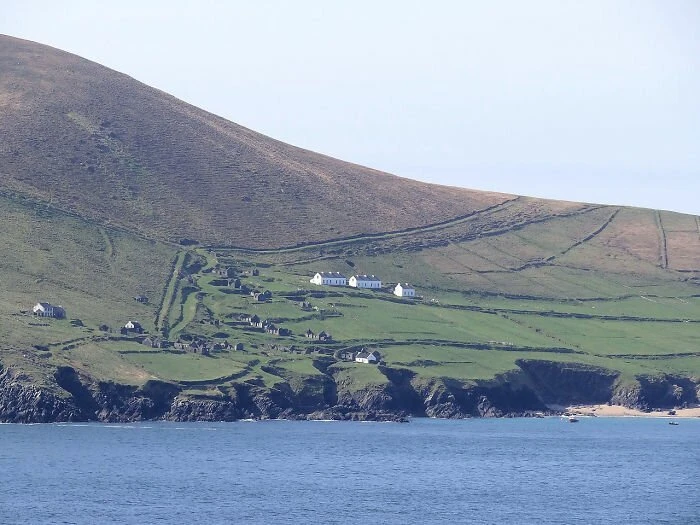
Great Blasket, Ireland
This Irish island, 4.29 square kilometers in area, was inhabited until 1953, but then the Irish government decided it could not guarantee the safety of the residents due to the island's inaccessibility in extreme weather conditions. The residents were evacuated and relocated elsewhere. Today, the island is inhabited only by ruins, reminders of its past. As Great Blasket was home to several Irish writers such as Thomas Criomhain, Peig Sayers and Muiris Suillebhain, the place still has cultural value for the Irish people as well as literature enthusiasts.