War under the Nike banner: why people were killed for fashionable sneakers and jackets in the US in the 80s (12 photos)
Everyone likes to repeat that nothing is more precious than human life. But this truism, known to absolutely everyone, doesn't stop some from killing for the most ordinary items of clothing and shoes.
In the 1980s, America was swept by a wave of robberies accompanied by murders. The killers and victims were teenagers, and the loot was brand-name sportswear. 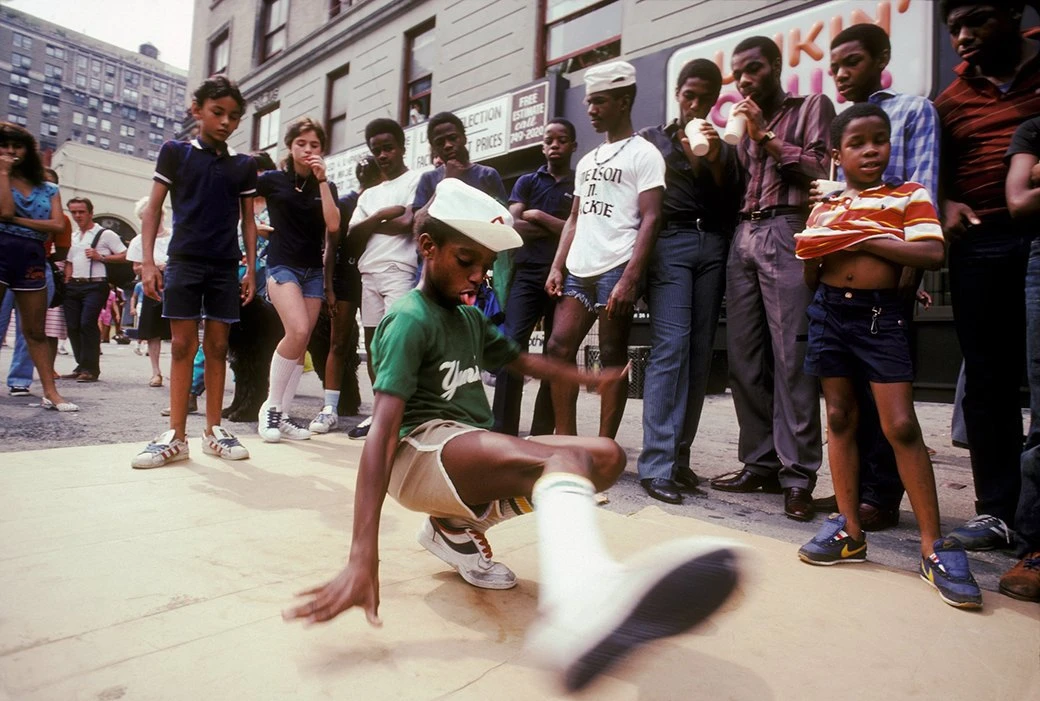
13-year-old Michael Thomas was an avid fan of basketball player Michael Jordan. That's why the Air Jordan IV sneakers his parents gave him were the most prized possession he ever had. Michael kept his shoes in a box next to his bed and carefully cleaned them every night before bed.
The boy's grandmother later said she asked him not to wear sneakers to school because local bullies might take them. One day, Michael replied, "Grandma, if anyone wants to take my sneakers, they'll have to kill me." 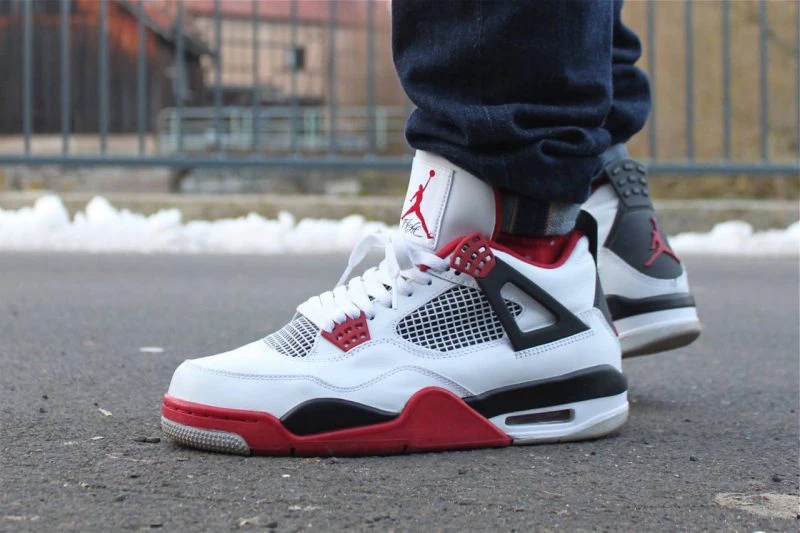
Tragically, that's exactly what happened—Michael Thomas's body was found in a wooded area near the school two weeks later. All of the boy's belongings were with him, but the sneakers were missing. Seventeen-year-old James Martin strangled the boy for a pair of iconic Air Jordan IVs.
Until the early 1980s, sportswear was the preserve of professional athletes and advanced amateurs. The idea of releasing athletic-style clothing for everyday use first occurred to Nike marketers. It was this brand that released the first collection of semi-athletic clothing.
The idea was a complete success – sales soared, and competitors feverishly began developing their own everyday sportswear. Almost immediately, world-renowned sports stars began to advertise these items. 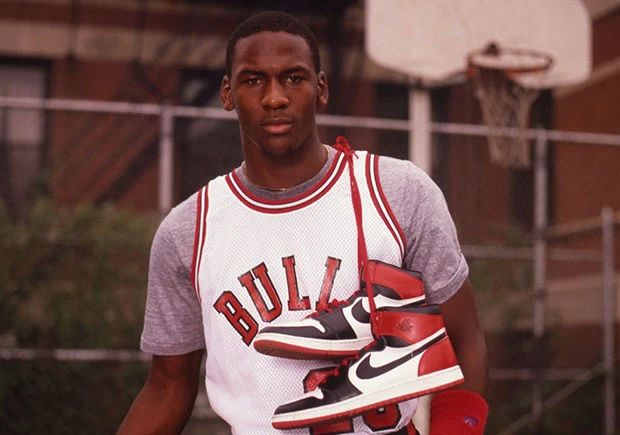
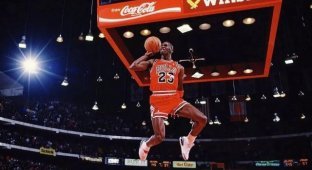
Nike created sneakers featuring Michael Jordan, which every American boy and half the girls dreamed of. The advertising campaign was compelling – a TV commercial featuring the basketball star was directed by Spike Lee, and city streets were adorned with posters and banners featuring Jordan's famous shot.
Other companies weren't far behind – Adidas commissioned the mega-popular band Run DMC to create the "My Adidas" banger, which was played on television day and night.
The brands' efforts weren't in vain, and every cent invested in promoting their sports collections returned a million dollars. By 1989, the US sneaker market alone had reached $2.5 billion!
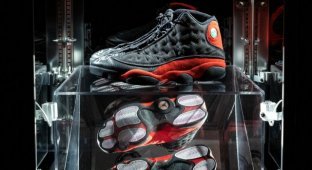
This was the golden age of Fila, Adidas, Nike, and Converse, worn by millions of teenagers around the world. But the most coveted shoes were the red and black Air Jordan 1 sneakers, which debuted in 1985. These shoes were absolutely groundbreaking for their time.
Firstly, the sneakers had a unique, one-of-a-kind silhouette. Secondly, such a striking color combination was the first time such a shoe had been used in athletic shoes. And thirdly, the Air Jordan 1 was worn by the most famous basketball player on the planet. 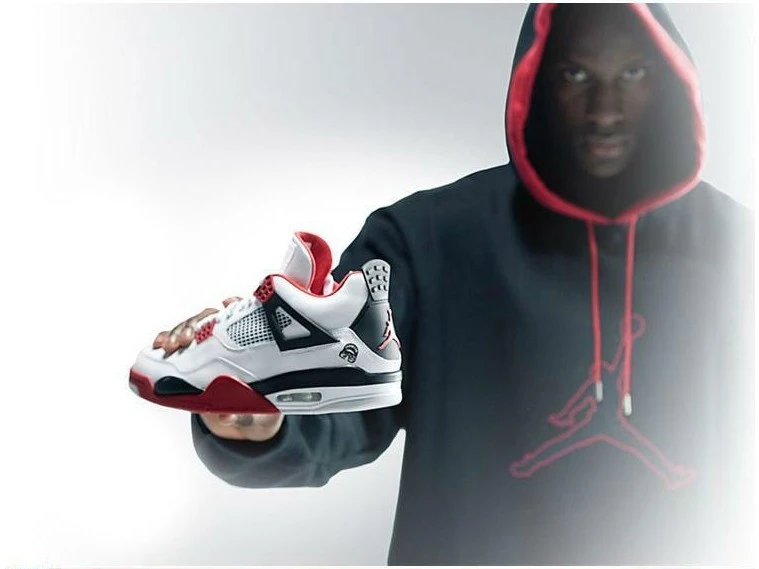
Furthermore, a clever publicity stunt devised by Nike also played a role. A rumor was circulated that Jordan was supposedly banned from playing in these sneakers, but he continued to do so, despite being fined $5,000 by the NBA for every game.
According to legend, the association's rules stipulated that players' sneakers must be at least 51% white or black, and the Air Jordan 1 featured far more red than the permitted half. The aura of mystery and rebellion further fueled interest in this model of athletic footwear, and sales soared.
Sneaker-Over-Sneaker Murders
Around the same time as the iconic sneaker hit the market, police reports began reporting the first instances of robberies aimed at stealing them. The targets of these robberies were not only the coveted Jordans, but also much more mundane sportswear items. Jeans and jackets adorned with the labels of famous brands were often stolen. 
Unfortunately, teenagers not only stole items and beat up their unruly owners, but also often murdered them. The death of Michael Thomas was the most high-profile, but far from the only one. In 1990, Atlanta police recorded 50 robberies involving designer items in just one month, each accompanied by violence and even murder.
A new phrase has emerged in American youth slang: "check in." It means handing over your clothes at gunpoint. The scenario is similar in all cases: several boys approach a younger teenager and, threatening them with a knife or even a gun, demand they hand over an item they want. 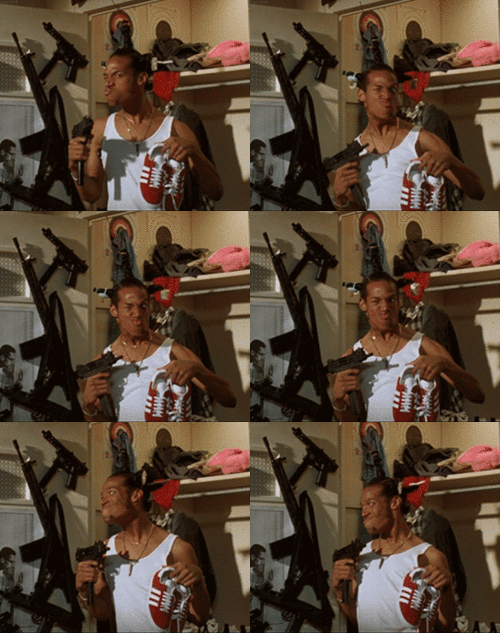
If the victim meekly hands over the sneakers, jacket, or jeans, they are released. If they object or actively resist, they are beaten or killed. The statistics of such cases are frightening even today, decades later. Here are just a few of the most horrific cases from the 1980s:
In 1983, 14-year-old Frank Dewitt was shot to death in the hallway of his school, and a blue Georgetown University sports jacket was taken from his body.
The killer in this case was a senior at the same school.
In 1985, five boys shot and killed 13-year-old Sean Jones to steal his Fila sneakers.
The murder took place in broad daylight in Jones's neighborhood, and his killers were minors.
In February 1989, 19-year-old Kevin Walsh was sitting in a parked van when two men approached him and demanded he hand over his Cincinnati Reds baseball jacket. Kevin refused, and they shot him in the back.
Kevin Walsh died in the hospital without regaining consciousness, and his killers, members of a local youth gang, were arrested the following day.
In April 1989, 17-year-old Demetric Walker shot and killed 16-year-old Johnny Bates after he refused to hand over his Air Jordans. Demetric was sentenced to life in prison. 
After Walker's sentencing, Prosecutor Mark Vinson told reporters that he was horrified by the thought that a human life could be wasted not even on luxury goods, but on sportswear.
Psychologists still can't agree on what drives people to kill each other over something as trivial as sneakers or a jacket. Whether aggressive advertising, racial segregation, or drug dealers are to blame has been debated for over 30 years.
In the 1980s, cases of this type weren't generally discussed. It was believed that this wasn't a widespread phenomenon, but rather isolated incidents among disadvantaged youth. Sports Illustrated magazine first brought the issue to the forefront. Twenty days after Michael Thomas's death, the issue came out with a scathing cover headline: "Your Sneakers or Your Life?" 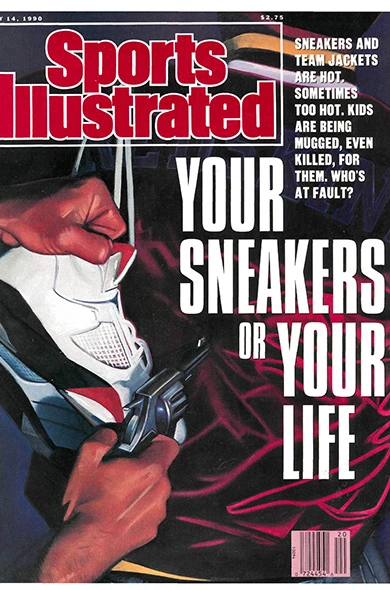
The article's author, journalist Rick Talendar, devoted considerable time and effort to researching the issue. He spoke with psychologists, sociologists, educators, police officers, and Nike representatives. Rick even managed to discuss the topic with Michael Jordan himself. Despite the fact that 30 years have passed since the article's publication, it remains the most comprehensive and relevant study of teenage murders over branded sportswear.
Advertising that Kills
Aggressive advertising by sports brands is rightly considered one of the most important factors influencing the pattern of such crimes. This industry has spent, and continues to spend, colossal amounts of money on advertising. In 1990 alone, Nike spent over $60 million on advertising campaigns. Much of this money was invested in visual advertising on television.
In a press interview, sociology professor Mervyn Daniel said:
I'm not surprised by the cruelty of children. Companies sell shoes as if they're a dream, the meaning of life. Because of the cult of brands, children were subjected to severe moral pressure in schools. Teenagers are influenced by peer pressure. They wear what they see on television. They are obliged to follow fashion trends, or their peers will reject them.
Racial Segregation
A pair of Air Jordan sneakers cost $110 in 1990. That's not much in the US, but there's one important nuance. Almost all advertising materials featuring sportswear were targeted at a Black audience. The brand ambassadors were basketball players like Michael Jordan, rappers, and Black actors.
For African-American teenagers, the things their idols represented seemed incredibly attractive and important. But the fact is that, with rare exceptions, neither in the '80s nor even in the '90s, Black people lived at all. In 1988, 66% of African Americans lived below the poverty line, and many were unemployed. 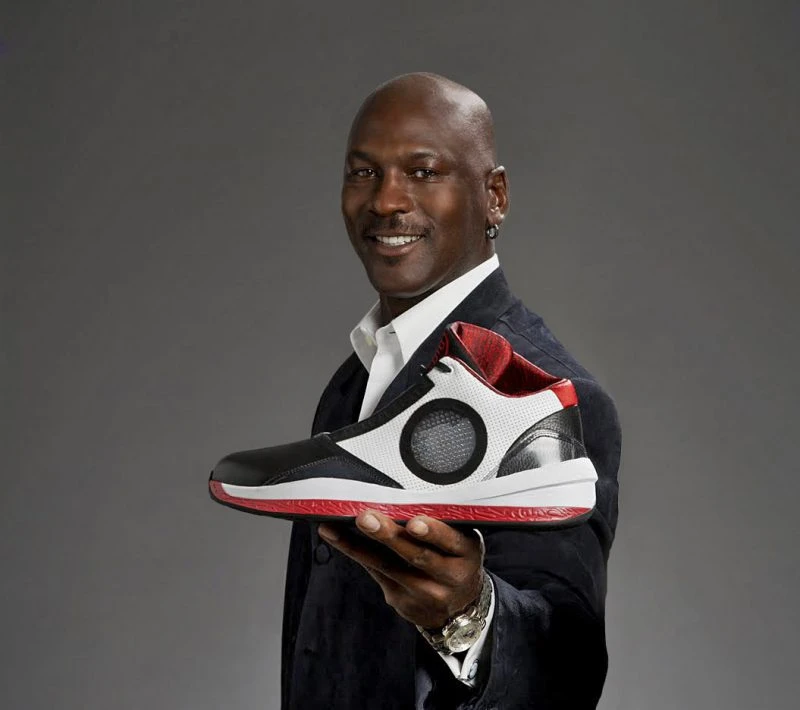
But even those who had jobs weren't spoiled by money. In the late 1980s, a black worker earned, on average, 10-17% less than a white worker for the same job. As a result, the fashionable items they coveted were coveted by tens of thousands of black men who couldn't afford them. For them, violence was the only affordable way to get designer sneakers or jeans.
Something's wrong with our society if we've created an underclass that has lost its morals, for whom bits of plastic held together by laces are more valuable than human life.
So wrote Rick Talendar, the most authoritative US expert on clothing-related violence, in his famous longread.
Drug Dealers and Fashion
Only drug dealers loved designer sportswear more than teenagers. But, unlike the youth, they didn't rob anyone—their income allowed them to replace their sneakers with the slightest scuff. However, they are often associated with outbreaks of violence over clothing items. 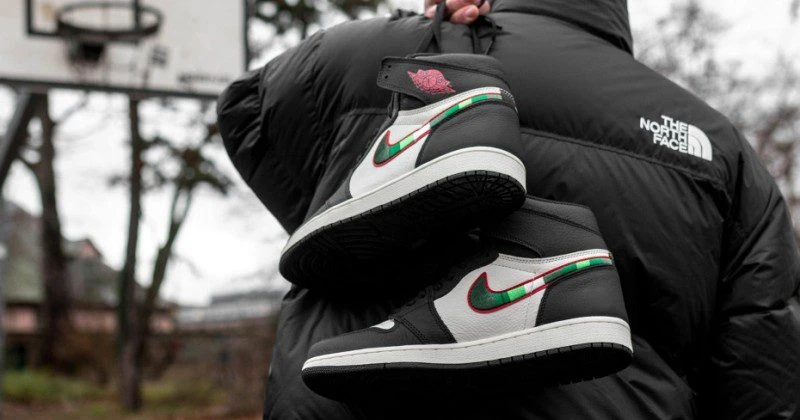
African-American youth aspired to be like drug dealers, but lacking the necessary income, they obtained the items they desired using whatever means were available to them. Udi Avshalom, the owner of a sneaker store, told Complex magazine:
In the '80s, there were these people we called wolves on every corner. They hung out, stared at girls' butts, and enjoyed rap music. If a kid walked out of a store with a pair of Adidas or Puma sneakers, they'd immediately notice him. Then, boom, lights out. The kid would wake up without shoes or a bag, but with a bump on his head.
And this scene could be seen all over the country. Naturally, in areas with higher population densities, such crimes were more common.
Jordan's Reaction to the Murders
It's well known that the news that Michael Thomas was killed over his Air Jordan IV sneakers upset the basketball great almost to tears. He learned of the tragedy from Rick Talendar, who worked for Sports Illustrated, and the journalist later described his reaction this way:
Michael Jordan sits in the locked press room at the Chicago Bulls' facility. He's wearing a workout uniform and a pair of Air Jordans, very similar to the ones Thomas wore. The door is closed to keep out the reporters and fans who follow Jordan everywhere. He reads the report on Thomas's death. For a moment, I think Michael might cry. "I can't believe it," Jordan says quietly. "Strangled to death. By another teenager." Michael sighs deeply. Sweat trickles down his temple. 
A little later, having collected his thoughts, Michael expressed his opinion on such murders:
I thought people would try to imitate the good things I do. Try to change for the better. I never thought that because of my shoe endorsements, people would start harming each other.
Meanwhile, another party, Nike, got off with a few dry comments. Authorities were no better – a reaction to the situation was noted only in a few US cities, where they merely banned athletic wear in some schools. By 1995, under public pressure, the ban was implemented everywhere. 
In the late 1990s, the dress code was reluctantly adopted by almost all schools across the country. Most students were unhappy with the new rules requiring them to wear formal suits and shoes to class, but juvenile delinquency rates plummeted. Unfortunately, the problem has never been fully resolved, and sneaker-related murders continue to this day.