10 common myths about rabies you should stop believing (11 photos)
Many have heard of a disease called rabies, and they might even say it's caused by an animal bite, and that the victim will have to undergo 40 very painful injections into the stomach. Perhaps this is the extent of most people's knowledge of this disease. Or, worse, rabies begins to be surrounded by incredible myths that have nothing to do with reality. 
We invite you to finally learn the truth and find out how dangerous this disease really is for humans and which animals are worth fearing.
Myth 1: Only dogs carry rabies 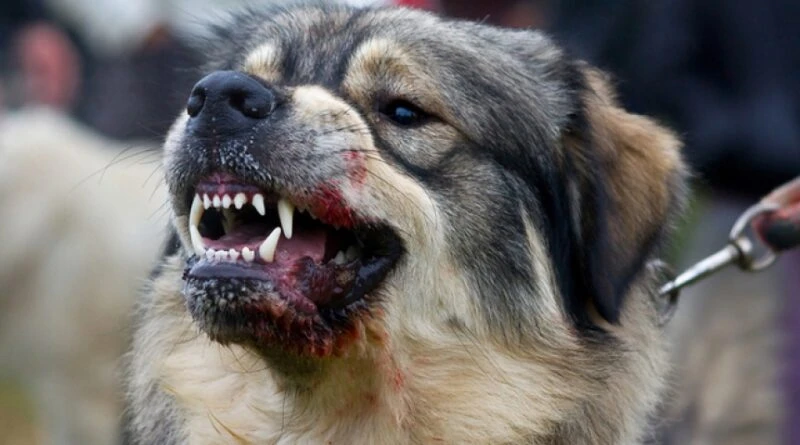
This is perhaps the most common misconception. In fact, many other mammals and even some birds can transmit rabies. Raccoons, cattle, chickens, bats, monkeys, rats, jackals, squirrels, and even hedgehogs can also carry the disease.
Myth 2: A rabid animal behaves strangely and attacks people 
This is also untrue. If rabies is "silent," the infected animal will show no outward signs of illness. On the contrary, in such cases, animals often lose their fear and approach people on their own. Therefore, the only correct course of action after a bite, even from a seemingly healthy animal, is an immediate visit to the doctor.
Myth 3: You can treat a wound yourself 
Unfortunately, alcohol, iodine, and brilliant green won't help. Although the rabies virus is indeed "afraid" of alkaline solutions, it can penetrate the body before you wash the wound, and even a minor break in the skin is enough for it to do so.
Myth 4: After a bite, 40 injections into the abdomen are prescribed. 
This treatment method was used in the distant past. Modern rabies vaccines are administered in the shoulder; this procedure is virtually painless. For the rabies serum to be effective, four to six injections are required, spaced several days apart. Treatment should be started as soon as possible, preferably within the first to third day of contact with an infected animal.
Myth 5: The rabies vaccine has numerous side effects 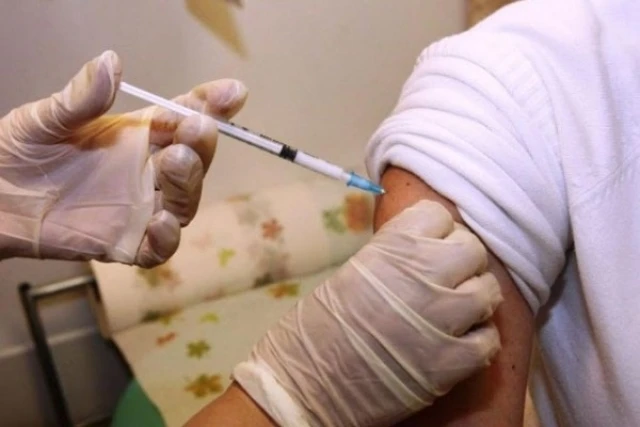
This is partially true. The side effects of rabies vaccines are the main reason vaccinations are given only when necessary, not as a preventative measure. But no matter how unpleasant and dangerous these symptoms may be, they are nothing compared to the consequences of rabies infection, which is 100% fatal if vaccination is not administered on time.
Myth 6: You shouldn't drink alcohol for a long time during and after vaccination. 
There's a common belief that alcohol neutralizes the vaccine's effects, so it shouldn't be consumed during vaccination and for several months afterward. However, there's no scientific evidence to support this theory. It's safe to assume this "horror story" was invented to ensure patients don't miss doctor's appointments, as that's the last thing they want to do after a heavy drinking session.
Myth 7: If the animal that bit you doesn't show signs of rabies, you don't need to vaccinate. 
As we've already written, an animal infected with rabies doesn't always show signs of the disease. If you manage to catch it and take it to the hospital, it will likely be quarantined for 10 days, after which the doctor can decide whether you need vaccination. However, in nature, there is an unpleasant phenomenon known as atypical rabies—when an infected animal lives significantly longer than those ten days and continues to carry the virus. Although this is extremely rare, it's still best not to risk it.
Myth 8: If the animal that bit you has a rabies vaccination, you don't need to vaccinate. 
This is only half true. First, the animal's vaccination status must be documented. If this information is not available, vaccination is mandatory. Second, the animal's vaccination must be current or older than a month before the incident, which is difficult to verify.
Myth 9: You can become infected with rabies simply by touching a sick animal. 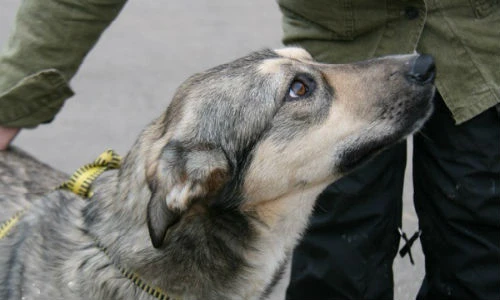
Fortunately, the rabies virus cannot survive in the environment, so it definitely won't be found on an animal's skin or fur. However, the virus thrives in saliva but is unable to penetrate intact skin.
Myth 10: Rabies is curable 
Perhaps the most dangerous myth that gives people false impressions about this disease. Indeed, American doctors managed to cure a sick girl after symptoms appeared, but this is a very complex and expensive treatment (approximately $800,000), and there are only a few successful examples. Therefore, the only effective method for preventing rabies is timely vaccination.