Legendary Trees: What Happened to the Main Green Stars of Film and Literature (11 photos)
The projector film flickers, and a book page slowly turns in the wind. Sometimes a tree becomes more than just a decoration, but a full-fledged hero, a symbol, or a silent witness of an era. 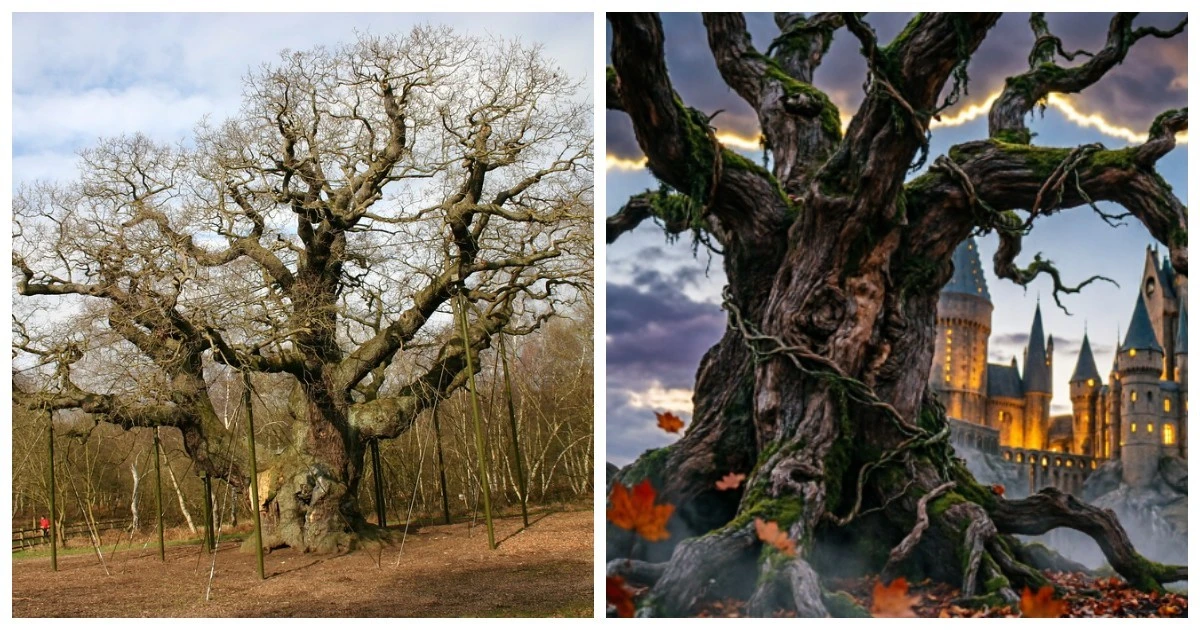
These real trees have achieved immortality in art, but what happened to them after their fame?
The Sycamore Tree by the Wall – the "Robin Hood Tree" 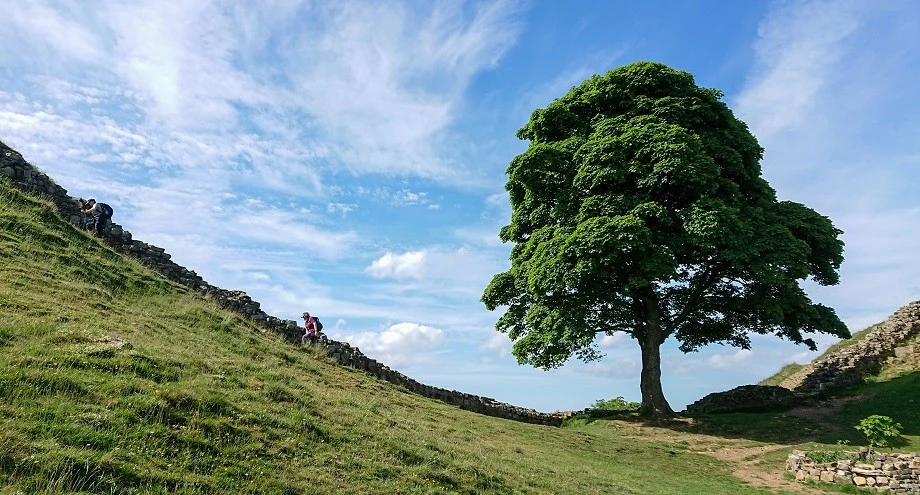
The legendary sycamore tree, growing in a dramatic gap in Hadrian's Wall in England, became famous after the film "Robin Hood: Prince of Thieves" (1991) starring Kevin Costner. Since then, it has been known as nothing less than the "Robin Hood Tree," arguably the most photographed tree in Britain. 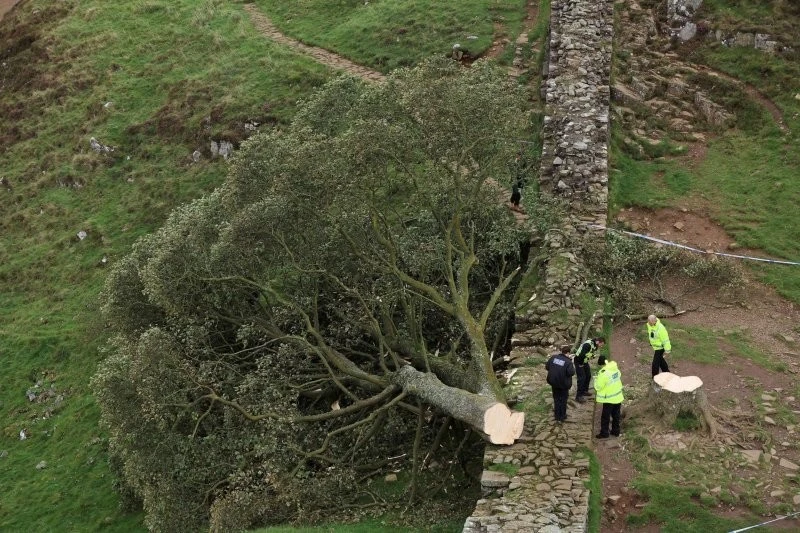
The tree was illegally cut down on the night of September 28, 2023. Two men were convicted and sentenced to four years in prison.
But a miracle happened! Eight new shoots appeared near the stump. National park rangers have cordoned off the area and are waiting to see if they can grow into full-fledged trees.
White Oak — "The Shawshank Tree" 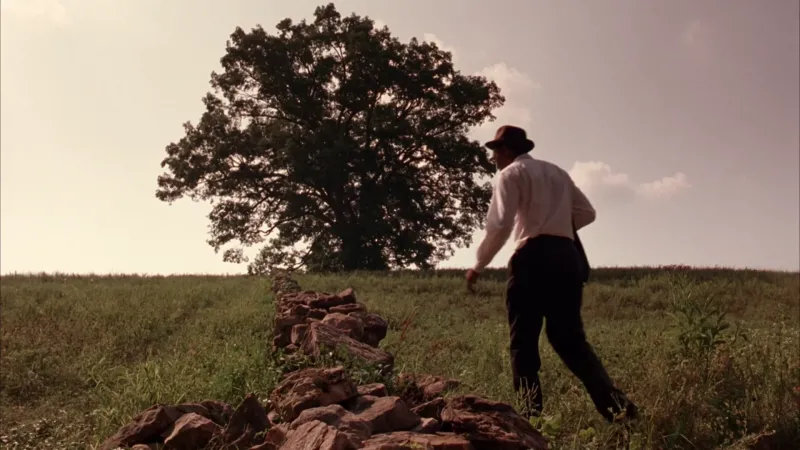
This is the same oak tree from the film "The Shawshank Redemption" (1994). Remember the scene where Red walks across the field to the old stone wall and finds Andy's letter? This tree has become an iconic symbol of hope.
The tree stood for about 180 years. It was severely damaged by lightning in 2011. 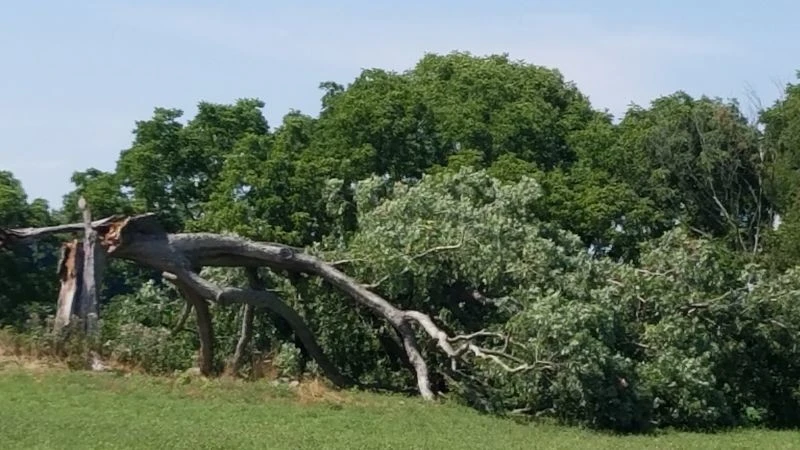
Unfortunately, in July 2016, a strong wind toppled the legend completely. But the story didn't end there. The oak wood became the subject of litigation, and was later used to make souvenirs and coffee tables sold at festivals dedicated to the film. Now, only a memorial and a plaque remain at the site of the fall.
The El Pino Pine from "Blood Will Pay" 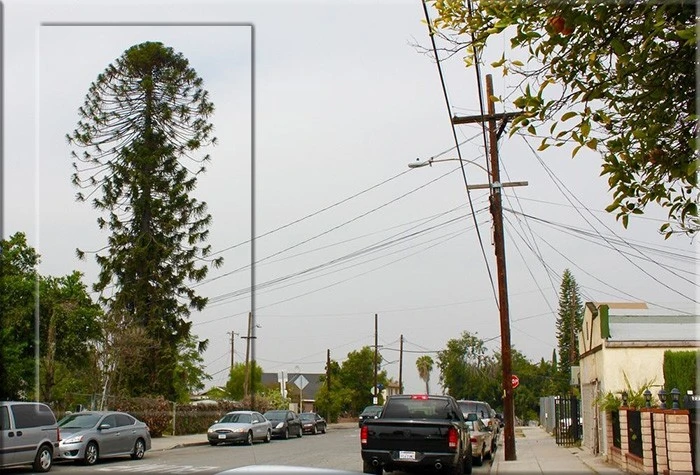
For residents of East Los Angeles, this Australian Bunia pine was more than just a tree, but a symbol of home. It became the star of the 1993 cult drama "Blood Will Pay." The hero looked at it and said, "This tree is East Los Angeles to me."
The tree had been ailing for several years, its root system destroyed.
In 2021, the tree was cut down due to its poor condition and disease. Only the stump remained on private property. Fans of the film still come to this spot to honor El Pino's memory.
Willow from Harry Potter 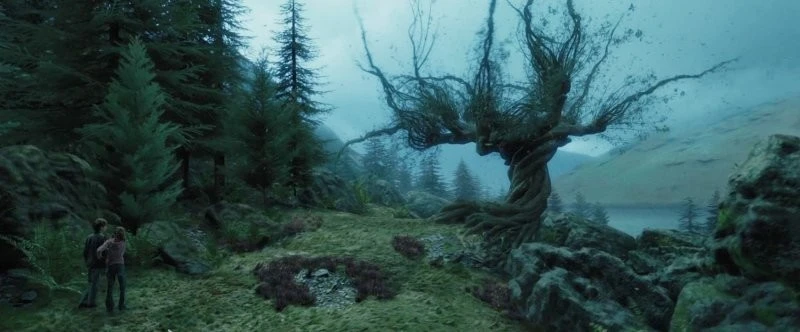
In the film Harry Potter and the Prisoner of Azkaban (2004), we saw the Whomping Willow—an evil tree that lashes out at everyone with its branches. In reality, this role was played by an old beech tree growing on the Frithsden estate in Hertfordshire, known as the Royal Beech. 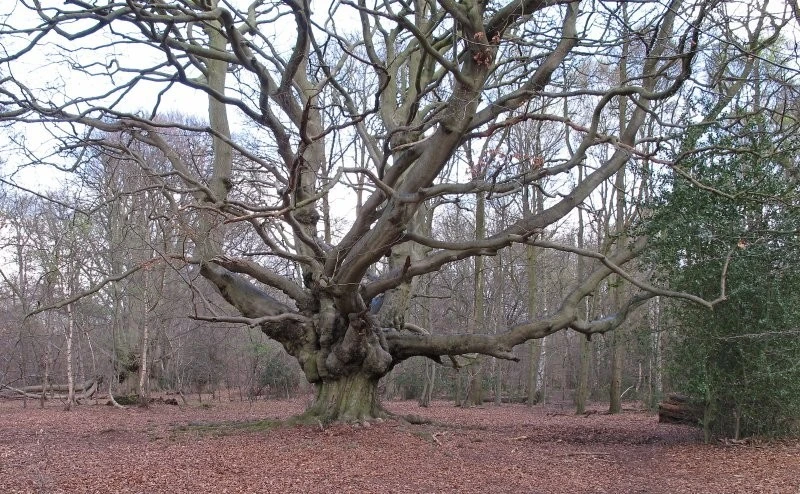
Experts confirm that it is indeed a beech. It was approximately 400 years old.
Unfortunately, age and the weight of its own branches took their toll. The tree collapsed in 2014 after a severe storm. Unlike the magic of Hogwarts, the real tree didn't come back to life...
The Main Oak of Sherwood Forest 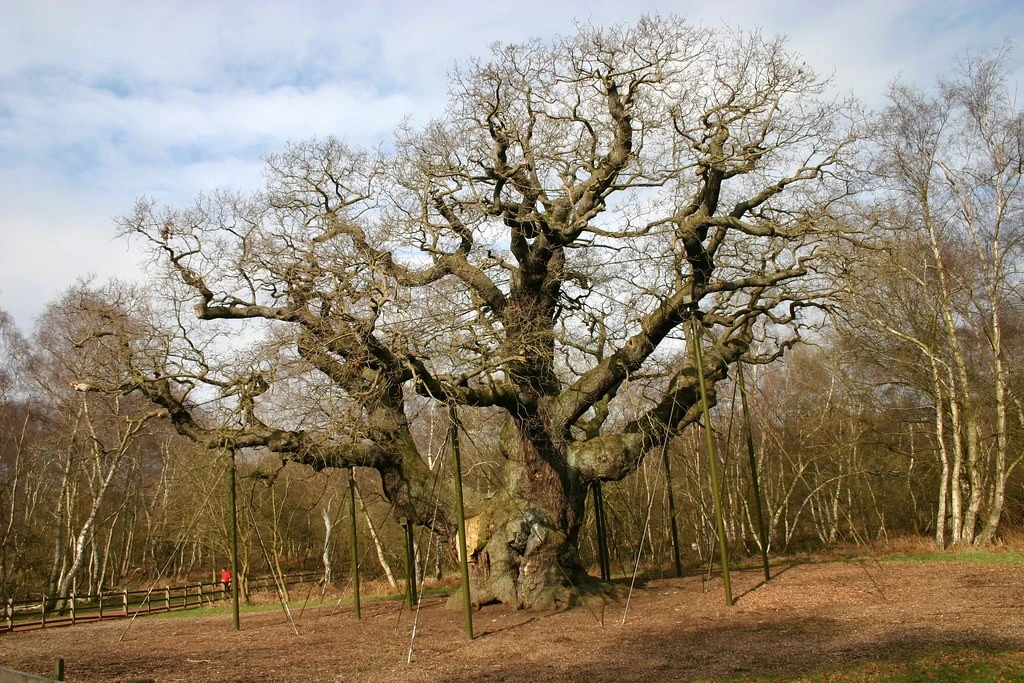
According to legend, Robin Hood and his Merry Bandits slept under this mighty oak tree in England. It's approximately 800-1,000 years old. It's perhaps the thickest and oldest oak tree in Britain; its branches are supported by special structures.
The tree is still alive! It is under special protection.
In 2025, the British Parliament even debated adding it to a special register to protect it from illegal logging. Tourists can still visit it and imagine the lake into which the Sheriff of Nottingham was thrown.
Ghost Eucalyptus Trees 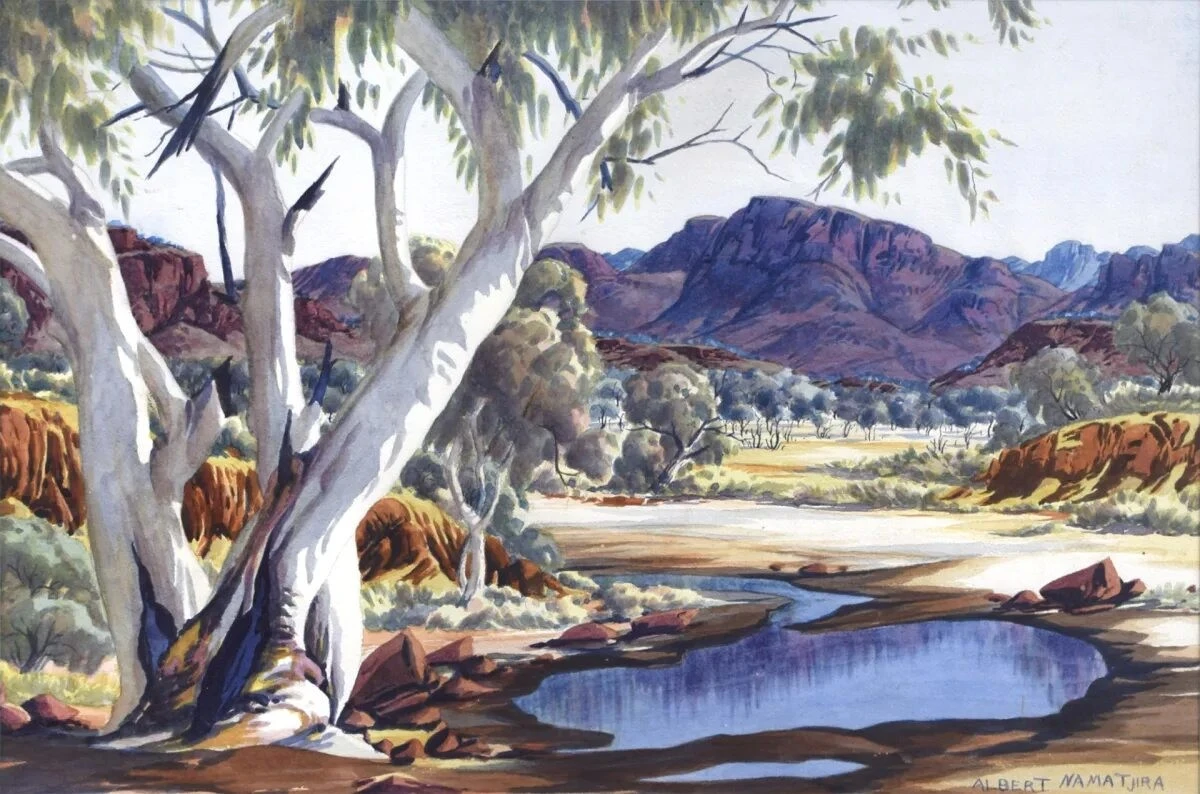
These trees with shimmering white bark are a signature feature of the Australian desert. They became famous worldwide thanks to the watercolor landscapes of local artist Albert Namatjira. His "Ghost Eucalyptus" paintings hung in virtually every home in Australia in the mid-20th century. 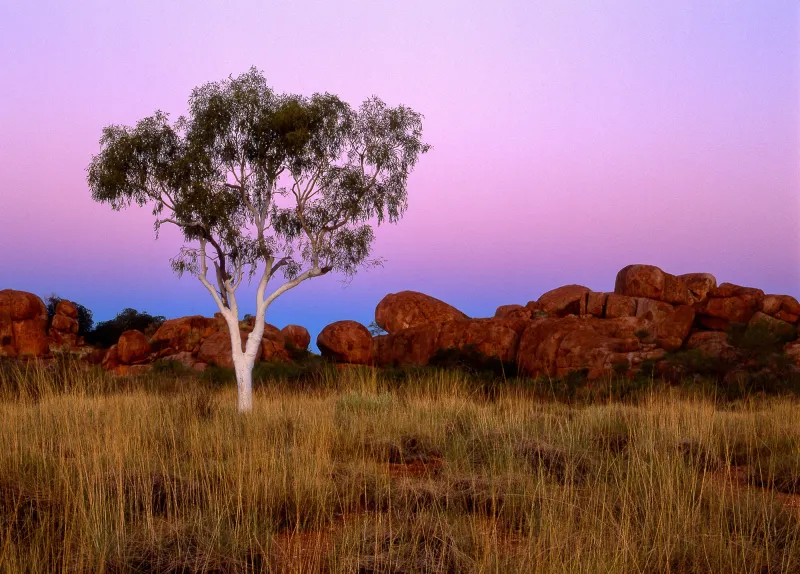
Unlike many of the subjects on this list, the specific trees the artist painted weren't cut down or felled. They still grow in Central Australia (though climate change is threatening this species). And Namatjira's paintings continue to command incredible prices at auction.