She Made Millions for Fox—and Died Without Paying Her Mortgage (13 photos)
Norma Jeane Mortenson was born on June 1, 1926. She grew up fatherless, with her mother in a mental hospital and in foster care in Los Angeles. Twenty years later, she became Fox's highest-grossing actress. Ten years later, she died at 36, unable to pay her mortgage. A hundred years later, her image earns tens of millions a year—only for other people. We tell the financial story of Marilyn Monroe: how the system that enriched everyone around her worked—and how she tried to fight it. 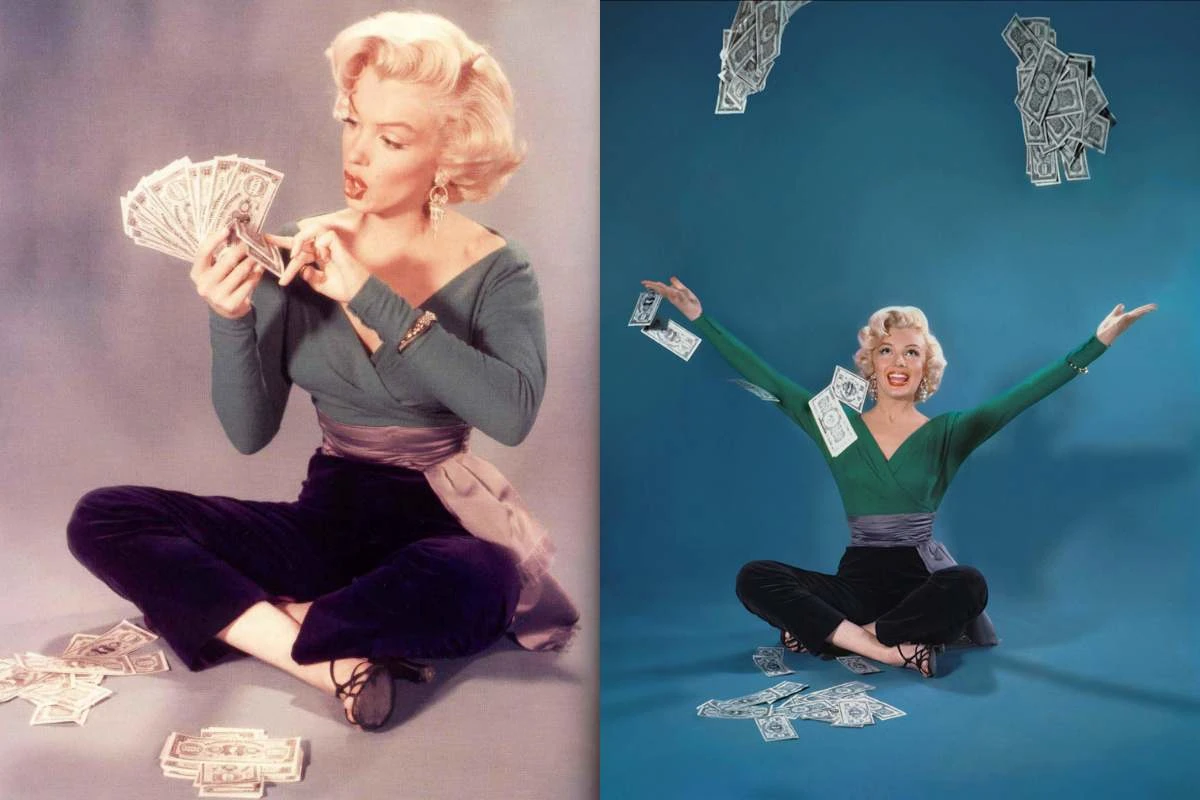
$125 a week
On August 26, 1946, 20-year-old Norma Jeane Docherty signed her first studio contract with 20th Century Fox. The terms were standard: $125 a week, six months with an option to renew. No choice of roles, no say in the filming process. In the same document, she officially became Marilyn Monroe. The studio fired her just a year later. 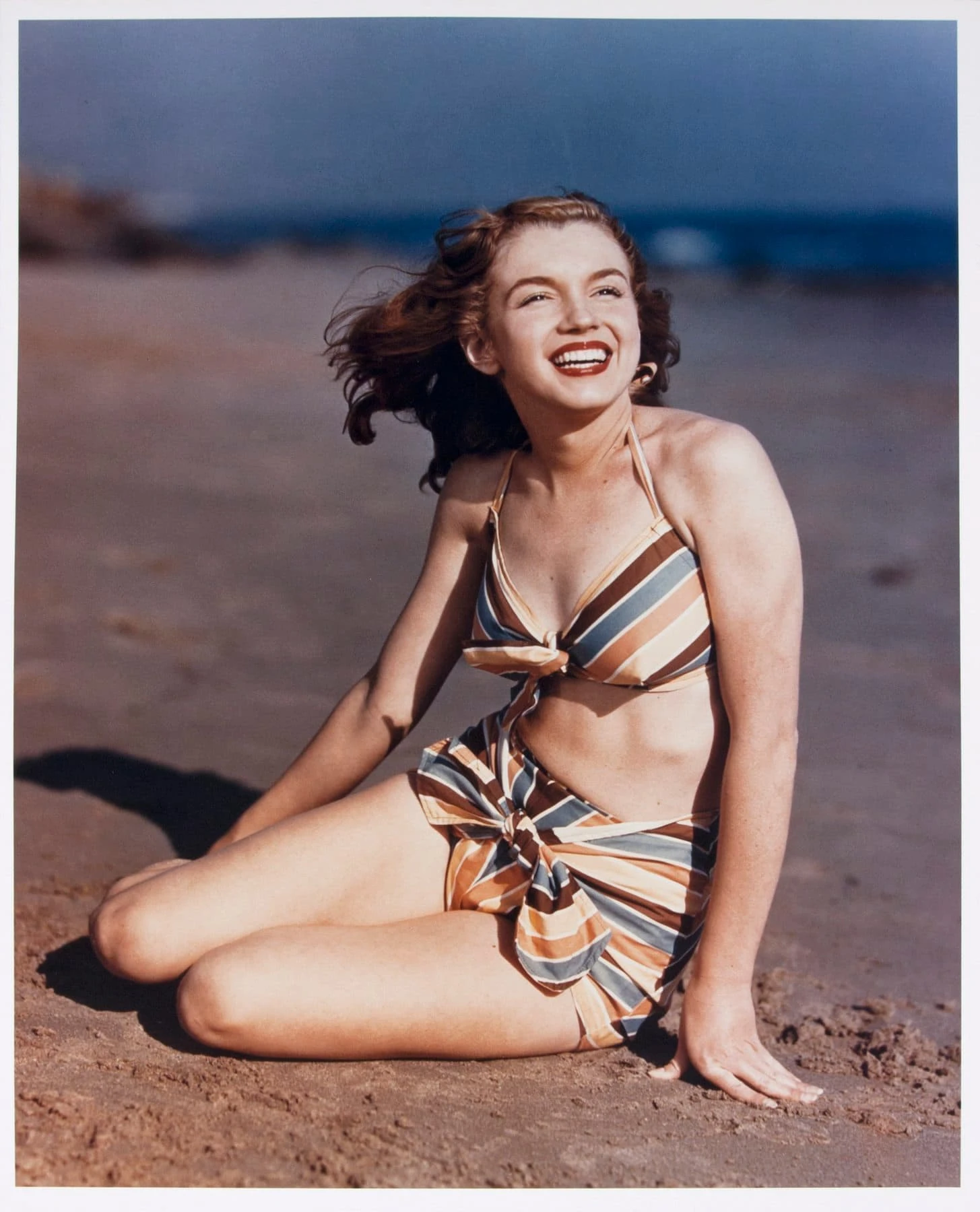
Monroe's first professional photo shoot, 1946. At the time, she was earning only $125 a week at 20th Century Fox.
Fox brought her back in 1951, now for $500 a week. By 1953, Monroe was the studio's highest-grossing actress. Three films in one year—Niagara, Gentlemen Prefer Blondes, and How to Marry a Millionaire—earned Fox over $18 million on a budget of about $7 million. Monroe's total salary for all three films was approximately $60,000. 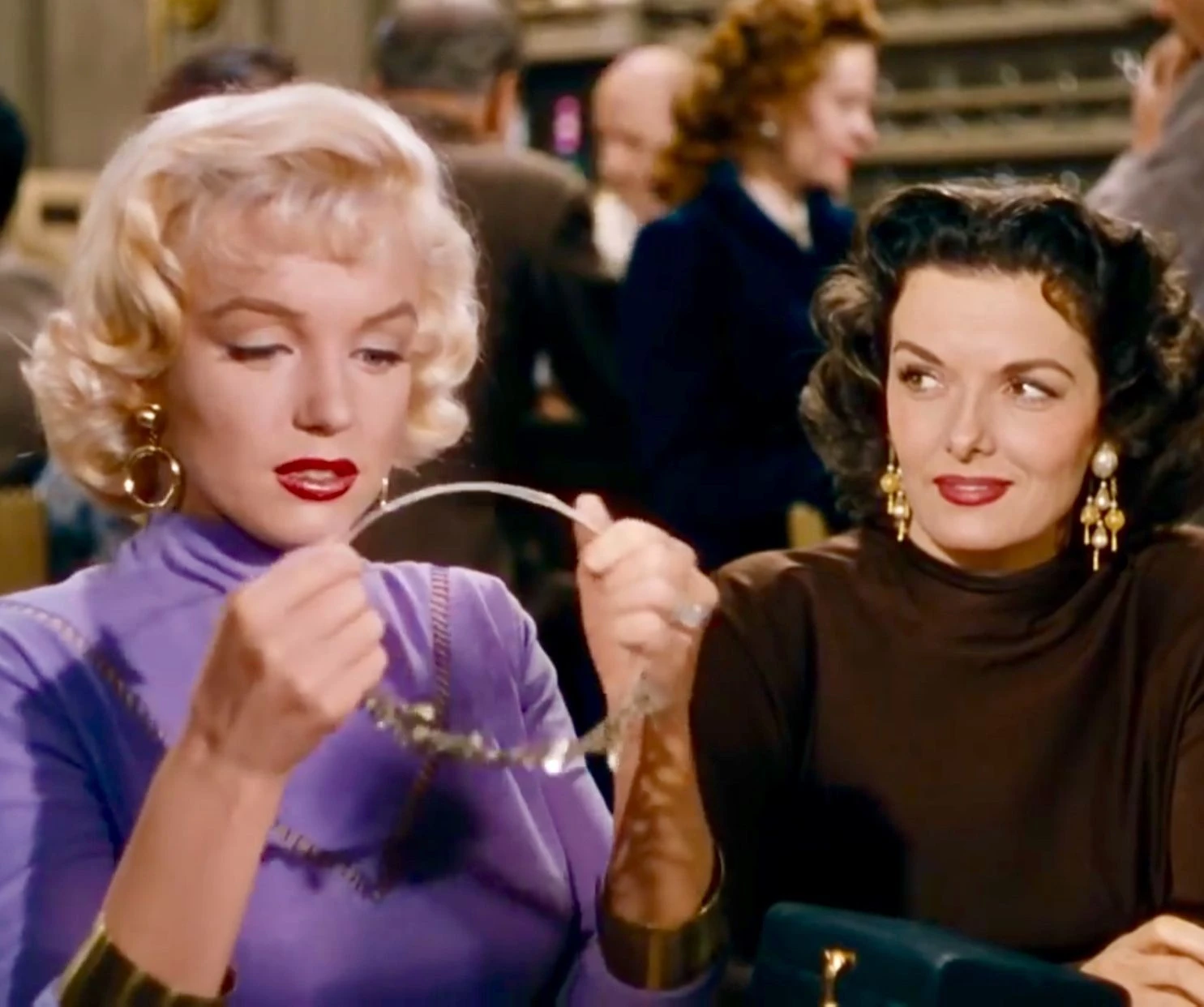
Still from "The Gentlemen." Monroe received approximately $18,000 for this film; Russell received over $150,000.
The most illustrative example is "Gentlemen Prefer Blondes." For her role as Lorelei Lee, Monroe received $750 per week. Her final salary was approximately $18,000. Her co-star Jane Russell, a guest star without a Fox contract, received over $150,000 for the same film. Fox deliberately cast Monroe over Betty Grable to save money: Grable cost $150,000. Monroe was cheaper. And more profitable.
Rebellion: How She Brought Fox to Its Knees
In December 1953, the studio sent Monroe the script for the musical comedy The Girl in Pink Tights, starring Frank Sinatra. Monroe learned that Sinatra would receive $5,000 a week—she was earning $1,500. She returned the script to Darryl Zanuck labeled it "garbage." On December 15, 1953, she simply didn't show up for the shoot. The studio suspended her without pay. 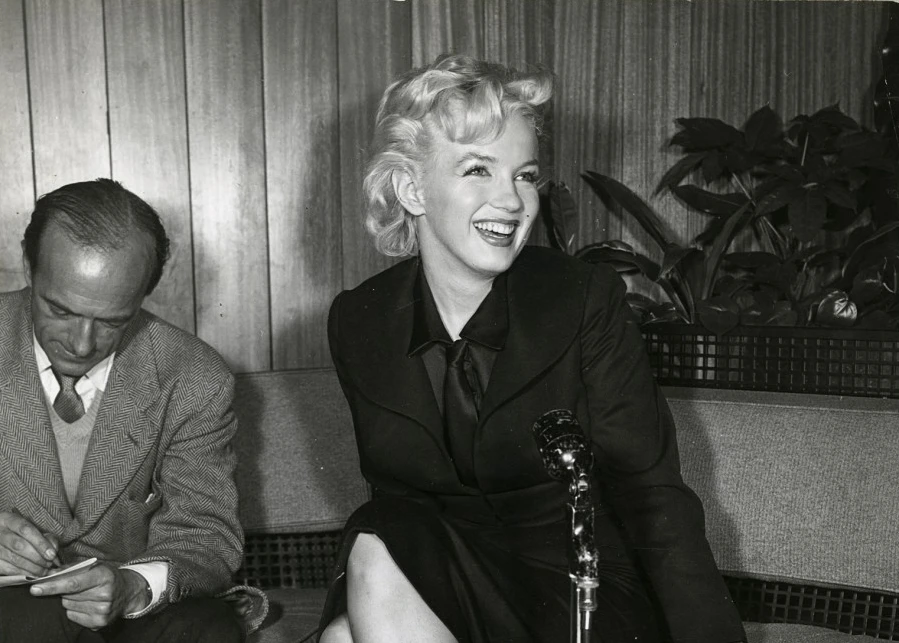
January 1955: Monroe announces the creation of her own company. Hollywood refused to believe it.
Fox filed a lawsuit. Monroe left for New York. On January 7, 1955, in her lawyer's office, she announced the creation of Marilyn Monroe Productions, a company in which she owned 51% of the shares. It was the first major production company run by an actress. The Hollywood press initially laughed: "Bernhardt in a bikini" was a reference to the great Sarah Bernhardt. Monroe stood her ground. 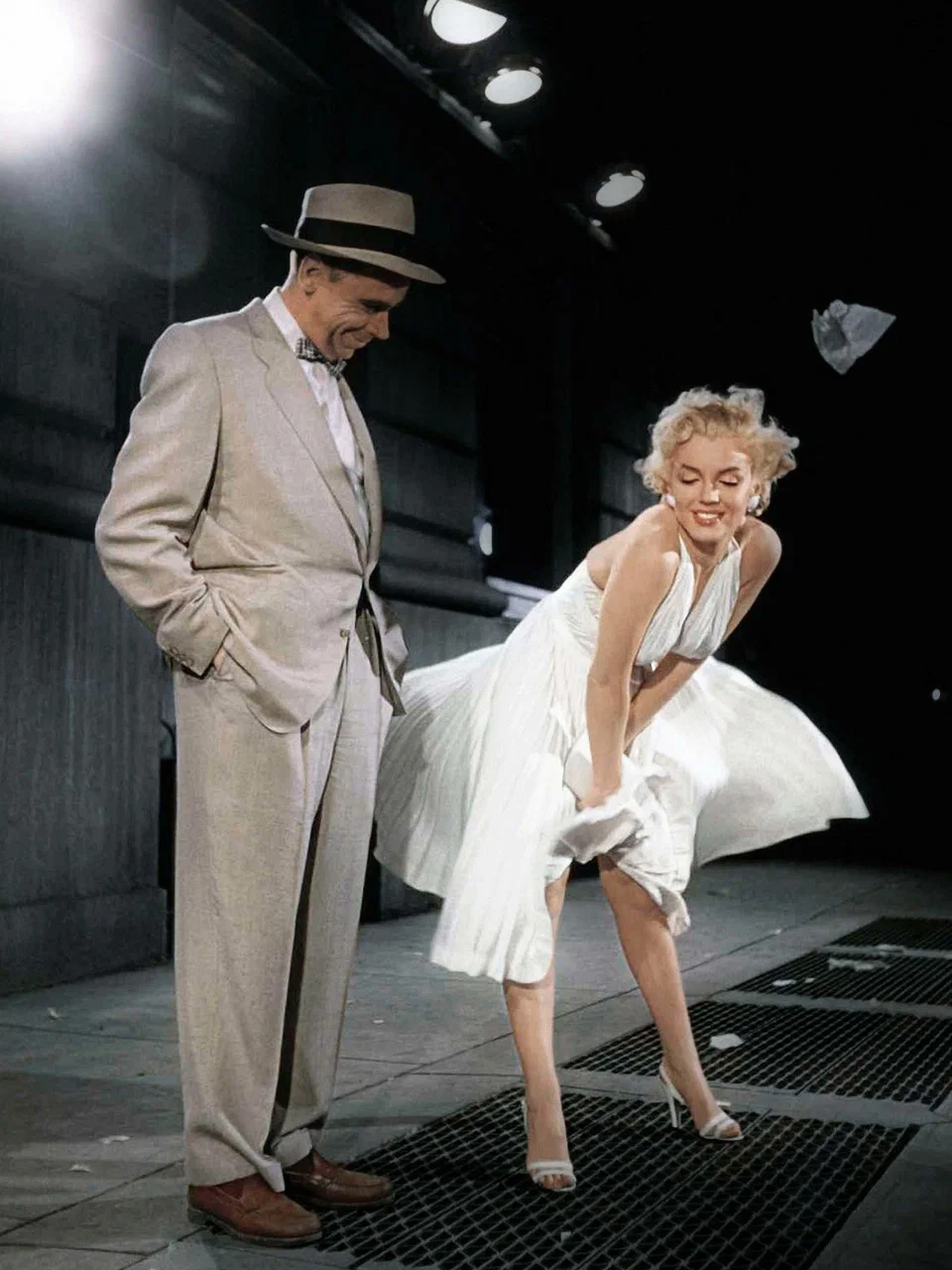
"The Seven Year Itch," 1954. Released in the midst of a conflict with Fox, it became a hit.
Negotiations lasted a year. Fox needed new films—the studio was more dependent on it than it wanted to admit. On December 31, 1955, the studio made concessions. The new contract gave Monroe $100,000 per film, the right to approve the director, script, and cinematographer. Four films in seven years—under terms that the press called one of the greatest victories in Hollywood history.
There's Money—But No Money
During her career, Monroe earned about $4 million from filming. At today's exchange rate, that's about $42 million. She spent lavishly: expensive clothes, jewelry, costly psychoanalysis, gifts for friends and employees. Biographers describe a person who gave money to those around her as easily as she spent it on herself. 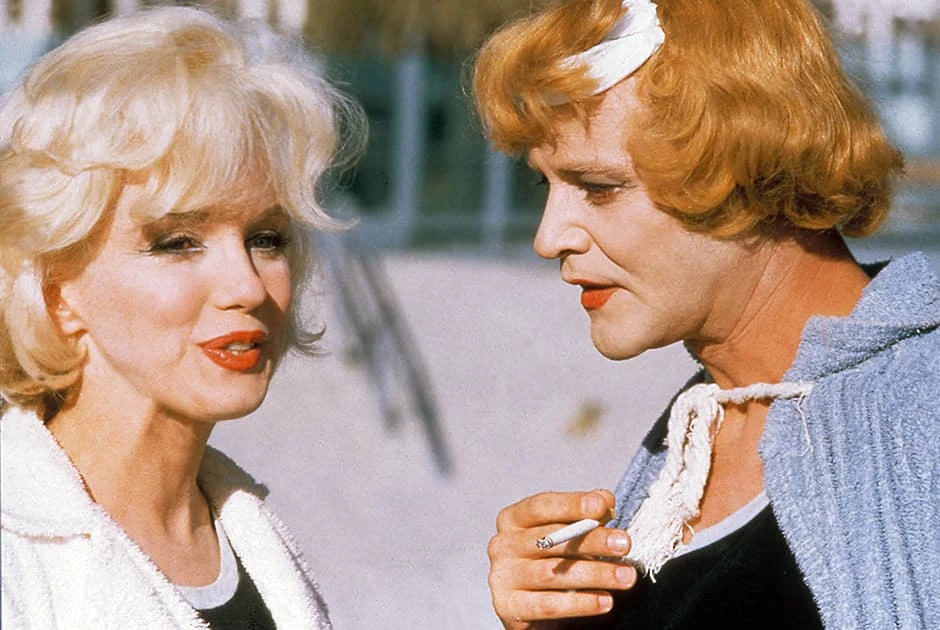
"Some Like It Hot" (1959) is Monroe's highest-grossing film not made for Fox.
By August 1962, her net worth was estimated at approximately $800,000. After paying off debts, taxes, and legal fees, that left approximately $370,000. Her only real estate was a house in Brentwood, Los Angeles, purchased in January 1962 for $77,500. She borrowed the down payment from her ex-husband, Joe DiMaggio. The monthly mortgage payment was $320. She never made it. 
The only home Monroe ever owned. In 2021, the house sold for $7.25 million.
Who inherited her image?
75% of Monroe's intellectual property was bequeathed to her acting coach, Lee Strasberg, founder of the Actors Studio in New York City. Another 25% went to her psychotherapist, Marianne Criss. Strasberg and his wife, Paula, were like surrogate parents to Monroe, especially during her most lonely years. 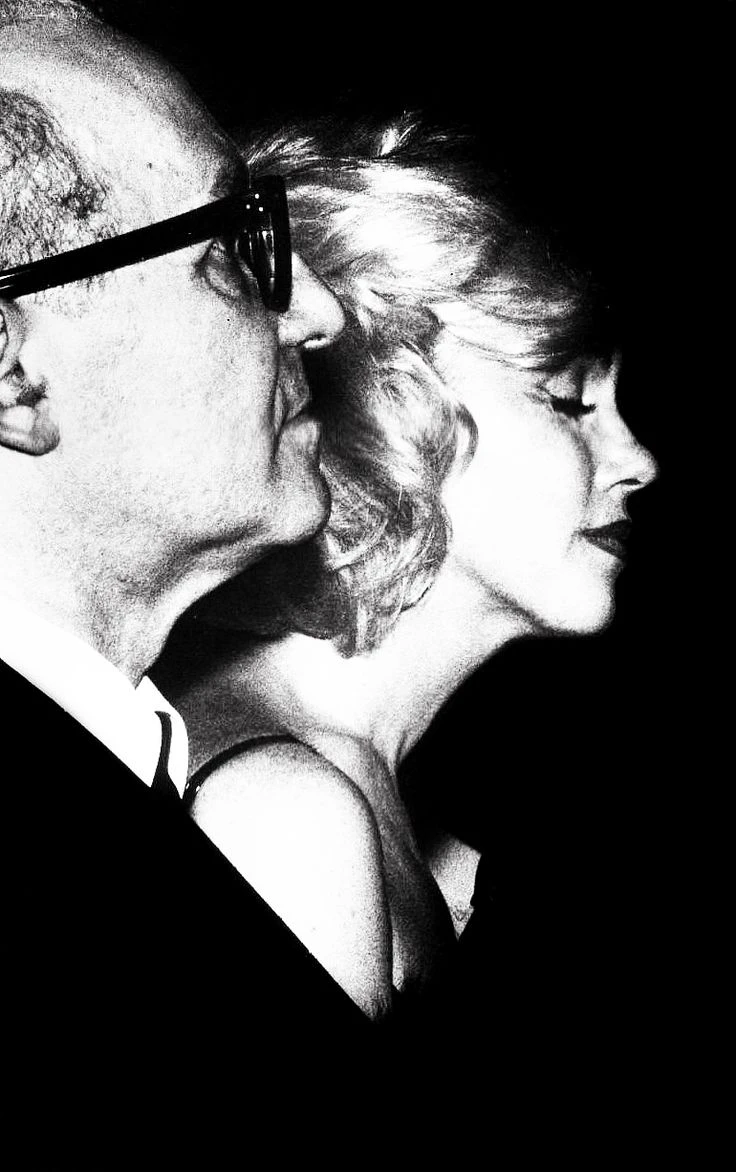
Monroe at the Actors Studio. Strasberg became her mentor in 1955 and received three-quarters of her inheritance.
Lee Strasberg died in 1982. His widow, Anna Strasberg, a Venezuelan-born actress who apparently did not know Monroe personally, inherited 75% of the actress's image. Anna founded Marilyn Monroe LLC and began licensing. Monroe's name and image appeared in advertisements for Chanel, Dior, Chrysler, and Coca-Cola. 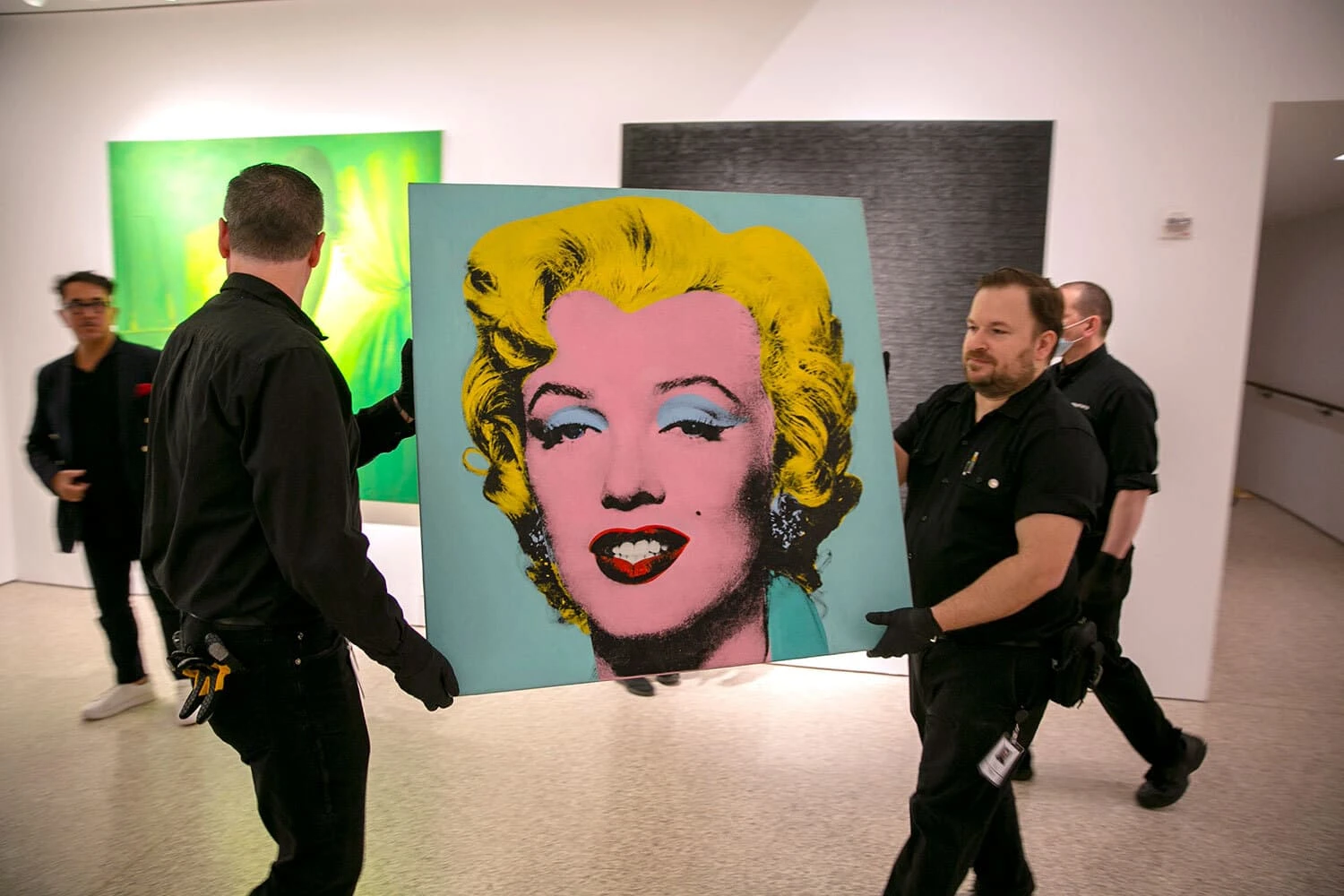
Warhol commodified Monroe's image even during her lifetime. In 2022, one of his works sold at auction for $195 million.
In January 2011, Anna Strasberg sold her stake to Authentic Brands Group (ABG, a major American brand manager) for between $20 and $30 million. ABG manages the images of several deceased celebrities, including Muhammad Ali and Elvis Presley.
Posthumous Business
According to Forbes, Monroe's image earned her $15 million in 2013, placing her sixth in their annual list of the highest-paid deceased celebrities. Her posthumous earnings in 2023 are expected to reach $10 million. 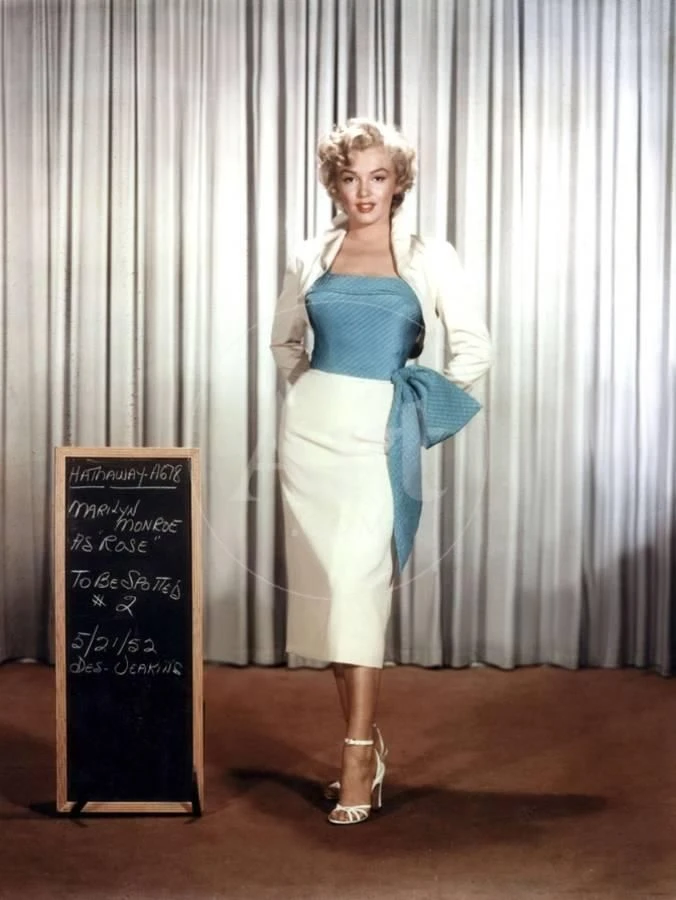
Fox promotional photos from the 1950s. The studio built an image—and profited from it. Monroe herself did not participate in the commercial rights to her image.
A dress worn for a performance at President Kennedy's birthday party in 1962 cost $1,260. In 2016, it sold at auction for $4.81 million. Warhol's portrait "Shot: Sage Blue Marilyn" sold for $195 million in 2022. A Brentwood house, purchased for $77,500, changed hands in 2021 for $7.25 million. 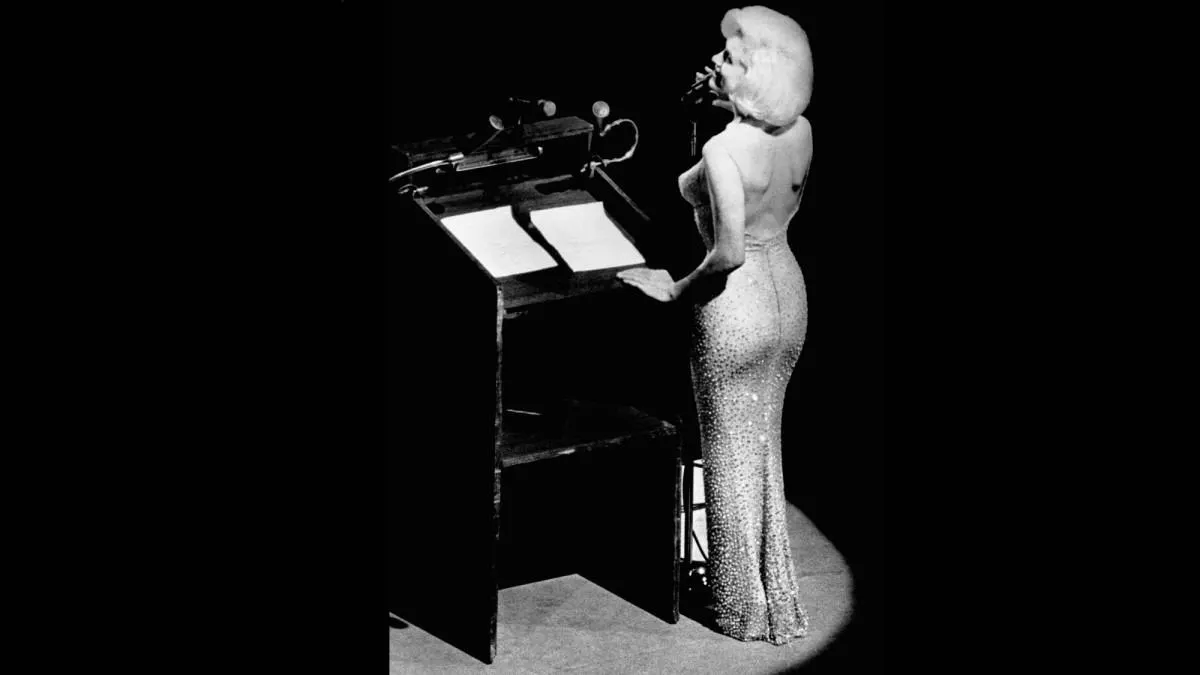
Speech at Kennedy's birthday party, May 1962. The dress cost $1,260 and sold at auction for $4.81 million.
System, not destiny
According to film historians, Monroe's films earned Fox approximately $200 million over the years. In today's dollars, that's about $2 billion. She died without paying the mortgage on her $77,500 house. 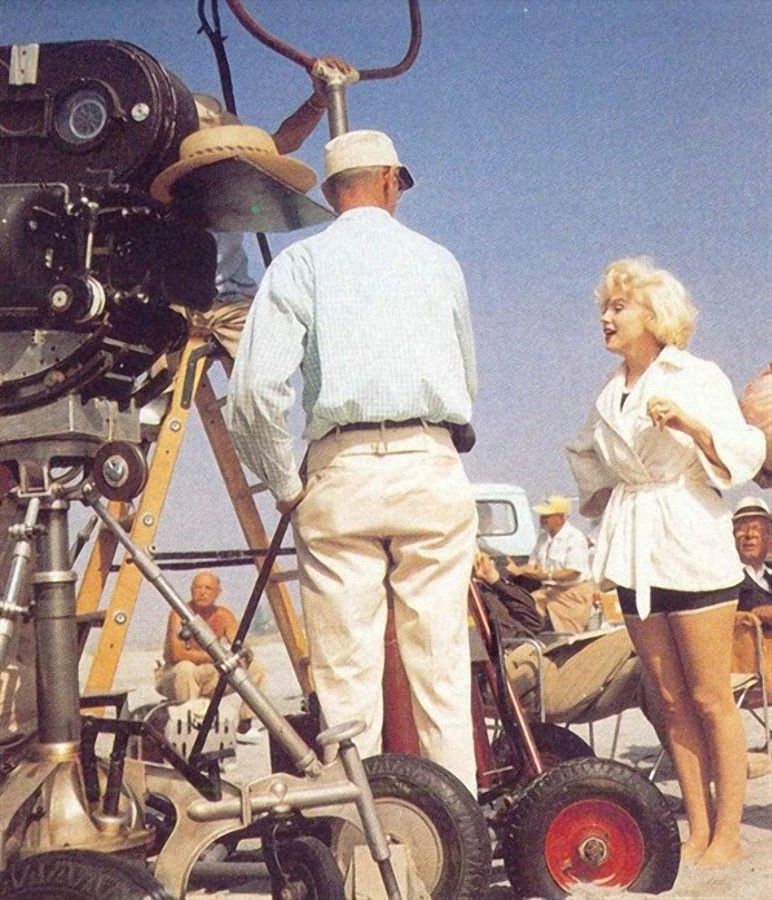
On the Fox lot in the early 1950s. The studio was making millions from her—her contract gave her neither the right to choose her roles nor a share of the profits.
The studio system of the 1950s was designed to prevent actresses from accumulating income. Contracts set a ceiling, not a floor, for earnings. Monroe understood this and tried to break the system by creating her own company. She was partially successful: her 1956 contract set a precedent for all of Hollywood. But she never achieved true control over her image—or her money. 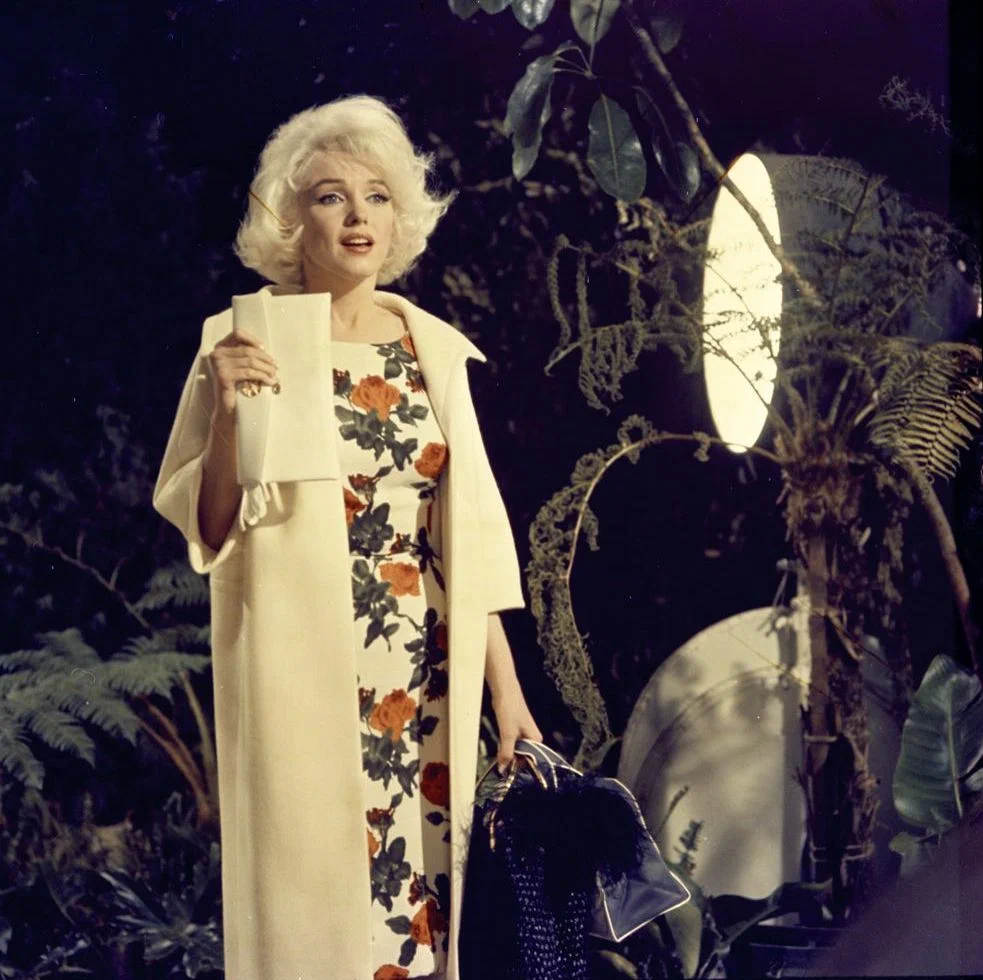
Her last filming was "Something's Got to Give," May 1962. Fox fired her for absenteeism. In August of that year, Monroe passed away.
Was it possible, under that system, to use her name differently? And has anything fundamentally changed since then?