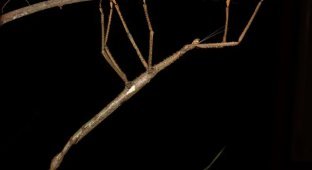
The giant alpine stick insect is one of the largest insects on the planet. Guess where it lives? That's right! Australia, of course. This stick insect can reach up to 28 centimeters in length and weigh just under 50 grams. It's logical to expect such a large insect to be easy to find, hard to lose, and impossible to forget. However, here's the strange thing: it was only discovered last February.
First of all, because even such a large stick insect behaves like a typical stick insect. Alpine stick insects sit practically motionless for hours, only moving in time with the wind and the swaying leaves. Spotting even a common stick insect is difficult enough, but alpine stick insects have made the task even more challenging by choosing extremely specific habitats. 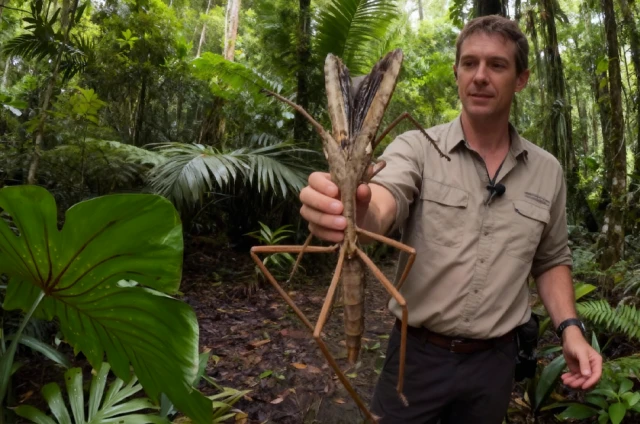
All encounters with giant acrophiles (and at the time of writing, there were five!) occurred at altitudes between 900 and 3,000 meters above sea level, and the stick insects themselves were accidentally knocked from the trees by one means or another. Apparently, they live exclusively in the crowns of tall eucalyptus trees at an altitude of 30-60 meters above the ground. So it's not surprising that a person might only stumble upon them by chance. 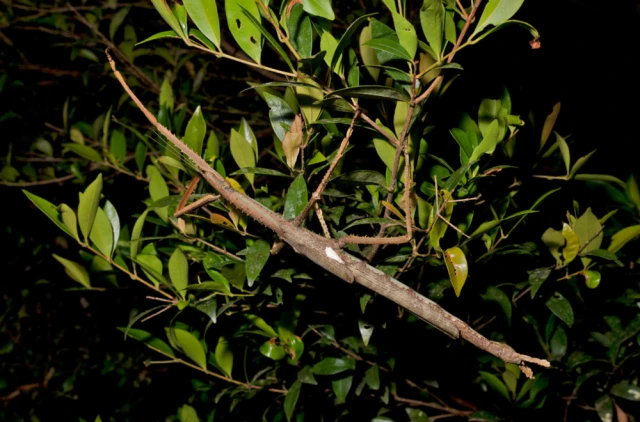
Especially since they don't really need to move. Stick insects feed on the leaves of the trees they live on, their camouflage works perfectly, and even if it fails, the stick insect will simply spread its crimson wings, appearing even larger. And not every bird would dare eat such a giant! 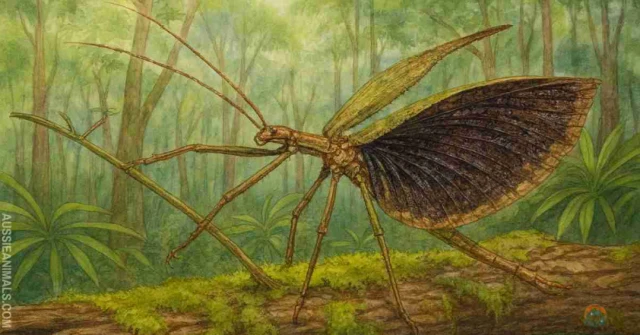
It is believed that they became so large and heavy to survive in specific conditions. Acrophylls live in highlands, where nights can be quite cold, and even in Australia, snow sometimes falls. To avoid hypothermia in these conditions, acrophylls have increased in size. The larger the body, the slower it cools, which helps cold-blooded insects survive short-term temperature drops. Other aspects of the life of high-altitude acrophylls are still unknown. But if they are similar to their closest relatives—other members of the genus—then their reproductive method clearly deserves attention. After mating, females literally bombard the ground with thousands of their eggs, which at first glance seems pointless. 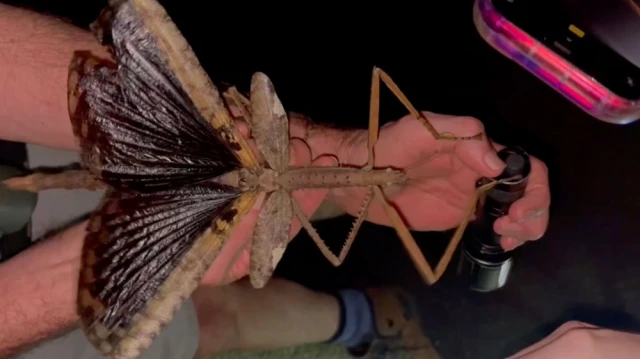
But they don't do this for no reason. Stick insects have formed an alliance with ants: each of their eggs is covered in a soft, nutritious protein shell, which attracts the attention of the little insects and compels them to carry the eggs to the anthill. It's a win-win situation: the adult stick insects don't have to worry about their offspring, and the ants get a little food in return. However, it was precisely this bombardment of the surface with their offspring that helped humanity discover the stick insects. Upon stumbling upon the eggs, scientists quickly realized they were dealing with a new species, as each stick insect species has its own unique egg shape. 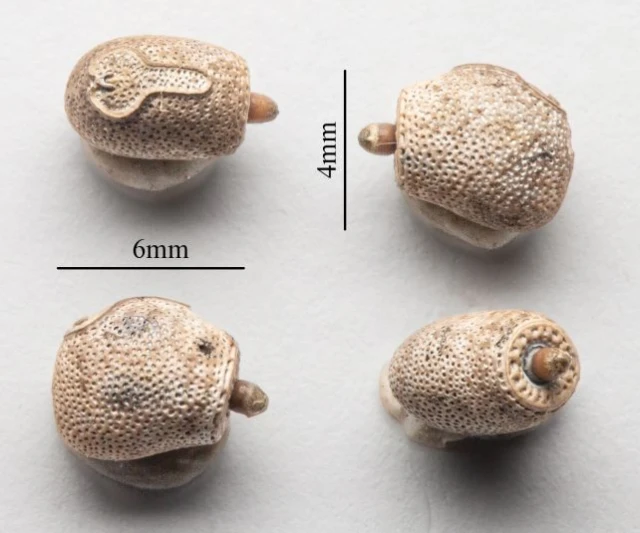
After 2-3 weeks, the eggs hatch, and the still-small giant stick insects leave the anthill. The ants don't bother them, as the insects are permeated with the anthill's scent and don't attract attention. After drying out a bit and gaining a firm foothold on the nest's surface, the ant-raised stick insects rise into the air to disappear into the foliage once and for all. 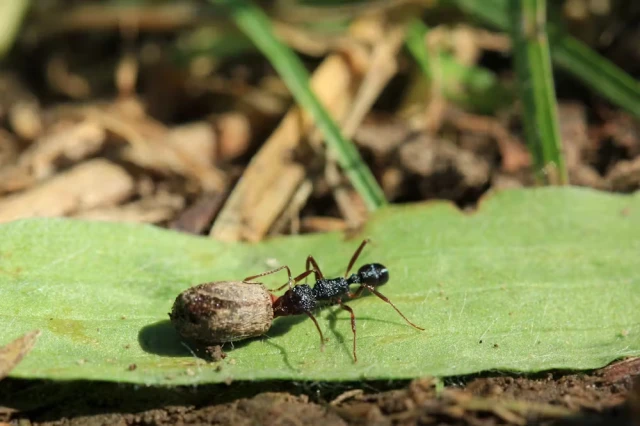
Add your comment
You might be interested in:













How to start a 102-liter engine

Protective film Removing it with a power screwdriver

When a child plays hide-and-seek at a professional level

Man sets up bedroom camera and discovers the reason for his

Super dads who swoop in to save the day

Precision carpentry

Looks like it's time to buy WinRAR
How to hang wallpaper neatly

How metal buckets are made in Pakistan
