The Secret Language of Gargoyles and Other Ancient Stone Residents at an Oxford College (10 photos)
In Oxford, your gaze constantly stumbles upon strange creatures. Stone dragons dangling from cornices and angels holding coats of arms. 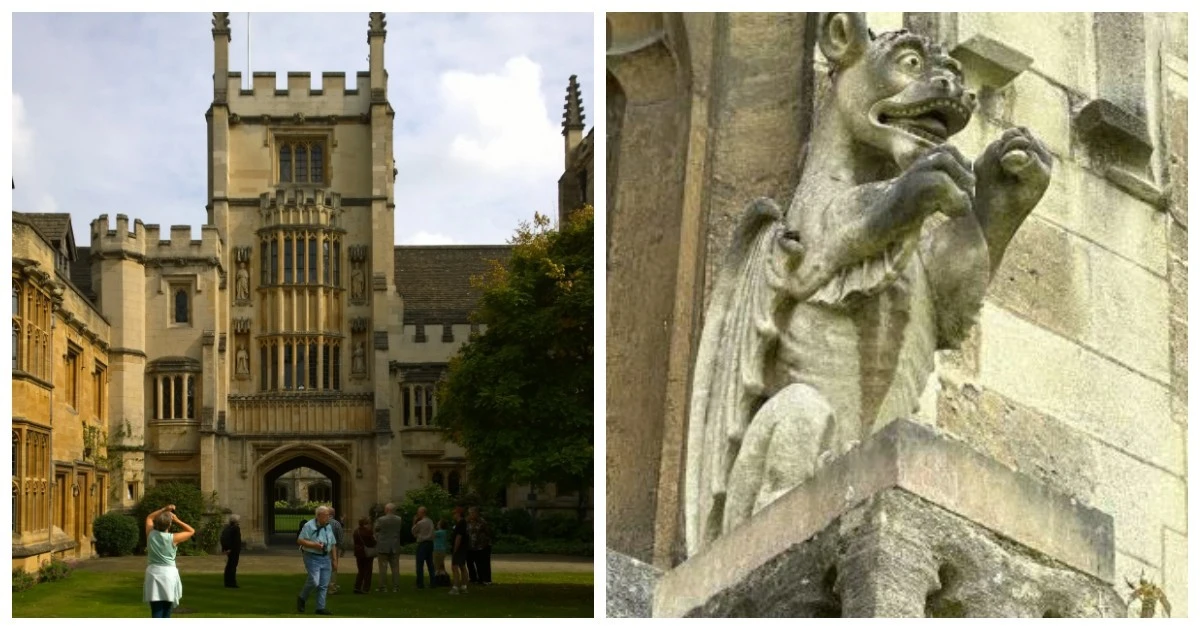
But the most mysterious collection is hidden in Magdalen College – 22 bizarre sculptures, locally known as hieroglyphs. 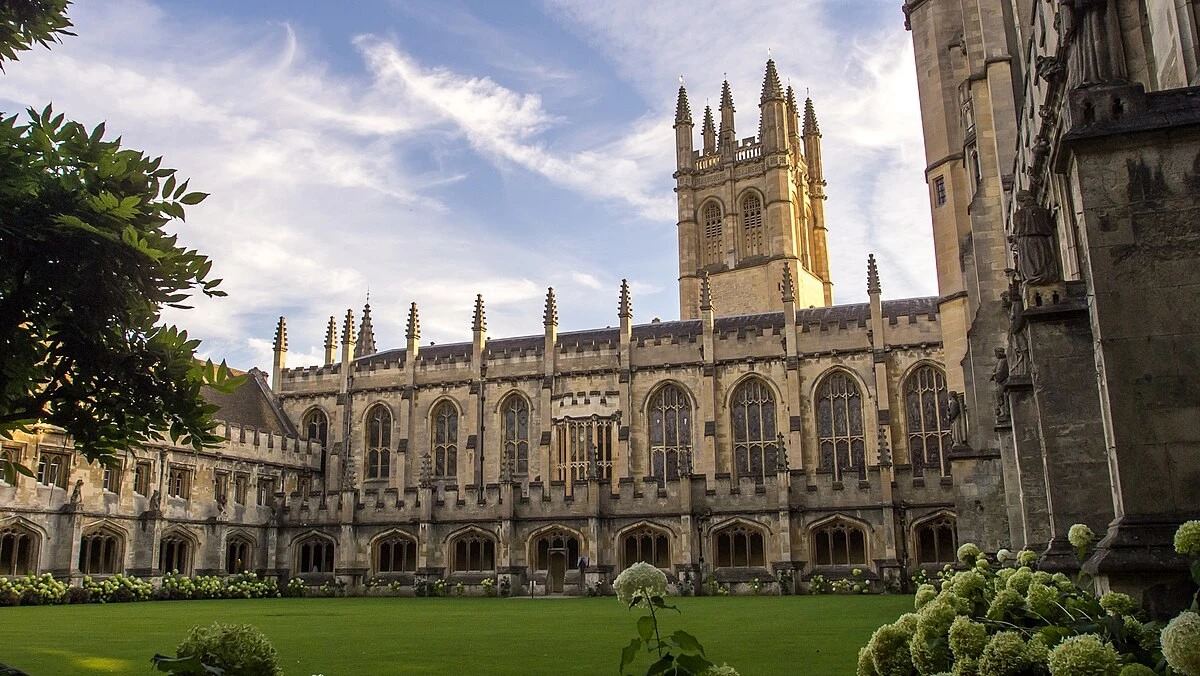
Magdalene College
The carved decoration of Oxford buildings is the city's most lasting and significant contribution to Britain's architectural heritage.
These figures, created in the early 16th century by carvers John Bews and Robert Carver, are more than just decoration. Each represents a symbol, an allegory, or a warning for students and others. Their interpretation was recorded three centuries ago by the scholar William Ricks, and it has since been considered canonical.
At the west entrance to the gallery stand two angels bearing the coats of arms of the college and university. They act as guardians of the threshold. 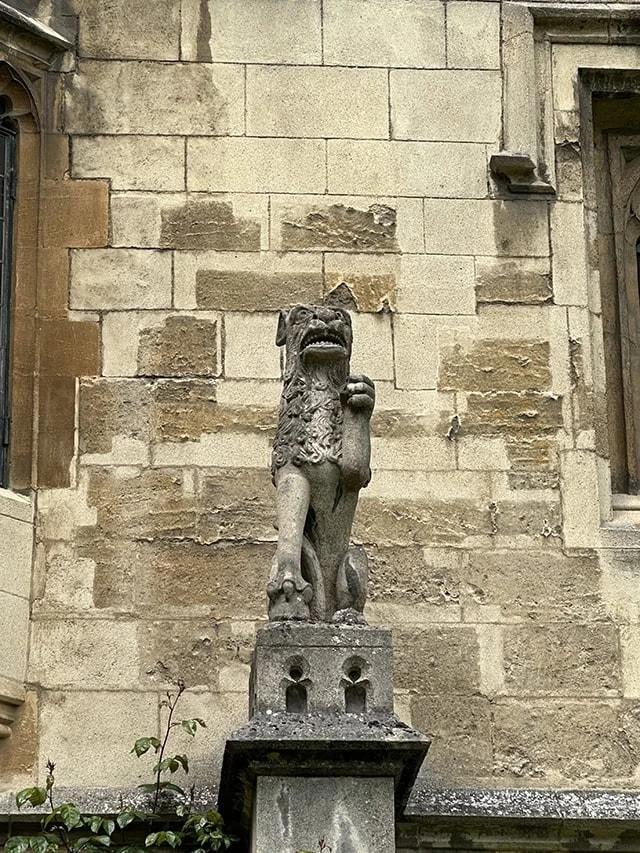
Lion
On the southwest corner, beneath the windows of the former President's Chambers, are a lion and a pelican. The lion represents courage and vigilance, while the pelican represents parental care and dedication. This is logical, as this is exactly what a college president should be like. 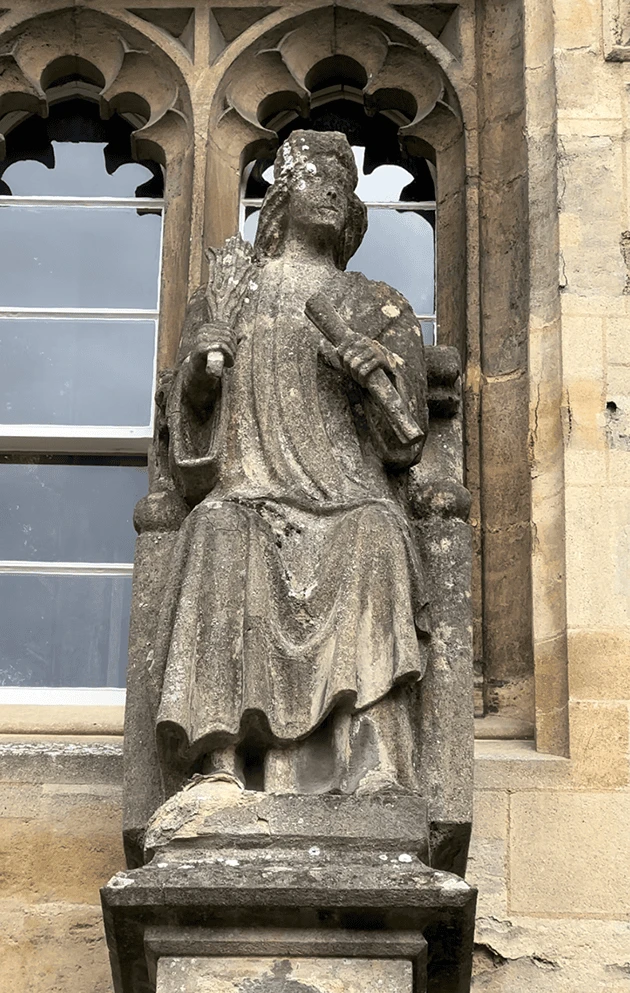
Teacher
Near the Old Library, four figures stood frozen, representing the leading scholars of that century: a schoolteacher with a rod and scroll, a doctor carefully examining a vial of sample, a lawyer conversing with a client, and a theologian. 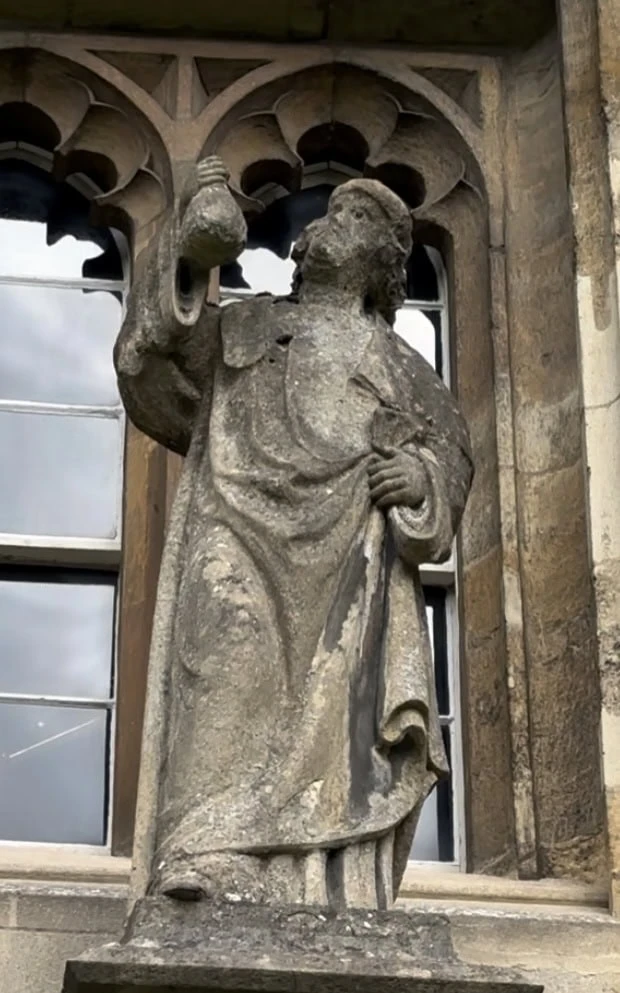
Doctor
The latter depicts Moses with the tablets, and with horns, due to an ancient error in the Latin translation of the Bible, which wrote "horns" instead of "rays of light." 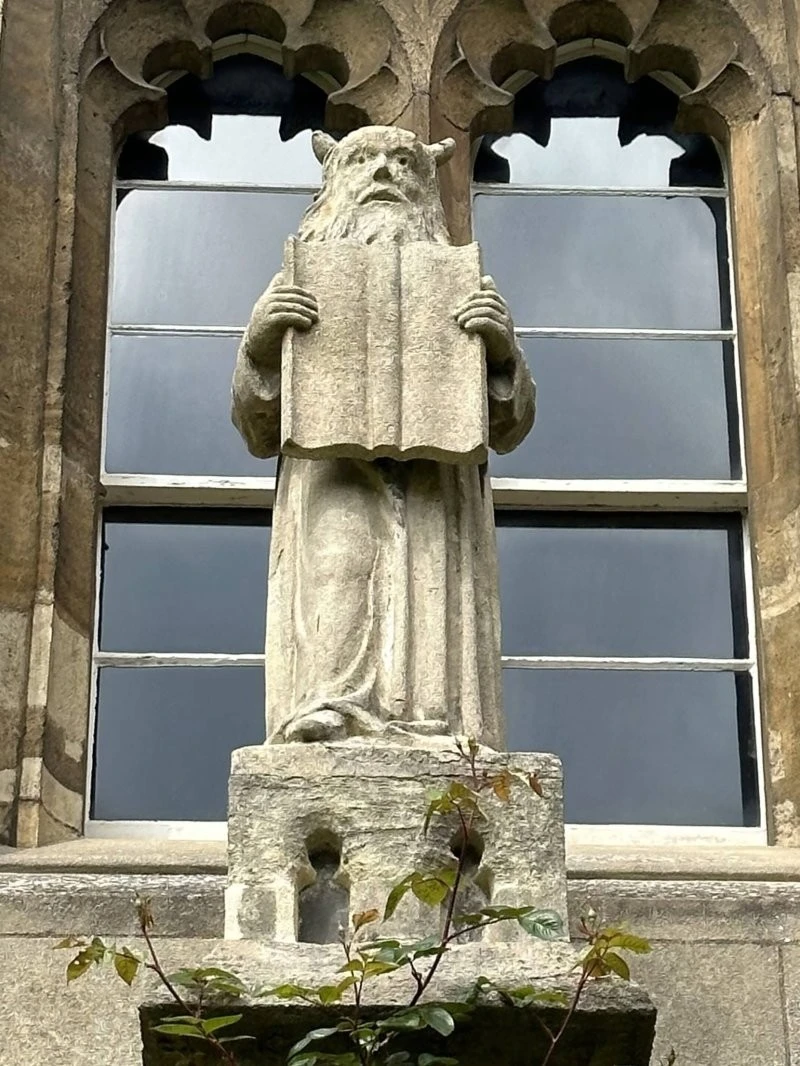
Theologian
Around the corner, just behind these learned foursome, a jester in a cap with bells lurks. It serves as a silent warning to students: without diligence in studies, the fate of a fool awaits you. 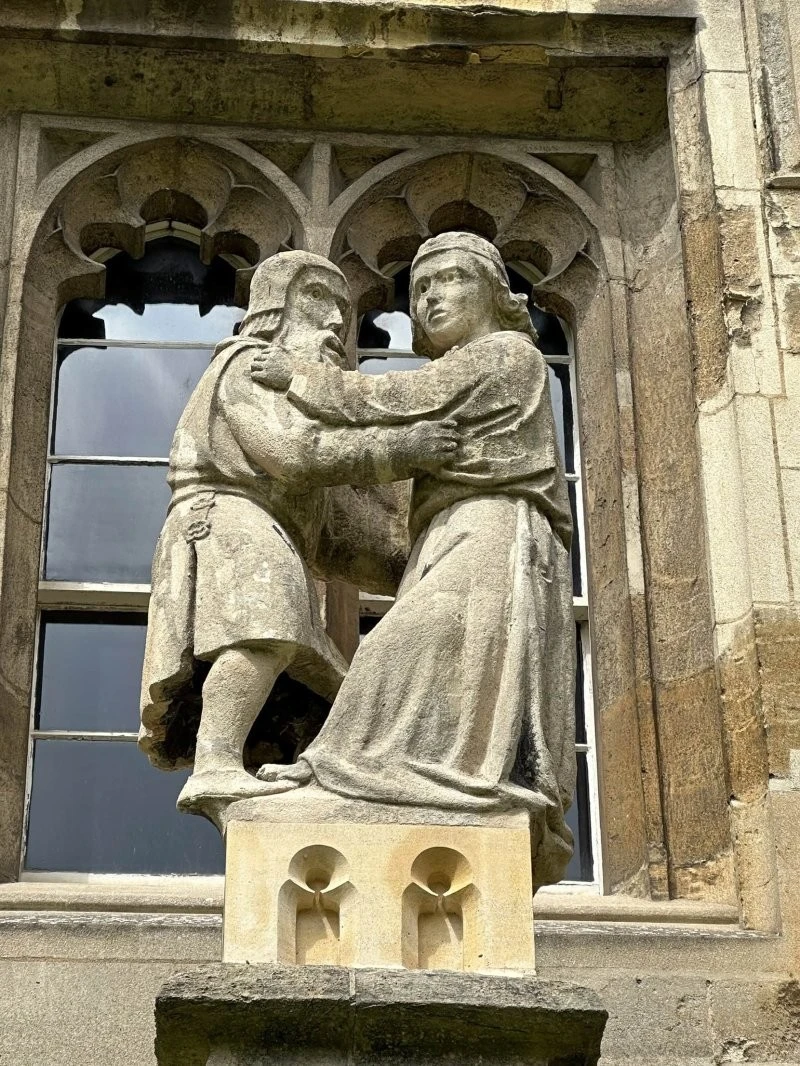
Lawyer with Client
The story of David then unfolds. The young shepherd defeats a lion, then defeats the giant Goliath with a slingshot, and finally emerges as king. This triptych is about how hardships strengthen and lead to triumph.
Next comes a hippopotamus with a baby on its back. The carver likely had never seen this animal before and literally carved a "river horse." It symbolizes a good mentor who carries a new generation through the stormy waters of scholarship. 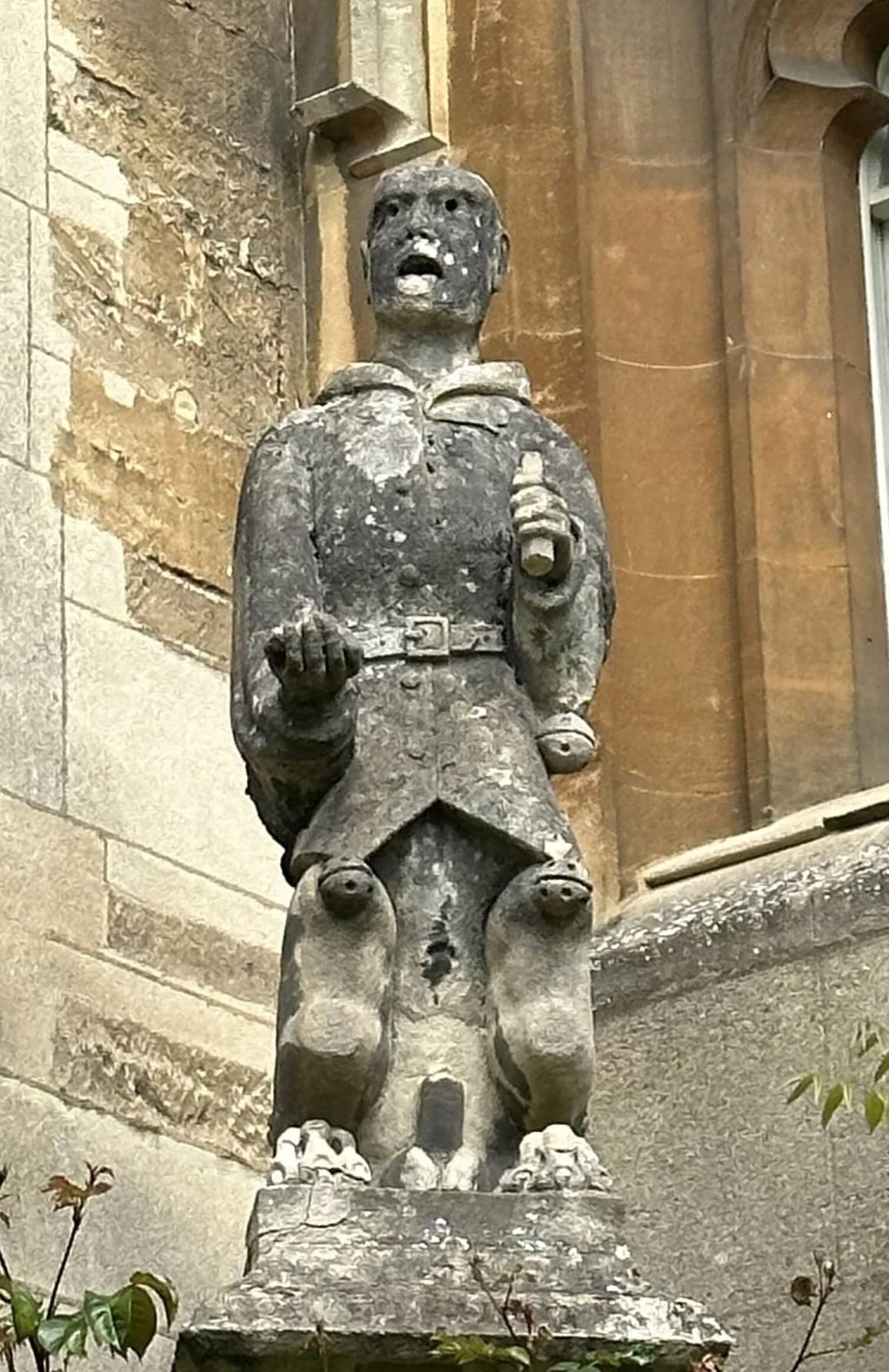
Jester/Fool
The remaining figures represent vices the students were to avoid and virtues they were to emulate. There are drunkenness, anger, violence, flattery, envy in the form of a dragon, timidity in the form of a deer, deceit in the form of a hyena, and betrayal in the form of a tiger. 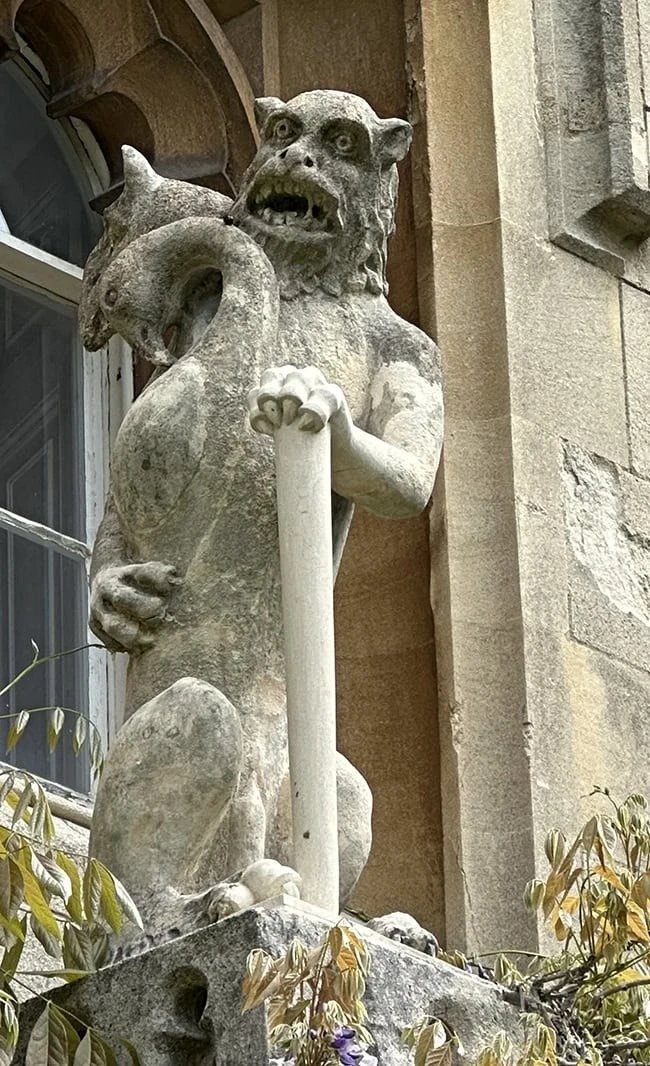
Drunkenness
This parade is completed by three figures. The mythical manticore is a warning against pride, two boxers are a vivid symbol of discord, and finally, the Lamia, with its face on its belly, is the personification of lust. In ancient myths, the lamia was a demon. 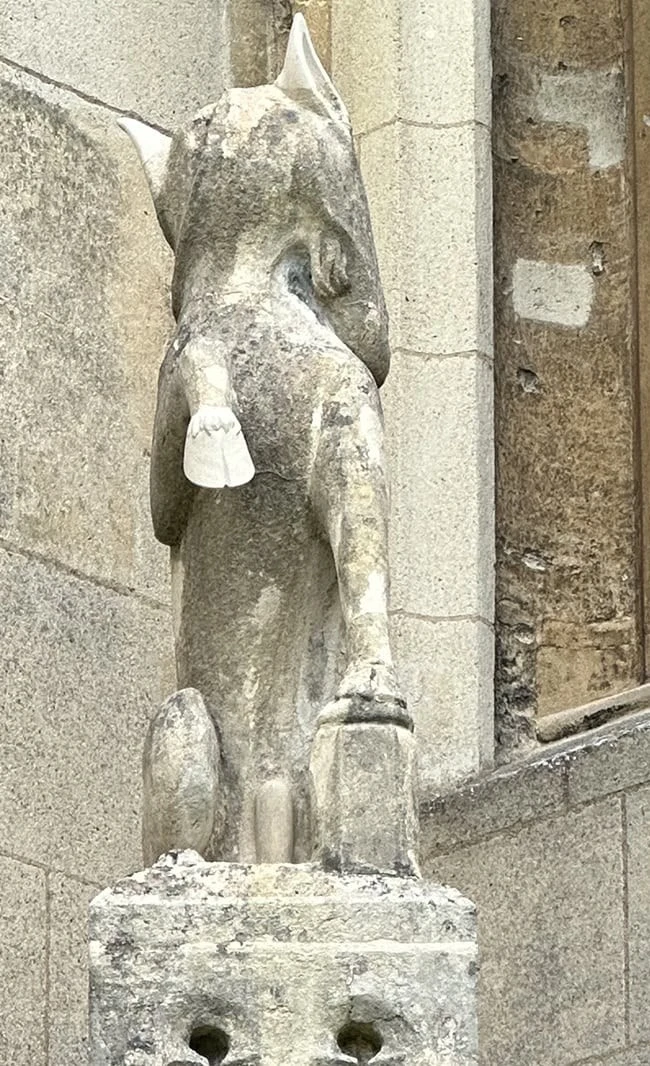
Violence
These stone guardians of Magdalene College are over 500 years old. Thanks to the work of masters like Alex Wenham, their mysterious gaze will continue to stir the imagination and remind us of the eternal truths carved in stone for centuries to come.