The Theater That Stole and Made Famous Shakespeare (17 photos + 1 video)
On a frosty, snowy evening in 1598, a dozen men armed with swords, daggers, and axes entered the recently vacant theatre building in Shoreditch, just outside London's city walls. By the dim light of lanterns, they worked tirelessly until dawn, dismantling the structure, log by log, nail by nail, and loading the precious boards onto carts. When the darkness of night receded before the first light, not a trace of the theatre remained. 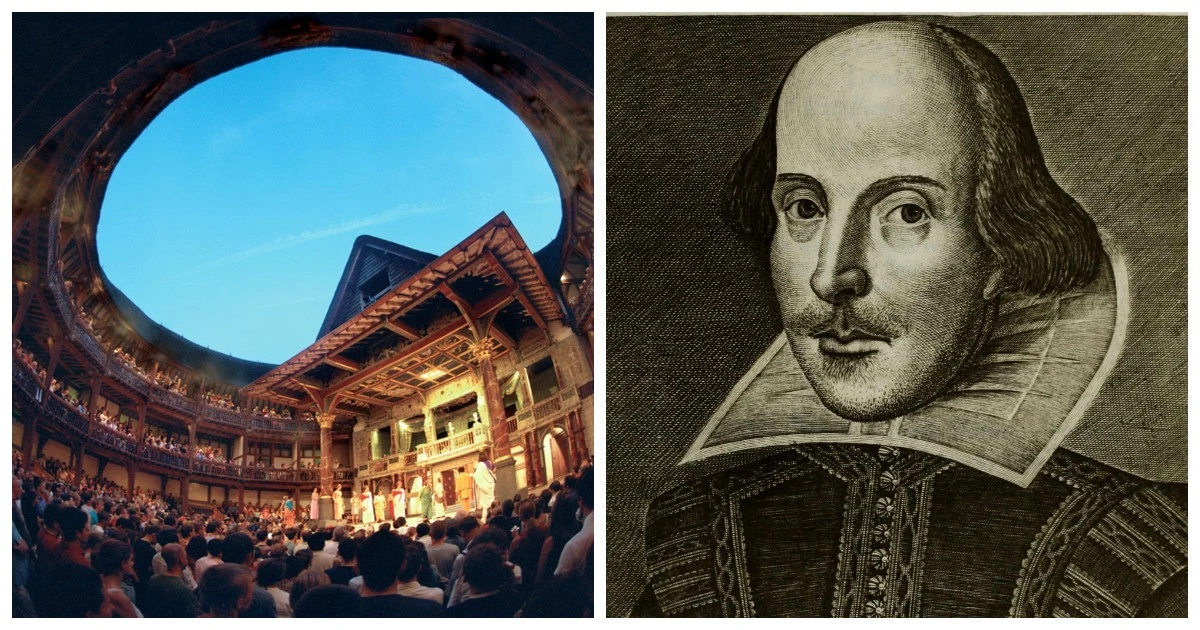
These "vandals" turned out to be actors from the Lord Chamberlain's Men, a troupe to which William Shakespeare belonged. For many years, their home was the Shoreditch Theatre, built in 1576. It became England's second permanent theatre and the first successfully dedicated exclusively to stage productions. 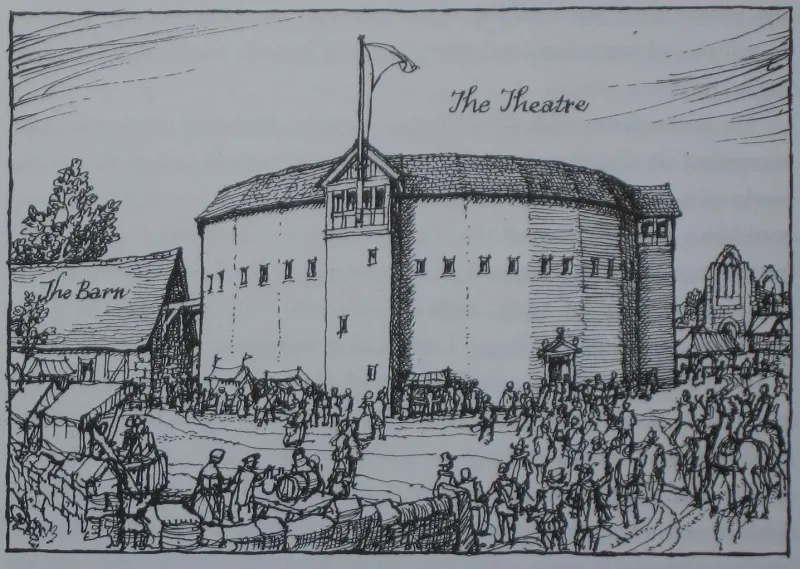
The Theatre in Shoreditch, the Same One Demolished by Shakespeare's Men
The troupe was founded in 1594 and quickly gained a reputation as one of the best in the city. Many of Shakespeare's famous plays were first seen on the Shoreditch stage. However, in 1596, the land lease expired, and the owner, the stubborn Giles Allen, not only refused to renew it but also threatened to seize the building itself. The dispute dragged on for two years, forcing the troupe to perform at the neighboring Curtain Theatre. It was there that the lines of the legendary tragedy "Romeo and Juliet" were first performed. 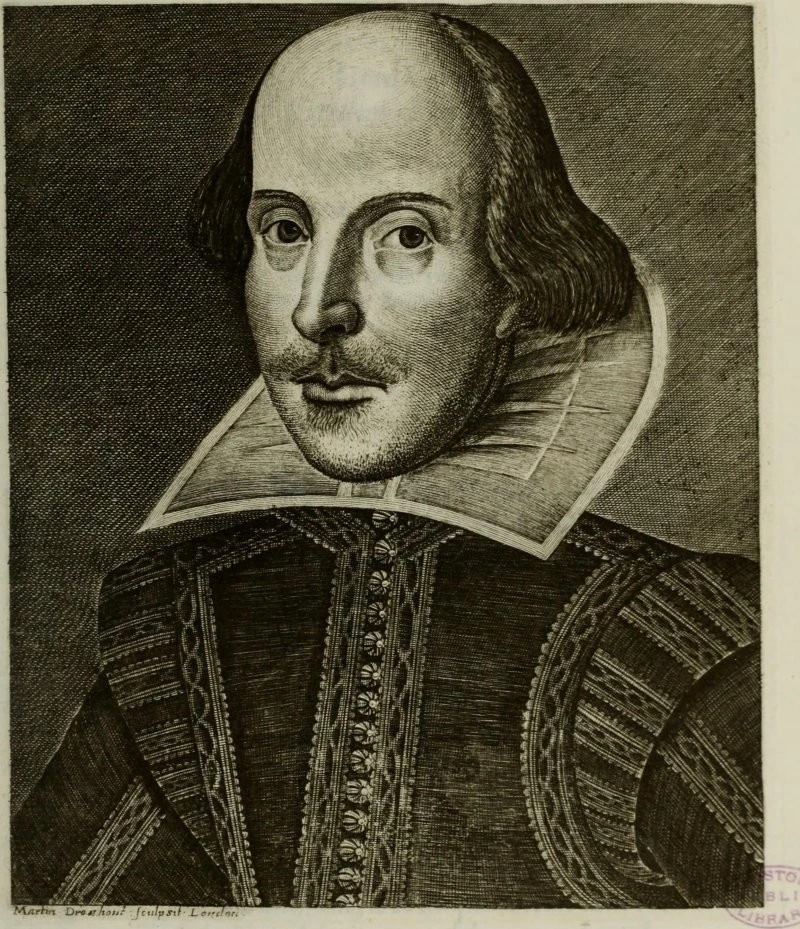
William Shakespeare
Realizing the futility of negotiations, the Lord Chamberlain's Men leased a new site on the Thames. And on December 28, 1598, while Allen was celebrating Christmas at his country estate, they executed a daring plan. Under the direction of the talented carpenter Peter Street, who later built the famous Fortune Theatre, the dismantled structures were transported across the river and reassembled into a stunning new building—the Globe Theatre, which could accommodate up to three thousand spectators. 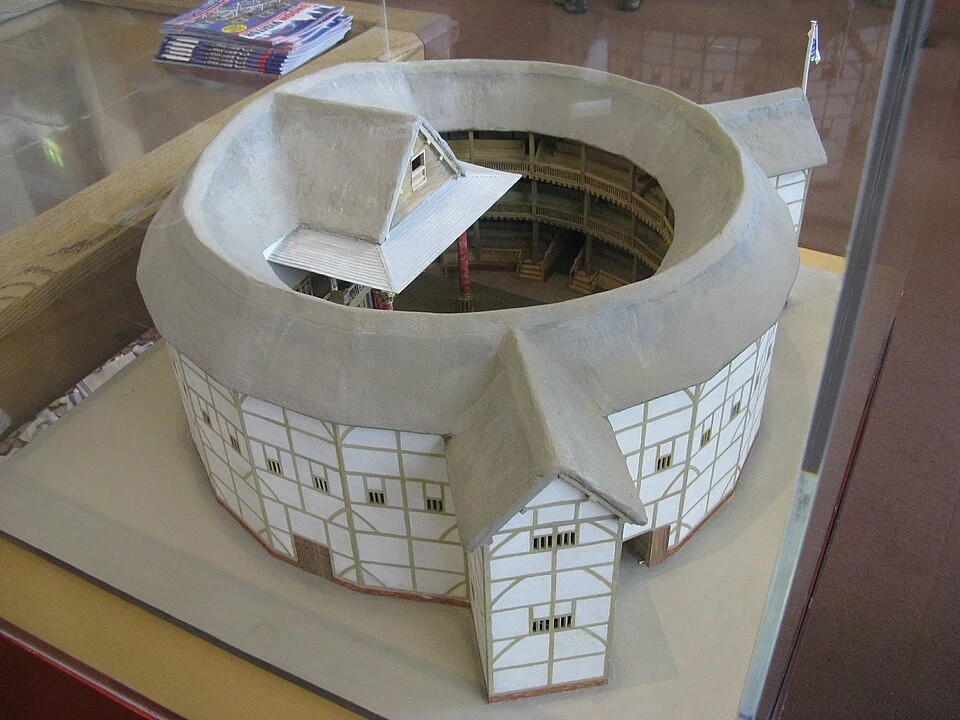
Model of the Globe
Romantic versions say the dismantling took one night, but historians believe the work took longer. Although there is no evidence that Shakespeare was personally present among those hauling the logs that night, he undoubtedly closely monitored the process, as the success of the undertaking was of paramount importance to him. 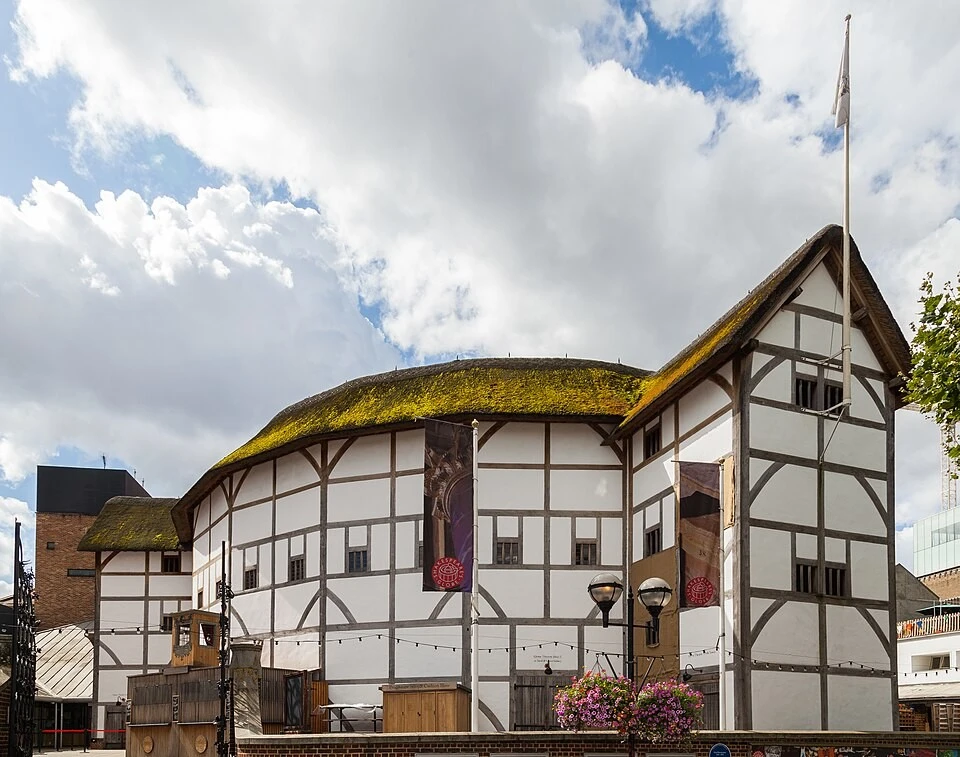
Shakespeare's Globe, London, England
The Globe opened its doors in 1599 and for 14 years presented Shakespeare's greatest works. In 1613, during a performance of Henry VIII, a cannon fired from the stage set the thatched roof on fire, and the theater burned to the ground. Although it was quickly rebuilt, Shakespeare likely no longer wrote for the new stage. And in 1642, like all London theaters, the Globe was closed by the Puritans. 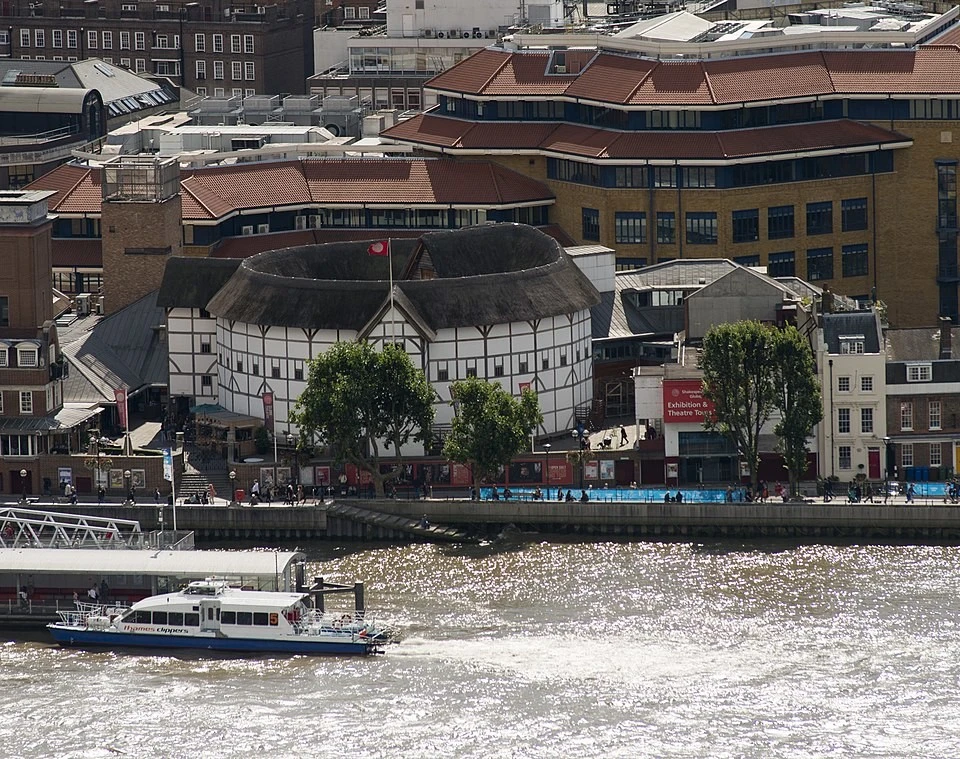
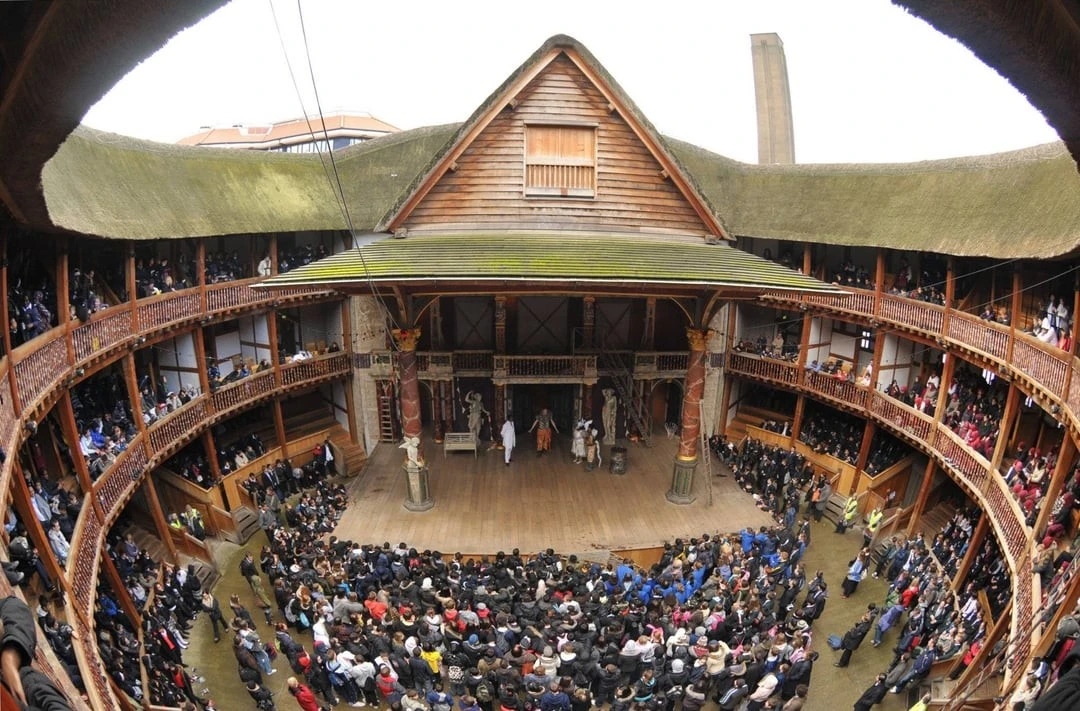
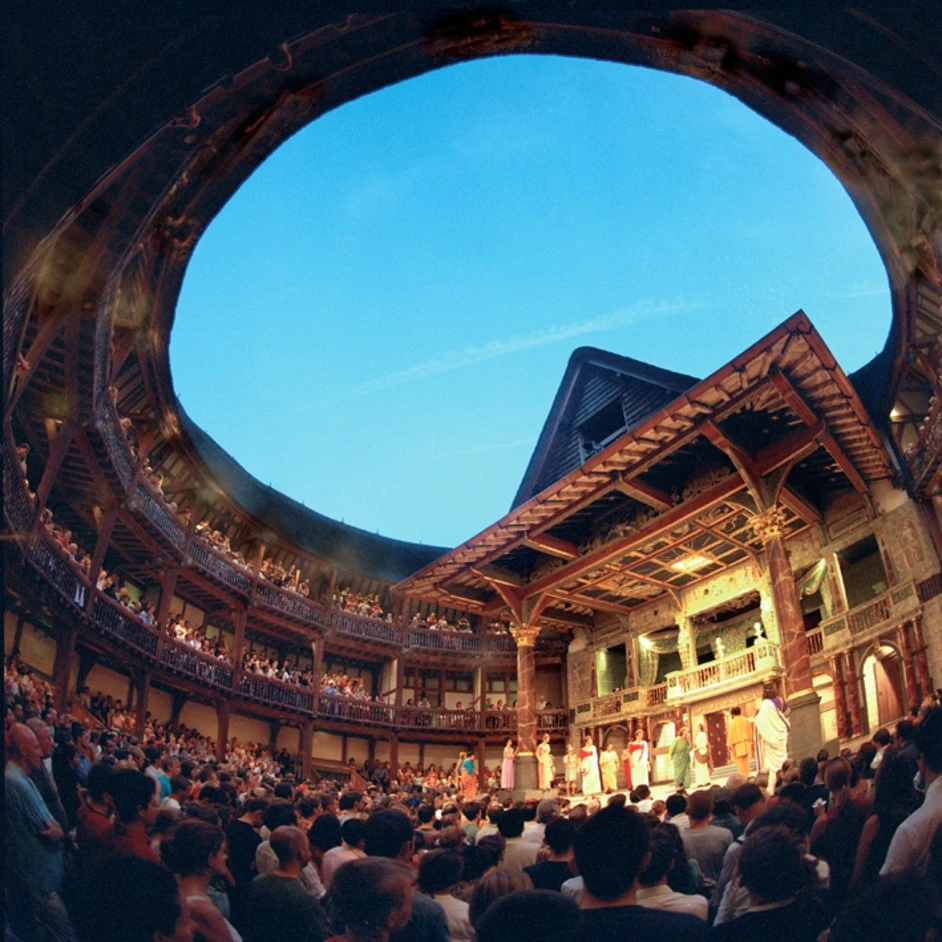
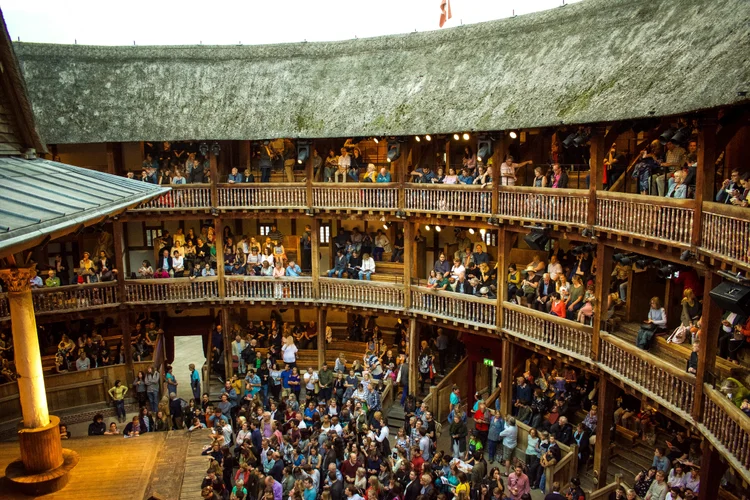
The modern reconstruction of the theater, "Shakespeare's Globe," was built in 1997, 200 meters from the historic site. The architects strove for maximum authenticity: a wooden frame without steel supports, the only thatched roof in London (its use was banned after the Great Fire of 1666), and simple seating for the audience (cushions are available for an additional fee). There are no spotlights, microphones, or modern sound equipment. All music is performed live on Renaissance instruments. Relatively recently, the theater began cautiously experimenting with light and sound. 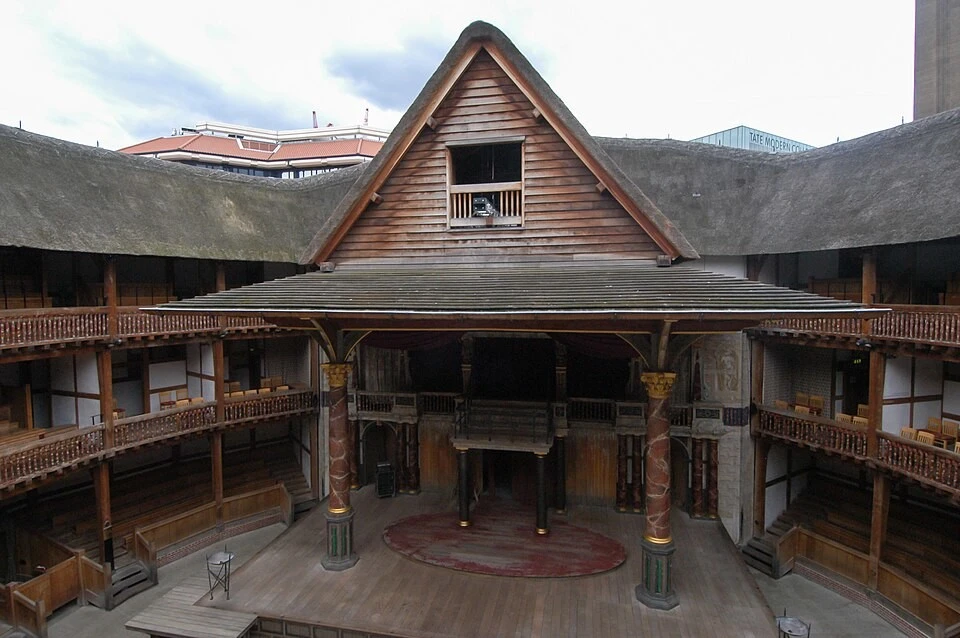
The modern Globe in London is not a museum, but a living, working theater and cultural center. Every year, it hosts a season of Shakespeare plays, as well as works by his contemporaries (Christopher Marlowe, Ben Jonson), and occasionally new plays are staged to suit the venue's spirit. 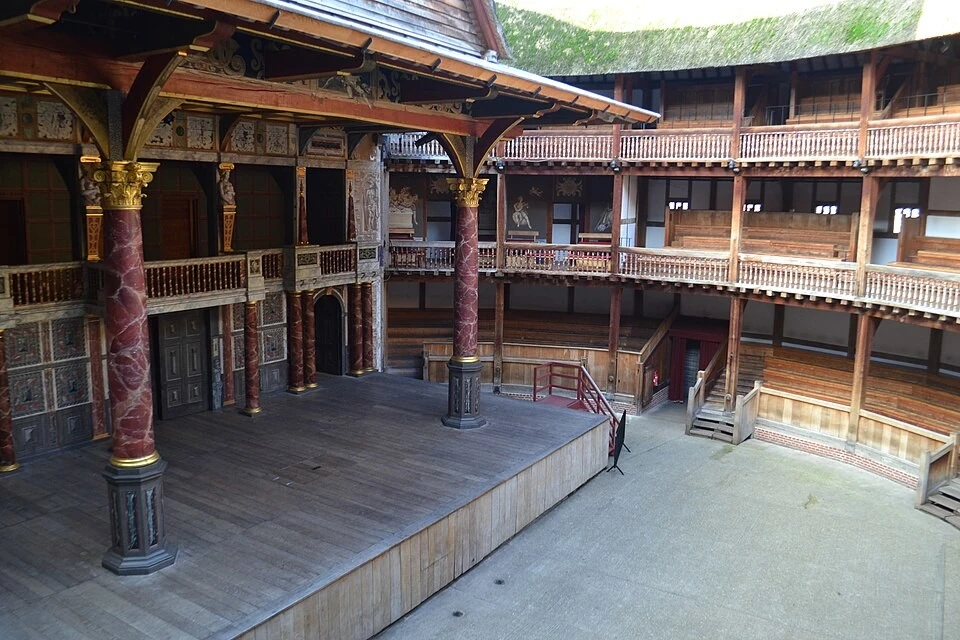
The productions strive to emulate the Elizabethan era. This includes, of course, natural light, live music, and close contact with the audience. 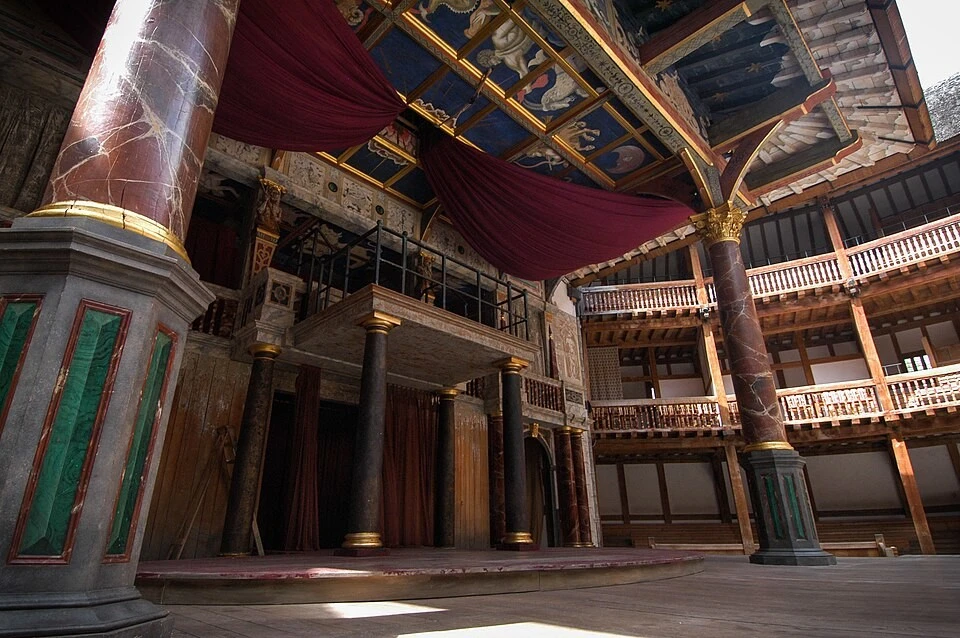
When there are no rehearsals or matinees, guided tours of the theater are available, offering information on the history and architecture. Inside, there is an underground interactive exhibition dedicated to Shakespeare, Elizabethan theater, and the history of the modern reconstruction. 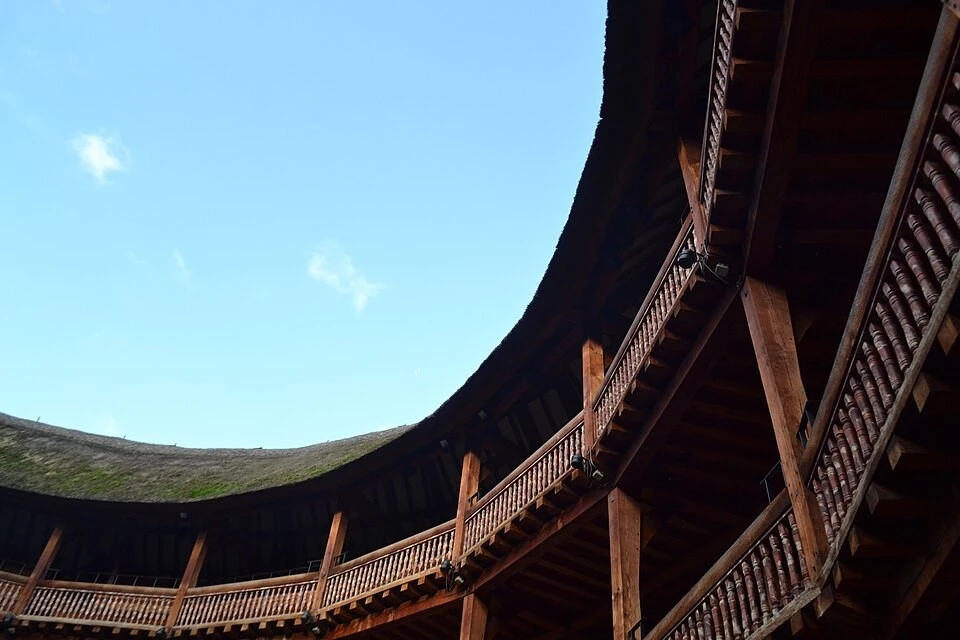
Thus, today, Shakespeare's Globe is a dynamic, sought-after space where academic research, historical reconstruction, and live theater art come together to bring Shakespeare's legacy to life for modern audiences. It successfully fulfills its mission of being not a silent monument, but a working laboratory of classical theater. 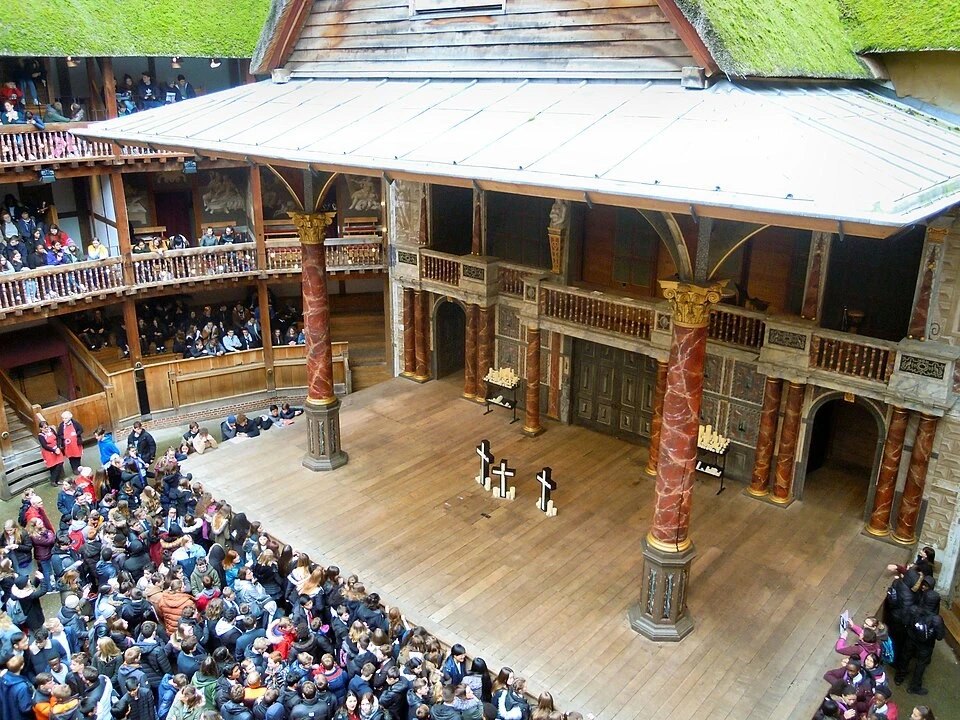
Production of "Romeo and Juliet" 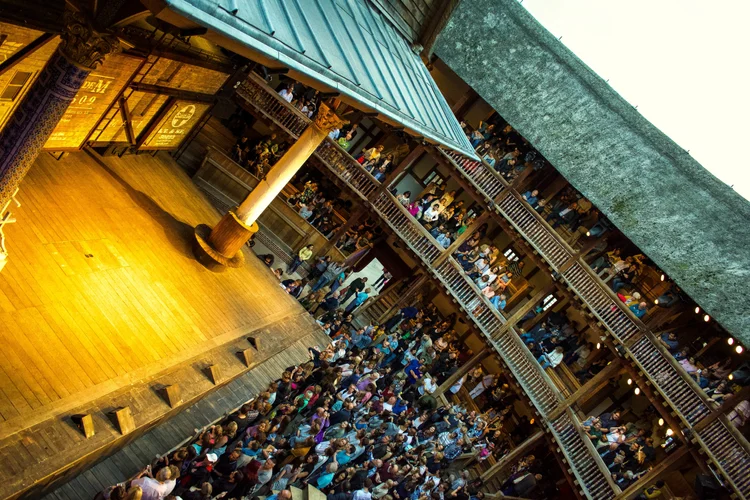
[thumb]https://cn22.nevsedoma.com.ua/p/29/2930/152_files/92bd7e7163163e90c6267e4d8a76512c.webp[/t humb]
[thumb]https://cn22.nevsedoma.com.ua/p/29/2930/152_files/ad536d78ba8499b636b5c94e7e5e3bd5.webp[/thumb]