False vampire: it doesn't drink blood, it catches and eats birds whole (6 photos)
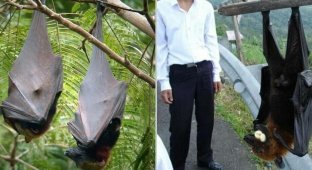
The false vampire bat has a very bad reputation. South Americans have long considered it a dangerous bloodsucker, one to be exterminated at every opportunity. And I can understand them: I, too, am terrified of a bat the size of a crow with fangs nearly 3 centimeters long. But it's much simpler. The false vampire bat doesn't drink blood; it consumes its prey whole. 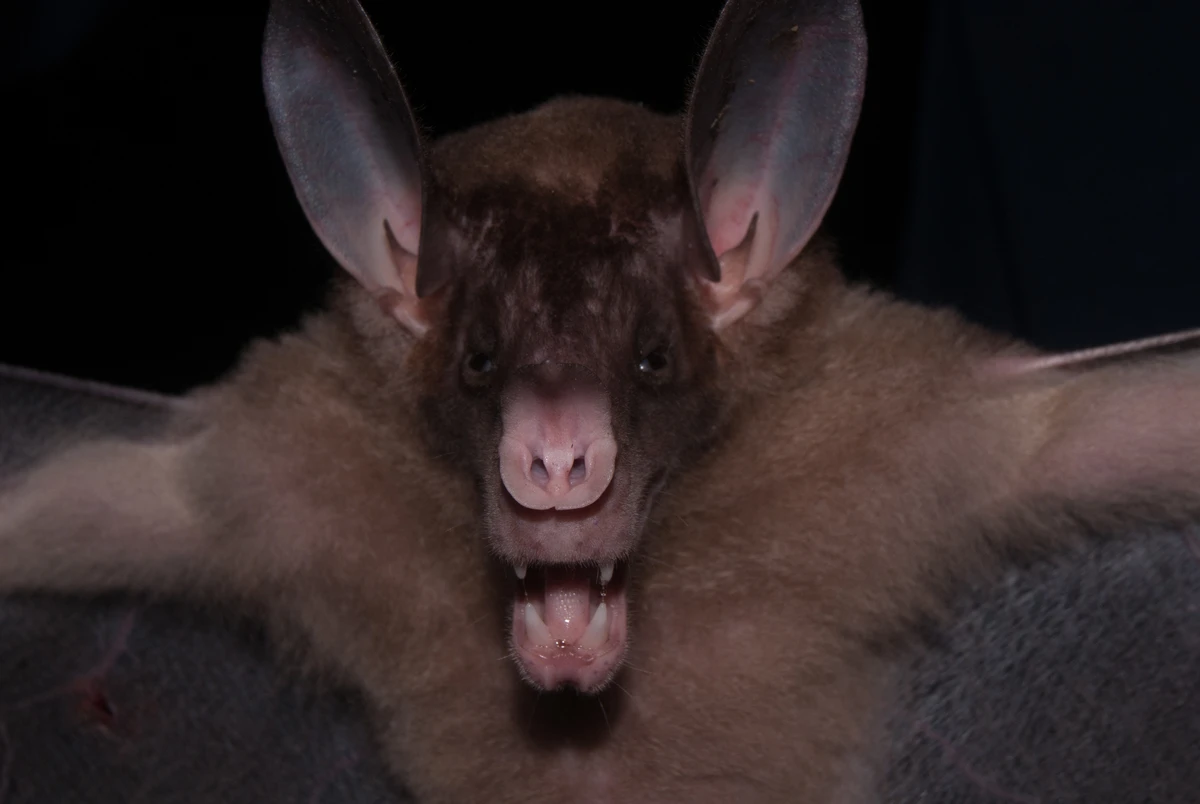
This forest is afraid of me...
After all, the false vampire bat, also known as the greater leaf-nosed bat, is not just another creepy bat; it's a bird of high flight. It doesn't hunt insects, like the vast majority of meat-eating mice, and isn't even particularly interested in mice and lizards. Its diet consists almost entirely of pigeons, parrots, cuckoos, flycatchers, and many other small birds. And, of course, smaller bats. 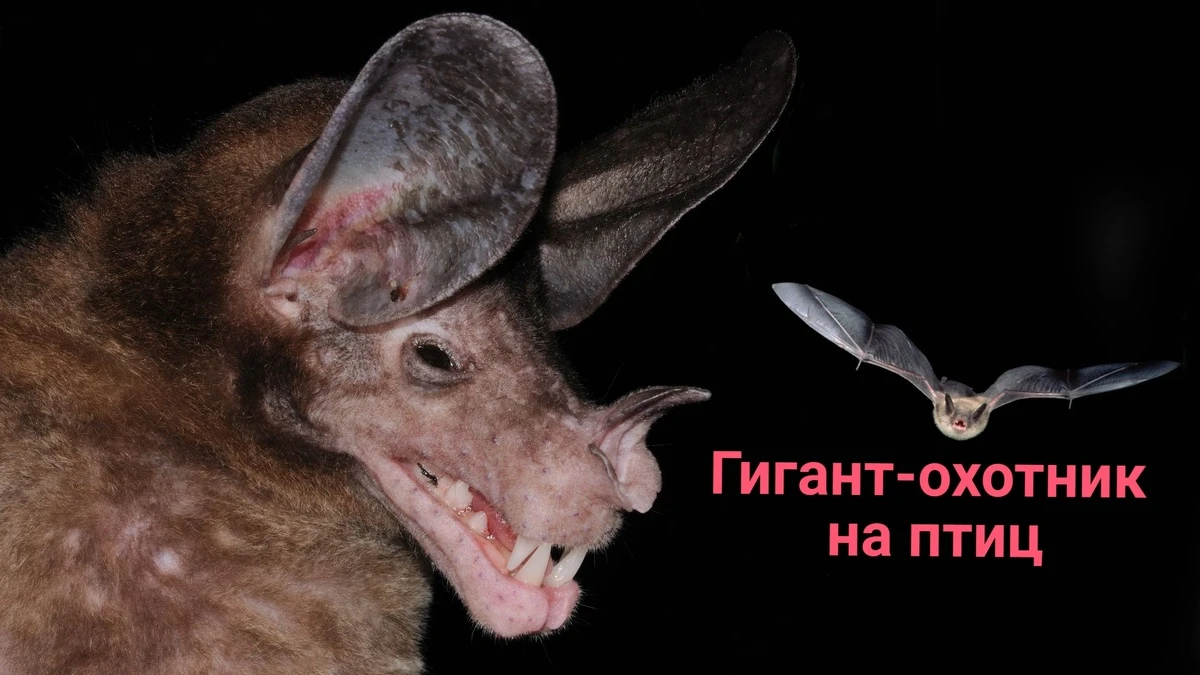
The purpose of the leaflet on its nose is unknown, but it likely functions as an acoustic lens, focusing and redirecting sound.
Like most bats, it cannot match the speed and agility of birds—they are simply more sophisticated. But it makes up for it with its ingenuity and highly developed senses. The leaf-nosed bat hunts exclusively in the canopy of tropical forests and exclusively at night. In the dark, birds cannot reach high speeds, while the bat maneuvers easily, spotting obstacles using echolocation and its keen hearing. 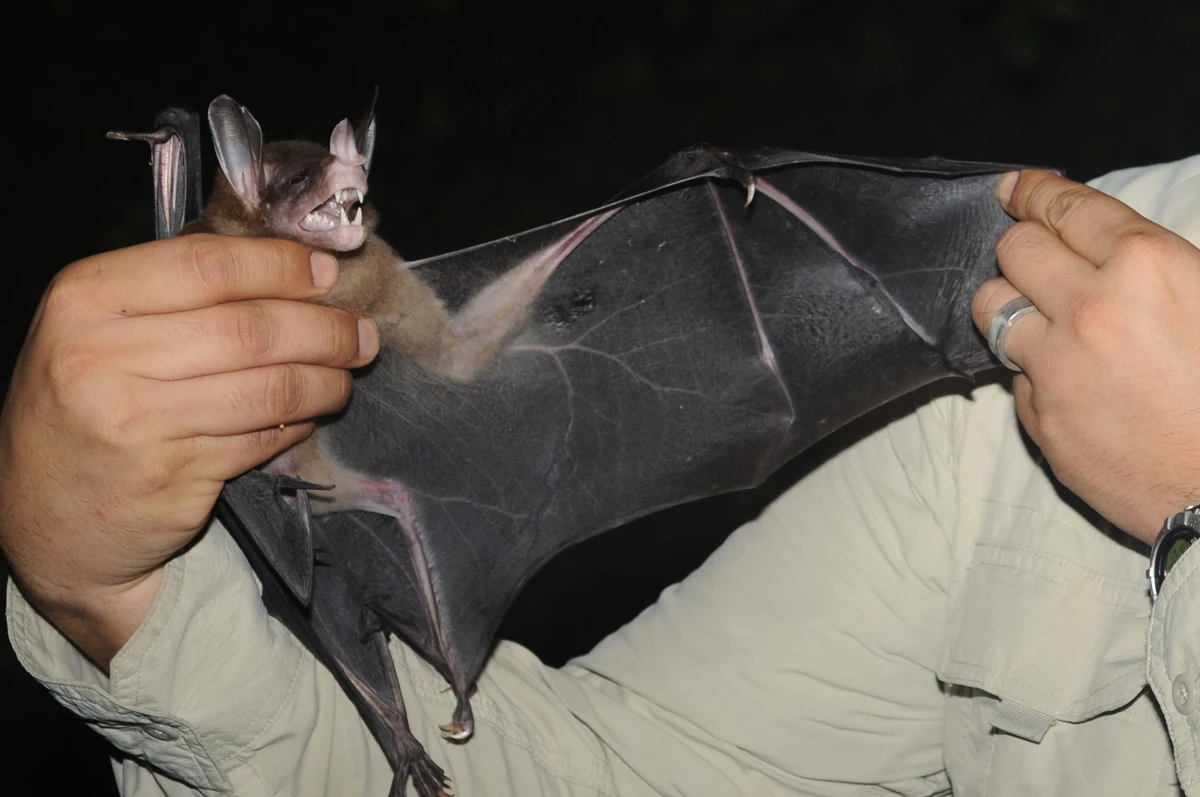
Let go, I'll complain to Batman!
This same ability helps him locate small bats—he detects the little creatures by their cries. And so he hunts them openly—his large, powerful wings, up to a meter in span, allow the false vampire to easily catch and destroy true vampires, as well as any other bats. 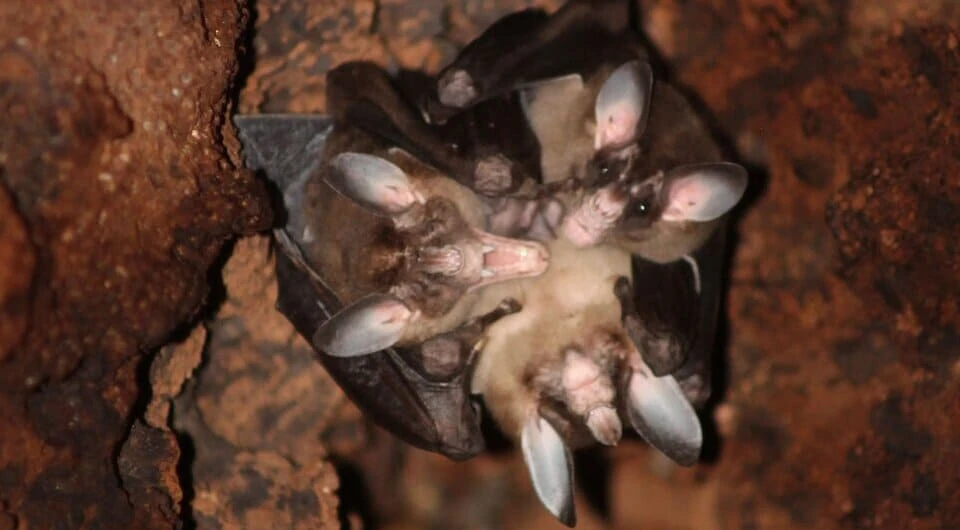
Despite their carnivorous nature, they are extremely loyal to each other. And within families, they don't even hesitate to hug!
Furthermore, the false vampire bat possesses a rare trait among flying creatures: a keen sense of smell. This ability is practically useless for ordinary birds and bats (try sniffing anything in the sky!), but not for the leaf-nosed bat. Using its sense of smell, it tracks down large ani—foul-smelling birds that like to gather in large flocks and spread their fragrance throughout the area. And thanks to its sense of smell, our hero can detect them hundreds of meters from their roosting site. The same goes for some other birds that emit strong scents. 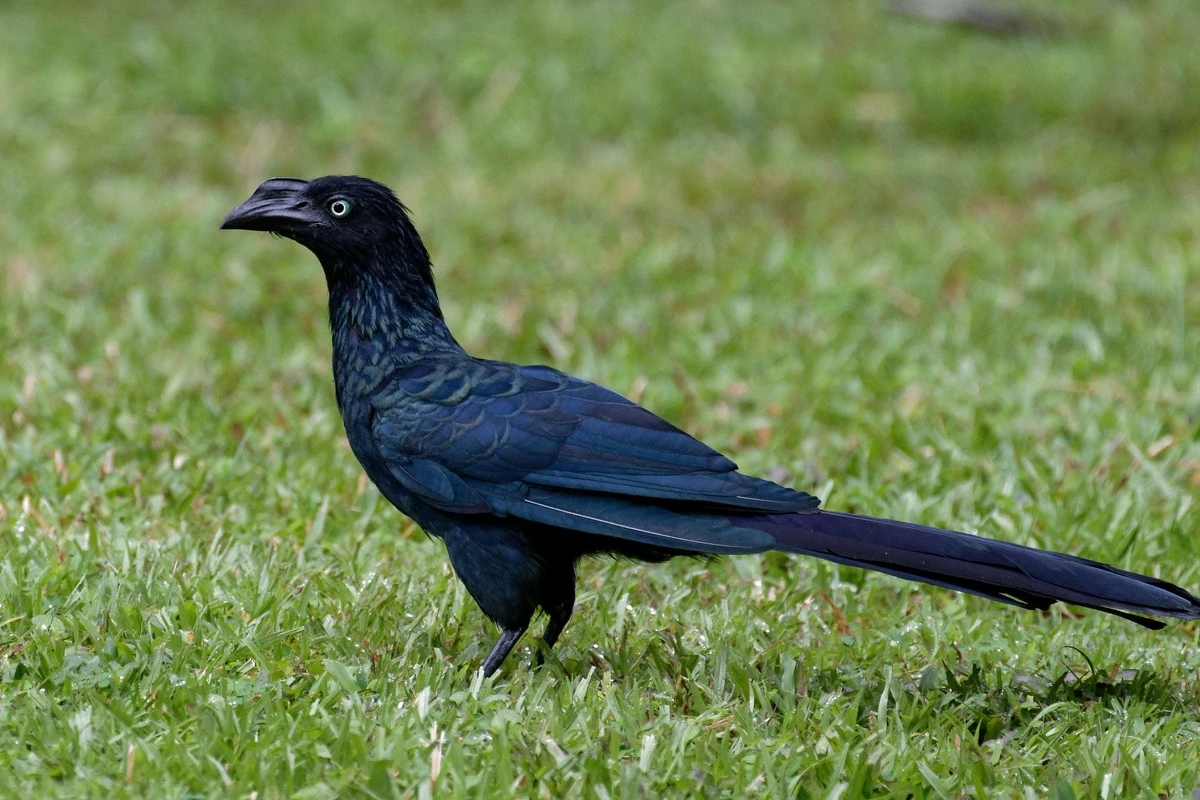
That same large ani. Special glands on their skin secrete a pungent musky odor. The scent is meant to repel insects, but our false vampire bat actually benefits from it.
These predatory beauties live up to 5 years and are currently widespread throughout northern South America. They are the largest bat species in the Americas, but even they often suffer from local snakes, owls, and cats. 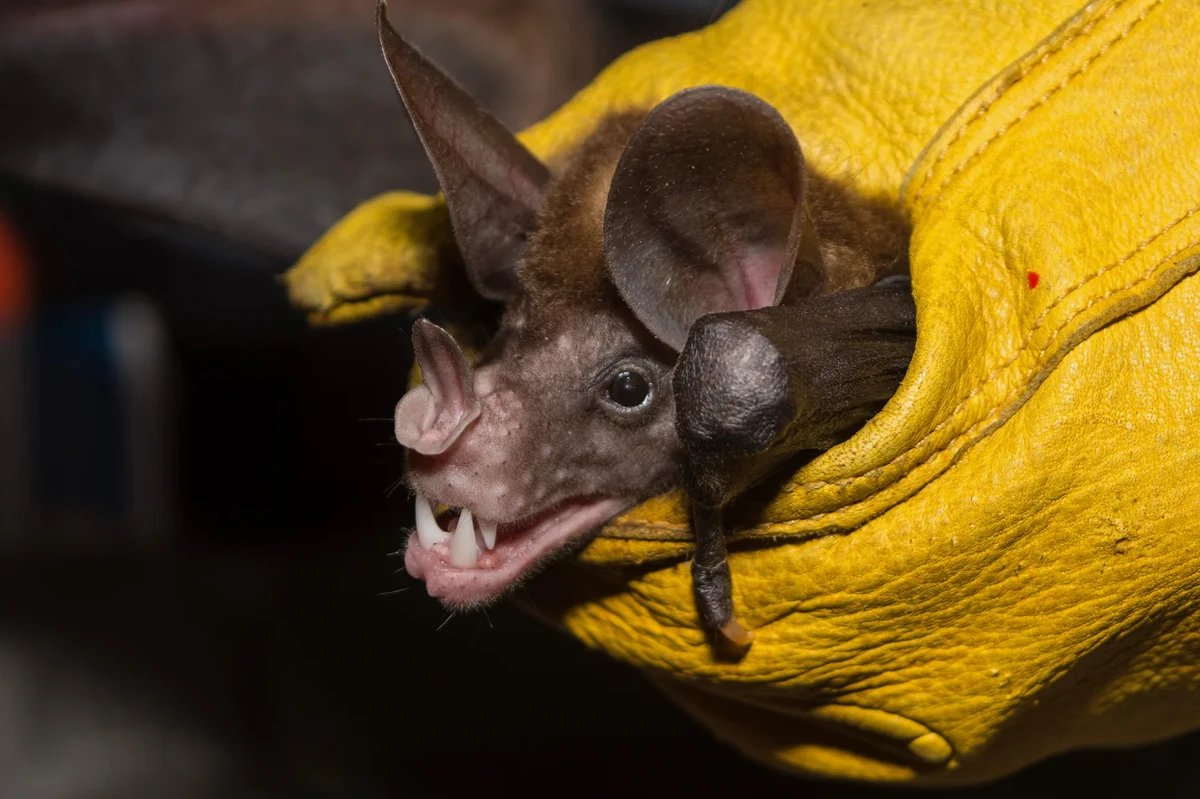
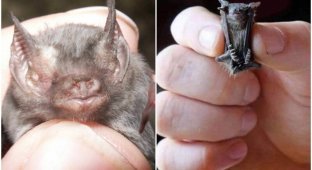
The face of a real ghoul.