Space Shuttle: Challenger disaster (3 photos)
The morning of January 28, 1986, was unusual even for the sweltering Florida coast: the temperature dropped to minus one degree Celsius. The cold heralded one of the greatest tragedies of the American space program. 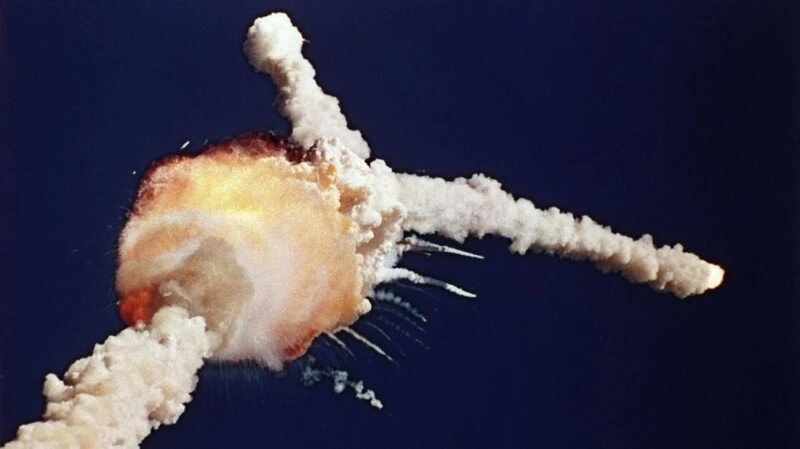
First Signs of Disaster
The first two minutes after launch appeared completely normal. None of the spectators or engineers noticed any signs of impending disaster. However, specialists later noticed minor deviations and color changes in the exhaust gases. Despite the alarms, the onboard crew remained calm.
Crew commander Francis Scobee received the command to increase the rocket's thrust:
"Challenger, increase power."
Responding to the controllers, Scobee confirmed:
"Roger, we're going full power."
The audience continued to applaud, thinking they were witnessing a routine stage separation procedure. Meanwhile, Morton Thiokol engineers realized the scale of the tragedy: the booster had detached and caused the structure to fail. 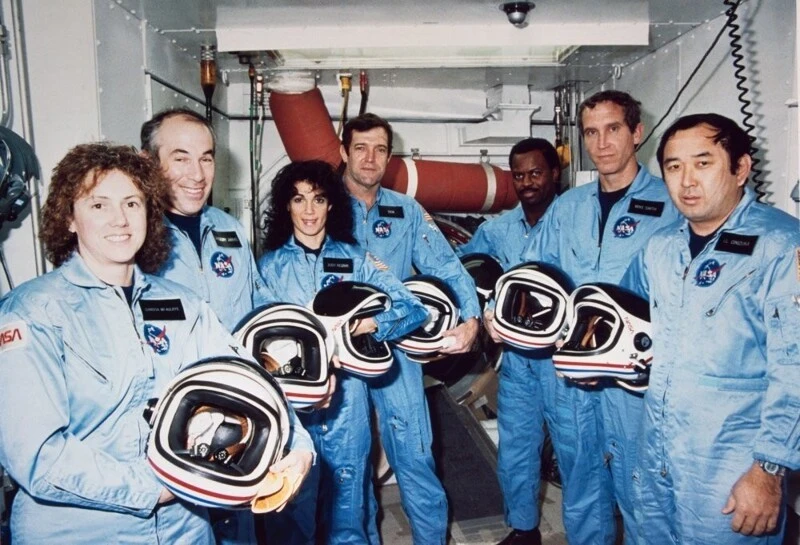
Crew and Passengers
Among the dead were seasoned veterans, rookies, and the first school teacher-astronaut, Sharon McAuliffe, whose lesson from space is now just a dream. The flights of veterans Michael Smith and Ellison Onizuka were their last. Each crew member contributed to the advancement of science and technology:
- Sharon Christa Corrigan McAuliffe, 37, a teacher, dreamed of teaching lessons directly from space.
- Gregory Bruce Jarvis, 41, an engineer who completed his first flight.
- Judith Arlene Resnik, 36, an engineer and an experienced participant in the second flight.
- Francis Richard (Dick) Scobee, 46, a crew commander and Vietnam veteran, was on his second flight.
- Ronald Ervin McNair, 35, a physicist and a participant in the second flight.
- Michael John Smith, 40, a lieutenant colonel in the US Air Force who served in the Vietnam War and was participating for the first time.
- Ellison Shoji Onizuka, 39, a test pilot and an experienced participant in his second flight. 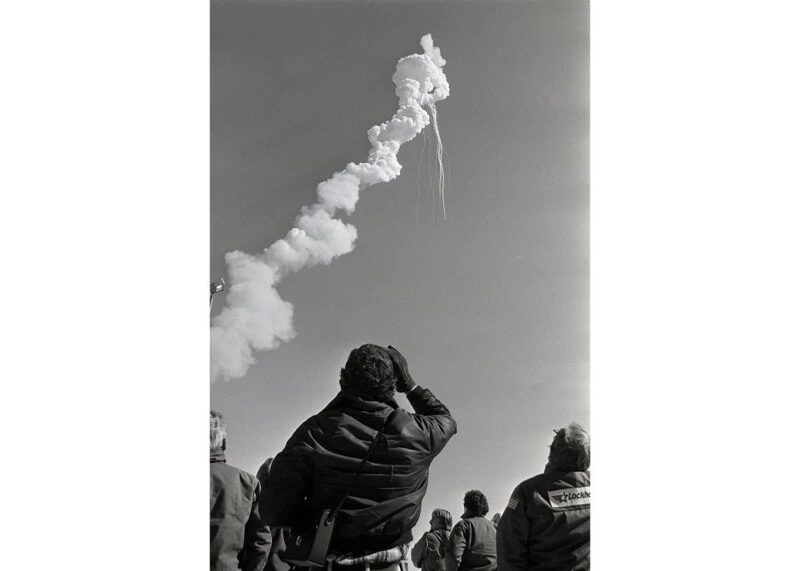
Causes of the Accident
The primary cause of the accident was design issues with the side boosters. Low temperatures compromised the seals. A seal ring failure caused damage to the liquid hydrogen tank, creating an explosive mixture of air and fuel.
Problems with the O-rings began to manifest themselves as early as 1977. Tests showed that the housing design was causing deformation at the joint, impairing the operation of the rings. The manufacturer proposed strengthening the system, but NASA management considered it safe.
Despite damage recorded during previous missions, the program continued. It turned out that low temperatures had a particularly negative impact on the effectiveness of the O-rings. Challenger's launch day turned out to be the coldest in launch history, the final blow to the vulnerable structure.
This disaster highlighted the need for thorough risk analysis before every launch and careful assessment of the equipment's condition. The deaths of the Challenger crew will forever remain a symbol of the dangers of rushing and neglecting technical issues in complex projects.