15 Archival Photos That Tell More Than History Textbooks (16 photos)
We're used to seeing history as a straight line, with one event following another. But sometimes it resembles a deck of cards, with a Hawaiian queen, a folding scooter, and an Egyptian artifact lying side by side. Is this a coincidence? Or is this the true fabric of time? 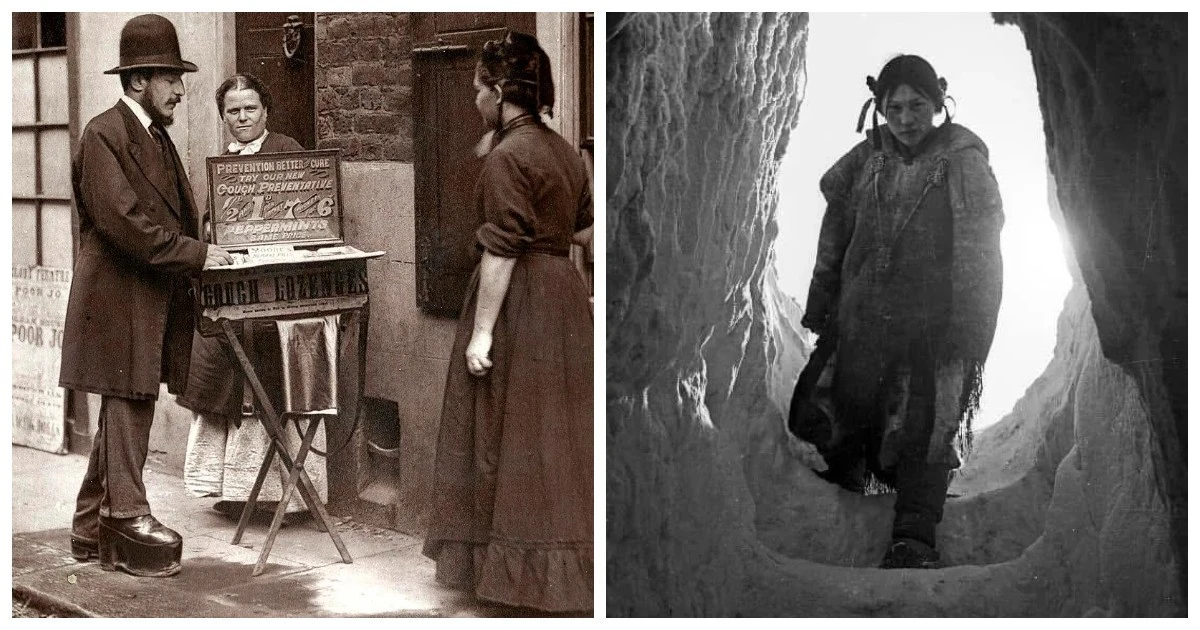
Look at these frames and offer your own interpretation. After all, this collection isn't just photographs, but preserved moments from eras in which greatness coexisted with curiosity, and triumphs with human drama. Each frame is a window into a world that no longer exists.
1. The original Amber Room in the Catherine Palace. This is the only known photograph from before World War II. 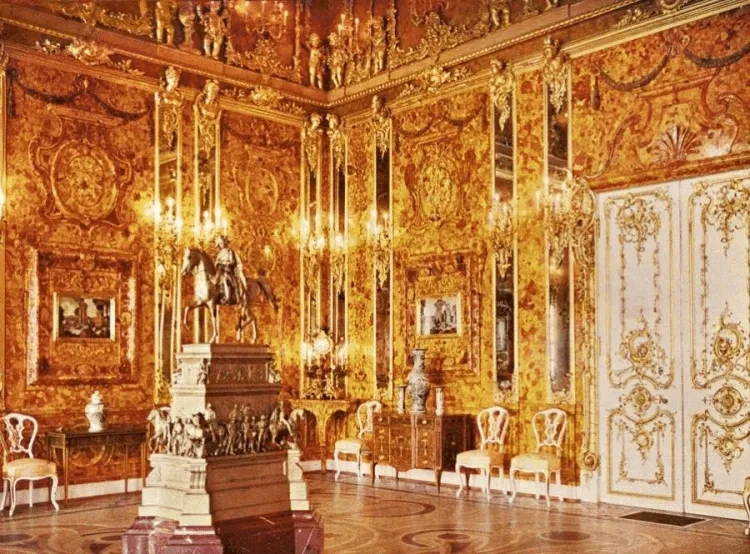
2. An iconic 1936 photograph of Lampião (Virgulino Ferreira da Silva) 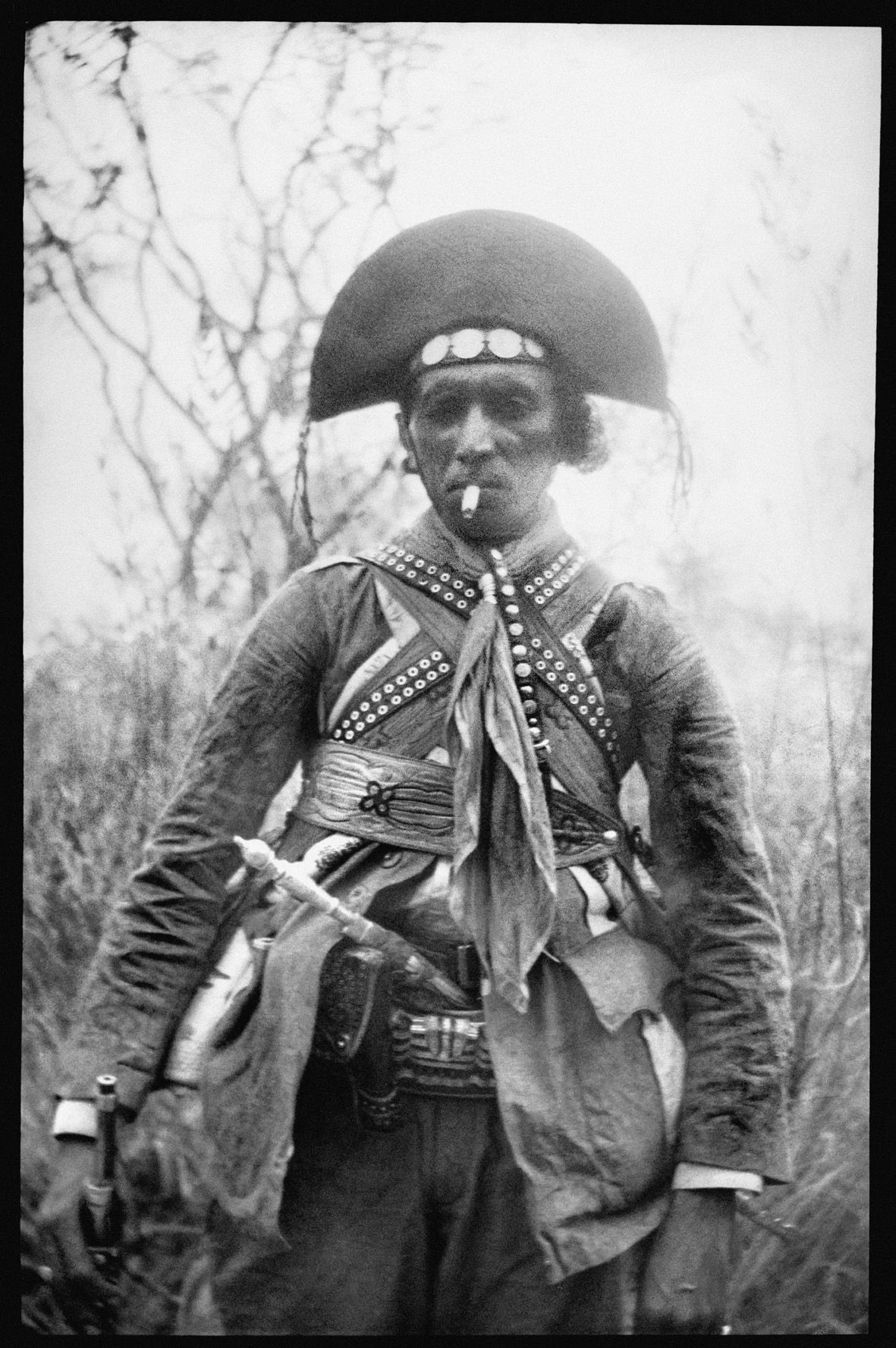
This is Brazil's greatest and most famous cangaceiro (bandit leader). The photograph was taken at the height of his gang's power.
3. Suwon Fortress Gate on the outskirts of Hanyang (present-day Seoul), 1900 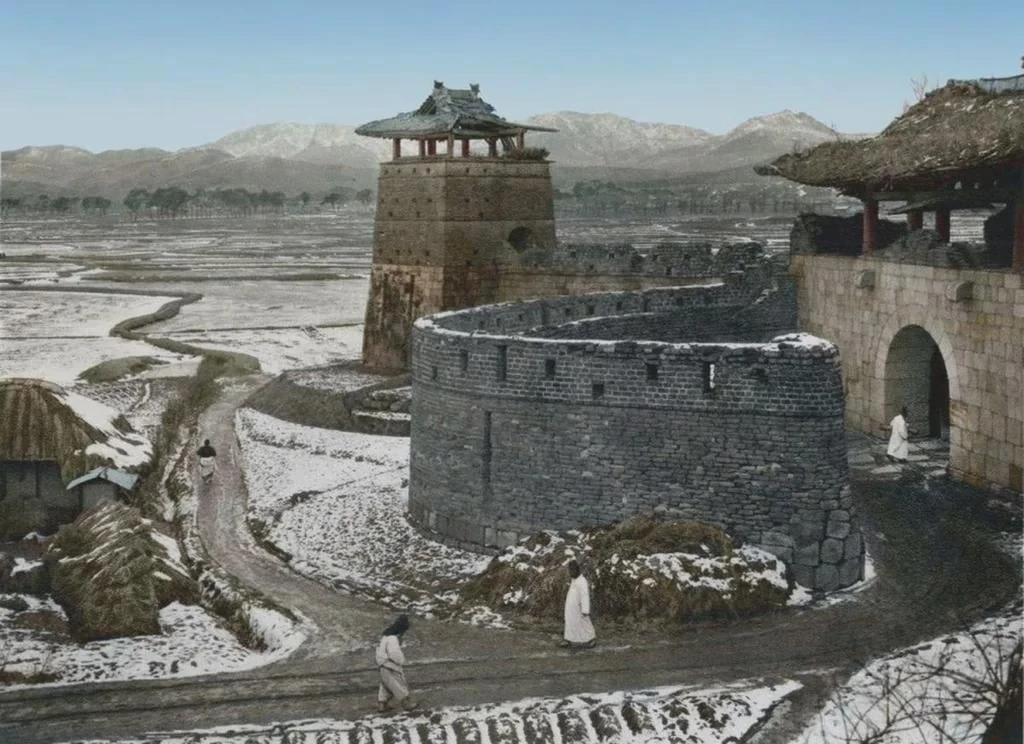
4. Nicolas Cage with his father, August Coppola (brother of Francis Ford Coppola), 1980s 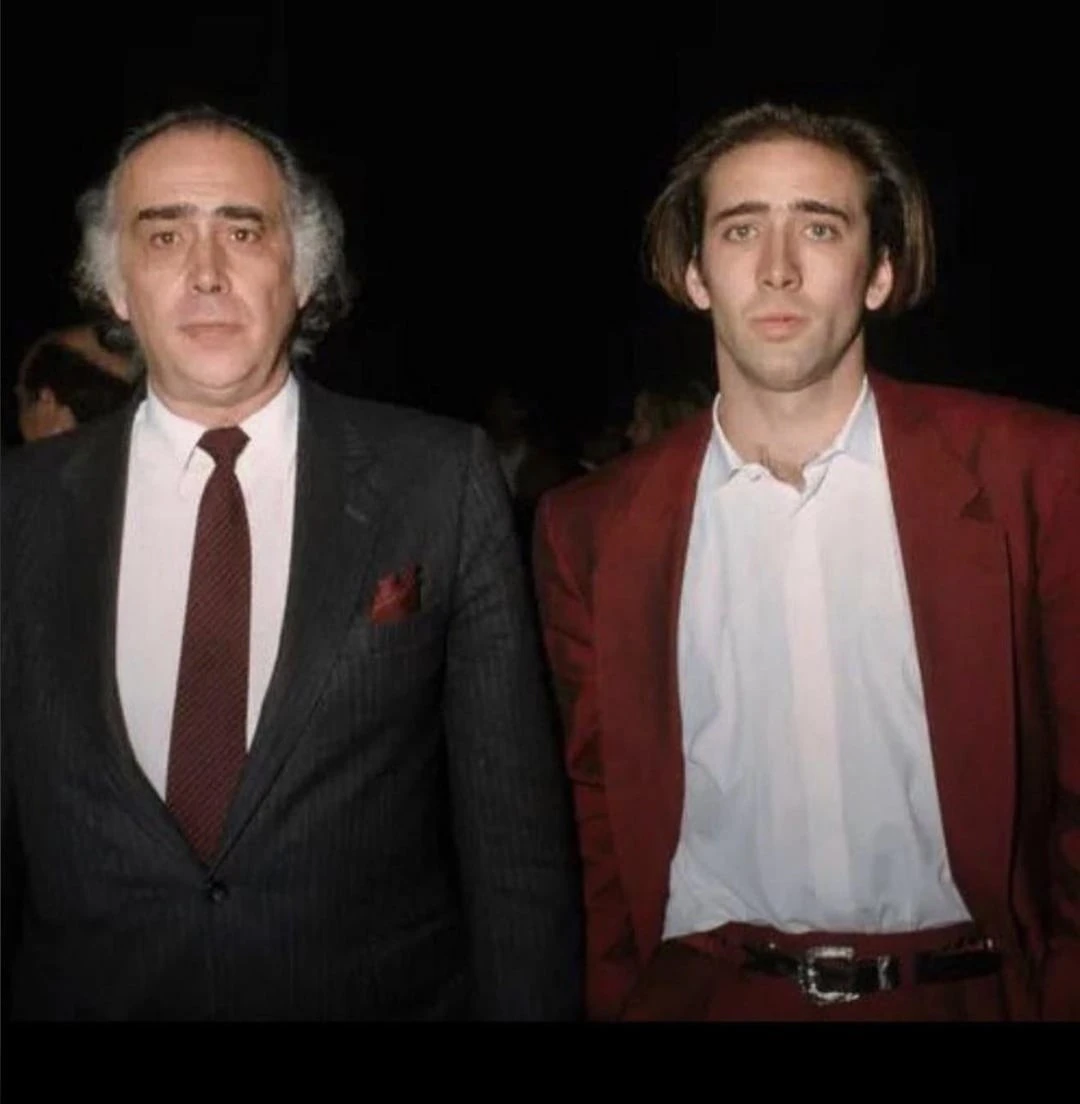
August Coppola (1934–2009) was a literature professor, writer, and filmmaker. He had a significant influence on Nicolas's early career, introducing him to the worlds of art and film. Nicolas adopted the stage name Cage early in his acting career to avoid comparisons with his famous family and to achieve success on his own.
5. An Inuit girl descends into her home, an ice igloo, 1940s 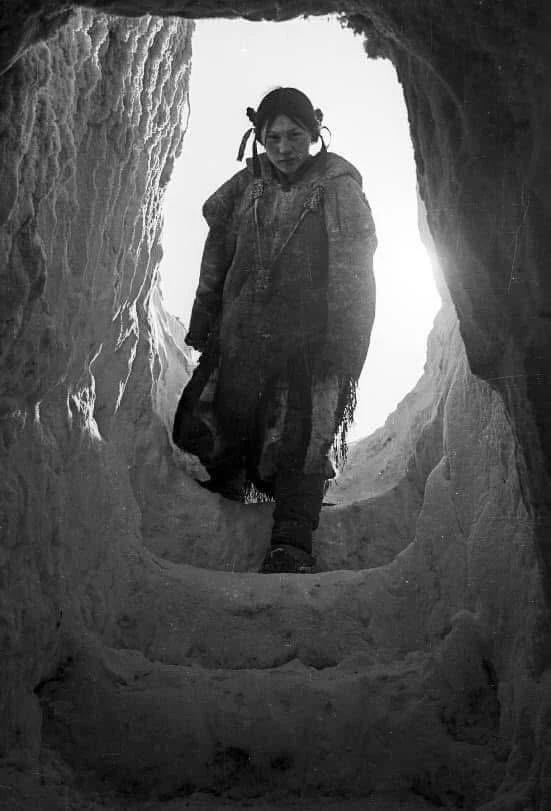
This photograph beautifully illustrates the traditional Inuit way of life before the period of mass modernization. Igloos, built from compacted snow, served as efficient winter shelters, providing excellent thermal insulation.
6. A pyramidion is the final stone or capstone that crowned the top of the ancient Egyptian pyramids and obelisks. 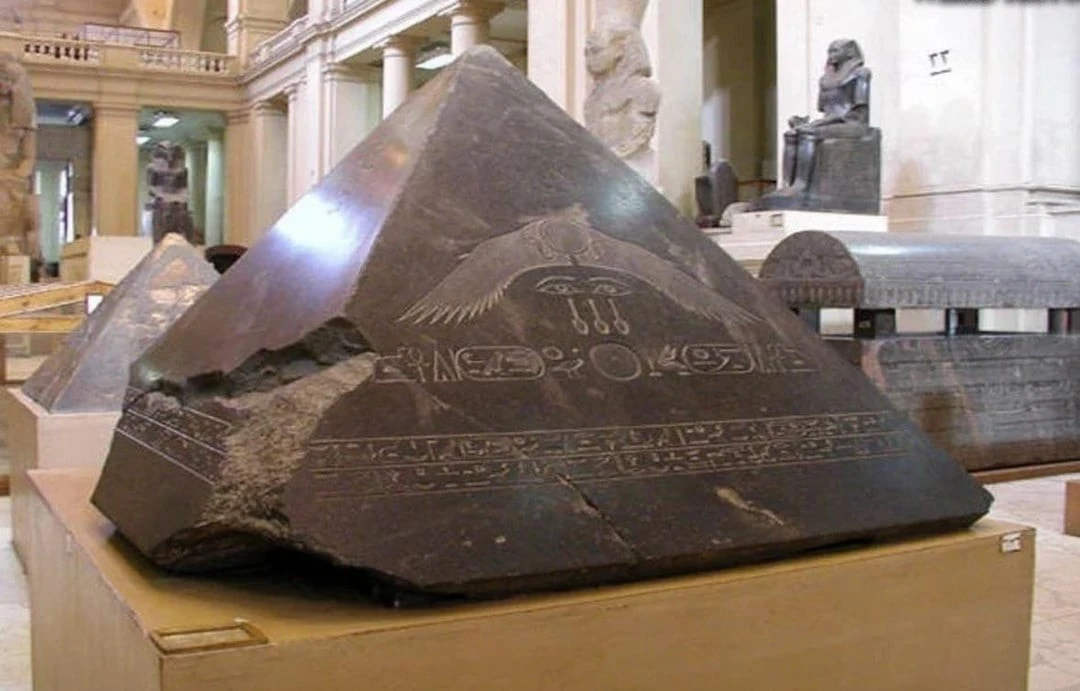
7. Louis Armstrong demonstrates his cutting-edge audio technology – a personal reel-to-reel tape recorder, 1950s 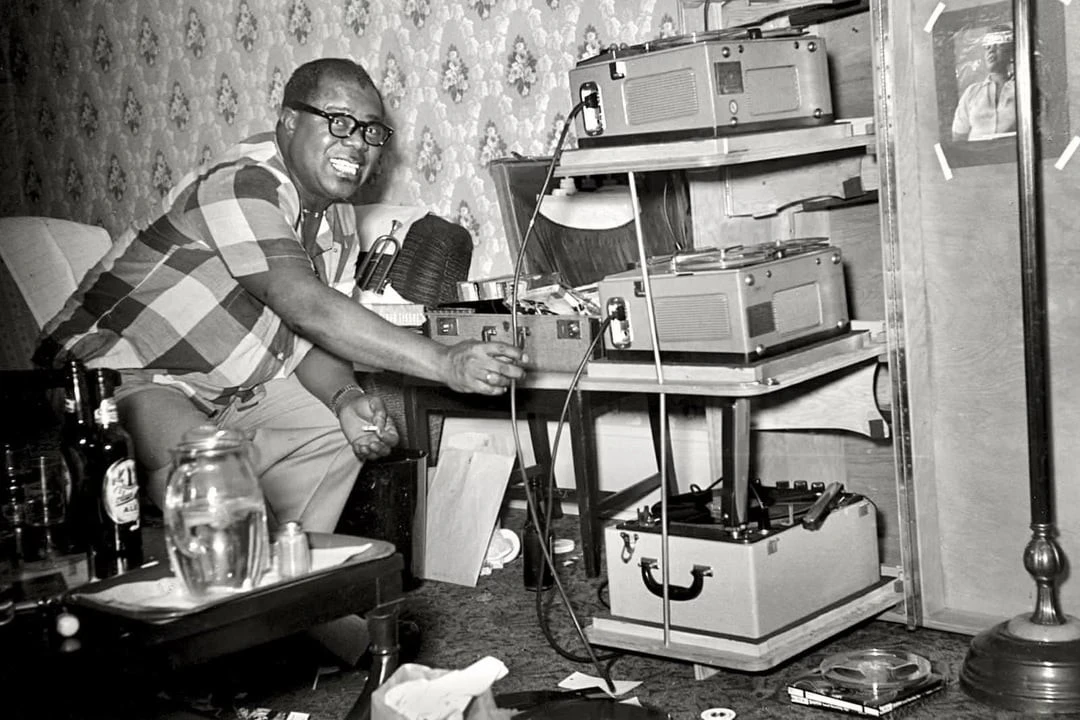
The great jazz musician was not only a musical innovator but also a technology enthusiast. He was one of the first artists to actively record his rehearsals, concerts, and even home conversations, creating a vast personal archive. This portable tape recorder allowed him to critically evaluate and refine his performances.
8. Princess Liliuokalani, who would become the last reigning queen of the Hawaiian Kingdom 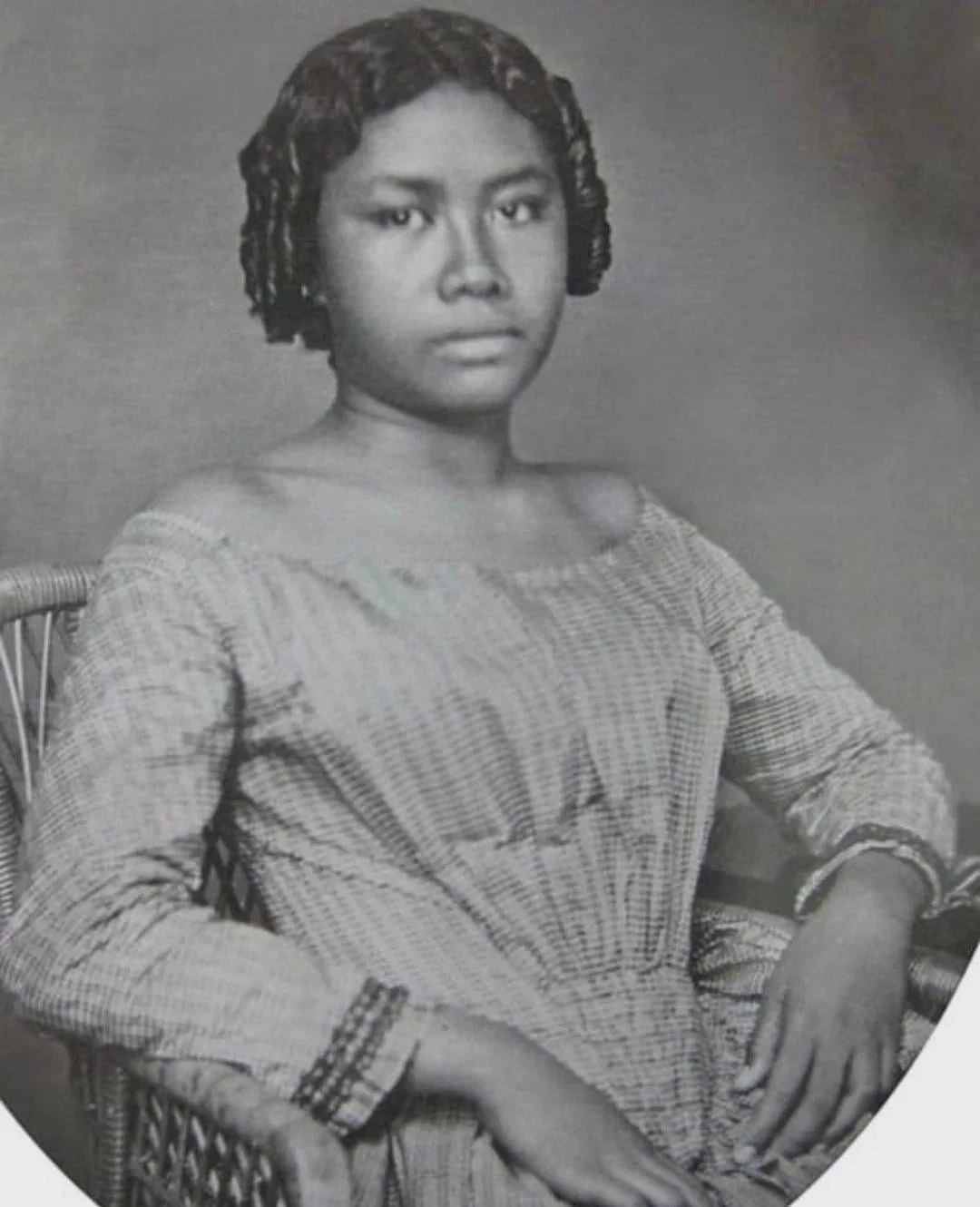
This photo shows Liliuokalani (1838–1917) before her accession to the throne. She reigned from 1891 to 1893, until the monarchy was overthrown in a coup d'état backed by American businessmen and diplomats. She was a talented composer, writer, and patriot who fought for the restoration of Hawaiian sovereignty until the end of her life.
9. Portrait of Prince Arthur, 1st Duke of Connaught and Strathearn (1850–1942), Queen Victoria's third son, in the full uniform of the Governor General of Canada. 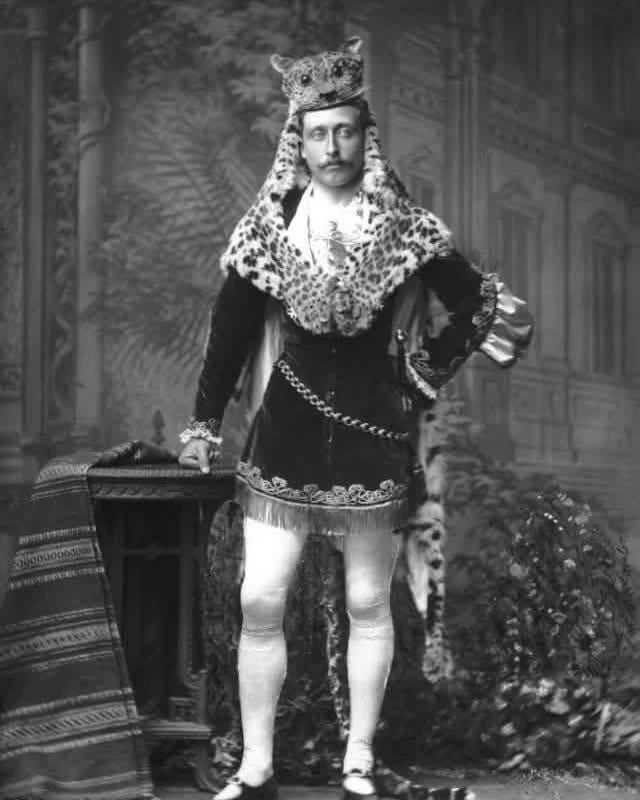
10. Page from the book "Das Antlitz der Mayas" ("The Face of the Maya") by German photographer, writer, and researcher of pre-Columbian civilizations Franz Termer (1894–1968) 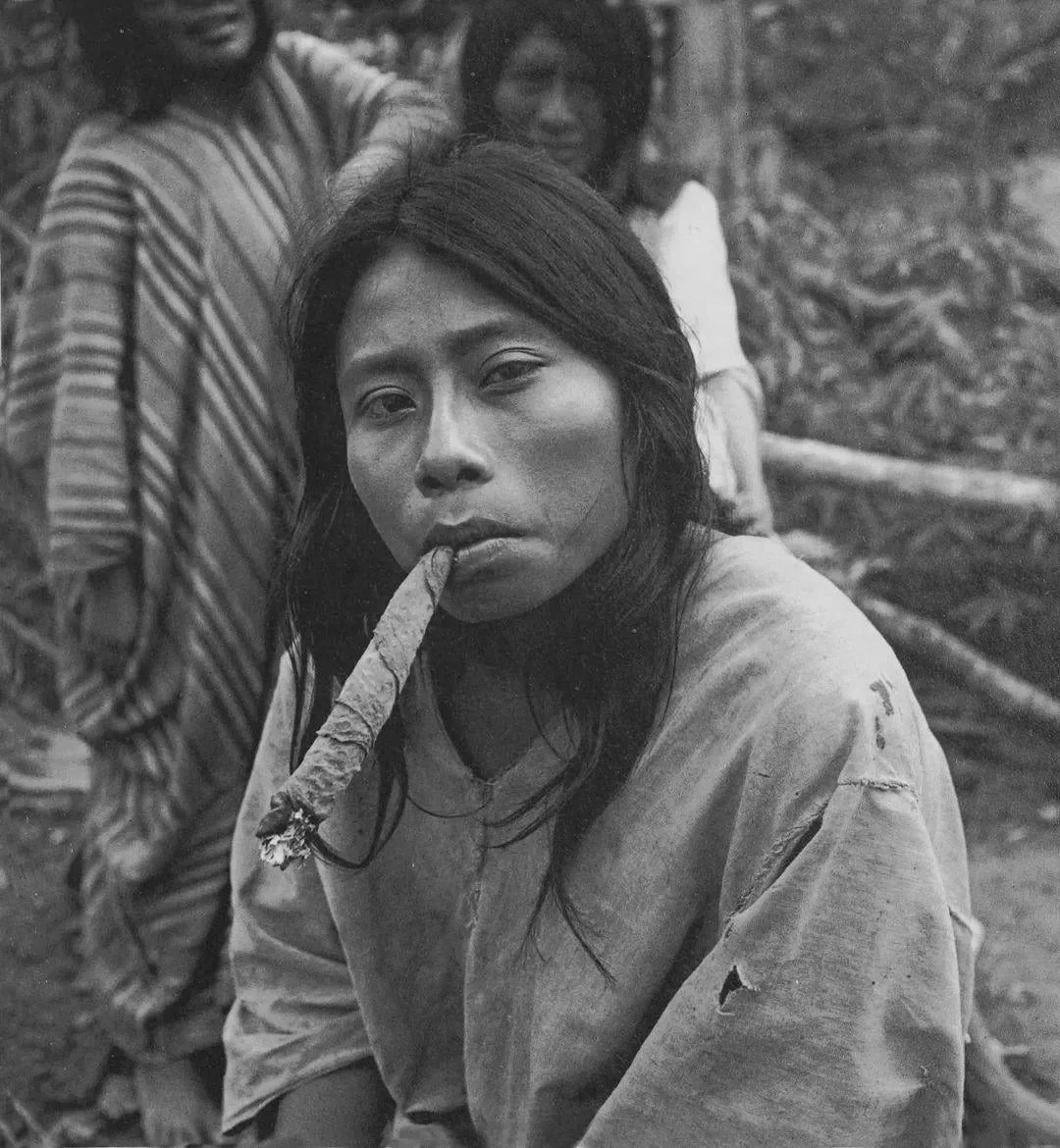
This 1940s publication was part of his remarkable collection of photographs and studies of Mayan monuments and sculptures in Mexico and Guatemala.
11. Yuri Gagarin with his wife Valentina, 1962, Moscow Region, Star City 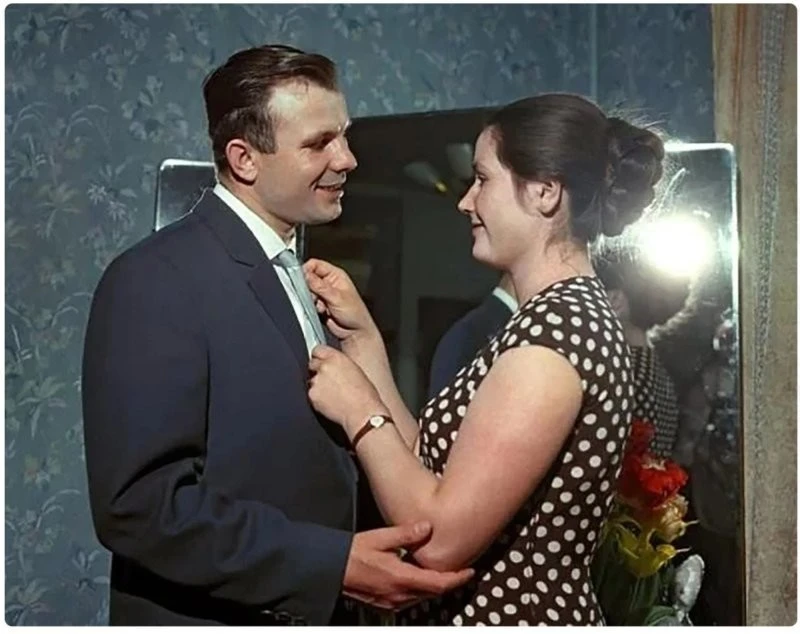
12. London street "doctor", 1877 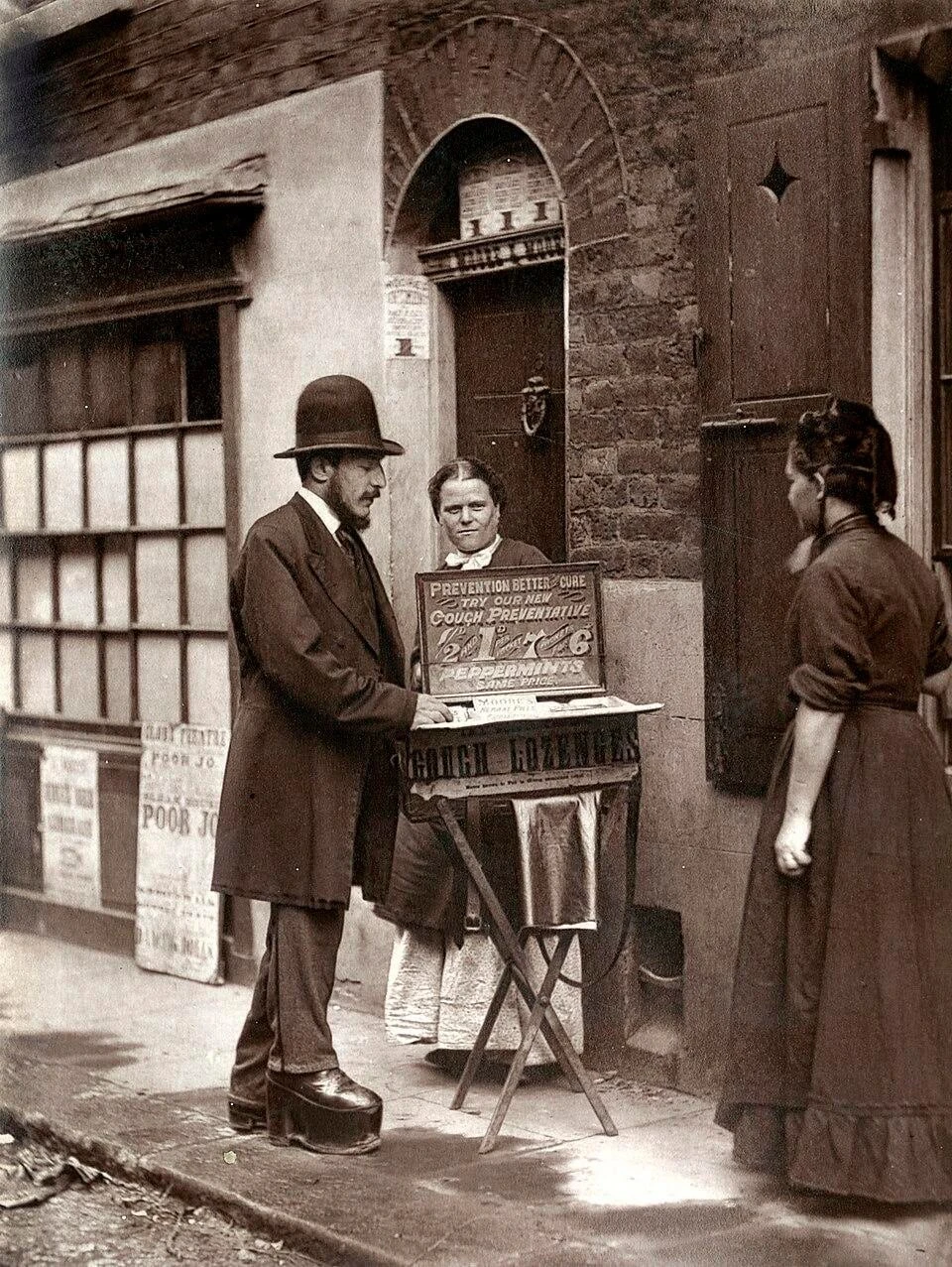
The photo depicts a traveling salesman of "miracle" cures and medicinal potions—a typical figure for the Victorian slums.
13. An American couple riding an "Autoped" scooter, circa 1916 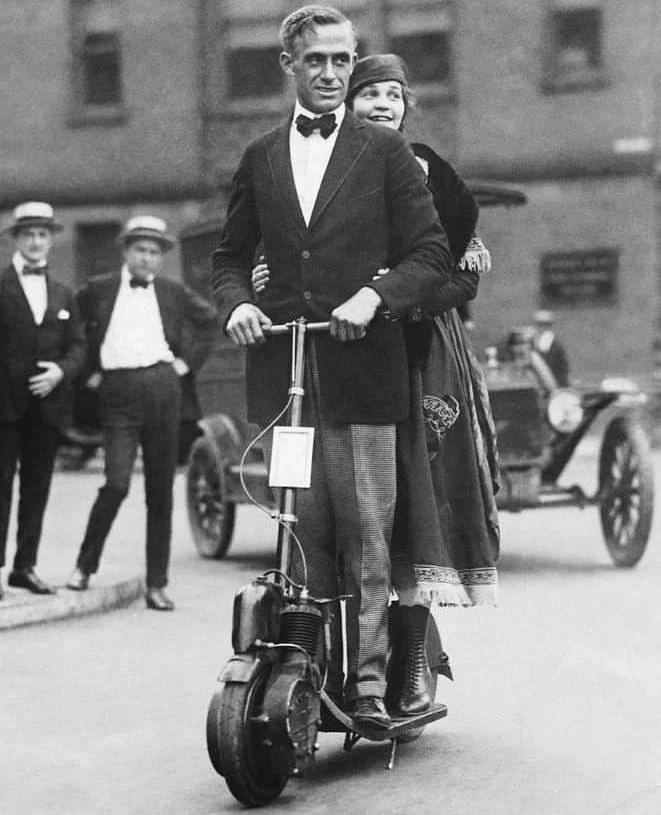
This photo shows one of the world's first electric scooters, the "Autoped," produced in the USA from 1915 to 1921.
14. USSR national football team, May 18, 1958, Moscow 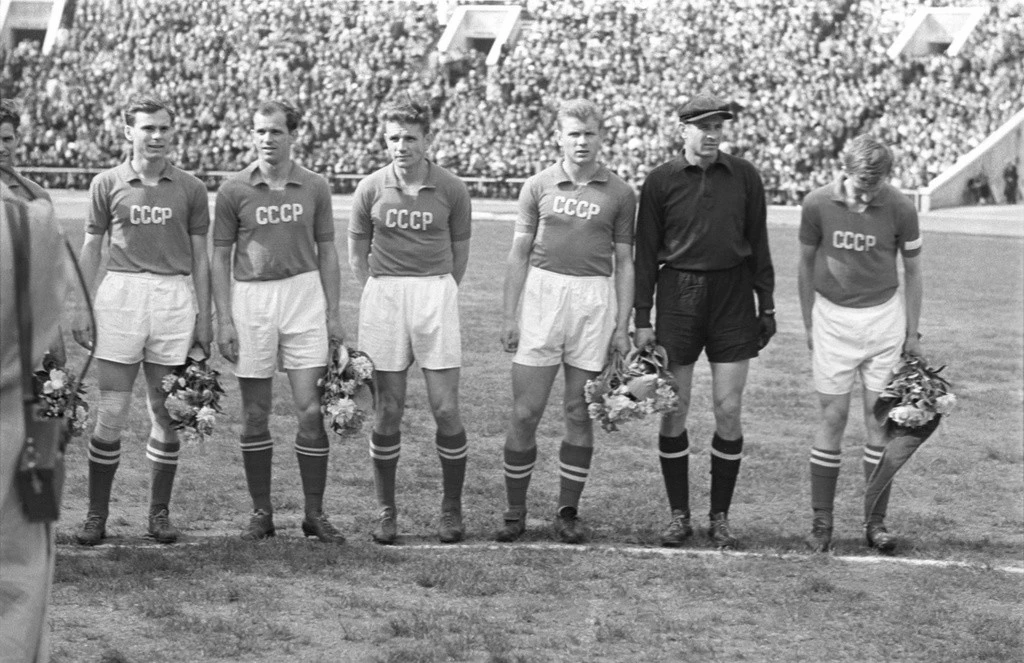
Valentin Ivanov, Mikhail Ogonkov, Konstantin Krizhevsky, Eduard Streltsov, Lev Yashin, Igor Netto. The friendly match between England and the USSR ended in a 1-1 draw.
15. "Baby Cage," 1930s 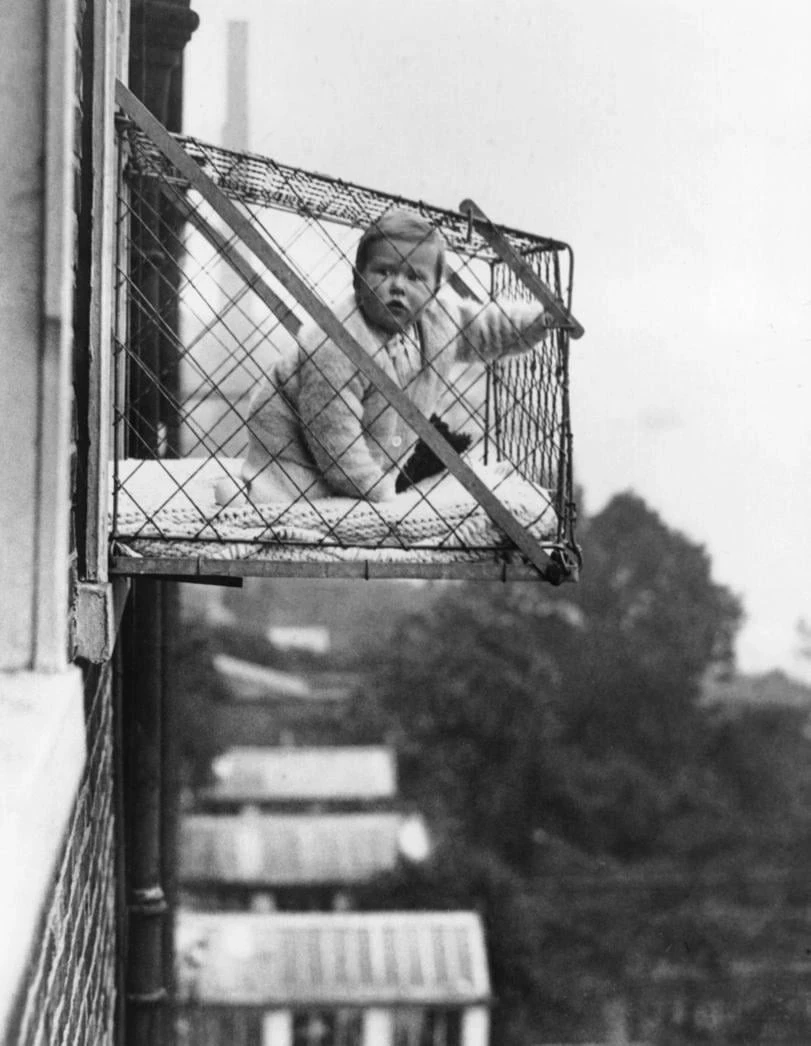
This photograph shows one of the most unusual pieces of baby equipment of the last century. These metal or wire cages were hung outside the windows of city apartments to allow infants and toddlers to spend time outdoors and receive adequate sunlight, which was considered essential for health, especially for the prevention of rickets. This practice was especially popular in densely populated cities of Great Britain and the United States in the 1920s and 1930s. By the mid-20th century, due to safety concerns, changing parenting norms, and the advent of more comfortable balconies, "baby cages" fell out of use altogether.