10 Unconventional Facts About the World Around Us (11 photos)
Our world can be compared to a well, in which, instead of water, there are bottomless depths of knowledge. 
Somewhere right now, scientists are unraveling the mysteries of space, biologists are discovering creatures that seem straight out of science fiction, and history is throwing up plots more compelling than any blockbuster. We've compiled ten of the most interesting, surprising, and astonishing facts from a wide variety of fields. Ready to be amazed and delighted?
1. 100 and 1 Cooking Methods 
Eggs are the basis for both stand-alone dishes and baked goods, and even desserts like pudding. Interestingly, a chef's toque traditionally had exactly one hundred folds. According to legend, each fold symbolized the skill of preparing one of the one hundred egg dishes.
2. The Benefits of Color Blindness 
Because color blind people have different color perception, they are able to distinguish shades of camouflage that the normal eye cannot detect. This often gives them an advantage in night vision.
3. Burning Diamonds 
According to a 2011 study, a candle flame produces approximately 1.5 million diamond nanoparticles every second. These diamonds are impossible to see, as each crystal averages about 0.003 microns in size. During combustion, diamonds quickly melt, turning into carbon dioxide, making it impossible to collect a "candle" diamond.
4. A Strange Phobia 
Metrophobia is the fear of poetry. If literature classes left you with less-than-pleasant memories, you may have suffered from this phobia. The prefix "metro" comes from the Greek "metron," meaning measure or meter—the standard rhythmic structure of a poem.
5. Popular Yellow 
Yellow is the most common highlighter color because it doesn't cast a shadow on paper when photocopied.
6. Marketing Ploy 
Cheddar cheese isn't actually orange. The product's color originally changed seasonally due to the cows' diet. In summer and spring, beta-carotene in fresh grass gave the cheese a yellowish tint. In the fall and winter, when cows ate hay, the cheese turned whiter. Farmers then began coloring the cheese by adding natural annatto extract to achieve the desired hue. Some overdid it, and the cheddar turned orange, which eventually became the norm, as consumers preferred it.
7. Long Pregnancy 
Elephants have the longest pregnancy of any mammal. Their young spend two years in their mother's womb to fully develop. Because of this lengthy process, a mother elephant only gives birth to 4-5 calves in her lifetime.
8. A Complex Instrument 
The classical violin consists of 70 individual wooden parts. A symbol of sophistication and elegance, the earliest version of the violin appeared in Italy in the 16th century. The first known creator of this instrument is considered to be Andrea Amati. He was commissioned by the Medici family to create an instrument similar to the lute, but more comfortable to play.
9. The Second Heart 
The leg muscles are the main pump for venous blood. The calf muscles are often called the second heart. When walking, they rhythmically compress the deep veins, pushing up to 70% of venous blood back to the heart against gravity. This is a key mechanism in the prevention of varicose veins and thrombosis.
10. A Genius's Modest Legacy 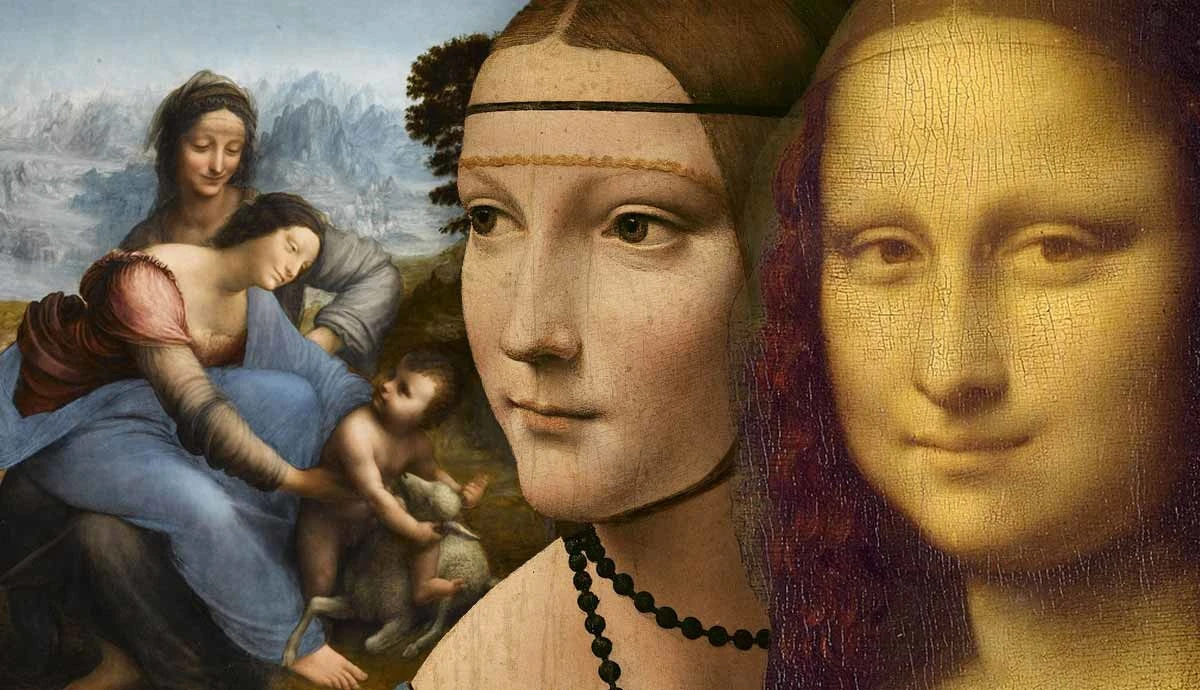
Leonardo da Vinci has only 15 surviving paintings. Despite his fame as one of the greatest geniuses of the Renaissance, Leonardo's legacy as an artist is surprisingly small. Due to his penchant for perfectionism, endless experimentation, and procrastination, only about 15 indisputable paintings have survived.