Why Was a British Butler Obliged to Iron a Newspaper Before Handing It to an Aristocrat? (5 photos)
If you've watched the famous British television series "Downton Abbey," you'll likely remember the scene in which the butler, in the best traditions of refined aristocratic life, irons a newspaper every morning before handing it to Earl Crawley. From a modern viewer's perspective, this moment might seem strange and even a little comical. 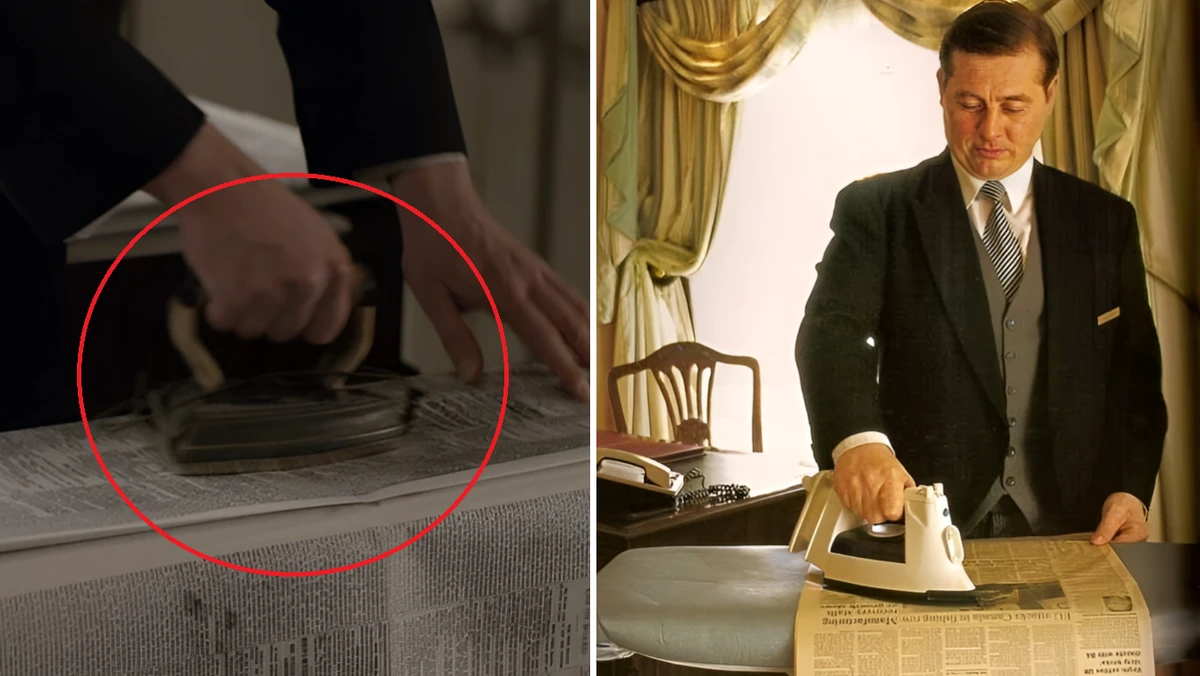
Why did butlers "iron" newspapers?
One reason is hygiene. 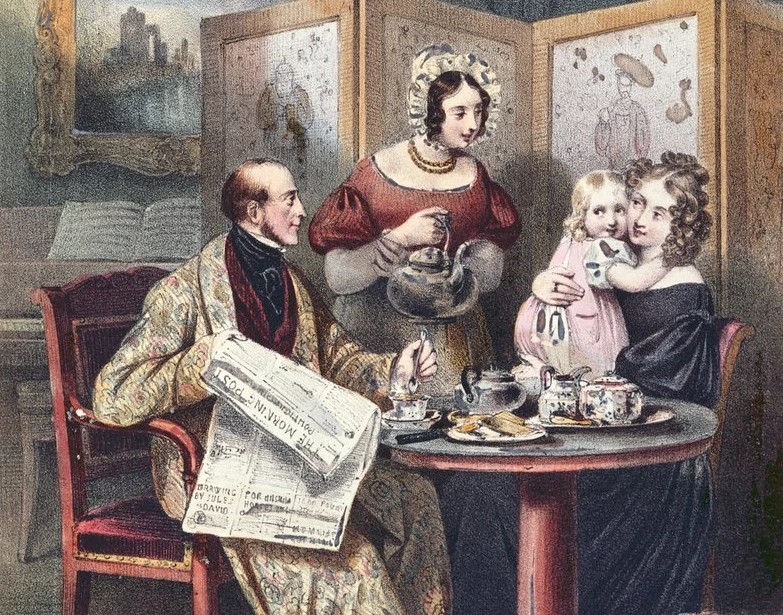
When we talk about hygiene in an era when sanitary standards weren't as high as they are today, it's important to consider that even the simple paper on which news was printed could be a source of spreading various diseases.
The time in which this tradition existed was challenging in terms of sanitary conditions. This was especially true in Europe in the 18th and 19th centuries, when epidemics of diseases like the plague and cholera were frequent and terrifying threats to human life.
Before reaching the hands of aristocrats, who often preferred to read them while eating breakfast or lunch, newspapers passed through many other hands—salespeople, postmen, and couriers. Inevitably, the paper could carry viruses, dirt, and even pests like mites that could come into contact with it during transport.
Ironing newspapers with a hot iron became a safety precaution. The heat helped "disinfect" items that the aristocratic family might come into contact with. 
This process was especially important during a period when infections and epidemics raged in large cities, and sanitary standards and medical knowledge were far from modern standards. Even though the concept of germs and infections was still unknown at the time, people intuitively sought to maintain cleanliness and eliminate potential sources of disease. Thus, ironing newspapers not only helped make them neater but also provided a certain sense of security and cleanliness, which was important to the aristocracy of the time.
However, there was another very important reason related to the quality of the ink. 
Furthermore, printing in the 19th and 20th centuries wasn't as sophisticated as it is today. Previously, printing ink was of much poorer quality and could leave long-lasting black marks on your fingers when turning pages. A warm iron partially dried fresh or still "soft" ink, helping it absorb better and prevent smudging. For aristocrats, who always strove to look impeccable and maintain their reputation, ink stains would have been a real nightmare. To avoid this, butlers used an iron to press paper. The director of Butler University, which still trains future butlers in the UK, noted in an interview that newspapers were often printed with poor-quality ink in the past, which is why ironing newspapers was an important part of a butler's daily routine.
"Ironing a newspaper not only prevented ink from getting on your hands, but also made it more pleasant to the touch, which was important for anyone who needed to always look presentable," he explained.
And yes, ironing newspapers wasn't just reserved for aristocratic households. 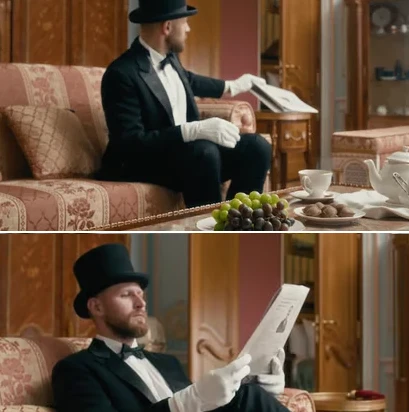
Interestingly, the habit of ironing newspapers wasn't exclusively reserved for aristocrats. This process was common in a number of fashionable hotels, especially in the late 19th and early 20th centuries.
Many gentlemen preferred to read their morning newspapers wearing white gloves to avoid ink stains. Thus, in hotels like the Savoy and the Ritz in London, it became common to deliver newspapers with a slight "pre-treatment"—they were carefully ironed to make them not only clean but also pleasant to the touch.
Today, this practice persists in some upscale hotels, where newspapers delivered to your room may still be ironed to make them more comfortable to read. This isn't just an aesthetic matter: this approach to newspaper preparation underscores the attention to detail and high service standards that are important in such establishments.
While the practice of ironing newspapers may seem strange or unnecessary to most modern people, it was part of what defined living standards in the past, and these small rituals were no accident. Attention to detail, concern for cleanliness, and even such a simple yet important item as a newspaper demonstrate how highly comfort and well-being were valued in privileged and wealthy homes.