Why Travelers and Samurai Carried Erotic Pictures in Their Pockets (7 photos)
No, not for what you're thinking! During the Edo period (the most turbulent period in Japanese history – the 16th-19th centuries), a special form of art emerged – shunga (or shunga). These were explicit pictures, often engraved on wood. And reproductions of them could be found in the pockets of travelers. 
But don't get confused; this wasn't pornography as we know it. The point is… it was educational content! And again, not like the Kama Sutra in India, because it was educational and humorous content. 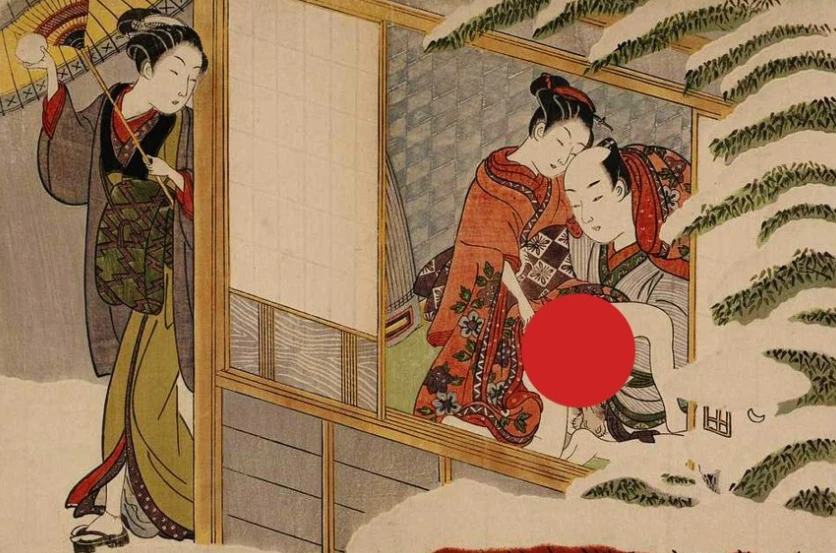
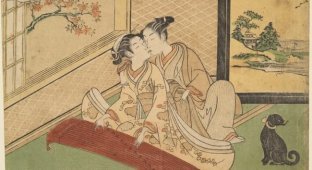
A woman peeks at winter fun. A lesson on how to stay warm during this activity in an unheated house.
In short, shunga is a unique art form. They were painted by famous ukiyo-e artists who painted portraits of geishas, kabuki actors, and landscapes. Even Hokusai himself (who painted Mount Fuji) tried his hand at shunga, painting the scandalous "Dream of the Fisherman's Wife." 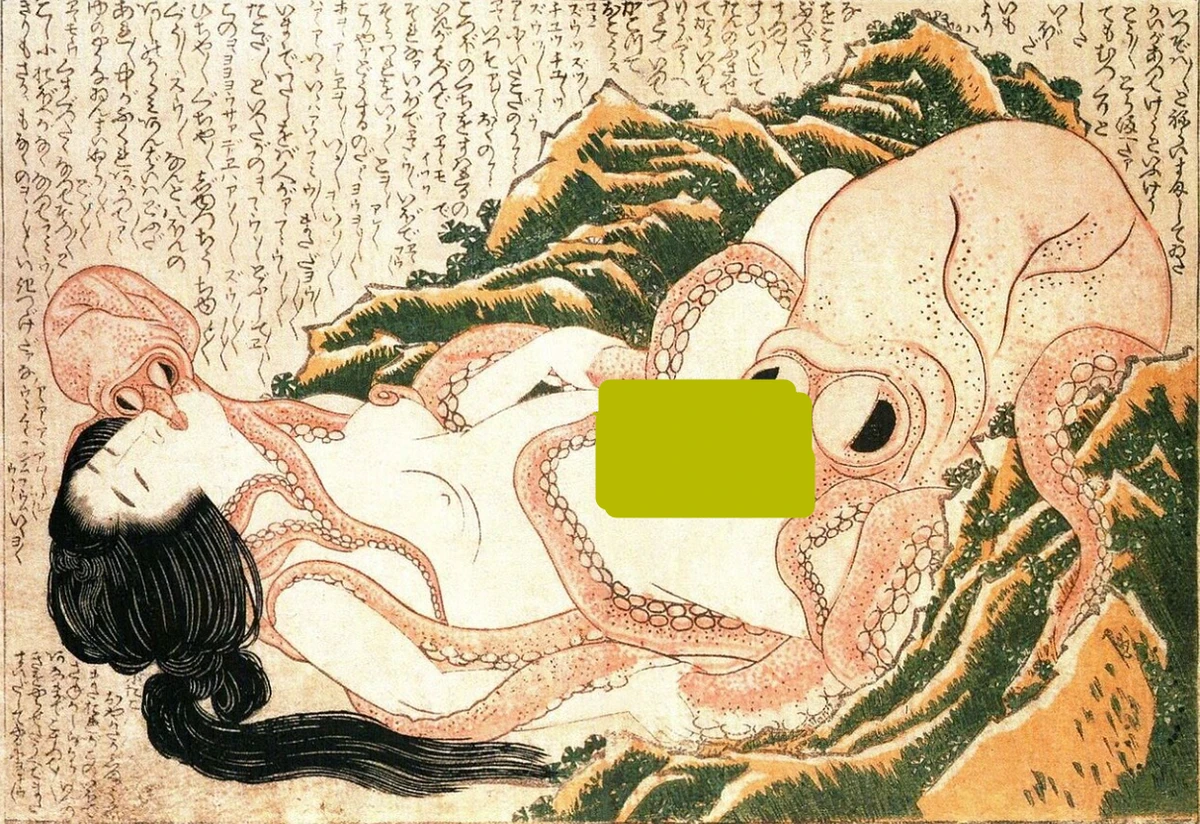
This is museum art, but the site's rules are quite strict...
The painting depicts a woman embraced by two octopuses—even back then, the painting caused a stir, condemned for its surrealism and violation of various taboos. Today, we shouldn't be surprised where the Japanese get such ideas for hentai—they've been around for centuries! This genre gained popularity because at one time, such paintings became fashionable as wedding gifts among samurai, merchants, and even wealthy commoners. The point is that shunga allowed themselves to combine humor and eroticism. This was a novelty for the Japanese, who especially enjoyed paintings that mocked social taboos and class hierarchy. 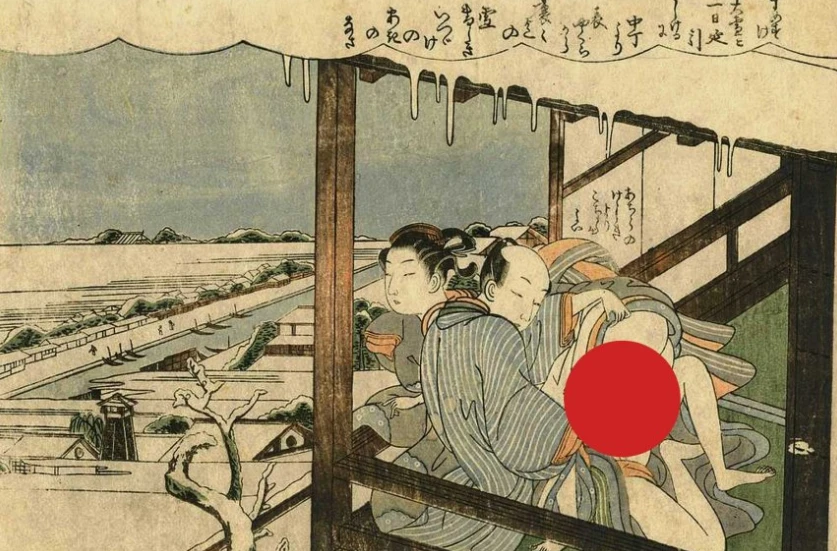
Shunga depicted kimonos even better than classical paintings—after all, you have to understand how to remove them from someone else.
Such shunga were supposed to teach young couples the art of love and simultaneously serve as a talisman for a successful birth, for example. At some point, it got to the point where travelers wore reproductions of famous shunga as good luck charms. A traveler walks by, and in his pocket is an erotic good luck card! In addition to the fact that these works were originally painted on wood, shunga was also distinguished by the anatomical exaggeration of the genitals. Kimonos were also drawn in great detail, and most importantly, much attention was paid to facial expressions to convey emotion. For Japanese art, where the subjects often resembled each other, this was a breakthrough. 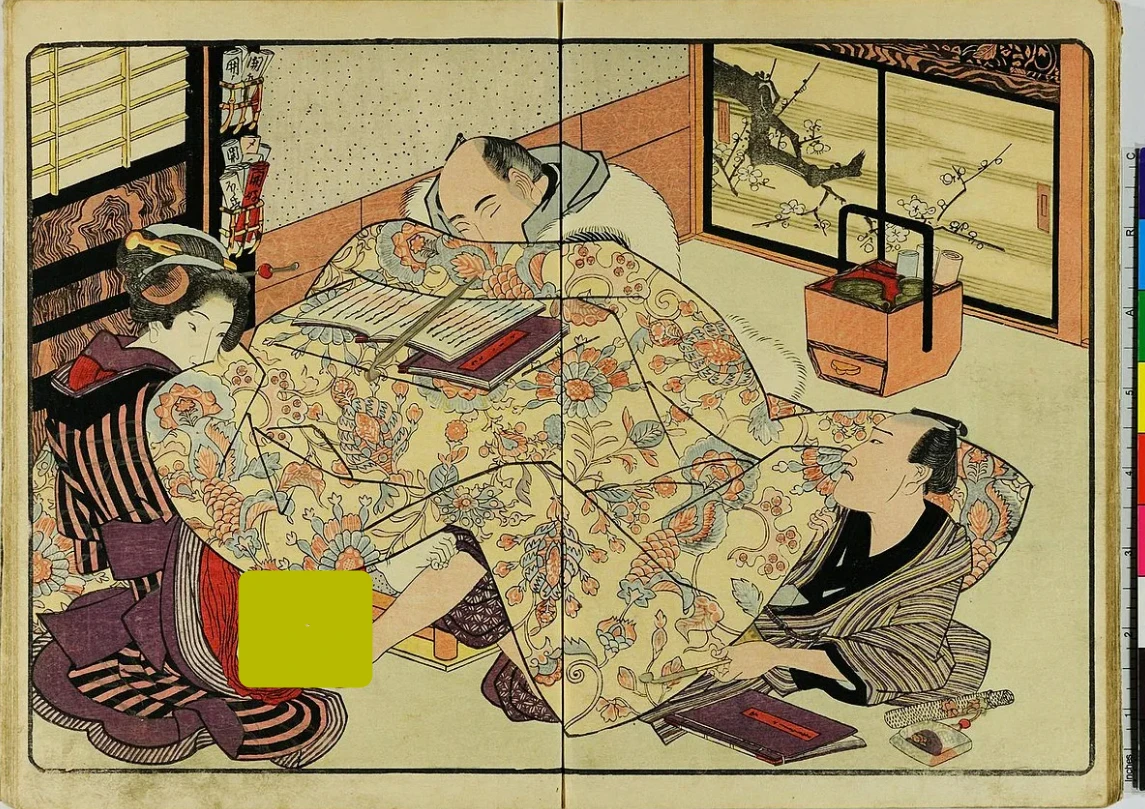
Do you recognize the kotatsu? Jokes about what happens to your feet under the kotatsu when everything is covered by a blanket are already a historical classic.
Therefore, in talented shunga, one could actually recognize historical figures or even Buddhist and Shinto deities without a caption, which is why each image pushes social boundaries. As you can imagine, erotica didn't shock Japan—so be it. But facial recognition periodically infuriated the government. Shunga was banned in the 18th century by decree of the Tokugawa shogunate, supposedly under the auspices of preserving moral standards. But it was too late; people were already carrying "erotic photographs" for good luck on campaigns. 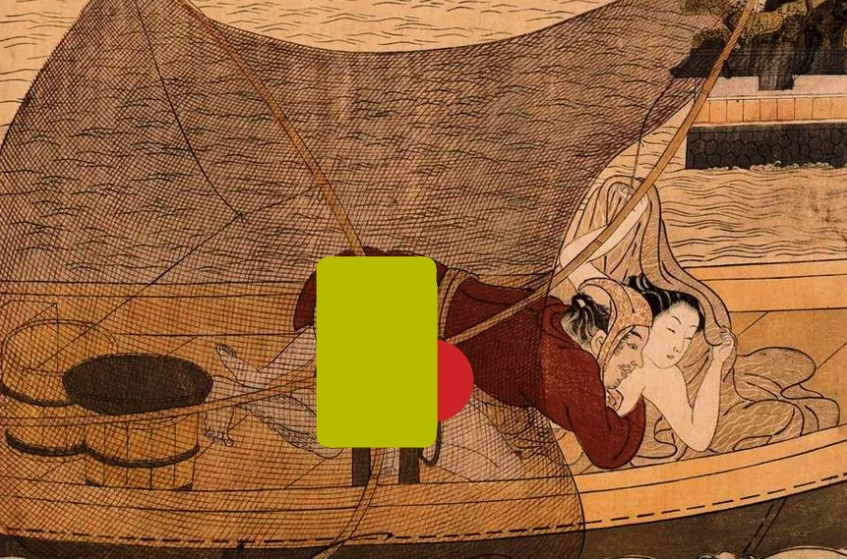
Remember I wrote about "actresses on a boat"? They were also often ridiculed in shunga.
Oddly enough, the real persecution of shunga for erotica began when Japan opened to the West during the Meiji Restoration (1896). Because the Europeans finally told the Japanese that this was simply indecent! Shunga paintings were burned and destroyed in the artists' studios. And at the same time, Western sailors tried to buy them secretly to sell them to private collections overseas. What hypocrisy! 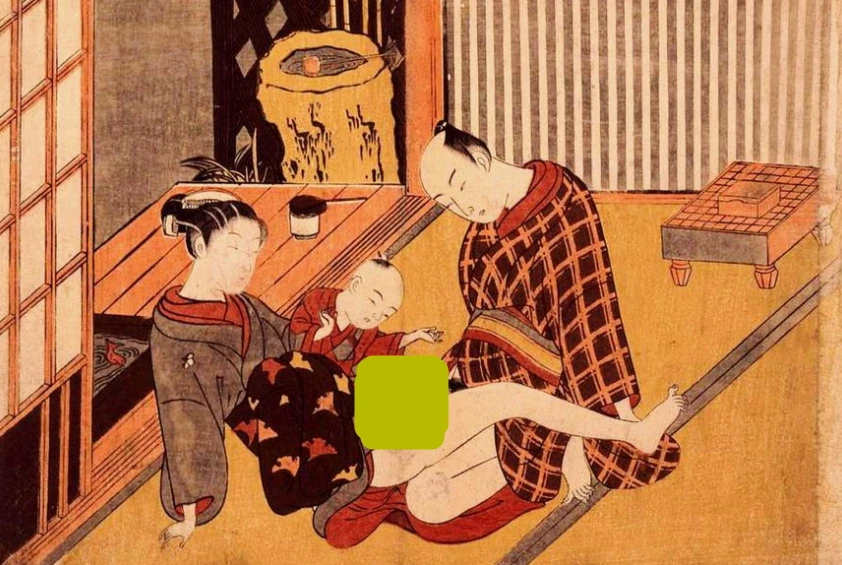
This shunga is called "Married Couple and Their Child." Supposedly, there's no need to be embarrassed by what's natural.
Although it's foolish to blame Western sailors, who on the one hand criticized the paintings and on the other secretly bought up shunga. After all, the Japanese authorities and shoguns did the same, albeit for a different reason – the faces were too recognizable. But everyone was hypocritical! Ironically, foreign interest in some ways saved shunga from the persecution that followed the influence of Western morality on Japan. Many images survived abroad, and the genre gradually began to revive. Artists worked on private commissions in secret, practicing the genre.