6 stories of celebrities whose pain became part of their personalities and lives (7 photos)
Behind the polished veneer of Hollywood, there are often stories hidden that are never revealed in the spotlight. 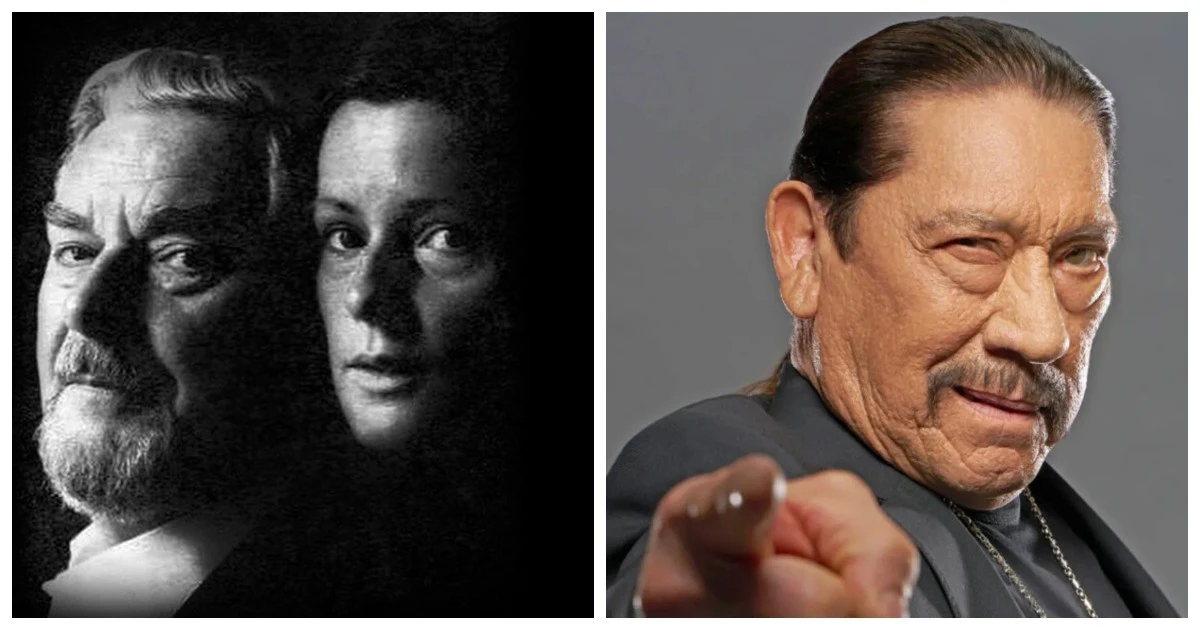
These celebrities' paths to success weren't paved with red carpets, but with personal dramas, struggles, and traumas that forever marked their lives and work. From prison cells to family tragedies, these stories remind us that behind every celebrity image stands a real person with a difficult past.
1. Frida Lyngstad: Through History and Pain 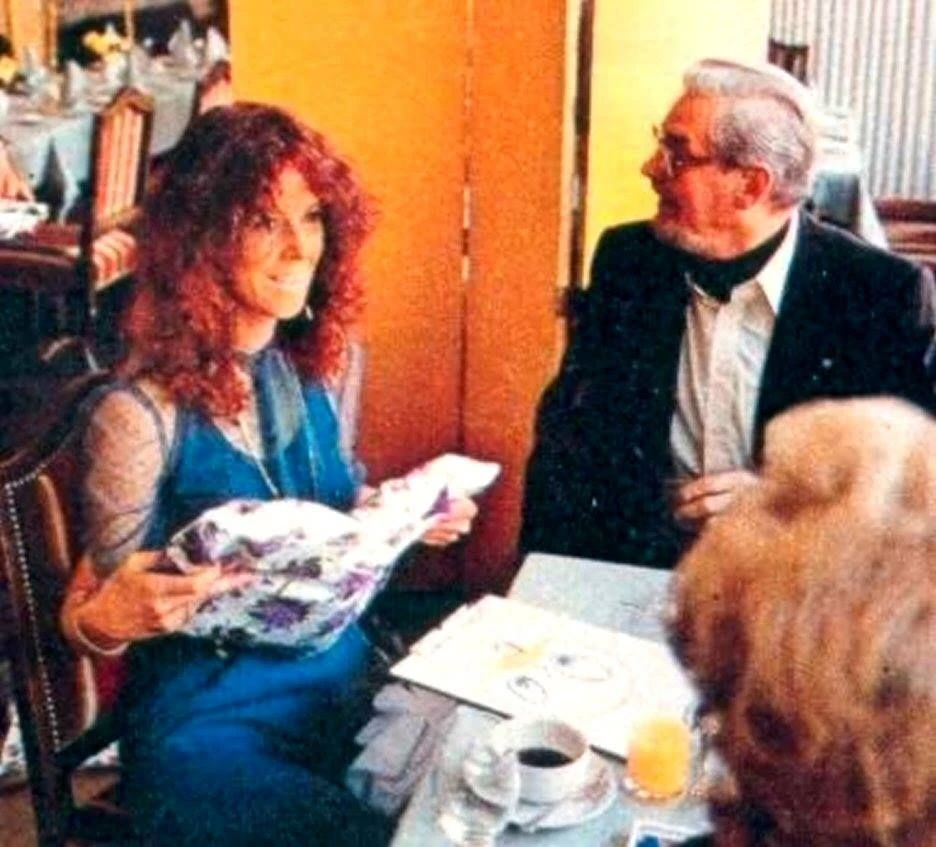
Anni-Frid "Frida" Lyngstad is best known as one of the four members of ABBA. She was born in Norway in 1945, the daughter of a Norwegian mother and a German soldier who served in the occupying Nazi forces.
Due to the persecution faced by women who had children with German soldiers (many against their will, as part of the Lebensborn program), she and her mother fled to Sweden in 1947. Her mother died soon after, and Frida was raised by her grandmother. She grew up believing her father had died en route to Germany.
It turned out her father hadn't. They first met after she had achieved international fame, when her father's son (Frida's half-brother) learned details of her early life in a German magazine. They met in 1977. Soon after, they grew apart again, and this episode caused Frida to fall into severe depression.
2. Murders and Accidents in the Kelsey Grammer Family 
Kelsey Grammer was raised primarily by his grandparents. When he was a child, his grandfather died of natural causes. Then, when he was 13, his father was murdered (shot by an acquaintance during an argument in 1968).
When he was 20, his younger sister was kidnapped, raped, and murdered. When he was 25, his two half-brothers died in a diving accident. One died trying to save the other.
This series of tragic losses led Kelsey Grammer to a long-term battle with alcoholism, drug addiction, and deep depression, which he endured before achieving stability in his life and career.
3. Danny Trejo's Crime, Prison, and Second Life in Film 
Danny Trejo was physically abused by his father and dealt drugs as a child. He was first arrested at age 10 and sent to prison at 12. He spent his youth in and out of prison.
He became a boxing champion in the San Quentin prison boxing league (which actually existed and continues to exist as a rehabilitation program).
During a prison riot in 1968, he hit a guard in the face with a rock, was placed in solitary confinement, and could have easily received the death sentence. However, Danny was released from prison in 1969 and remains sober to this day.
His film career began by chance in 1985, when, already sober and working as a rehabilitation counselor, he happened upon a film set and was spotted by a director looking for someone with prison-like looks for a cameo role as a boxer.
4. The Childhood Trauma That Shaped Charlize Theron's Life 
In June 1991, her mother, Gerda Theron, shot and killed her alcoholic father, Charles Theron, in self-defense in their family home in South Africa. Investigators ruled it self-defense. No criminal charges were brought against the actress's mother, who was found guilty of self-defense. However, the difficult legacy of that evening haunts Charlize Theron to this day. She doesn't hide this pain and speaks openly about the details that forever changed her life.
"My father was a deeply sick man," Theron explains. "In my memory, he will always remain an alcoholic." We all existed in a state of hopelessness, trapped in this situation. The unpredictability of each day, living under the same roof with an addict—it's not a choice, it's a prison that becomes a part of you forever. This wasn't the flash of one evening, but the culmination of a long nightmare."
The actress calls her family extremely dysfunctional and is certain that living with her father inflicted profound trauma on both her and her mother. Despite understanding the circumstances, her words echo a deep regret: "Of course, I wish this had never happened."
5. Mark Wahlberg's Crime and Youth 
Mark Wahlberg spent his youth in a whirlwind of violence, racism, and drug addiction. By his own account, he had two dozen police arrests under his belt. By the age of 13, he was already seriously addicted to cocaine. At 15, he was charged with a racist attack on a group of African-American schoolchildren.
But his most serious episode occurred when he was 16. High on angel dust, he robbed a pharmacy and then, within the space of a day, brutally attacked two men of Vietnamese descent. He knocked one man over the head with a wooden block, and struck the other in the eye, blinding him. Wahlberg later claimed he had no memory of these attacks due to his drug intoxication. He was charged with attempted murder and sentenced to two years in prison. Despite his young age, he insisted on serving his sentence at Deer Island Penitentiary for adults, hoping for parole. His plan paid off: he was released after just 45 days.
It was those six weeks behind bars that became a turning point for him. As he later recalled:
Ultimately, I found myself there, locked up with the very guys I always wanted to be like... And I realized: this wasn't what I wanted at all. I'd sunk to the worst place imaginable.
However, the prison experience didn't immediately change him completely. At 21, he attacked a neighbor without provocation, breaking his jaw. And at 22, as an aspiring rapper, he caused a scandal and brawl at a Hollywood party featuring Madonna, injuring her agent.
Today, Wahlberg doesn't justify his past by citing a difficult childhood in a working-class Boston neighborhood. His stance is tough and uncompromising, especially toward himself:
Perhaps people who commit evil blame their own past. But that's a pathetic excuse... All the mistakes I've made are my own fault. I take full responsibility for them.
This journey from convicted felon to one of Hollywood's highest-paid stars has become his story of redemption.
6. Scars Under Cassandra Peterson's Lace 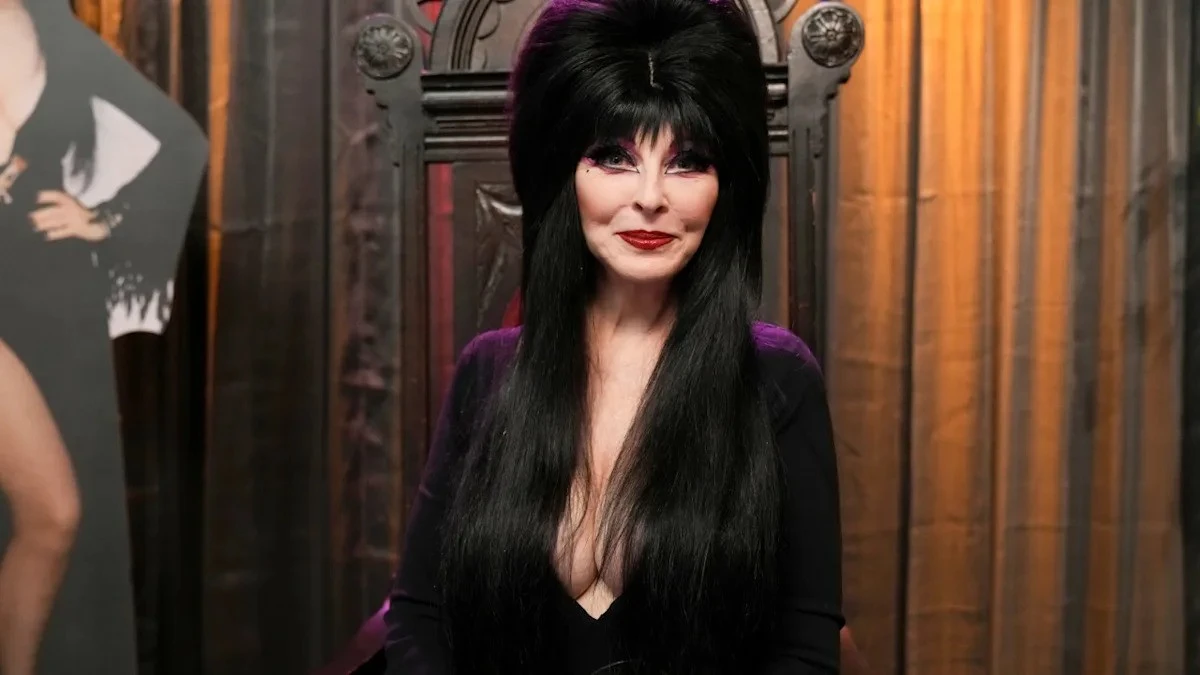
Cassandra Peterson, the future Elvira, grew up with an abusive mother. At the age of two, she suffered a horrific accident: she was scalded so badly with boiling water that doctors doubted she would survive.
The situation was so critical that doctors took a desperate step – they used penicillin. At the time (the early 1950s), this antibiotic was still undergoing early clinical trials and was not widely available. Their logic was merciless: "This is literally her only chance, and things can't get any worse than they already are."
Peterson herself doesn't remember the incident, but as an adult, she began to doubt the version of events her mother had told her entire life. She claimed that two-year-old Cassandra dragged a chair to the stove and climbed onto it herself.
Those famous, form-fitting, revealing dresses she wore as Elvira were carefully tailored to conceal extensive burn scars. They can still be seen on her neck in some photographs—a silent testament to the trauma that defined not only her style but also her fortitude.