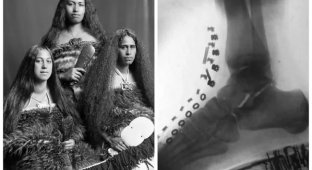
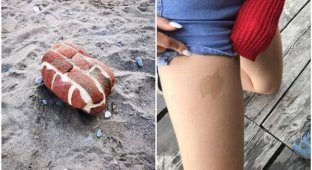
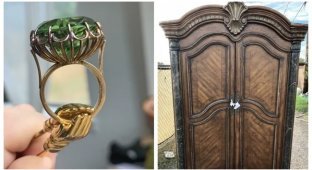
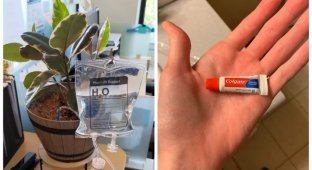
Chinese shoppers have started using AI to make fraudulent returns (7 photos)
Look at how far technology has come! If we're talking about new methods of fraud using neural networks today, here's a new popular method in China. Neural networks are creating realistic "corrupted photos" for the Chinese. 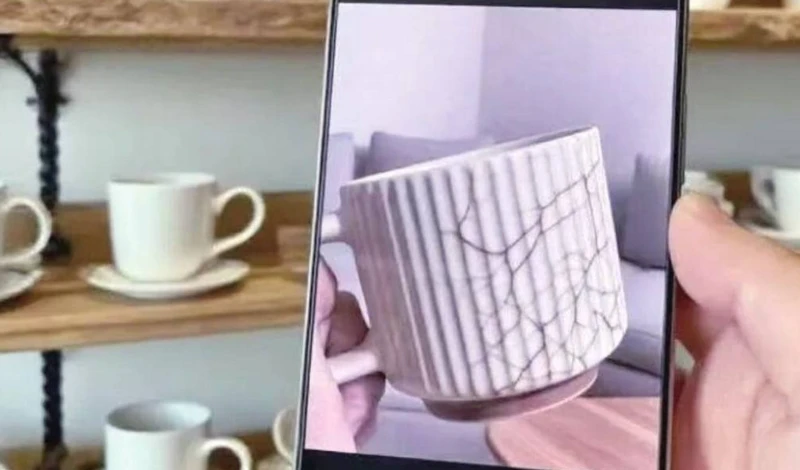
Not only can stores embellish, but customers can also degrade. 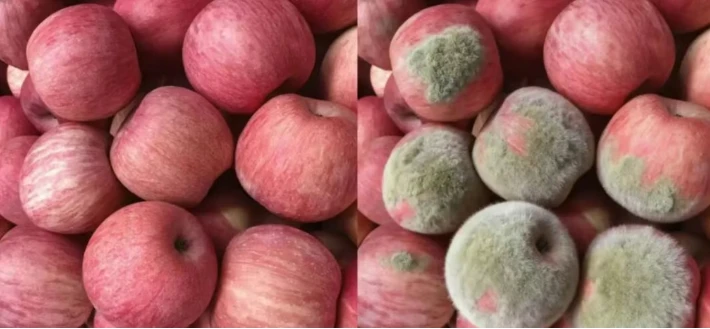
As you can imagine, this is a fake neural network.
You know that sometimes people post photos of a product on marketplaces that were generated by a neural network. And this is annoying because it doesn't accurately depict the item. Chinese consumers have found a way to exploit neurophotography to their advantage. The latest major digital 11.11 sale in China sparked a new wave of consumer terrorism. And it's not just about wearing clothes once and returning them to the store after the holiday. 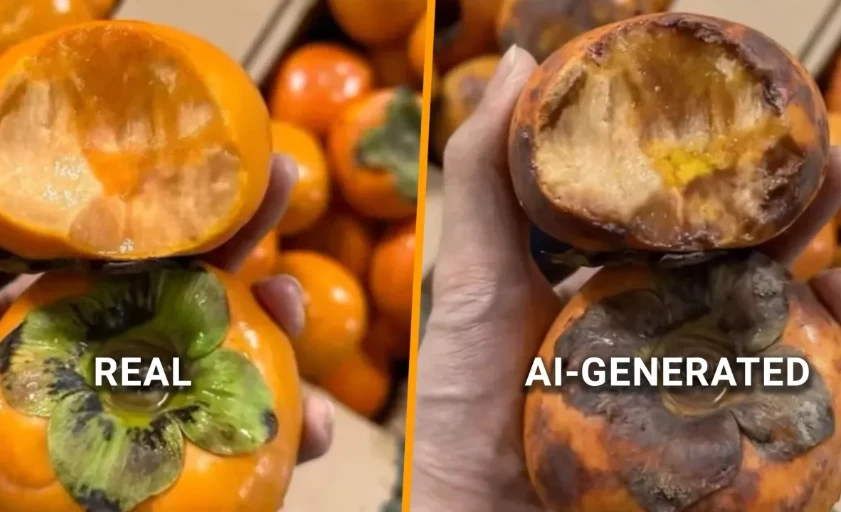
But this is extremely realistic; it's difficult to spot the scam.
This time, buyers demanded refunds, sending photos deliberately "damaged" by AI as proof of receipt of defective goods. So, if you bought apples, the Chinese would run them through a neural network and ask them to be rotten, dented, and unpolished. It's not just food that's being cheated this way; sellers of small household items have also complained. One customer even sent a photo of a rusty toothbrush and demanded a refund. 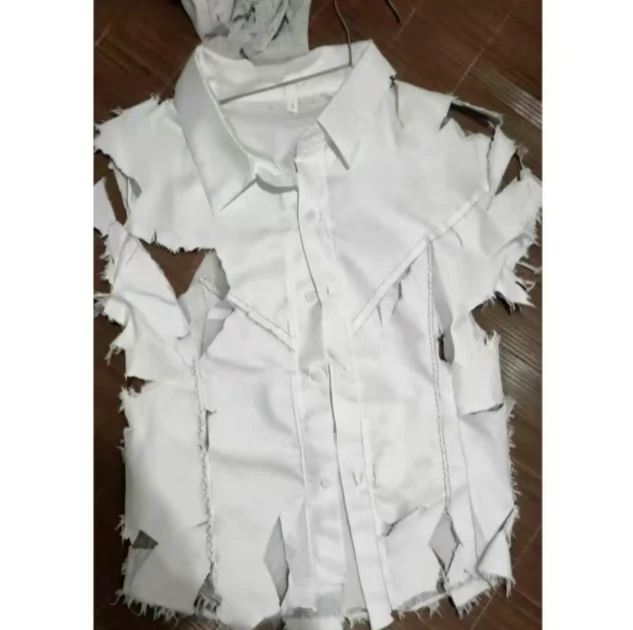
Some people send similar photos of shirts, but that's a real idiot.
Clothing was also "counterfeited," with photos of threads coming out of dresses, though it wasn't quite realistic, but it was clearly generated by a neural network. Many sellers aren't stupid; a trained eye can spot strange lighting and artifacts in a photo, enough to tell it's not real. The seller's saving grace, however, is that buyers haven't mastered AI very well. They ask for videos of the item, especially if it has cracks, rather than photos. In such videos, the cracks will flicker and disappear, which is why most fraudulent buyers give up after such a request. But only half. 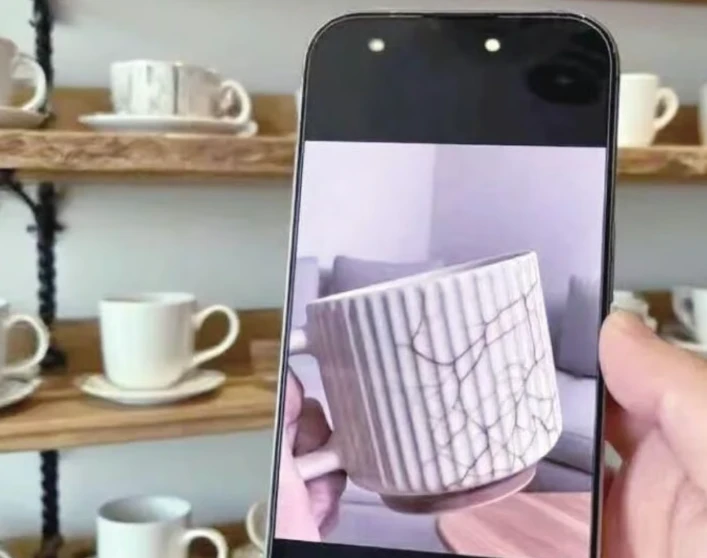
AI is EXCELLENT at spotting chips on a mug, try it yourself.
There's also a photo verification service—an artificial intelligence detector. Such photos are recognized quite accurately, up to 92 percent. But in reality, it can't be trusted. Recently, a "Photo of the Year" award was given in Japan to a photo of a frog in a pond, which turned out to be taken by AI. And no amount of detection could save it. But since many digital platforms focus more on the rights of buyers than sellers, many were forced to return money for lack of better evidence. Even if the seller knew for sure that the product couldn't have been damaged like that.
Alibaba Social Rating 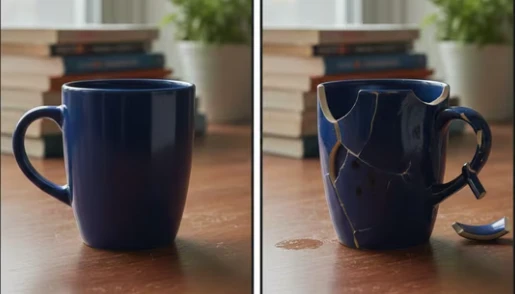
Even a fool can get away with such a fake.
A sensitive system that analyzes how often buyers return items was introduced here quite recently. I think even our WebB previously introduced flexible shipping and paid returns based on the redemption percentage. This is extremely surprising, because petty refund scams have been widespread in China for years. AI photo detectors were deployed to target sellers, but they ignored the buyers' scams. 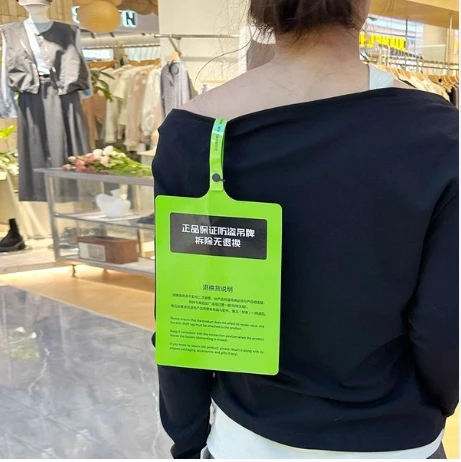
I recently wrote about the huge tags that sellers introduced to discourage Chinese customers from borrowing clothes for just one day.
Do you think they already do this in our country?