The Sexual Customs of the Vikings: Why an Older Partner Was Better Than a Younger One (8 Photos)
It is hard to deny that the Viking Age left an indelible mark on human history. Without Norse sagas, we might never have had the modern fantasy genre, nor the endless movies and television series about epic heroes, gods, and battles. The Vikings also developed early navigation compasses, reached North America centuries before Columbus, and even popularized the personal grooming comb. It should come as no surprise, then, that the intimate lives of these Norse warriors and seafarers were just as fascinating. 
How Vikings Handled Divorce
In Norse society, marriage and family were taken very seriously, long before the arrival of Christianity. Divorce among the Vikings was rare, requiring substantial grounds. Yet unlike in many contemporary cultures, Norse women enjoyed considerable legal rights and could readily initiate a split themselves. 
A husband’s failure to perform in bed, complete disinterest in sex, or even sheer incompatibility could serve as valid grounds for ending the union. In such disputes, the community firmly backed the wife; a healthy sex life was viewed as essential to a lasting marriage, and a relationship without it was considered doomed from the start.
The divorce process was a formalized, three-step ritual. First, the wife declared her intention to separate before the marital bed. Next, she repeated the declaration at the threshold of the family home. Finally, she brought the matter before the “Thing”—the regional assembly of freemen. There, the husband’s shortcomings were laid bare for everyone to hear, leaving him with little choice but to stand by and endure the humiliation.
From that moment on, his reputation was tarnished; failing to satisfy one’s wife struck a direct blow to a man's standing in society. Naturally, a disappointed husband could bring similar grievances against his wife before the assembly.
Raiding for Brides
The height of the Viking expansion occurred during the eighth and ninth centuries. Scandinavia experienced a rapid population boom as towns and villages expanded, but this growth brought unforeseen complications. A significant gender imbalance emerged, leaving far more men than available brides. 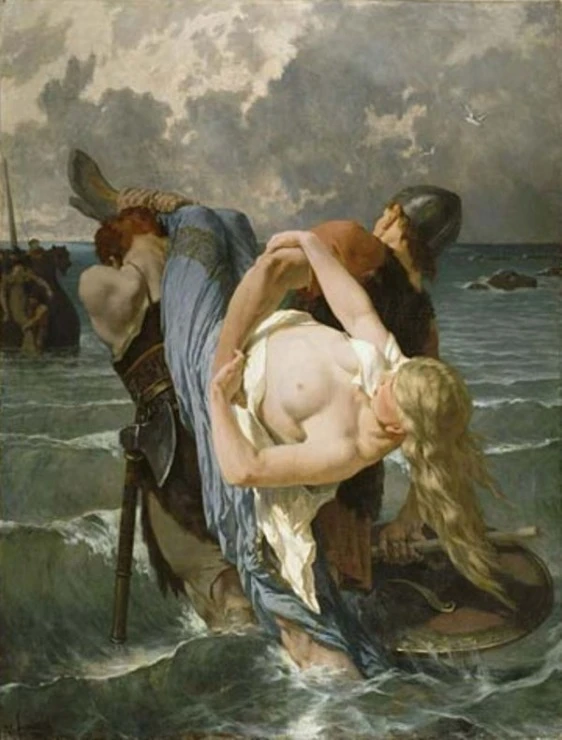
The Vikings resolved the shortage the same way they solved most problems. When they lacked something at home, they launched an expedition to lands where it was plentiful and took it by force. Foreign women soon became regular spoils of the raids that saw Norse longships set sail across the seas in search of plunder, captives, and renown.
A particularly large number of captives came from the British Isles, where Celtic women were in high demand. Not all captives were taken as formal wives; many became concubines to jarls and distinguished warriors. While these women may have initially been treated as mere captives, their standing often evolved over time. Many eventually became respected heads of household and fully integrated members of Norse families.
Youth vs. Experience
Unless she was an enslaved thrall, a Norse woman generally retained the right to choose her own husband. However, community standards strongly shaped what made an attractive suitor. Older men were frequently seen as far better prospects, offering seasoned life experience and, typically, greater wealth and stability. 
This preference is illustrated in early medieval sagas. In one tale, Queen Ingibjorg is courted by two suitors: the youthful King Olav and the elderly King Goettrick. The young queen chooses the older ruler, explaining that Olav was like a sapling that had barely sprouted its first leaves, whereas Goettrick was like a mature fruit tree laden with an abundant harvest.
A future with a young, impetuous king seemed unpredictable, while the seasoned and prudent Goettrick offered security. Sexual maturity also played a significant role; older men were widely regarded as more skilled and attentive lovers. In other cases, women had no interest in marriage at all, and relentless suitors could spark bitter feuds, as seen in the legendary defiance of Sigrid the Haughty.
A Sword Between Them
The Norse traveled extensively, and husbands could not always accompany their wives on long journeys. In these situations, a Viking often entrusted the safety of his wife to his closest friend. The guardian was expected to look after her well-being and, to protect her from danger throughout the night, share her bed.
Yet strict boundaries were maintained. When retiring for the night, the two placed a drawn sword between them. The blade served as a constant reminder to the woman of her marital vows, and to the guardian of the lethal consequences of assault or seduction. In matters of honor, past friendships counted for nothing, and betrayal could be answered only with blood. 
The Poetic Edda recounts the tale of Sigurd, famed for his charm and prowess, who sought to help his blood brother win the hand of the fierce shieldmaiden Brynhild by magically taking on his friend’s likeness. After winning her over, Sigurd had to spend eight chaste nights sharing a bed with her to seal the arrangement without betraying his companion. He managed this trial by placing a sharp blade between them each night.
Similar motifs appear in later medieval chivalric romances, such as the legend of Tristan and Isolde, highlighting how deeply Norse traditions and narrative tropes permeated European culture and courtly literature.
Running from the Altar
Although marriages were largely arranged with personal consent, families wielded considerable influence over the match. As a result, runaway brides and grooms were not unheard of. Deserting a wedding was a catastrophe for both the runaway and their kin, as breaking a betrothal carried heavy financial penalties.
In extreme cases, the offender faced outlawry and exile, while their family suffered lasting public disgrace. Norse legal custom even had specific terms for the act, calling it "fleeing from the vagina" if the groom absconded, and "fleeing from the penis" if the bride ran away. A called-off wedding was a massive financial blow as well, given the lavish preparations required. 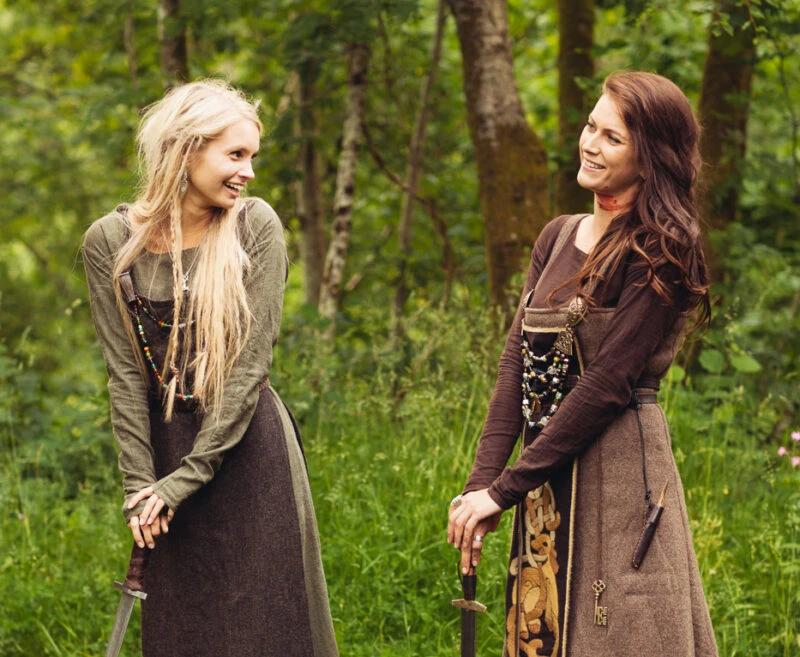
A wedding that lasted only three days was considered modest by Norse standards. Festivities routinely stretched over a week or more, costing families an immense fortune. Guests often traveled great distances, and hosts spared no expense to ensure they departed well-fed and singing the praises of both lineages.
When the time came, the newlyweds were escorted to the bridal bed in a torchlit procession that honored Freyr and Freyja, the deities of fertility and love, as well as Var, the goddess of oaths. The bride's gown was often embroidered with symbols of Thor’s hammer, and breaking the vows taken under those signs was regarded as outright sacrilege.
The Language of Intimacy
One might imagine that hardened northern warriors spoke about intimacy with blunt, unvarnished language. Surprisingly, the Vikings favored delicate euphemisms. Rather than speaking plainly of intercourse, they referred to "crowding the bed," "traveling together," or "bustling on her belly." More reserved speakers might simply say they were "playing cards" or "speaking in private." 
Even when an unmarried couple was discovered in an illicit tryst, families generally avoided vulgar accusations, referring to the affair discreetly as "unlawful meetings." In terms of conversational restraint, modern society could easily take a page from the medieval Norse.
Norse Sex Education
Intimacy was not a taboo subject in Viking households, even around children. By the age of five, youngsters were typically given straightforward explanations of how conception and childbirth worked, and by ten, adolescents were taught practical aspects of sexual health and masturbation.
At the same time, Norse culture never reduced relationships purely to the physical. Young people were taught that a successful household depended on mutual respect, loyalty, and practical cooperation. These core values still run deep in Scandinavian family life today, continuing to shape the region's cultural mindset. 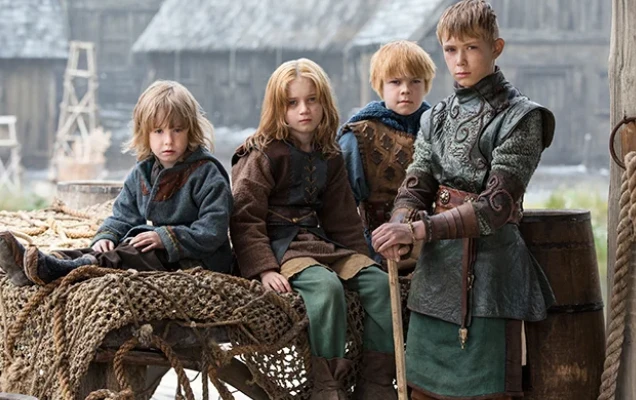
Much like their ancestors ten centuries ago, contemporary Denmark, Sweden, and Norway introduce comprehensive sex education in primary school, providing age-appropriate lessons on physical boundaries, consent, and personal safety to prepare children for the modern world.