6 Haunting Ship Graveyards Around the World (29 Photos)
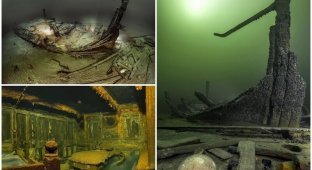
The world’s ocean floors are virtually carpeted with sunken ships. According to the United Nations, around three million wrecks lie submerged across the globe: ancient galleys laden with amphorae, early merchant vessels packed with exotic cargo, pirate sloops with stolen treasure, Spanish galleons transporting New World gold back to Europe, exploratory ships, and countless warships. Each went down at different moments in history, sealed by its own fateful circumstances.
Here is a look at some of the planet’s largest ship graveyards—infamous stretches of water known as "ship eaters" that seem almost deliberately designed to lure passing vessels and their crews to a watery grave. 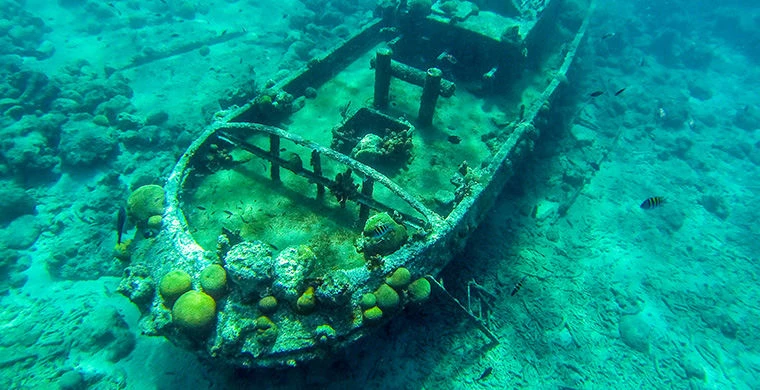
1. Cape Hatteras, USA 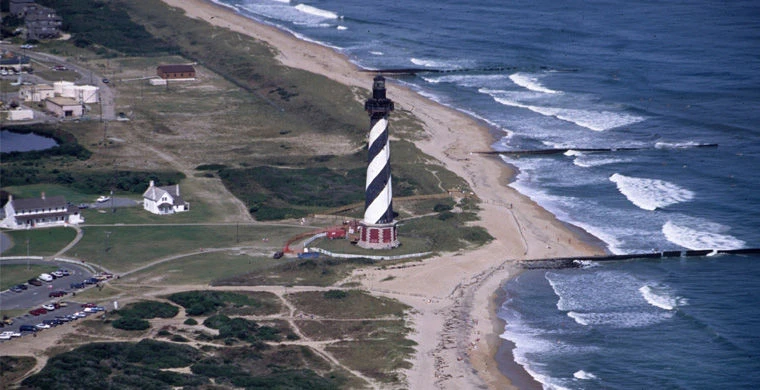
Cape Hatteras in North Carolina is widely considered the most perilous stretch of coastline in the United States. It is here that the frigid waters of the Labrador Current collide head-on with the warm Gulf Stream. Violent gale-force winds, unpredictable shifting currents, and severe navigational hazards have caused hundreds of shipwrecks and claimed countless lives around the cape—most notably along the lethal Diamond Shoals. 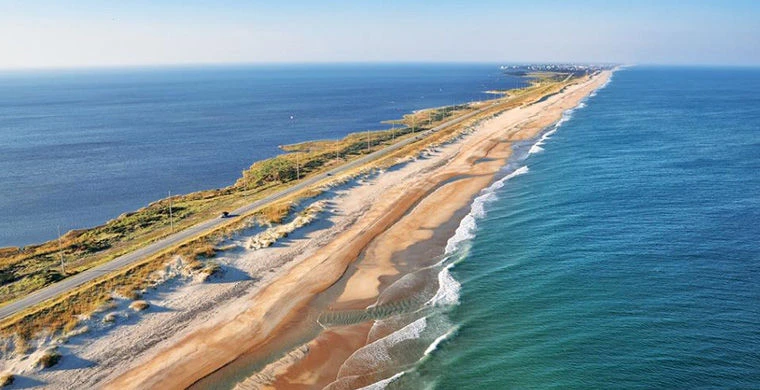
More than 1,000 vessels have met their end here since 1526. The area was dubbed the "Graveyard of the Atlantic" by Alexander Hamilton, the first US Secretary of the Treasury, who insisted on erecting a lighthouse on the cape. Completed in 1803, the Cape Hatteras Lighthouse still stands today, warning mariners away from the treacherous shoals. 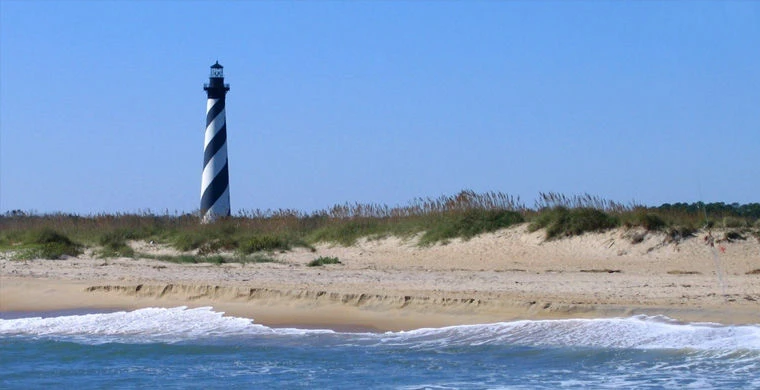
The most famous casualty of these waters is the USS Monitor, the US Navy’s pioneering ironclad warship, which sank in 1862. The wreck site is now protected as a National Historic Landmark. 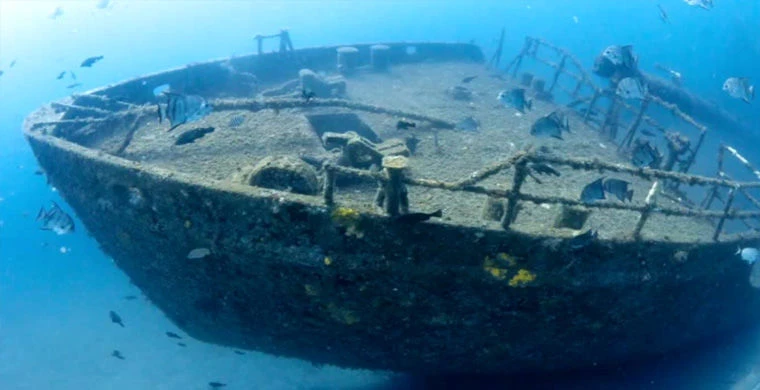
2. The Shifting Sands of Sable Island, Canada 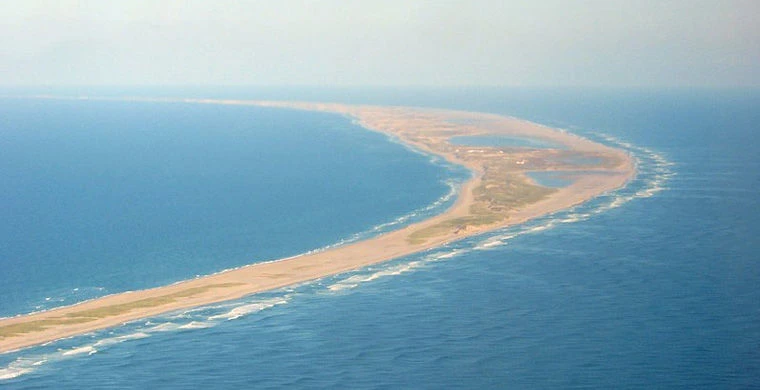
In French, the word "sable" means sand, while in English it has long been synonymous with darkness and mourning—a fitting double meaning for this crescent-shaped sandbar off Nova Scotia. Around 350 shipwrecks have been recorded here. According to calculations by lighthouse keeper David Johnson, the island claimed an average of three vessels every two years. Systematic records date back to 1800, though the island had earned its sinister reputation long before then.
"The island is about 40 miles in circumference, the sea rough and shallow, without any harbor, and it has gained an infamous reputation for frequent shipwrecks," Dutch geographer Johannes de Laet wrote of Sable Island in 1633. 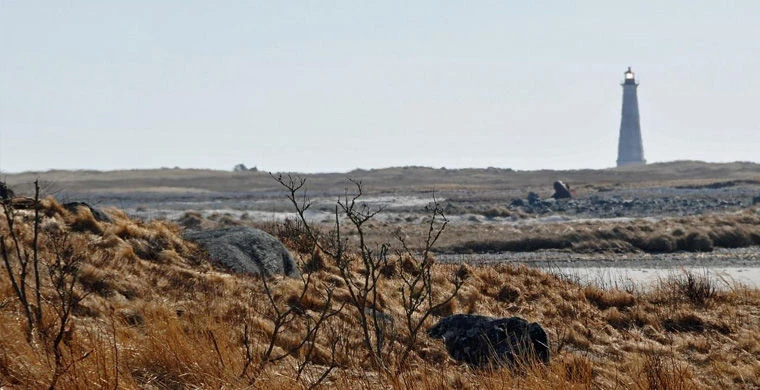
Like Cape Hatteras, this Canadian island is often called the Graveyard of the Atlantic, but it possesses an even more chilling trait: its quicksands literally devour ships. A grounded vessel can be swallowed whole within two to three months, even if it is a massive 5,000-ton steamer measuring 120 meters in length. Yet in a bizarre local phenomenon, the constantly shifting dunes will occasionally spit long-buried wrecks back out onto the surface years later. 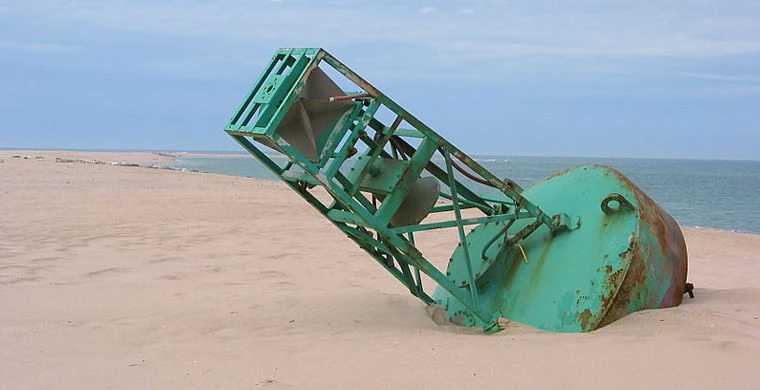
Sable Island’s treacherous nature is easy to explain. Clashing warm and cold currents blanket the area in near-constant fog, while its pale sandbars mimic the color of breaking waves, blending seamlessly into the open sea. Even worse, the island is constantly on the move: over the past two centuries, Sable has drifted nearly 10 nautical miles, shifting eastward by about 230 meters each year. These deceptive conditions have lured hundreds of unsuspecting captains to disaster. 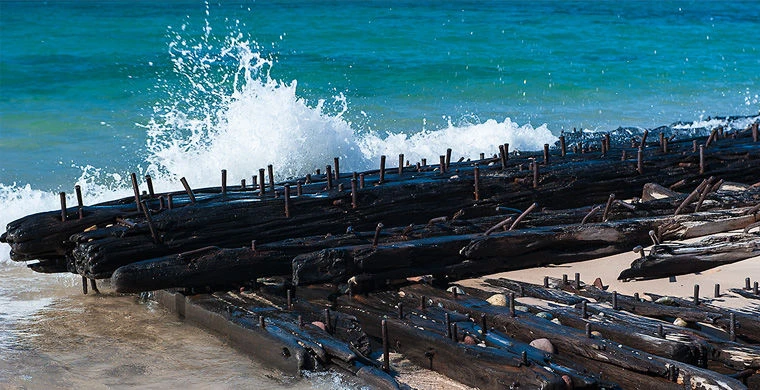
The island’s deadliest tragedy occurred in 1898, when the French ocean liner SS La Bourgogne collided in dense fog with the British sailing ship Cromartyshire and sank rapidly. The disaster claimed 561 lives, including the captain, who refused to abandon ship. Out of roughly 200 women and 80 children aboard, only one woman, Victoire Lacasse, survived.
Overcome by panic, a group of sailors and male passengers fought their way onto the lifeboats, clubbing fellow passengers with oars and slashing the fingers of those trying to pull themselves from the water. The horror led contemporary newspapers to brand the disaster a modern "St. Bartholomew's Day Massacre." 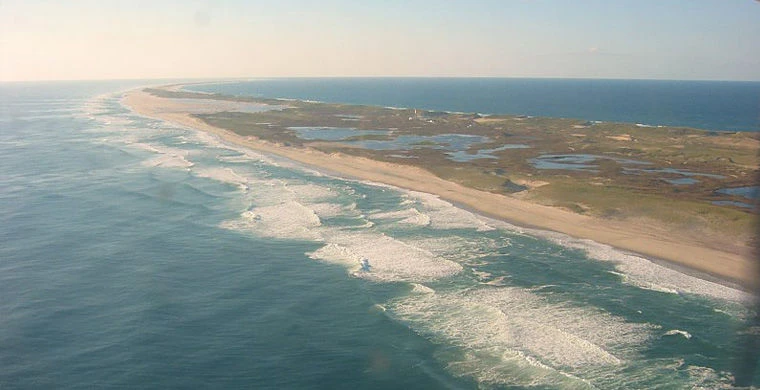
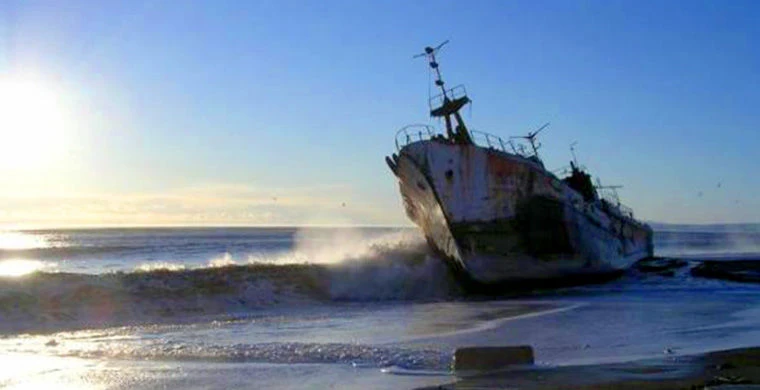
3. The Goodwin Sands, United Kingdom 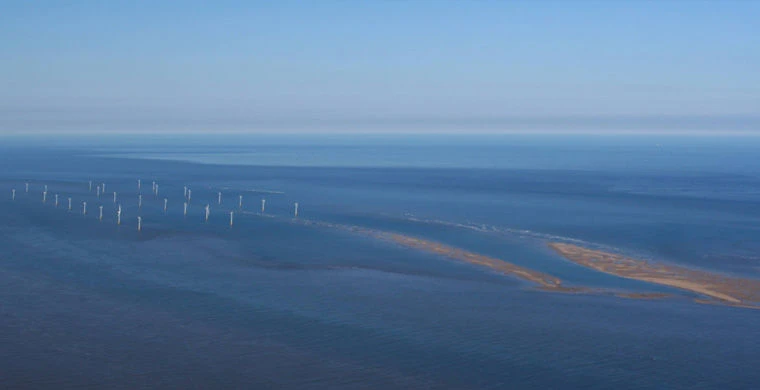
Located in the English Channel near Dover, the Goodwin Sands are an infamous 10-mile sandbank that has swallowed more than 2,000 ships. According to local lore, the shoal formed after the low-lying island of Lomea was washed away by the sea. Powerful tides constantly alter the shape and position of the shoals, making them an unpredictable hazard for sailors. Sailing ships swept onto the shallows during storms or thick fog quickly found themselves trapped as pounding waves liquefied the sand beneath them, snapping their hulls in two. 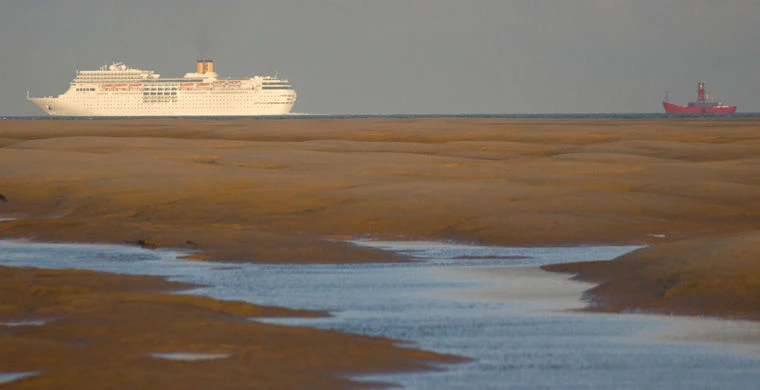
When ships capsized and flooded in these heavy breakers, survival was virtually impossible. It is estimated that some 50,000 people have vanished in the waters of the Goodwin Sands. For generations, coastal residents made a living from these wrecks—either by mounting daring salvage operations for reward money or by scavenging and plundering the stranded hulls. 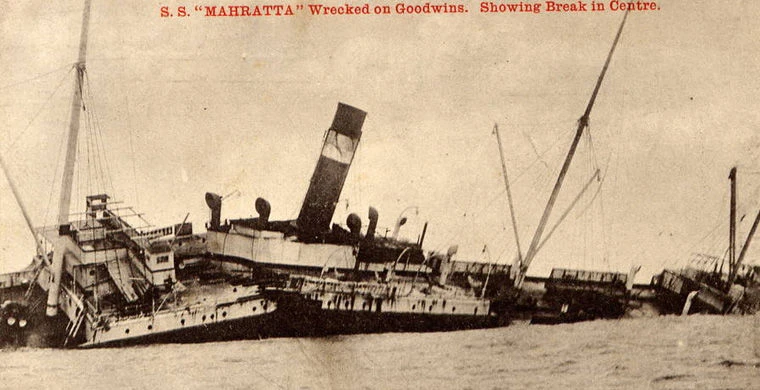
The Royal Navy lost some of its finest warships here. Among them was the 70-gun ship of the line HMS Stirling Castle, wrecked during the Great Storm of 1703. In 1979, local divers rediscovered the hull at a depth of 12 meters, and recovered artifacts are now displayed at the Ramsgate Maritime Museum. The wreck has since been periodically buried and re-exposed by the shifting sands; it is now strictly protected under UK law as a designated historic wreck.
4. The Baltic Sea 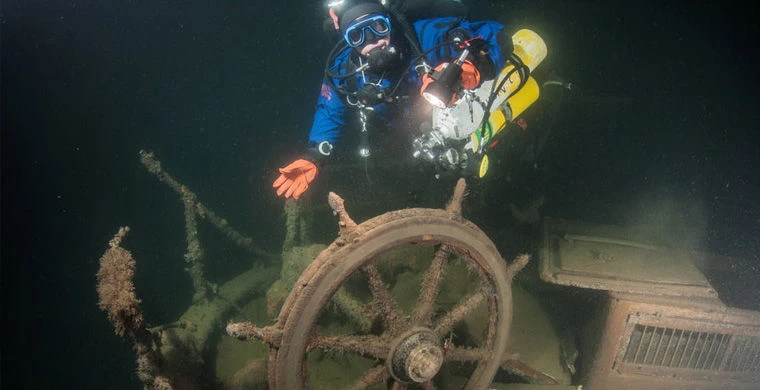
Marine archaeologists estimate that between 1128 and 1947, a staggering 26,703 ships sank in the Baltic Sea. More than 10,000 of them lie near the coastline, with around 2,500 resting in the Gulf of Finland alone. Researchers trace a quarter of these wrecks to the Russian fleet, 19% to Germany, 17% to Britain, 8% to the Netherlands, and 7% to Finland. The highest concentration of debris is found in Vyborg Bay, largely comprising warships lost during a massive naval engagement in July 1790. 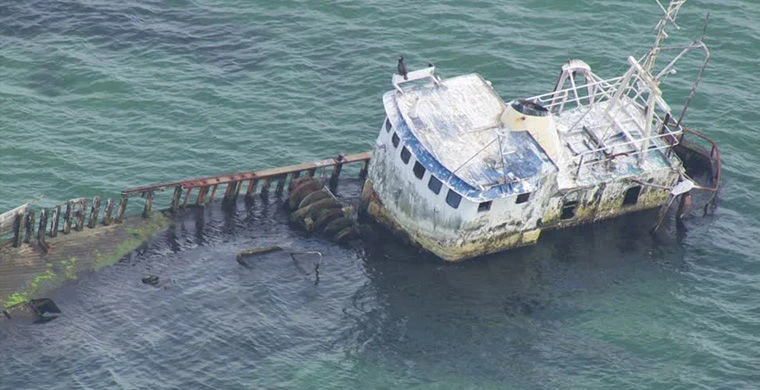
Ships went down in the Baltic for many reasons beyond warfare, including severe storms, collisions, and groundings. While researchers have surveyed the seabed and compiled a comprehensive atlas of Baltic wrecks, there is little urgency to raise them. The Baltic Sea is nature’s finest underwater preservation chamber: frigid temperatures, low salinity, and anoxic, pitch-black depths keep even fragile wooden hulls remarkably intact beneath layers of fine silt. 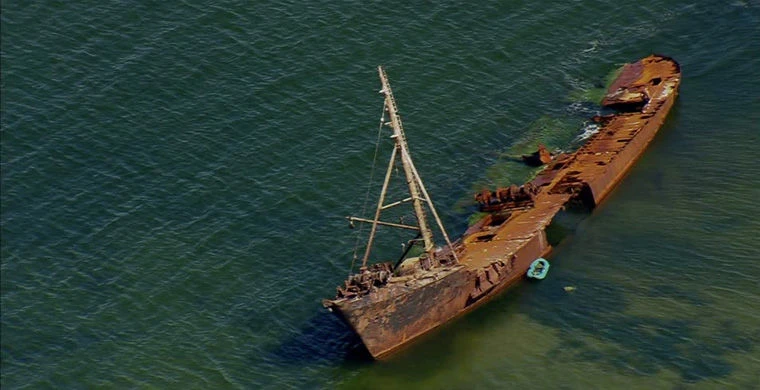
One of the Baltic’s most captivating mysteries is the Dutch merchant ship Vrouw Maria, which sank off the Åland Islands in 1771. On board was an extraordinary collection of artwork purchased by Catherine the Great for the Hermitage and Tsarskoye Selo. Discovered by a Finnish diver in 1999 at a depth of 41 meters, the wreck remains on the seafloor. 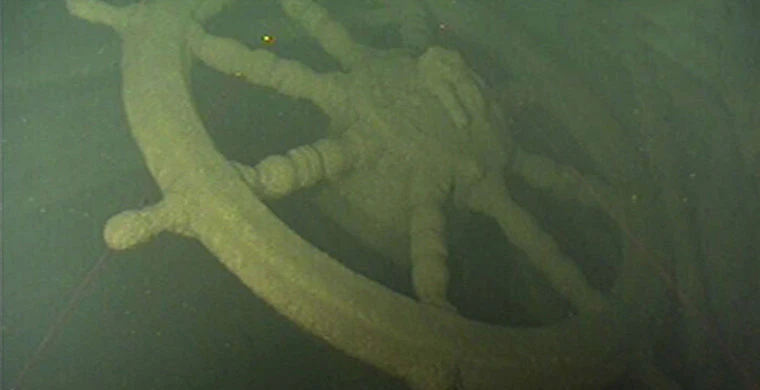
Archaeologists believe its hold contains a valuable haul of Meissen porcelain, gold and silver figurines, and roughly 300 paintings by Flemish and Dutch masters, including works attributed to Rembrandt. However, salvage operations are estimated at €80 million, and experts remain divided on whether artwork submerged for over 250 years could still hold any historical or artistic value.
5. The Caribbean Sea and the Greater Antilles 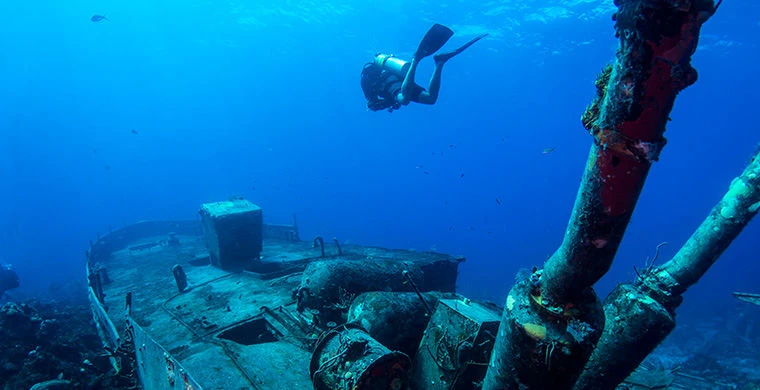
When Europeans first set foot in the Americas and discovered its immense wealth, an unprecedented era of gold fever began. Between 1503 and 1650 alone, Spain shipped 181,133 kg of gold and 16,886,815 kg of silver back from the New World. Spanish galleons weighed down with South American treasure regularly crossed the Caribbean and the Atlantic toward Europe—though many never made it to port. 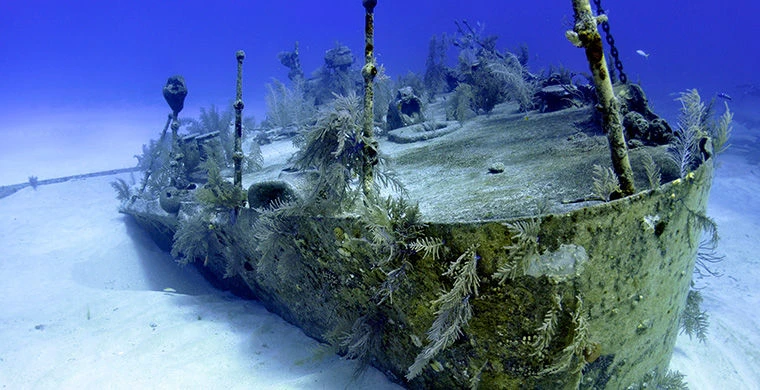
Inexperienced navigators, rudimentary instruments, inaccurate charts, and ferocious West Indian hurricanes contributed to frequent disasters. The galleons themselves were top-heavy, cumbersome, and difficult to maneuver, making them easy prey for both treacherous weather and lurking pirates. Historians estimate that at least 850 ships were lost at sea between 1500 and 1820, with 340 never relocated or salvaged by Spanish authorities. 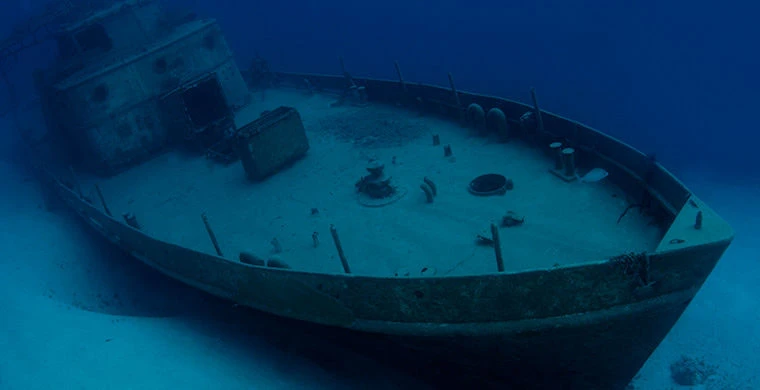
Other records show that 673 vessels sank between 1619 and 1659 alone. Many still rest in the waters around the Greater Antilles, where this Caribbean graveyard holds the remains of at least 400 sailing ships. 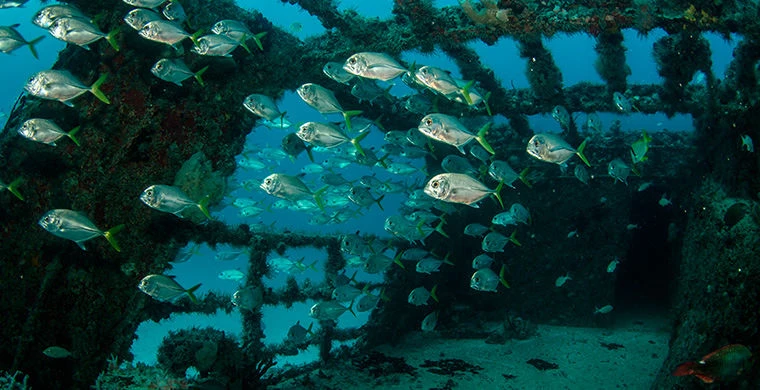
One of the most famous wrecks in the region is the Spanish galleon Nuestra Señora de la Concepción, which sank in 1641 off the coast of Hispaniola. Carrying an entire year’s worth of colonial silver, the mammoth vessel was doomed by a severe hurricane and an error by the ship’s pilot. Salvage efforts began soon after: in 1687, Sir William Phips recovered 30 tons of silver from the site. Phips took the wreck’s coordinates to his grave, and the Concepción faded into legend for the next three centuries. 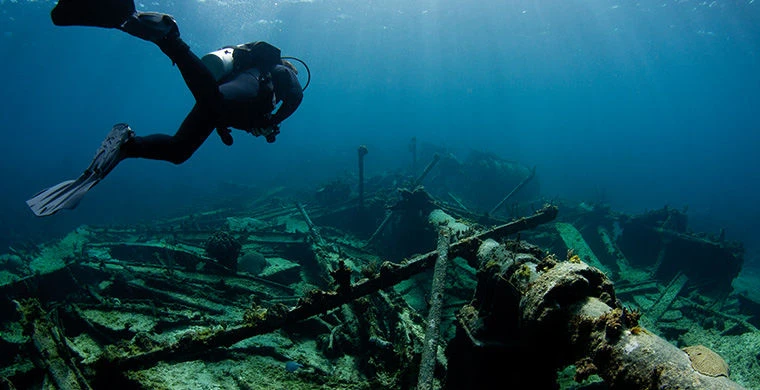
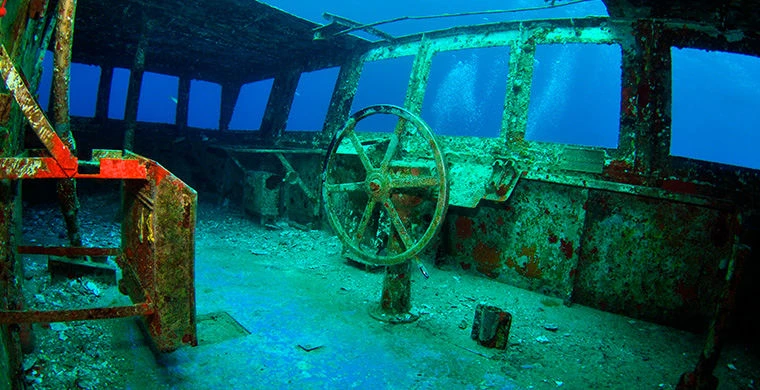
In 1977, American treasure hunter Burt Webber finally relocated the wreckage, bringing up 32 tons of silver ingots and coins, gold jewelry, and antique porcelain worth an estimated $14 million. Experts believe that more than half of the Concepción’s precious cargo still lies buried on the seabed.
6. The Great Barrier Reef, Australia 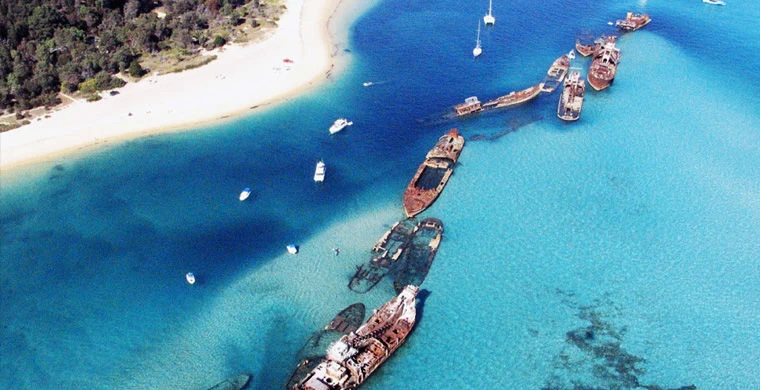
According to Australian environmental and cultural heritage authorities, hundreds of historic shipwrecks lie off the coast of Queensland, victims of the treacherous waters along the reef. 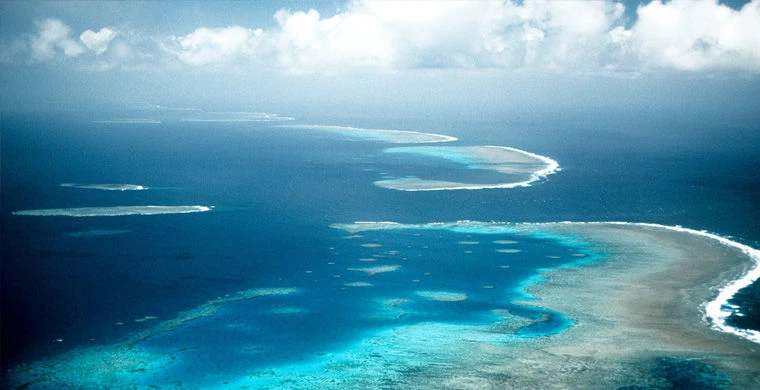
Early Australian colonists and explorers regularly ran aground while navigating the waters between the mainland and the Great Barrier Reef, using the passage as a shortcut to ports in India and China and a key transit route between the Pacific and Indian oceans. 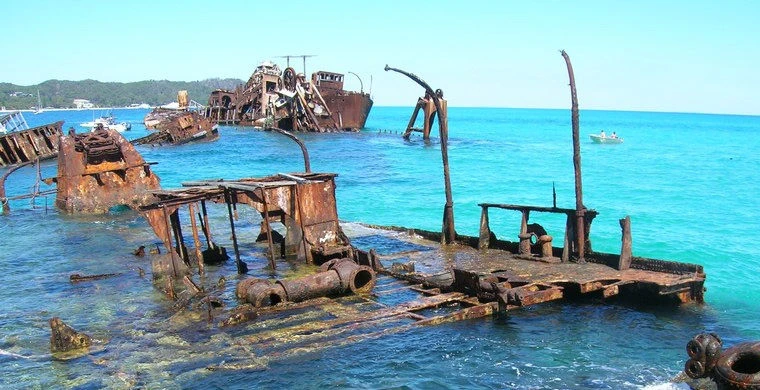
The most famous ship lost on the Great Barrier Reef is HMS Pandora, a 24-gun Royal Navy frigate sent to hunt down the mutineers of HMS Bounty. Having successfully captured 14 of the mutineers, Pandora ran aground on the outer reef in August 1791 and sank the following morning, claiming the lives of 31 crew members and four prisoners. 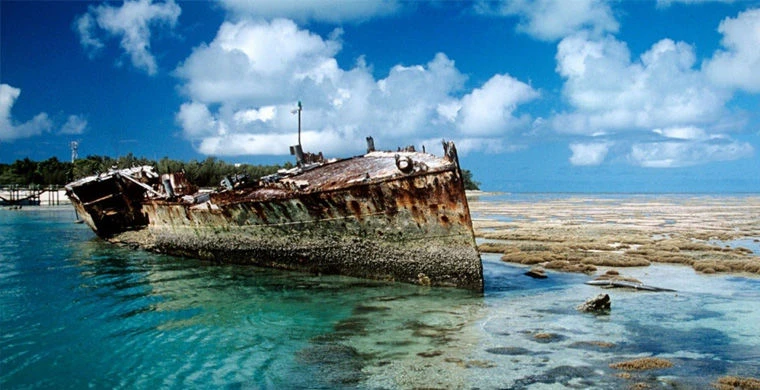
The wreck was discovered in 1977 by documentary filmmaker and marine explorer Ben Cropp. Archaeological excavations have continued ever since, with recovered artifacts on display at the Queensland Museum. 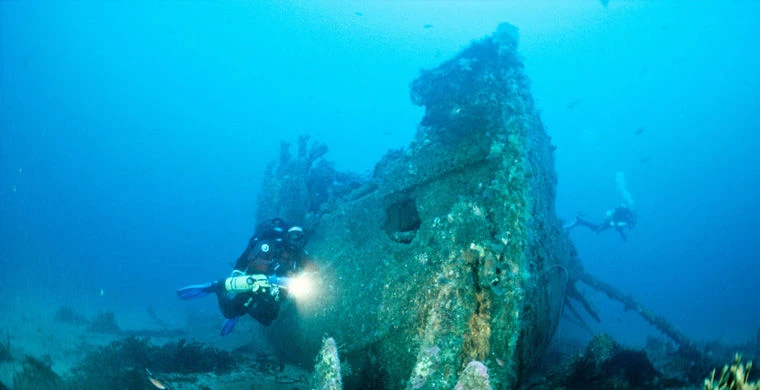
Cropp also made headlines when he discovered the brig L’Inconstant near the Great Barrier Reef—the very vessel Napoleon Bonaparte used to escape exile on the island of Elba in 1815. Later captured by the British and renamed, the historic ship ultimately met its end here in 1831.