10 Everyday Habits Pushing the Planet Toward an Ecological Disaster (11 photos)
Environmental scientists are sounding the alarm: planet Earth is in serious danger. Human activity has accelerated the extinction rate of flora and fauna to 1,000 times the natural background level. As a result, around 20,000 species are currently facing extinction. Worst of all, almost all of us are contributing to this impending catastrophe without even realizing it. 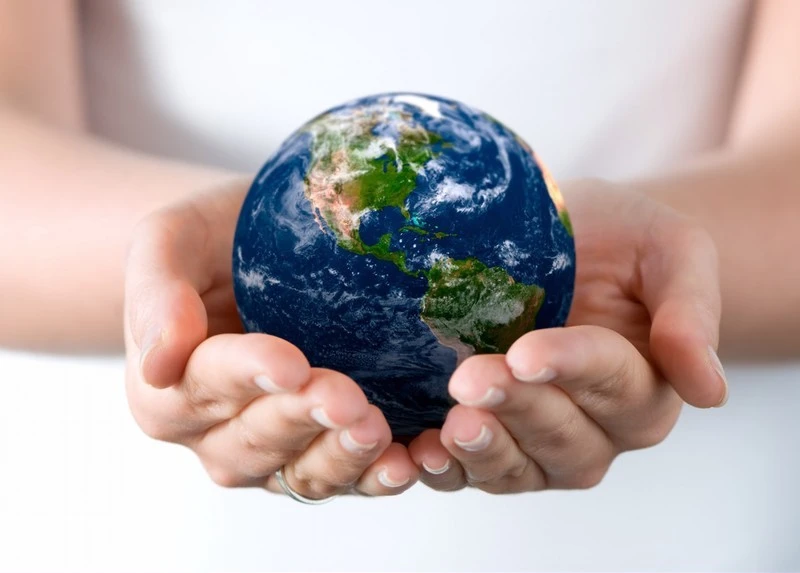
Using Disposable Chopsticks 
1. Wooden Chopsticks Are Destroying Forests
When fans of Asian cuisine pick up a fresh pair of wooden chopsticks, environmental impact is usually the last thing on their minds. Yet these single-use utensils are wreaking havoc on China's forests.
China produces roughly 80 billion pairs of disposable chopsticks every year, the vast majority of which are used and discarded domestically. Manufacturing them requires logging around 20 million trees—typically mature, 20-year-old specimens. Consequently, China is facing severe deforestation, ranking a dismal 139th globally in forest cover per capita.
Birth Control Is Disrupting Marine Ecosystems 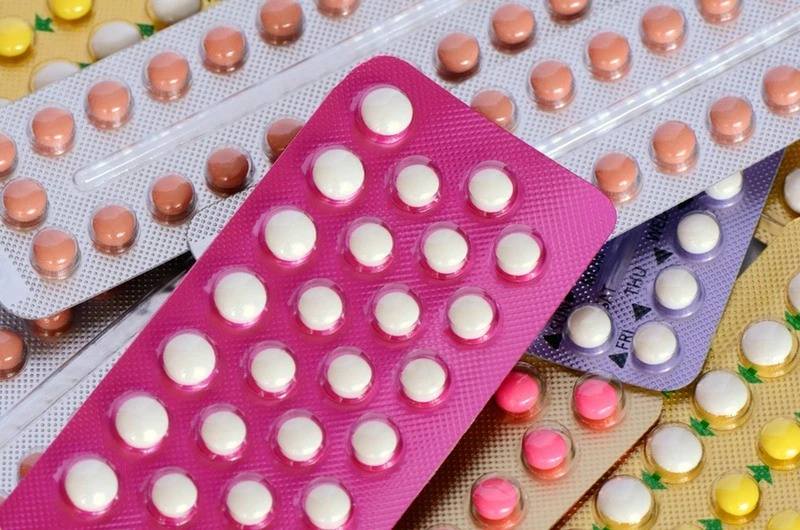
2. Contraceptives in the World's Oceans
People who take birth control pills might be surprised to learn that these pharmaceuticals are effectively preventing pregnancies in aquatic life as well. In 2014, researchers from the University of New Brunswick published the findings of a multi-decade study examining treated wastewater and its impact on freshwater ecosystems.
They discovered that even trace amounts of environmental estrogen can wipe out entire species. During a 2001 experiment, minute quantities of synthetic estrogen—a key active ingredient in birth control pills and hormone replacement therapy—were added to a freshwater lake at an Ontario research facility. The outcome was startling: fish completely stopped reproducing.
Hormones excreted by the body ultimately end up in municipal sewer systems. In areas where treated wastewater empties into lakes and rivers, an average of 85% of local fish populations have become female—a stark contrast to the natural baseline of roughly 55%.
Prozac's Hidden Impact on Birds 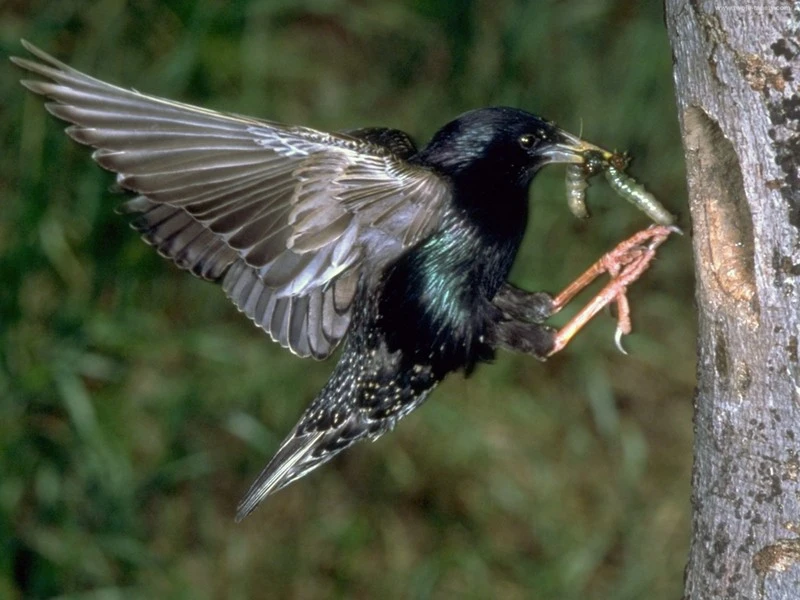
3. Prozac Is Threatening Bird Populations
Millions of people rely on the antidepressant Prozac, but few realize its downstream ecological footprint. According to a study by the University of York, environmental concentrations of antidepressants—particularly Prozac—could prove fatal for wild bird populations.
Researchers measured Prozac levels in earthworms that absorbed the drug from wastewater streams, finding concentrations ranging from just 3% to 5% of a standard human dose. They then fed these worms to a control group of 24 starlings and monitored their behavior over the next six months.
The birds exhibited side effects remarkably similar to those seen in humans: they lost their appetite, stopped eating regularly, and showed little to no interest in mating.
Plastic Drinking Straws 
4. Straws Are Choking the Oceans
The ubiquitous plastic straw served with iced beverages turns out to be a major environmental threat. In the United States alone, an estimated 500 million straws are used and discarded every single day.
Over the past 25 years, coastal cleanups across the US have recovered roughly six million plastic straws, ranking them among the top 10 most common types of ocean trash. Straws are manufactured from polypropylene, a type of plastic that neither biodegrades nor dissolves easily. These tiny tubes account for a significant portion of the 12,000 to 24,000 tons of plastic ingested by fish and marine life each year, contributing to the death of nearly one million seabirds annually.
Eating Frog Legs 
5. A Gourmet Delicacy Spreading Deadly Fungal Strains
Once considered a niche French delicacy, frog legs have gained global popularity, sparking a massive commercial farming industry. Most edible frogs are raised on specialized farms in South America before being exported worldwide.
Japan and the United States are the top two importers of frog legs, with the US alone bringing in over five million frogs annually. However, many frogs shipped from South America carry chytrid fungi. While harmless to humans, this pathogen mutates rapidly, producing lethal new strains that decimate wild amphibian populations.
Using Antibacterial Soap 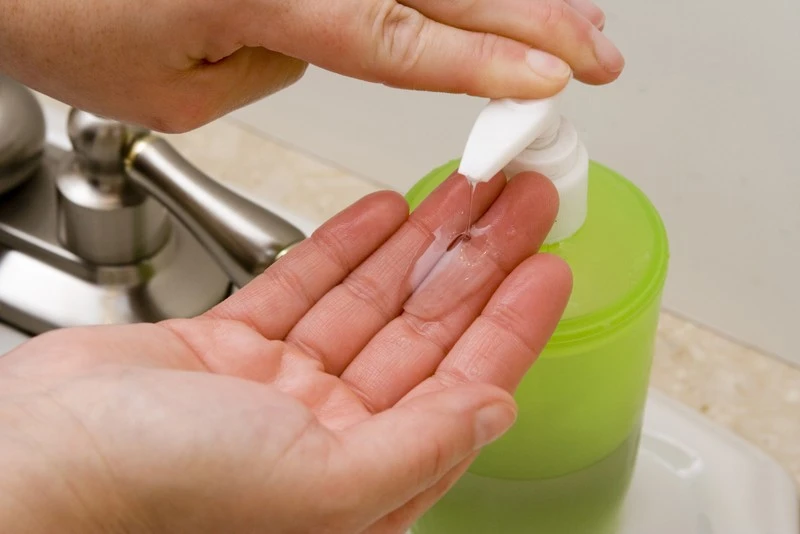
6. Antibacterial Soap Is an Environmental Hazard
Debates over the necessity and environmental safety of antibacterial soaps have raged for years. Researchers at Johns Hopkins University investigated what happens to antibacterial chemicals once they are washed down the drain, focusing on the two most common active ingredients: triclocarban and triclosan.
Although treatment plants filter much of these compounds out of municipal wastewater, the residual sludge is often applied to agricultural soil, allowing them to leach into surface waters. As triclocarban breaks down, it releases carcinogens, while triclosan degradation yields chloroform. Eventually, these toxic substances accumulate in crops, wildlife, and human bodies.
Cat Litter 
7. The Environmental Toll of Cat Litter
Cat owners routinely buy litter, most of which relies on sodium bentonite clay as an absorbent. Obtaining this clay requires strip mining—a destructive open-pit technique that causes severe landscape degradation and habitat loss.
Fish Farms 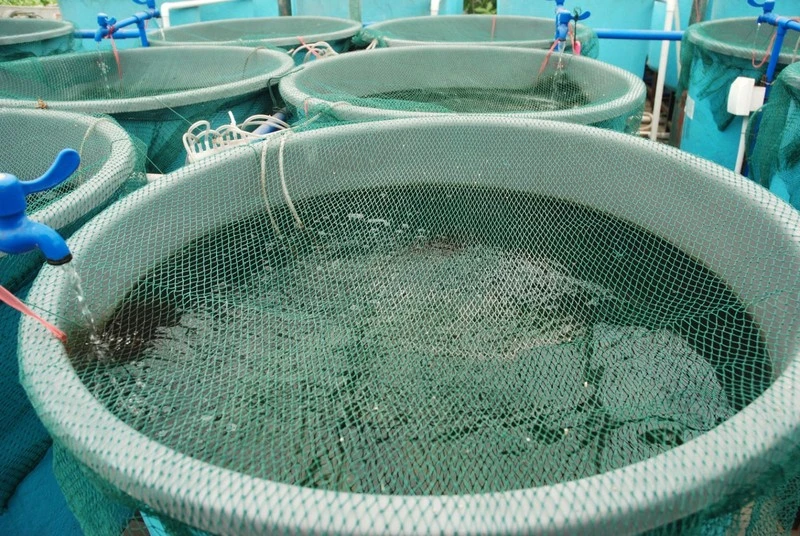
8. Aquaculture Is Triggering Ecological Disasters
Industrial aquaculture has created major environmental crises. Shrimp farming, for instance, has caused widespread degradation of coastal soils, destroyed natural ecosystems, and contaminated freshwater drinking sources with saltwater.
At commercial salmon farms, fish are heavily overfed, generating massive amounts of organic waste that settle in surrounding waters. On top of that, aquaculture facilities heavily rely on chemical treatments and antibiotics, inflicting severe harm on surrounding aquatic ecosystems.
Soy Consumption 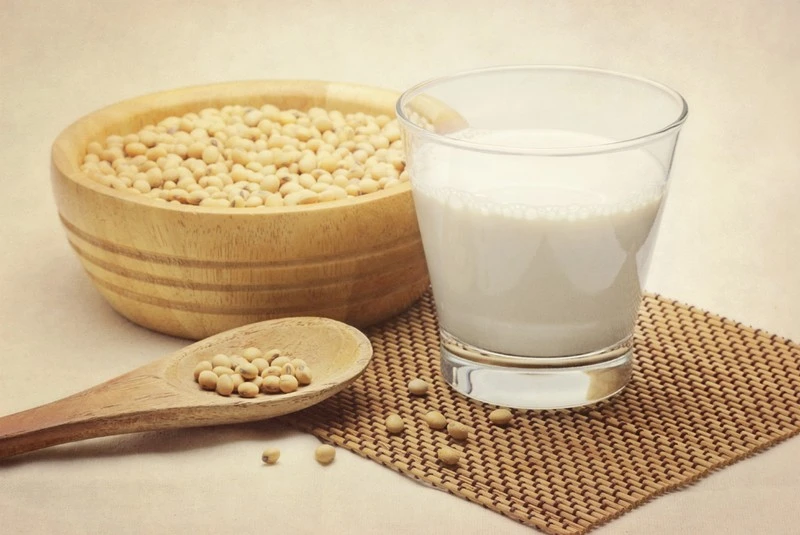
9. Soy products have long been marketed as a healthier, more sustainable alternative to dairy. Unfortunately, recent research reveals that large-scale soy production comes with a devastating environmental cost.
Humans aren't the only ones eating soy—roughly 80% of the world's soy harvest is processed into livestock feed. Skyrocketing global demand requires ever-increasing land area for soybean cultivation. In Brazil, soy-driven deforestation reached alarming levels, with Greenpeace reporting that nearly 1.2 million hectares of Amazon rainforest were converted into soy plantations in 2005 alone.
Food Waste 
10. Food Waste Is a Global Crisis
Most people were told by their parents as children to finish everything on their plate. Yet few realize the true, staggering scale of the issue: every year, global food waste grows by roughly 1.3 billion metric tons.
This equates to tossing $750 billion straight into landfills annually while inflicting catastrophic environmental damage. Food production alone generates 3.3 billion tons of greenhouse gases each year and consumes three times the annual water volume flowing through the Volga River.
Approximately 28% of the world's agricultural land is effectively used to grow food that will simply be thrown away—all while nearly 870 million people suffer from chronic hunger.