30 Bizarre Laws From Around the World That Sound Made Up But Are Actually Real (31 photos)
Some laws around the world are so unusual that they sound completely made up. Yet, every single one of them is genuine. Here is a roundup of some of the most bizarre quirks found in legal codes worldwide. 
No Plastic Confetti in Mobile, Alabama 
The Code of Ordinances for the city of Mobile includes a specific section regulating confetti:
“It shall be unlawful and an offense against the city for any person to possess, keep, use, manufacture... sell, offer for sale, give away, or handle any non-biodegradable plastic-based confetti... within the city or its police jurisdiction.”
Stilettos Are Banned at Certain Historic Sites in Greece 
In 2009, prominent archaeologist Eleni Korka, then Director of Prehistoric and Classical Antiquities in Greece, stated:
“Female visitors must wear shoes that do not harm the monuments. These monuments have a surface—a skin—that suffers from high heels, and people need to realize that.”
High heels concentrate a person's entire body weight onto a tiny point, which can chip or pierce ancient stone. The ban was introduced to minimize wear and tear on priceless historic sites.
In Arizona, It's Illegal to Let a Donkey Sleep in a Bathtub
To this day, it remains illegal to let a donkey sleep in a bathtub in Arizona. The law originates from a bizarre historical incident that local authorities clearly didn't want repeated. 
In 1924, a local donkey found an abandoned bathtub near its owner's home and curled up inside for a nap. While it slept, a nearby dam burst, causing a flash flood that swept the tub—and the sleeping donkey—downstream. Locals spent hours rescuing the animal, and following the ordeal, the community passed an ordinance banning donkeys from sleeping in bathtubs to prevent similar incidents.
Billboards Are Banned in Alaska, Maine, Vermont, and Hawaii
Four US states have completely outlawed roadside billboards: Alaska, Maine, Vermont, and Hawaii, which was the first to implement the ban. 
Even local business owners recognize the benefit: eliminating giant advertisements preserves the natural scenery, boosting tourism and keeping the environment pristine.
On Capri, Italy, Dog Poop Is Tracked via DNA
On the picturesque island of Capri, located in the Bay of Naples, local law strictly requires dog owners to clean up after their pets in public spaces. 
To enforce the rule, Mayor Lembo leveraged an existing regulation requiring all dogs to have blood tests for canine leishmaniasis. By tapping into the resulting dog DNA database, authorities can easily match uncollected waste to its owner. Failing to pick up after your pooch carries a hefty fine of up to €2,000.
Bear Wrestling Is Illegal in South Africa
South African law explicitly prohibits engaging in wrestling matches with bears. 
It's a particularly perplexing law for two reasons: first, who would want to pick a fistfight with an apex predator? Second, bears aren't even native to South Africa.
Stopping on the Autobahn Without a Valid Reason Is Illegal in Germany
Drivers in Germany are legally obligated to ensure their vehicles are in proper working order before hitting the road. 
Running out of fuel, for instance, is not considered a valid emergency. Rather, it is deemed preventable negligence and results in a fine.
In La Paz, Bolivia, Married Women Are Limited to One Glass of Wine in Public
The law was originally designed to prevent married women from flirting with other men while intoxicated. 
Furthermore, a husband legally has grounds for divorce if his wife is seen drinking in a public establishment.
Lace Underwear Is Banned in Belarus and Kazakhstan
In 2014, customs regulations took effect in Belarus and Kazakhstan requiring garments in direct contact with skin to contain at least 6% cotton. Underwear failing to meet this threshold was banned from store shelves. 
Since most lace lingerie contains less than 4% cotton, it effectively fell under a ban. Officials claimed synthetic fabrics don't absorb moisture well and can cause skin irritation, but the rule sparked outrage among textile producers and consumers alike, even prompting street protests in Kazakhstan.
Disrupting a Wedding Is Illegal in Australia
In South Australia, intentionally disrupting a wedding, funeral, or religious service can result in a $10,000 fine or up to two years in prison. 
Under the Summary Offences Act 1953:
“A person who intentionally obstructs or disturbs a religious service, or a wedding or funeral (whether secular or religious)... is guilty of an offence.”
Wearing Armor in the British Parliament Is Forbidden
The Statute Forbidding Bearing of Armour, which bans coming armed or wearing suits of armor to Parliament, was enacted in 1313 during the reign of King Edward II. 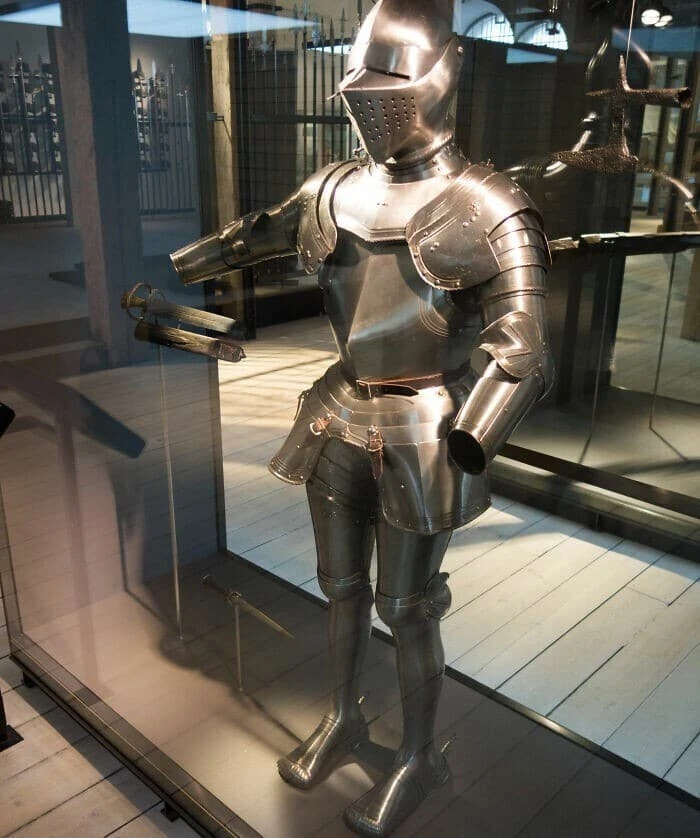
Remarkably, the law remains on the books today, though no modern politician or visitor has been prosecuted under it recently.
In Turin, Italy, You Must Walk Your Dog Three Times a Day
Turin passed this mandate in 2006, shortly after Rome mandated that pet owners walk their dogs at least once a day. 
Intended to combat animal cruelty and neglect, failing to comply with the three-walk rule can land owners fines of up to $600.
Building Large Sandcastles Is Banned on Certain Spanish Beaches
Building sandcastles on the beach is a classic pastime enjoyed by children and adults alike. 
However, some visitors took things to such an extreme—constructing massive sculptures that blocked public access—that local municipalities across Spain introduced bans and heavy fines.
Importing and Selling Chewing Gum Is Illegal in Singapore
Singapore banned chewing gum in 1992. While chewing it isn't illegal today, importing and selling it remains strictly prohibited. A 2004 revision allowed therapeutic, dental, and nicotine gums to be sold, but only through registered doctors or pharmacists. 
The ban was originally enacted after vandals started sticking used gum over door sensors on MRT trains, disrupting services. Vandals were also smearing gum inside mailboxes, keyholes, and elevator buttons, finally driving authorities to crack down completely.
Fortune-Telling for Money Is Illegal in Baltimore, Maryland 
In Baltimore, telling fortunes for money is explicitly banned and punishable by fines or imprisonment:
“Every person who shall demand or accept any remuneration for forecasting or foretelling any future event... by means of cards, palmistry, or any other scheme... shall be deemed guilty of a misdemeanor, and upon conviction thereof shall be subject to a fine of not more than $500 or imprisonment for not more than 1 year.”
Speedo-Style Trunks Are Mandatory for Men in French Public Pools
Loose swim trunks are banned for men in public swimming pools across France; only skin-tight briefs or Speedos are allowed. 
The rule is strictly enforced for hygiene reasons: baggy shorts could be worn as street wear throughout the day, bringing dirt, dust, and contaminants into the pool water.
Dancing After Midnight Was Illegal in Japan Until 2015
From 1948 until 2015, dancing after midnight in public venues was outlawed in Japan. Originally introduced to combat prostitution connected to dance halls, the law was rarely enforced in later decades. 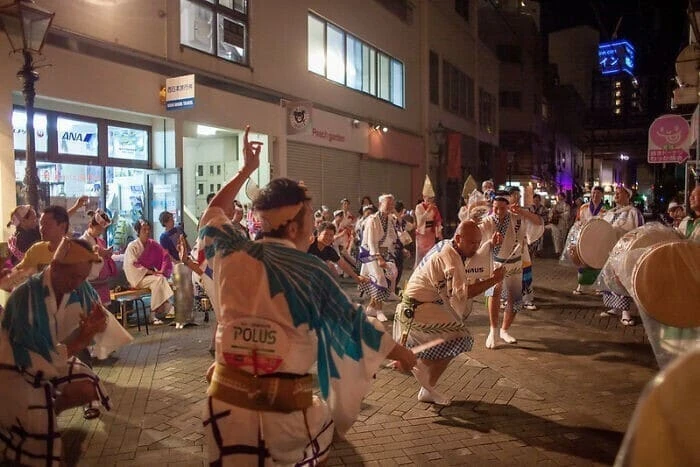
When the ban was finally lifted, it was replaced with new guidelines requiring club dance floors to maintain adequate lighting levels.
In the UK, It's Illegal to Drive Cattle While Drunk 
Under the Licensing Act 1872 of the UK Parliament, which outlines alcohol-related offences: “Every person who is drunk while in charge, in any highway or other public place, of any carriage, horse, cattle, or steam engine... shall be liable to a penalty.”
Eating or Drinking Near Historic Buildings Is Banned in Florence
In 2018, Florence banned eating or drinking on sidewalks, doorways, roads, and steps throughout its historic city center. 
Violators face fines of up to €500. The measure was introduced to stop tourists from littering and blocking crowded historic streets.
Full-Face Coverings Are Banned in Denmark
In 2018, Denmark's parliament passed a law banning full-face garments in public spaces. Critics argued the ban targeted Muslim women wearing niqabs or burqas. 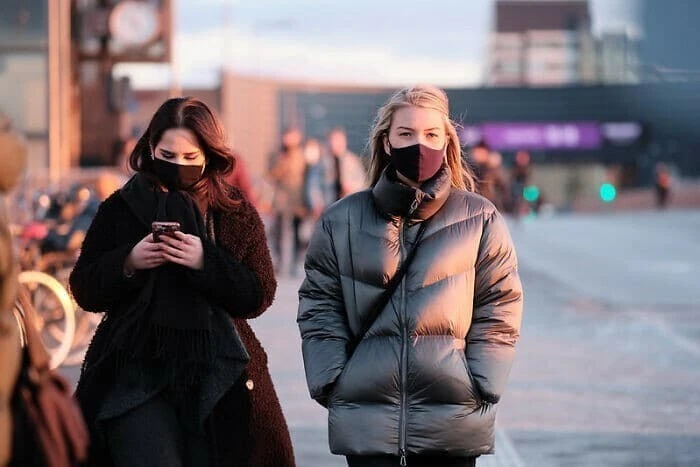
Lawmakers argued the ban promoted public safety and social integration, claiming face veils conflicted with national values like gender equality. Opponents, however, countered that the restriction infringed upon personal freedom and religious expression.
Climbing Trees Is Illegal in Oshawa, Canada
The city of Oshawa, Ontario, has banned tree climbing on municipal property since 2008. 
According to the municipal by-law:
“No person shall interfere with a tree or part of a tree located on municipal property, including but not limited to attaching or affixing any object... or climbing the tree.”
City officials claim the regulation exists to protect public safety and prevent injuries caused by falling from branches.
Adult Children in China Are Legally Required to Visit Their Aging Parents
In 2013, China enacted the Elderly Rights Law, which legally obligates adult children to care for their aging parents and visit them regularly. 
Children who neglect their parents' emotional or financial needs—or fail to visit them—can face fines or even jail time.
In Victoria, Australia, It's Illegal to Fly a Kite That Annoys Someone
In the state of Victoria, Australia, flying a kite in a public place is an offense if it bothers anyone nearby. 
Section 4 of the Summary Offences Act 1966 states that “any person who flies a kite or plays any game in a public place to the annoyance of any person is guilty of an offence.”
Citizens of Monaco Are Forbidden From Gambling at Monte Carlo
Citizens of Monaco are strictly banned from gambling at the famous Monte Carlo Casino. When Princess Caroline established the casino in the mid-19th century, she insisted that foreign visitors should generate all the gambling revenue. 
To compensate locals for denying them access to the casino floors, Monegasque citizens are exempt from income tax.
Unapproved Reincarnation Is Illegal for Buddhist Monks in China
In 2007, China's State Administration for Religious Affairs (SARA) issued a decree stipulating that all reincarnations of Tibetan living Buddhas (tulku) must receive government approval to be recognized as legal. 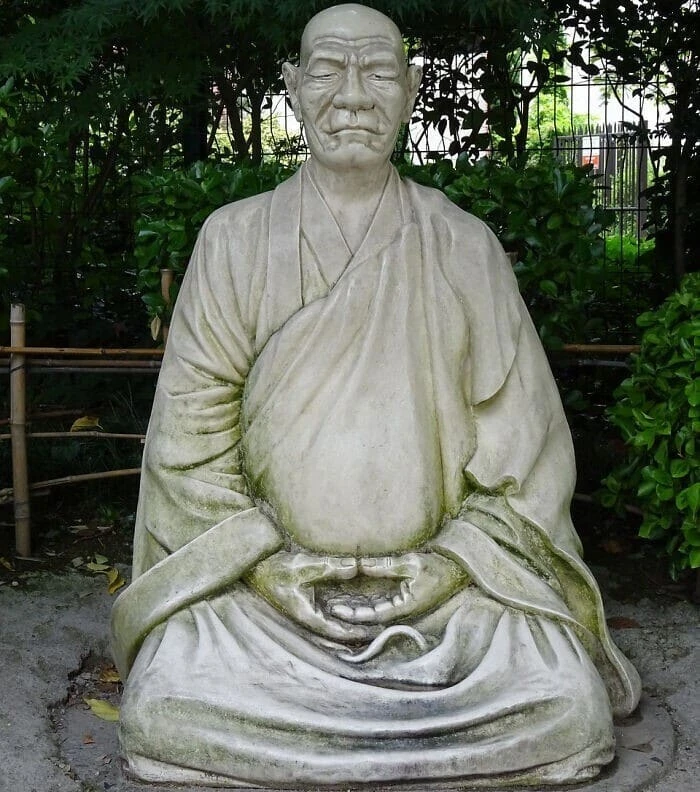
A tulku is considered a reincarnated custodian of a specific lineage of teachings in Tibetan Buddhism.
Feeding Pigeons Is Banned in Venice
Feeding pigeons in Venice's historic St. Mark's Square is strictly forbidden. For decades, tourists flocked to feed the birds, supported by vendors selling seed on site. 
However, the exploding pigeon population severely damaged priceless historic monuments and statues, prompting city authorities to ban bird feed sales and impose hefty fines.
Canadian Radio Stations Must Play a Mandatory Percentage of Canadian Artists
Under Canada's Broadcasting Act, radio and television stations are required to devote a specific percentage of their airtime to Canadian content. 
To qualify as Canadian content (CanCon), material must meet specific criteria regarding Canadian creative involvement. Commercial radio stations must air at least 40% Canadian music overall, while television networks must broadcast 55% Canadian content annually.
Taking Selfies With Buddha Is Banned in Sri Lanka
Mishandling or disrespecting images and statues of Buddha is taken very seriously in Sri Lanka. 
When taking a selfie in front of a Buddha statue, turning your back to the image is considered a grave sign of disrespect. Authorities enforce this strictly: tourists have previously been convicted and fined for posing inappropriately or pretending to kiss Buddha statues.
In Quitman, Georgia, It's Illegal for Chickens to Cross the Road
In Quitman, Georgia, poultry owners are legally required to keep their birds off public streets and roadways. 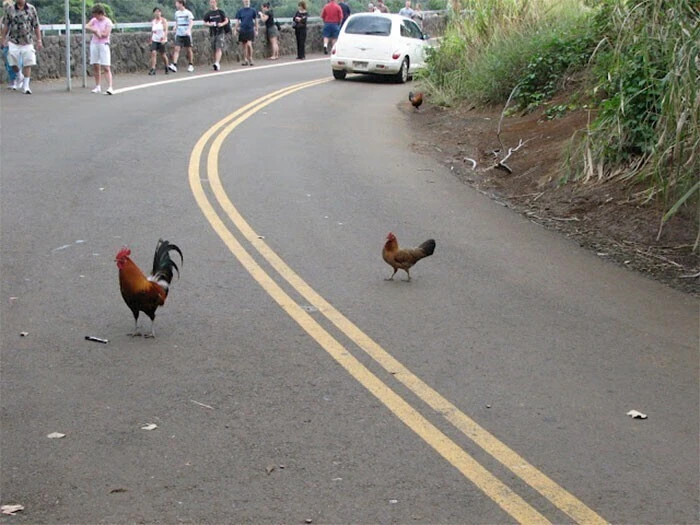
Chapter 8 of the city's Code of Ordinances specifies:
“It shall be unlawful for any person owning or having the care of any chickens, ducks, geese or any other fowl to permit the same to run at large upon the streets or alleys of the city or to be upon the premises of any other person without permission.”
Japanese Companies Face Fines If Employees Are Overweight
In 2008, Japan enacted the Metabo Law, requiring companies and local governments to measure the waistlines of their adult workforce and hit reduction targets. 
If too many employees aged 40 to 74 exceed waist limits—85 cm (33.5 in) for men and 90 cm (35.4 in) for women—employers face financial penalties via increased contributions to the national healthcare system. The measure aims to curb lifestyle-related health risks like high blood pressure and diabetes.