The Dark Side of Comedy: Robin Williams’ Lifelong Battle with Depression and Addiction (15 Photos)
When Robin Williams passed away in August 2014, everyone thought they knew why: depression, a lifelong battle with addiction, exhaustion. Three months later, the autopsy revealed a very different truth. Pathologists discovered diffuse Lewy body dementia in his brain—one of the most severe forms of neurodegenerative disease. Doctors called it one of the worst cases they had ever seen. All the while, Williams had been going from doctor to doctor, undergoing endless tests, repeatedly saying: "I just want to restart my brain." 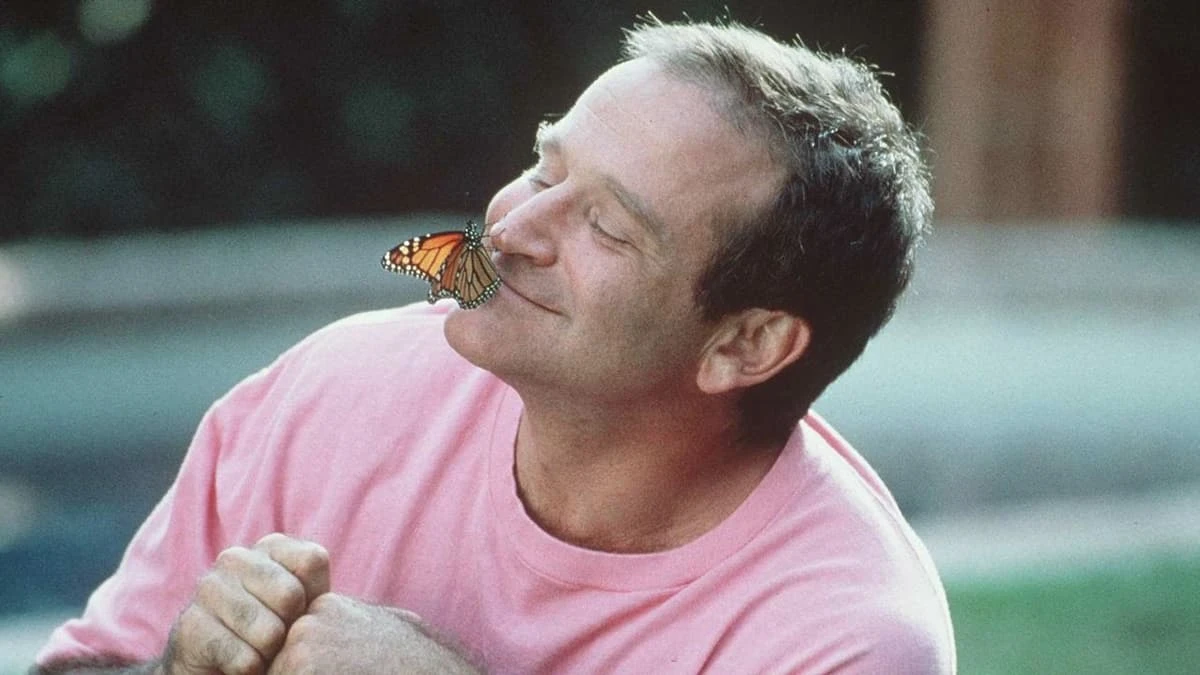
A Big House with Nobody Home
His father, Robert Fitzgerald Williams, a senior executive at Ford’s Lincoln-Mercury division, spent most of his time on business trips. His mother, Laurie McLaurin, a former model, was also busy. Young Robin grew up in a 40-room mansion set on 20 acres in the Detroit suburb of Bloomfield Hills—with the family maid serving as his main companion. 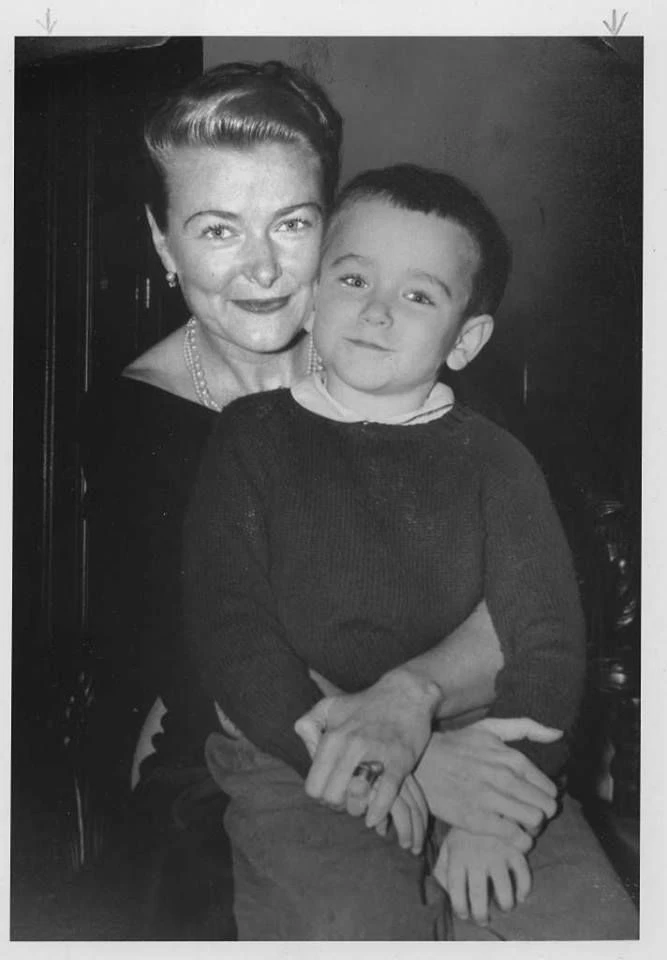
Robin with his mother, Laurie McLaurin. His earliest jokes were made for her—a bid to win her attention.
He described himself as a quiet, shy child who found an escape in humor. At first, it was to make his mother laugh; later, to fit in at school. At Detroit Country Day School, he was class president, ran track, wrestled, and earned good grades—yet was still teased for being overweight. In 1969, his classmates voted him both "Funniest" and "Least Likely to Succeed" in the yearbook. 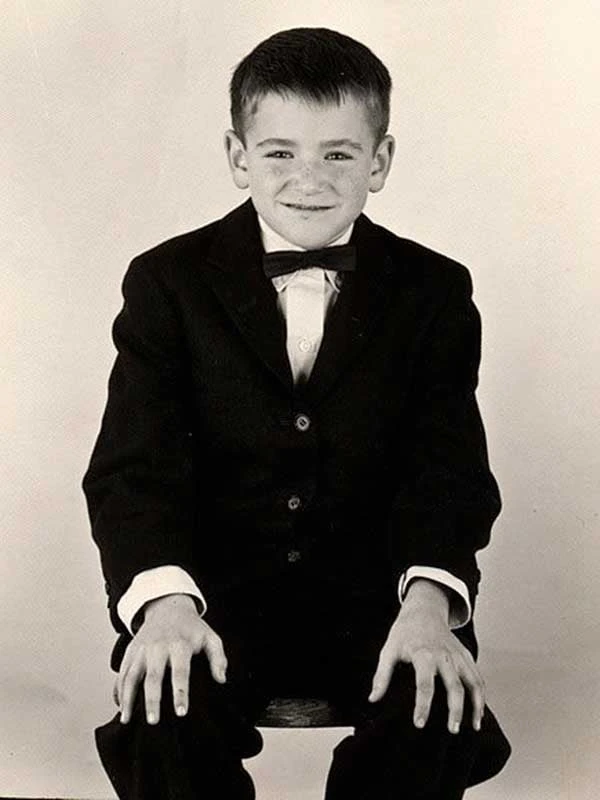
1965, eighth grade. A quiet, chubby schoolboy—13 years away from the role that would turn him into a star.
In 1973, he was accepted into Juilliard in New York—one of only two students admitted to the Advanced Program that year. The other was Christopher Reeve, the future Superman. They became roommates and lifelong friends.
"He literally fed me," Williams later recalled, "because I didn't have any money for food."
At Juilliard, Reeve was a well-off student from Cornell, while Williams was a West Coast kid from a community college. Their differences only brought them closer. 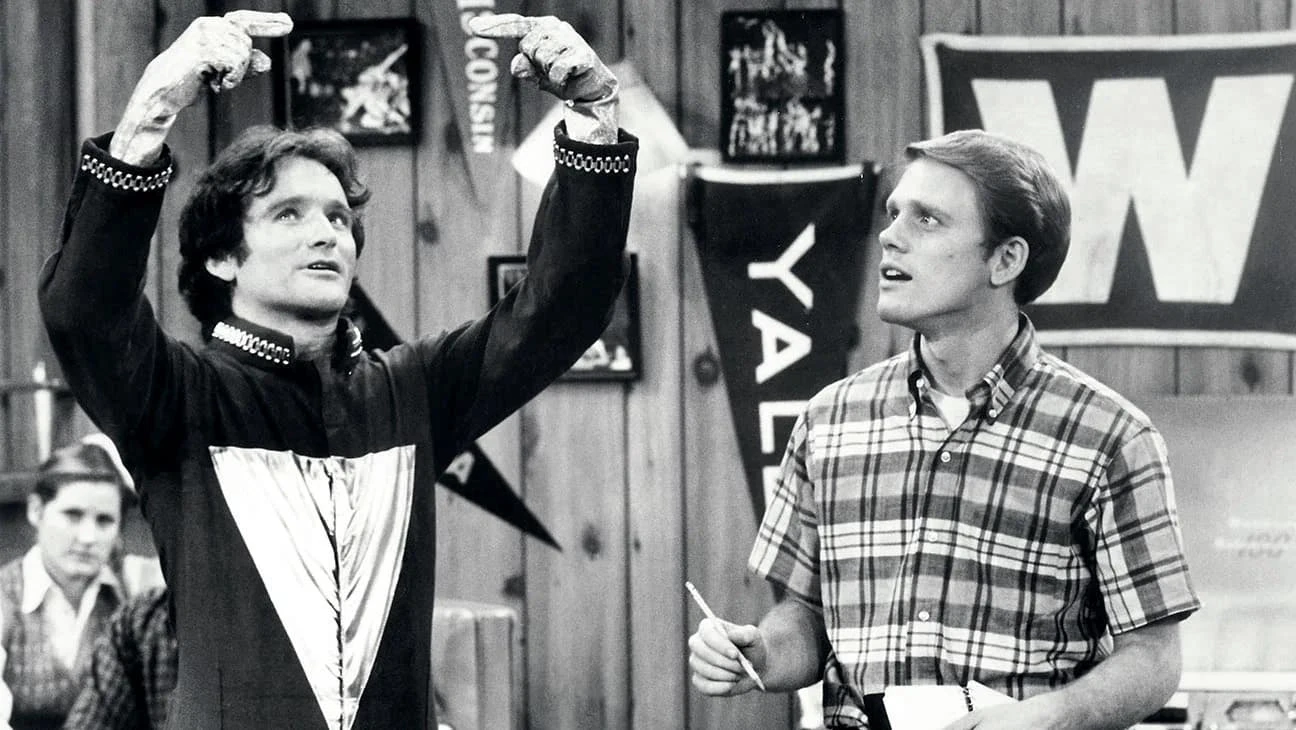
*Happy Days* (1974–1984): a guest appearance as Mork the alien in 1978 paved the way for Williams' television career.
Williams left Juilliard early, unable to conform to its rigid training. Instead, he found stand-up. In the comedy clubs of San Francisco and Los Angeles, his rapid-fire improvisation left audiences gasping for air. At his audition for *Happy Days* in 1978, he blew the producers away by sitting on his head when asked to take a seat. Executive producer Garry Marshall signed him within four days.
Mork, Cocaine, and Late-1970s Hollywood
*Mork & Mindy* premiered in 1978 and became an instant smash hit. Williams improvised most of his dialogue on the fly—writers eventually just typed "Mork improvises" into the scripts. Ratings soared, and stardom hit before he even had time to figure out how to handle it. 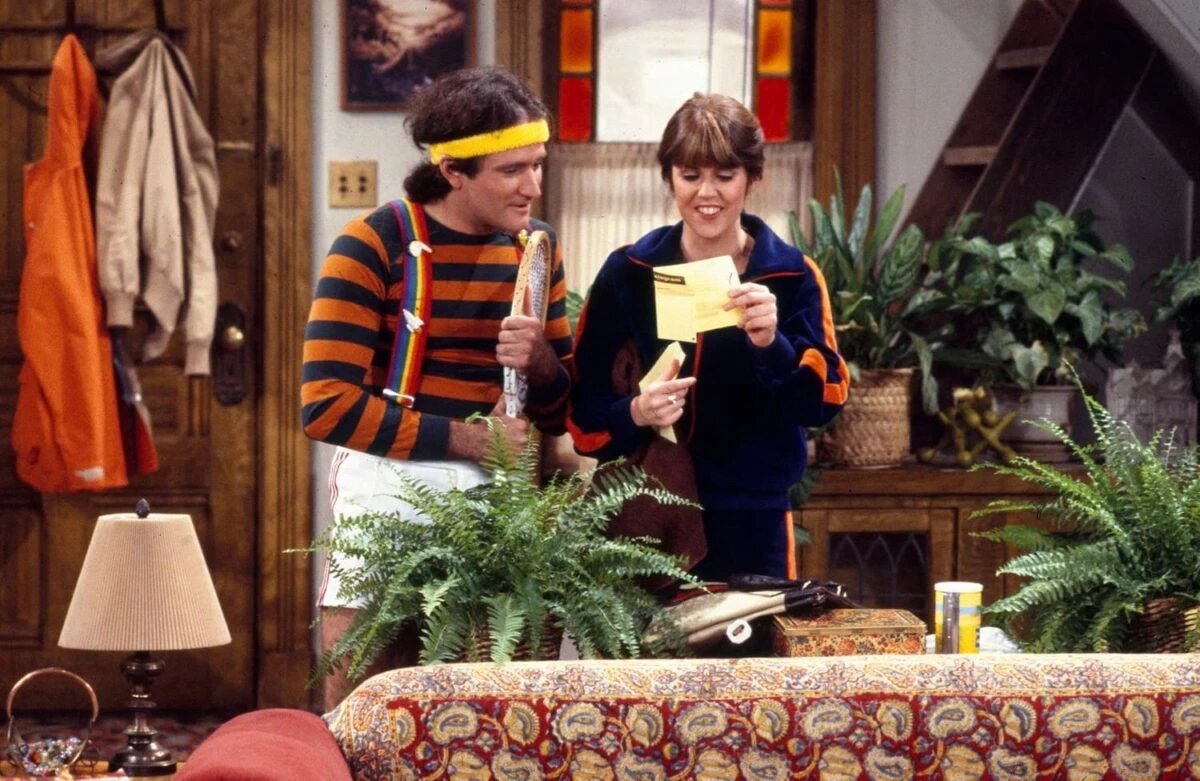
*Mork & Mindy* (1978–1982): playing an alien from the planet Ork catapulted Williams to stardom in a single season.
Late-1970s Hollywood ran on cocaine—it wasn't a secret, just a reality of the era. Williams fit right in. He later explained:
"Cocaine for me was a place to hide. Most people get hyper on coke. It slowed me down."
He was frequently seen on the set of *Mork & Mindy* after staying up all night. Director Howard Storm recalled that Williams would often show up to work without having slept a wink. 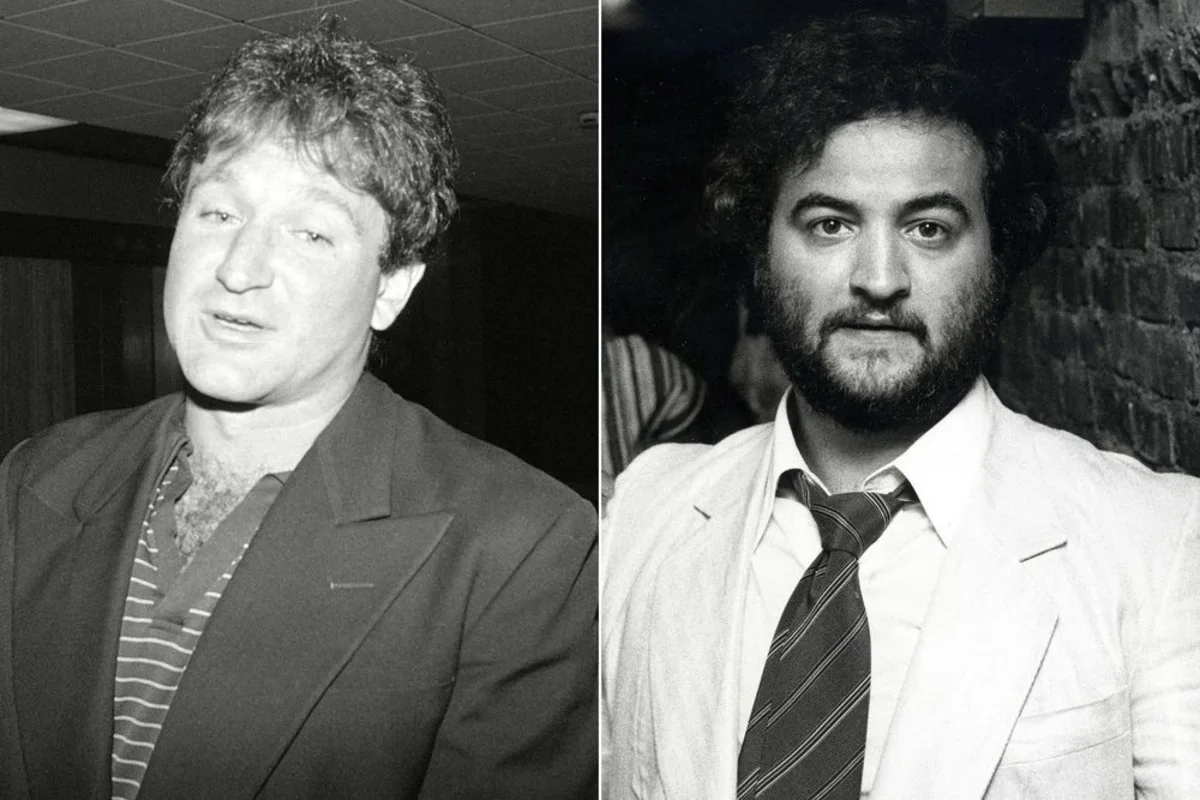
Williams and Belushi. In March 1982, Robin was one of the last people to see John alive.
On the night of March 4, 1982, Williams visited John Belushi at his bungalow in Hollywood's Chateau Marmont. He left in the early morning hours—later saying he was so intoxicated he could barely stand. The next day, his *Mork & Mindy* co-star Pam Dawber told him Belushi had died of a cocaine and heroin overdose. Belushi was 33. 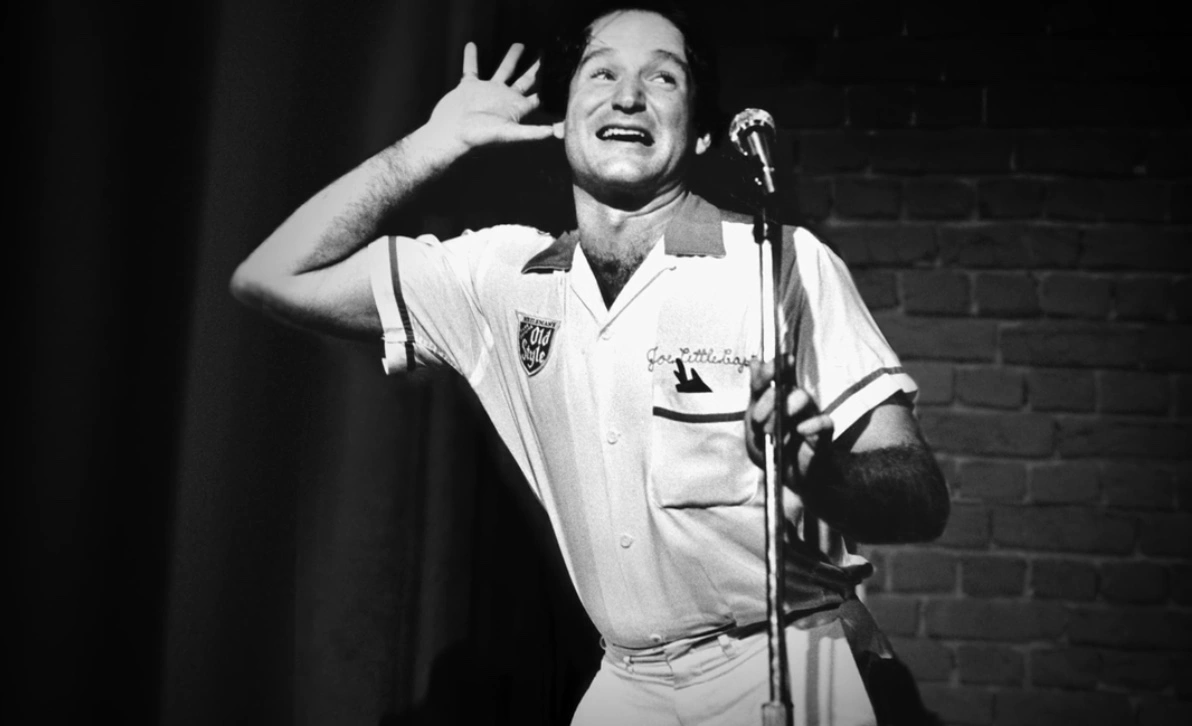
Stand-up in the early 1980s: improvising without a safety net, without a script—and without a pause.
"The Belushi story frightened a lot of people in show business," Williams said in 1988. "It caused a big exodus from drugs. And I had a child on the way. I knew I couldn't be a father and live like that."
His son, Zachary, was born in April 1983. Williams quit cocaine and alcohol cold turkey, without rehab.
Twenty Years of Sobriety—and a Relapse in Alaska
The next two decades looked like an unbroken triumph. *Good Morning, Vietnam* (1987) brought his first Oscar nomination, followed by *Dead Poets Society* (1989) and *The Fisher King* (1991). Then came *Aladdin* (1992), where he voiced the Genie in relentless bursts of genius, improvising entire scenes. Then *Mrs. Doubtfire* (1993). And finally, *Good Will Hunting* (1997), which earned him the Academy Award for Best Supporting Actor. 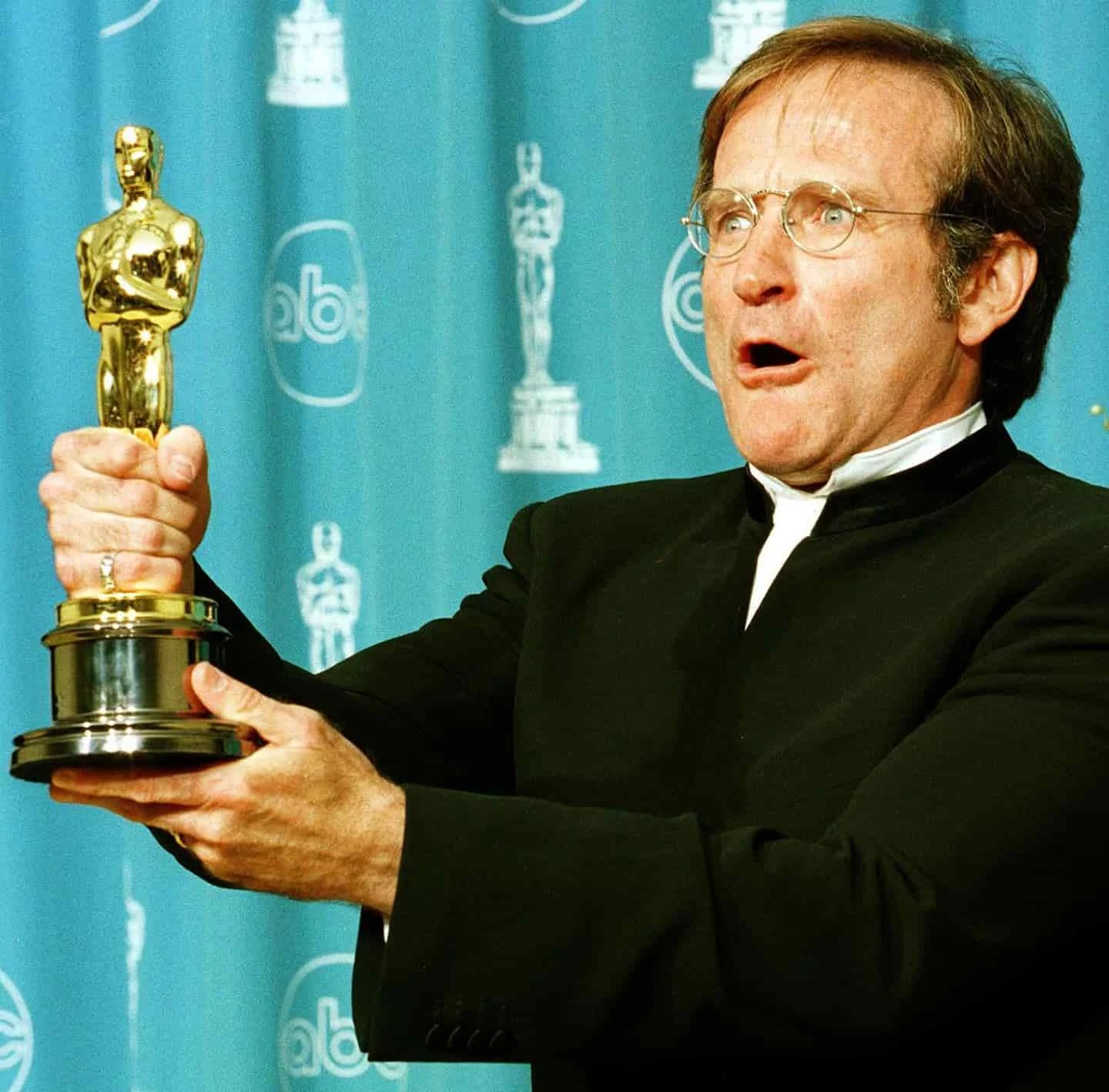
The 1998 Academy Awards ceremony. The only Oscar win of his career.
In 1978, he married Valerie Velardi; they divorced in 1988. In 1989, he married Marsha Garces, his son Zachary’s former nanny. They had two children, Zelda (1989) and Cody (1991). On the surface, everything looked perfect: a production company, charity work, a warm family image. On the inside, it was a different story. 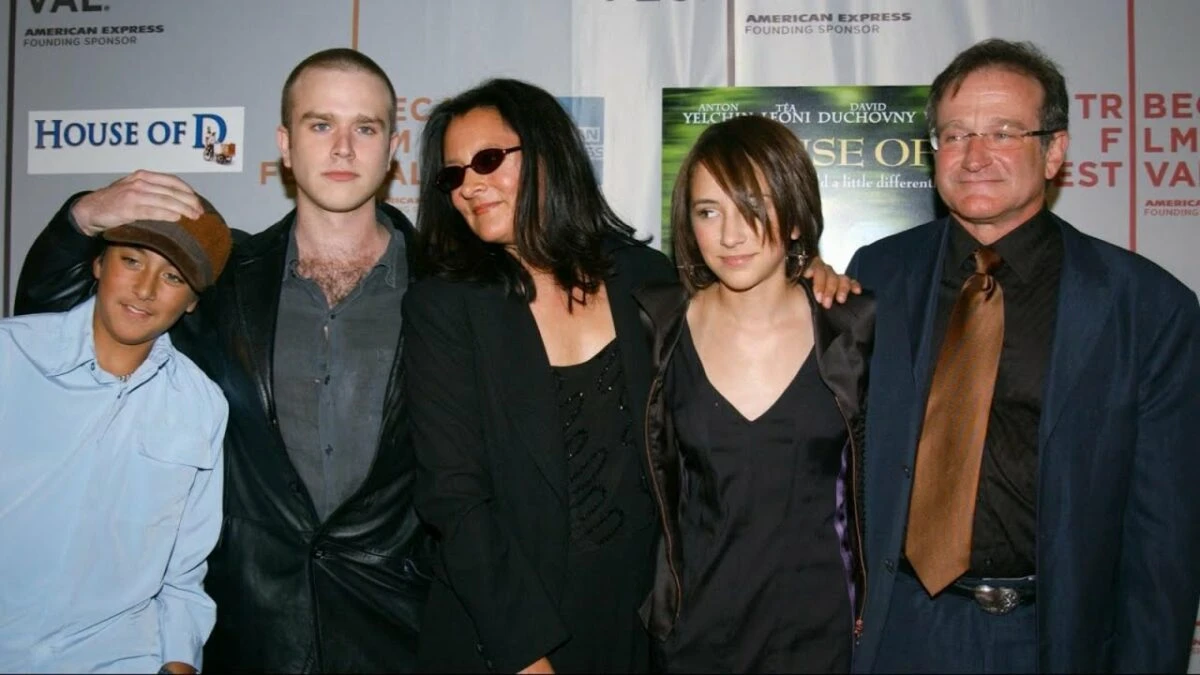
With his children: Zachary, Zelda, and Cody. Fatherhood was Williams' primary motivation to get sober in 1983.
In 2003, Williams was filming on location in Alaska. A small town, isolation, long days on set. "I was in a small town that’s not the edge of the world, but you can see it from there," he later told *The Guardian*. "And then I thought, 'Drink.' I just thought, 'Hey, maybe drinking will help.' Because I felt alone and afraid." It started with a miniature bottle of Jack Daniel’s from an airplane. Within a week, he had full-sized bottles hidden in his room. 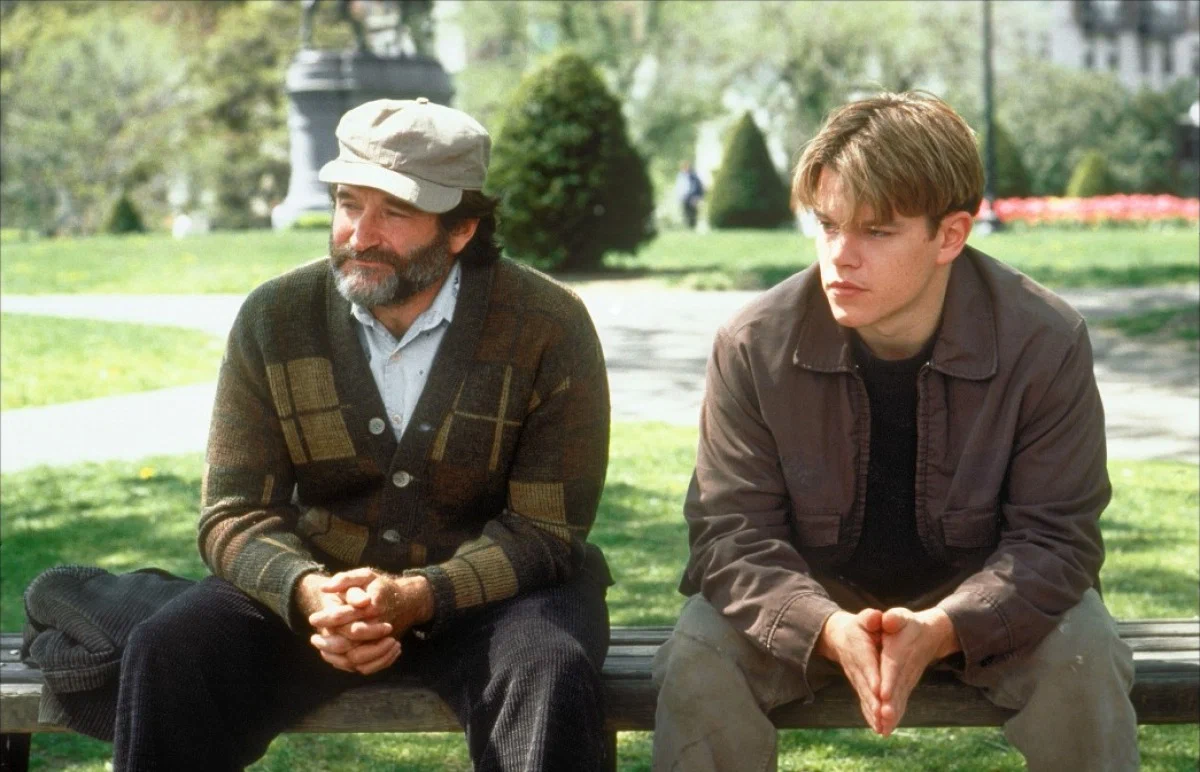
*Good Will Hunting* (1997): playing therapist Sean Maguire earned him an Oscar and established his reputation as an actor of deep empathy.
For three years, he convinced himself he could handle it. In 2006, his family staged an intervention. His son Zachary later recalled:
"If he had continued drinking, he wouldn't be around."
In August 2006, Williams checked into Hazelden Springbrook, a rehab facility in Oregon. Two months later, he sat down with Diane Sawyer on *Good Morning America*:
"It's hard to admit it. But then it's easy. Humiliation gives you humility."
When Something Went Wrong
In October 2013, his wife Susan Schneider noticed disturbing changes. She would later detail them in an essay for the medical journal *Neurology*: sudden surges of intense fear, unmanageable anxiety, insomnia, memory lapses, and paranoia. Williams went from doctor to doctor. Tests kept coming back normal. No one could explain what was happening. 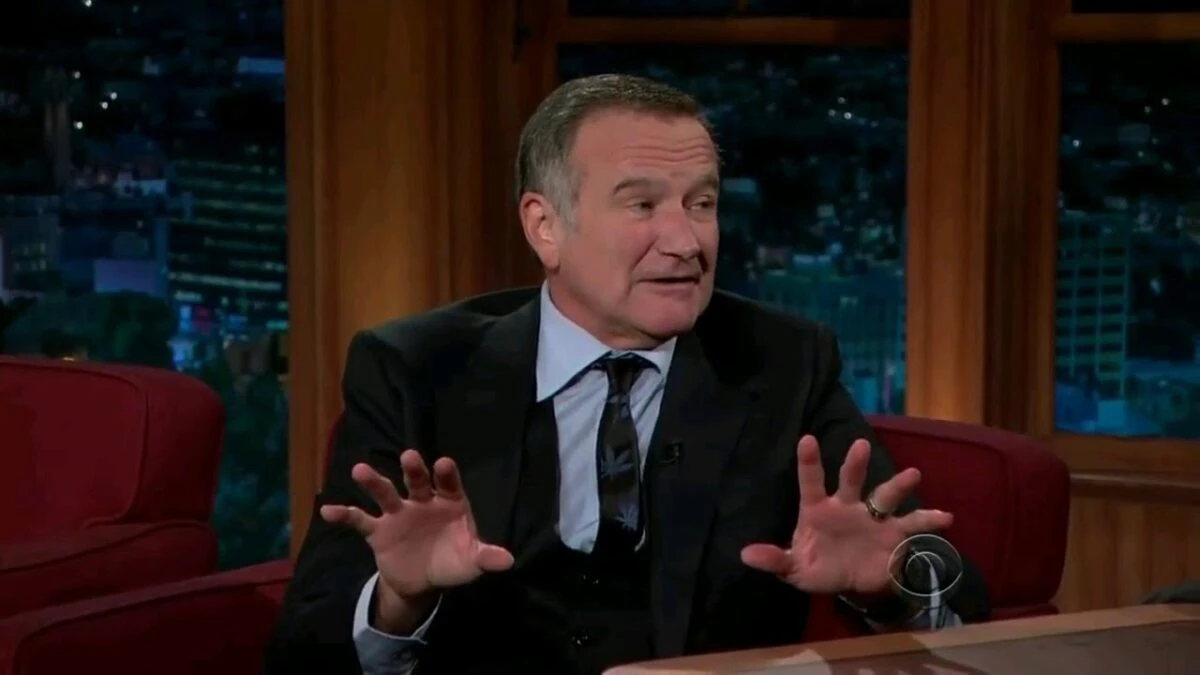
Williams in the 2010s: the trademark smile, energy, and improv—hiding a growing terror that no one could explain.
In the spring of 2014, he was filming the third installment of *Night at the Museum* in Vancouver. Just three years earlier, he had completed a five-month Broadway run in *Bengal Tiger at the Baghdad Zoo*, performing two shows a day and delivering hundreds of lines without missing a beat. Now, he couldn't remember a single line. "He was losing his mind and he knew it," Schneider wrote. "He kept saying, 'I just want to reboot my brain.'" 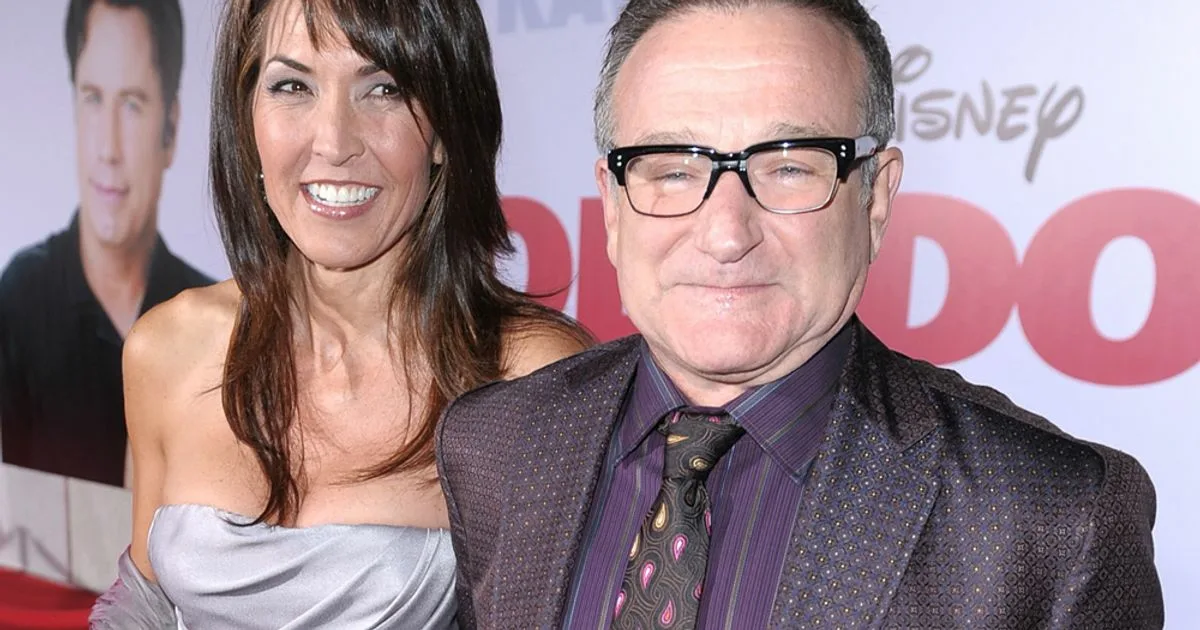
Williams and Susan Schneider at the *Old Dogs* premiere in November 2009. They married in 2011, and she stayed by his side until the end.
In May 2014, he was diagnosed with Parkinson's disease, a diagnosis he was not yet ready to share publicly. In July, he checked into Hazelden in Minnesota—not because he had relapsed, but to reinforce his sobriety during an overwhelming time. On August 11, 2014, he was found dead at his home in Tiburon, California. He was 63.
Three months later, the autopsy revealed the real culprit. Pathologists discovered diffuse Lewy body dementia—one of the most severe forms of neurodegenerative illness. Doctors stated it was one of the worst cases they had ever seen, with nearly 40 percent of his dopamine neurons destroyed and Lewy bodies pervading virtually his entire brain.
What Was Really Happening
Susan Schneider called the disease "the terrorist inside my husband’s brain." In her 2016 article for *Neurology*, she wrote: "He had experienced nearly all of the 40-plus symptoms of LBD." The depression he had been treated for over the years was merely one symptom—and far from the central one. 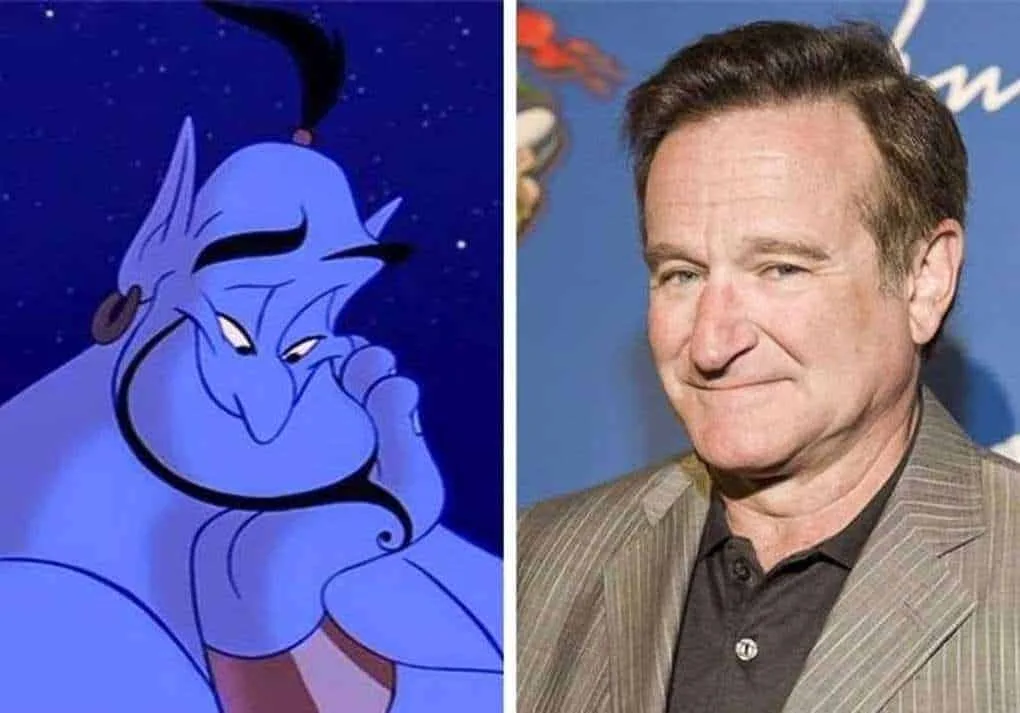
*Aladdin* (1992): Williams voiced the Genie in marathon recording sessions with almost no breaks. Disney ended up with around forty hours of unused improvised material.
The fear, paranoia, memory lapses, and motor stiffness—as it turned out—were not rooted in psychological trauma or past struggles.
It was a neurodegenerative disease that medicine at the time failed to diagnose in time.
"Not one doctor knew that a ghost disease was underlying all of this," Schneider said. 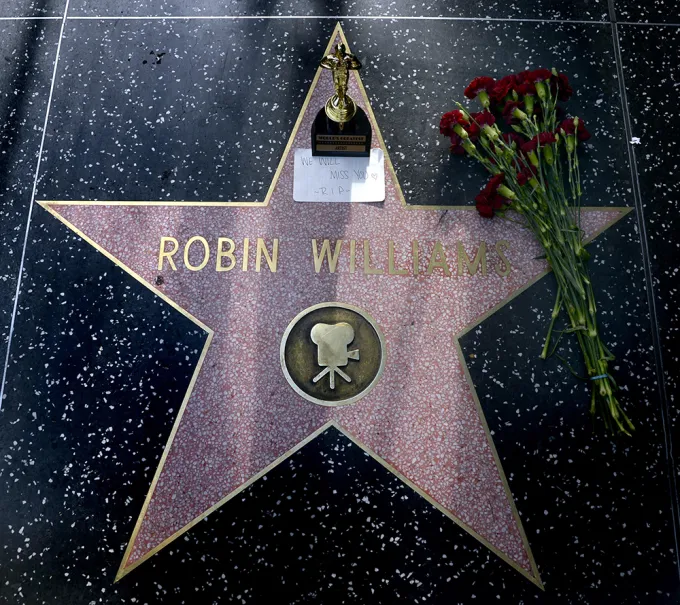
August 2014, Robin Williams' star on the Hollywood Walk of Fame: thousands left flowers and heartfelt notes.
Following his father's death, his son Zachary fell into depression and turned to alcohol. He later underwent therapy, joined a support group, and founded PYM, a mental health advocacy brand.
"I came to realize that I wasn't broken," he said in 2021. "I was on a path to healing."
His daughter, Zelda, publicly requested that people stop sending her AI-generated videos of her father:
"It's not what he would have wanted."
In his final Reddit AMA interview in September 2013—a year before his death—someone asked him what he wanted people to know about him. He replied:
"Just that I tried." 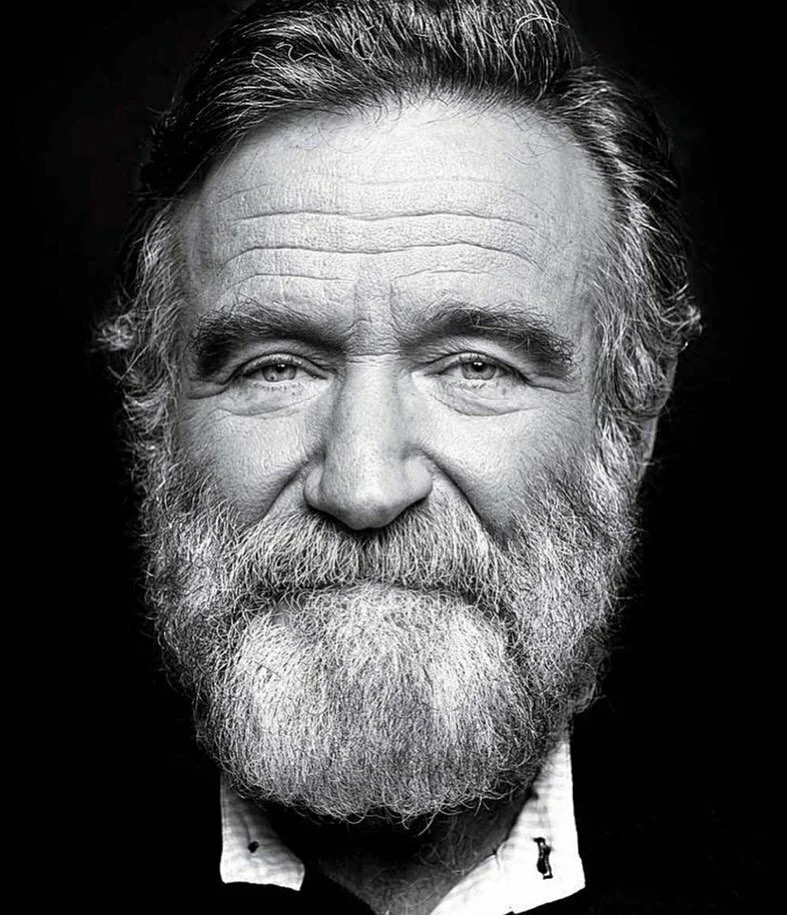
One of his final portraits: Williams appears relaxed in public, though by October 2013, the illness had already taken hold.
Lewy body dementia is the second most common type of progressive dementia after Alzheimer's disease, affecting an estimated 1.4 million people in the United States. Most patients are misdiagnosed with Parkinson's, depression, or anxiety disorder. Williams' case raised unprecedented awareness of the disease within the medical community, and his widow, Susan, became one of its leading advocates.