Keep your honor young, and read about horseflies early in the summer, before they multiply! Today we'll discuss what kind of creatures they are, where they live, how they while away their days, and, of course, why they're such sadists who love to hurt people. 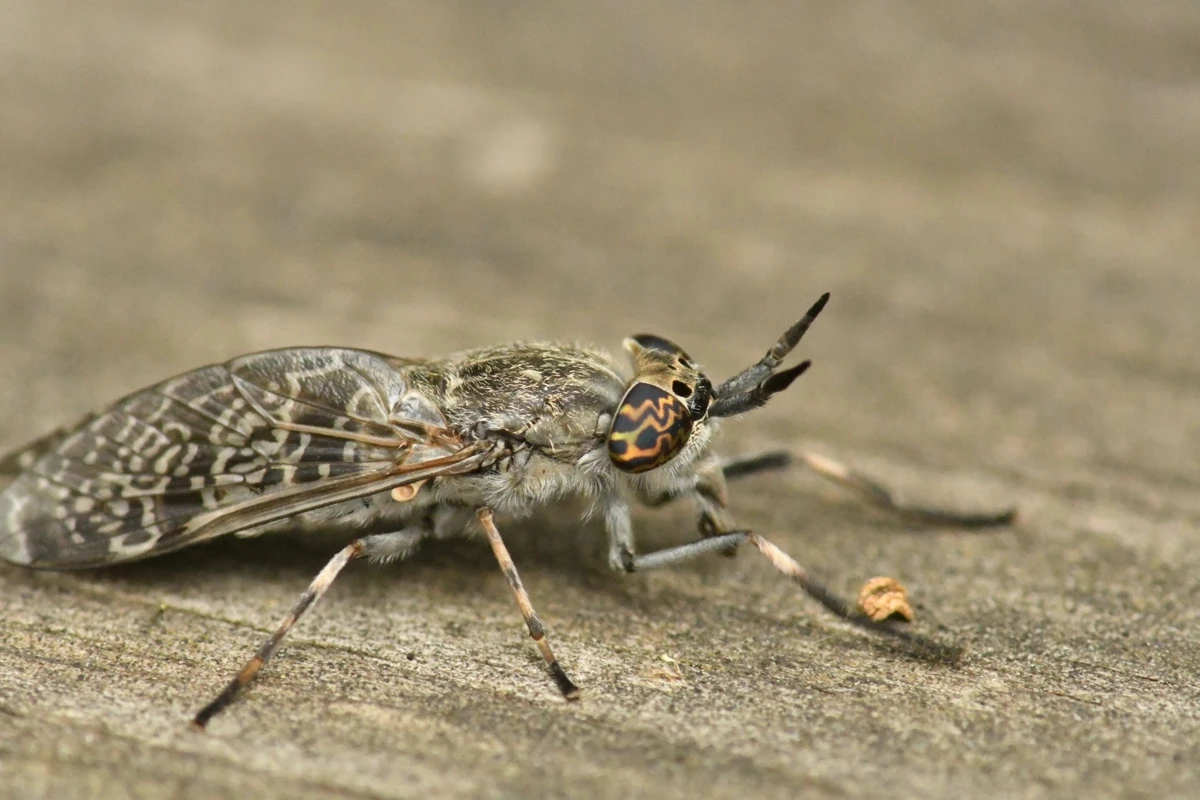
A cool horsefly in biker goggles.
Without delving into the taxonomy, it's safe to say that horseflies are flies, members of the order Diptera, along with other blood-sucking midges: thousands of species of mosquitoes, midges, and the most unpleasant autumnal stingers. Horseflies themselves aren't a single species, but rather nearly 4,500 species of these persistent fliers that live practically everywhere, from the extreme tundra to sun-baked deserts. We're lucky, though, as the majority of these biters are concentrated in the tropics. Only over 300 species of horseflies live in the temperate, taiga, and tundra zones—a mere handful compared to mosquitoes, for example. 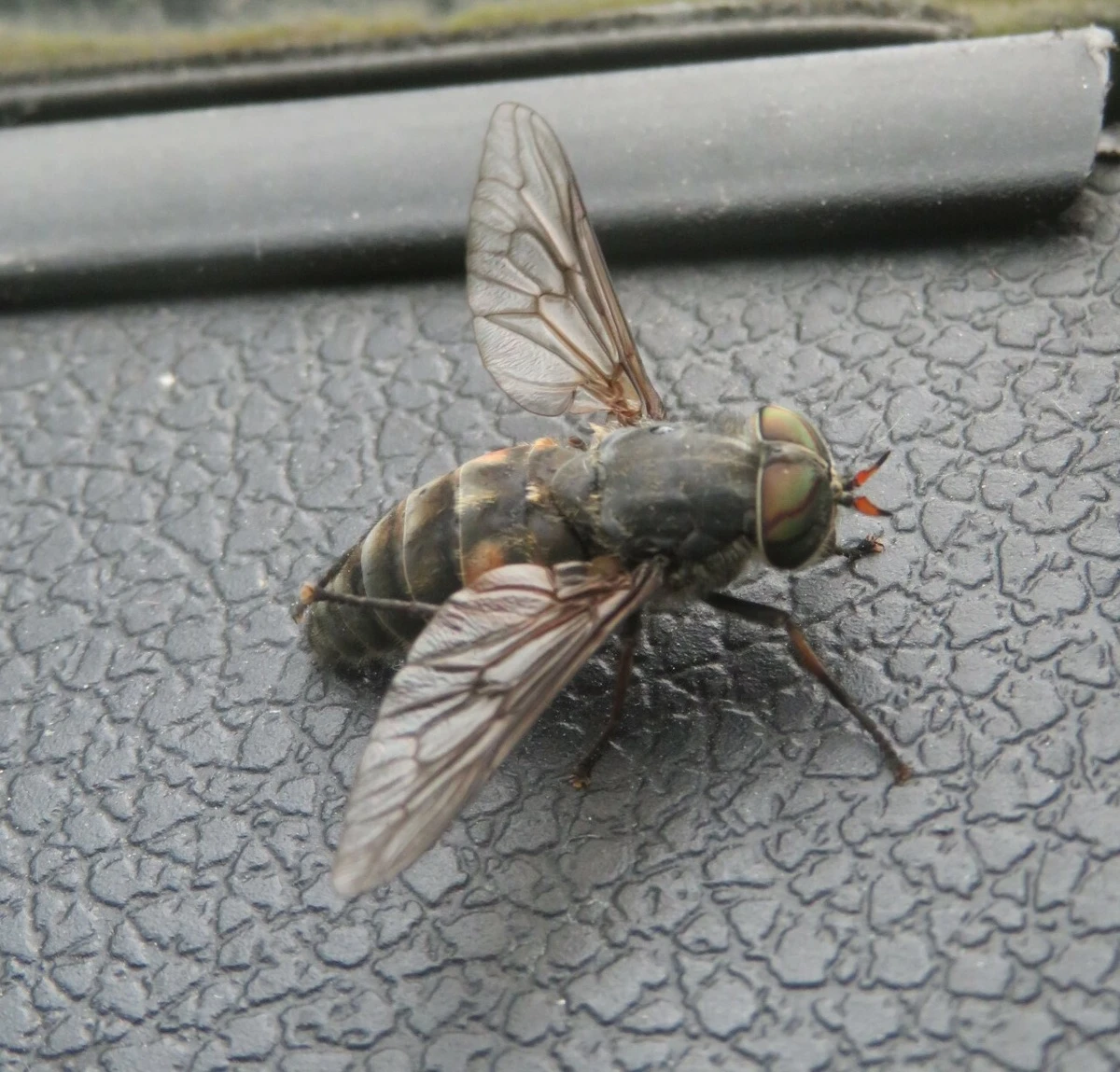
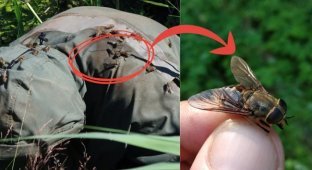
The midday horsefly. Most often found in the temperate zone, especially if there are pastures nearby. 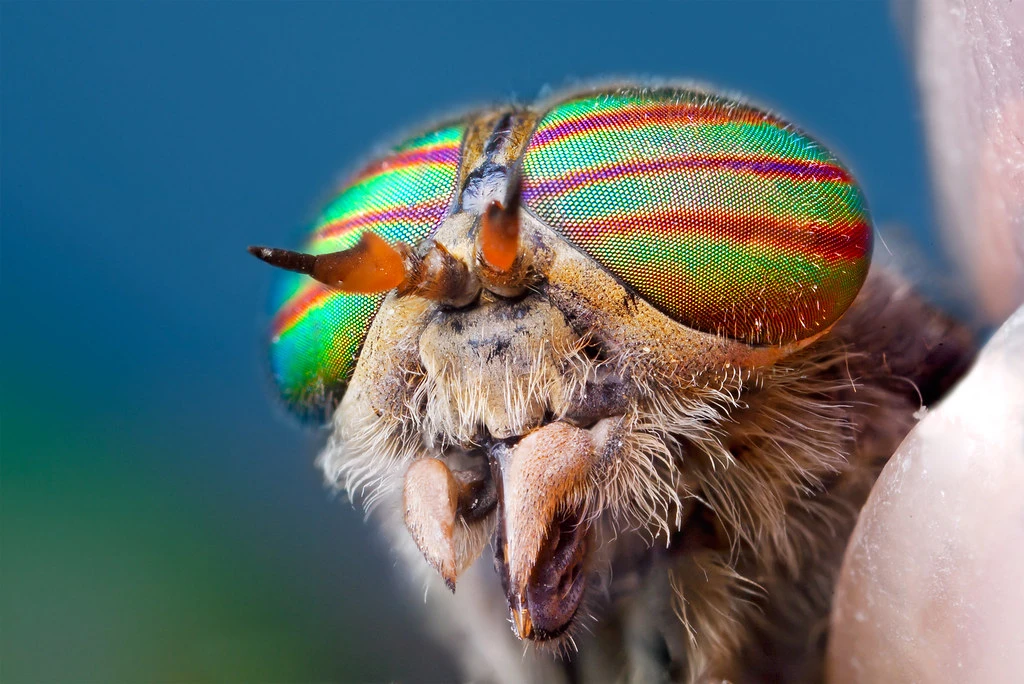
Looks like it drank the blood of a hippie.
However, what horseflies lack in numbers and species diversity, they easily compensate for with strength and size. The average horsefly reaches a centimeter in length, but record-breaking species can be three times that size. Despite their size, horseflies surpass their competitors in both speed and maneuverability, making them quite fearless parasites. 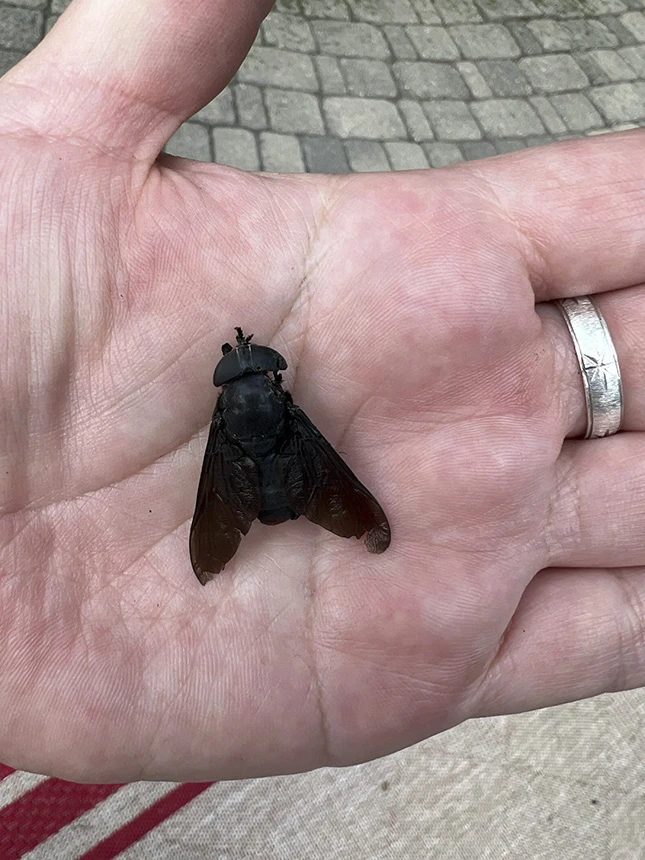
And this looks like a Batman horsefly.
Even the average horsefly can rival the speed of black-footed bats and dragonflies, the main predators of midges. And the record-breaking North American horseflies of the genus Hybomitra can reach speeds of up to 145 km/h! These are the fastest insects on the planet; there's simply no one to intercept them! 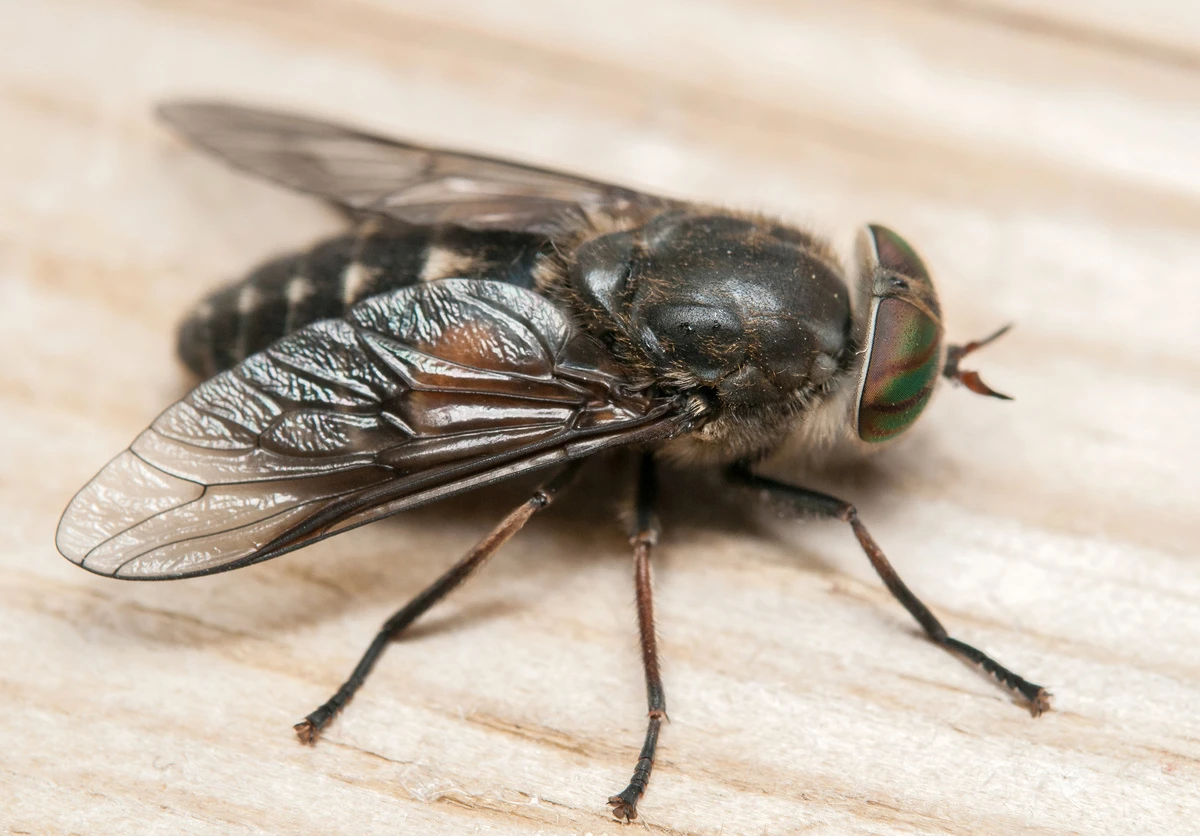
It makes you want to clap.
Even at such speeds, horseflies manage to perform aerobatics and instantly regain their balance when colliding with objects. This is all thanks to their halteres—special organs in dipterans that act as stabilizers. It's immediately clear that horseflies are the elite of the blood-sucking insect world! 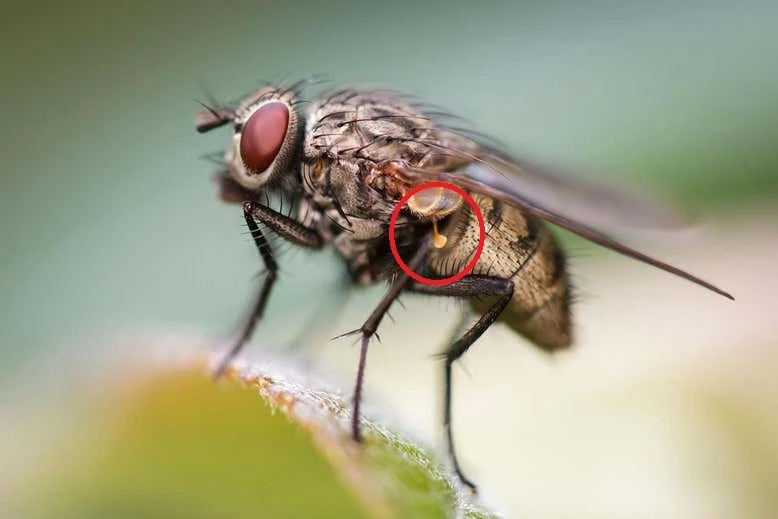
That little thing in the mug is a buzzer.
And this elite is used to acting with the utmost brutality. While mosquitoes make a nearly painless puncture, and midges a neat incision, horseflies literally gnaw a piece of flesh from their victim and greedily lap up the blood from the bloody lake right on the surface of the victim's body. It's brutal, very painful, extremely unhygienic, and... very good for you and me. 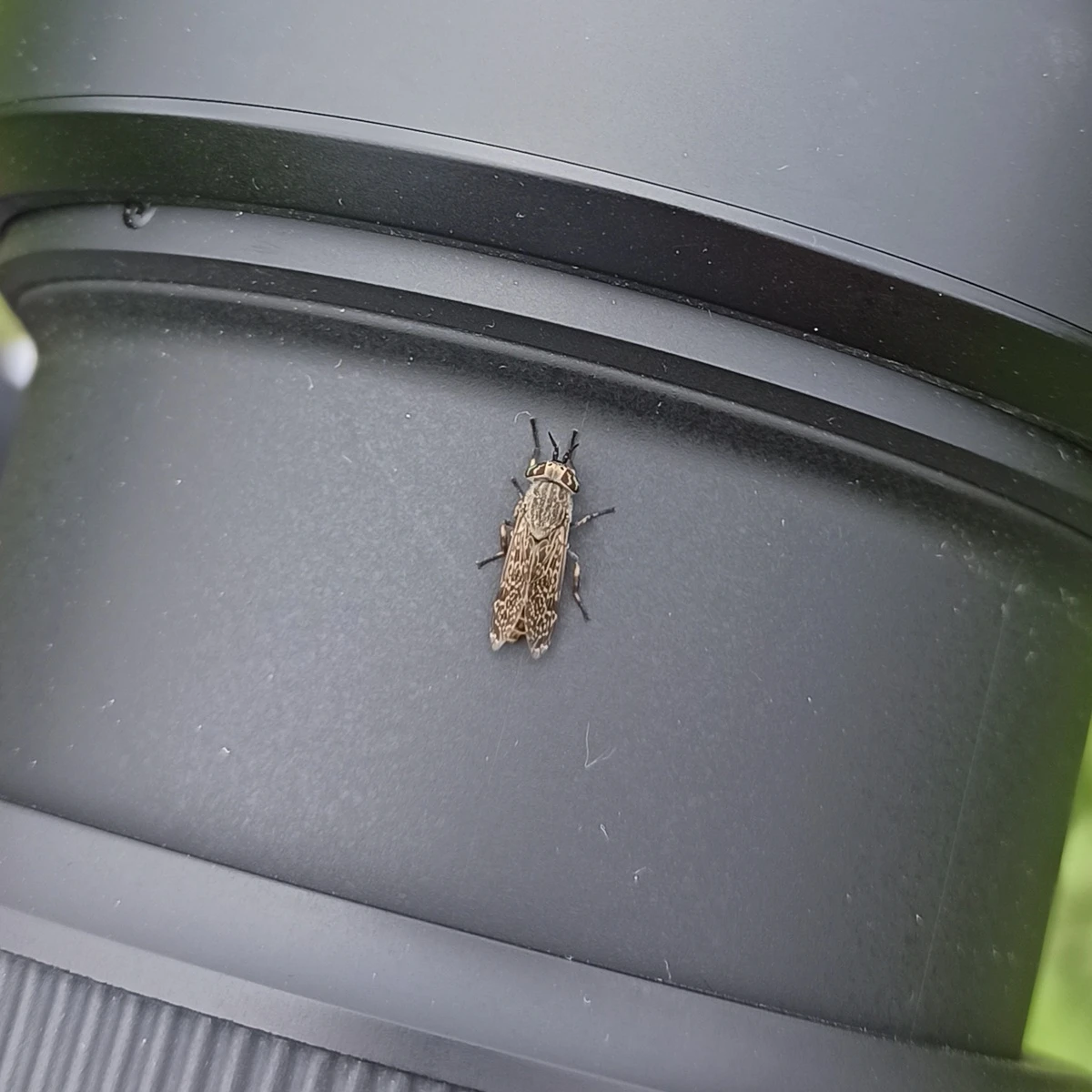
When I was little, my relatives always called these insects "gadflies." I don't know how common this misconception is, but the photo doesn't show a gaddfly, it's also a horsefly. Just a different species. It's called a common puffball. It likes high humidity. Gadflies don't bite, by the way. And the guy in the photo sure does.
Since horseflies don't care about their victims' feelings and don't even try to disguise the surgery with painkillers, you feel the pain the moment the horsefly begins to cut your skin. Therefore, it's easy to brush it off or even give it away, preserving your precious blood. But only primates and some rodents can do this, while other animals suffer. 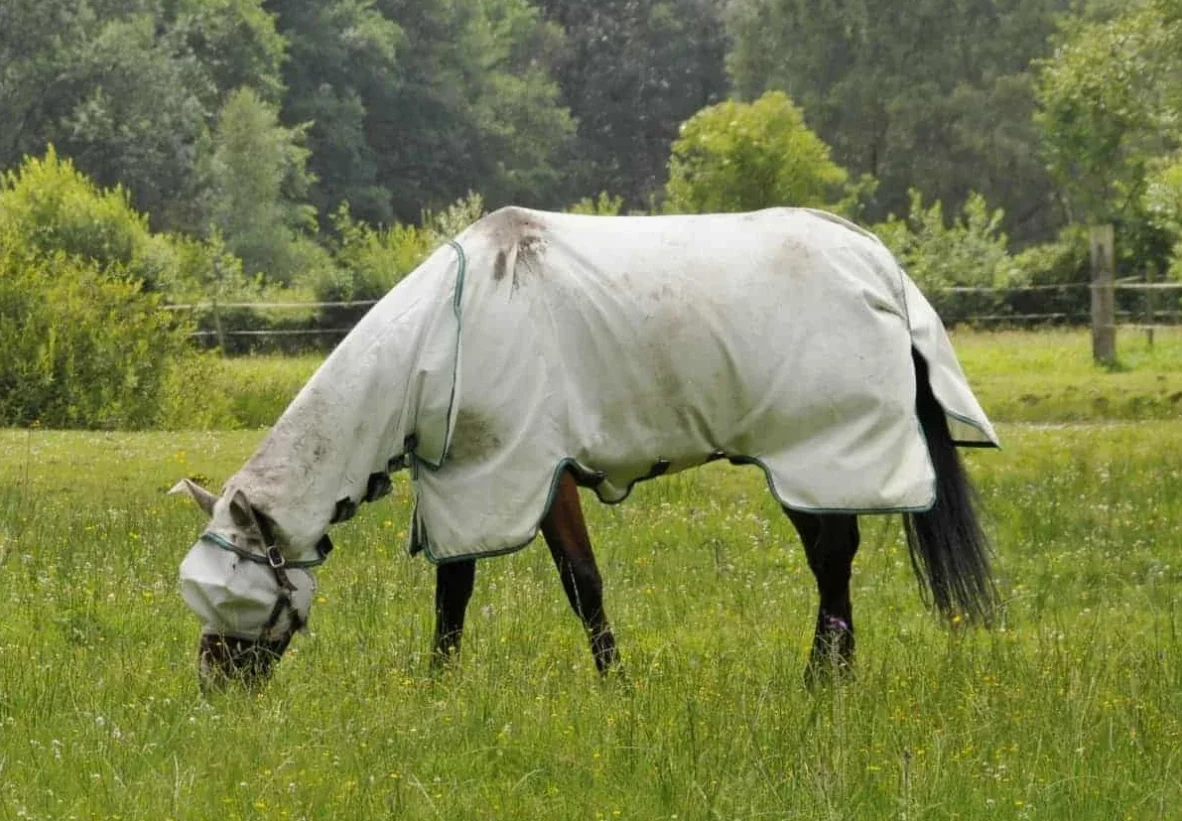
On some farms, to prevent horses from suffering, they put special coats on them. Now we know what a horse in a coat is...
That's why swarms of horseflies around the world drive ungulates crazy with their constant, endless attacks, leaving the poor horses, cows, and deer with numerous inflamed wounds. Some animals, in an act of desperation, begin to rub themselves against everything in sight and roll on the ground, further tearing their injured skin. Only one fact makes the situation a little easier: unlike smaller midges, horseflies are diurnal animals, so they allow them to rest a bit in the dark and heal their wounds. 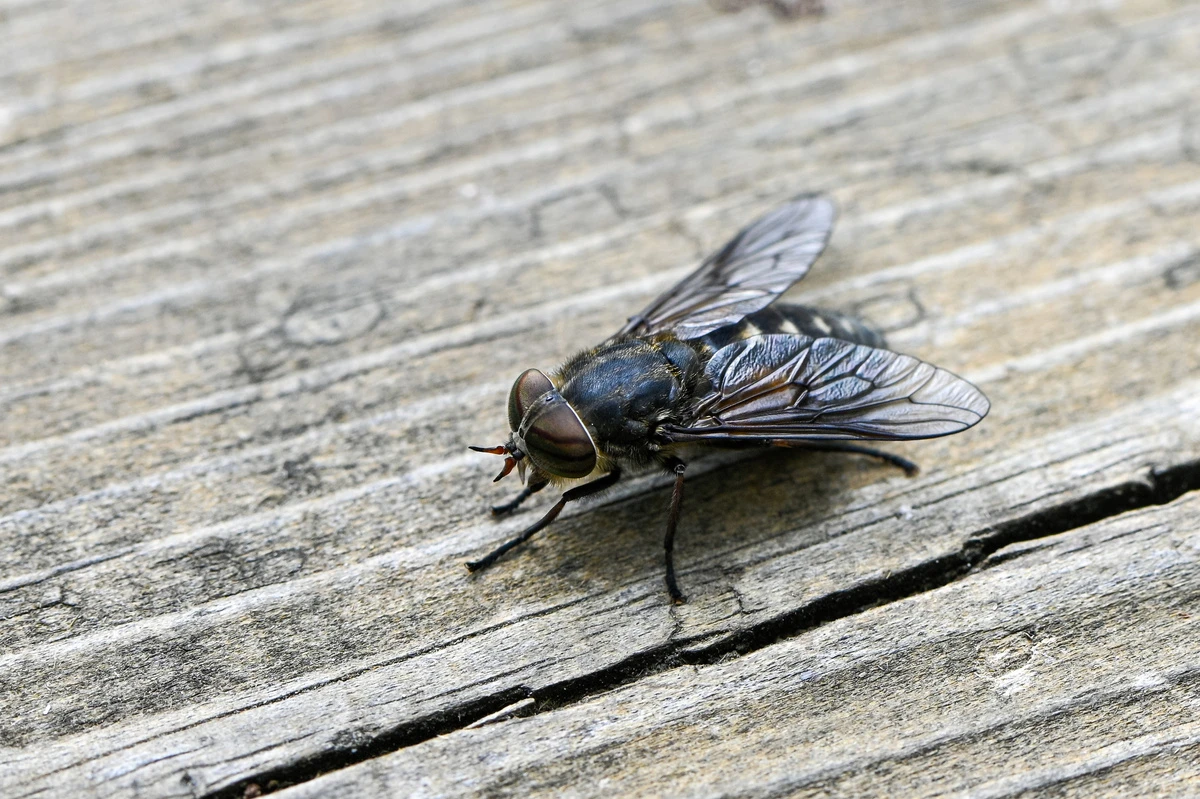
Two hooks on their noses are their torture device. With their sharp noses, the horsefly pierces the skin and sucks blood.
However, in the morning, a new shift of bloodsuckers awaits the tired and nervous animals. Although a female horsefly only needs one good meal to lay dozens (or even hundreds) of eggs, another will always take her place. After all, the number of horseflies in the world is incalculable, and sources of blood are few.
Add your comment
You might be interested in:












How to start a 102-liter engine

Protective film Removing it with a power screwdriver

When a child plays hide-and-seek at a professional level

Man sets up bedroom camera and discovers the reason for his

Super dads who swoop in to save the day

Precision carpentry

Looks like it's time to buy WinRAR

How to hang wallpaper neatly

How metal buckets are made in Pakistan
