Peculiarities of Japanese education: how they teach future workaholics (11 photos)
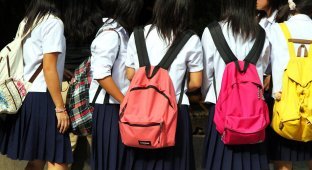
We've long since become accustomed to the idea of Japan as a different planet with its own unique traditions and rules. But what can we say about Japanese schools? What do we know about them, other than that most anime are about Japanese schools, and that girls' school uniforms have become a model of Japanese fashion? Here are three dozen interesting facts about education in the Land of the Rising Sun. 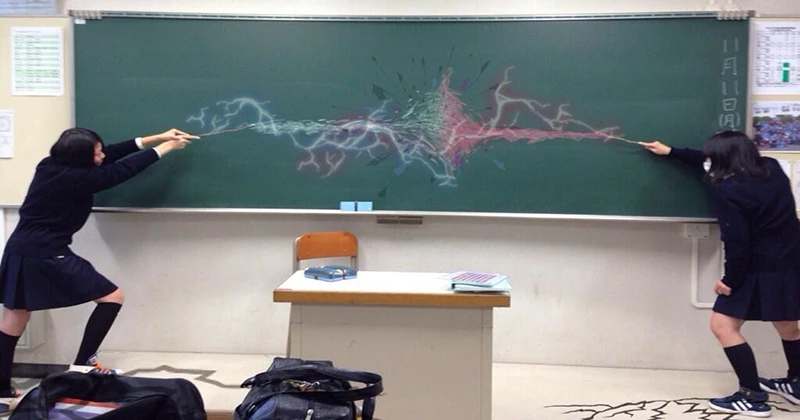
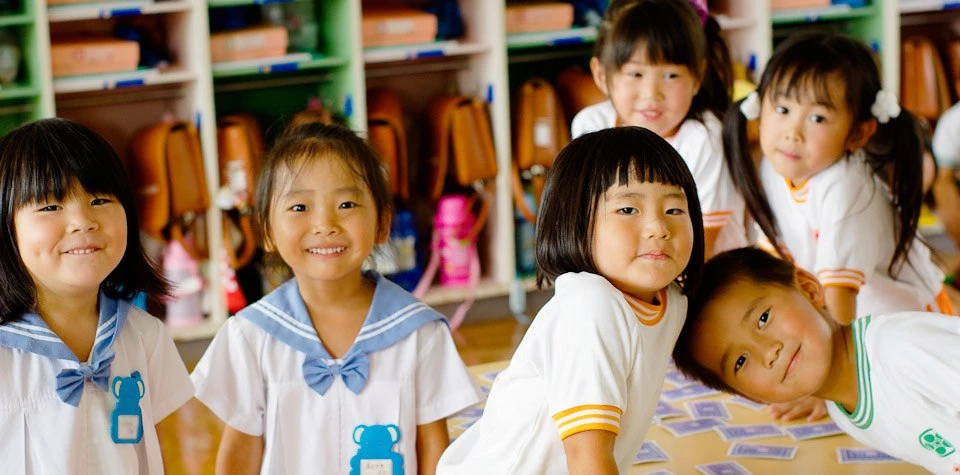
1. Kindergarten is compulsory in Japan, and children typically begin attending at age 3. Even in kindergarten, Japanese children master basic arithmetic and can read hiragana and katakana (syllabic alphabets).
2. To enter elementary school, all children must pass exams. Those who fail the entrance exams can attend a preparatory school and try again the following year.
3. Education in elementary and middle school is compulsory and free. High school and university tuition is always charged. 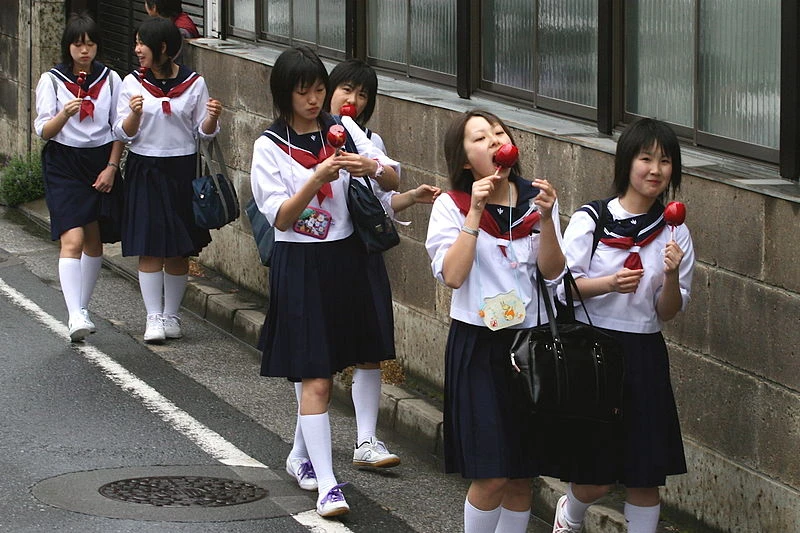
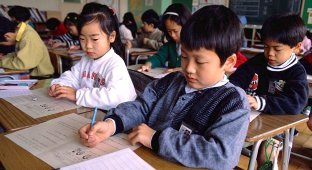
4. Homework is not assigned in elementary school. However, in middle and high school, homework is quite extensive, so Japanese high school students are considered the busiest people in the country.
5. Each school has its own unique uniform.
6. There are shoe lockers immediately after entering the school. 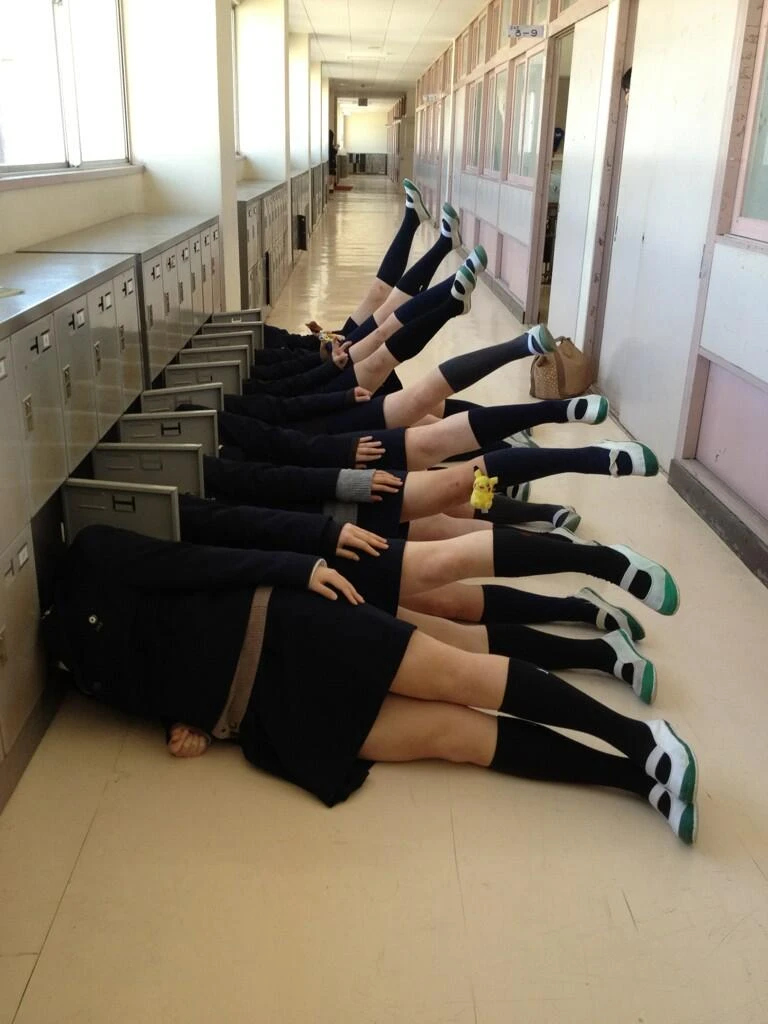
7. Most schools have strict hair color rules. Only natural hair color is acceptable for students.
8. Many public and private schools do not allow boys to have long hair; only neat short haircuts are permitted.
9. Rules for girls include: no perms, makeup, nail polish, or jewelry (except watches).
10. Students may only wear white, black, or dark blue socks. If a student wears, for example, brown socks, which is against school rules, the item may be confiscated. 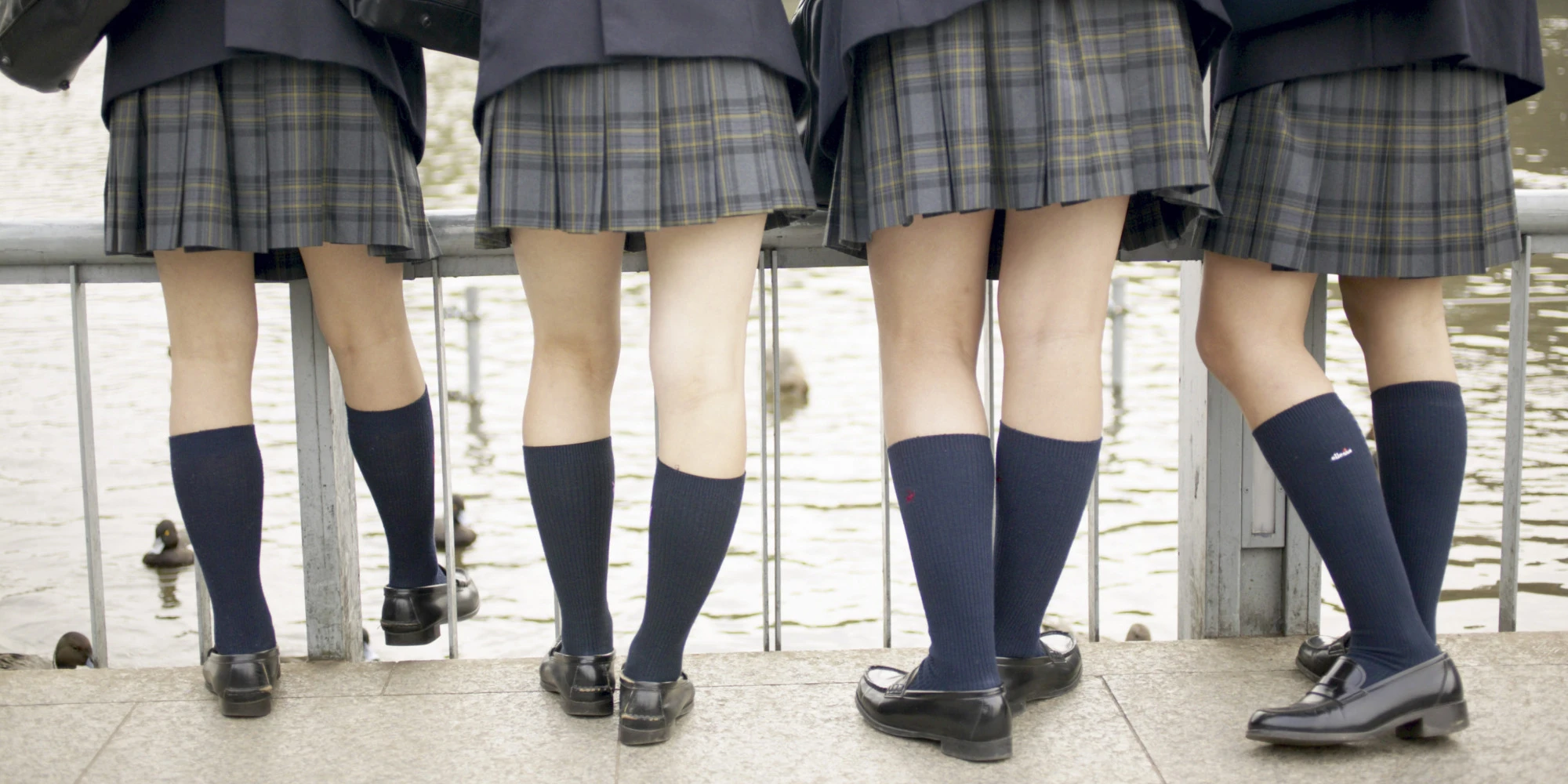
11. A typical Japanese school class consists of 30-40 students.
12. Students typically remain in one classroom throughout the year, and teachers must move from class to class.
13. Students must learn about 2,500 characters to be able to read and write Japanese.
14. Japanese children must learn to read and write three different ways: using proper Japanese characters, the Japanese version of Chinese characters, and the Latin alphabet. 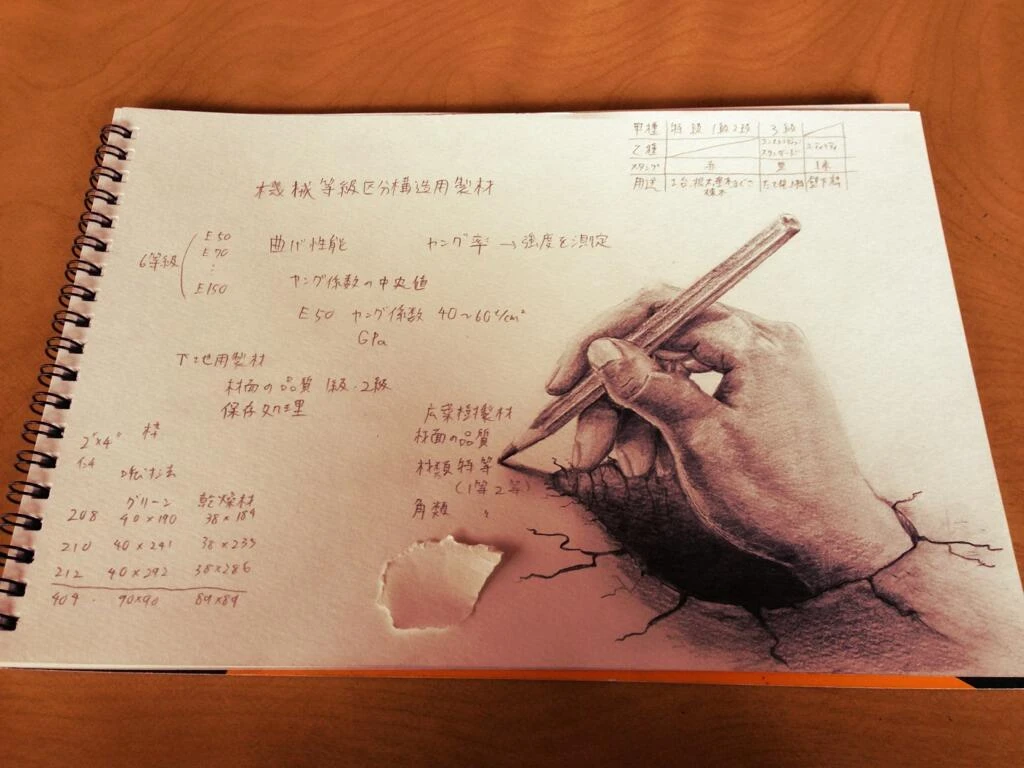
15. The core subjects in Japanese schools are mathematics, Japanese, social studies, handicrafts, music, and physical education. Most elementary schools now teach English. Students study healthy lifestyles, computer science, music, art, physical education, and home economics, as well as traditional arts such as calligraphy and haiku (a type of poetry).
16. Schools use information technology to improve education. All schools have internet access.
17. In schools, all classes are divided into small groups. These groups perform various activities, such as cleaning the classroom, the courtyard, the halls, etc. 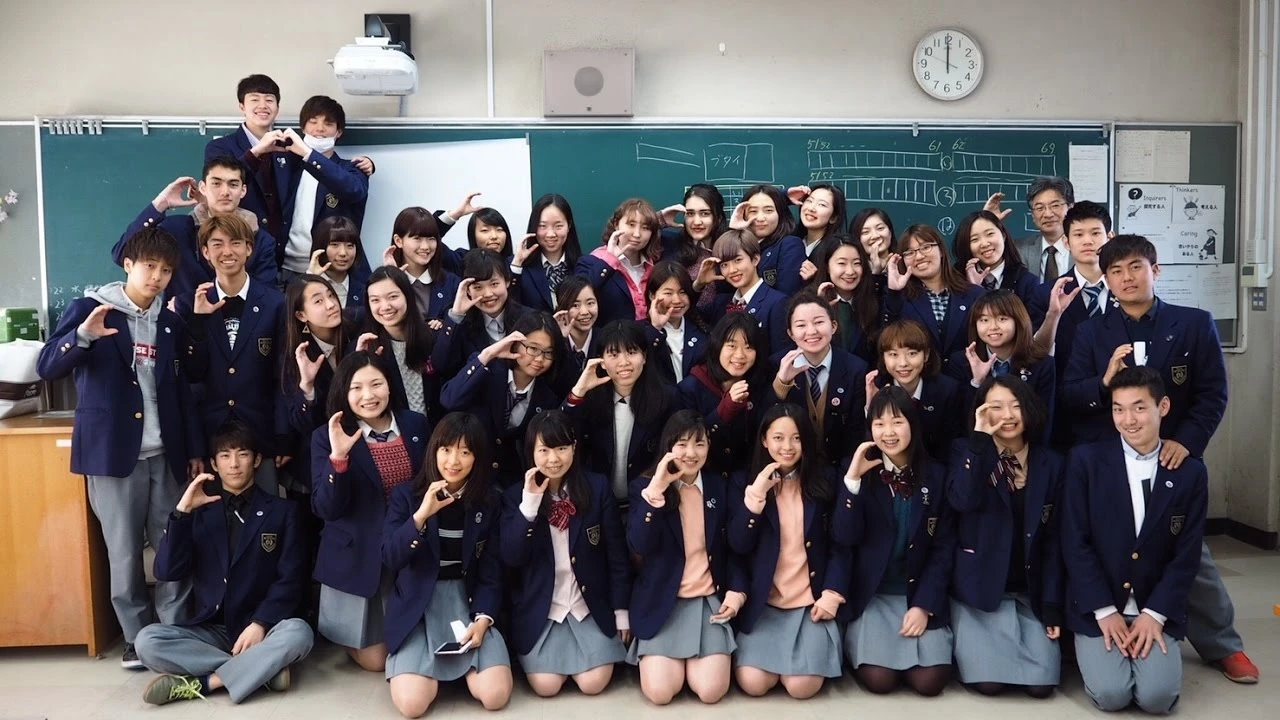
18. Most schools encourage students to join one of two clubs: a sports club (football, kendo, baseball, judo, tennis, track and field, swimming, volleyball, rugby) or a cultural club (calligraphy, math, science). Club members meet after school and spend time together.
19. There are no cleaning staff in Japanese schools. After school, students are responsible for cleaning their classrooms, hallways, toilets, and the grounds themselves. 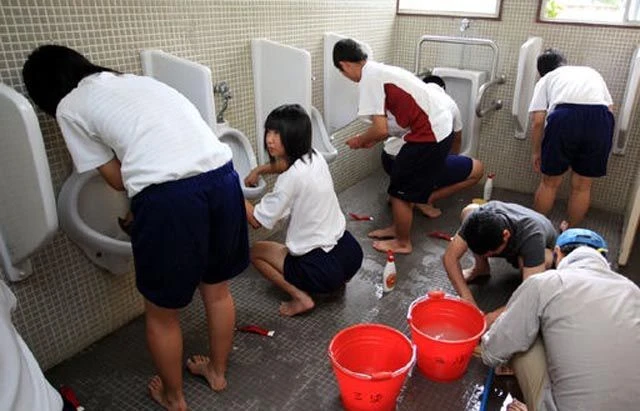
20. In Japan, children attend elementary school for 6 years, middle school for 3 years, high school for 3 years, and then, if desired, university for 4 years.
21. The school year in Japan begins in April. Students study in trimesters: the first term runs from April to the end of July, the second term runs from early September to mid-December, and the third term runs from January to mid-March. Summer break in Japan lasts only a month and a half (depending on the school) and falls during the hottest month, August.
22. Schoolchildren are assigned homework during summer and winter breaks. Students typically spend most of their free time during breaks doing homework or participating in school clubs.
23. The typical school day runs from 8:30 AM to 3:00 PM. Japan used to have only one day off, but in 1992, the government amended the schedule, increasing the weekend to two days. Some schools, however, break this rule and hold classes on Saturdays.
24. Substitutions are rare. If a teacher is absent for some reason, students study independently and remain quiet. Occasionally, another teacher may drop in and check on the class. 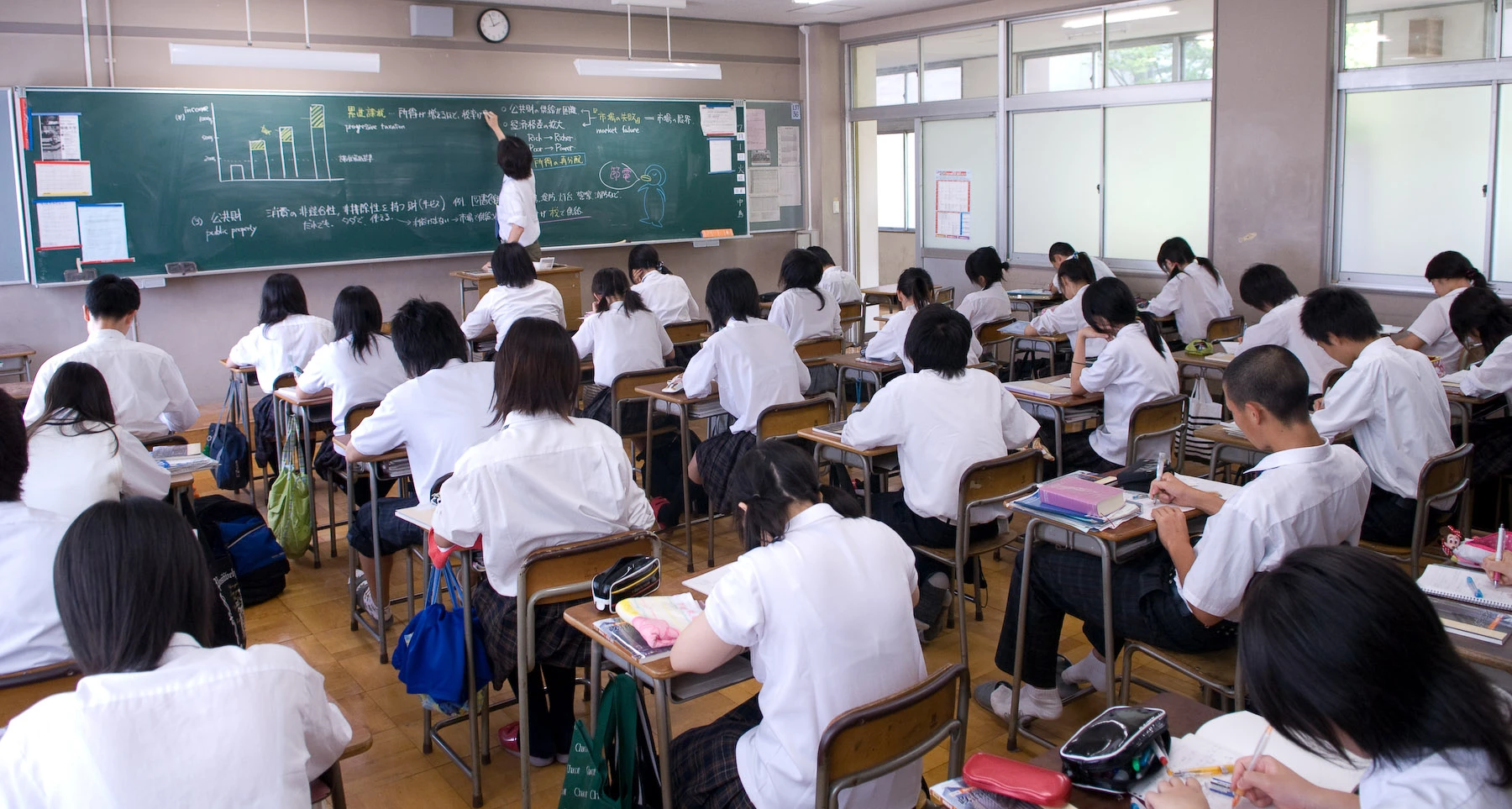
25. Swimming is also part of the curriculum. Many schools in Japan have their own swimming pools where children are taught to swim a minimum distance. Students who fail to master this skill must make up for it in the summer.
26. Every school has a nutritionist who oversees students' healthy eating and menu planning. Students are not allowed to bring snacks to school, sometimes even medications such as throat lozenges, as candy is considered unhealthy and a quick snack.
27. Students are not allowed to use cell phones within Japanese schools. Students may use their phones in the parking lot in front of the school entrance between or after classes. If a teacher notices a phone in class, it will be confiscated.
28. To advance from middle school to high school, students must pass exams. Students must also take exams at the end of each trimester and in the middle of the first and second trimesters. 
29. University students commute by car. There is no such thing as a school bus in Japan. Students walk, bike, or take public transportation. Students attend elementary school in small groups.
30. The better your university entrance exam scores, the higher your chances of receiving support from a large company that will pay for your college education. The student then goes to work for this company, and tuition is deducted from their salary. 
31. A 10:00 PM curfew has been imposed in Tokyo and Yokohama. Children under 18 are prohibited from visiting movie theaters and arcades after 10:00 PM.