We're used to thinking of cats as creatures that are wary of water, despite their deep respect for fish. But the Sumatran cat is a different animal. Its entire life revolves around water, and it feeds almost exclusively on aquatic animals. And this is its greatest weakness, which nearly destroyed its species. 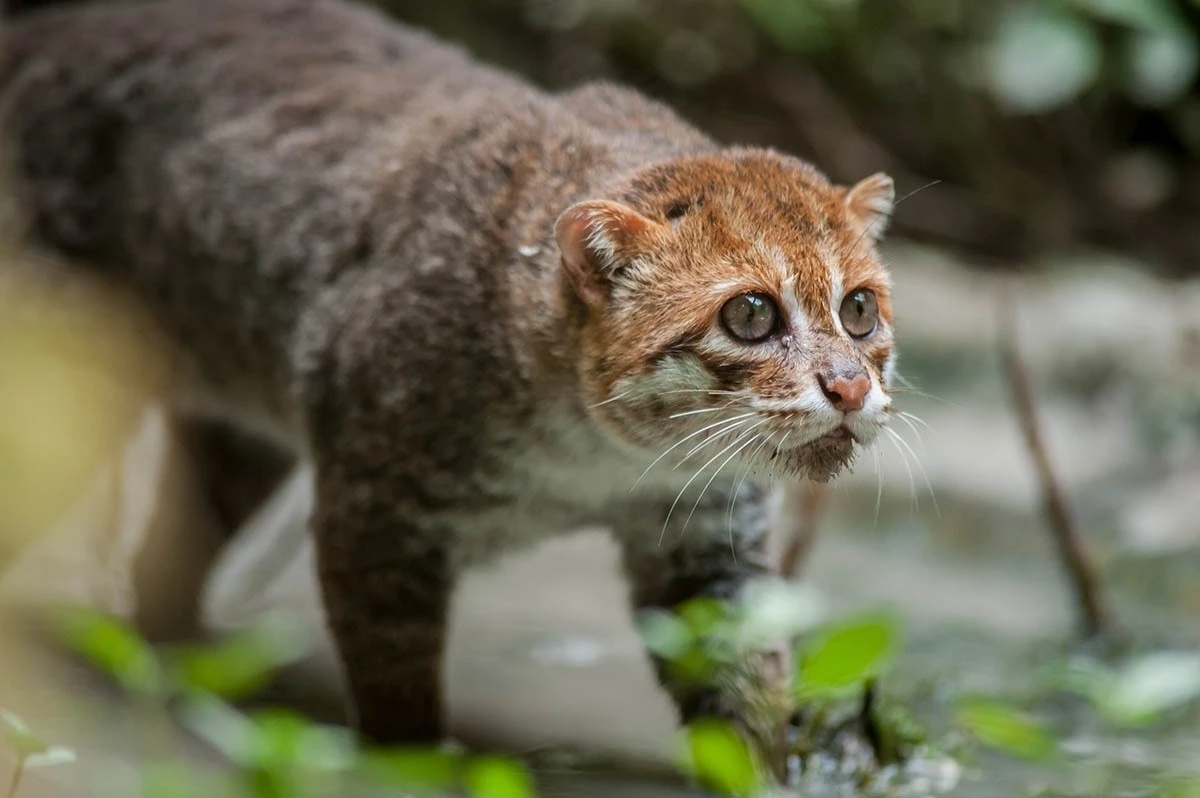
Once upon a time, the cat flourished. It inhabited not only Sumatra and Borneo, but also Malaysia and even Thailand. Small, weighing no more than 2.5 kilograms and resembling teenage cats, these animals lived along the banks of rivers and lakes, hunting frogs, salamanders, crabs, and small fish. But then the technological revolution came to the region. 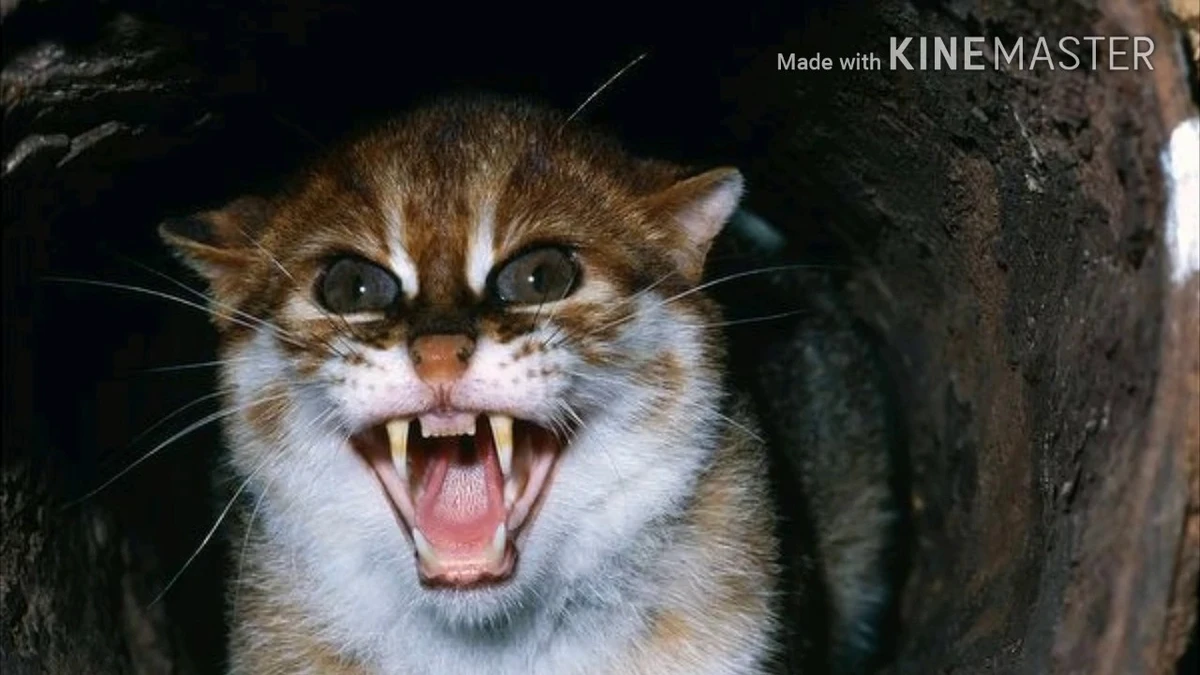
The Sumatran cat doesn't like people and shouldn't be petted. And as proof—look at its fangs!
The population began to grow rapidly, and the coastal thickets the cats loved were cleared for farms and plantations. At the same time, river ecosystems began to deteriorate: waste from dirty industries undermined the health of local inhabitants. And the cat began to disappear. 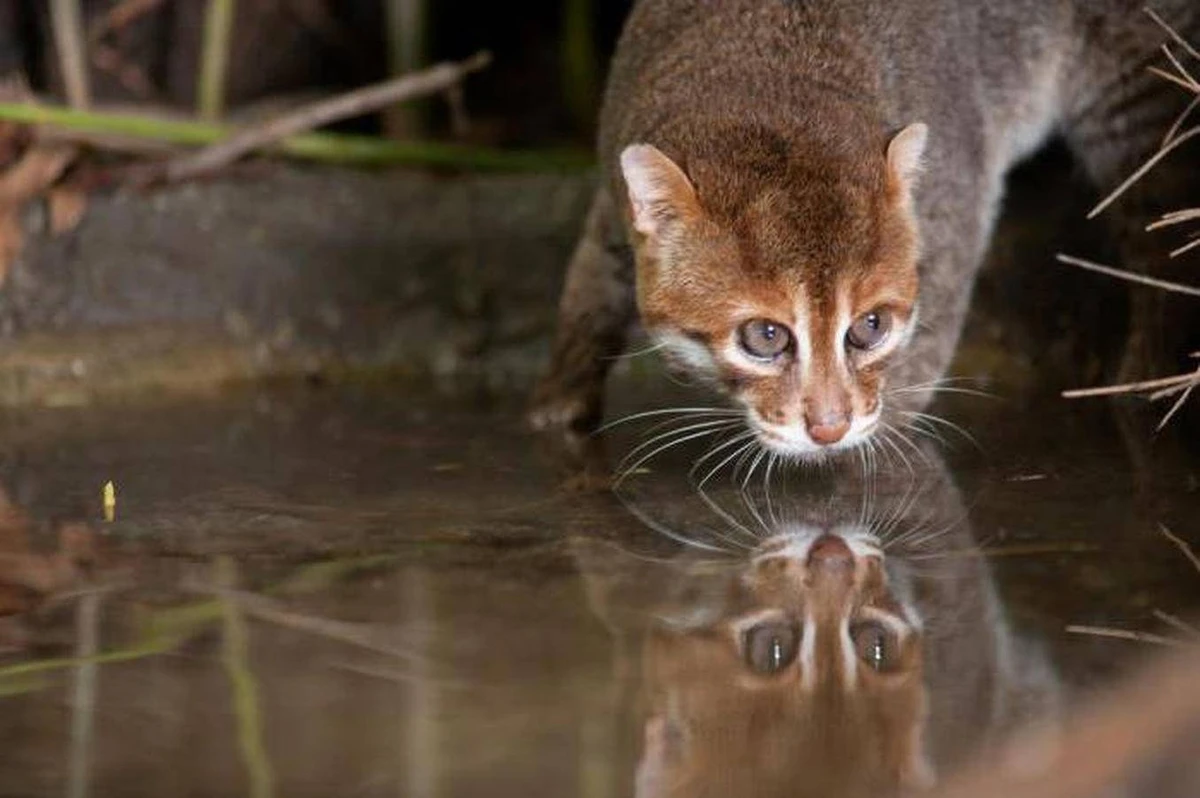
Wow, they gave me some water to drink! I wish they'd filtered it!
By the beginning of the 20th century, the cat had become completely extinct in Malaysia and Thailand, and its population on the islands had dropped to critical levels. And despite the fact that hunting and trapping the cats were completely banned, its numbers remained extremely low. 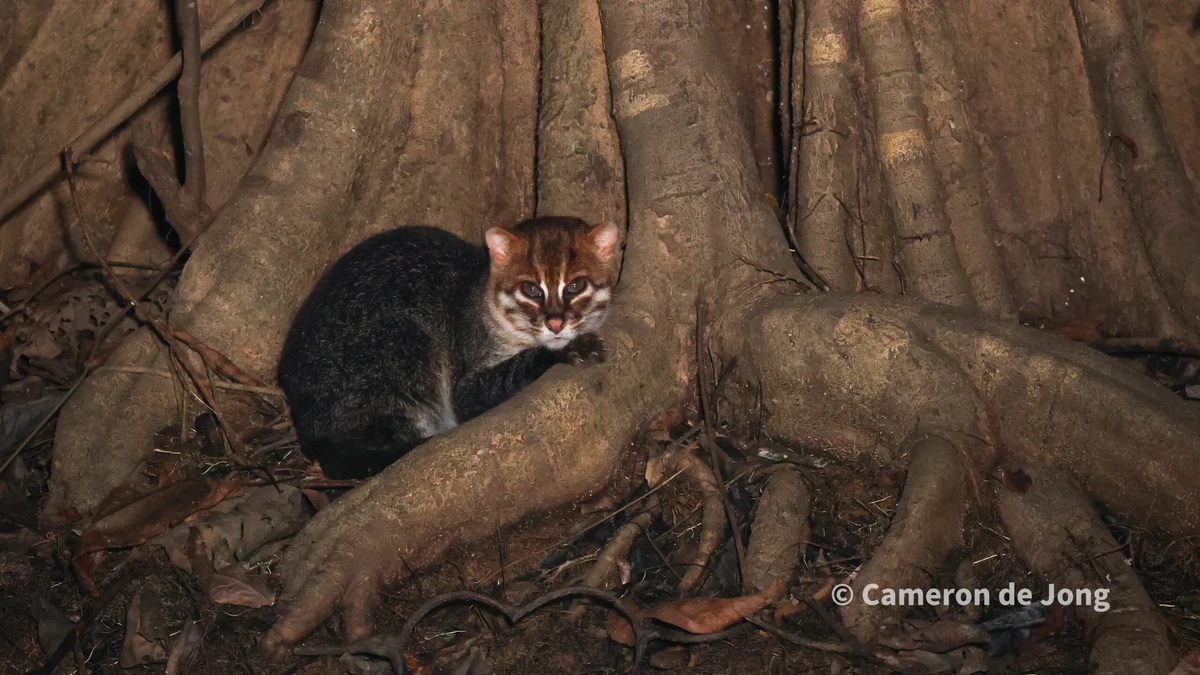
I feel uneasy. Where are my friends?
And then, in 2013, something unexpected happened: camera traps captured a Sumatran cat on the Malaysian Peninsula, even though the animal hadn't been seen there since 1974. Moreover, the cat lived just a few kilometers from oil palm plantations, in an area where the ecosystem had long been disrupted by human intervention. 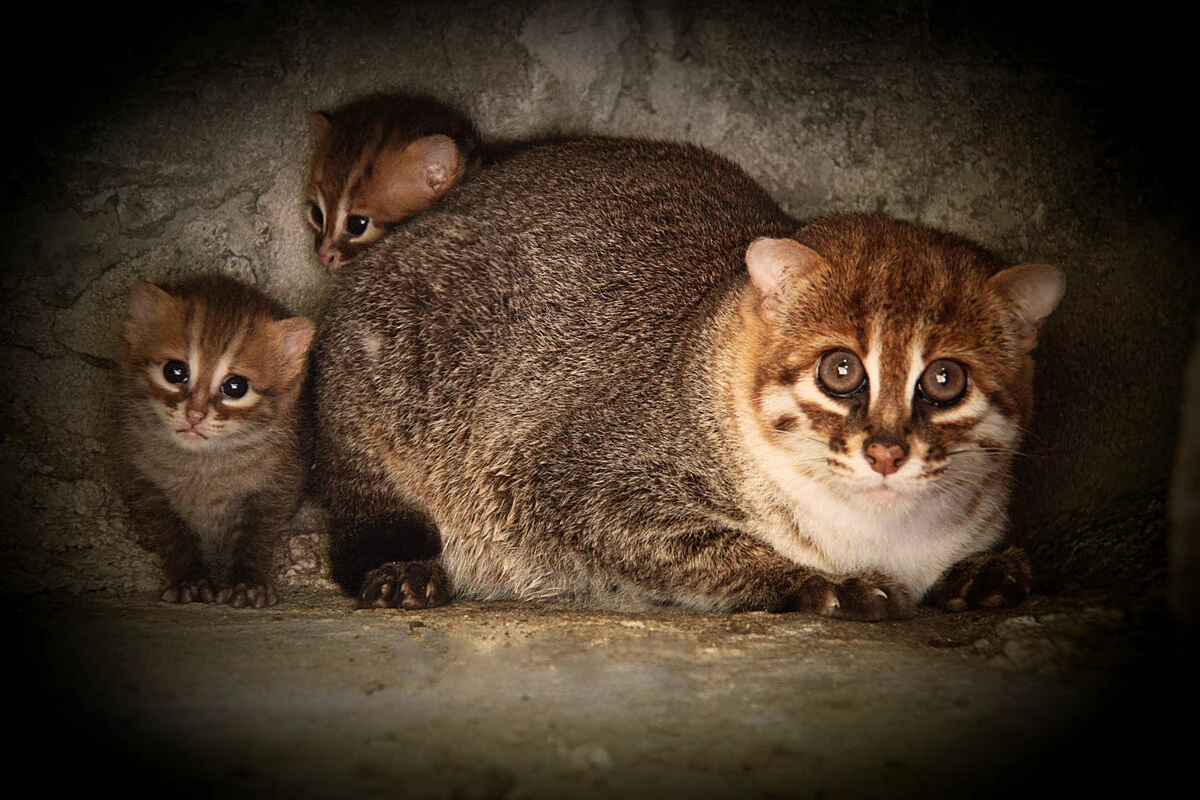
Usually, the Sumatran cat gives birth to only one kitten per year. This particular mother decided to break with tradition.
And late last year, the cat gave zoologists a real treat: an automatic camera captured the cat and her kitten in Thailand. Even though they hadn't been seen there for over 30 years! 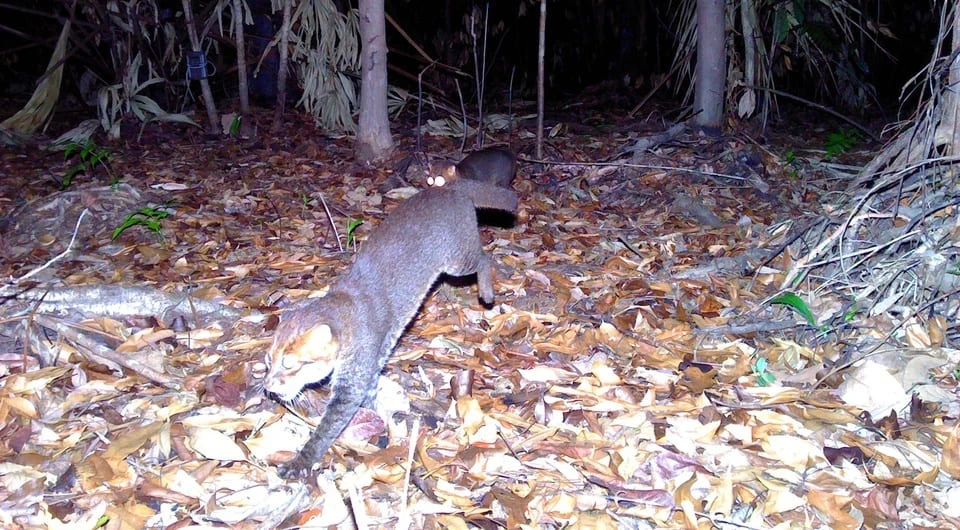
Two cats are sneaking around the Thai jungle!
Scientists still don't know whether the island cats swam to the mainland, or whether their critically low population, coupled with their camouflage skills, prevented us from detecting them. But one thing is certain: the environment has become less hostile for them, and Sumatran cats have begun to adapt to life in regions where survival was previously impossible. And that's simply wonderful news! 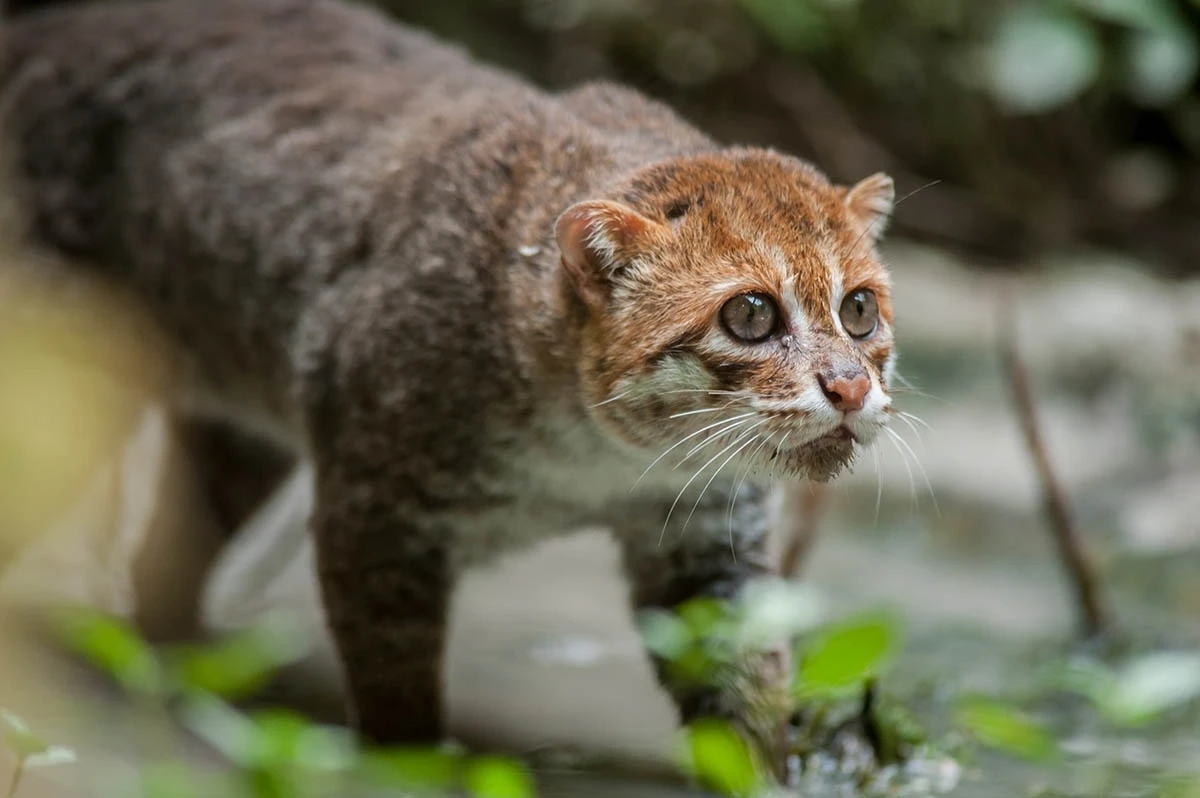
We wish them luck; it would be a shame to see such a cool cat go to waste.
Add your comment
You might be interested in:














17 Photos That Will Stop You in Your Tracks (18 Photos)

Behind the Camera on 'Back to the Future' (45 Photos)

What Would Happen to a Human on Every Planet in the Solar

Stunning Views of the Martian Horizon from 400 Kilometers
20+ Fascinating Photos of Rare and Unusual Sightings (40

50 Incredible Treasures People Rescued From the Trash (51

22 Examples of Pure Design Genius That Deserve a Huge

Hard to Believe Your Eyes: 20 Unreal Photos With

The Sexual Customs of the Vikings: Why an Older Partner Was
